The conversation almost always starts the same way. A new client sits down across from me — sometimes in my clinic, sometimes on a video call — and says something like: “My doctor thinks it might be IBS, but they weren’t really sure.” They look uncertain. Sometimes frustrated. Often they have been dealing with symptoms for months, occasionally years, before anyone put a name to what was happening in their gut.
In twelve years of clinical practice, I have heard this more times than I can count. And every single time, I take a breath and say the same thing: “Before we talk about what to eat, let’s talk about what IBS actually is — and more importantly, what it is not.”
If you are here because you are going through the process of getting an IBS diagnosis and want to know what to expect, this post is for you. I am going to be specific, honest, and — where it is warranted — a little blunt.
IBS Is a Real Diagnosis, Not a Default One
One of the most damaging things that can happen to someone with IBS is being told, implicitly or explicitly, that their diagnosis is just what doctors say when they cannot find anything else. That framing does real harm. It delays proper management, fuels anxiety, and leaves people feeling dismissed.
IBS — Irritable Bowel Syndrome — is a functional gastrointestinal disorder, which means it involves a problem with how the gut functions rather than visible structural damage. It is diagnosed using the Rome IV criteria, a set of clinical guidelines last updated in 2016 by a global committee of gastroenterologists. Under Rome IV, IBS is defined as recurrent abdominal pain occurring at least one day per week on average in the last three months, associated with two or more of the following: pain related to defecation, a change in stool frequency, or a change in stool form.
This is not guesswork. It is a recognised, evidence-based clinical framework. When a GP or gastroenterologist applies it properly, the diagnosis is as legitimate as any other.
What the Diagnostic Process Actually Looks Like
Here is what I tell clients to expect — and this is where I want to be genuinely useful rather than vague.
First, your doctor should take a detailed symptom history. How long have you had symptoms? Are they related to eating? Stress? Your menstrual cycle if applicable? Do they wake you from sleep? That last one matters: IBS symptoms typically do not wake people from sleep, whereas inflammatory bowel disease often does.
Second, your GP should rule out what we call red flag symptoms. These include:
- Unintentional weight loss
- Rectal bleeding not explained by haemorrhoids
- A palpable abdominal or rectal mass
- Anaemia
- Onset of symptoms after age 60
- A family history of bowel cancer or inflammatory bowel disease
If any of these are present, further investigation is needed before an IBS diagnosis is made. Do not let anyone skip this step.
Third, your doctor should order basic blood tests: a full blood count, CRP (C-reactive protein) to check for inflammation, coeliac antibodies, and thyroid function. In some cases, a faecal calprotectin test is used to help distinguish IBS from IBD — this is a stool test that detects intestinal inflammation. It is not perfect, but it is a useful triage tool.
A colonoscopy is not routinely required for an IBS diagnosis in patients under 45 without red flags. I mention this because I regularly see clients who are anxious because they have not had one. In most cases, you do not need one to confirm IBS.
The Four Subtypes — And Why They Matter for Treatment
IBS is not one-size-fits-all. Understanding your subtype is essential because it directly shapes dietary and supplement recommendations.
- IBS-D: Predominant diarrhoea
- IBS-C: Predominant constipation
- IBS-M: Mixed — alternating between both
- IBS-U: Unclassified — symptoms do not fit neatly into the above
When I am working with a client, I use the Bristol Stool Form Scale as a daily tracking tool in the first two to four weeks. It sounds basic, but it produces genuinely useful clinical data. If you do not know your pattern, you cannot treat it effectively.
What Most GPs Do Not Have Time to Tell You
A standard GP appointment is around ten minutes. IBS management requires considerably more than that, which is one reason why so many people end up confused or stuck after their diagnosis.
Here is what tends to get missed:
The gut-brain axis is central to IBS, not peripheral to it. Research, including a landmark 2020 paper in Nature Reviews Gastroenterology and Hepatology, has solidified our understanding that IBS involves bidirectional signalling between the central nervous system and the enteric nervous system. Stress does not cause IBS, but it absolutely modulates it. Gut-directed hypnotherapy and cognitive behavioural therapy (CBT) both have solid evidence bases for IBS — not as alternative treatments, but as legitimate first-line options.
Diet is highly individual. The low-FODMAP diet, developed by researchers at Monash University in Australia, remains the most evidence-supported dietary intervention for IBS, with response rates of around 50–80% reported in clinical trials. But it is a diagnostic elimination protocol, not a permanent diet. It should be done in three phases — restriction, reintroduction, and personalisation — ideally with professional support. Going low-FODMAP indefinitely without reintroduction is one of the most common mistakes I see, and it unnecessarily restricts dietary diversity.
An honest caveat here: not everyone responds to low-FODMAP, and we do not yet have reliable biomarkers to predict who will. In my clinic, I see roughly one in five clients who follow the protocol correctly and still do not get meaningful symptom relief. For those clients, we look elsewhere — at the microbiome, at motility, at stress physiology. IBS management is iterative, not linear.
The Role of Probiotics: What the Evidence Says
Probiotics are one of the most frequently asked-about topics in my practice. The evidence is promising but uneven. A 2018 Cochrane-style systematic review found benefit for probiotics in IBS overall, but noted that strain specificity, dosing, and duration matter enormously. Not all probiotics are the same, and choosing based on marketing alone is not good enough.
For clients who are particularly affected by loose stools and diarrhoea-predominant symptoms, strain selection is especially important. For clients with mixed or constipation-predominant symptoms, broad-spectrum multi-strain products with prebiotic support tend to perform better in my clinical experience.
This post contains affiliate links. As an Amazon Associate I earn from qualifying purchases.
Products I Recommend to Clients
I do not recommend products lightly, and I do not recommend anything I have not personally reviewed for ingredient quality and clinical rationale. Here are three that I suggest regularly depending on a client’s presentation:
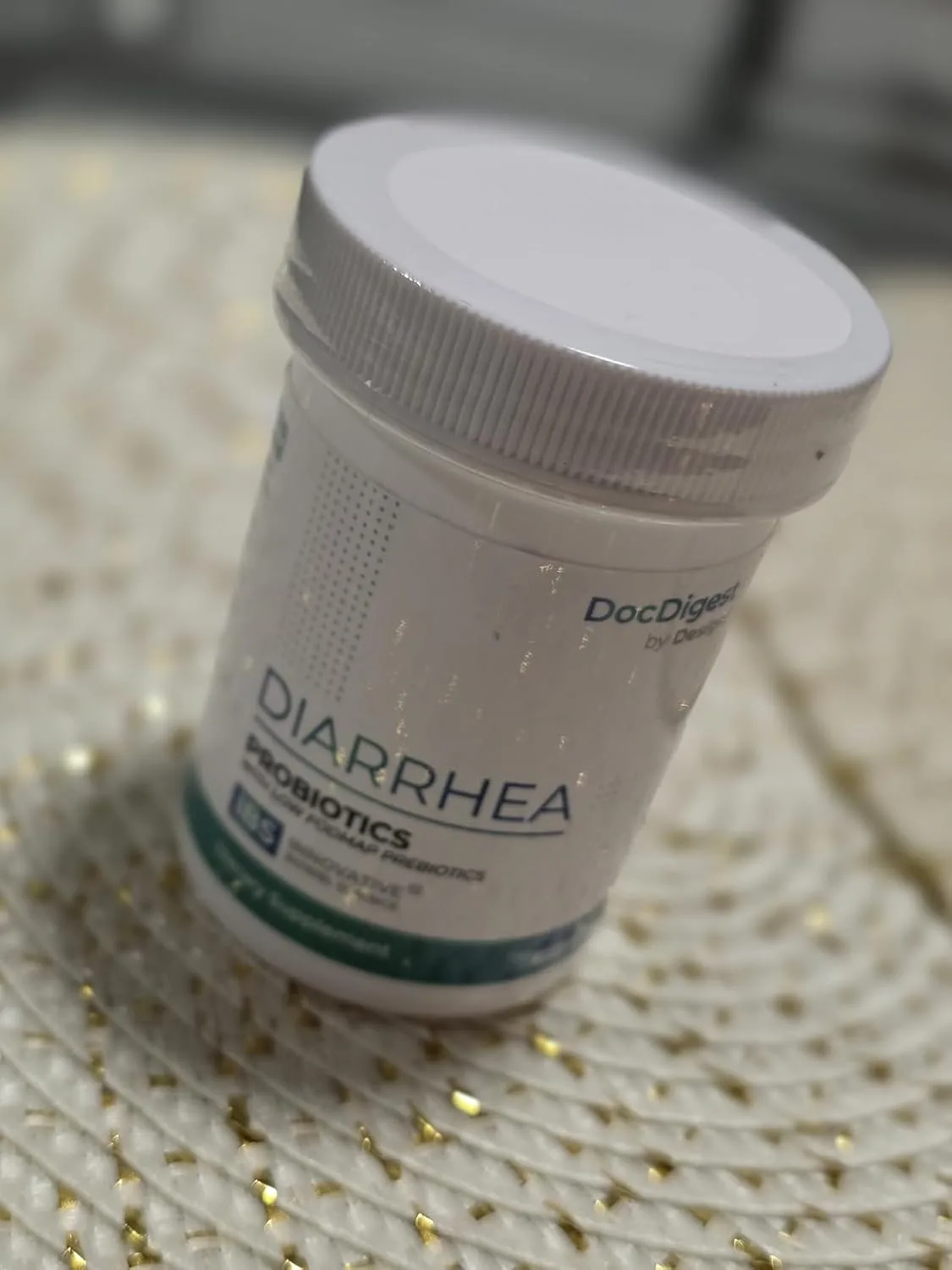
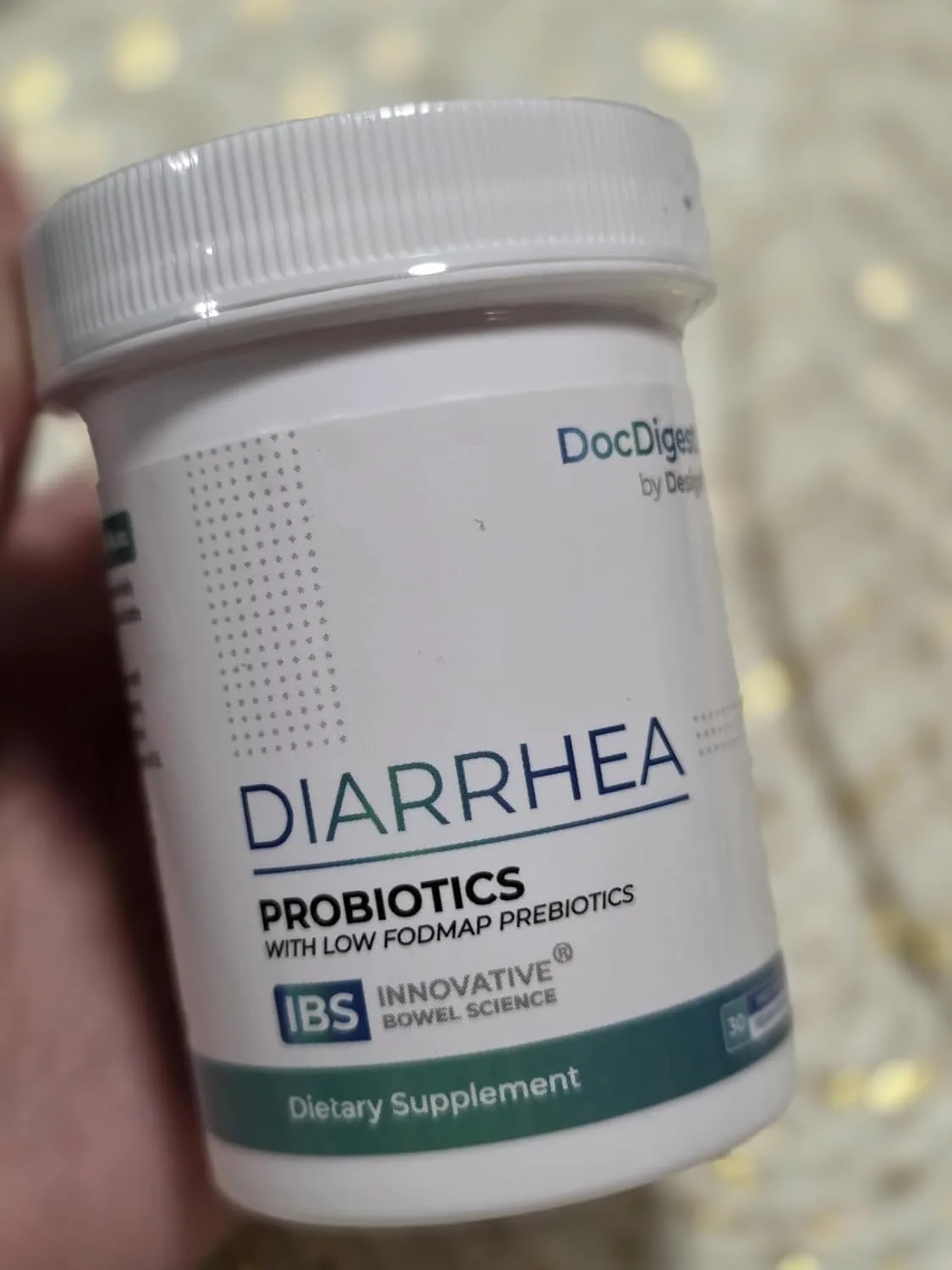
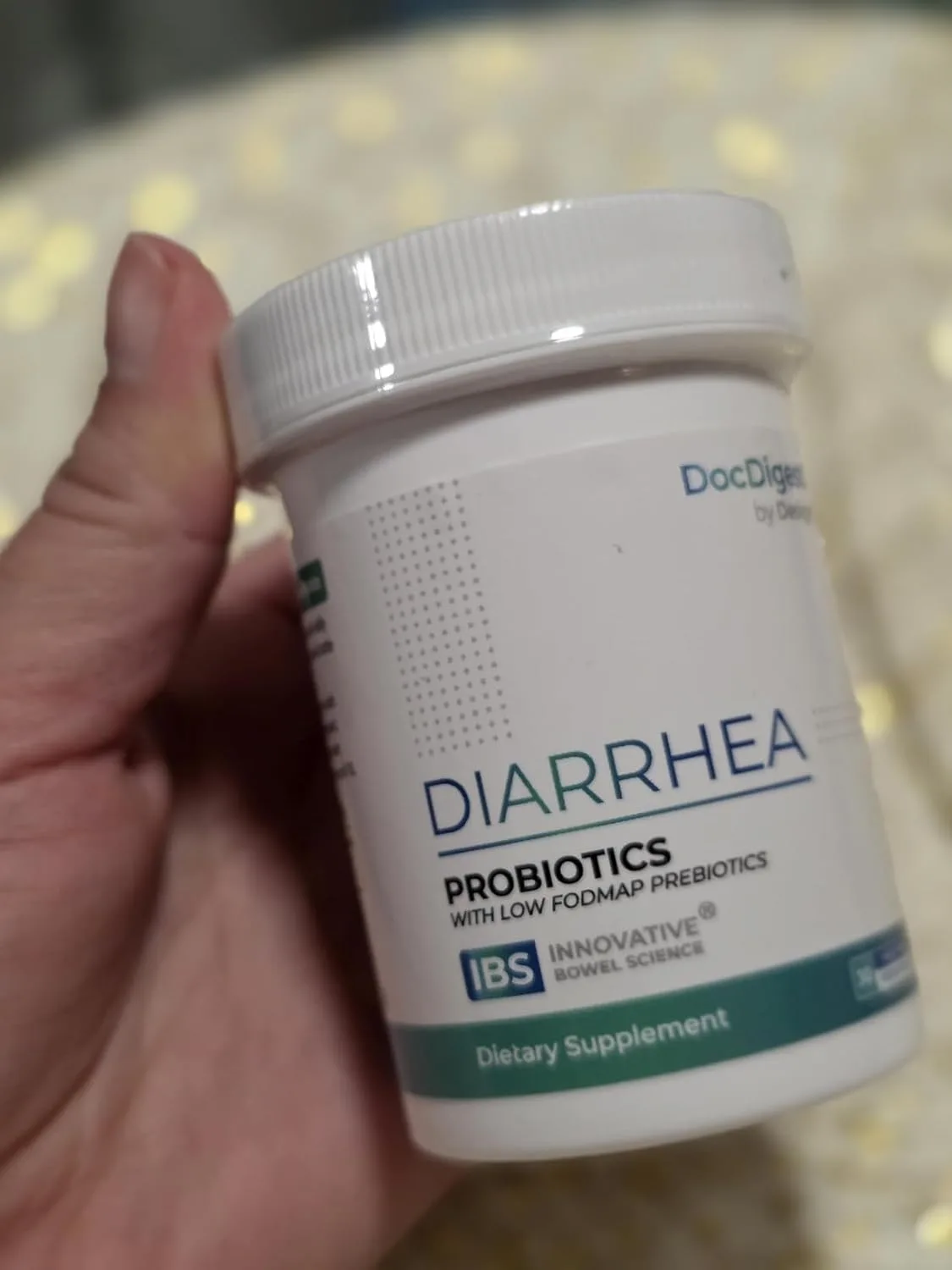
For clients with IBS-D, the IBS Anti Diarrhea Probiotic for Diarrhea Relief and IBS-D is specifically formulated for diarrhoea-predominant IBS and uses clinically studied strains targeted at reducing loose stools and urgency. This is not a generic probiotic — it is designed with IBS-D in mind, which matters for strain selection.
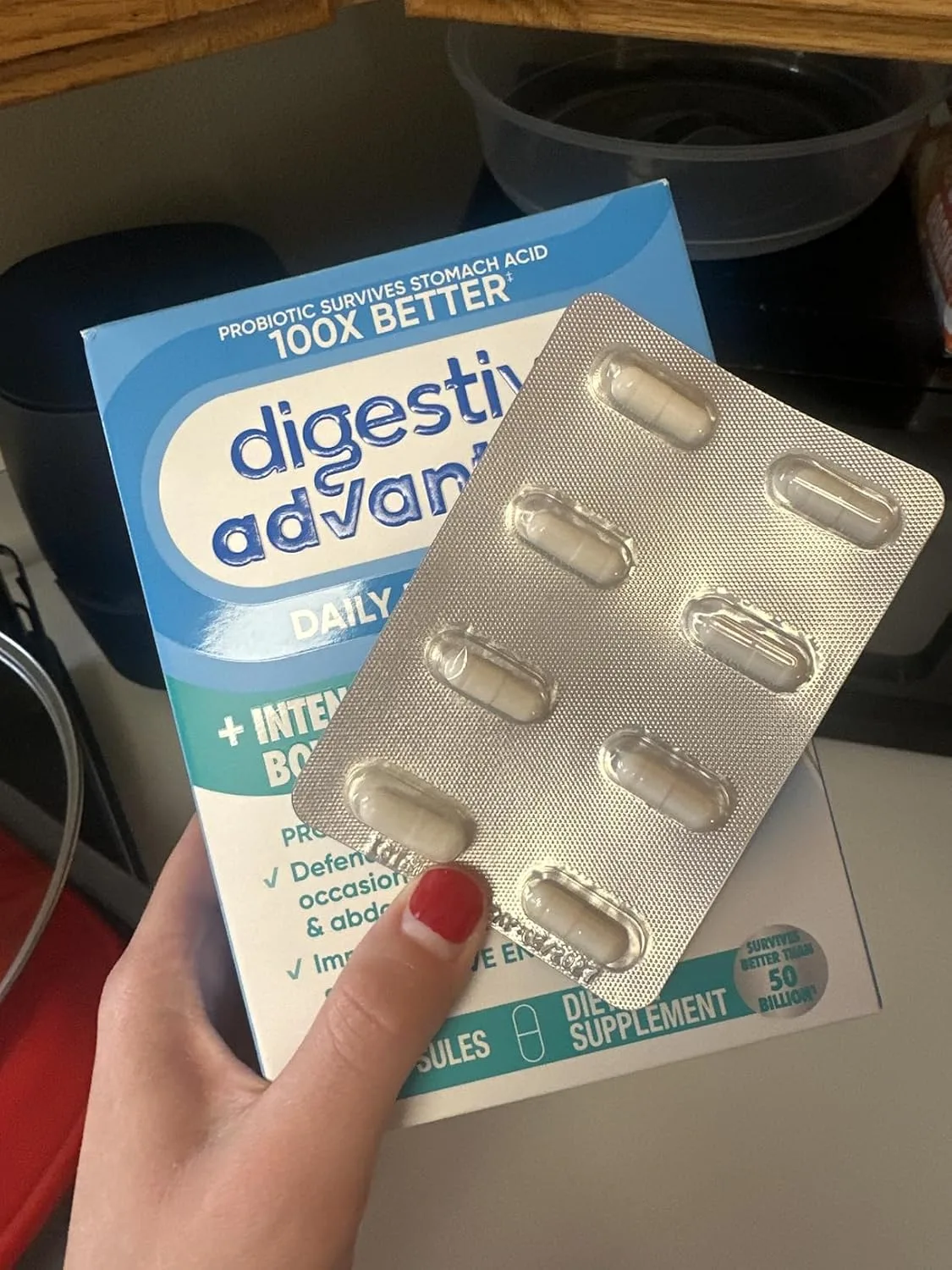
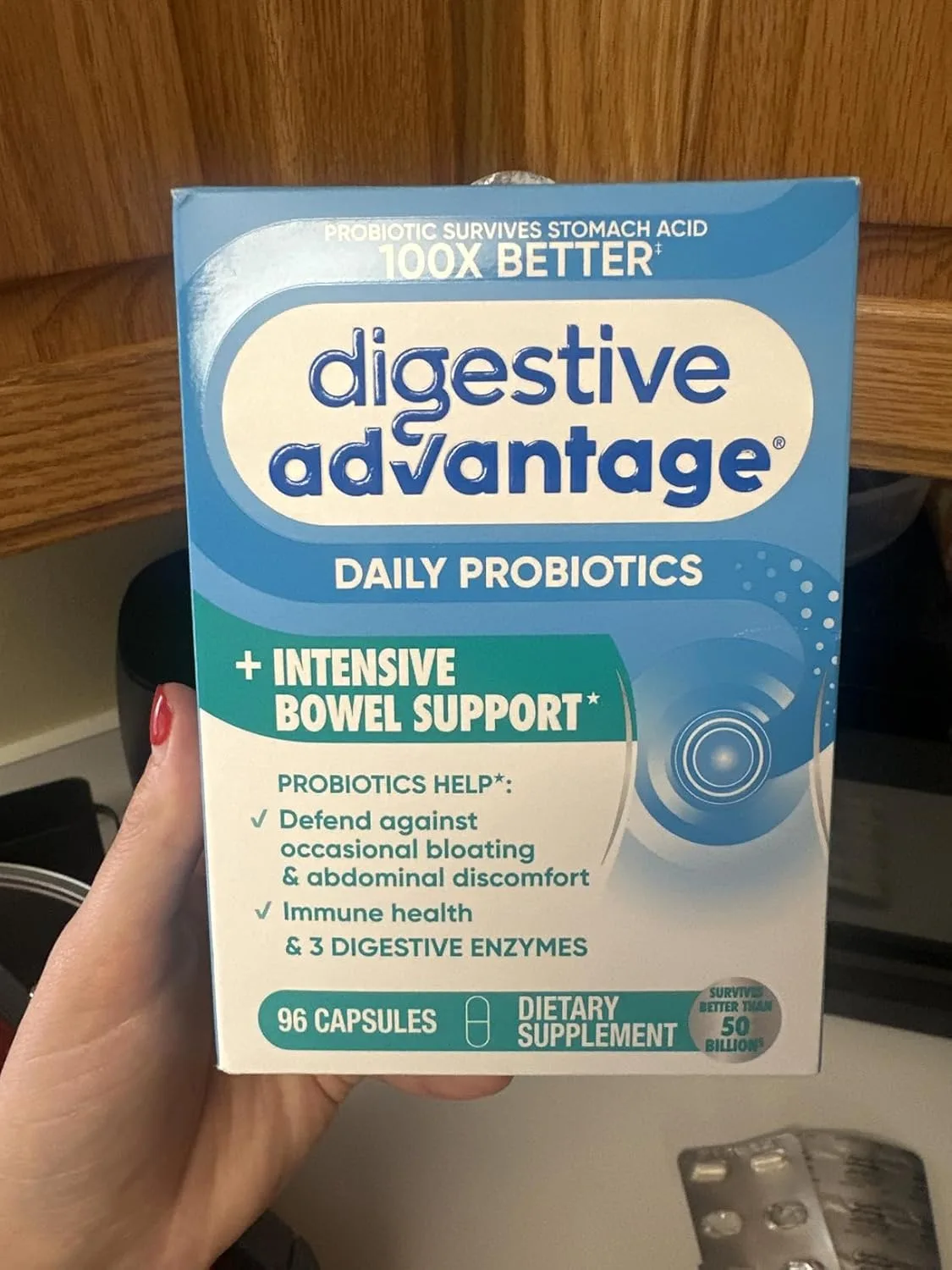
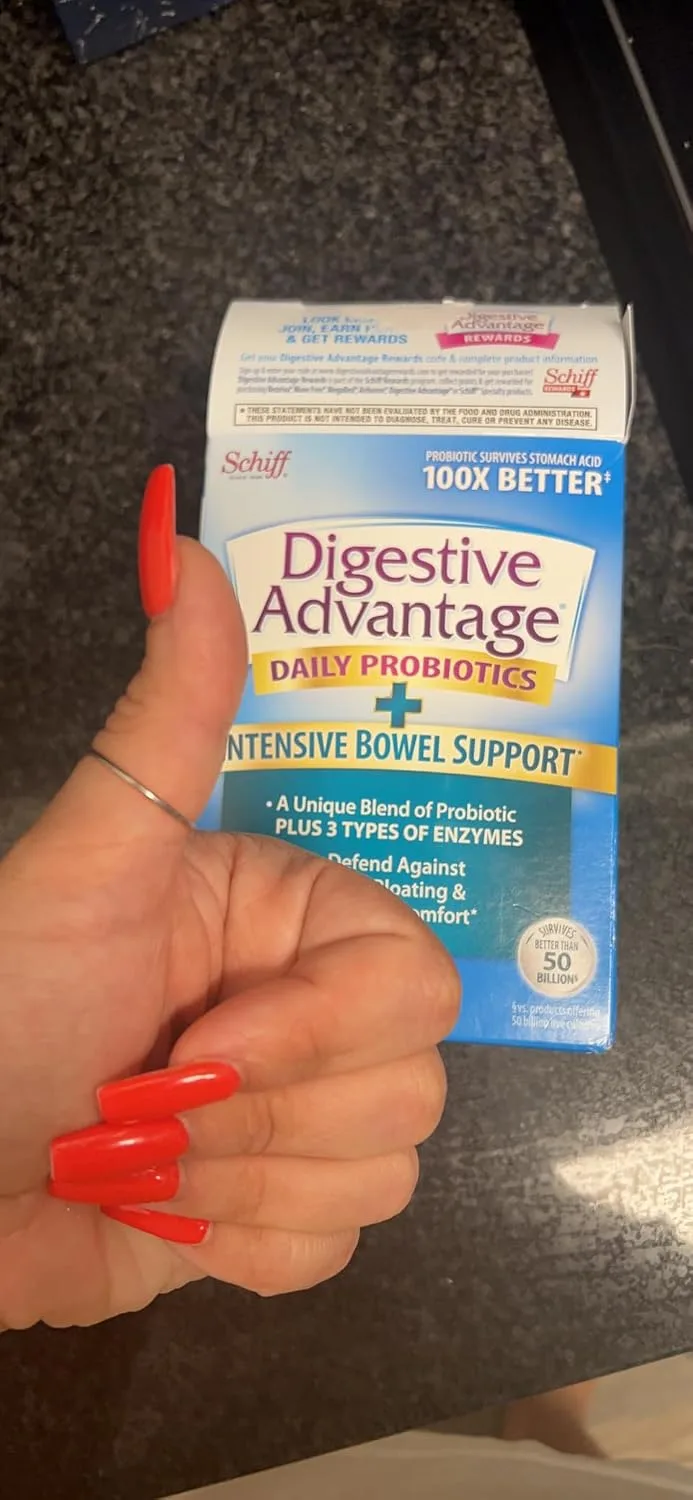
For clients wanting broader gut support alongside their IBS management — particularly those dealing with bloating as a primary complaint — Digestive Advantage IBS Probiotics for Digestive Health & Intensive Bowel Support combines probiotics with digestive enzymes, which can be particularly helpful during the early stages of dietary adjustment.
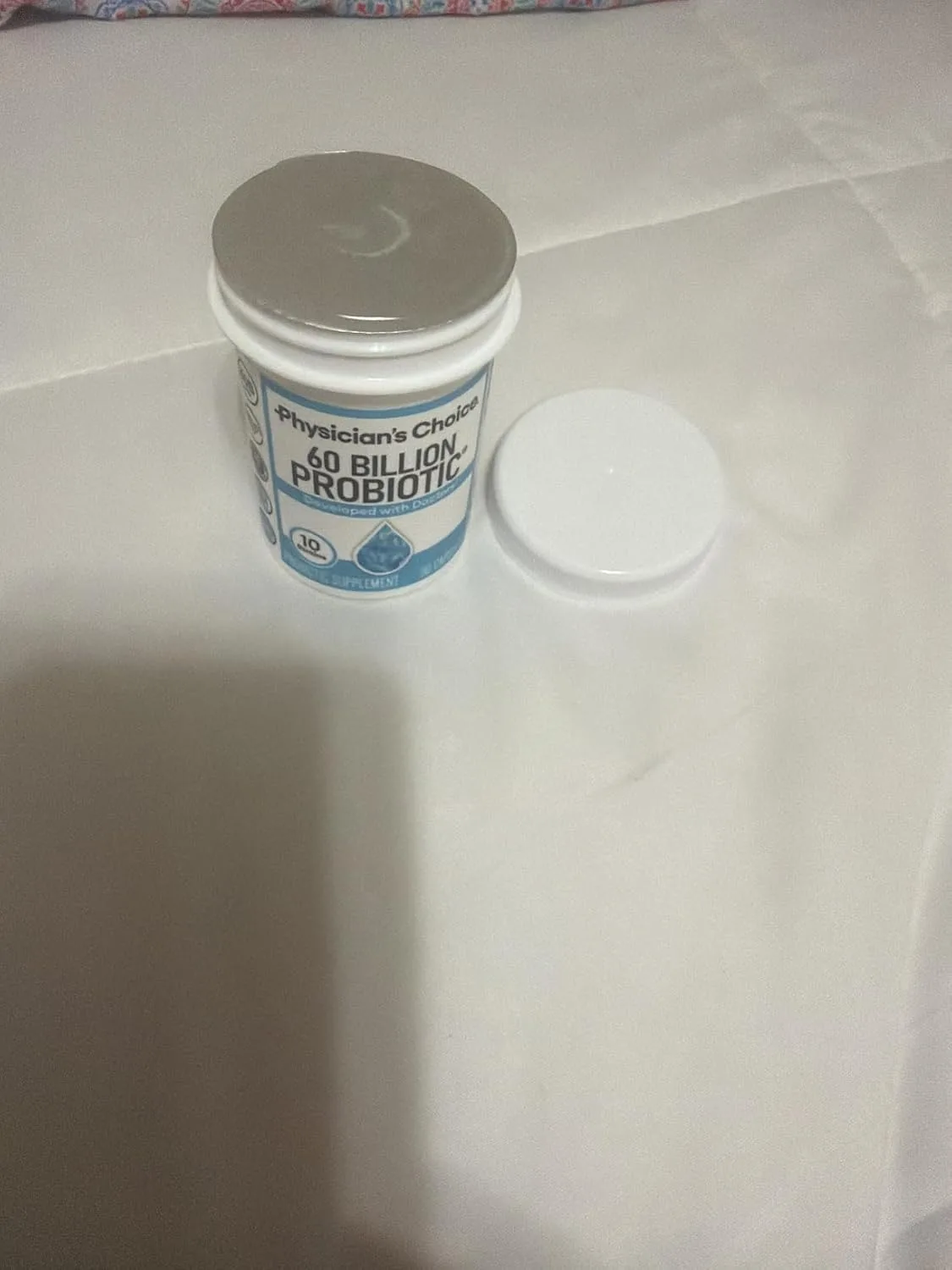
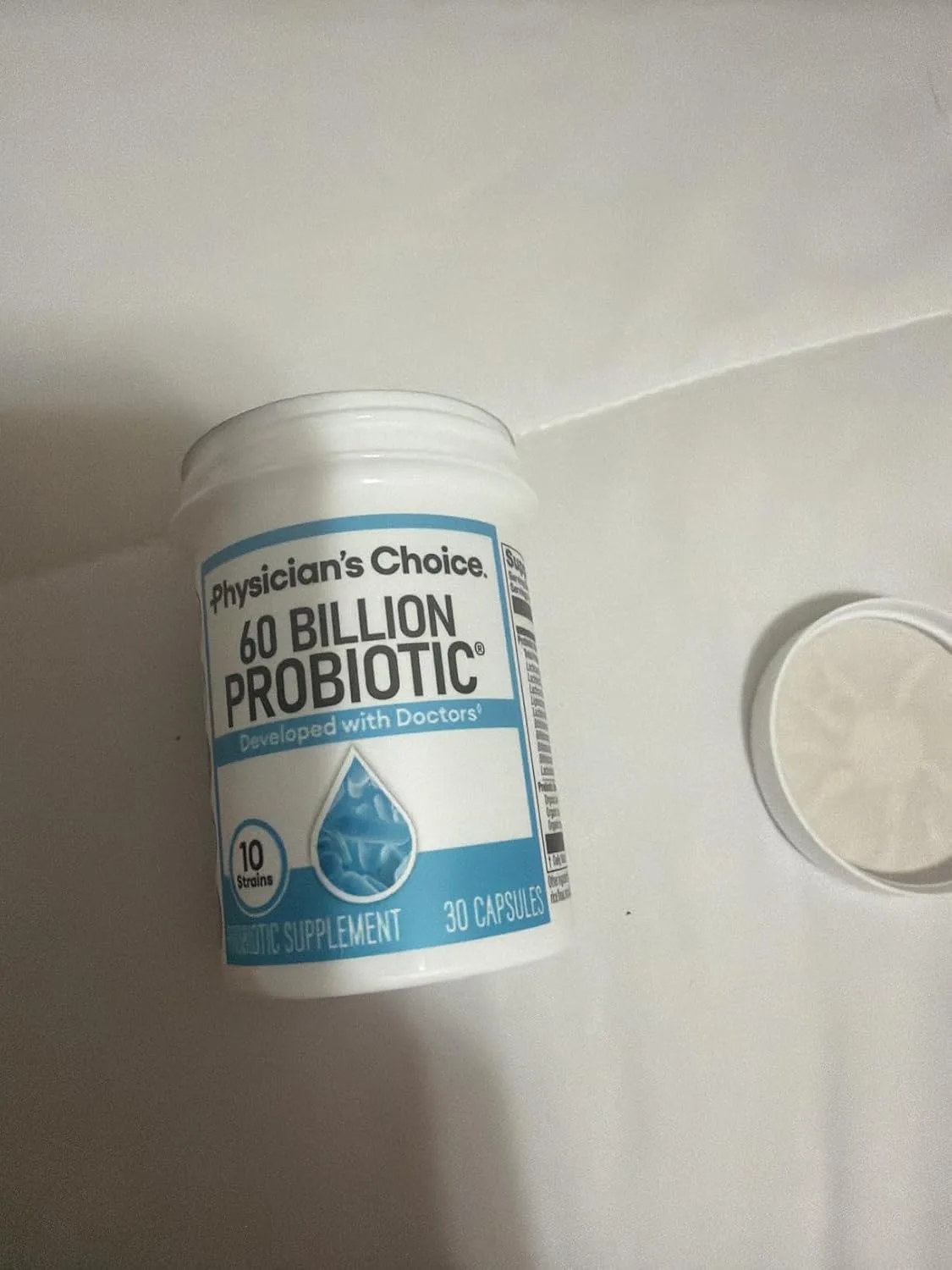
For clients who want a high-potency multi-strain option, the Physician’s CHOICE Probiotics 60 Billion CFU delivers 10 strains alongside organic prebiotics. The inclusion of prebiotics matters — you are not just introducing bacteria, you are giving them something to work with. I often suggest this one for clients in the maintenance phase following low-FODMAP reintroduction.
What to Do Right Now If You Are Awaiting or Have Just Received a Diagnosis
My practical advice, based on what actually helps people in the first weeks after diagnosis:
- Start a symptom and food diary immediately — at minimum, track what you eat, your stress levels (1–10), and stool consistency using the Bristol scale
- Do not start eliminating foods randomly before you have established a baseline
- Ask your GP specifically about a referral to a dietitian with IBS experience, particularly one trained in low-FODMAP delivery
- Download the free Monash University FODMAP app — it is the most accurate and up-to-date food database available
- Read the NICE guideline CG61 on IBS — it is written for clinicians but accessible, and knowing what you are entitled to as a patient matters
The Bottom Line
An IBS diagnosis is not the end of the conversation — it is the beginning of a process. The process involves understanding your subtype, identifying your triggers, and systematically testing interventions rather than throwing everything at the problem at once. It takes time, and it requires patience with both the condition and with yourself.
What I want every new client to leave their first appointment with me knowing is this: IBS is manageable. Not always curable, but manageable. The people who do best are the ones who approach it methodically, stay curious about their own data, and resist the urge to catastrophise when progress is slow.
If you have questions about what the IBS diagnosis process looks like, or what dietary approaches might suit your subtype, feel free to leave a comment below. I read every one.
The Probiotic Strain That Addresses IBS-D When Diagnosis Is Still Unclear
When a client is sitting with suspected IBS-D but hasn’t yet had formal testing or specialist confirmation, a targeted probiotic can offer gentle support while you’re still working through the diagnostic process. This formulation is designed specifically for diarrhea-prone digestive systems, not a broad-spectrum “wellness” probiotic that may actually make loose stools worse.
What works
- The strain selection is evidence-based for IBS-D; probiotics formulated for diarrhea relief use specific Lactobacillus and Bifidobacterium species shown in trials to reduce urgency and improve stool consistency, not the generic multi-strain blends that can backfire.
- Most clients report noticeable improvement within 2–3 weeks of consistent use, though the full settling effect typically takes 4–6 weeks as your microbiome adjusts.
- It’s a non-prescription option that sits safely alongside most medications and dietary changes, so it can be trialled without waiting for specialist appointments.
What doesn’t
- Probiotics are not a substitute for identifying underlying triggers—food sensitivities, stress patterns, or structural issues will still need addressing, and no probiotic will mask an undiagnosed coeliac disease or inflammatory bowel disease.
- If you’re immunocompromised, on immunosuppressants, or have acute severe diarrhea, talk to your GP before starting any probiotic; this is especially important if you’re undiagnosed and symptoms are worsening.
This probiotic is a helpful stepping stone, not a diagnosis or cure—if your symptoms persist or worsen after 6 weeks, or if you develop new symptoms like blood in stool or unexplained weight loss, you need further investigation from your GP or gastroenterologist, not a stronger dose. You can try the IBS Anti Diarrhea Probiotic for Diarrhea Relief and IBS-D.
This post contains affiliate links. As an Amazon Associate, I earn from qualifying purchases at no extra cost to you.
![Customer photo of [specific product/packaging shown]](https://digestionfaq.com/wp-content/uploads/2026/07/B079H53D2B-1.webp)