- Pure Encapsulations DGL Plus – 60 Capsules — This formula combines DGL with marshmallow root, aloe vera extract, and slippery elm bark — all ingredients that have a long history of traditional use for soothing the digestive tract. It’s vegan, Non-GMO, and made by a brand known for its quality and purity standards. Many people find the combination of these ingredients particularly
You know that burning sensation that creeps up your chest after a big dinner or a late-night slice of pizza? You grab the antacid, tell yourself you just have “heartburn,” and move on. But then someone mentions GERD, and your doctor once said something about acid reflux, and suddenly you’re wondering — are these all the same thing? If you’ve ever been confused about GERD vs acid reflux vs heartburn, you are absolutely not alone. I used to mix up these terms constantly, and it turns out, there’s actually an important difference between them that can really change how you approach your digestive health.
This post contains affiliate links. As an Amazon Associate, I earn from qualifying purchases. This means I may earn a small commission if you click through and make a purchase, at no extra cost to you. I only recommend products I believe may genuinely support digestive wellness.
GERD vs Acid Reflux vs Heartburn: They’re Not the Same Thing
Let’s break this down in plain language, because honestly, the medical world doesn’t always make it easy for us regular people to understand what’s going on in our own bodies.
Acid Reflux: The Root Cause
Acid reflux is the actual physical event happening in your digestive system. It occurs when stomach acid flows back up through the lower esophageal sphincter (LES) — a ring of muscle that’s supposed to act like a one-way valve between your stomach and esophagus. When that valve weakens or relaxes at the wrong time, stomach acid sneaks upward where it doesn’t belong. Research suggests this can happen to almost anyone occasionally, especially after a heavy meal, lying down too soon after eating, or consuming certain trigger foods.
Heartburn: The Symptom You Feel
Heartburn is not a condition — it’s a symptom. That burning, uncomfortable sensation in your chest or throat? That’s heartburn, and it’s what you feel when acid reflux is happening. Despite its name, heartburn has absolutely nothing to do with your heart. It just happens to occur in the chest area, which understandably causes some confusion. Many people find that heartburn flares after eating spicy foods, citrus, chocolate, caffeine, or fatty meals, and it can also be triggered by lying down or bending over shortly after eating.
GERD: When It Becomes a Chronic Condition
GERD, which stands for Gastroesophageal Reflux Disease, is what doctors diagnose when acid reflux stops being an occasional inconvenience and starts becoming a regular, disruptive pattern. According to the American College of Gastroenterology, GERD is generally defined as acid reflux occurring more than twice a week, or causing symptoms that interfere with daily life. GERD can lead to complications over time if left unaddressed, including inflammation of the esophagus (esophagitis) and, in some cases, a condition called Barrett’s esophagus. If you suspect you have GERD, please talk with your healthcare provider — this one is worth a real conversation with a professional.
Common Triggers and Lifestyle Factors Worth Knowing
Understanding your triggers is one of the most empowering things you can do for your digestive health. While everyone’s body is a little different, research points to several common patterns that may worsen acid reflux and heartburn symptoms.
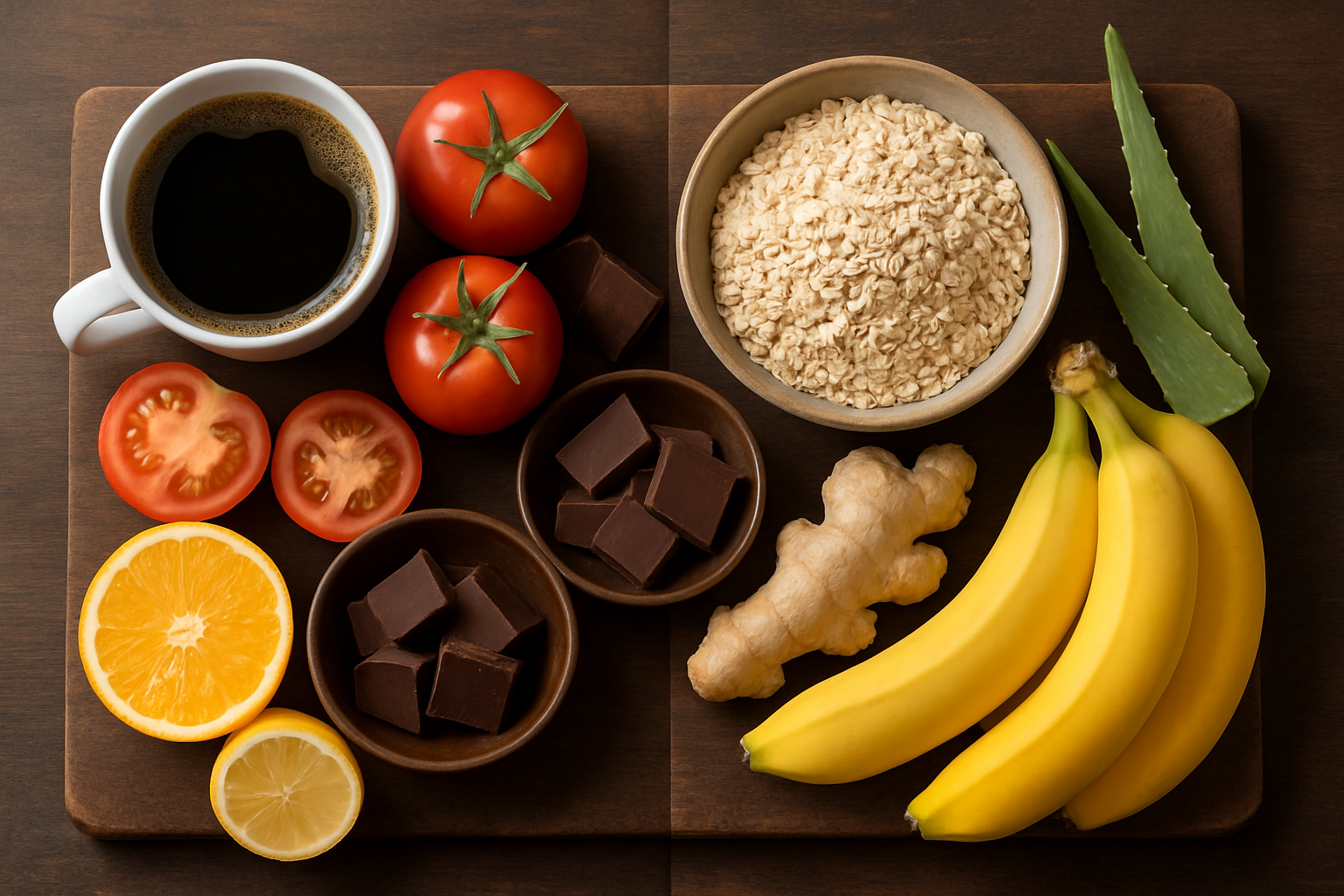
- Dietary triggers: Spicy foods, tomatoes, citrus fruits, chocolate, coffee, alcohol, and high-fat meals are among the most commonly reported culprits.
- Eating habits: Large meals, eating too quickly, and lying down within two to three hours of eating may all increase the likelihood of reflux episodes.
- Body weight: Research suggests that excess weight, particularly around the abdomen, can put added pressure on the stomach and LES, potentially worsening reflux.
- Smoking: Smoking is widely associated with weakening the lower esophageal sphincter, which may make acid reflux more frequent.
- Tight clothing: It sounds simple, but wearing tight waistbands can genuinely increase abdominal pressure and trigger symptoms.
- Stress: Many people find that stress and anxiety seem to amplify digestive discomfort, though the exact mechanisms are still being studied.
Keeping a simple food and symptom journal for even just a week or two can be surprisingly eye-opening. You might discover patterns you never noticed before.
Products Worth Trying for Everyday Digestive Support
I want to be clear here — none of these products are intended to diagnose, treat, cure, or prevent any disease, and they’re not a substitute for medical care. But if you’re dealing with occasional heartburn or looking for gentle everyday digestive support, many people find the following options helpful as part of a broader wellness routine.
DGL Licorice — A Fan Favorite for Stomach Lining Support
Deglycyrrhizinated licorice (DGL) is one of the most talked-about natural options in the digestive wellness community. Unlike regular licorice, DGL has had the glycyrrhizin compound removed, which makes it much gentler and safer for regular use. Research suggests DGL may help support the health of the stomach lining and esophagus. Two versions I feel good recommending are:
- Natural Factors DGL Chewable – 180 Tablets — A great value for those who want to try DGL consistently over time. These chewable tablets are Non-GMO, gluten-free, and each tablet contains licorice root extract formulated to support stomach lining health.
- Natural Factors DGL Chewable – 90 Tablets — The smaller size option, perfect if you want to try it out first before committing to the larger bottle.
A More Comprehensive Gut Support Capsule
If you prefer capsules over chewables, or you want something that combines several gut-supportive ingredients, this one is worth looking at:
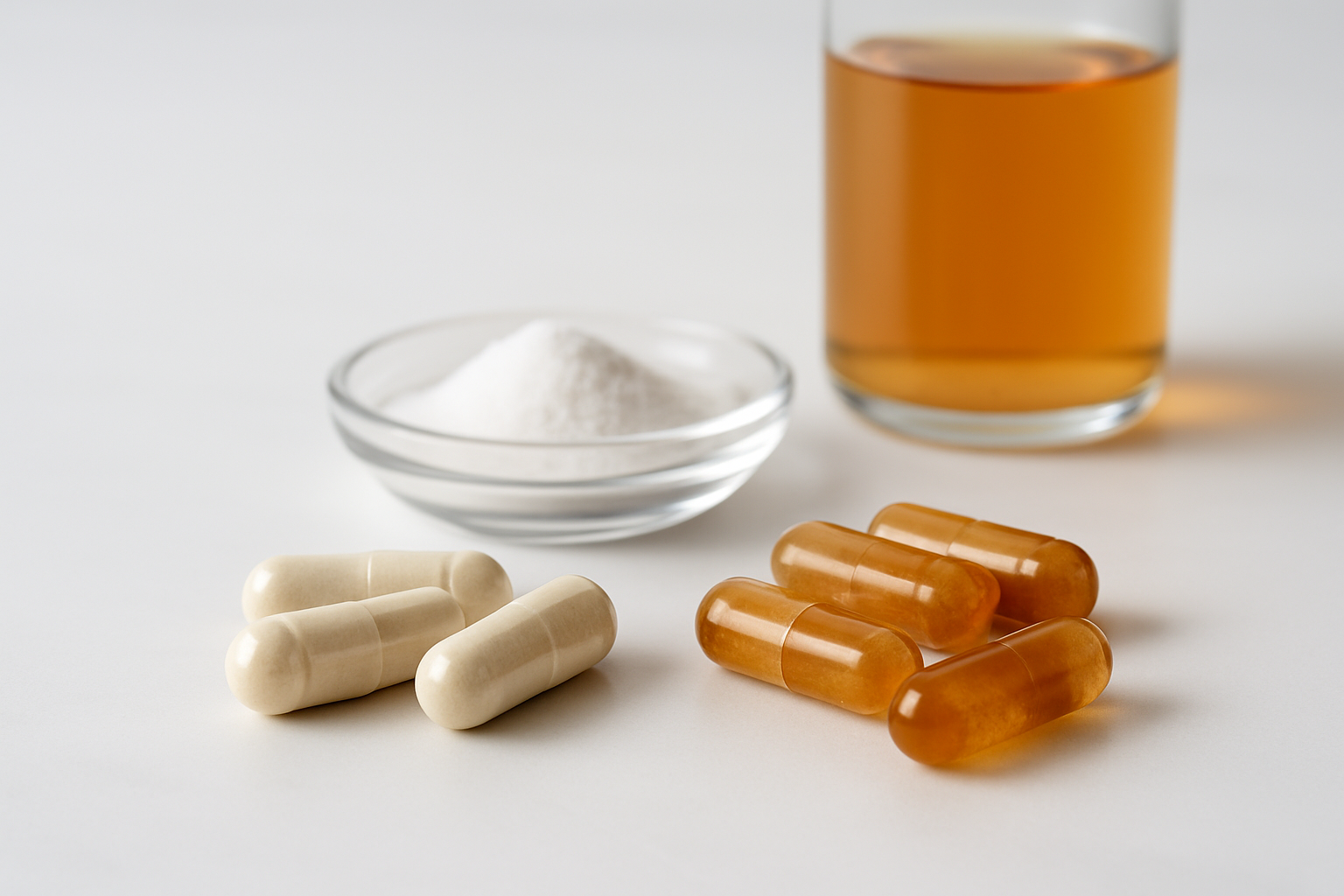
- Pure Encapsulations DGL Plus – 60 Capsules — This formula combines DGL with marshmallow root, aloe vera extract, and slippery elm bark — all ingredients that have a long history of traditional use for soothing the digestive tract. It’s vegan, Non-GMO, and made by a brand known for its quality and purity standards. Many people find the combination of these ingredients particularly
Category: Acid Reflux & Heartburn
Related Posts
Low Stomach Acid: The Hidden Cause of Heartburn That’s Easily Misdiagnosed
Have you ever popped an antacid after a meal, felt…

Why Sleeping Position Matters for Acid Reflux and How to Fix It Tonight
You know that feeling — you finally crawl into bed…
The Foods That Trigger Acid Reflux Most Often (And the Ones That Help)
You know that feeling — you sit down to enjoy…