You know that feeling — you sit down to enjoy a big plate of pasta with marinara sauce, maybe a glass of red wine on the side, and everything seems perfect. Then, about an hour later, that familiar burning creep starts moving up your chest and into your throat. Sound familiar? If you’ve ever found yourself reaching for antacids after a meal and wondering what went wrong, you’re definitely not alone. Understanding the foods that trigger acid reflux is one of the most powerful things you can do to start feeling better — and that’s exactly what we’re going to dig into today.
Acid reflux — also known as gastroesophageal reflux or GERD when it becomes chronic — happens when stomach acid flows back up into the esophagus. That backward flow causes the burning sensation we call heartburn. While stress, lifestyle habits, and body weight all play a role, what you eat is one of the most direct and controllable factors. The good news? Once you understand which foods are working against you and which ones may actually support your digestive comfort, you have a real roadmap to follow.
The Foods That Trigger Acid Reflux Most Often
Research suggests that certain foods consistently show up as culprits for a large number of reflux sufferers. While everyone’s body is a little different, these are the ones worth paying close attention to if you’re dealing with frequent heartburn.
Acidic Foods and Beverages
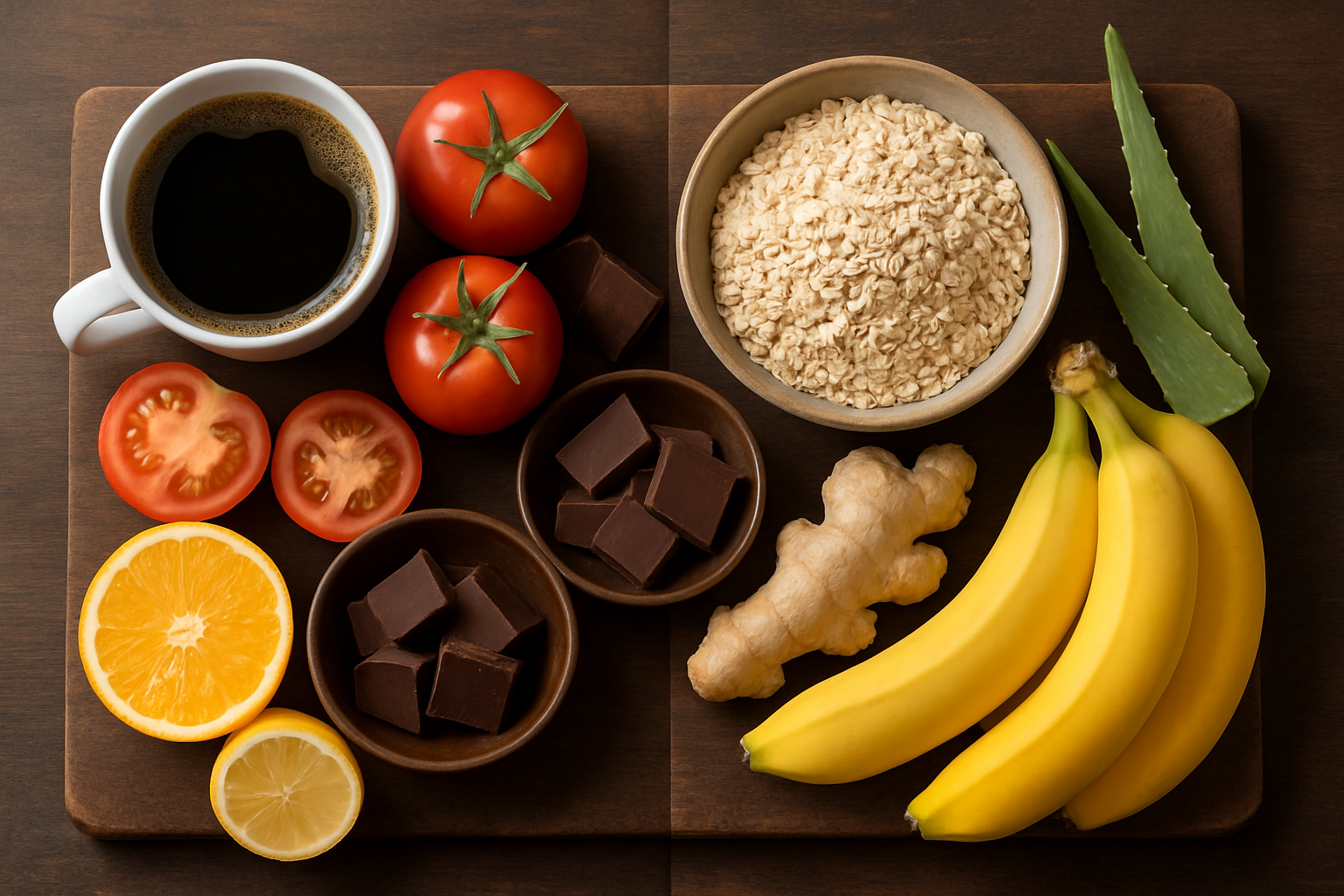
Tomatoes, citrus fruits like oranges and lemons, and juices made from them are naturally high in acid. When you’re already dealing with a lower esophageal sphincter that isn’t closing as tightly as it should, adding more acid to the mix can make things significantly worse. Many people find that cutting back on tomato-based sauces and citrus drinks makes a noticeable difference within just a few days.
High-Fat and Fried Foods
Fatty foods — think fried chicken, French fries, heavy cream sauces, and greasy fast food — slow down stomach emptying. The longer food sits in your stomach, the more pressure builds, and the more opportunity there is for acid to creep upward. Research suggests that high-fat meals are strongly associated with increased reflux episodes, so this is one of the bigger dietary shifts worth considering.
Coffee, Alcohol, and Carbonated Drinks
I know — nobody wants to hear that their morning coffee might be part of the problem. But both coffee and alcohol can relax the lower esophageal sphincter, which is the muscle that keeps stomach acid where it belongs. Carbonated beverages create gas and pressure in the stomach that can also push acid upward. Many people find that switching to low-acid coffee, herbal teas, or alkaline water helps reduce their daily symptoms noticeably.
Spicy Foods, Chocolate, and Mint
Spicy foods can irritate an already inflamed esophageal lining, while chocolate and mint — perhaps surprisingly — are known to relax the esophageal sphincter. Yes, that after-dinner mint may actually be making things worse. These are worth eliminating for a few weeks to see whether your symptoms improve.
Foods That May Help Soothe Acid Reflux
Here’s the part I really love sharing, because it feels good to focus on what you can enjoy rather than only what to avoid. Many people find significant relief by building meals around these gentler, reflux-friendly options.
- Oatmeal and whole grains — These are filling, low in fat, and may help absorb stomach acid.
- Leafy greens and non-citrus vegetables — Broccoli, asparagus, green beans, and leafy greens are low in acid and easy on the digestive tract.
- Lean proteins — Grilled or baked chicken, turkey, and fish are much easier on the stomach than fatty cuts of meat.
- Bananas and melons — These low-acid fruits are among the most commonly recommended for reflux sufferers.
- Ginger — Research suggests ginger has natural anti-inflammatory properties that may support digestive comfort. Try it in tea or added to meals.
- Alkaline water — Some research suggests that alkaline water with a higher pH may help neutralize stomach acid and reduce symptoms for some people.
Building more of your meals around these foods doesn’t have to feel restrictive. In fact, many people are surprised to discover how delicious and satisfying a reflux-friendly diet can be once they have the right recipes and guidance to work with.
Products Worth Trying
Over the years, I’ve come across some genuinely helpful resources and products that many people in the reflux community swear by. Here are a few that I think are worth having on your radar.
A Practical Roadmap When You’re Ready to Redesign Your Diet Around Reflux
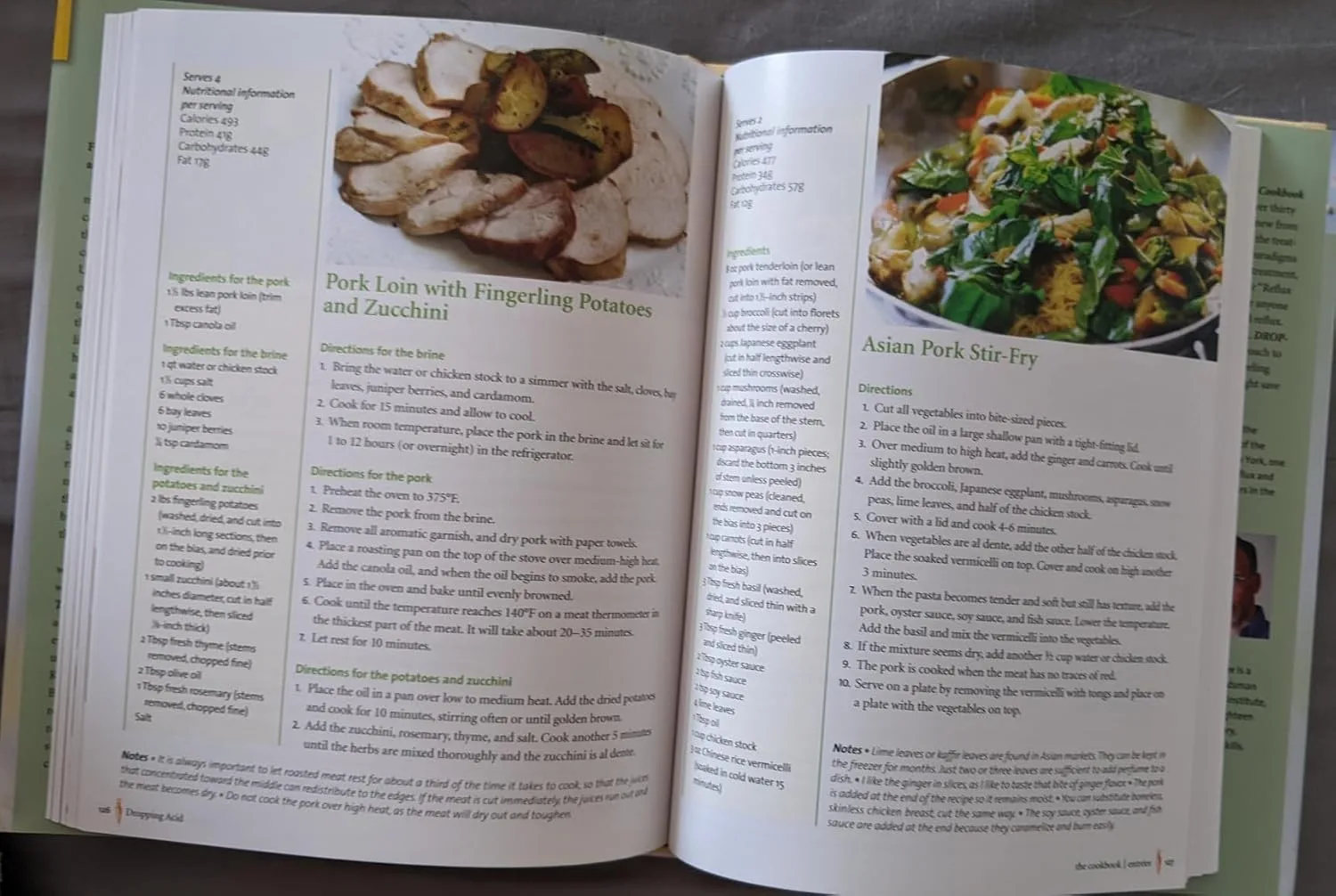
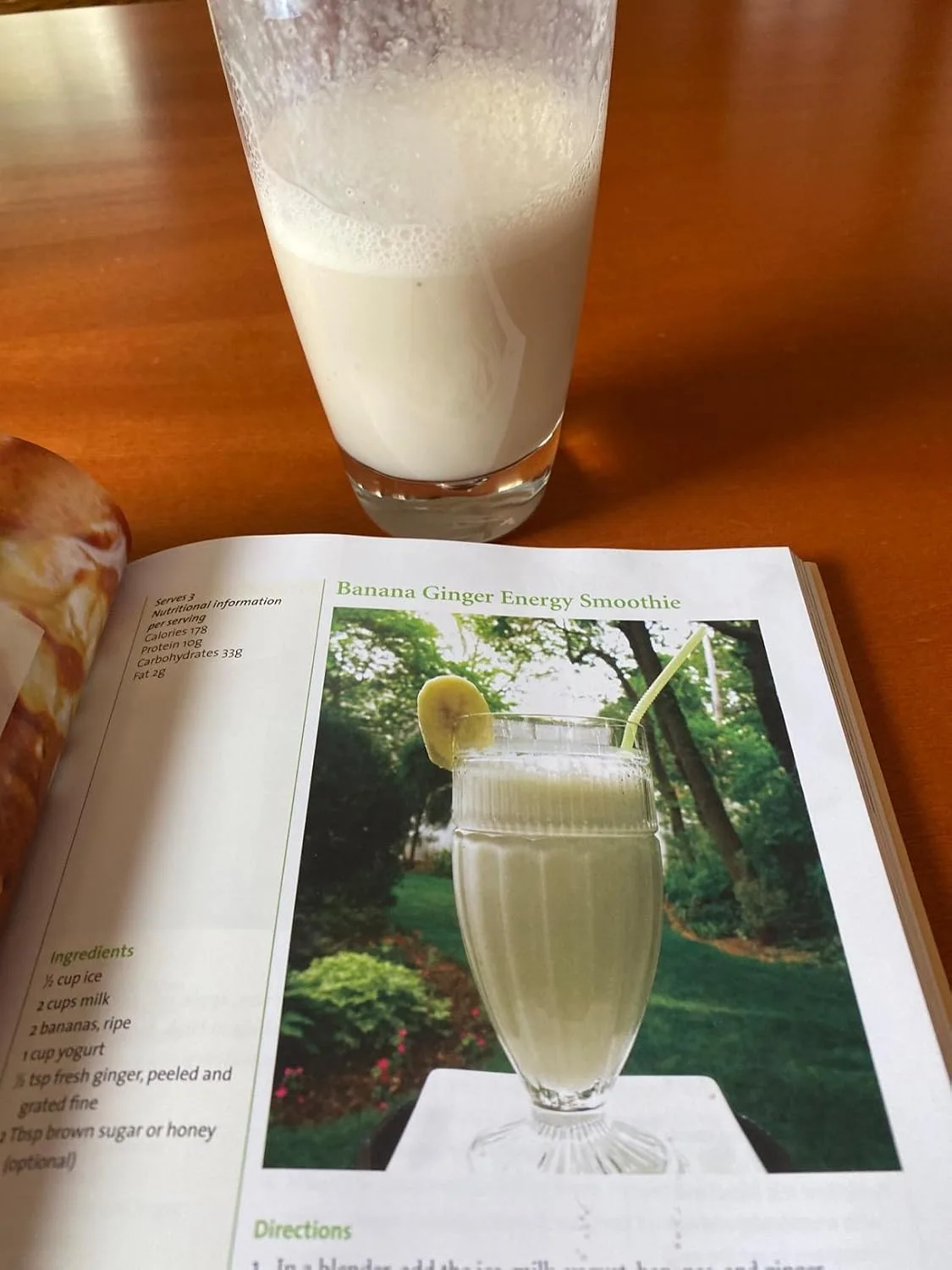
Knowing which foods trigger your reflux is one thing; actually building a sustainable eating pattern around that knowledge is another. A structured cookbook designed specifically for reflux management takes the guesswork out of meal planning and shows you that trigger-free eating doesn’t have to be bland or restrictive.
What works
- Reflux-specific cookbooks ground recipes in the actual physiology of acid reflux, so you’re not just following arbitrary “healthy” recipes that might still contain hidden triggers like high fat or citrus.
- Having 50+ tested recipes on hand eliminates the “what can I actually eat?” paralysis that often derails people in the first few weeks of dietary change.
- Many clients find that seeing reflux management framed as a positive eating plan (rather than just a list of foods to avoid) makes long-term compliance much more realistic.
What doesn’t
- A cookbook can’t diagnose whether your reflux is actually food-triggered, medication-related, or structural — if you haven’t had a conversation with your GP about persistent symptoms, start there first.
- Reflux triggers are highly individual, so even a well-designed cookbook will require some personalization; you’ll still need to do your own testing to figure out what works for your body.
A reflux cookbook is a tool for managing diet, not a medical treatment — if you’re experiencing frequent symptoms despite dietary changes, that’s a signal to loop in your doctor before assuming food changes alone will solve it. Dropping Acid: The Reflux Diet Cookbook & Cure is a solid evidence-based option grounded in real reflux physiology rather than generic “healthy eating” advice.
This post contains affiliate links. As an Amazon Associate, I earn from qualifying purchases at no extra cost to you.

This post contains affiliate links. As an Amazon Associate, I earn from qualifying purchases.