This post contains affiliate links. As an Amazon Associate I earn from qualifying purchases at no extra cost to you.
Following a low-residue diet before a colonoscopy does not have to mean days of misery and near-starvation. With the right plan, clients consistently tell me it was far more manageable than they expected. If your doctor has handed you a prep instruction sheet and your stomach has already sunk, I want you to take a breath. A thoughtful low residue diet colonoscopy meal plan can carry you through the three to five days before your procedure feeling adequately nourished, surprisingly satisfied, and — most importantly — properly prepared for a clean, accurate result.
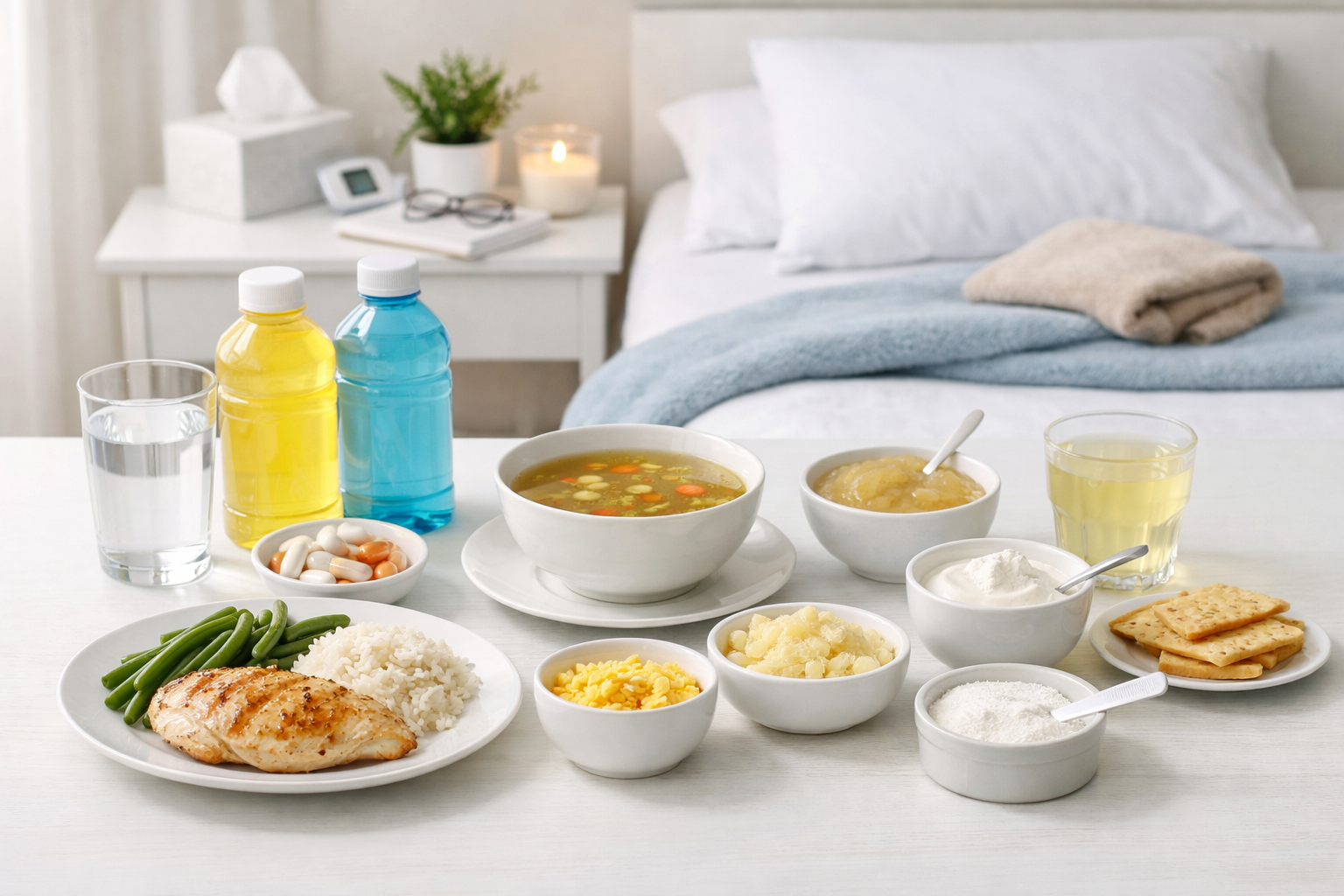
What Is a Low-Residue Diet and Why Does It Matter Before a Colonoscopy?
A low-residue diet is essentially a low-fibre eating pattern that minimises the amount of undigested material — or “residue” — passing through your colon. Before a colonoscopy, your gastroenterologist needs the bowel wall to be clearly visible. Any undigested food particles clinging to the colon lining can obscure polyps, lesions, or other abnormalities. Research published in journals such as Gastrointestinal Endoscopy consistently confirms that dietary preparation quality directly affects bowel cleansing adequacy, which in turn affects adenoma detection rates. In plain terms: what you eat in the days leading up to your procedure genuinely affects its accuracy.
In my practice, I find that most clients arrive confused about what they can and cannot eat. The instruction sheet from the clinic is often vague — “avoid high-fibre foods” — without practical guidance. So let me break this down clearly.
Foods to Avoid on a Low-Residue Diet
- Whole grains, bran, wholemeal bread and pasta
- Raw vegetables and most salads
- Fruits with skins, seeds, or tough membranes (berries, apples, citrus)
- Legumes, lentils, and beans of any kind
- Nuts and seeds
- High-fat, fried, or spicy foods
- Dairy products high in fat (hard cheeses, cream)
Foods You Can Eat
- White bread, white rice, plain white pasta, and crackers
- Well-cooked, peeled vegetables such as carrots, zucchini, and potato
- Peeled, ripe fruits such as banana, melon, and tinned peaches in juice
- Lean poultry, white fish, and eggs
- Low-fat dairy such as plain yoghurt and milk
- Clear broths, herbal teas, and water
- Well-strained fruit juices without pulp
For clients who want more than a simple food list, I often recommend keeping a dedicated resource on hand. Colon Procedure Recipes: Low Fiber-Low Residue Meals is a practical cookbook written specifically for this situation. It takes the guesswork out of meal assembly during what is already a stressful time.
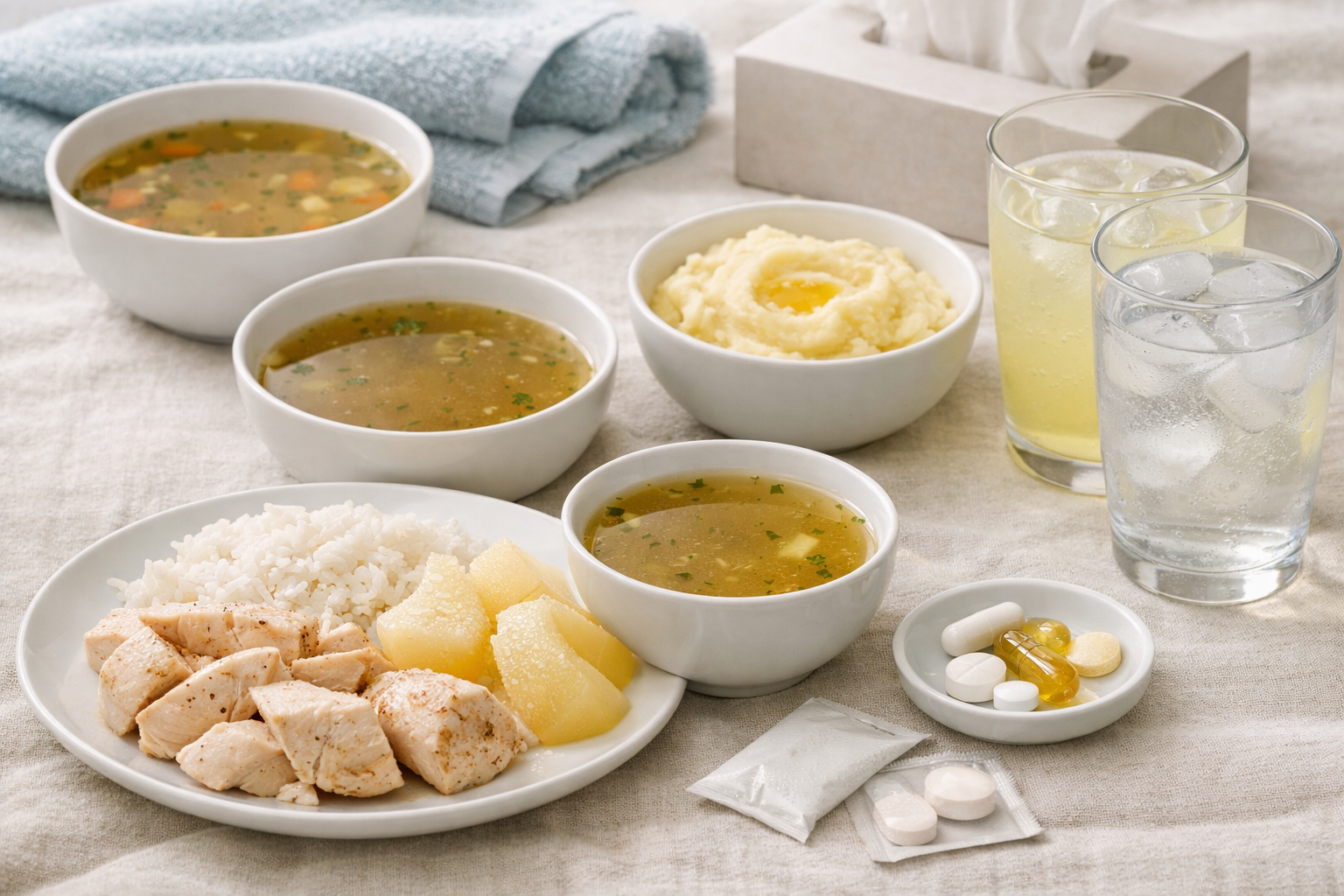
A Three-Day Low-Residue Colonoscopy Meal Plan
Most gastroenterologists recommend starting a low-residue diet three to five days before the procedure, then transitioning to clear liquids only on the day before. The plan below covers three full days of low-residue eating. Always defer to your specific clinic instructions, as protocols can vary.
Day One
Breakfast: Scrambled eggs (two eggs cooked in a small amount of olive oil) with two slices of white toast. A cup of herbal tea or black coffee if tolerated.
Lunch: White rice bowl with poached chicken breast, a drizzle of low-sodium soy sauce, and a small portion of well-cooked peeled zucchini. A glass of pulp-free apple juice.
Dinner: Baked white fish (such as cod or tilapia) with mashed potato (no skin) and steamed, peeled carrots. A small bowl of tinned peaches in juice for dessert.
Snacks: Plain rice crackers, a ripe banana, or a small serving of smooth peanut butter on white toast.
Day Two
Breakfast: Plain low-fat yoghurt with a small amount of honey and ripe, peeled melon. White toast with butter.
Lunch: Chicken noodle soup made with white pasta, clear broth, and well-cooked peeled carrots. Avoid adding any herbs with seeds.
Dinner: Baked skinless chicken thigh with white rice and steamed, peeled butternut squash. A small serving of plain vanilla pudding for dessert.
Snacks: Low-fat cottage cheese, plain water crackers, or a small glass of strained fruit juice.
Day Three
Breakfast: Soft-boiled egg with white toast soldiers. A cup of chamomile or peppermint tea.
Lunch: Plain white pasta with a small amount of olive oil, salt, and very well-cooked peeled tomato (deseeded). A glass of pulp-free white grape juice.
Dinner (lighter — transitioning toward clear fluids): A bowl of clear chicken or vegetable broth with a small portion of white rice. Plain gelatin dessert in an allowed colour (avoid red or purple).
If you want an even broader library of tested recipes specifically for this period, both The Bowel Prep Cookbook: Colonoscopy Preparation Guide and Low-Residue Recipes and The Complete Low Residue Diet Cookbook for Beginners are excellent resources I point clients toward. They cover breakfast through dessert with practical, easy-to-follow instructions that make the diet feel far less restrictive.
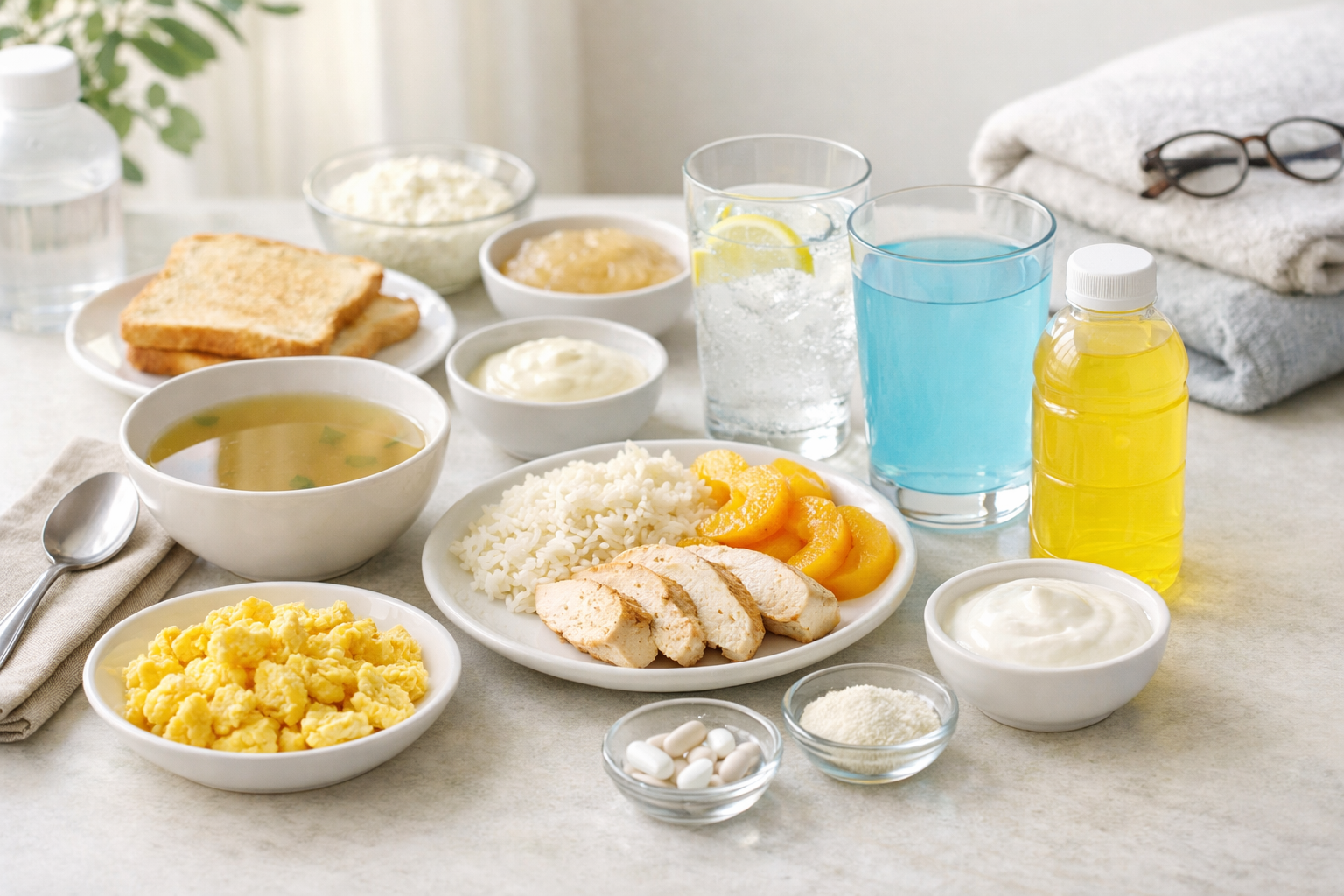
Staying Hydrated: The Part Most People Underestimate
Hydration is arguably the most overlooked element of colonoscopy preparation. Between the dietary restrictions, the bowel-cleansing solution you will take the evening before, and the fasting period on procedure day, dehydration is a very real risk. I see it frequently — clients arrive for their appointment feeling dizzy, headachy, and weak, and it is almost always because they have not been drinking adequately.
During the low-residue phase, aim for at least two litres of fluid per day. Water is your foundation, but plain water alone may not be enough to maintain electrolyte balance, particularly once you introduce the bowel prep solution. This is where electrolyte supplements become genuinely useful.
I recommend sugar-free electrolyte packets during the prep period — they are easy to carry, palatable, and help replace sodium, potassium, and magnesium losses. Three options I trust and suggest to clients are:
- Nectar Hydration Packets — Electrolytes Powder, Sugar Free and 0 Calorie (Variety 30 Pack): Organic fruit flavours, zero sugar, easy to dissolve in water.
- VIRENTIS Electrolytes Powder Packets — 8 Flavors, 8 Electrolytes and 6 Vitamins, 0 Calorie: A comprehensive formula covering a broad electrolyte spectrum plus added vitamins.
- Recharge Element Liquid Electrolyte Hydration Boost — Green Grape, Sugar Free (16 Servings): Keto-friendly and particularly well-tolerated in my experience.
Always check with your doctor before using electrolyte supplements if you have kidney disease or cardiovascular conditions, as some formulas may not be appropriate for everyone.
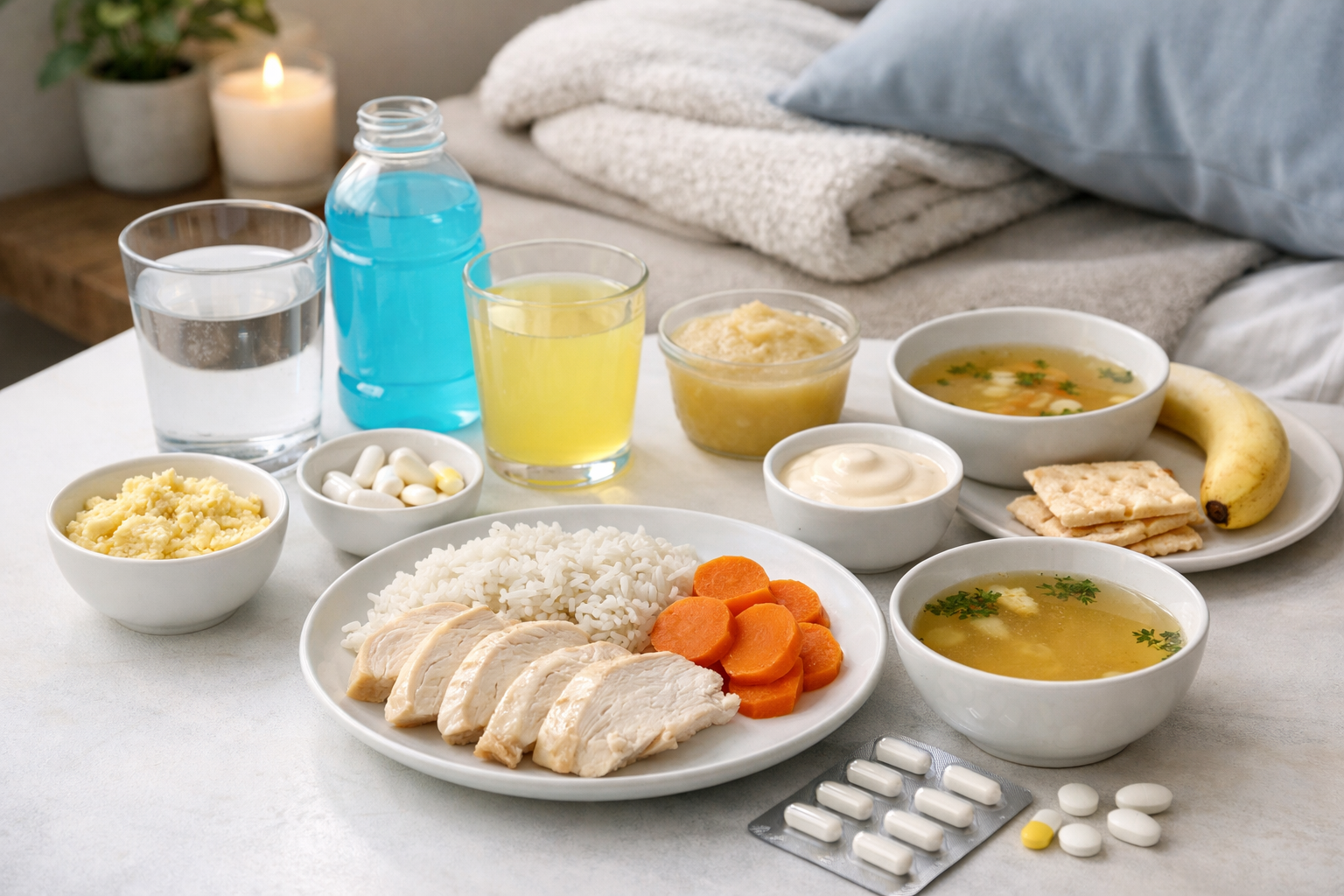
Supporting Your Gut After the Colonoscopy
The conversation does not end once the procedure is done. One thing I always address with clients post-colonoscopy is gut microbiome recovery. The combination of dietary restriction, bowel prep solution, and any sedation medication can significantly disrupt the microbial balance in your colon. Research on this is still evolving, but studies suggest that the bowel-cleansing process does temporarily reduce bacterial diversity, and supporting recovery with a quality probiotic makes good clinical sense.
I typically recommend beginning a probiotic supplement within one to two days after the procedure and continuing for at least four weeks. Two products I consider reliable and well-formulated are Ancient Nutrition Regenerative Organic Certified Probiotics for Gut Recovery, which provides 50 billion CFUs per serving and is specifically formulated for digestive and immune support, and Hyperbiotics Vital Nutrients Leaky Gut Repair Supplement Probiotic, which supports intestinal barrier integrity alongside general gut health — something particularly relevant after a period of dietary disruption.
Alongside probiotics, ease back into a high-fibre diet gradually rather than immediately returning to your normal eating pattern. Start with easily digestible whole foods — cooked o
Related Posts
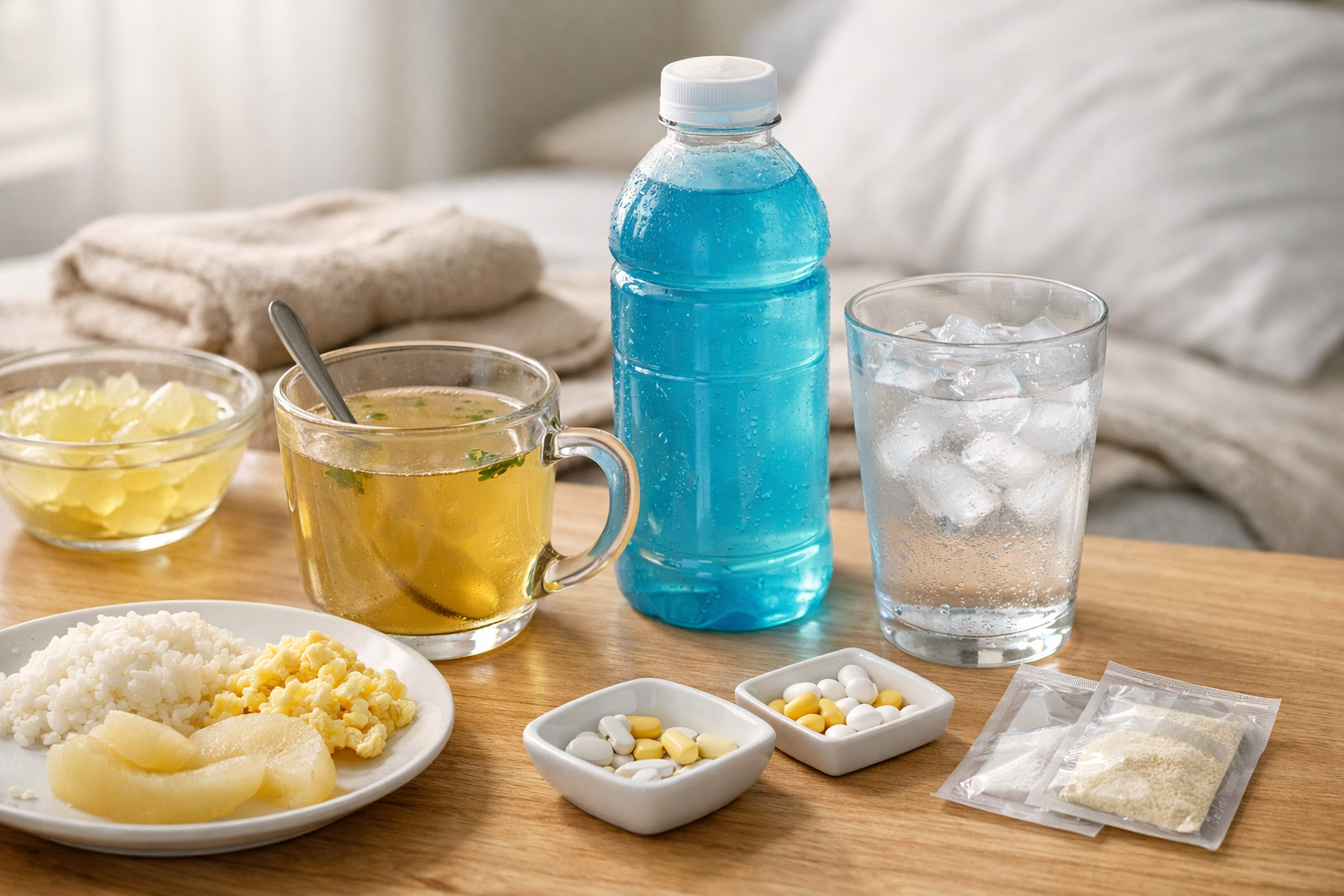
Staying Hydrated During Colonoscopy Prep: Why This Is Harder Than It Sounds and How I Help Clients Through It
This post contains affiliate links. As an Amazon Associate I…
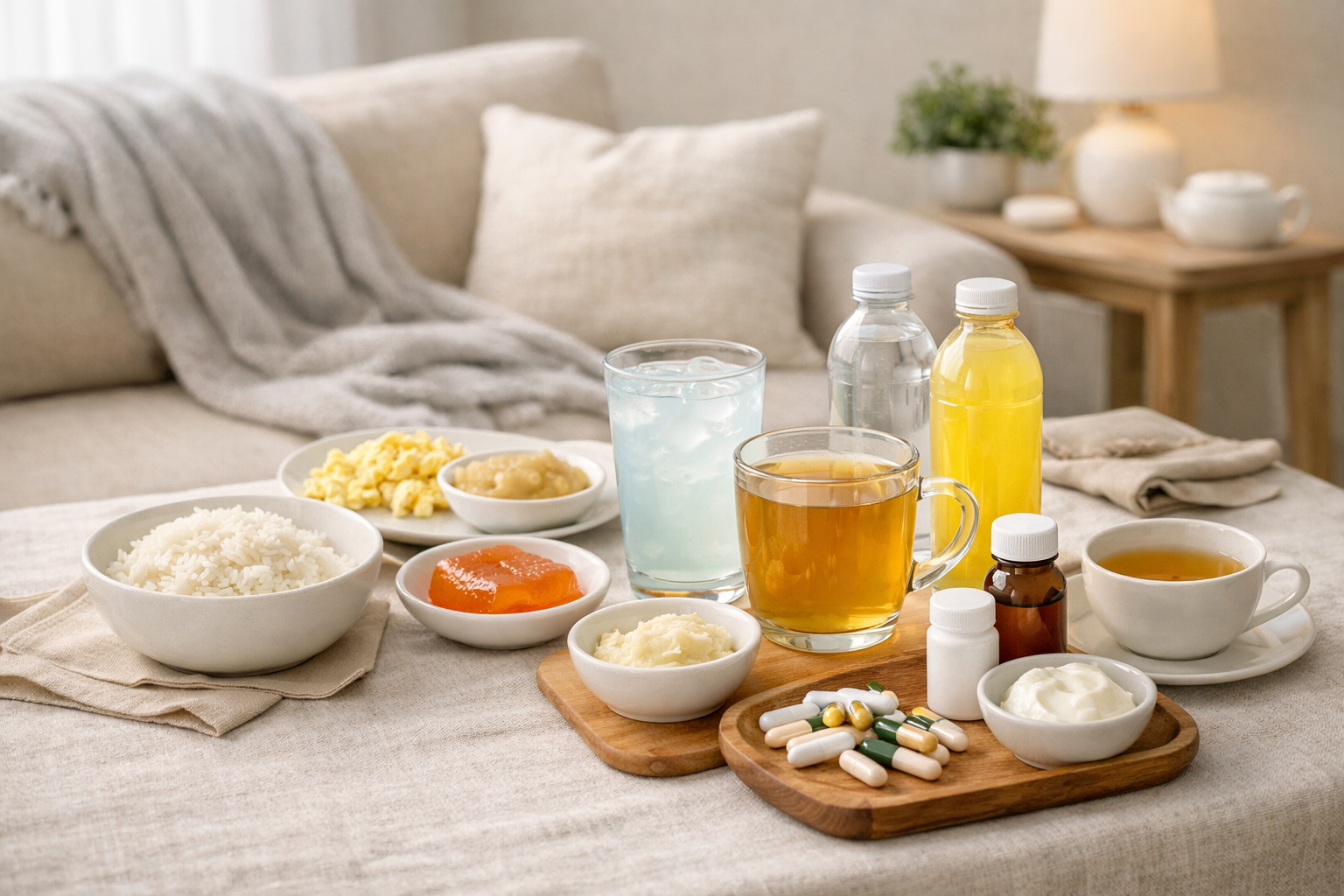
What to Eat After a Colonoscopy: My 3-Day Gut Recovery Reintroduction Plan
This post contains affiliate links. As an Amazon Associate I…
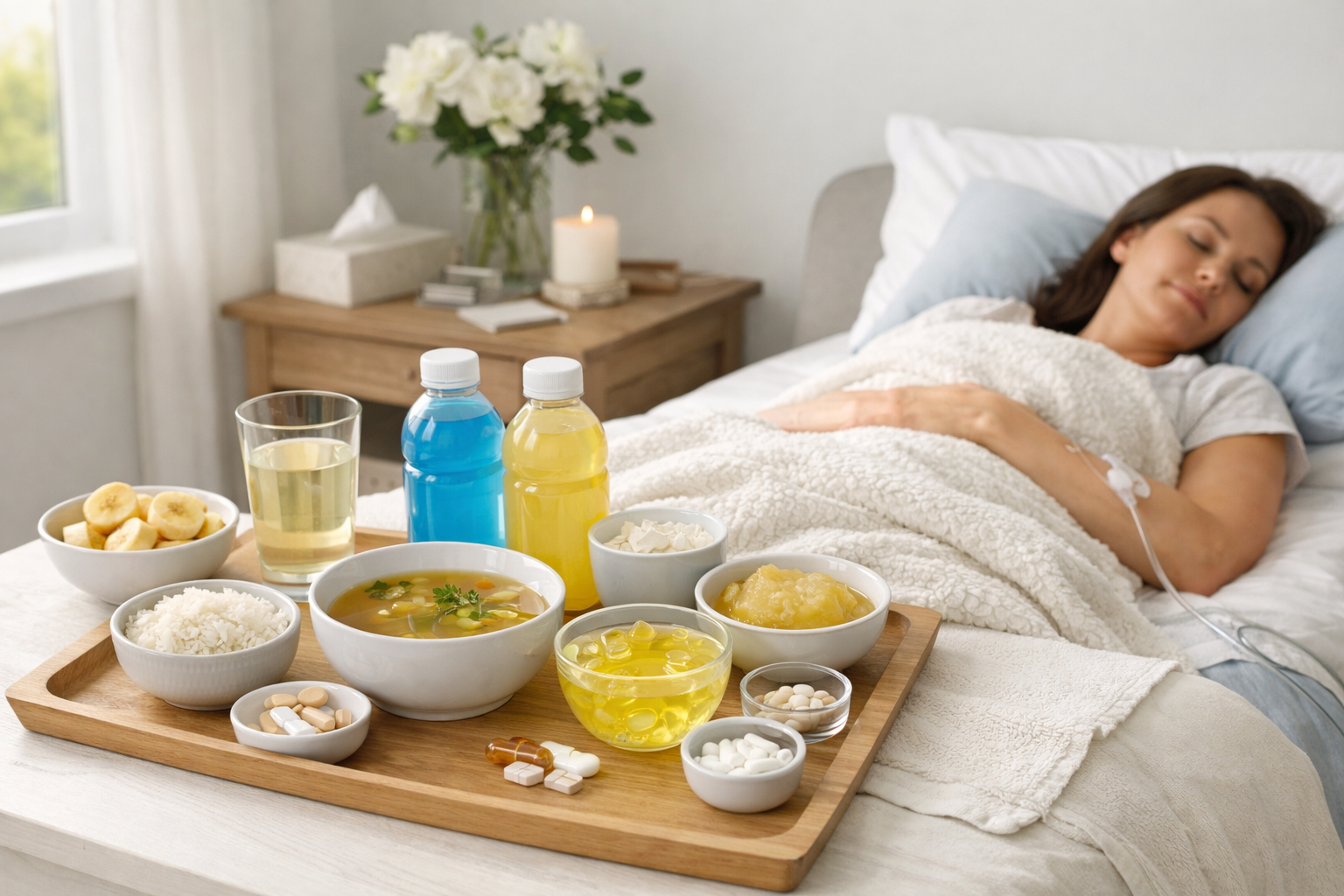
When Should You Get a Colonoscopy? Age Guidelines, Risk Factors, and Early Symptoms to Track
This post contains affiliate links. As an Amazon Associate I…