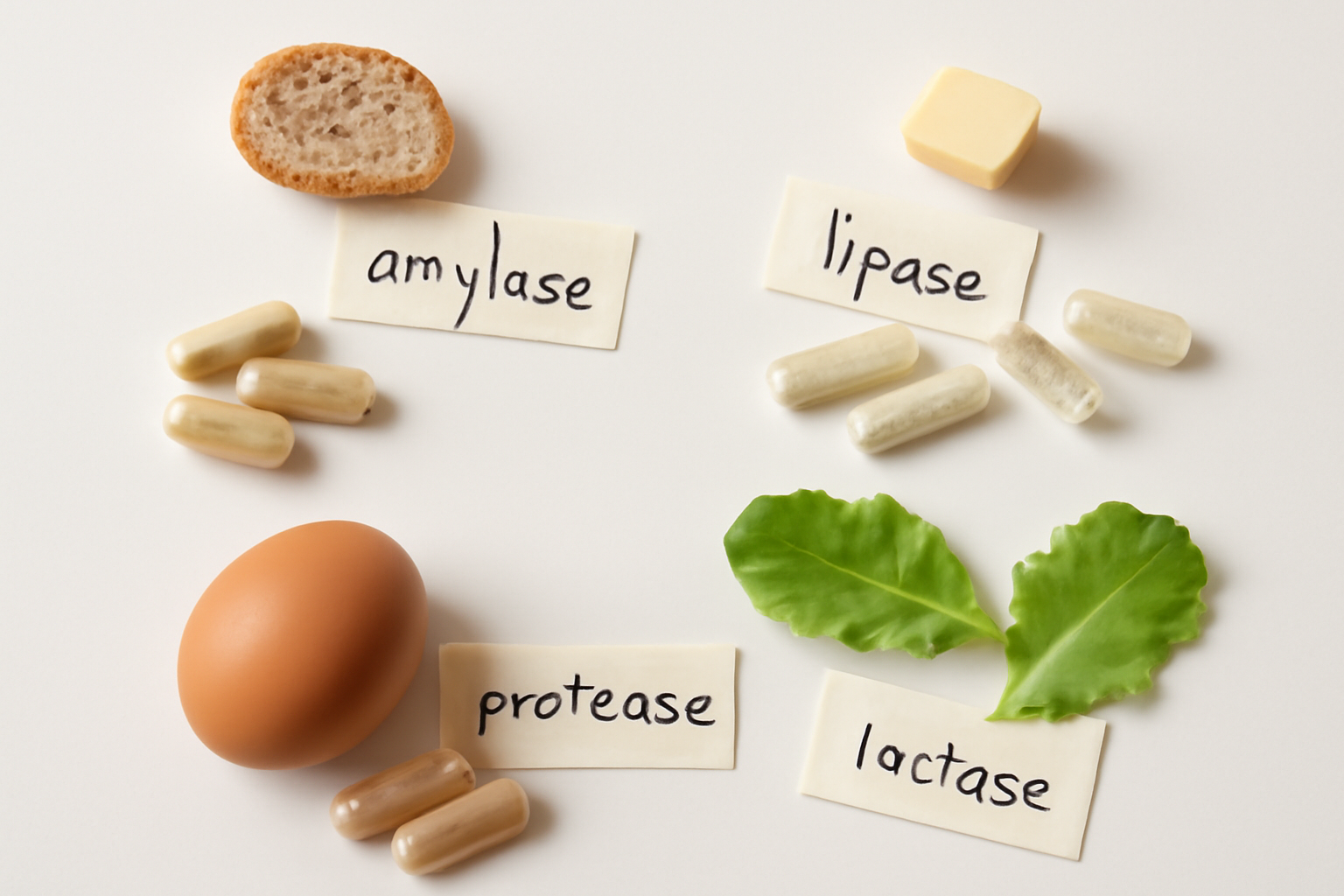

A reader messaged me last week asking: “I bought three different enzyme supplements because nothing seems to work, but I don’t actually know what I’m taking or why. Am I just throwing money away?” That question landed because it mirrors what I encounter constantly in my experience — people purchasing digestive enzyme products based on packaging promises rather than understanding whether enzymes are even the right intervention for their particular symptoms.
Digestive enzyme supplements rank among the most frequently purchased products in the gut health category, yet they’re simultaneously some of the most misapplied. Without clarity on which specific enzymes matter, or whether enzyme deficiency is actually driving your symptoms, you’re essentially guessing in the dark.
This breakdown walks through the primary digestive enzymes, what each one accomplishes in your body, concrete symptoms that might point to insufficiency in each category, and a framework for making an informed supplementation decision rather than an impulsive one.
The 5 Key Digestive Enzymes
1. Amylase — For Carbohydrates
Amylase’s job is to break down complex carbohydrates (the starches found in grains, tubers, and legumes) into shorter sugar chains. Two separate locations manufacture it: your salivary glands generate salivary amylase (which is precisely why the old nutrition advice about thorough mastication holds real weight), and your pancreas produces pancreatic amylase, which works downstream in the small intestine.
Signs you might be running low on amylase:
- Bloating and intestinal gas that specifically shows up after consuming starches — pasta, bread, rice, potatoes, or similar fare
- Partially broken-down food particles visible in your bowel movements
- Energy dips and rapid shifts in blood glucose levels following carbohydrate-containing meals
- Persistent exhaustion that arrives soon after eating
2. Protease (and Peptidase) — For Protein
Proteases handle protein breakdown, dismantling protein chains into progressively smaller units called peptides and eventually into free amino acids. The enzyme group encompasses pepsin (secreted by stomach tissue, but only becomes active in acidic conditions), trypsin and chymotrypsin (pancreatic enzymes that operate in your small intestine), and the various peptidases (which complete the final stages of amino acid liberation).
Protease deficiency stands out as particularly prevalent, and the culprit is usually one specific upstream problem: insufficient stomach acid is remarkably common. This holds especially true for adults past 50, individuals relying on acid-reducing medications, or those navigating persistent stress.
Signs you might be short on protease:
- Pronounced bloating and a heavy sensation throughout your digestive tract after protein-rich meals (animal muscle tissue, eggs, beans)
- A sensation of satiation that persists much longer than typical after consuming food
- Gas with a particularly offensive odor (the result of bacterial fermentation of incompletely digested protein)
- Fatigue and poor recovery despite consuming adequate protein quantities
- Regular use of proton pump inhibitors or over-the-counter antacid formulations
3. Lipase — For Fats
Lipase cleaves dietary fats into their component parts — fatty acids and glycerol. The pancreas manufactures it and delivers it into your small intestine. Crucially, lipase cannot work alone: your gallbladder sends bile to emulsify fat (breaking it into smaller droplets) before lipase can effectively attack it — which explains why individuals who’ve undergone gallbladder removal frequently discover they need supplemental lipase assistance.
Signs you might require more lipase:
- Stool that appears greasy, floats in the toilet, or has a noticeably pale color (the hallmark presentation of fat not being properly absorbed)
- Nausea or abdominal discomfort triggered by eating fatty or oily foods
- Loose or runny stools that emerge after consuming meals with significant fat content
- Low blood levels of fat-soluble nutrients (vitamins A, D, E, or K) even when your intake appears adequate
- Prior surgical removal of the gallbladder, or a history of pancreatic inflammation or pancreatic enzyme insufficiency
4. Lactase — For Lactose
Lactase catalyzes the breakdown of lactose (milk sugar) into two monosaccharides: glucose and galactose. In many people worldwide, lactase production drops substantially after the toddler years — a shift that’s evolutionary normal, not a disease or abnormality.
Signs you might be lactase-deficient:
- Bloating, gas, stomach cramping, or loose stools arriving 30 to 120 minutes after consuming milk-based products
- Digestive calm when you skip milk and ice cream, but continued tolerance of yogurt and hard cheeses (which contain negligible lactose due to fermentation)
- Relatives with known lactose intolerance
Among enzyme supplementation options, lactase supplements (consumed right before dairy intake) represent some of the most rigorously validated choices and deliver the most reliable, reproducible outcomes.
5. Cellulase and Hemicellulase — For Plant Fiber
The human body doesn’t manufacture cellulase — the enzyme responsible for dismantling cellulose, the structural component of plant cell walls. That job falls entirely to your colonic bacteria. That said, taking supplemental cellulase and hemicellulase can meaningfully reduce the volume of gas your microbiota generates when plant fiber reaches them, and it may enhance the extraction of nutrients from plant-based foods.
Signs you might benefit:
- Pronounced gas production and abdominal distension when consuming uncooked vegetables, pulses, or meals with substantial dietary fiber
- Recognizable plant material remaining in stool
- Digestive symptoms triggered by a broad variety of plant foods
How to Choose: Targeted vs Broad-Spectrum
When you detect an unmistakable trigger — dairy consistently causes problems, or symptoms always emerge after lipid-rich meals — purchasing a single-action enzyme product offers superior value and precision. Conversely, if digestive trouble surfaces across multiple food categories, a multi-enzyme formulation streamlines your routine.
Critical characteristics to evaluate in a comprehensive enzyme formula:
- Contains amylase, protease/peptidase, lipase, and lactase at minimum
- Specifies activity measurements in standardized units (such as 1000 HUT for protease activity, 2500 ALU for amylase activity) rather than simple weight measurements — these figures convey far more practical information
- Includes acid-resistant protease formulation to ensure enzymatic activity persists in the stomach’s low-pH milieu
- Consider incorporating ox bile supplement if fat digestion impairment represents your predominant concern
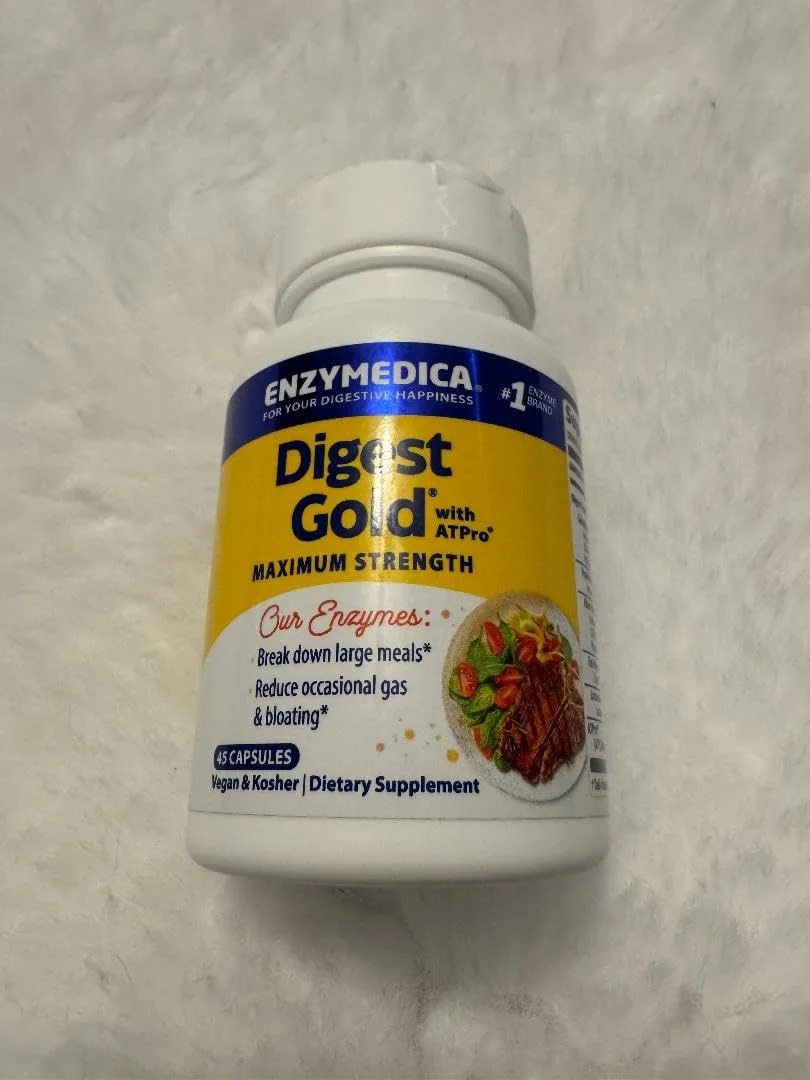
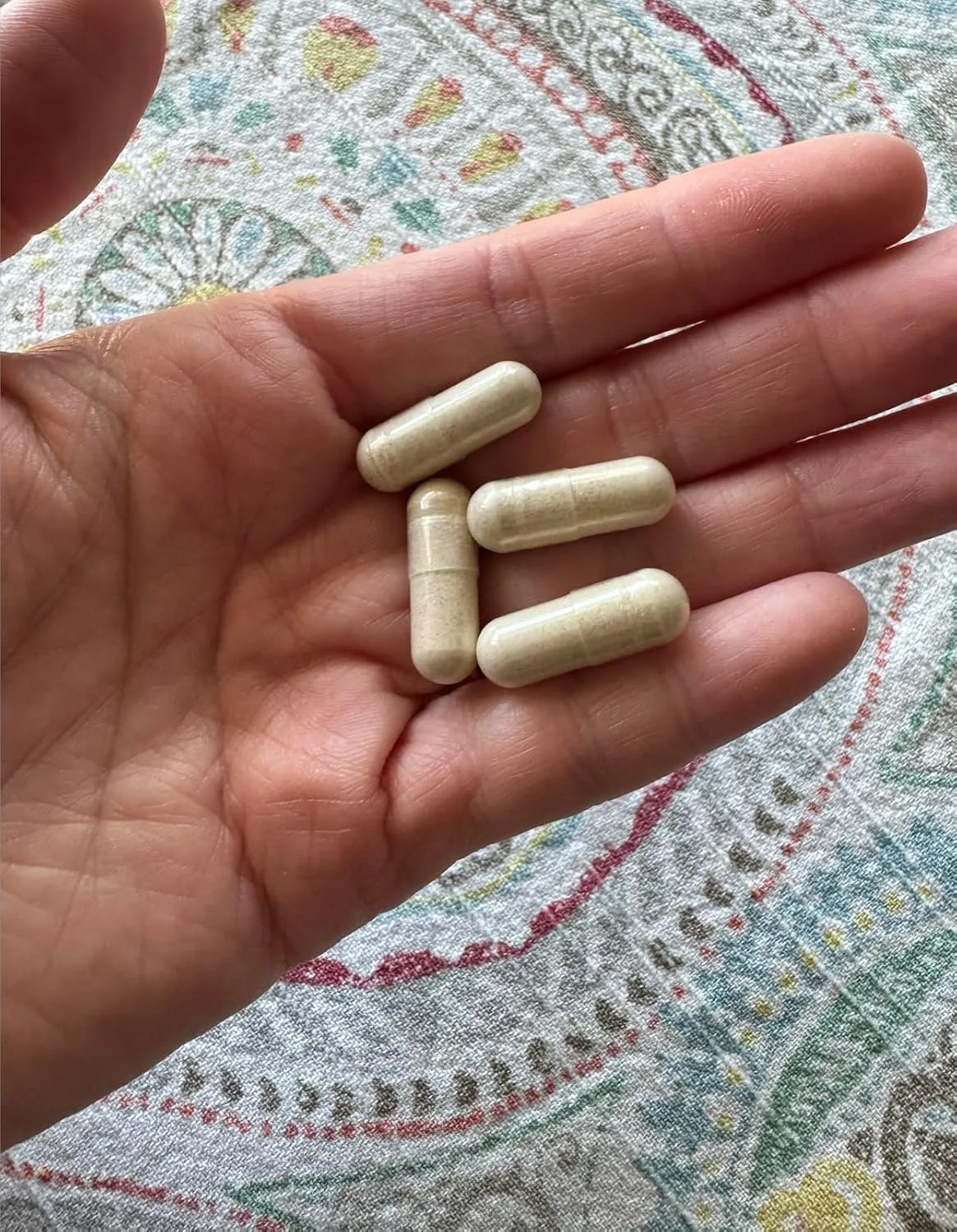
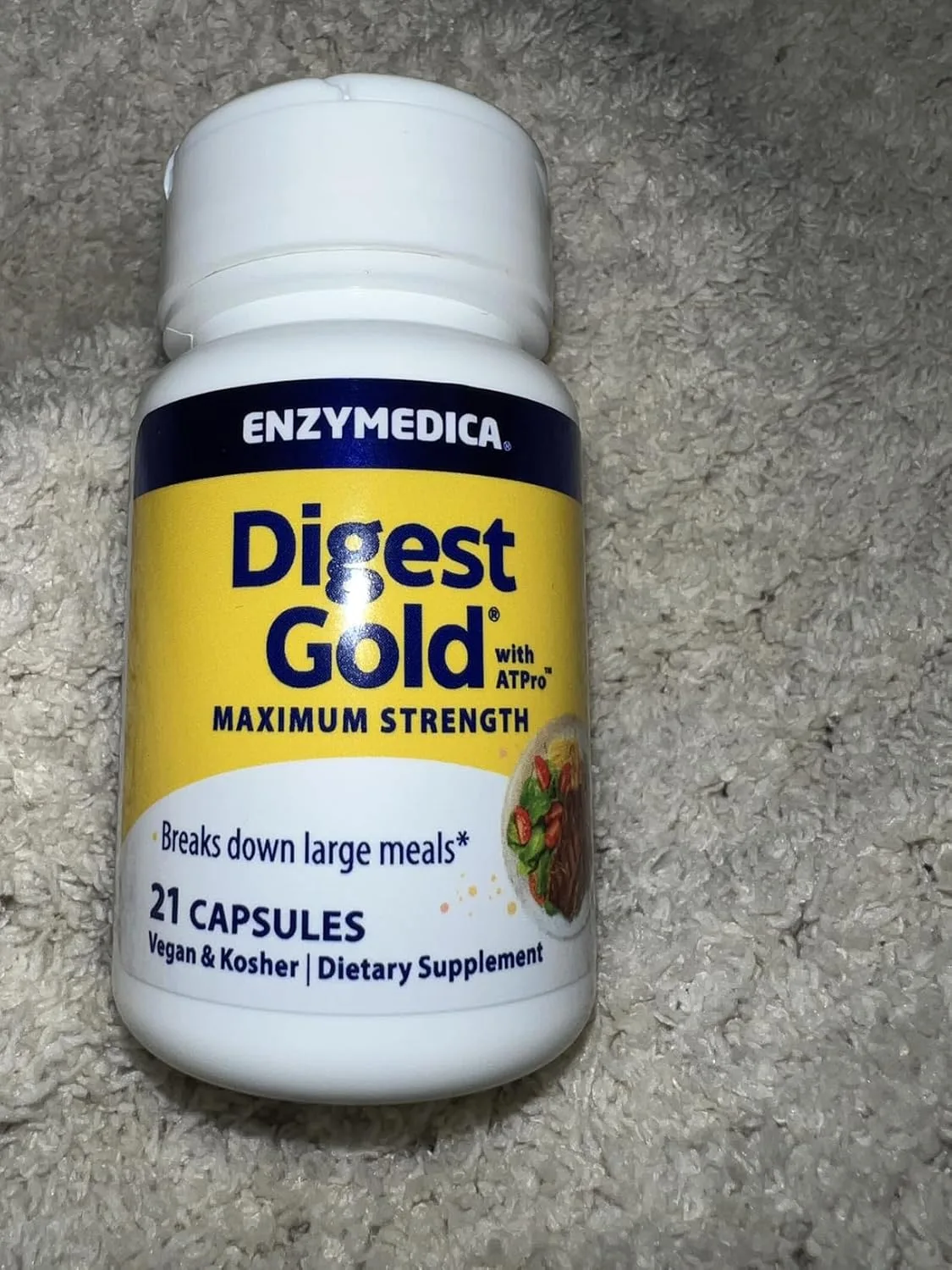
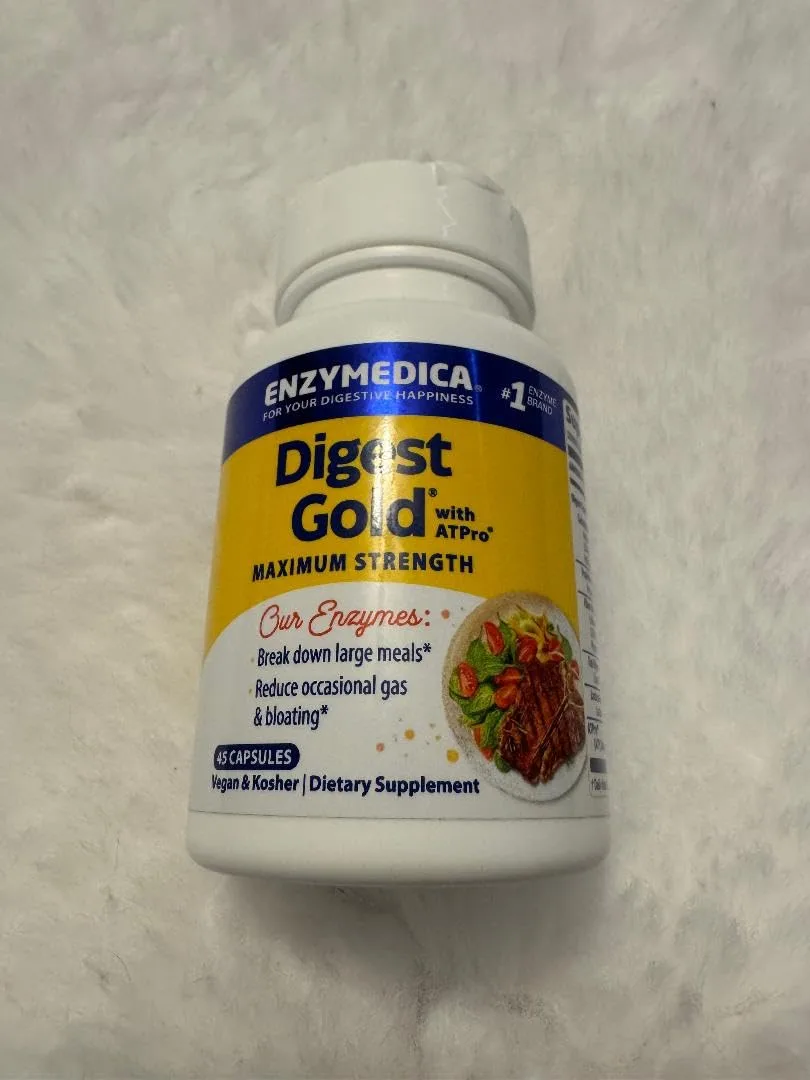
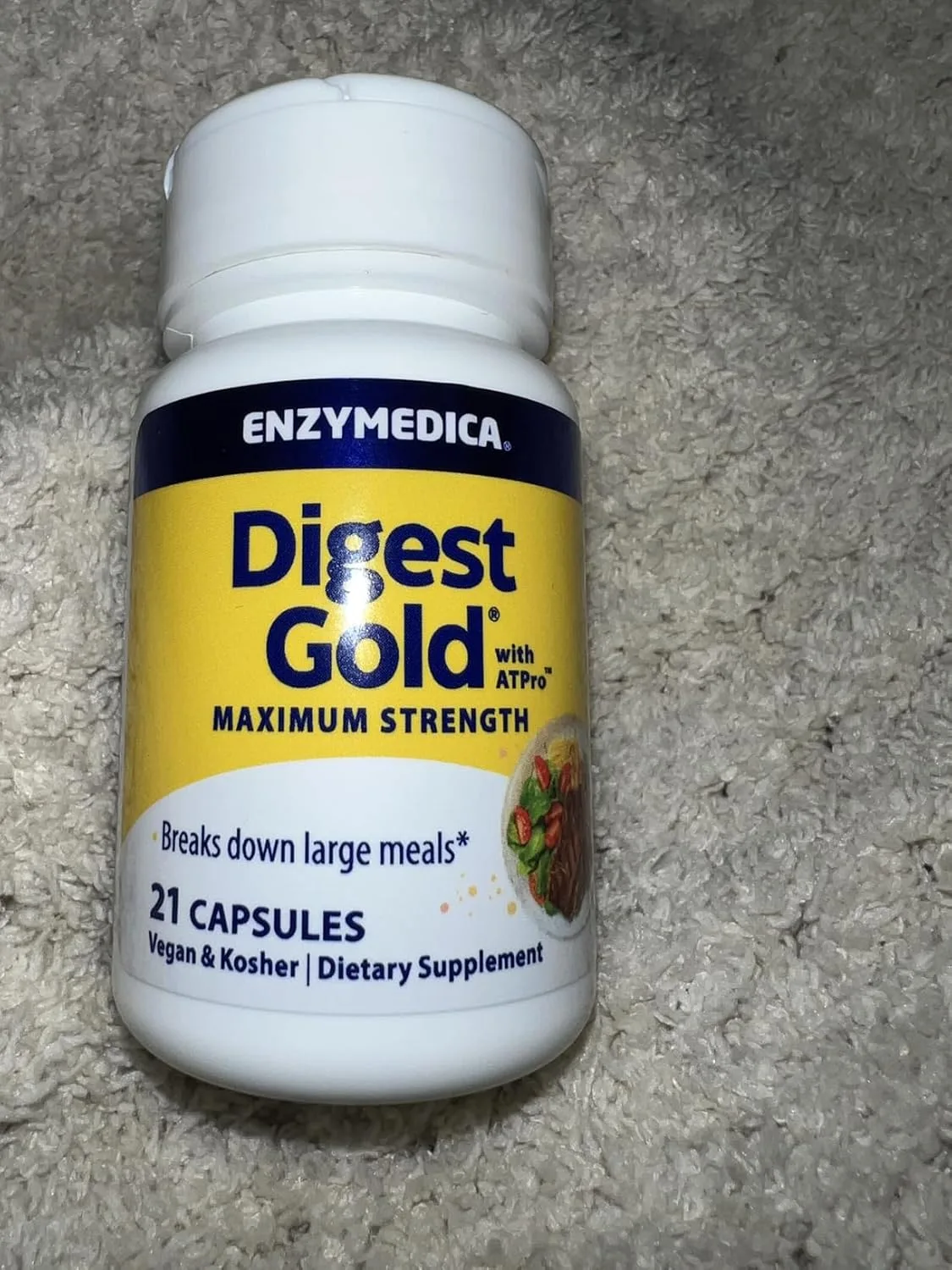
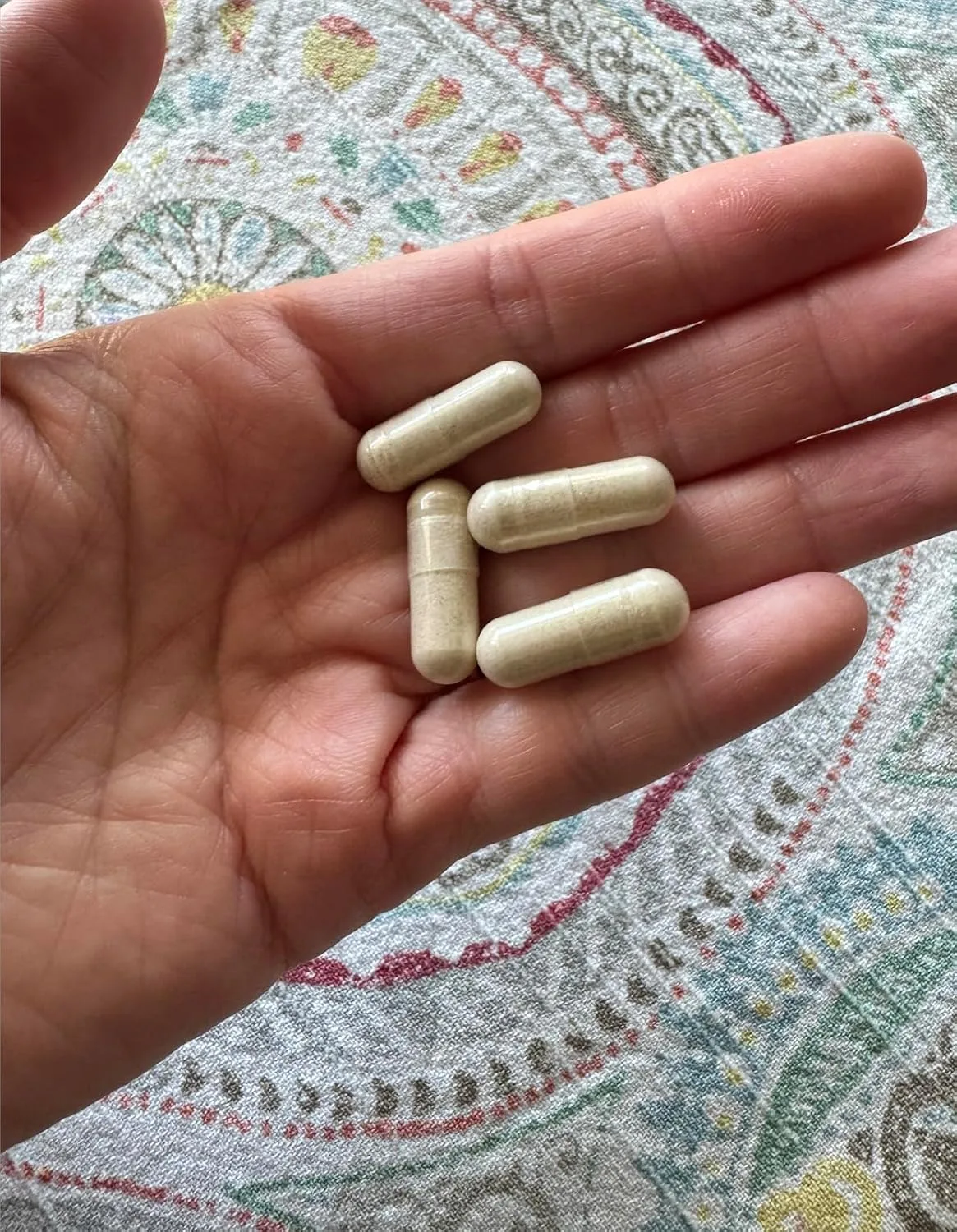
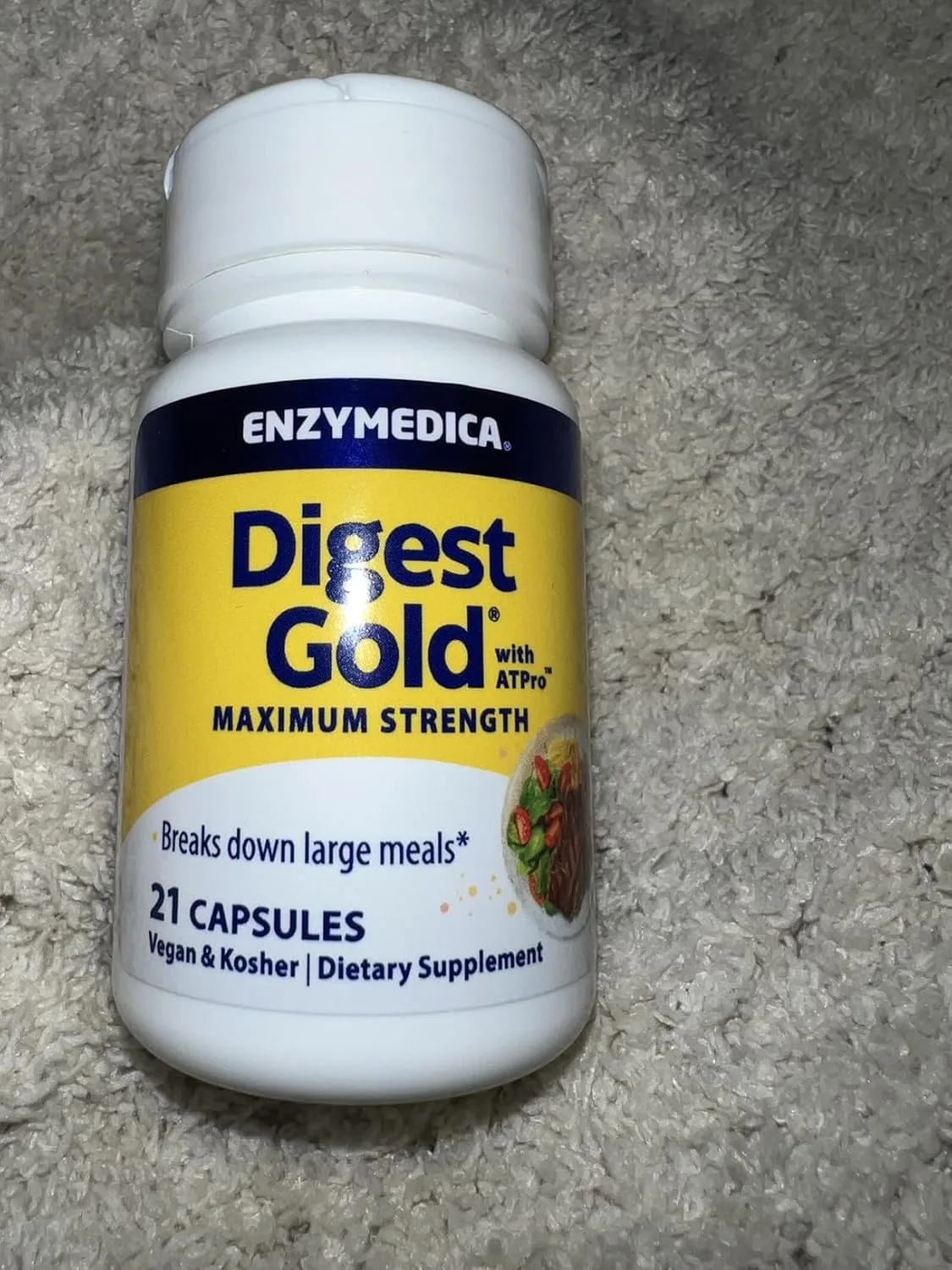
Enzymedica Digest Gold is one of the most well-formulated broad-spectrum options available — high activity units across all major enzyme categories, and it includes a thera-blend protease designed to be active across a wide pH range.
Who Benefits Most from Digestive Enzymes
- Individuals aged 50 and above (enzyme manufacturing capacity diminishes steadily with advancing age)
- Those taking proton pump inhibitors or prescription/over-the-counter acid suppressants (these medications decrease stomach acid availability → reduce the activation of stomach proteases)
- Following gallbladder surgery or removal (compromised bile availability → diminished fat breakdown capacity → lipase becomes particularly relevant)
- Chronic or recurrent pancreatic inflammation, or medically confirmed pancreatic enzyme insufficiency
- Celiac disease diagnosis or inflammatory bowel disease (intestinal barrier damage compromises the production of brush-border enzymes)
- Those who routinely rush through meals or eat in high-stress situations (accelerated eating disrupts the preparatory digestive cascade)
The Broad-Spectrum Enzyme I Recommend When You’re Not Sure Which Enzyme You’re Missing
When enzyme insufficiency seems plausible but you haven’t pinpointed which particular enzyme is creating the problem — or when your digestive difficulties span multiple food categories — a well-formulated broad-spectrum product can serve as a sensible entry point. Enzymedica Digest Gold delivers protease, lipase, and amylase in ratios that actually mirror what your own pancreas naturally secretes, diverging from the disproportionately high doses present in budget enzyme blends.
What works
- The balance between protease and lipase is genuinely effective for individuals experiencing bloating following mixed meals (simultaneously containing protein and fat), which represents the pattern I observe most regularly in my experience.
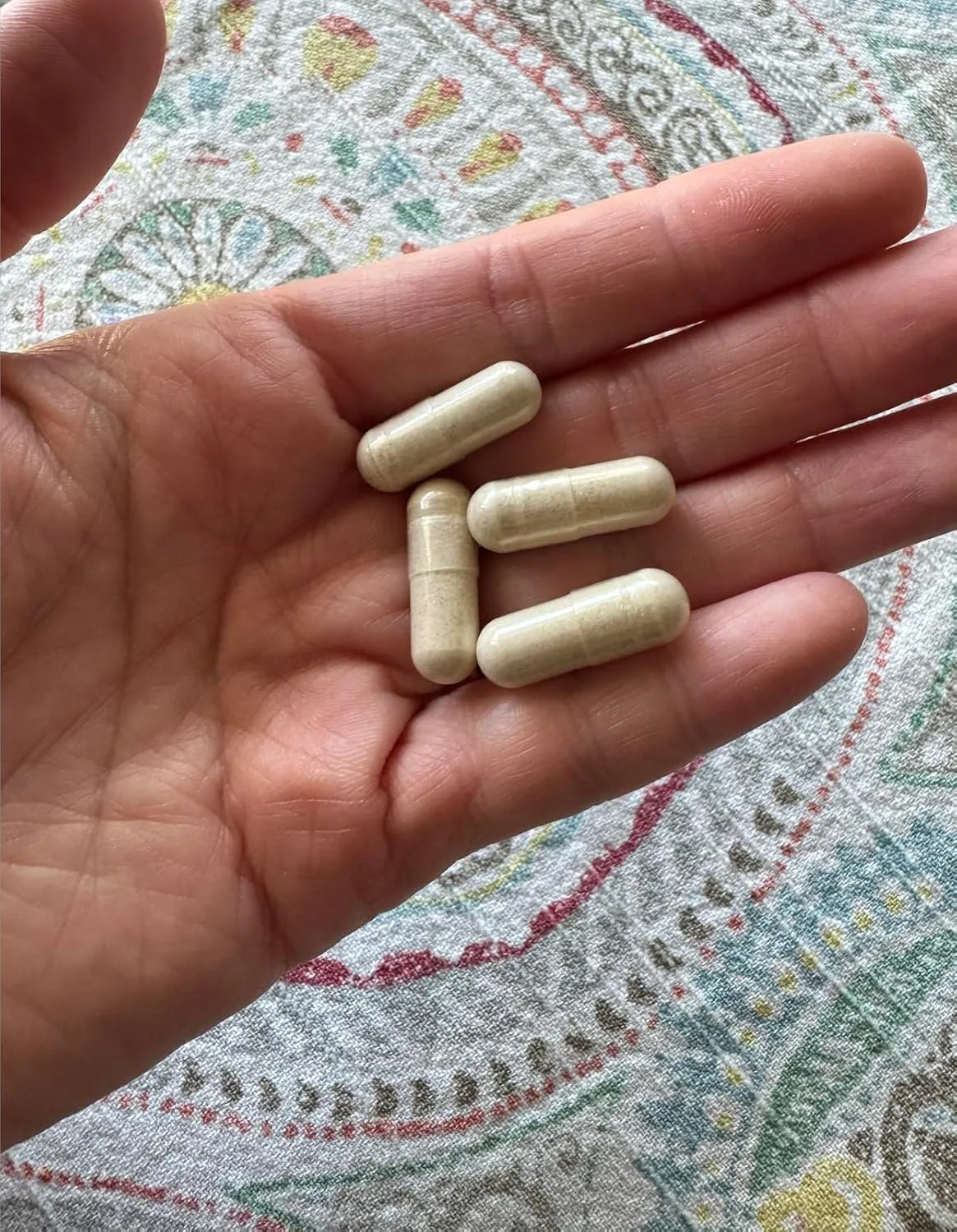
- The formulation uses enteric coating, which shields the enzymes from stomach acid so they survive intact until reaching your small intestine, where their activity actually matters — budget products frequently lack this protection.
- In my experience, people who actually respond notice tangible results within a few days (three to five), not weeks — making it straightforward to assess whether you’re experiencing genuine benefit or simply spending money on an ineffective supplement.
What doesn’t
- This product will not resolve bloating rooted in FODMAP sensitivity, bacterial overgrowth in the small intestine (SIBO), or depleted stomach acid — enzyme supplementation simply isn’t the appropriate solution for these root causes.
- In cases where you’re taking prescribed pancreatic replacement enzymes (due to pancreatitis or cystic fibrosis), consult your physician before introducing this supplement; prescribed enzyme dosages require careful medical management.
Enzyme supplements work best as a diagnostic tool — take it for a week and pay attention to whether your actual symptoms improve, because that tells you whether enzyme deficiency was the real problem. If nothing shifts after 7–10 days, the issue is likely elsewhere and you’d benefit from proper testing (breath tests for SIBO, stool analysis, or gastroenterology referral) rather than doubling down on enzymes.
About This Article

Written by Alex Mercer. Alex Mercer has lived with IBS since childhood and isn't a nutritionist or a doctor. After years of being told he was anxious or would grow out of it, he spent more than 12 years reading the research properly, and now shares what he has learned with the family, friends and support-group members who come to him with the same questions. He translates peer-reviewed research into practical, honest advice, and is always upfront about what the evidence does and does not show. More about this site.
Scope and limits. Alex is not a doctor, dietitian, or nutritionist, and nothing here is medical advice. Talk to a clinician before changing your diet, starting a supplement, or acting on symptoms — especially persistent or worsening ones.
Verify this against a primary source
Specifics change, and your situation may differ from the one described here. These are the authorities worth checking directly:
- NIDDK — digestive disease research and clinical guidance
- MedlinePlus — plain-language medical reference from the NIH
- Mayo Clinic — symptom and condition reference