
Across the many conversations I’ve had about this, questions about inulin intake rank far more commonly than most people expect — and most conversations reveal the same pattern: widespread uncertainty about which foods actually contain meaningful amounts, and how much would be needed to make a real difference.
As a prebiotic fibre, inulin works by selectively nourishing specific beneficial bacteria — chiefly Bifidobacterium and Lactobacillus strains — and in doing so triggers the production of short-chain fatty acids, with butyrate being the most significant. These metabolites directly feed intestinal epithelial cells, modulate immune signalling, and help control systemic inflammation. Beyond the microbiome, inulin also enhances bioavailability of minerals like calcium and magnesium, promotes consistent bowel movements without laxative effects, and can help moderate postprandial glucose responses.
Below is where to locate it across common and uncommon food sources, organised by concentration.
Inulin Density Across Foods (measured per 100g of fresh product)
| Food | Inulin (g/100g) | Notes |
|---|---|---|
| Chicory root (raw) | 36–48g | The richest known dietary source; most commercial inulin is extracted from chicory |
| Jerusalem artichoke | 14–19g | Also called “sunchoke”; potent gas producer if introduced too quickly |
| Dandelion root (raw) | 12–15g | Dandelion greens also contain inulin but at lower levels |
| Garlic (raw) | 9–16g | Also high in FOS; loses some inulin when cooked |
| Leeks (raw) | 3–10g | Also a good source of FOS and polyphenols |
| Onion (raw) | 2–7.5g | Red onion slightly higher than white; cooking reduces inulin content by ~50% |
| Asparagus (raw) | 2–3g | Also provides FOS and saponins that support gut health |
| Banana (unripe/green) | 0.3–0.7g inulin + resistant starch | Not high in inulin specifically, but a good combined prebiotic food |
| Artichoke (globe) | 3–10g | Different from Jerusalem artichoke; still a meaningful source |
| Wheat (bran) | 1–4g | Variable; significantly less than chicory or garlic |
Foods That Deliver Real Inulin Impact
1. Garlic — The Most Accessible Option
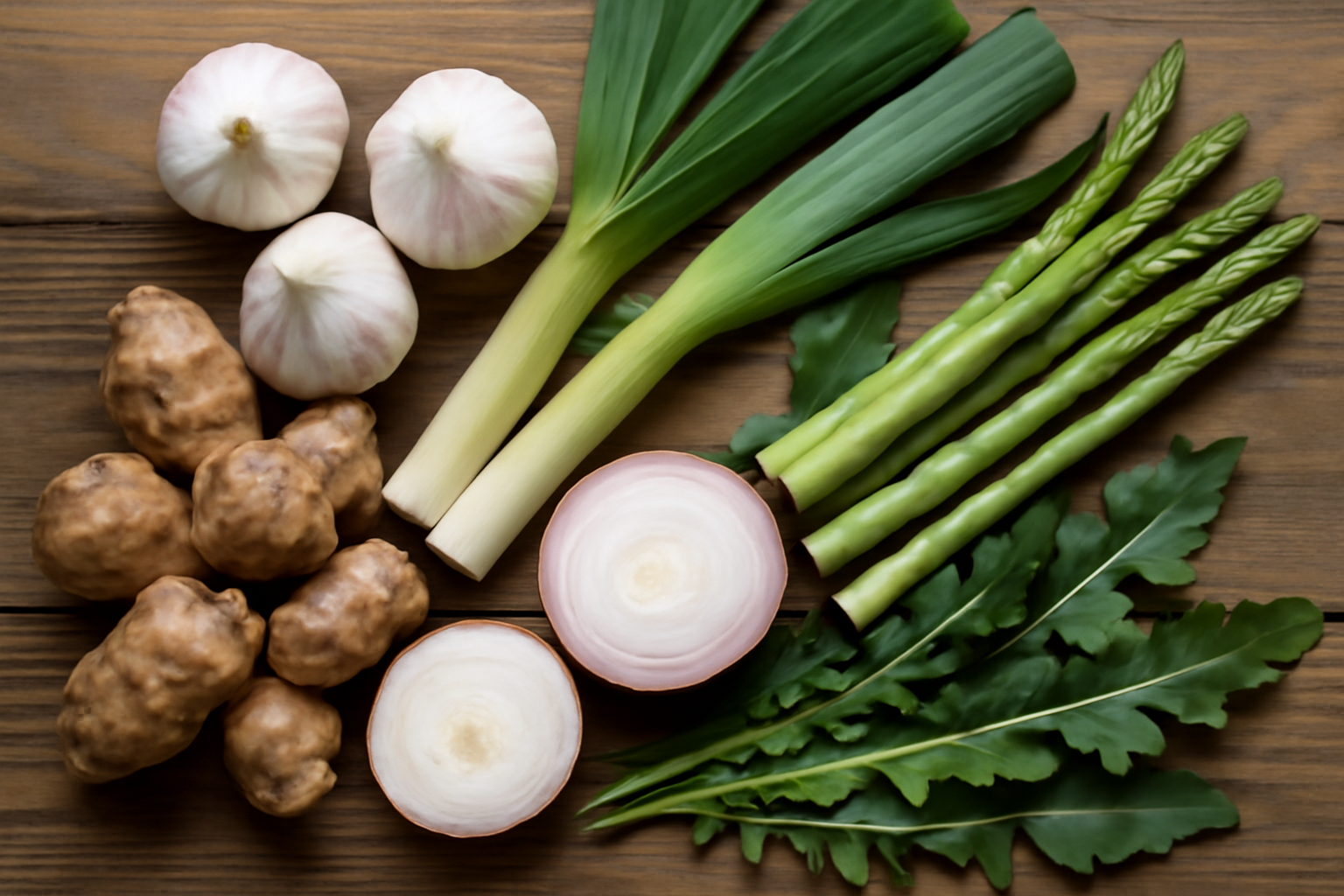
Garlic remains the single easiest inulin source to weave into everyday eating. Because it’s a foundational ingredient across nearly every culinary tradition, adding garlic to meals doesn’t feel like a deliberate digestive intervention — it’s simply cooking. Raw cloves contain more inulin than roasted or sautéed, though thermal processing doesn’t eliminate the compound entirely. Most people with uncompromised digestion tolerate one to two cloves daily without issue.
2. Onions and Leeks
These allium relatives are equally accessible in the kitchen. Raw preparations — whether thinly sliced in a salad, added to a sandwich, or mixed into a fresh salsa — preserve inulin better than long cooking times. Leeks deserve particular attention because they stack inulin on top of additional microbiota-supporting compounds: polyphenols, flavonoids, and fiber that collectively shift microbiome composition toward diversity.
3. Jerusalem Artichoke — Maximally Potent with Built-In Caution
Among whole foods, nothing matches Jerusalem artichoke for sheer inulin density — but this concentration comes with a predictable trade-off. Introduce it conservatively, beginning with 50–75 grams, then expanding quantities incrementally over several weeks. The gas that follows is evidence your colonic bacteria are metabolising the inulin, which is precisely what you’re trying to achieve — yet the transition period can be uncomfortable if progression happens too fast.
4. Asparagus
Asparagus occupies a middle ground: it contains meaningful inulin without the fermentation intensity of Jerusalem artichoke, making it suitable for people whose digestion is reactive or easily upset. Beyond inulin, asparagus delivers saponins and compounds that convert to glutathione — collectively positioning it as one of the most protective vegetables for intestinal barrier function and microbial balance.
Inulin Powders and Extracts: When They Fit
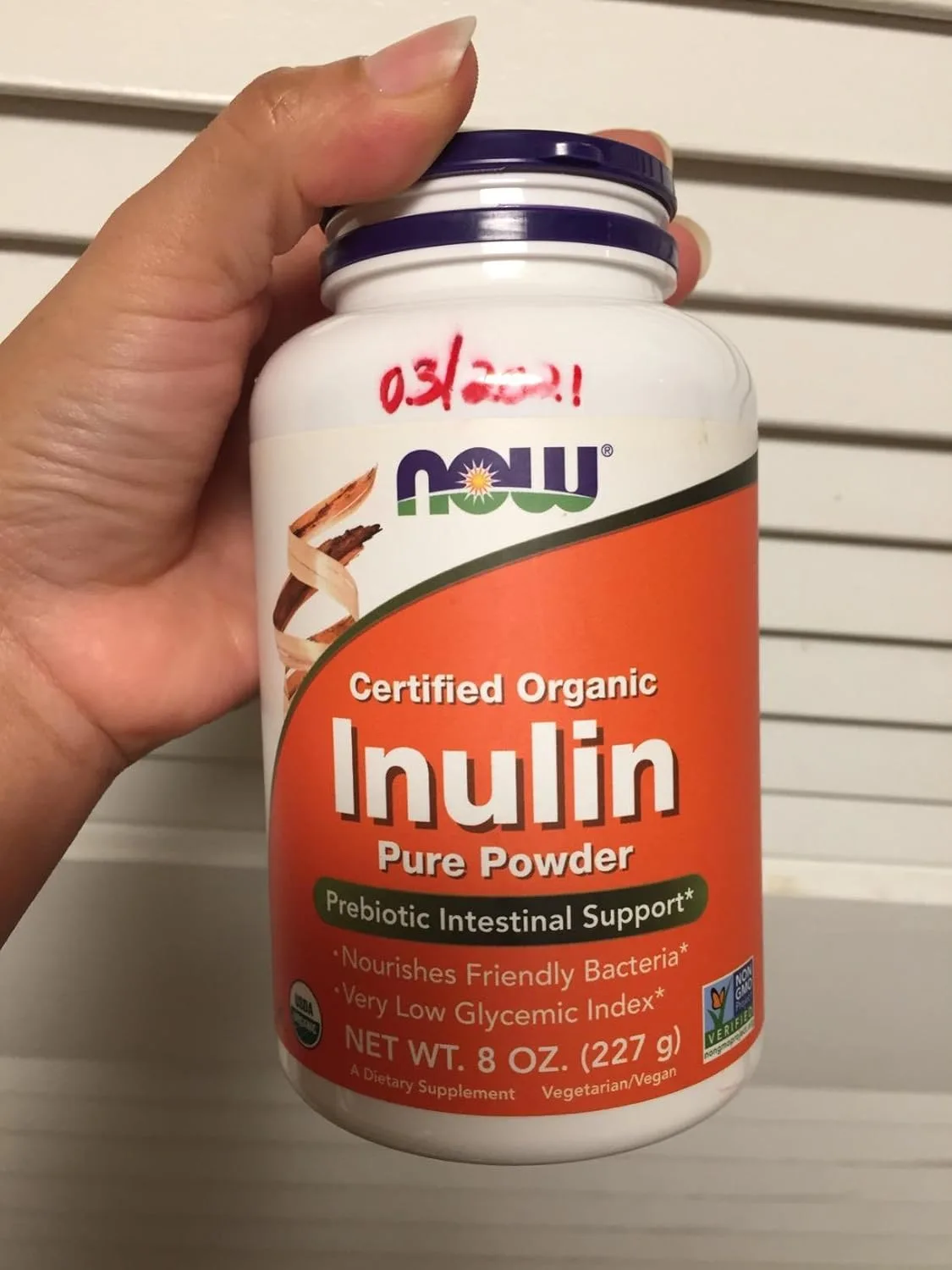
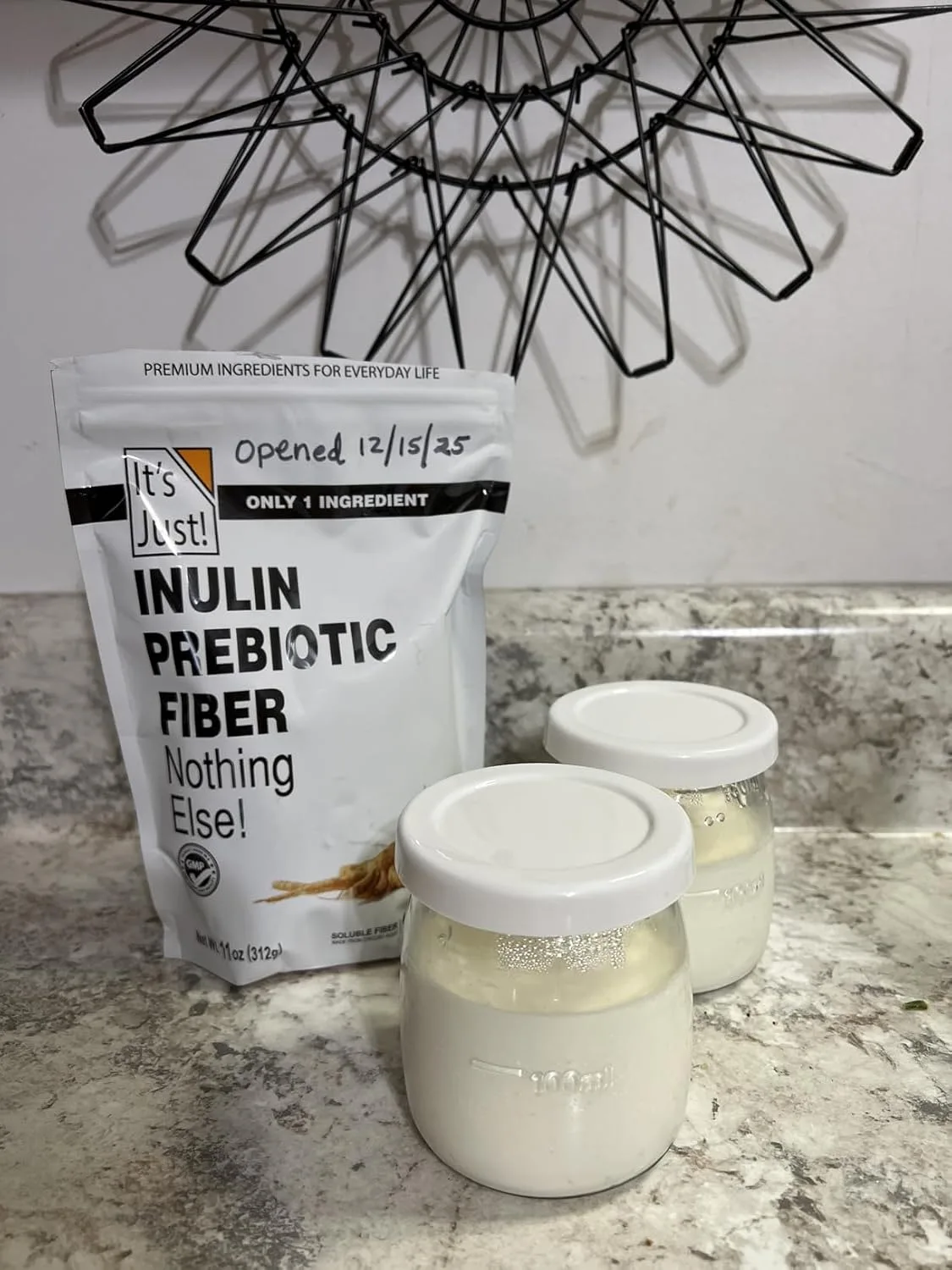
When whole-food sources aren’t realistic — because of concurrent food sensitivities, dietary restrictions, or a medical condition that limits vegetable tolerance — a concentrated inulin supplement can fill the gap. Most commercial products derive their inulin from chicory root.
Introduce a powder version at 2–3 grams on the first day, then increase gradually. Rapid escalation to a full serving is the primary reason supplemental inulin causes bloating; your bacterial ecosystem requires time to establish the enzymatic machinery needed for efficient fermentation.
Understanding the Bloating: Mechanism and Timeline
Bacterial fermentation of inulin in the colon generates gas — this same fermentation is what makes inulin beneficial, but the gas production is also its main unwanted consequence. When you meaningfully increase inulin consumption (whether through additional vegetables or a supplement), anticipate a 1–2 week adjustment window with noticeable bloating and flatulence. This discomfort almost always diminishes as bacterial populations rebalance and develop adapted metabolic pathways.
Gradualism is the strategy that prevents this transition from becoming intolerable. This principle is especially critical with Jerusalem artichoke and chicory root — the two foods containing the highest inulin concentrations.
Concentrated Inulin for Situations Where Food Sources Fall Short
Suppose your routine diet includes consistent amounts of garlic, onions, and chicory root but doesn’t reach therapeutic inulin levels — or suppose an IBS diagnosis means high-FODMAP whole foods trigger symptoms and remain off-limits. A pure inulin concentrate then becomes a practical workaround, delivering the prebiotic effect while sidestepping the digestive triggers of bulky whole-food portions. This is the product category I lean on when whole-food strategies hit their practical limit.
What makes it effective
- Extracted chicory inulin without binders, thickeners, or secondary fibres that may ferment on a different timeline and create unpredictable bloating.
- Dosing control — a quarter-teaspoon lets you titrate upward across weeks, whereas eating a whole Jerusalem artichoke or handful of chicory leaves locks you into a predetermined inulin load. This precision accelerates adaptation and reduces the bloating window.
- Microbiome shifts — clinical-grade testing across 4–8 weeks of regular supplementation typically confirms increases in Bifidobacterium abundance and measurable rises in butyrate and other short-chain fatty acids.
What doesn’t work
- Dosing at full strength (5–10g) from day one triggers rapid fermentation, gas, distension, and cramps — the microbiota simply isn’t prepared to metabolise that much inulin simultaneously. Begin with one-quarter teaspoon and advance in small increments every few days.
- Using inulin as a standalone fix when active inflammatory bowel disease or severe acute IBS flares are present — if your gastroenterologist has diagnosed Crohn’s, ulcerative colitis, or you’re in an IBS exacerbation, a prebiotic fibre can temporarily amplify inflammation and should only be introduced under direct clinical supervision.
Inulin supplements work best as part of a broader dietary strategy — don’t expect it to “fix” your gut on its own if you’re still eating ultra-processed foods or under chronic stress.




About This Article

Written by Alex Mercer. Alex Mercer has lived with IBS since childhood and isn't a nutritionist or a doctor. After years of being told he was anxious or would grow out of it, he spent more than 12 years reading the research properly, and now shares what he has learned with the family, friends and support-group members who come to him with the same questions. He translates peer-reviewed research into practical, honest advice, and is always upfront about what the evidence does and does not show. More about this site.
Scope and limits. Alex is not a doctor, dietitian, or nutritionist, and nothing here is medical advice. Talk to a clinician before changing your diet, starting a supplement, or acting on symptoms — especially persistent or worsening ones.
Verify this against a primary source
Specifics change, and your situation may differ from the one described here. These are the authorities worth checking directly:
- NIDDK — digestive disease research and clinical guidance
- MedlinePlus — plain-language medical reference from the NIH
- Mayo Clinic — symptom and condition reference