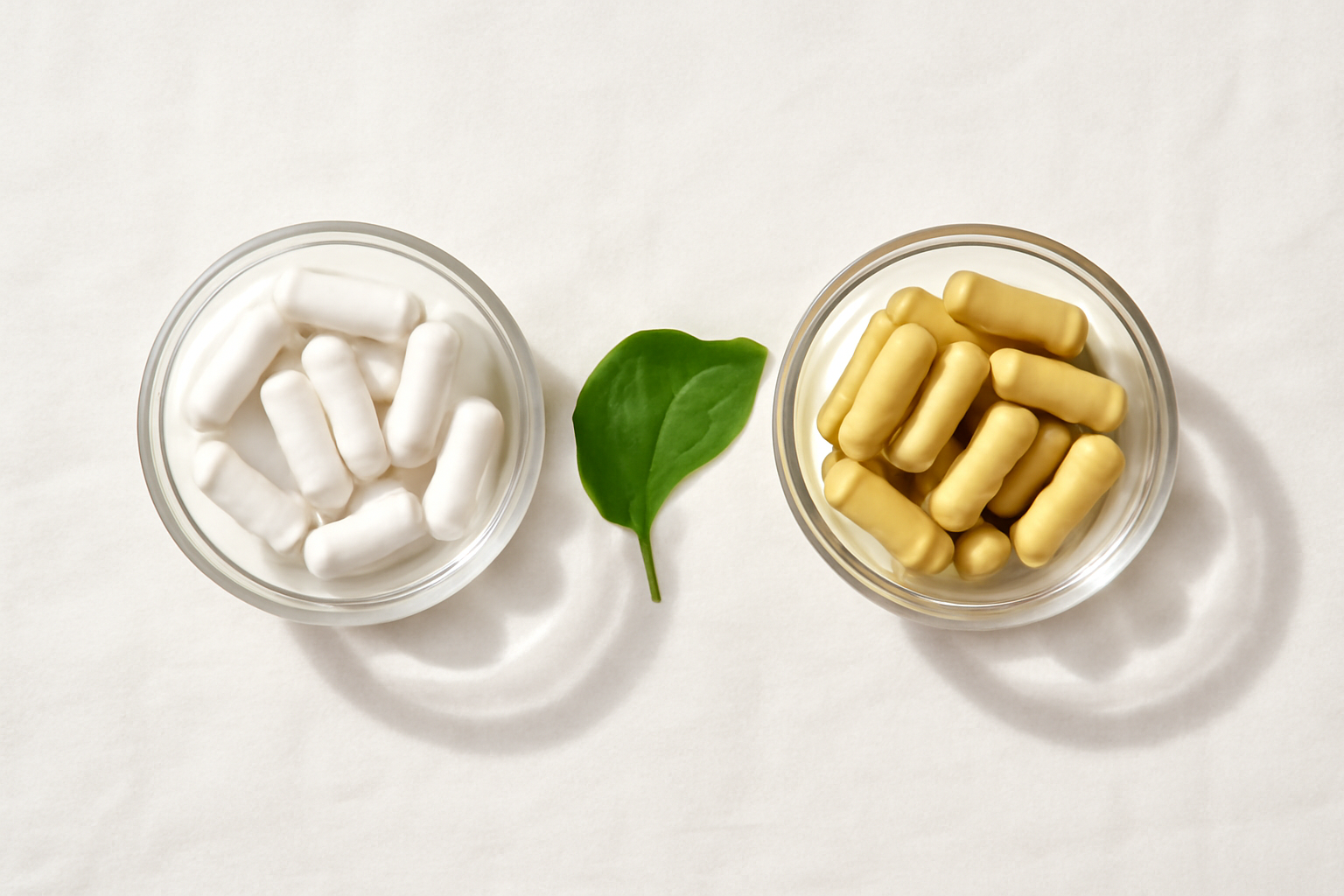

The moment the afternoon bloating hits, it’s unmistakable—a tightness spreading across my lower abdomen, a heaviness that makes even breathing feel laboured. When people describe this exact sensation to me, the conversation often turns to what’s happening at the cellular level: oxidative stress, a weakened intestinal barrier, or a liver that’s struggling to keep up with detoxification demands. Two supplements come up constantly in these discussions: NAC (N-acetylcysteine) and alpha lipoic acid (ALA). Both command serious attention in research on digestive and hepatic wellness. Both show up in recommendations for intestinal lining restoration, liver support, and suppression of free radical damage—yet the pathways they take are distinctly different, and their strengths don’t overlap completely.
Figuring out which one belongs in your regimen—or whether combining them makes sense—can shift your results measurably.
NAC: Your Body’s Glutathione Factory
NAC is a modified version of the amino acid cysteine, engineered for absorption and cellular uptake. Its central role is supplying the amino acid that your cells cannot readily produce on their own—the rate-limiting building block for manufacturing glutathione. Consume NAC and your cells harness it to synthesize glutathione internally.
The clinical proof sits in hospital emergency departments worldwide: NAC is the standard intervention when paracetamol (acetaminophen) has ravaged liver glutathione stores and acute liver failure looms. It restores glutathione fast enough to prevent death. That’s the calibre of evidence backing its mechanism.
Why NAC matters for gut health:
- Protective rebuilding of the intestinal lining — by elevating glutathione within the mucosal layer, NAC defends enterocytes from oxidative attack and fortifies the structural proteins holding tight junctions together (central to addressing intestinal hyperpermeability)
- Dampening inflammation — NAC suppresses NF-κB activation, the master switch controlling inflammatory molecule release throughout the gut. Clinical trials have examined this in IBD and IBS-D populations
- Disrupting bacterial biofilms — NAC’s mucolytic action makes it capable of breaking apart the protective shells that pathogenic bacteria use to entrench themselves, applicable to SIBO management and persistent dysbiosis
- Mucus layer optimization — at therapeutic doses, NAC thins the mucus coating the intestinal wall, which paradoxically improves its protective properties by maintaining optimal thickness
Alpha Lipoic Acid: The Universal Cellular Guardian
ALA operates through a fundamentally different route. It doesn’t feed glutathione production the way NAC does. Instead, ALA itself acts as a powerful antioxidant while simultaneously restoring glutathione molecules that have already been spent in defending cells, plus it restores vitamins C and E to their functional states, and it signals the body to manufacture more glutathione through enzyme activation.
The distinguishing feature of ALA is its dual chemical nature—soluble in both lipid and aqueous environments—which lets it penetrate every zone inside the cell: the energy-producing mitochondria, the cell membrane’s protective boundary, and the interior cellular fluid. This universal access makes ALA an exceptionally broad-spectrum protective molecule.
Why ALA matters for gut health:
- Defense of intestinal tissue from oxidative harm — ALA lowers the oxidative load within the gut mucosa and restores the structural proteins responsible for controlling what passes between the intestinal compartment and the bloodstream
- Energy metabolism in gut cells — ALA participates directly in the mitochondrial machinery that powers cellular respiration; when gut cell mitochondria function optimally, barrier integrity strengthens as a direct result
- Suppression of gut inflammation — paralleling NAC’s anti-inflammatory pathway, ALA blocks NF-κB signalling and reduces the cascade of inflammatory signals radiating through intestinal tissue
- Glucose regulation and intestinal permeability — ALA enhances the efficiency with which cells absorb glucose; since dysregulated blood sugar directly undermines intestinal barrier function, this mechanism carries substantial weight
Direct Comparison: Mechanism, Strength, and Specificity
| Characteristic | NAC | Alpha Lipoic Acid |
|---|---|---|
| How it affects glutathione | Supplies the amino acid cysteine (precursor) | Regenerates spent glutathione + triggers synthesis via enzyme signalling |
| Chemical nature | Water-soluble only | Functions in both lipid and aqueous environments |
| Biofilm breakdown | Strong documented activity | Minimal research support |
| Influence on blood glucose metabolism | Slight effect | Substantial insulin-sensitizing action |
| Support for cellular energy production | Indirect, mediated through glutathione | Direct participation in mitochondrial energy cycles |
| Strength of existing research in digestive applications | Robust foundation, particularly in IBD | Expanding body of evidence, especially for IBS and permeability concerns |
NAC Makes Sense If You Have These Concerns
- Dysbiosis marked by biofilm formation or SIBO is a documented or suspected part of your picture
- Your diagnosis includes inflammatory bowel disease (Crohn’s disease or ulcerative colitis)—the clinical trial evidence favours NAC here more than any other supplement
- You’re seeking an economical, direct route to raising your body’s glutathione pool
- Symptoms in your respiratory tract (post-nasal drip, persistent cough, thick secretions) accompany digestive difficulties
ALA Makes Sense If You Have These Concerns
- The primary issue you’re managing is intestinal permeability and the cascade of symptoms it triggers
- Glucose dysregulation, insulin resistance, or reactive hypoglycemia coexists with your digestive complaints
- You want antioxidant firepower distributed across every cellular compartment, not confined to one pathway
- Supporting liver detoxification capacity and mitochondrial efficiency alongside intestinal repair is a priority
Using NAC and ALA as a Combined Approach
These two compounds amplify each other rather than duplicate efforts. NAC feeds glutathione synthesis by supplying its limiting substrate; ALA extends the lifespan of glutathione that’s already at work and prompts the body to manufacture additional glutathione beyond what NAC alone would achieve. Stacking them expands your antioxidant footprint without introducing redundancy. This pairing shows solid tolerability across the population and sees regular adoption in integrative and functional medicine settings.
A reasonable starting framework to explore with your practitioner or GP:
- NAC: 600–1200mg each day, in separate doses, meals don’t interfere with absorption
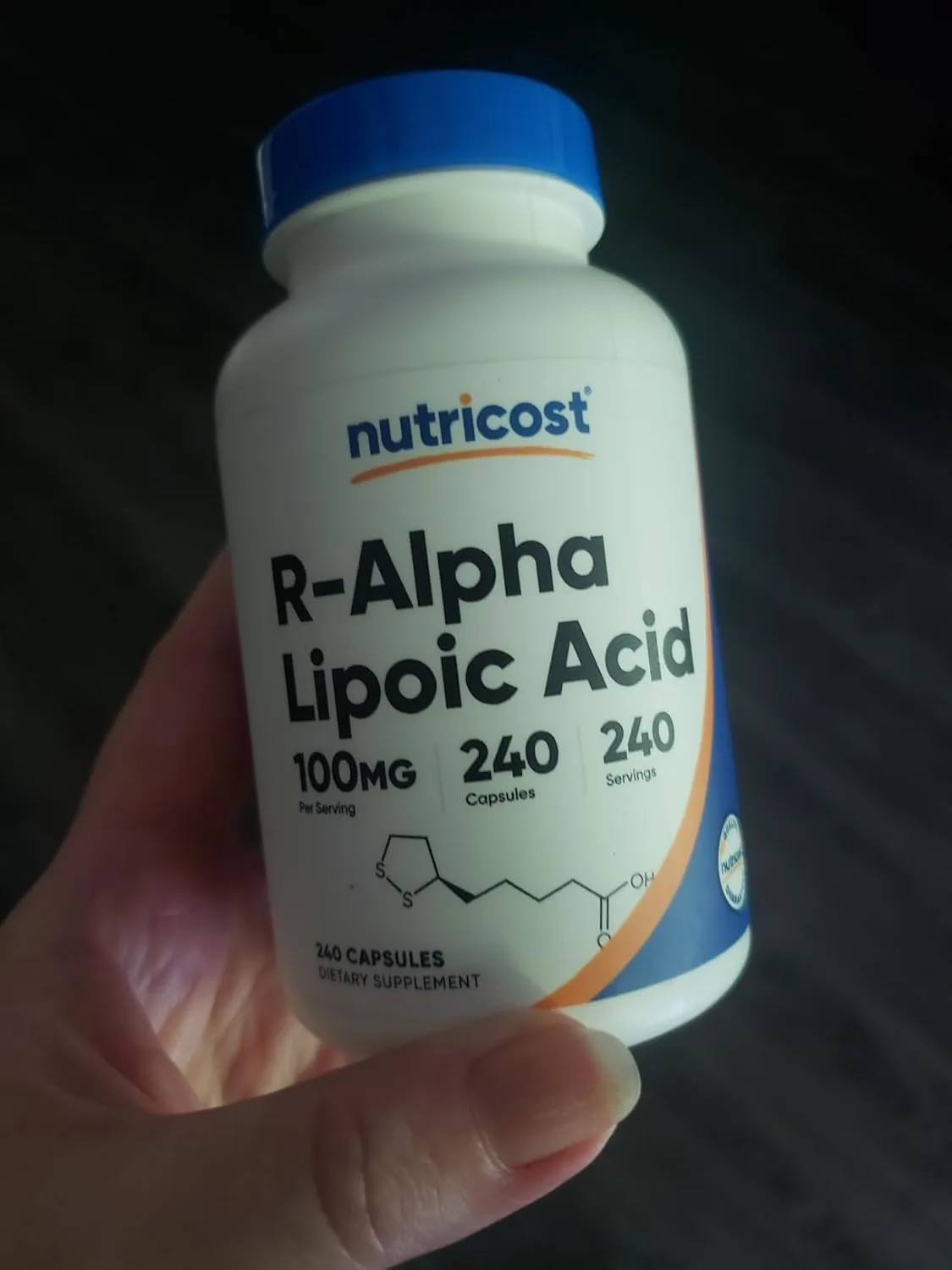
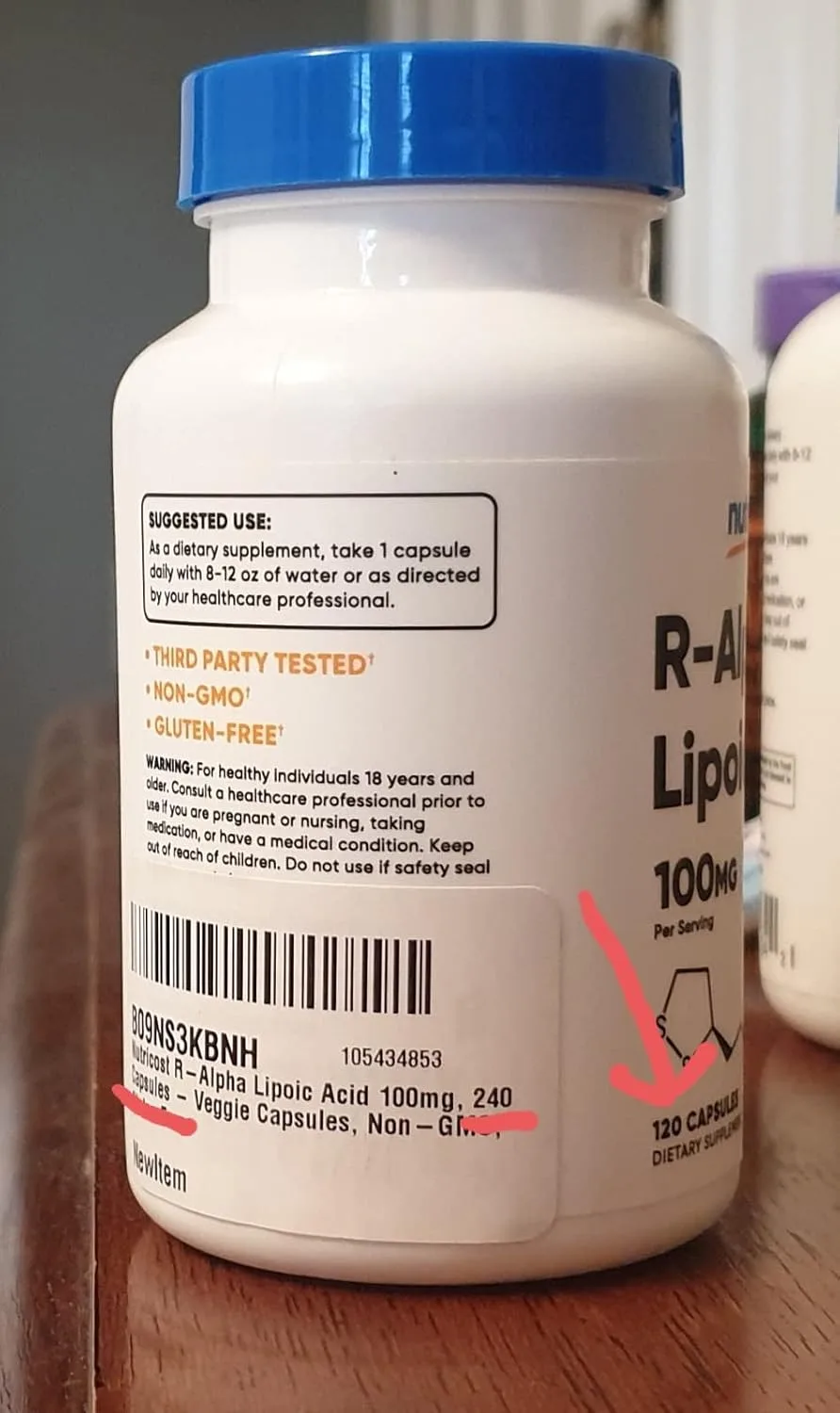
- R-ALA (the active form): 100–300mg, best absorbed on an empty stomach
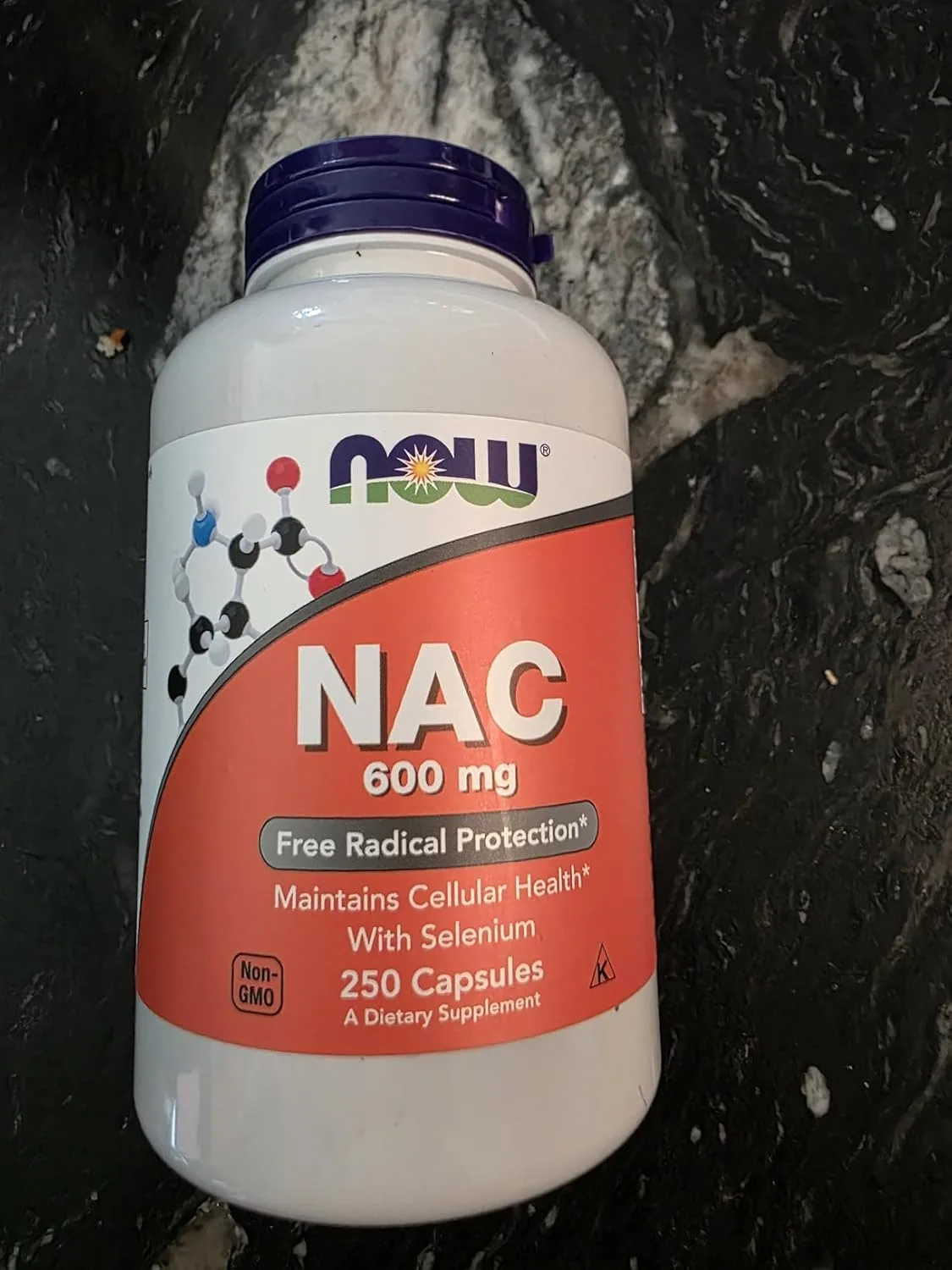
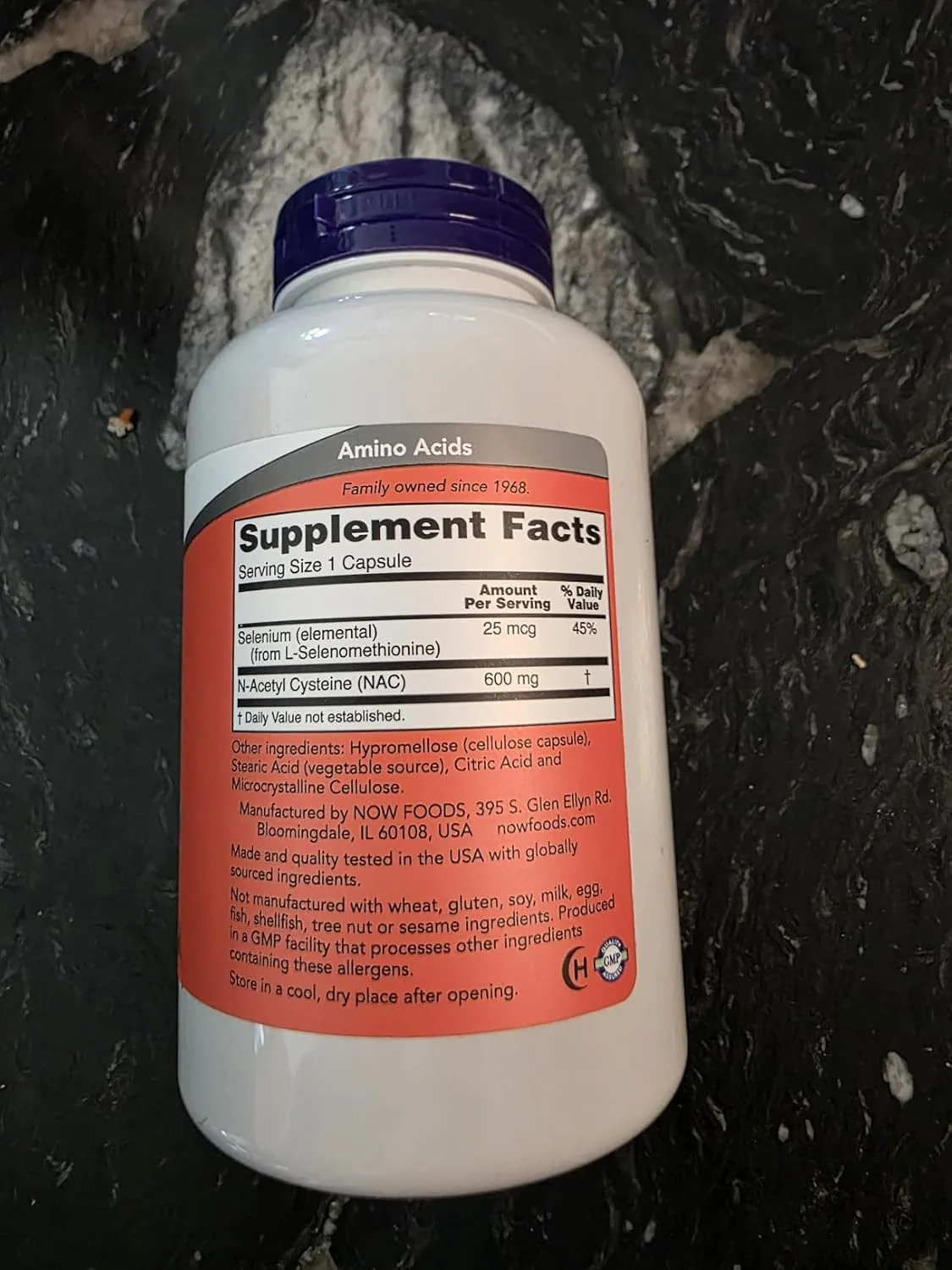
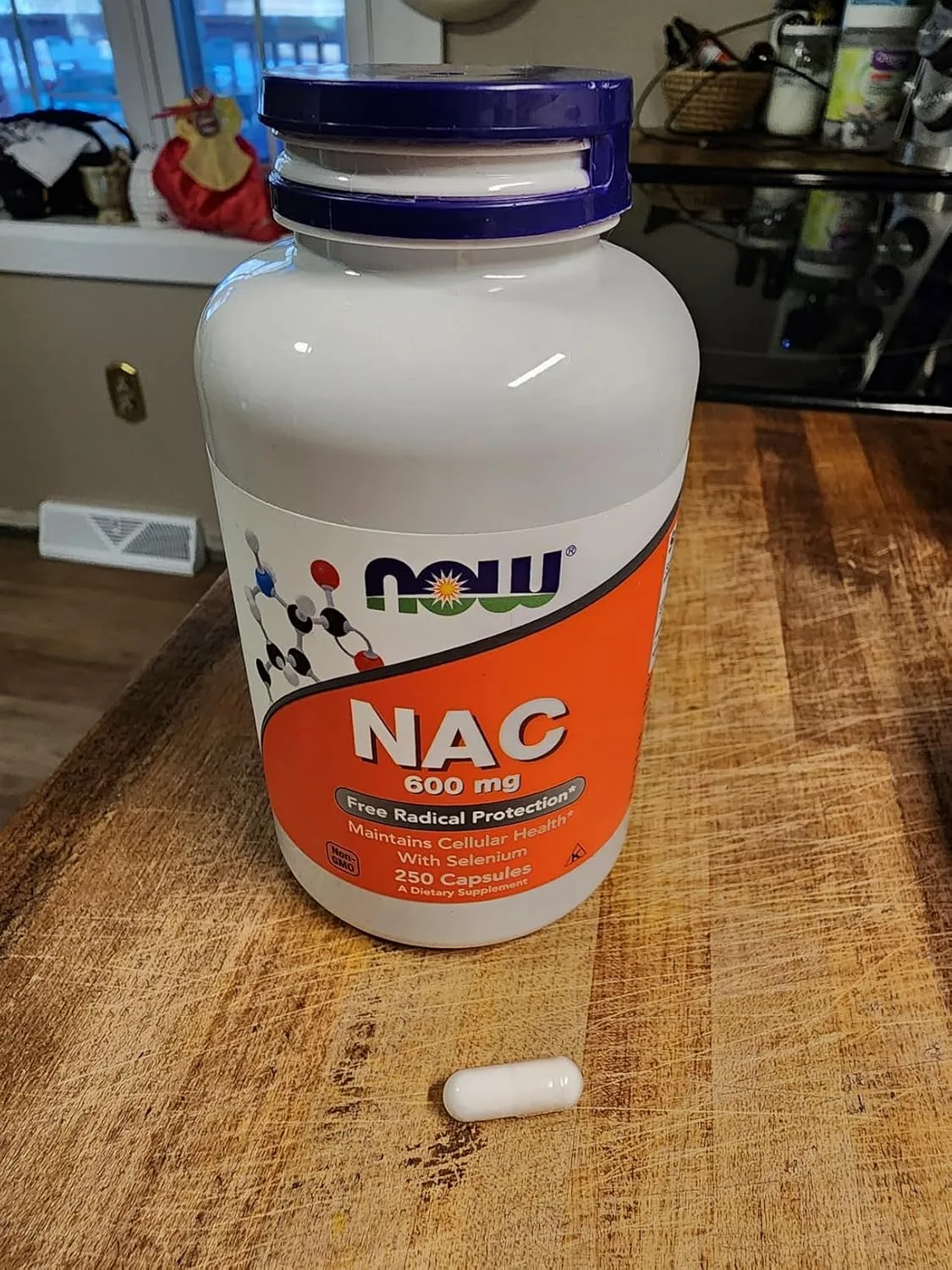
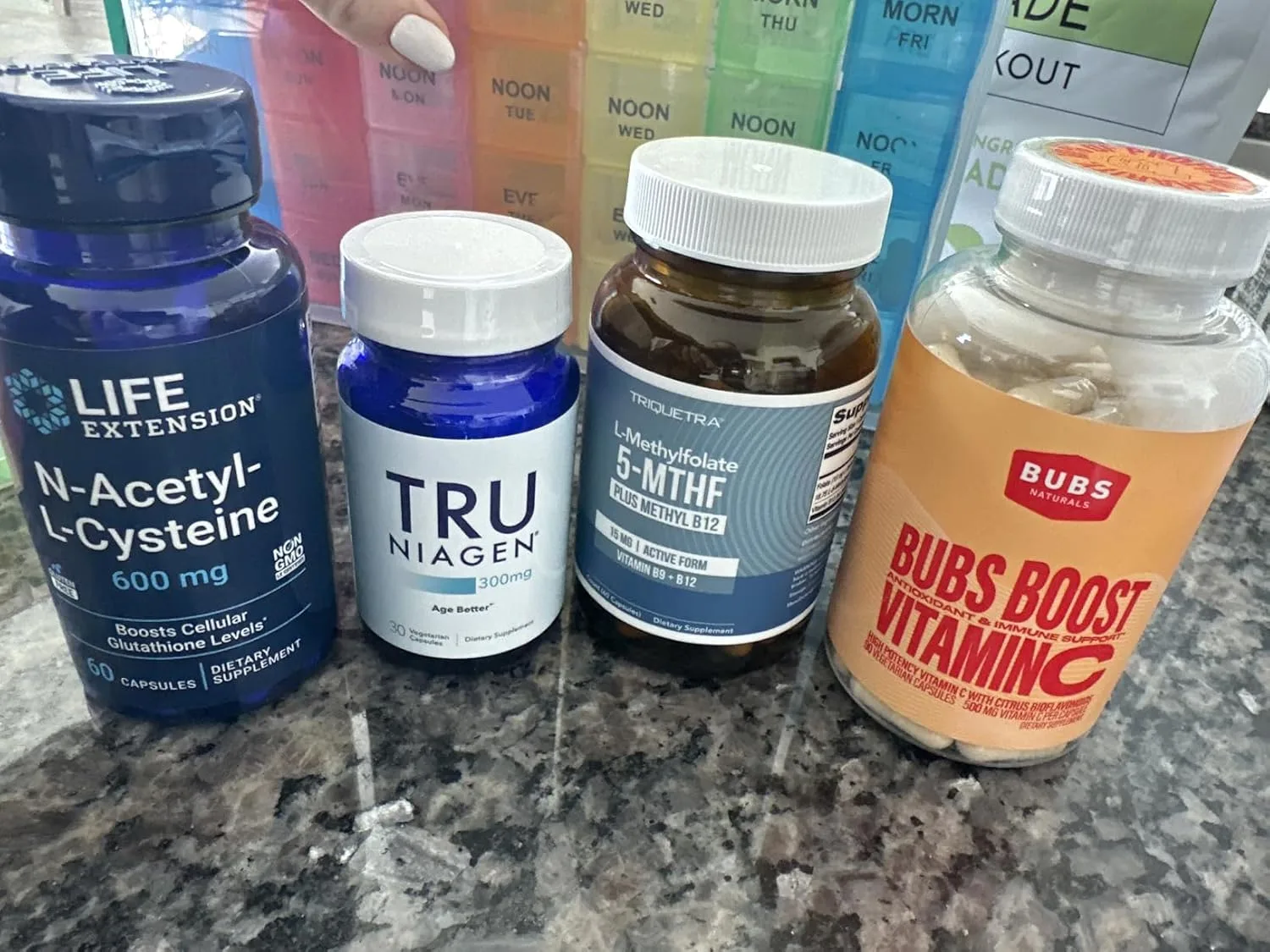
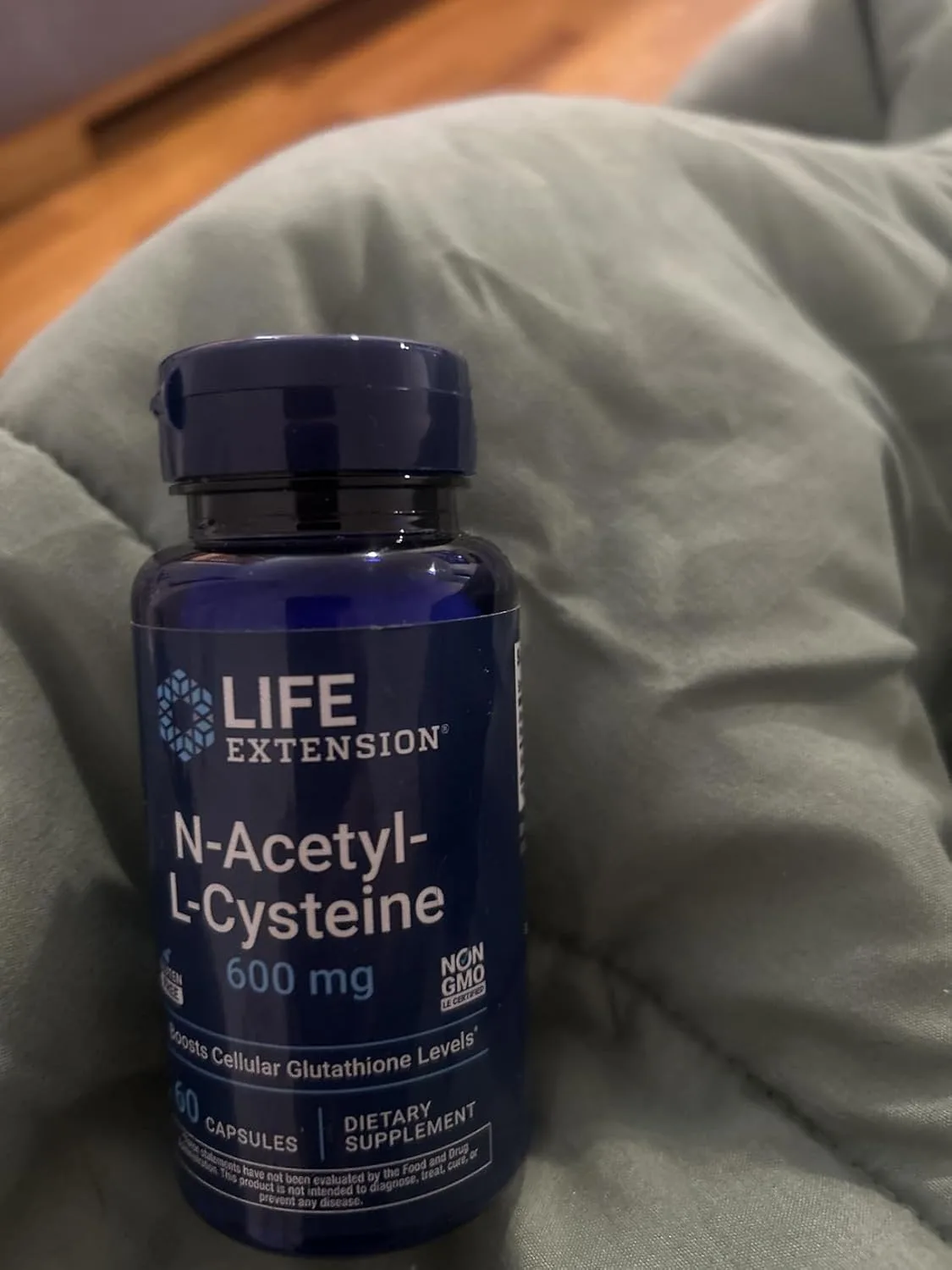
For a well-formulated NAC supplement, NOW Supplements NAC 600mg is a solid, accessible option. For R-ALA, look for products specifically labelled “R-alpha lipoic acid” or “R-ALA” rather than the cheaper racemic mixture.
NAC for Restoring Intestinal Barrier Integrity and Easing Leaky Gut-Related Symptoms
When bloating, food sensitivities, or sluggish recovery from inflammatory flares dominate your experience, the intestinal barrier itself deserves scrutiny—and NAC is my go-to antioxidant for this reason. It elevates glutathione directly, equipping your intestinal cells with the primary tool they use to fend off oxidative damage. For people wrestling with IBS or rebuilding after infection or inflammation, NAC offers something concrete and grounded in mechanism, not trial-and-error guesswork.
Where NAC delivers
- NAC functions as a direct feeder of glutathione, enabling your intestinal cells to manufacture it efficiently—the evidence is substantial, and people I’ve supported consistently report tangible reductions in bloating and expanded food tolerance across a 6–8 week window.
- Beyond the gut, it accelerates liver detoxification pathways and clears excess mucus accumulation, making it particularly valuable for IBS-D presentations or situations where someone is recovering from acute digestive insult like food poisoning or inflammatory episodes.
- The 600mg dose formulation (such as NOW Supplements’ version) has solid research backing and occupies the sweet spot of efficacy without triggering the nausea that higher doses can provoke—you get results without the downside.
Where NAC falls short
- NAC isn’t a fast-acting barrier repair tool, nor does it eliminate the need to identify and remove trigger foods, manage stress, and tackle whatever set off the damage in the first place—realistic expectations put noticeable shifts at week 6, with true structural recovery spanning 12–16 weeks of consistent use.
- It requires a conversation with your GP if you’re on anticoagulants, have a kidney stone history, or are expecting—and a small subset of people experience a temporary sulfur-like odour that usually fades within a few days of starting.
NAC is a solid supporting tool, but it’s not a substitute for identifying and removing the drivers of gut inflammation — if you’re dealing with unmanaged coeliac disease, active Crohn’s, or severe dysbiosis, supplement first with your GP or gastroenterologist. NOW Supplements NAC 600mg
About This Article

Written by Alex Mercer. Alex Mercer has lived with IBS since childhood and isn't a nutritionist or a doctor. After years of being told he was anxious or would grow out of it, he spent more than 12 years reading the research properly, and now shares what he has learned with the family, friends and support-group members who come to him with the same questions. He translates peer-reviewed research into practical, honest advice, and is always upfront about what the evidence does and does not show. More about this site.
Scope and limits. Alex is not a doctor, dietitian, or nutritionist, and nothing here is medical advice. Talk to a clinician before changing your diet, starting a supplement, or acting on symptoms — especially persistent or worsening ones.
Verify this against a primary source
Specifics change, and your situation may differ from the one described here. These are the authorities worth checking directly:
- NIDDK — digestive disease research and clinical guidance
- MedlinePlus — plain-language medical reference from the NIH
- Mayo Clinic — symptom and condition reference