
A glass of unsweetened milk kefir with a handful of raw garlic cloves left me noticeably less bloated within three days — a tangible reminder that certain foods work synergistically in ways others simply don’t.
When people search for “probiotic fiber foods,” what they’re really after is something dual-purpose: foods delivering both active bacterial cultures and the soluble fibre those microbes depend on for survival. Nutrition science has a term for this pairing: synbiotics.
The reasoning is straightforward. Probiotics (living beneficial bacteria) and prebiotics (the fibre these organisms metabolize) perform far more effectively in tandem. Introducing bacterial strains without adequate fibre substrate resembles sowing seeds on barren ground. Conversely, supplying substrate without introducing novel bacterial populations has limited impact if your existing microbial ecosystem already lacks diversity. The optimal tactic combines both — and a surprising number of real foods accomplish this naturally.
Foods That Deliver Both Live Cultures and Prebiotic Substrate
1. Kefir
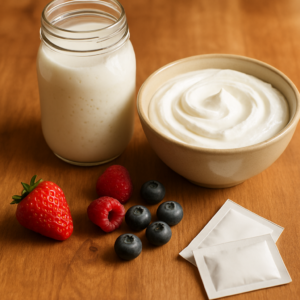
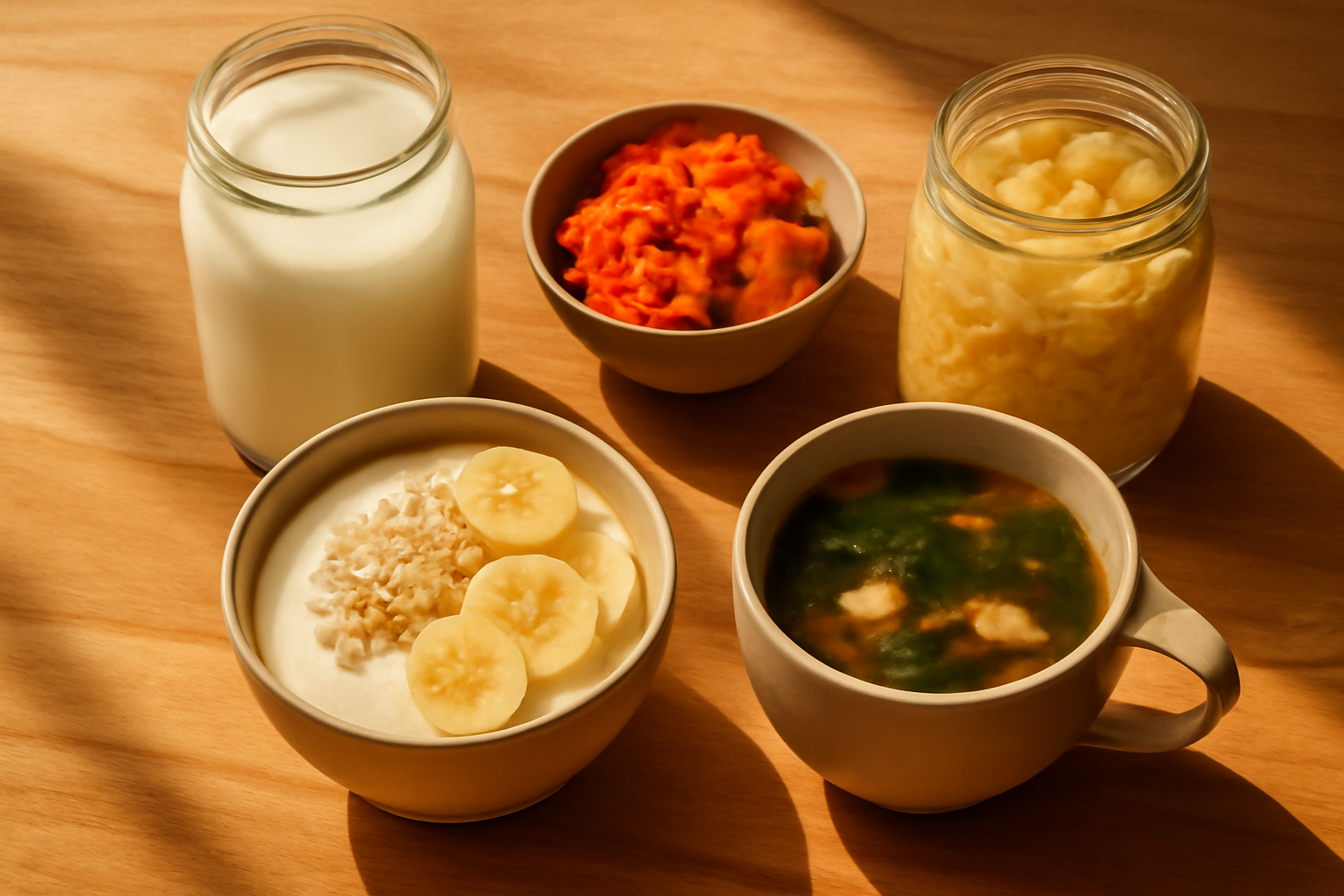
Among fermented dairy products, kefir stands out for its bacterial density — most varieties harbour somewhere between 10 and 34 distinct bacterial strains plus substantially higher CFU counts than conventional yogurt (which typically maxes out at 2–3 strains). Unsweetened milk-based kefir additionally carries naturally present oligosaccharides that function as prebiotics, nourishing the bacteria suspended within.
Strongest pairings: Combine kefir with slightly underripe banana or rolled oats — bananas supply FOS (fructooligosaccharides) while oats contribute beta-glucan, each of which actively stimulates the Lactobacillus and Bifidobacterium populations that kefir introduces.
2. Kimchi
This fermented vegetable dish represents a genuinely synbiotic matrix — during fermentation, live Lactobacillus kimchii and allied species proliferate while the underlying vegetable base (napa cabbage, garlic, leeks, ginger) supplies inulin, FOS, and polyphenol compounds to sustain these microbes. Rare among fermented offerings, kimchi houses both the probiotic component and its fuel source within a single unified food structure.
Optimal application: Serve chilled or at room temperature as a side dish rather than heated — temperatures exceeding 50°C denature the living bacterial cultures.
3. Sauerkraut
Traditional salt-fermented sauerkraut (avoiding vinegar-cured variants that have been heat-treated) delivers predominantly Lactobacillus plantarum alongside complementary strains, together with prebiotic compounds resident in the raw cabbage matrix. Bacterial strain diversity lags somewhat behind kefir or kimchi offerings, yet it ranks among the most digestively tolerable options across the spectrum, proving particularly well-suited for individuals managing compromised or reactive gut function.
Critical selection point: Living cultures persist exclusively in unpasteurised sauerkraut — hunt for it in refrigerated sections rather than shelf-stable shelving.
4. Miso
Fermented soybean preparation housing active colonies of Aspergillus oryzae plus additional fungal and bacterial species, supplemented with galactooligosaccharides originating from the soybean substrate. Transform basic miso broth into a fully synbiotic meal by incorporating vegetable matter — particularly allium vegetables (garlic, onion, leek) and seaweed varieties.
Essential reminder: Identical to sauerkraut, miso demands cool-temperature finishing — introduce it into prepared soup after removing from direct heat to maintain bacterial viability.
Creating Synbiotic Meal Combinations From Separate Sources
Should the traditionally fermented options listed above prove impractical or unavailable, building effective synbiotic pairings through deliberate food combination remains entirely achievable:
| Live Culture Source | Accompanying Prebiotic | Synergistic Mechanism |
|---|---|---|
| Plain yogurt (live cultures) | Rolled oats or banana slices | Oat-derived beta-glucan and banana-derived FOS selectively stimulate Lactobacillus and Bifidobacterium strains |
| Milk kefir | Chicory leaf or dandelion greens (raw) | Inulin compounds present in chicory and dandelion root systems synergistically enhance kefir’s bacterial populations |
| Unpasteurised sauerkraut | Jerusalem artichoke or fresh leek | Abundant inulin from these vegetables directly sustains the L. plantarum strains present in sauerkraut |
| Miso-based broth | Sea vegetables plus garlic or onion | Seaweed polysaccharide compounds combined with onion and garlic inulin establish a layered prebiotic foundation |
| Tempeh (fermented soy) | Asparagus or onion bulb | Unites fermented plant protein with vegetables abundant in inulin |
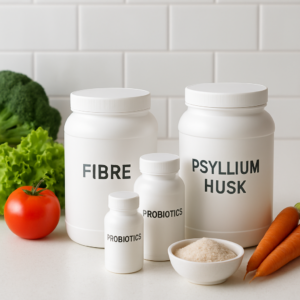
Supplemental Synbiotics: Fibre Plus Bacterial Strains
Taking a probiotic supplement alongside prebiotic fibre substrates markedly improves bacterial adherence and establishment within the intestinal ecosystem. Evidence indicates that consuming bacterial supplements in conjunction with a prebiotic “escort” elevates their effectiveness — particularly where Bifidobacterium colonisation in distal colon segments is the goal.
Practical implementation: pair your supplement dose with a modest quantity of inulin-dense whole food — perhaps three or four raw onion rings, a small leek section, or a single teaspoon of chicory root powder stirred into plain water.
Why Fibre Diversity Matters More Than Fibre Volume
Contemporary microbiome science underscores that the spectrum of fibre types consumed carries equal or greater significance than total fibre intake alone. Distinct bacterial taxa selectively metabolize distinct fibre compounds — inulin, FOS, resistant starch, beta-glucan, pectin, and arabinogalactan each serve as substrate for different microbial populations. Consuming a broad array of prebiotic fibres across many unrelated food sources generates substantially more microbial heterogeneity than consuming large quantities of one or two familiar high-fibre foods in rotation.
Therefore, while identifying which foods concentrate inulin or other specific compounds remains valuable, the more consequential strategy involves deliberate variety — alternating your fibre sources and rotating your fermented food selections across weeks and months to maximize the breadth of your microbiota.
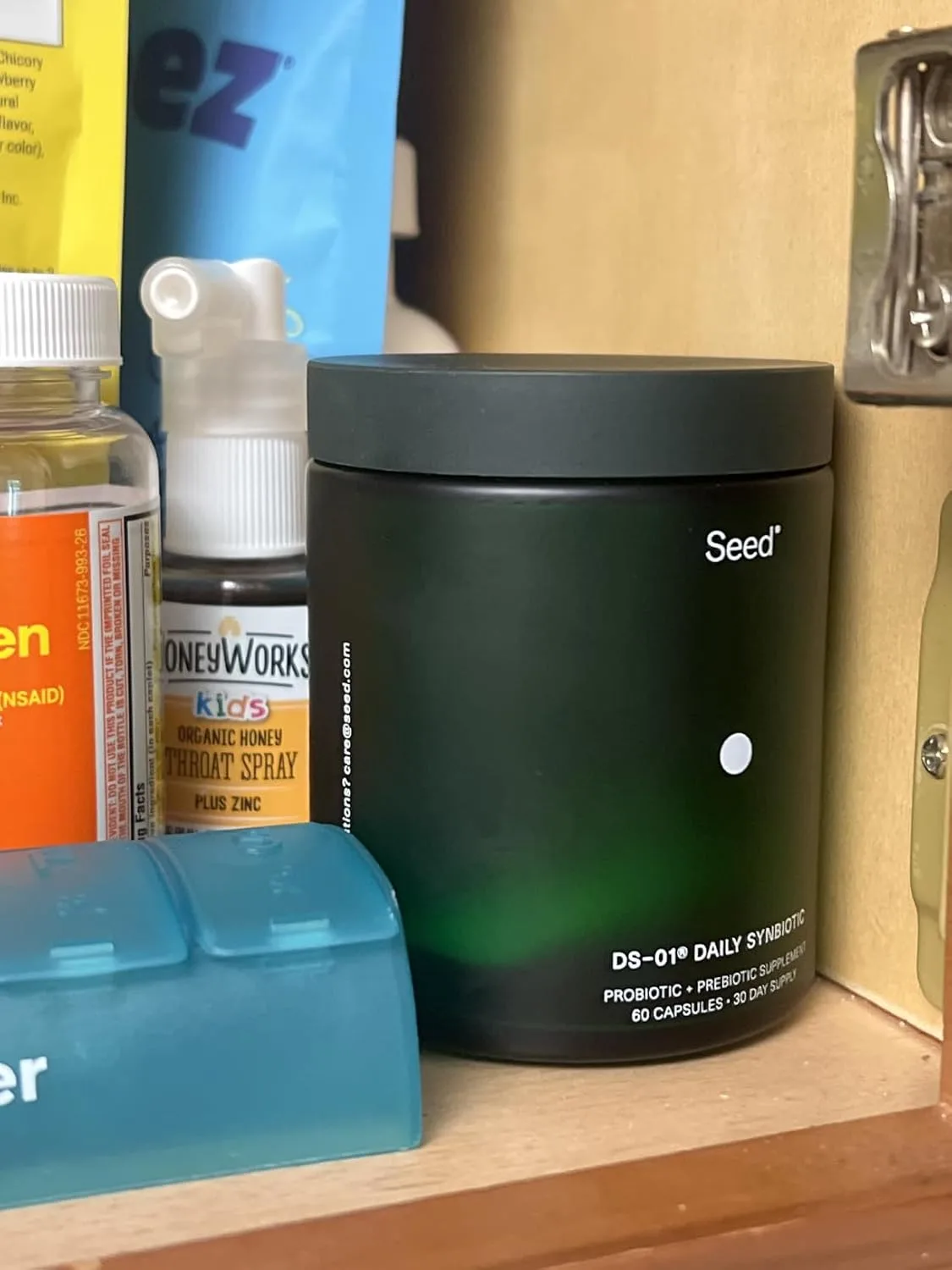
Synbiotic Supplement Formulas: Clinical Support When Whole Foods Fall Short
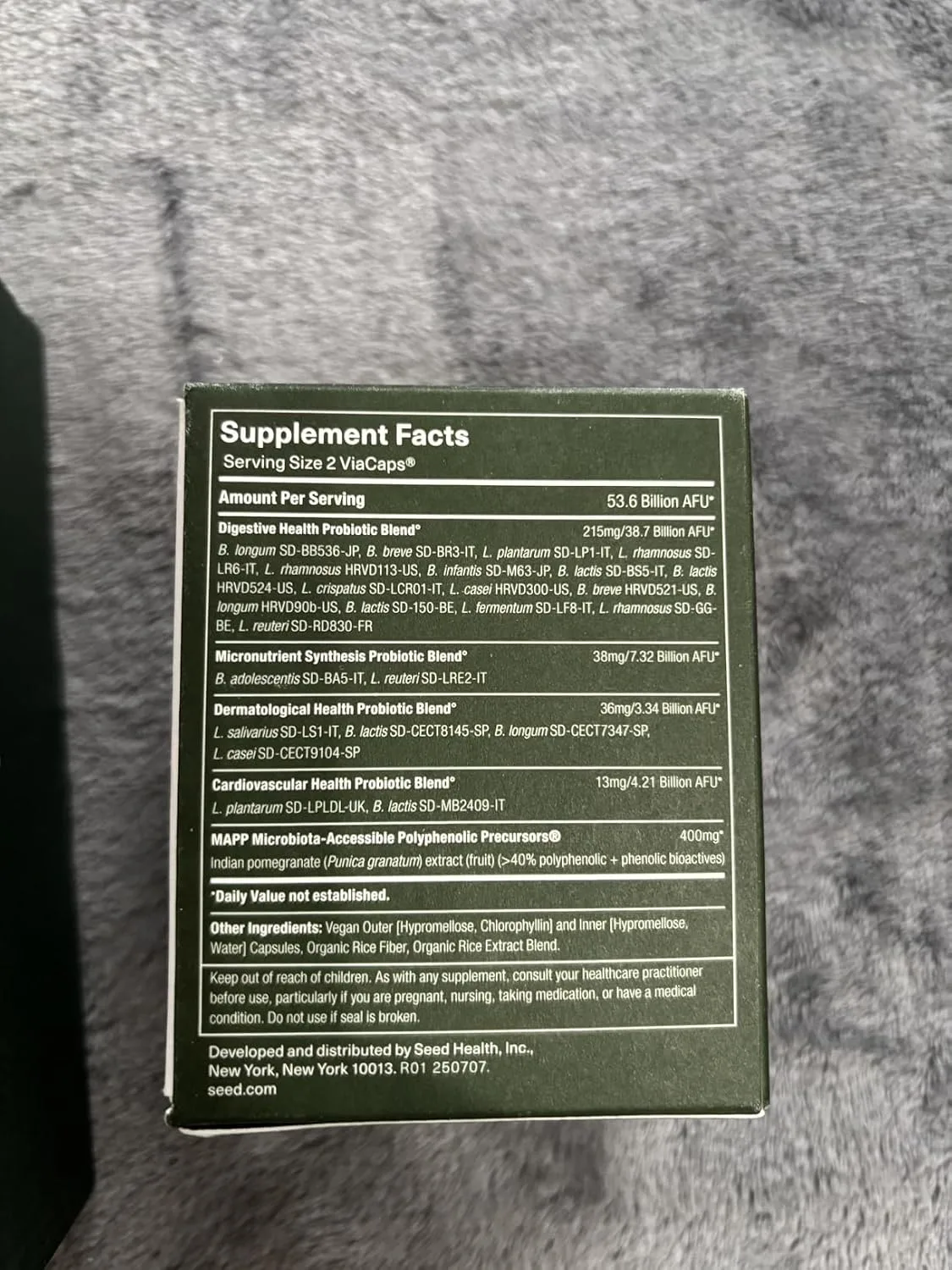
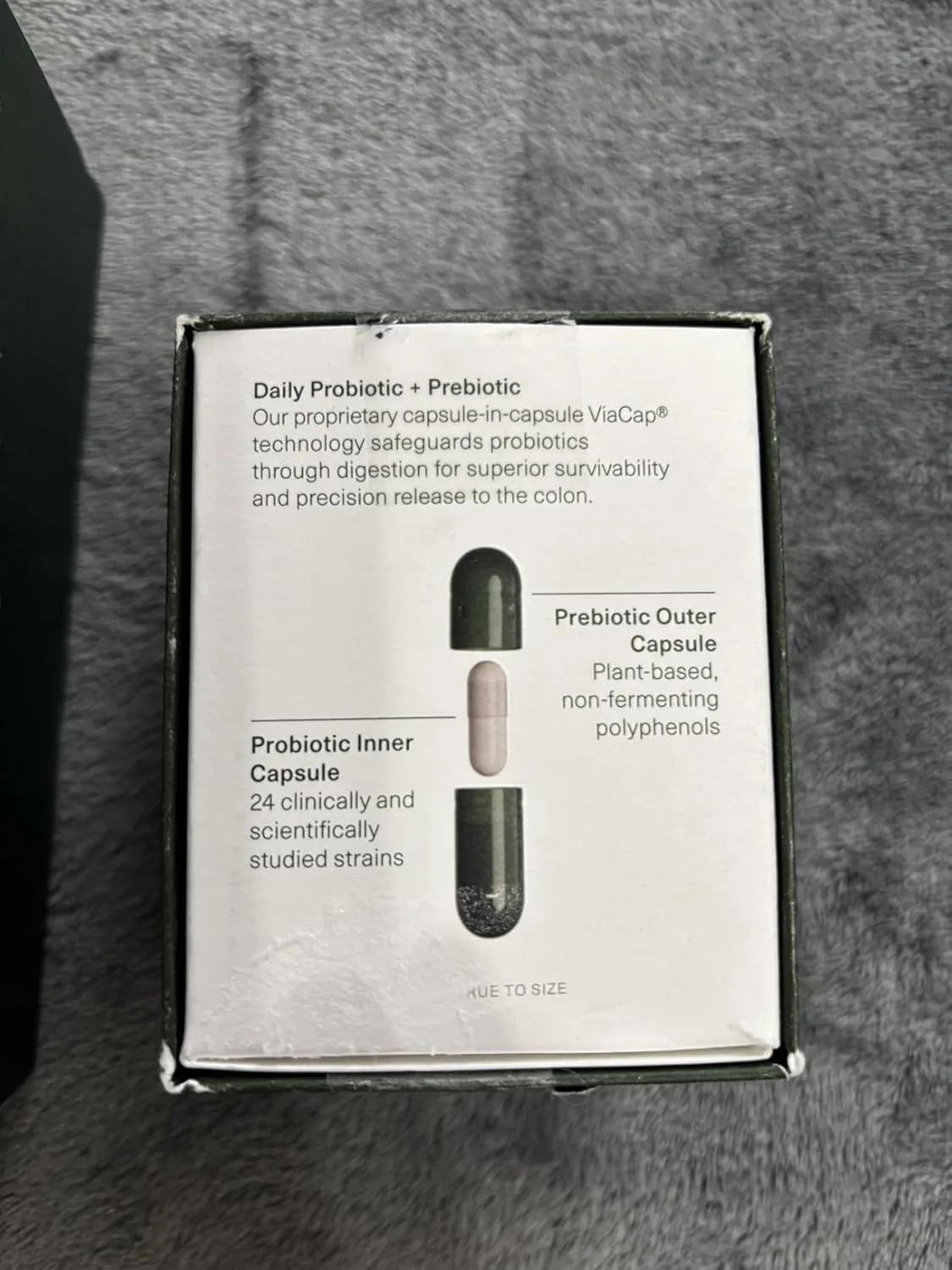
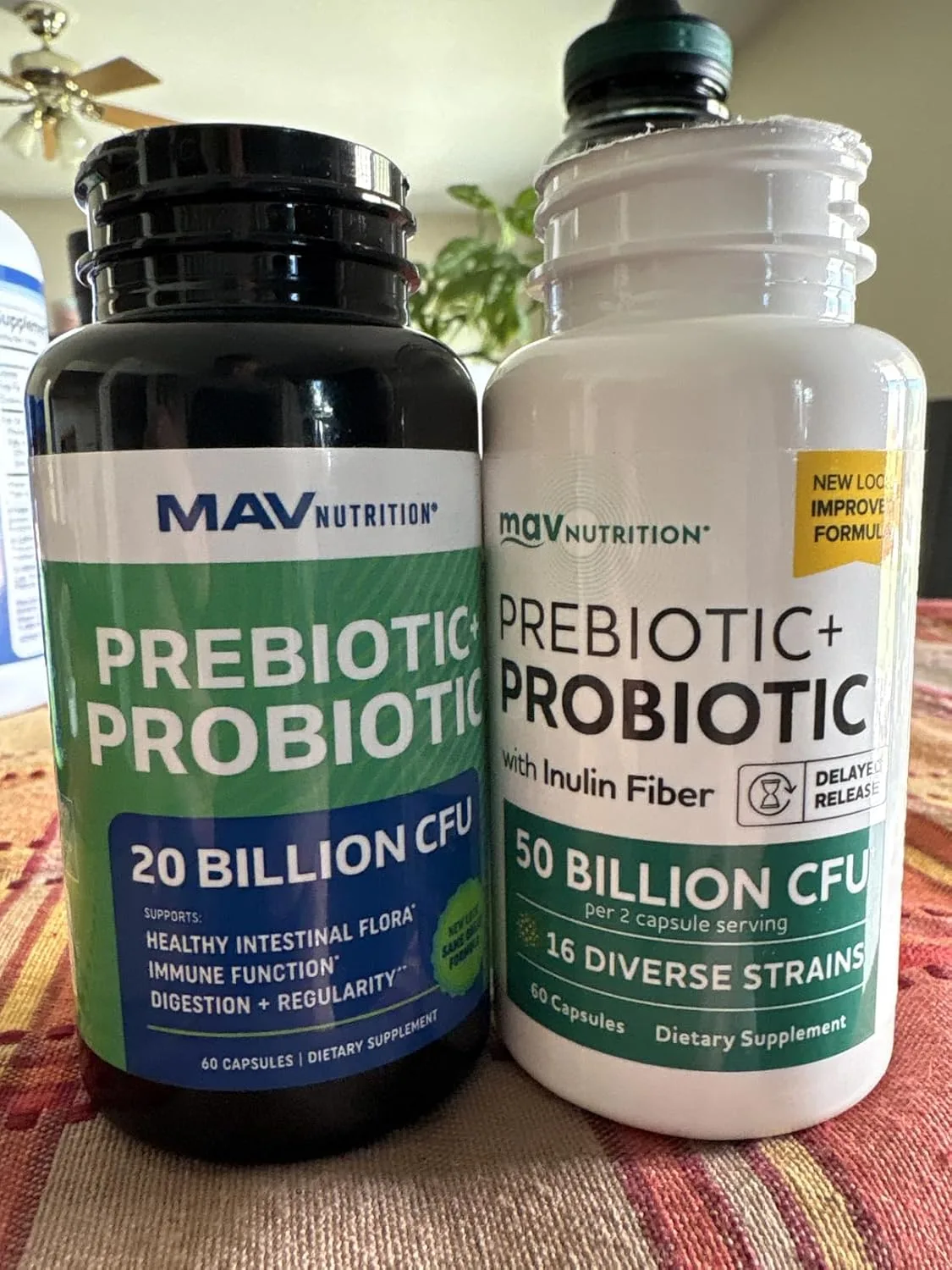
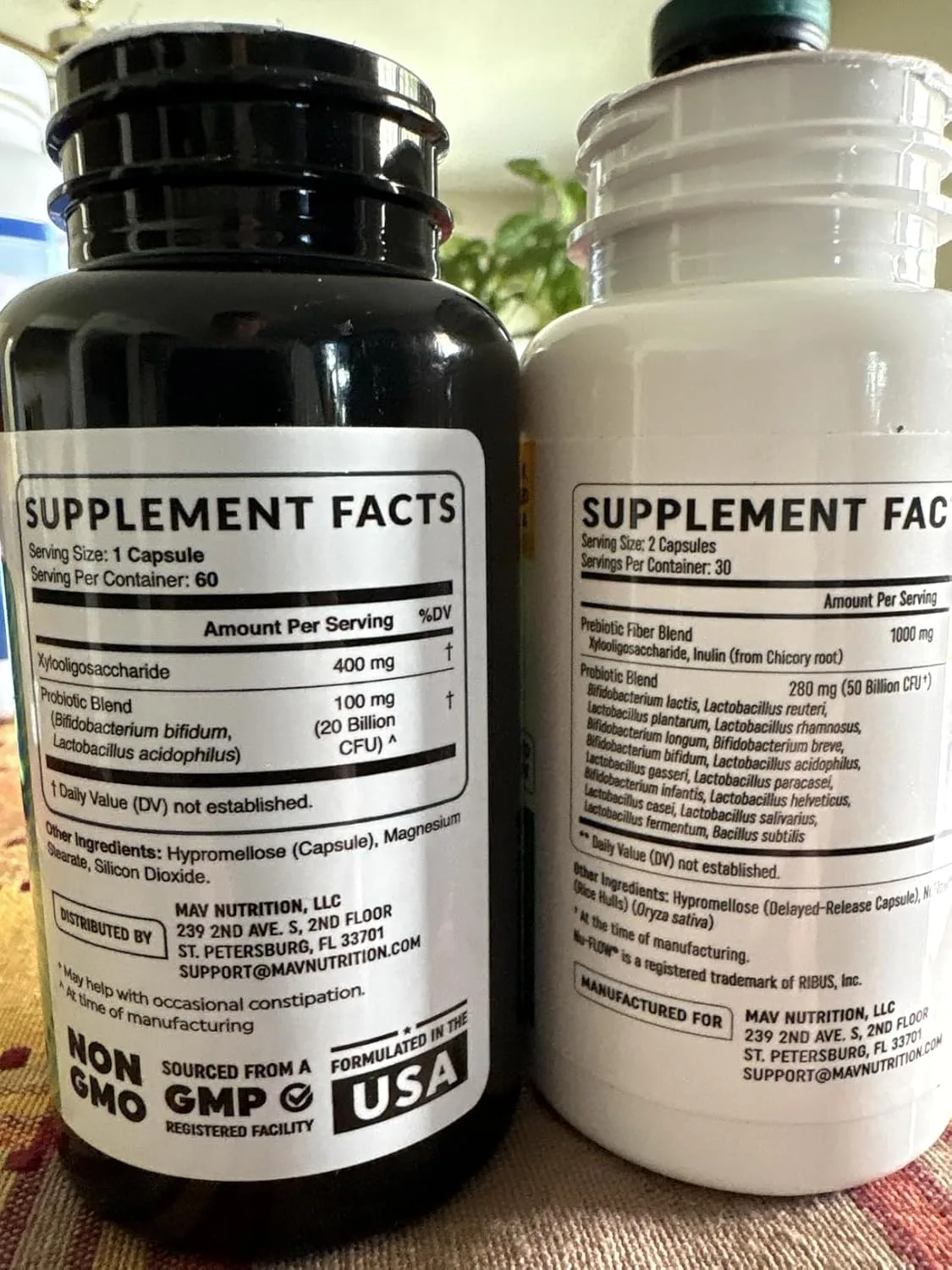
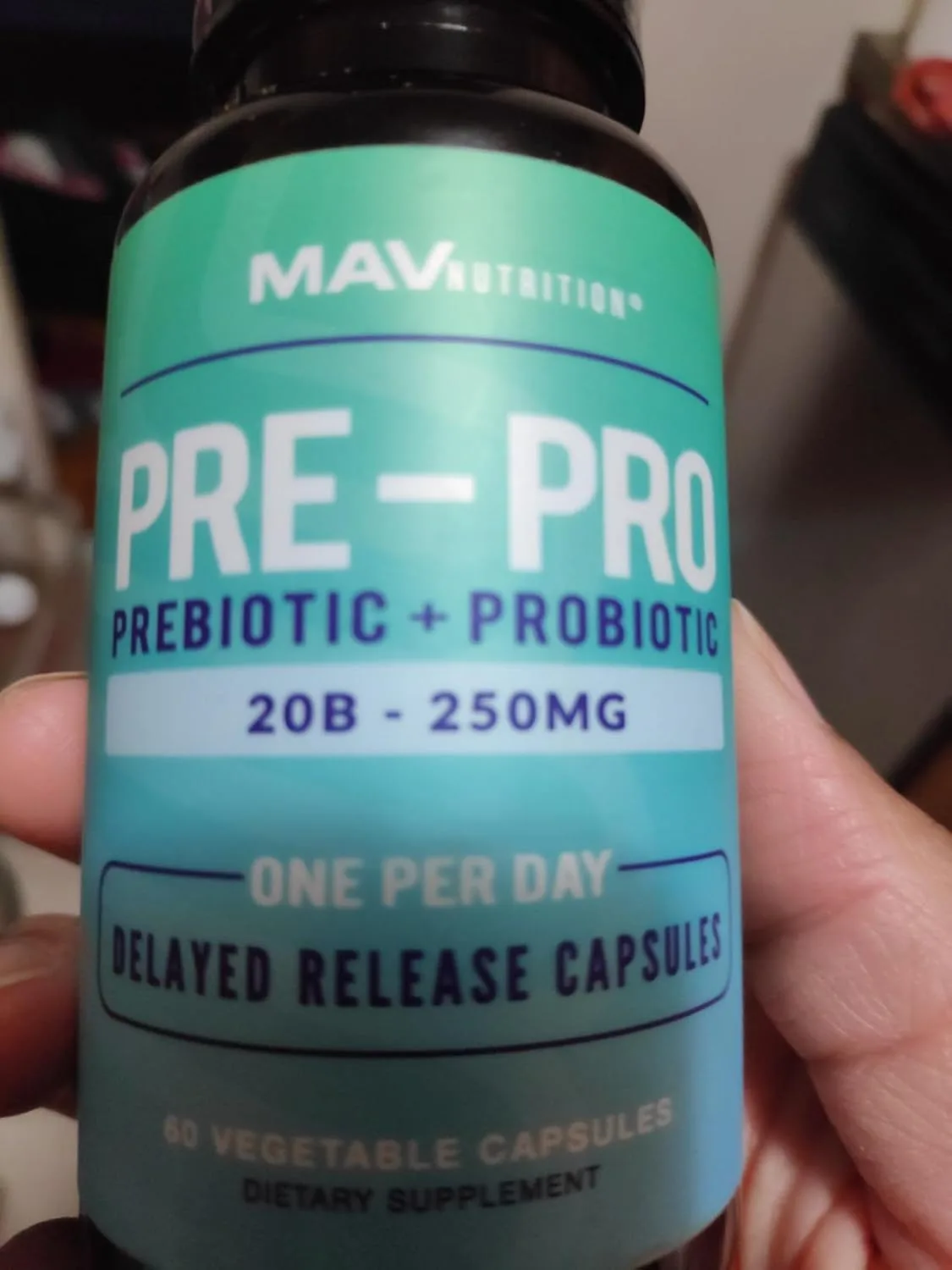
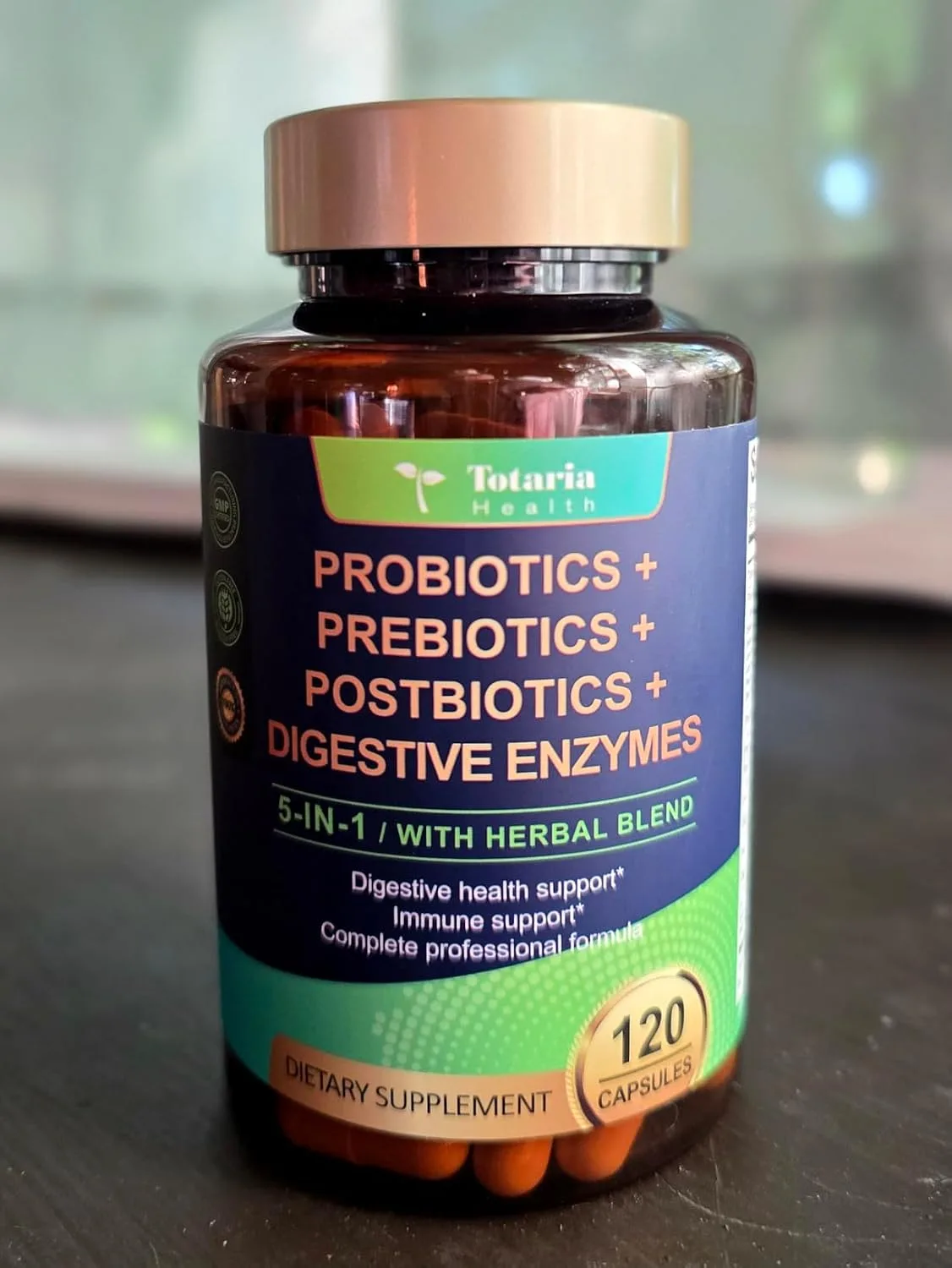
Situations arise where dysbiosis, IBS, or sluggish transit leave traditional fermented and prebiotic whole foods inadequate as standalone treatment, despite consistent consumption over a month or six weeks. A carefully selected synbiotic product can accelerate microbial rebalancing beyond what dietary adjustment alone achieves. These formulations merge multiple bacterial strains with inulin and FOS — the exact nutritional combination your intestinal ecosystem requires for bacterial adhesion and metabolic establishment.
Evidence-backed advantages
- Combining multiple strains (spanning both Lactobacillus and Bifidobacterium genera) replicates the microbial diversity found in genuine fermented foods but concentrates it into a single capsule or powder — invaluable when food-sourced bloating or gas interferes with compliance.
- Pairing inulin and FOS prebiotics with live cultures produces faster observable shifts in bowel regularity and gas reduction than probiotic-only approaches — published research typically documents measurable changes within 14–21 days, compared to 4–8 weeks for diet-based strategies alone.
- Room-temperature stability and ready-to-consume format eliminate preparation demands, making synbiotic supplements valuable for individuals with unpredictable digestive patterns who benefit from operational simplicity during microbiome repair phases.
When supplements underperform
- Persons with reactive FODMAP sensitivity or IBS-D presentations frequently experience paradoxical bloating or cramping as prebiotic fibres ferment within an already-inflamed gut — commencing with a probiotic-only option prior to later introducing the fibre component often yields superior tolerance, or consulting your physician about modified introduction protocols proves necessary.
- Supplement efficacy remains contingent upon concurrent dietary and lifestyle support — sustained consumption of refined carbohydrates, prolonged stress exposure, or irregular sleep schedules will obstruct meaningful dysbiosis reversal despite rigorous supplementation. Regard the product as one lever among multiple necessary interventions, not as a standalone corrective.
If you have active inflammation, suspected SIBO, or are immunocompromised, check with your GP before starting any probiotic supplement.
About This Article

Written by Alex Mercer. Alex Mercer has lived with IBS since childhood and isn't a nutritionist or a doctor. After years of being told he was anxious or would grow out of it, he spent more than 12 years reading the research properly, and now shares what he has learned with the family, friends and support-group members who come to him with the same questions. He translates peer-reviewed research into practical, honest advice, and is always upfront about what the evidence does and does not show. More about this site.
Scope and limits. Alex is not a doctor, dietitian, or nutritionist, and nothing here is medical advice. Talk to a clinician before changing your diet, starting a supplement, or acting on symptoms — especially persistent or worsening ones.
Verify this against a primary source
Specifics change, and your situation may differ from the one described here. These are the authorities worth checking directly:
- NIDDK — digestive disease research and clinical guidance
- MedlinePlus — plain-language medical reference from the NIH
- Mayo Clinic — symptom and condition reference