Inulin is one of the most researched and effective prebiotic fibres for gut health — and most people have no idea how much of it is in their food (or how little they’re actually eating).
As a prebiotic, inulin selectively feeds beneficial bacteria in the gut — particularly Bifidobacterium and Lactobacillus species — producing short-chain fatty acids (especially butyrate) that nourish the colon lining, regulate immune function, and reduce inflammation. It also improves calcium and magnesium absorption, supports bowel regularity, and may help stabilise blood glucose.
Here’s where to find it, ranked by content.
Inulin Content by Food (per 100g fresh weight)
| Food | Inulin (g/100g) | Notes |
|---|---|---|
| Chicory root (raw) | 36–48g | The richest known dietary source; most commercial inulin is extracted from chicory |
| Jerusalem artichoke | 14–19g | Also called “sunchoke”; potent gas producer if introduced too quickly |
| Dandelion root (raw) | 12–15g | Dandelion greens also contain inulin but at lower levels |
| Garlic (raw) | 9–16g | Also high in FOS; loses some inulin when cooked |
| Leeks (raw) | 3–10g | Also a good source of FOS and polyphenols |
| Onion (raw) | 2–7.5g | Red onion slightly higher than white; cooking reduces inulin content by ~50% |
| Asparagus (raw) | 2–3g | Also provides FOS and saponins that support gut health |
| Banana (unripe/green) | 0.3–0.7g inulin + resistant starch | Not high in inulin specifically, but a good combined prebiotic food |
| Artichoke (globe) | 3–10g | Different from Jerusalem artichoke; still a meaningful source |
| Wheat (bran) | 1–4g | Variable; significantly less than chicory or garlic |
The Most Practical High-Inulin Sources
1. Garlic — The Everyday Champion
Garlic is the most practical high-inulin food for most people. It’s used daily in cooking across most cuisines, so it’s easy to incorporate without feeling like you’re “eating for your gut.” Raw garlic has higher inulin content than cooked, but even cooking retains meaningful amounts. One to two cloves per day is a well-tolerated dose for most people with healthy digestive function.
2. Onions and Leeks
Closely related to garlic, onions and leeks are in virtually every savoury dish. Raw onion (in salads, sandwiches, or salsas) preserves more of the inulin than cooked. Leeks are particularly valuable as they also provide polyphenols and flavonoids that further support microbiome diversity.
3. Jerusalem Artichoke — Powerful but Requires Caution
Jerusalem artichoke is the single most concentrated food source of inulin you can eat — and it will cause significant gas if you introduce it too quickly. Start with small amounts (50–75g) and build up over several weeks. The gas is a sign your bacteria are actively fermenting the inulin, which is actually what you want — but the process can be uncomfortable if you go too fast.
4. Asparagus
A gentler inulin source, asparagus is well-tolerated even by people with sensitive digestion. It also contains saponins and glutathione precursors, making it one of the most gut-protective vegetables overall.
Inulin Supplements: Worth It?
If you genuinely struggle to consume enough inulin through food — due to food intolerances, a restricted diet, or digestive conditions that limit your vegetable intake — supplemental inulin or FOS (fructooligosaccharides) can be a useful addition. These are typically derived from chicory root.
Start with 2–3g per day and increase slowly. Too much inulin too fast is one of the most common causes of supplementation-induced bloating.
The Gas Problem: Why It Happens and When It Passes
Inulin fermentation by gut bacteria produces gas — this is both the mechanism of its prebiotic benefit and the main side effect. If you’re significantly increasing inulin intake (through food or supplements), expect some increased flatulence and bloating in the first 1–2 weeks. This typically resolves as your microbiome adapts and the balance of bacteria shifts.
The key is a gradual increase. The “go slow” principle is particularly important with Jerusalem artichoke and chicory root — the two highest-inulin sources.
🛒 Inulin and Prebiotic Fiber Supplements
NOW Foods Organic Inulin Prebiotic Powder — pure chicory-root inulin; easy to stir into water, coffee, or smoothies for a convenient daily prebiotic dose
View on Amazon →It’s Just! Inulin Prebiotic Fiber (Chicory Root Powder) — unflavoured, water-soluble, with no fillers; a clean inulin source to pair with probiotic foods
View on Amazon →NOW Foods Certified Organic Inulin Powder (1 lb) — larger quantity for regular daily use; feeds Bifidobacterium and Lactobacillus populations in the colon
View on Amazon →As an Amazon Associate I earn from qualifying purchases. Prices and availability subject to change.
Related Posts
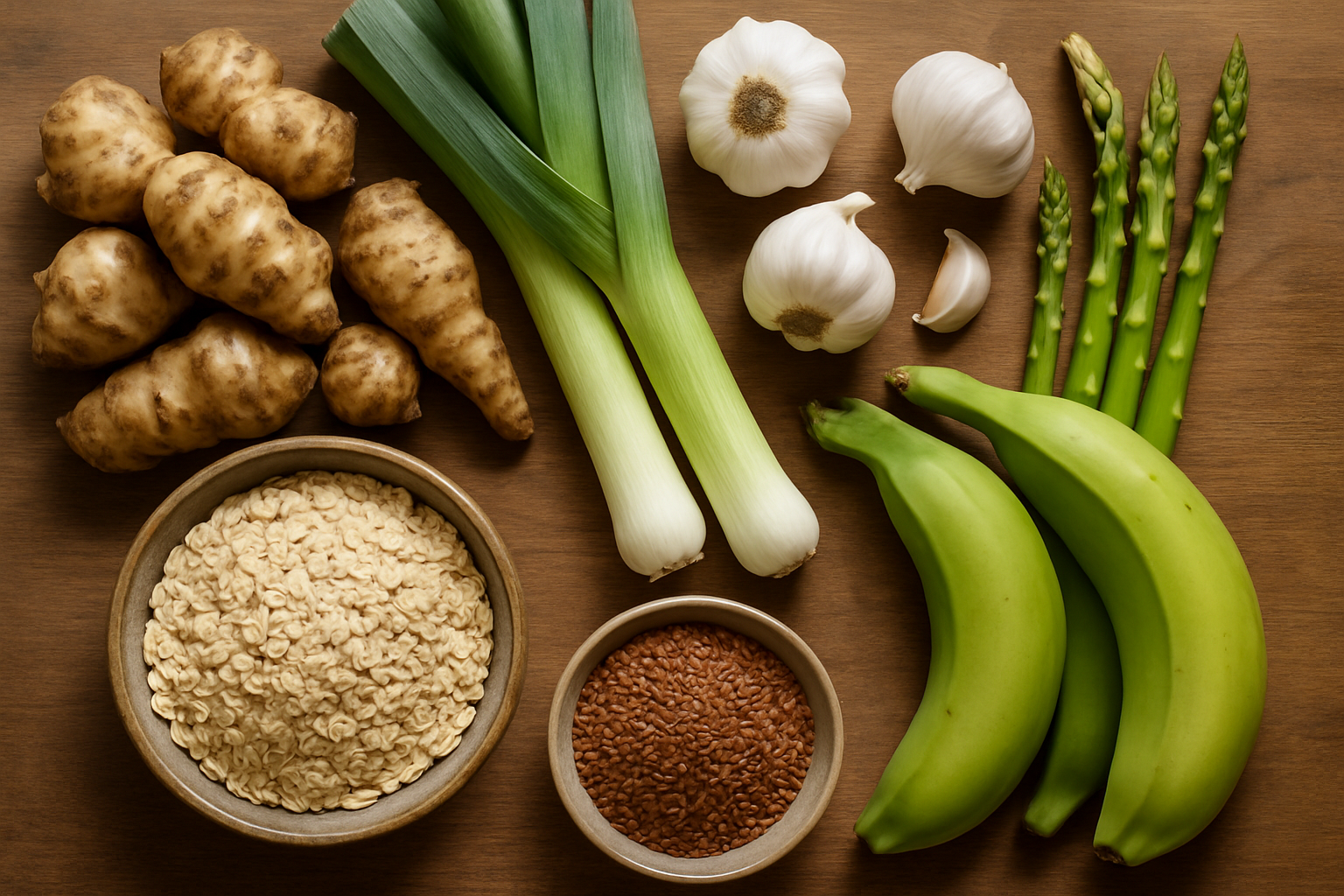
The High-Fiber Foods That Feed Your Gut Best (Ranked by Prebiotic Power)
Have you ever eaten what you thought was a "healthy"…
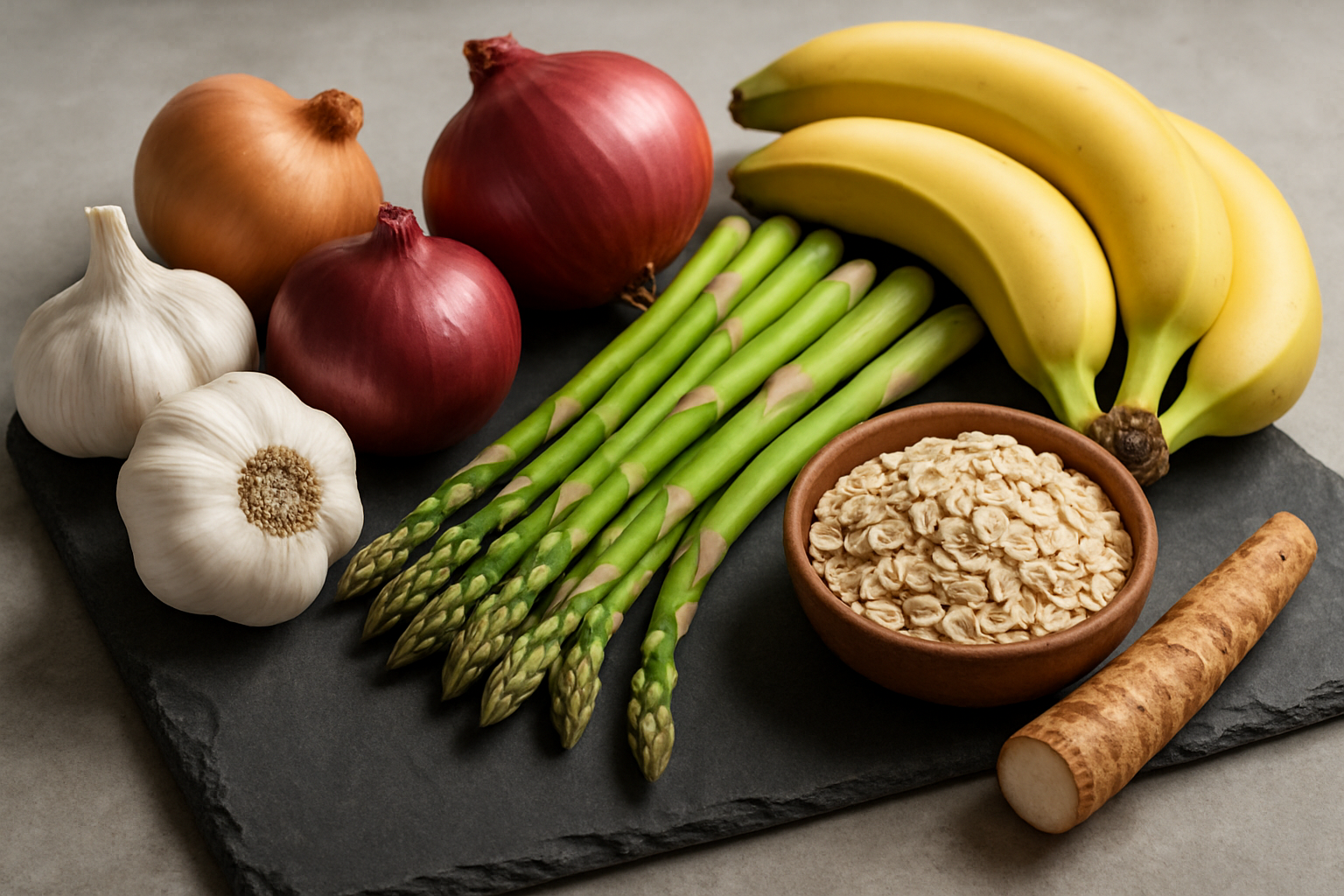
What Are Prebiotics and Why Your Gut Bacteria Are Starving Without Them
Have you ever eaten what felt like a perfectly healthy…
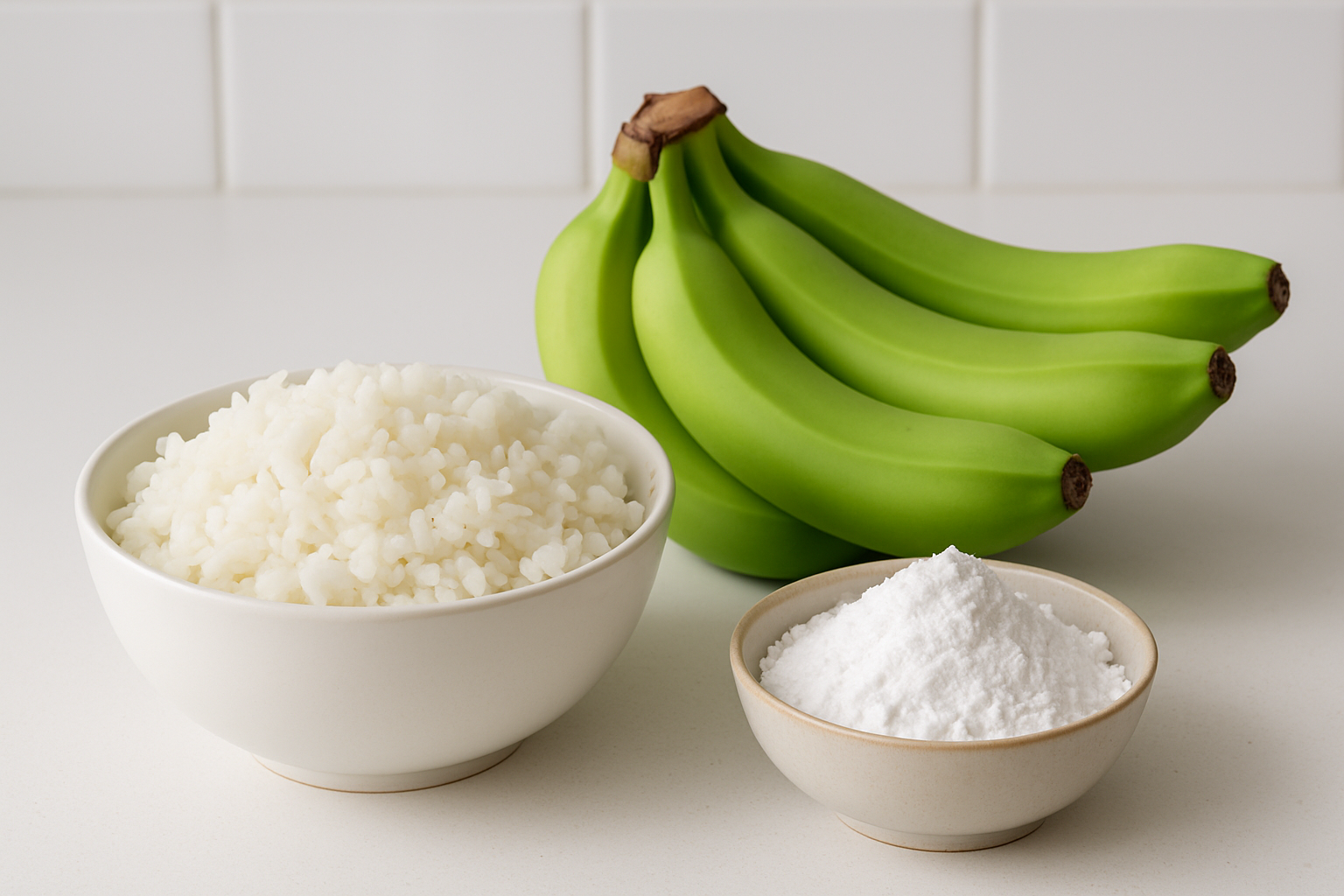
Resistant Starch: The Carb That Feeds Your Gut Instead of Your Waistline
Have you ever noticed that you feel completely different after…