When people search for “probiotic fiber foods,” they’re often looking for something specific: foods that don’t just contain live bacteria or just contain prebiotic fiber — but ideally both. This combination has an official name in nutrition science: synbiotics.
The logic is sound. Probiotics (live beneficial bacteria) and prebiotics (the fibre that feeds them) work better together. Introducing live bacteria without giving them food is like planting seeds in concrete. And feeding bacteria without adding new strains is limited if your microbiome diversity is already low. The best approach uses both — and certain foods and food combinations do this naturally.
Foods That Naturally Combine Probiotics and Prebiotic Fiber
1. Kefir
Kefir is one of the most potent natural probiotic foods available — containing significantly more bacterial strains and colony-forming units than most commercial yogurts (typically 10–34 different strains vs yogurt’s 2–3). Unsweetened milk kefir also contains naturally occurring oligosaccharides that act as prebiotics, feeding the bacteria it delivers.
Best pairing: Kefir with a small unripe banana or oats — the banana provides FOS (fructooligosaccharides) and the oats provide beta-glucan, both of which specifically support the Lactobacillus and Bifidobacterium strains kefir delivers.
2. Kimchi
Kimchi is a naturally synbiotic food — the fermentation process produces Lactobacillus kimchii and related species, while the napa cabbage, garlic, leeks, and ginger base provides inulin, FOS, and polyphenols that feed those bacteria. It’s one of the few fermented foods where the prebiotic and probiotic are bound together in the same food matrix.
Best use: As a condiment or side rather than cooked — heat above 50°C kills the live cultures.
3. Sauerkraut
Naturally fermented sauerkraut (not pasteurised vinegar-pickled versions) contains primarily Lactobacillus plantarum and related strains along with the prebiotic fibres from raw cabbage. It’s milder in probiotic diversity than kefir or kimchi but is exceptionally well-tolerated, including by many people with sensitive gut function.
Key distinction: Only unpasteurised sauerkraut contains live cultures — look for it in the refrigerated section, not the shelf-stable aisle.
4. Miso
Fermented soybean paste that contains live Aspergillus oryzae and other fungi/bacteria along with galactooligosaccharides from the soy. Miso soup made with vegetables (especially garlic, leeks, or seaweed) becomes a genuinely synbiotic meal.
Note: Like sauerkraut, miso should not be boiled — add it to soup after removing from heat to preserve live cultures.
The Best Food Combinations for Synbiotic Effect
If you’re not eating the naturally synbiotic foods above consistently, you can create effective synbiotic combinations from separate foods:
| Probiotic Food | Prebiotic Pairing | Why It Works |
|---|---|---|
| Natural yogurt | Oats or sliced banana | Beta-glucan (oats) and FOS (banana) feed Lactobacillus and Bifidobacterium |
| Kefir | Chicory or dandelion greens | Inulin from chicory/dandelion specifically amplifies kefir strains |
| Sauerkraut | Jerusalem artichoke or leeks | High inulin content feeds the L. plantarum in sauerkraut |
| Miso soup | Seaweed + garlic/onion | Seaweed polysaccharides + garlic inulin create a multi-fibre prebiotic base |
| Tempeh | Asparagus or onion | Pairs fermented protein with inulin-rich vegetables |
What About Probiotic Supplements with Fiber?
If you’re using a probiotic supplement, taking it alongside a prebiotic fibre source improves bacterial survival and colonisation rates. Research suggests that consuming probiotics with a prebiotic “chaperone” increases their efficacy — particularly for supporting Bifidobacterium populations in the colon.
A practical approach: take your probiotic supplement with a small portion of inulin-containing food (a few slices of raw onion, a small amount of leek, or a teaspoon of chicory root powder in water).
The Fibre Diversity Principle
One key insight from microbiome research is that diversity of fibre types matters as much as quantity. Different bacterial species eat different fibres — inulin, FOS, resistant starch, beta-glucan, pectin, and arabinogalactan all feed different populations. A diet rich in varied prebiotic fibres from multiple food sources will support a more diverse microbiome than eating the same one or two high-fibre foods every day.
So while knowing which foods are highest in inulin is useful, the broader goal is variety — rotating your prebiotic fibre sources and combining them with different fermented foods for maximum microbiome benefit.
🛒 Synbiotic (Probiotic + Prebiotic) Supplements
Seed DS-01 Daily Synbiotic — one of the most well-researched synbiotic formulas, combining a 24-strain probiotic with a prebiotic outer capsule that feeds the bacteria on delivery
View on Amazon →Prebiotics and Probiotics for Women & Men — combined pre- and probiotic formula for gut microbiome balance and digestive regularity
View on Amazon →Totaria 5-in-1 Probiotic, Prebiotic & Postbiotic (60 Billion CFU) — covers all three bases: live bacteria, prebiotic fuel, and fermentation byproducts
View on Amazon →As an Amazon Associate I earn from qualifying purchases. Prices and availability subject to change.
Related Posts
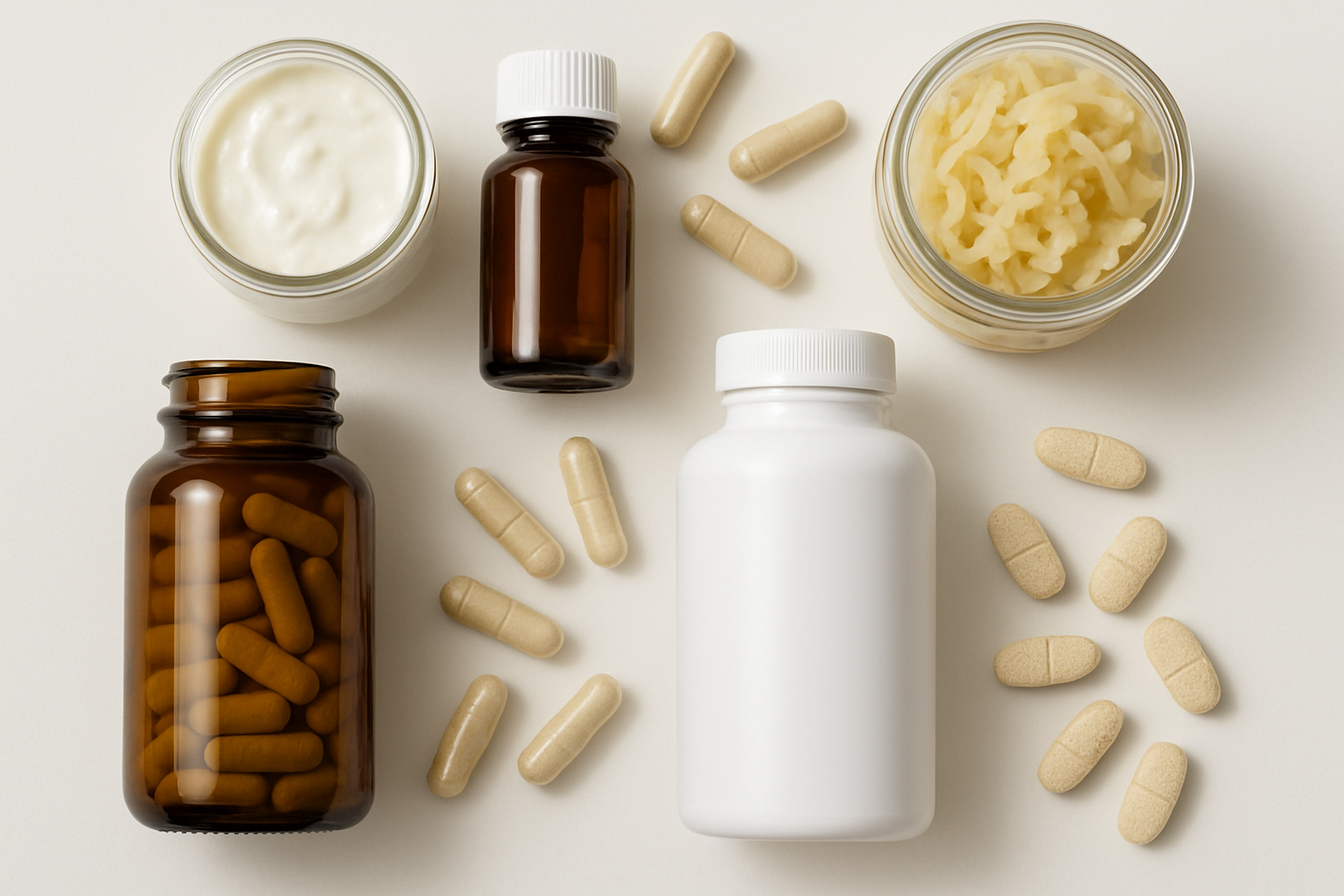
Probiotics 101: What the Labels Don’t Tell You About Strains, CFUs, and Survival
You've probably stood in the supplement aisle — or scrolled…
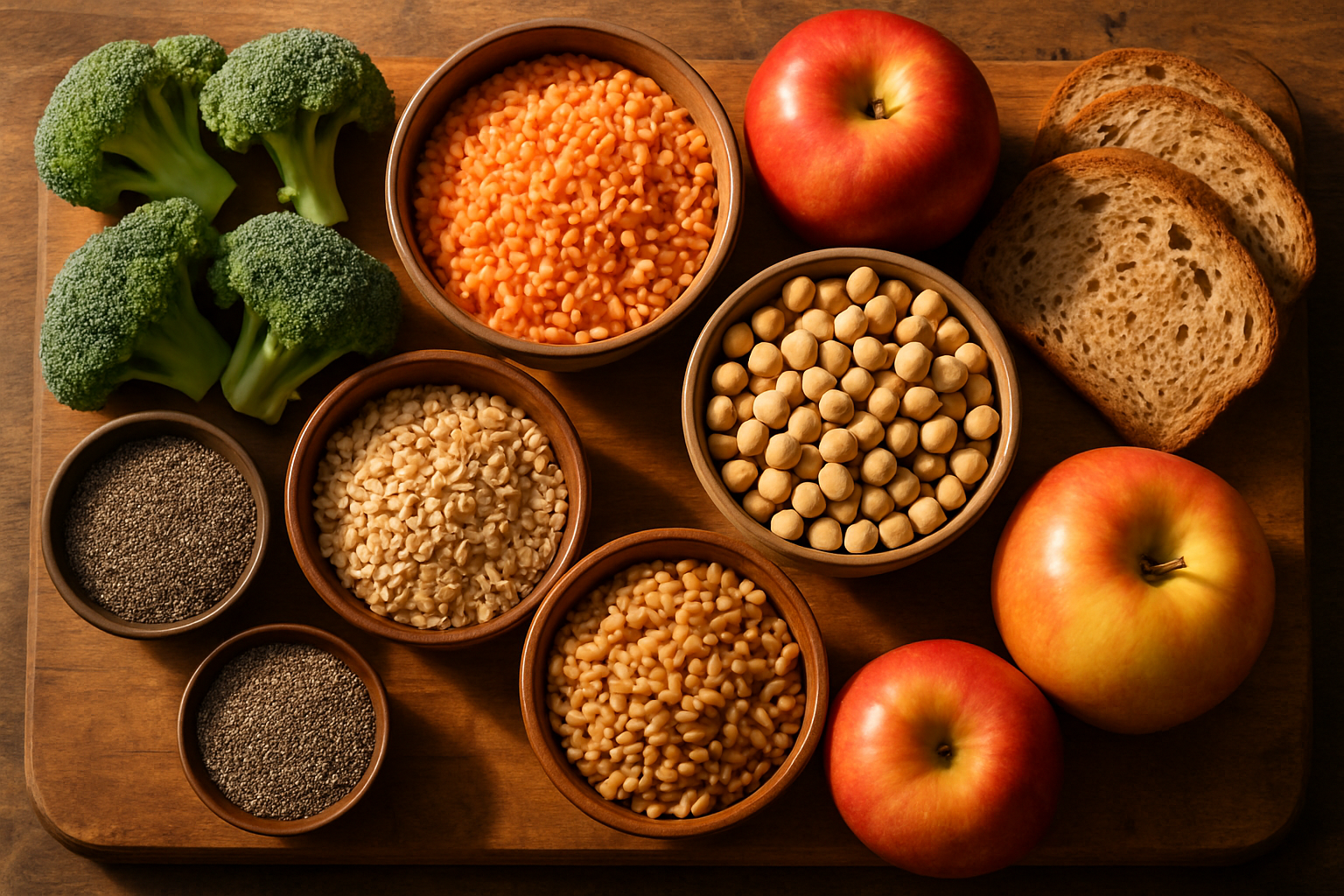
How Much Fiber Do You Actually Need and Why Most Americans Fall Short
Have you ever finished a meal, felt uncomfortably full, and…
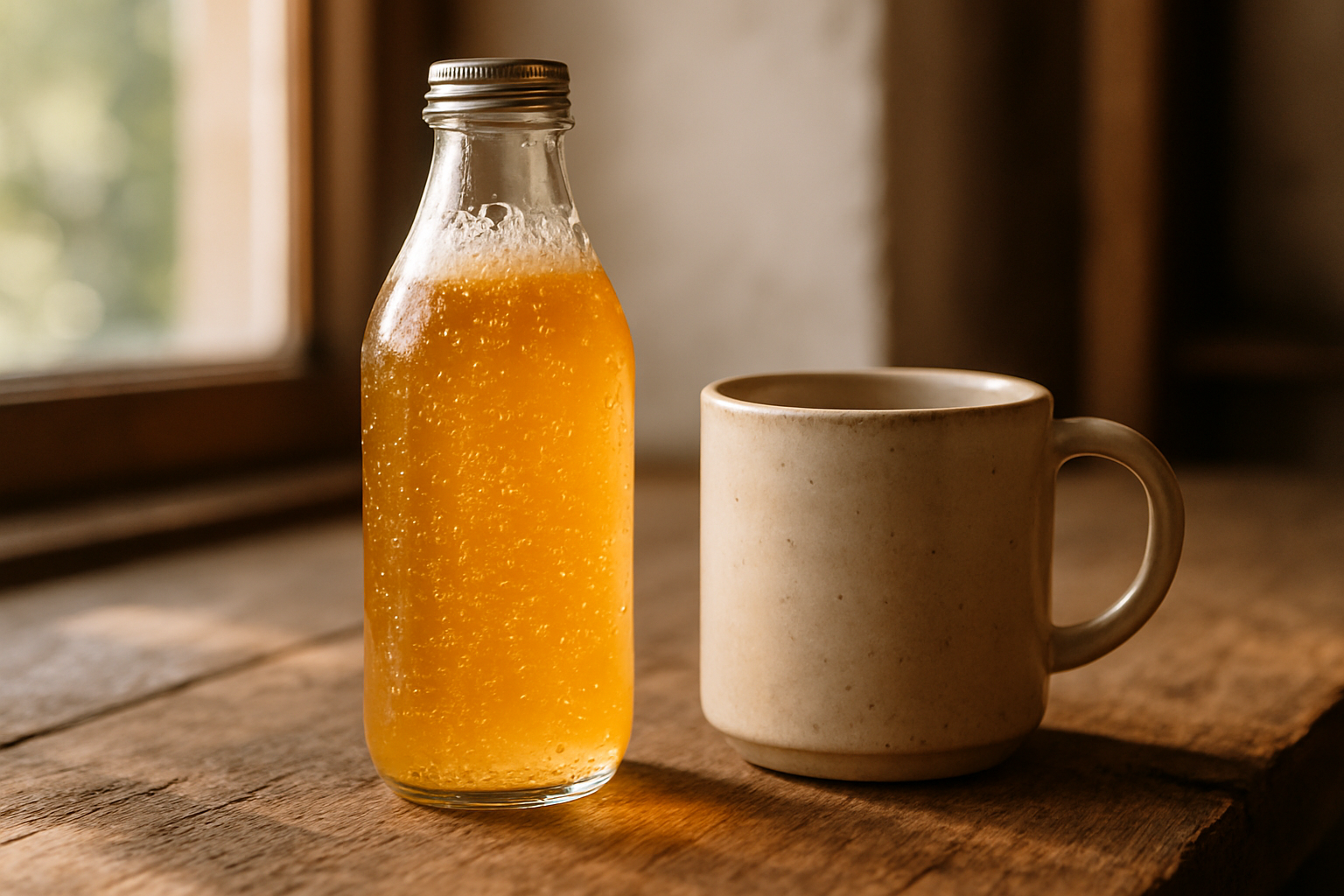
Kombucha: The Hype, The Reality, and Whether It’s Actually Worth Drinking
You've probably stood in the grocery store aisle, staring at…