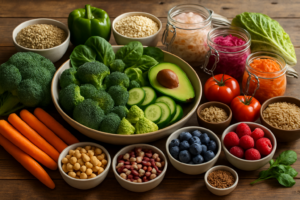
Your gut microbiome — the vast community of trillions of bacteria, fungi, and other microorganisms living in your digestive tract — does far more than help you break down food. In my practice, I see clients every week who are surprised to learn that their gut health quiz results connect directly to symptoms they never associated with digestion: low mood, persistent fatigue, frequent illness, and even troubled sleep. The gut influences all of these systems, and yet most of us have never paused to ask how well supported our microbiome actually is.
This post contains affiliate links. As an Amazon Associate I earn from qualifying purchases at no extra cost to you.
Something I always explain to new clients is that the microbiome is not static. It responds — sometimes quite quickly — to what you eat, how you sleep, how stressed you are, and what medications you take. That means both its decline and its recovery are very much within your influence. But before you can improve something, it helps to understand where you are starting from. The simple checklist below is designed to give you a useful, practical snapshot of where your gut health stands right now.
This is not a diagnostic tool, and I always recommend working with a qualified health professional if you have persistent or concerning symptoms. What this assessment does offer is a clear-eyed look at the dietary and lifestyle factors that research consistently links to microbiome diversity and resilience — and where yours might benefit from some attention.

The Gut Microbiome Health Symptom Checklist
Read through each question carefully and answer honestly. There are no right or wrong answers here — just an honest picture of your current diet, lifestyle, and how your body is responding to it.
- Do you eat a wide variety of vegetables, fruits, legumes, and whole grains across the week (8+ different plants)?
- Do you regularly consume fermented foods such as yogurt, kefir, sauerkraut, or kimchi?
- Do you experience consistent, comfortable bowel movements most days?
- Are you currently or recently on antibiotics (or have been multiple times)?
- Do you experience significant bloating, gas, or digestive discomfort most days?
- Do you have a high-stress lifestyle with limited sleep?
- Is your diet high in ultra-processed foods, refined sugar, or artificial sweeteners?
- Do you have frequent colds, infections, or a generally low immune response?
- Do you experience low mood, brain fog, or energy crashes without a clear cause?
- Do you drink alcohol regularly (more than 2–3 drinks per week)?
Give yourself 1 point for every “Yes” answer, then check your score below.
What Your Score Means
0–3 points: Your gut microbiome appears well-supported. The habits and dietary patterns you have in place are consistent with a healthy, diverse microbiome. Keep doing what you are doing — and if you are eating a wide variety of plants and regularly including fermented foods, you are ahead of most people I see in clinic. Maintaining these foundations is genuinely one of the most powerful things you can do for your long-term health.
4–6 points: A moderate number of microbiome disruptors are in play for you right now. This is very common, and it is absolutely something you can work with. In my experience, increasing plant diversity and reducing ultra-processed food intake tend to make the most meaningful difference in this range. You do not need to overhaul everything at once — small, consistent changes accumulate into significant results over time.
7–10 points: Significant lifestyle or dietary factors are likely compromising your microbiome diversity. I say this not to alarm you, but to be honest — because the good news is that the microbiome is remarkably responsive to change. A structured gut health protocol, ideally supported by a registered nutritionist or functional medicine practitioner, could make a genuinely meaningful difference to how you feel. This score is a starting point, not a verdict.

Understanding What These Symptoms Mean
When a client tells me they are experiencing bloating, brain fog, and low energy all at once, my first thought is always the gut. This constellation of symptoms points towards reduced microbiome diversity — a state in which beneficial bacterial species decline and opportunistic strains can gain a foothold. A diverse microbiome produces short-chain fatty acids (SCFAs) like butyrate, which are essential for maintaining the integrity of the gut lining. When that lining becomes compromised — sometimes described as increased intestinal permeability — inflammatory signals can travel through the body, contributing to symptoms that seem entirely unrelated to digestion, including skin flare-ups, joint discomfort, and mood disturbances.
The gut-brain axis is something I am particularly passionate about, having seen its effects play out in my own home before I ever worked with it clinically. The gut produces approximately 90% of the body’s serotonin, and the vagus nerve creates a direct communication channel between the enteric nervous system and the brain. Research published in journals including Nature Microbiology and Cell has consistently found associations between low microbiome diversity and increased risk of anxiety, depression, and cognitive difficulties. This is why questions about mood and brain fog belong on a gut health checklist — they are legitimate microbiome signals, not unrelated complaints.
Immune function is closely intertwined with gut health too. Approximately 70% of the immune system is housed in gut-associated lymphoid tissue, and the microbiome plays an active role in training immune cells to distinguish between harmless and harmful invaders. Frequent infections, slow recovery, or a generally reactive immune system are all patterns I take seriously when reviewing a client’s gut health picture. The good news is that dietary diversity — particularly an increase in plant-based fibre sources — is one of the most evidence-backed ways to begin rebuilding microbial richness relatively quickly.
Take a Validated Gut Microbiome Health Quiz
If the checklist above has prompted you to look more closely at your gut health, these two external resources offer more in-depth, validated assessments worth exploring. Both come from credible sources and provide genuinely useful personalised output.
- Dr. Emeran Mayer Gut Health Quiz — Dr. Mayer is a leading neurogastroenterologist at UCLA and one of the world’s foremost authorities on the gut-brain connection. His quiz is evidence-based, thorough, and gives you a meaningful assessment of where your gut-brain health stands.
- Tiny Health Microbiome Plan Quiz — This quiz identifies your gut personality type and generates personalised microbiome recommendations based on your responses. It is a practical, accessible starting point if you want tailored guidance rather than general information.
What to Do Next
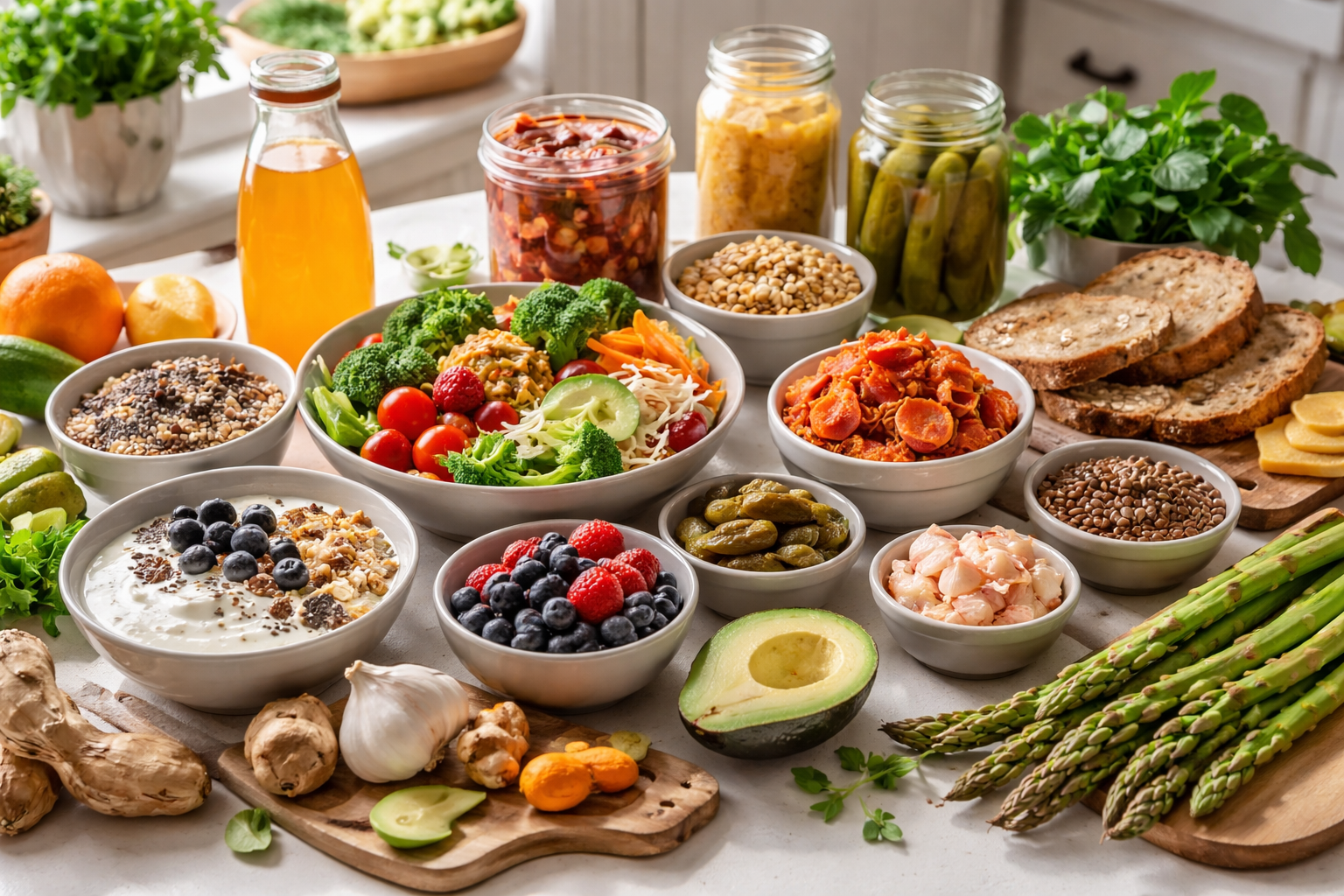
If your score has flagged some areas for attention, the most impactful first step is always to increase dietary plant diversity. Aim for 30 different plant foods per week — this does not mean 30 servings, simply 30 different species, including herbs, spices, nuts, seeds, legumes, fruits, and vegetables. Research from the American Gut Project found this to be one of the strongest predictors of microbiome diversity in human populations.
For those who want a more detailed look beneath the surface, a home microbiome test can provide genuinely fascinating and clinically useful data. I frequently point clients towards at-home testing options as a way to move beyond guesswork. The Biomesight Gut Microbiome Test Kit is one I recommend often — it analyses up to 3,000 microbes and generates 43 gut health scores alongside personalised food and supplement recommendations, all from a simple at-home stool sample with results in one to two weeks. The Viome Gut Intelligence Microbiome Test is another strong option, providing 20 health scores and insights into root causes behind issues like bloating, irregular bowel movements, skin irritation, and hormonal imbalances — all from the comfort of home.
If your score sits in the moderate to high range and you are experiencing persistent symptoms, please do seek professional support. A registered nutritionist or your GP can help rule out conditions such as small intestinal bacterial overgrowth (SIBO), coeliac disease, or inflammatory bowel disease, and build a protocol tailored specifically to you. Testing and self-assessment are excellent starting points — but they work best alongside qualified guidance.

Whatever your score, I hope this checklist has given you something valuable: a clearer sense of where your gut health stands and a few concrete places to begin. I have seen clients transform their energy, their mood, their digestion, and their immune resilience through relatively straightforward dietary and lifestyle changes — and it almost always starts with this first step of actually paying attention. Your microbiome is not a fixed entity. It is responsive, adaptable, and waiting for the right conditions to thrive. You have more influence over it than you might think. As always, feel free to reach out with questions — I am here to help.
— Lucy Bamboo, Registered Nutritionist