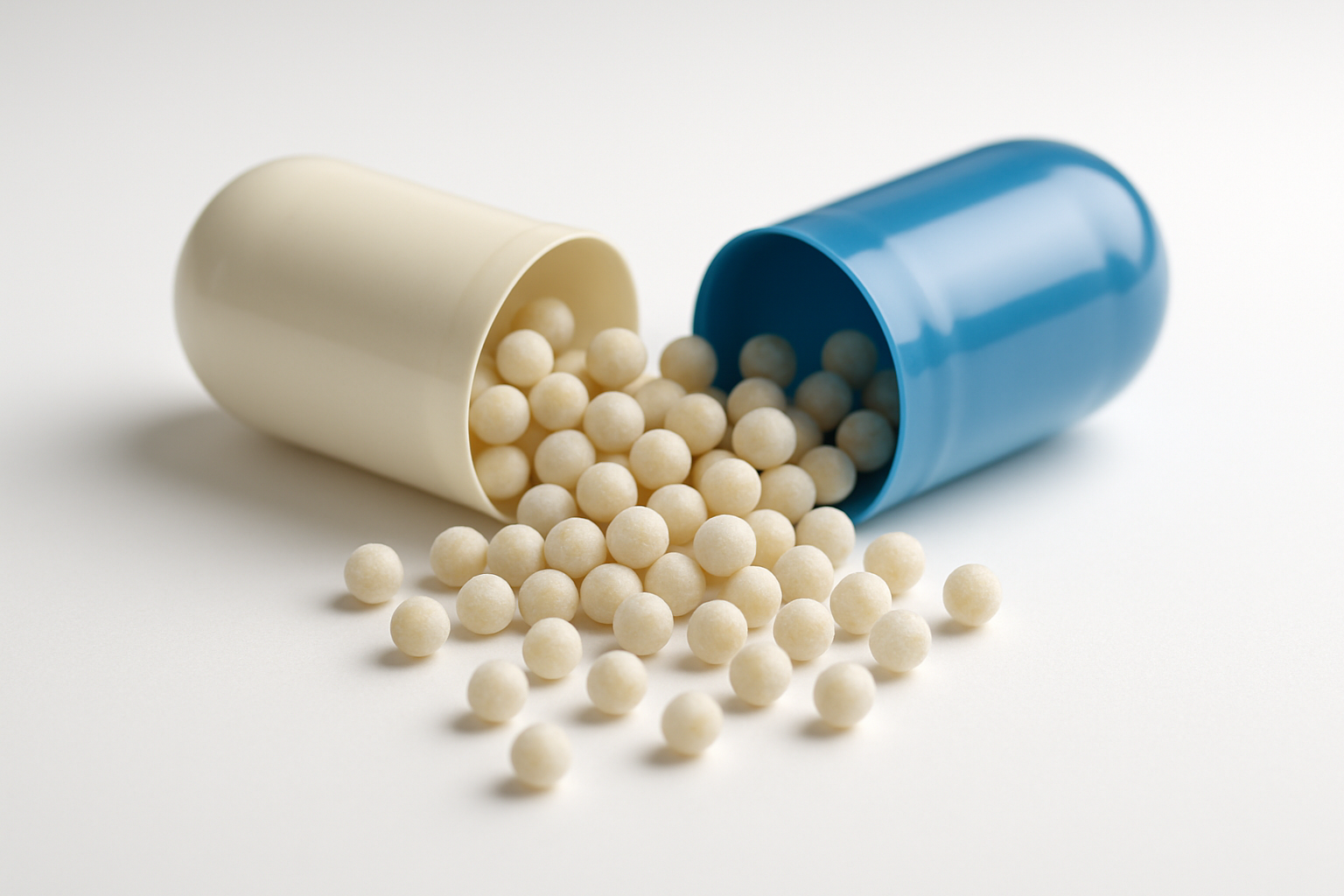
You finish your course of antibiotics, feel relieved that the infection is finally gone — and then your stomach starts acting up in ways you definitely weren’t expecting. Bloating, loose stools, weird cramping, or just a general sense that your digestion is completely off. Sound familiar? You’re not alone, and there’s a very real reason this happens. If you’ve been searching for how to restore gut health after antibiotics, you’ve landed in the right place. Let’s talk about what’s actually going on inside your gut, why antibiotics throw things so far out of balance, and — most importantly — what you can actually do about it.
What Antibiotics Actually Do to Your Gut Microbiome
Here’s the thing about antibiotics — they’re genuinely life-saving medications, and sometimes we absolutely need them. But they come with a significant trade-off. Antibiotics don’t discriminate between the bad bacteria causing your infection and the trillions of beneficial bacteria living in your gut. They wipe out both.
Research published in journals like Nature and Cell Host & Microbe has shown that even a single course of antibiotics can significantly reduce the diversity of your gut microbiome — sometimes for months. And gut diversity matters enormously. Your microbiome influences digestion, immune function, mood, inflammation levels, and even how well you absorb nutrients. When that ecosystem gets disrupted, your body feels it in all kinds of ways.
Some of the most common gut symptoms people experience during or after antibiotic use include:
- Diarrhea or loose stools (antibiotic-associated diarrhea affects roughly 5–35% of people, depending on the antibiotic)
- Bloating and gas
- Stomach cramping or discomfort
- Constipation (yes, it goes both ways)
- Yeast overgrowth, including oral or vaginal thrush
- A general feeling of digestive sluggishness
None of this means antibiotics are evil — it just means your gut needs intentional support afterward. And that’s exactly what we’re going to talk about.
How to Restore Gut Health After Antibiotics: A Recovery Plan That Actually Works
The good news is that your gut is resilient. With the right support, research suggests it can begin recovering relatively quickly. Here’s the approach I’d walk a close friend through if they called me after finishing a round of antibiotics.
1. Start Probiotics — Strategically
Probiotics are the cornerstone of gut recovery after antibiotics, but timing and strain selection matter more than most people realize. Many people find it helpful to start taking probiotics either during their antibiotic course (a few hours after each dose) or immediately after finishing it.
One strain that stands out in the research specifically for antibiotic-associated gut disruption is Lactobacillus rhamnosus GG. Studies suggest it may help reduce the duration and severity of antibiotic-associated diarrhea. Another well-studied option is Saccharomyces boulardii — a beneficial yeast that’s naturally resistant to antibiotics, meaning it can actually survive alongside or after them and may help support a healthier gut environment during recovery.
2. Feed Your Good Bacteria With Prebiotics
Probiotics introduce beneficial microbes, but prebiotics are what feed and sustain them. Think of prebiotics as fertilizer for your gut garden. Foods rich in prebiotic fiber include garlic, onions, leeks, asparagus, bananas (slightly underripe ones are especially good), oats, and Jerusalem artichokes. Try to work these into your meals daily while you’re recovering.
3. Prioritize Fermented Foods
Fermented foods deliver a natural diversity of live cultures that many people find easier to tolerate than supplements alone. Plain yogurt with live active cultures, kefir, sauerkraut, kimchi, miso, and kombucha are all worth incorporating. Even a small serving daily can make a meaningful difference over time.
4. Eat a Diverse, Whole-Food Diet
Research consistently shows that dietary diversity is one of the strongest predictors of microbiome diversity. Aim for a wide variety of vegetables, fruits, legumes, nuts, seeds, and whole grains. Try to minimize ultra-processed foods, added sugars, and alcohol during your recovery period — these can feed less beneficial bacteria and slow the rebuilding process.
5. Be Patient and Consistent
Some studies suggest that full microbiome recovery after antibiotics may take anywhere from a few weeks to several months, depending on the antibiotic used, the individual’s baseline gut health, and the lifestyle support they provide. That’s not meant to discourage you — it’s meant to set realistic expectations so you stick with your recovery habits long enough to see the benefit.
Products Worth Trying to Support Your Recovery
I want to be upfront: supplements aren’t magic, and no single product will undo gut damage overnight. But a few well-formulated options may genuinely support the recovery process, and these are the ones I’d feel comfortable recommending to someone I care about.
The Multi-Strain Probiotic That Helps Rebuild What Antibiotics Depleted
Antibiotics wipe out both harmful and beneficial bacteria indiscriminately — leaving your gut flora severely depleted. A targeted multi-strain probiotic can help repopulate your gut with the specific bacteria that support digestion, immune function, and barrier integrity.
What works
- Multi-strain formulas (rather than single-strain) more closely mimic the diversity your gut lost, which research suggests is key to restoring normal digestive function and reducing post-antibiotic bloating and loose stools.
- Spore-based strains like Bacillus subtilis and Bacillus clausii are particularly resilient to stomach acid and can survive the journey to your colon — something many standard probiotics struggle with, which is why clients often report better tolerability and faster symptom improvement.
- Most clients notice the first real shift (more solid stools, less bloating) within 7–10 days, though full microbial rebalancing typically takes 4–6 weeks of consistent use.
What doesn’t
- If you’re still taking antibiotics or have an active infection elsewhere in your body, starting a probiotic can feel counterintuitive — finish your course first, then wait 2–3 days before introducing probiotics so they aren’t immediately destroyed.
- Probiotics are not a substitute for addressing other post-antibiotic damage (like low stomach acid, compromised barrier function, or yeast overgrowth) — they’re one tool in a recovery toolkit, and sometimes clients need additional support like L-glutamine, bone broth, or a temporary low-FODMAP phase to fully stabilise.
A probiotic is most effective when you’re also eating fermented foods, getting enough fibre, and managing stress — it’s not a magic fix for a damaged gut lining, so if your symptoms persist beyond 3–4 weeks, talk to your GP about whether you need additional investigation. Check it out on Amazon here.
This post contains affiliate links. As an Amazon Associate, I earn from qualifying purchases at no extra cost to you.
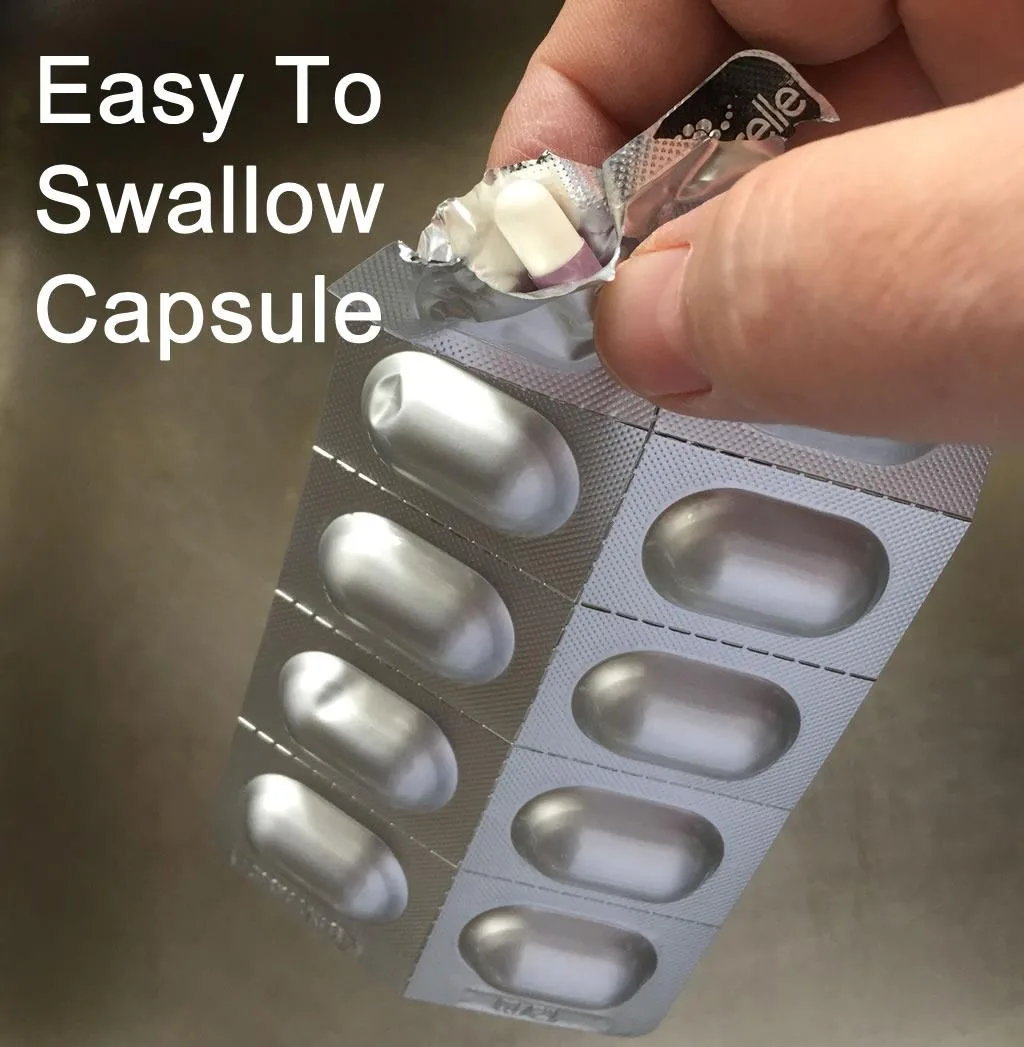
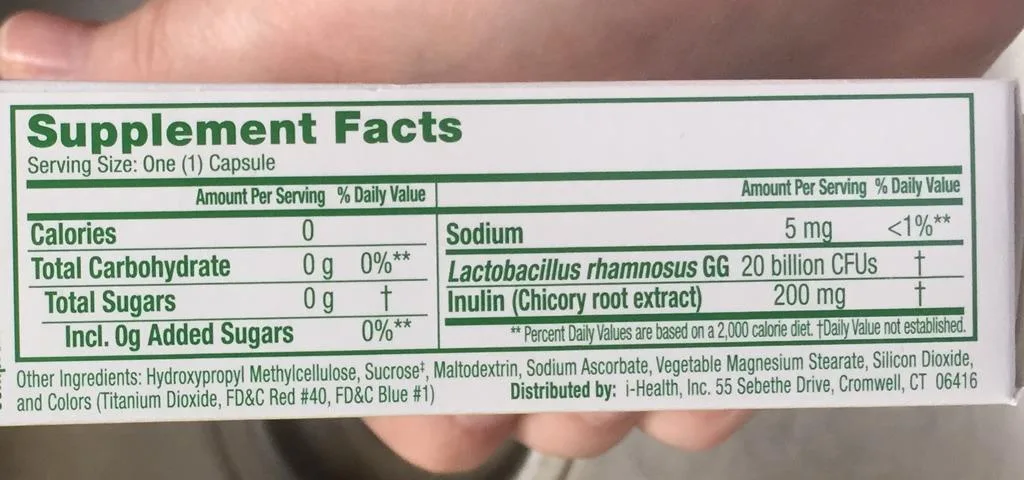
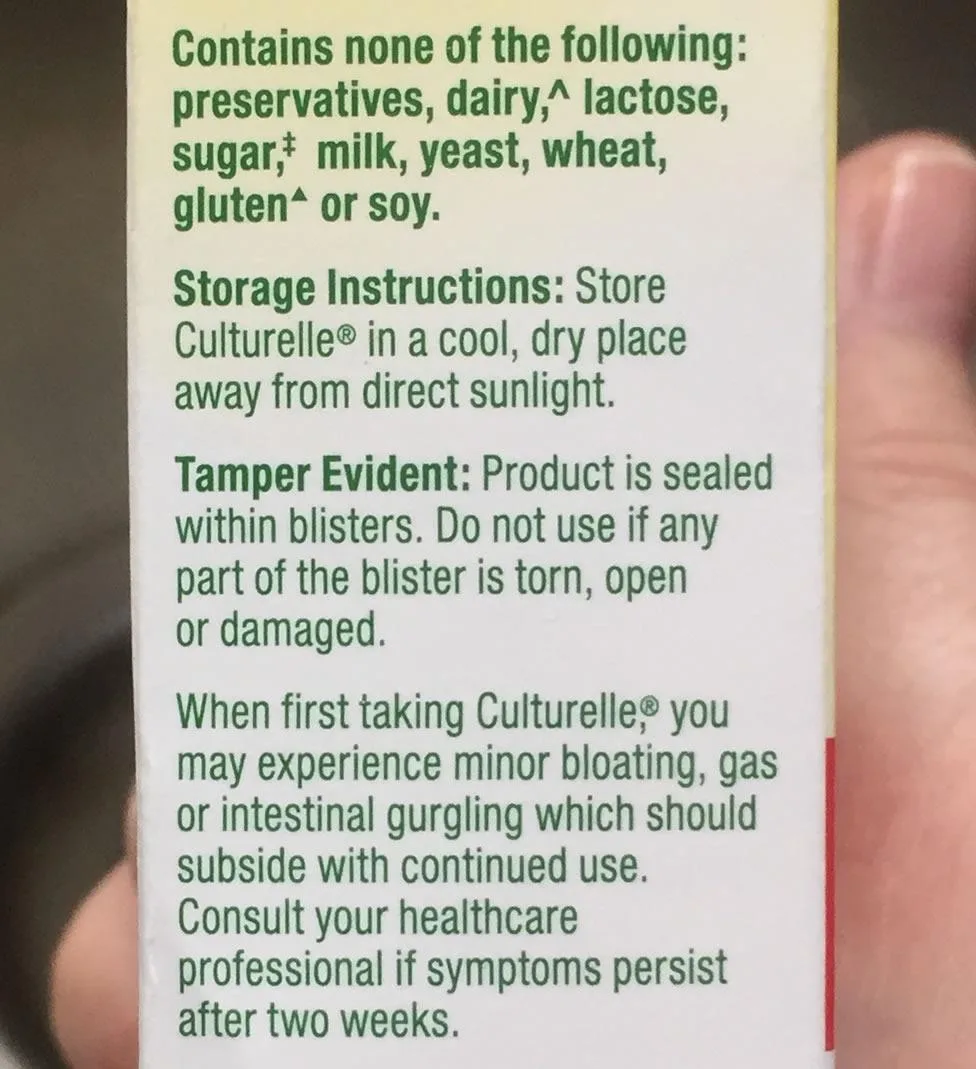
This post contains affiliate links. As an Amazon Associate, I earn from qualifying purchases. This means I may earn a small commission if you click through and make a purchase, at no extra cost to you. I only recommend products I genuinely believe may be helpful.