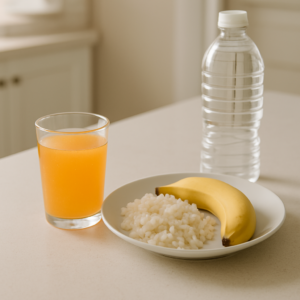
During my early years working with digestive concerns, I made a critical assumption that proved costly: I believed that as long as someone was consuming fluids — any fluids — they were managing rehydration adequately. I was wrong. What I started noticing in the people I hear from was a pattern that didn’t make logical sense at first. They were drinking continuously, sometimes desperately, yet still describing symptoms of severe dehydration: dizziness, weakness, confusion. Their thirst never seemed to ease. The gap between what they were doing (drinking) and what they were experiencing (progressive deterioration) revealed something fundamental that I’d overlooked — the mechanics of rehydration during diarrhoea operate on principles entirely different from normal hydration. Once I grasped the electrolyte dimension, everything changed, and I began guiding people toward a recovery pathway that actually worked.

What Diarrhoea Actually Does to Your Body
Diarrhoea isn’t simply draining water from your system. It’s extracting a precisely calibrated blend of essential minerals — sodium, potassium, chloride, magnesium, and bicarbonate — that your cells require for survival. These minerals, collectively your electrolytes, govern everything from your body’s ability to maintain its internal fluid environment to the electrical impulses that allow your nerves to communicate and your muscles to function. Every bowel movement strips away substantial quantities of these minerals, and the more severe and frequent the episodes become, the greater the depletion accelerates.
Here’s what catches most people off guard: water absorption through your small intestine depends fundamentally on a specific pairing — the cotransport of sodium and glucose working in tandem. When both are present in the correct proportion, water molecules essentially get pulled along with them across your intestinal wall and into circulation. The World Health Organisation’s oral rehydration solution exists for precisely this reason: it contains both sugar and salt because the physiology requires it. Water on its own skips right past this absorption pathway. Even more problematically, consuming plain water without accompanying electrolytes during active diarrhoea can paradoxically worsen your sodium concentration through dilution, deepening cellular-level dehydration even when your belly feels uncomfortably full.
Throughout my years comparing notes with other people navigating digestive illness, I’ve witnessed previously robust individuals decline noticeably within two days of a viral stomach episode — not from neglecting to drink, but from drinking the wrong thing. Recognizing this reality represents the turning point toward recovery strategies that genuinely restore balance.
Why Electrolytes Matter Far More Than Water Volume Alone
Water by itself cannot replenish the sodium, potassium, and chloride that drain from your body during diarrhoea — and consequently, water absorbed without electrolytes moves through your digestive tract rather than remaining in your cells where it’s needed. An oral rehydration solution (ORS) with the correct electrolyte composition represents the scientifically-supported cornerstone of recovery, never something to introduce as an afterthought.
Solutions that restore balance
- The precise sodium-to-glucose ratio embedded in quality ORS formulations (particularly the WHO-standard 1:1 configuration) directly facilitates water uptake at the intestinal membrane — this mechanism is fundamental to how cellular rehydration operates, not incidental to it.
- Those I’ve counselled consistently describe a marked improvement in their sense of wellbeing — vanishing dizziness, restored alertness, and diminishing exhaustion — within 60 to 120 minutes of transitioning away from plain water toward a properly-formulated electrolyte mixture, because their cellular compartments can finally retain the fluids entering their system.
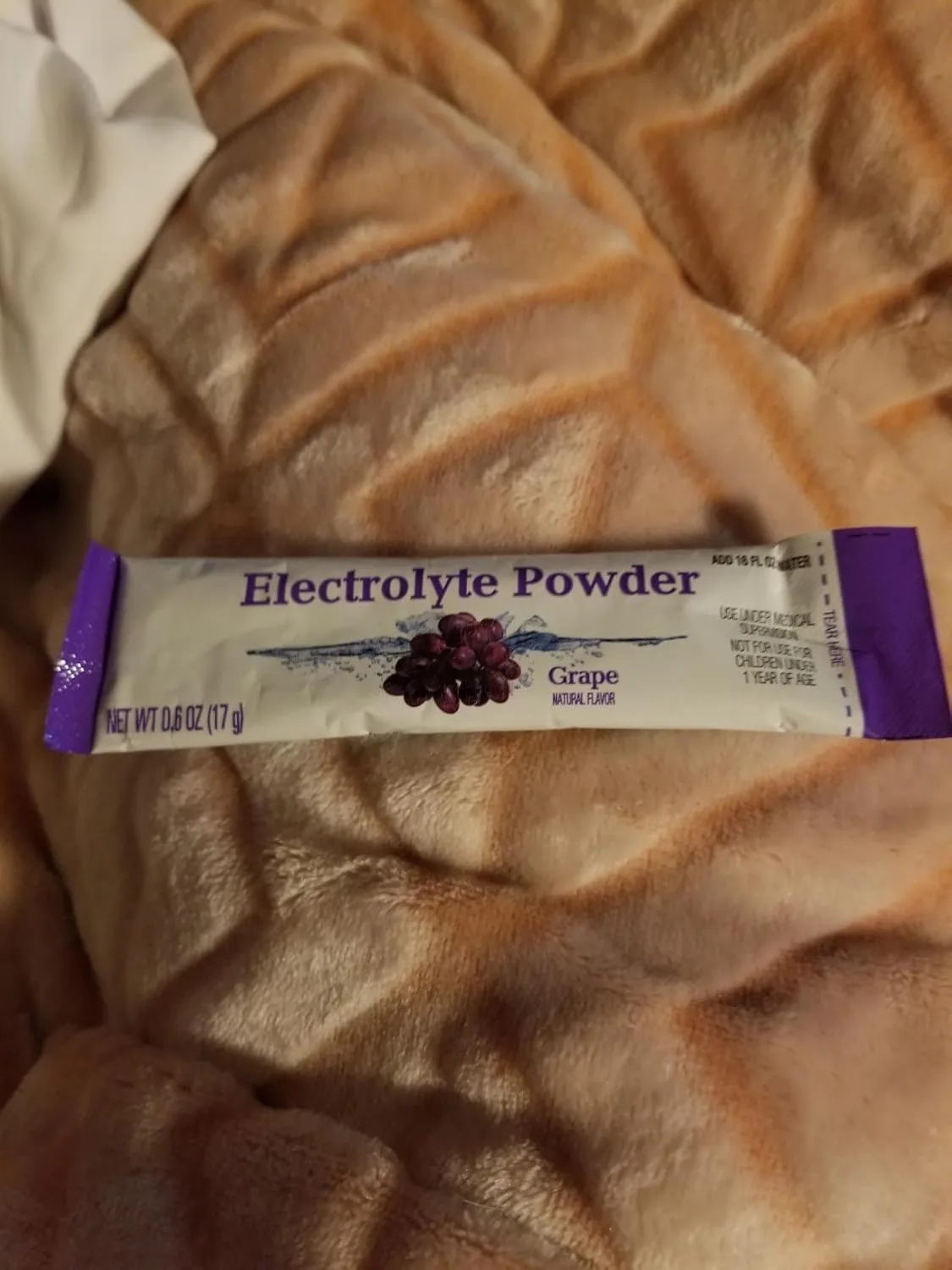
- Economical powder formulations in individual sachets provide straightforward handling for sudden episodes — dissolve, drink as symptoms emerge, they occupy minimal space in your medicine cabinet or travel bag, and their availability eliminates the temptation to default to plain water as a “quick fix.”
What ORS cannot do
- ORS addresses dehydration but does not terminate diarrhoea itself — it keeps you stabilized while your immune system or digestive tract resolves whatever triggered the episode in the first place (whether that’s a pathogenic infection, an inflammatory flare, contaminated food, or something else); diarrhoea that’s severe, unrelenting beyond several days, accompanied by visible blood, feverish symptoms, or acute pain demands professional medical assessment rather than relying on improved rehydration strategies alone.
- Palatability becomes a real barrier for some — if the standard formulation tastes objectionable to you, selecting a flavoured variant (berry, citrus, or others) increases your willingness to actually consume adequate quantities, or you can distribute intake into smaller, more frequent sips rather than attempting to drink large volumes at once.
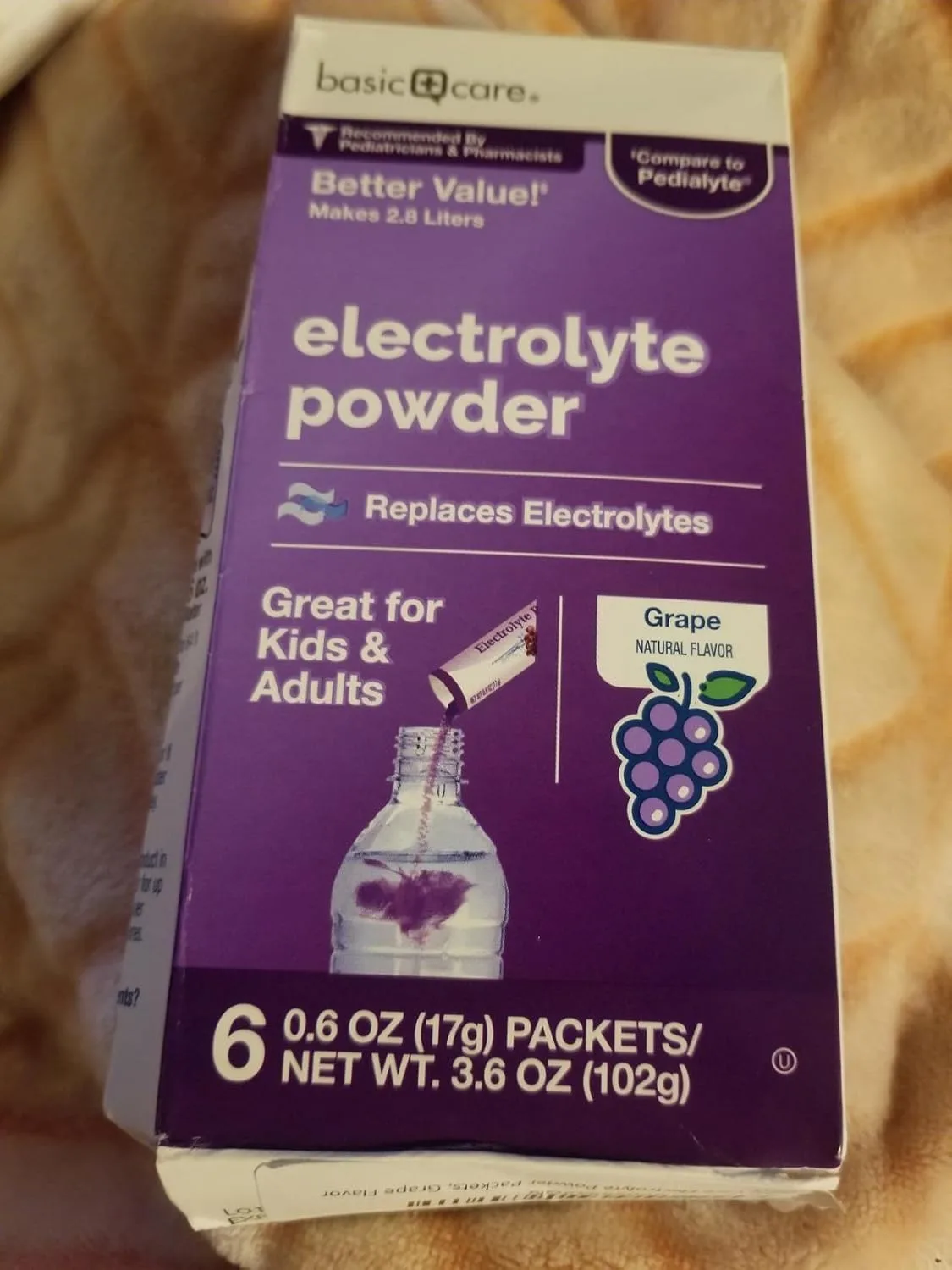
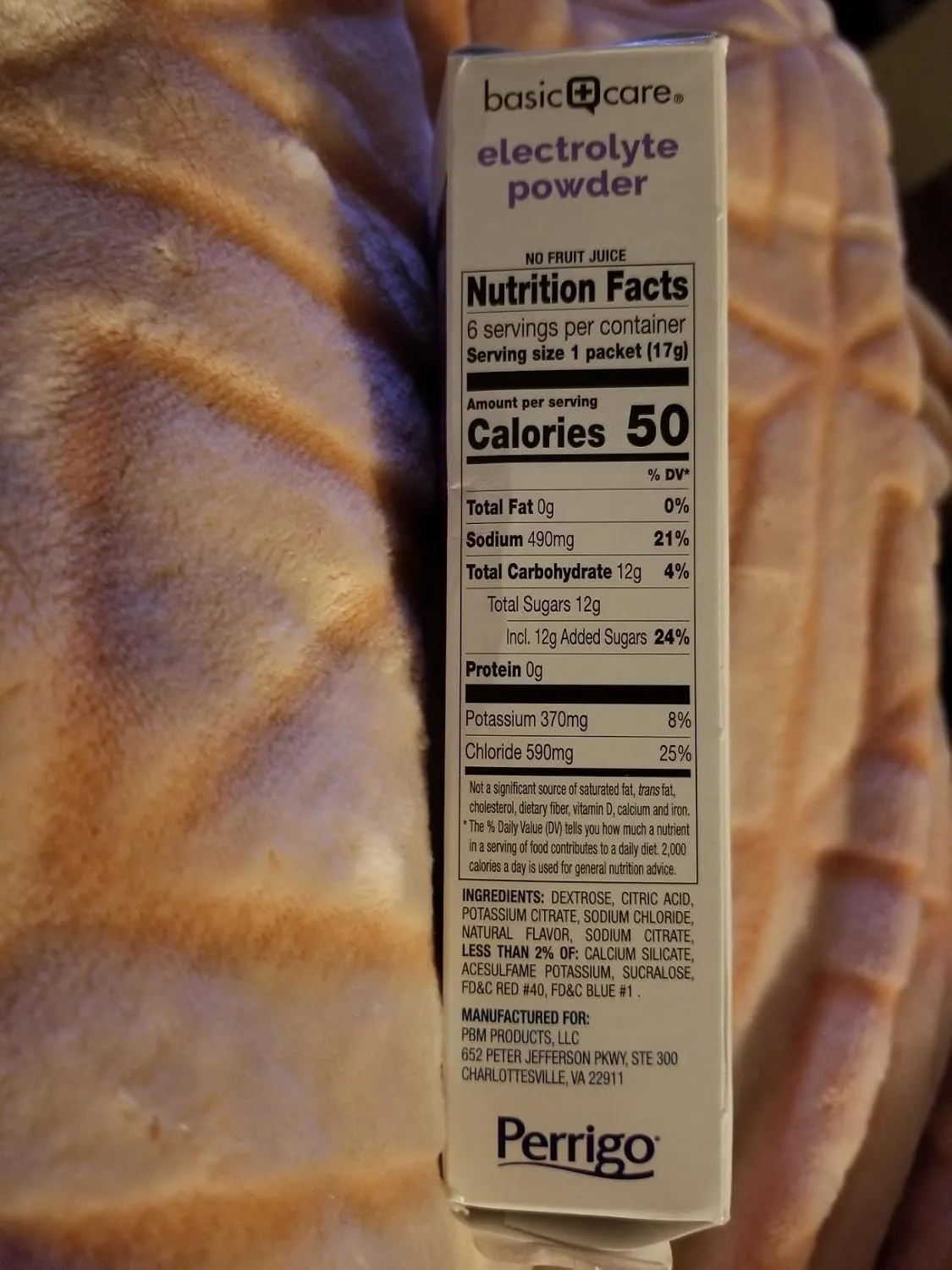
Electrolyte solution is a rehydration tool, not a treatment for the underlying condition causing diarrhoea — but it is non-negotiable for preventing dangerous dehydration while you wait for your body to recover or while you work with your GP to identify what’s driving the episode. Amazon Basic Care Electrolyte Powder Packets in Grape Flavour are my go-to recommendation for people who need something affordable, reliable, and easy to keep in the cupboard.
About This Article

Written by Alex Mercer. Alex Mercer has lived with IBS since childhood and isn't a nutritionist or a doctor. After years of being told he was anxious or would grow out of it, he spent more than 12 years reading the research properly, and now shares what he has learned with the family, friends and support-group members who come to him with the same questions. He translates peer-reviewed research into practical, honest advice, and is always upfront about what the evidence does and does not show. More about this site.
Scope and limits. Alex is not a doctor, dietitian, or nutritionist, and nothing here is medical advice. Talk to a clinician before changing your diet, starting a supplement, or acting on symptoms — especially persistent or worsening ones.
Verify this against a primary source
Specifics change, and your situation may differ from the one described here. These are the authorities worth checking directly:
- NIDDK — digestive disease research and clinical guidance
- MedlinePlus — plain-language medical reference from the NIH
- Mayo Clinic — symptom and condition reference