Your gastroenterologist says loose stools are “just IBS” and recommends waiting it out. Meanwhile, a wellness blog insists that eliminating all carbs will fix everything overnight. Both miss the mark — one offers no actionable path forward, the other oversimplifies a pattern that responds beautifully to a structured, evidence-based elimination protocol. What I’ve learned across years of helping other people through digestive challenges is that loose stools tied to IBS respond remarkably well to the low-FODMAP approach, which is neither restrictive forever nor a quick fix, but rather a time-bound diagnostic framework that identifies your specific triggers and rebuilds tolerance. I want to emphasize upfront: this protocol works best as a tool with a defined endpoint, not a permanent eating pattern.

What Are FODMAPs and Why Do They Cause Loose Stools?
FODMAP is an acronym for Fermentable Oligosaccharides, Disaccharides, Monosaccharides, and Polyols — essentially a category of short-chain carbohydrates present across countless common foods including wheat, onions, apples, lactose-containing products, and sugar alcohols. In individuals whose digestive systems process these compounds less efficiently, FODMAPs escape absorption in the small intestine and pass into the colon, where resident bacteria ferment them rapidly. This fermentation event pulls water into the bowel lumen and generates gas, triggering the constellation of symptoms we recognize: abdominal bloating, cramping sensations, sudden urgency, and characteristically loose or frequent bowel movements.
Data generated by researchers at Monash University — the institution where this dietary model originated — demonstrates that between 70 and 75 percent of individuals diagnosed with IBS report clinically meaningful symptom reduction when following a low-FODMAP eating pattern. This figure aligns closely with what I encounter throughout my own work: when someone arrives with an IBS-D diagnosis (diarrhoea-predominant presentation), a low-FODMAP intervention typically becomes a cornerstone of my initial approach.
The foods most commonly implicated in triggering loose stools fall into these categories:
- Wheat and rye products (containing fructans)
- Allium vegetables such as onions and garlic (fructan sources)
- Bovine dairy and ripened cheeses (lactose)
- Stone fruits, apples, and pears (elevated fructose)
- Pulses including chickpeas and lentils (galacto-oligosaccharides)
- Cruciferous vegetables, fungi, and drupes (polyol compounds)
Identifying which items truly trigger your symptoms requires a methodical process: first clearing them completely, then methodically reintroducing each category to observe your individual response — a process I’ll walk you through below.
Three Sequential Stages: A Detailed Look at How This Protocol Unfolds
The low-FODMAP diet succeeds not because it permanently removes problematic foods, but because it follows a deliberate, structured progression. Rushing through or bypassing any stage fundamentally undermines the diagnostic accuracy and long-term success of the entire intervention.
Stage 1: Elimination (2 to 6 Weeks)
The elimination stage involves removing all high-FODMAP items simultaneously. I typically guide people to maintain this restriction for no fewer than four weeks, though the objective during this window is establishing a clear symptom baseline—what I think of as achieving a “settled gut”—so that subsequent reintroduction produces unambiguous, interpretable results. Many of the people I hear from detect noticeable symptom improvement in the first two weeks. Some experience shifts within days.
While this stage demands attention to food sourcing and careful attention to packaging information, it remains entirely achievable with proper guidance. The Monash University FODMAP application serves as an excellent daily resource for portion specifications and ingredient categorization.
Stage 2: Reintroduction (6 to 8 Weeks)
Many people minimize this stage — and that represents a critical error, because reintroduction is where real learning happens. Testing one FODMAP category every three days, with gaps between trials, reveals exactly which subcategories your digestive system tolerates poorly and in what amounts. Crucially, individual tolerance varies widely; this phase ensures you’re not unnecessarily restricting categories your body handles well.
Stage 3: Customization and Maintenance
Drawing on the information gathered during Stage 2, you construct a personalised long-term eating approach that maximizes dietary breadth and nutritional density while specifically excluding your identified problem foods. What emerges is an individually tailored protocol — far more practical and sustainable than an arbitrary, one-size-fits-all restriction plan.

Complementary Strategies During the Elimination Phase
When people move through the elimination phase, I address not just food removal but also active gut support — because restricting trigger foods works most powerfully when paired with evidence-based supplements targeting symptom relief and microbial rebalancing.
Restoring Microbial Balance Following Loose Stools: Why Specific Bacterial Strains Matter Far More Than Generic Formulas
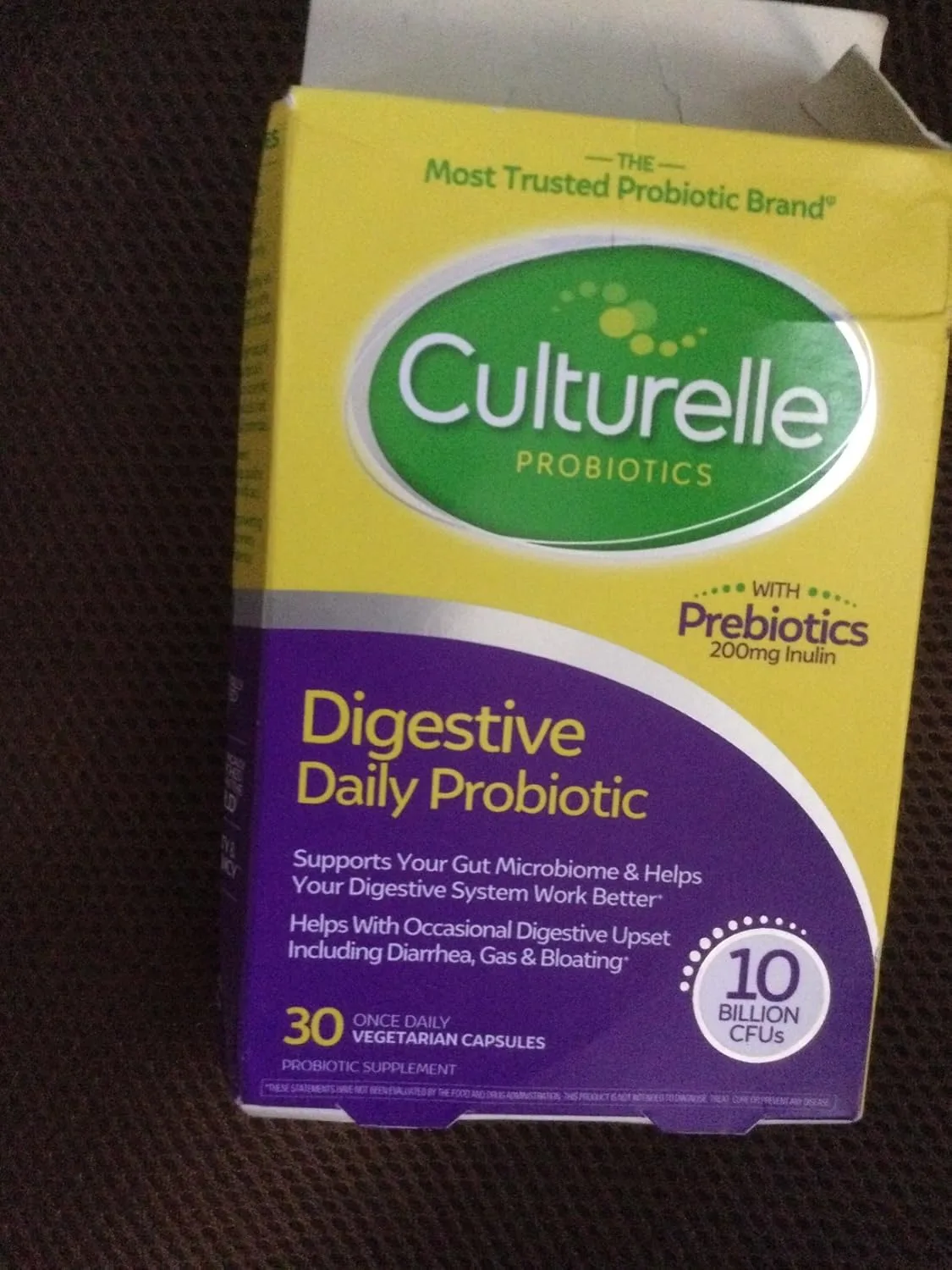
After you’ve pinpointed your high-FODMAP culprits and achieved stool stabilization on a low-FODMAP framework, the subsequent consideration is often reestablishing bacterial diversity that loose stools frequently diminish. The probiotic market is vast, but not all formulations address IBS-D effectively—yet evidence points to specific bacterial populations that reduce urgency and restore stool firmness during the recovery window when your microbiome is rebuilding.
Strains and approaches that deliver results
- Lactobacillus rhamnosus GG represents one of the most extensively documented bacterial strains for IBS-D management; across my experience with other people, people notice a shift toward less urgency and more predictable stools between two and three weeks of daily supplementation.
- Mono-strain supplements outperform multi-strain combinations when the target is loose-stool resolution — they’re simpler for the system to tolerate, and you maintain clarity about which organism is responsible if your pattern shifts unexpectedly.
- Room-temperature stability and no refrigeration requirement support realistic long-term adherence; when a supplement is convenient to store and transport, people integrate it into their routine rather than abandoning it within weeks.
Approaches and products that miss the mark
- Probiotic supplements cannot substitute for low-FODMAP compliance — they will not meaningfully reduce symptoms if you continue regularly consuming foods your system identifies as irritants.
- Certain individuals, particularly those managing significant bacterial overgrowth or recovering from recent broad-spectrum antibiotic treatment, may experience transient gas or bloating during the first week of probiotic introduction; if discomfort persists beyond one week, check in with your healthcare provider before resuming.
Think of probiotics as a supporting tool, not the main event — they work best alongside dietary consistency and adequate hydration. If you’ve been dealing with loose stools for months, a probiotic alone won’t be your answer, but as part of a fuller protocol, it can make a real difference.

About This Article

Written by Alex Mercer. Alex Mercer has lived with IBS since childhood and isn't a nutritionist or a doctor. After years of being told he was anxious or would grow out of it, he spent more than 12 years reading the research properly, and now shares what he has learned with the family, friends and support-group members who come to him with the same questions. He translates peer-reviewed research into practical, honest advice, and is always upfront about what the evidence does and does not show. More about this site.
Scope and limits. Alex is not a doctor, dietitian, or nutritionist, and nothing here is medical advice. Talk to a clinician before changing your diet, starting a supplement, or acting on symptoms — especially persistent or worsening ones.
Verify this against a primary source
Specifics change, and your situation may differ from the one described here. These are the authorities worth checking directly:
- NIDDK — digestive disease research and clinical guidance
- MedlinePlus — plain-language medical reference from the NIH
- Mayo Clinic — symptom and condition reference