Most people assume that persistent diarrhoea stems from something that needs to be added to their diet — a supplement, a special food, a fix. They’re wrong. In nearly every case I’ve worked through, the real answer is something that needs to be removed from it.
Loose or watery stools that occur three or more times daily for a month or longer define chronic diarrhoea, and it’s genuinely debilitating. The exhaustion and emotional toll compound the physical symptoms. Yet the pattern is almost never random. Across the people I’ve supported, a traceable dietary thread runs through the vast majority of presentations. The encouraging part is that once you locate that thread, unravelling it becomes possible.
Why Nutrition Is Always My Starting Point for Chronic Diarrhoea
Here’s what I need to say upfront: ongoing diarrhoea warrants proper medical evaluation by your GP or a gastroenterologist — conditions like coeliac disease, inflammatory bowel disease, and infectious triggers must be ruled out first. That’s non-negotiable. That said, once serious underlying disease has been excluded — or even while investigations are proceeding — looking closely at what you’re eating becomes extremely valuable.
Your digestive tract responds with remarkable sensitivity to the nutrients and compounds you introduce. Shifts in how much water gets pulled into your bowel, changes in fermentation patterns, fluctuations in bile acid activity, and variations in how quickly food moves through your colon can all be traced to the foods and beverages in front of you. I always suggest keeping detailed records of both what you eat and their digestive responses, and the correlations that surface are strikingly similar from one person to the next. I want to share the six nutritional factors I spot most regularly in my work.
Six Dietary Factors That Commonly Drive Loose Stools
1. Caffeine — When Intake Gets Too High
Caffeine acts as a potent intestinal stimulant. Its primary action is to speed up the contractions in your colon, essentially accelerating how quickly stool moves through. For most people, morning coffee poses no real concern. Yet I observe a pattern in individuals with chronic loose stools: they’re regularly consuming multiple servings of coffee, strong black teas, energy beverages, or caffeinated workout formulas spread across the day. The European Journal of Clinical Nutrition has published research demonstrating that caffeine’s effect on stool frequency follows a dose-response curve — the more you consume, the more pronounced the effect becomes. When I’ve asked people to cut back on or completely step away from caffeine, the turnaround has been striking — often noticeable within 48 to 72 hours.
2. Fructose in Excess — Particularly in Processed Forms
Fructose intolerance is considerably more widespread than commonly acknowledged. When fructose quantity exceeds glucose quantity — which happens routinely with fruit juices, honey, nectar syrups, and high-fructose corn syrup additives — the body can’t absorb it properly. It travels into the colon unabsorbed, where it pulls water along with it and becomes food for gas-producing microbes. The outcome is abdominal pain, gas, and runny stools. I frequently encounter this in people who believe they’re making sound nutritional choices: they’re downing vegetable-based smoothies and using “natural” syrups without grasping the osmotic burden this places on their intestines.
3. Sugar Alcohols — Hidden in “Free From” and “Low Carb” Products
Erythritol, xylitol, mannitol, and sorbitol populate the ingredient lists of sugar-free confections, sugar-free gum, meal-replacement bars, and products marketed as “keto” or “reduced carbohydrate.” Because the small intestine cannot efficiently absorb these sugar alcohols, they function as osmotic compounds — they bring water into the intestinal tract, loosening stool consistency. Even modest quantities become problematic for individuals with gut sensitivity. This trigger sneaks up on people frequently: someone chews gum all day long, snacks on “keto-friendly” bars, and becomes puzzled by their gut’s reactivity.
4. High Dietary Fat — Especially When It’s Concentrated
Fat is a potent trigger for the gastrocolic reflex — the physiological signal that initiates bowel movement following a meal. In people who sustain very high-fat consumption patterns, whether via ketogenic eating, frequent deep-fried meals, or liberal use of cooking fats, I routinely observe urgency and loose consistency. Another mechanism is at play as well: fat that doesn’t get fully digested stimulates extra bile acid release; when bile acids accumulate in the colon beyond normal amounts, they prompt a secretory type of diarrhoea characterised by watery output. This phenomenon is sometimes called bile acid malabsorption, and dietary lipid intake is a major contributing factor.
5. Alcohol — Particularly When Consumed Regularly
Alcohol has multiple destabilising effects on your digestive system. It disrupts the normal movement patterns of your gut, increases how permeable your intestinal wall becomes, and shifts the composition of your microbiota in unfavourable directions. Even moderate consumption on a routine basis — several drinks each week, without necessarily reaching what most would label “heavy” drinking — tends to sustain a background state of gut irritation that perpetuates loose stools. Beyond that, alcohol interferes with nutrient uptake, which intensifies the problem over time. Beer deserves special mention because it compounds the issue: it carries gluten and fermentable carbohydrates alongside the alcohol, making it doubly problematic for reactive digestive systems.
6. A Microbiome Weakened by Limited Plant Variety and Processing
This one is more complex, but it’s something I’m flagging increasingly with the people I work alongside. When a diet lacks variety in plant foods, fibre volume, and fermented options while being saturated with industrially processed items, the bacterial communities that should protect your gut cannot flourish. The scientific literature on the microbiome is unambiguous here — investigations repeatedly demonstrate that reduced bacterial diversity correlates with looser and more frequent bowel movements. When I examine a food history and see someone subsisting largely on refined grains, ready-made convenience products, and minimal representation of vegetables, pulses, or fermented preparations, I know the microbiome is almost certainly compromised.

Complementary Strategies Beyond Removing the Trigger
Finding and eliminating the causative food marks the beginning. Helping your gut recover is what follows. Based on each person’s specific history and current state, I sometimes recommend targeted supplementation as part of the overall dietary plan we’re building together.
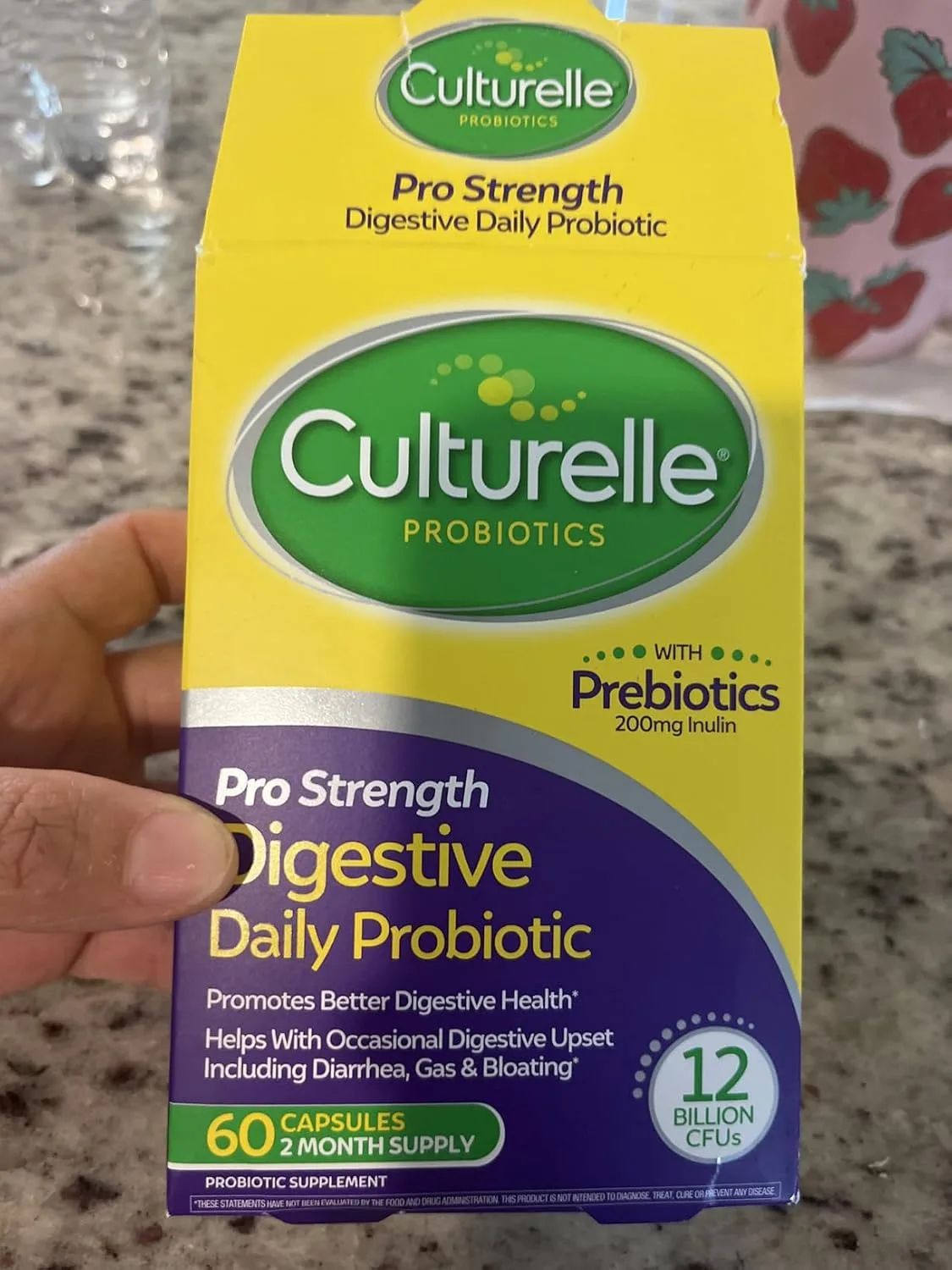
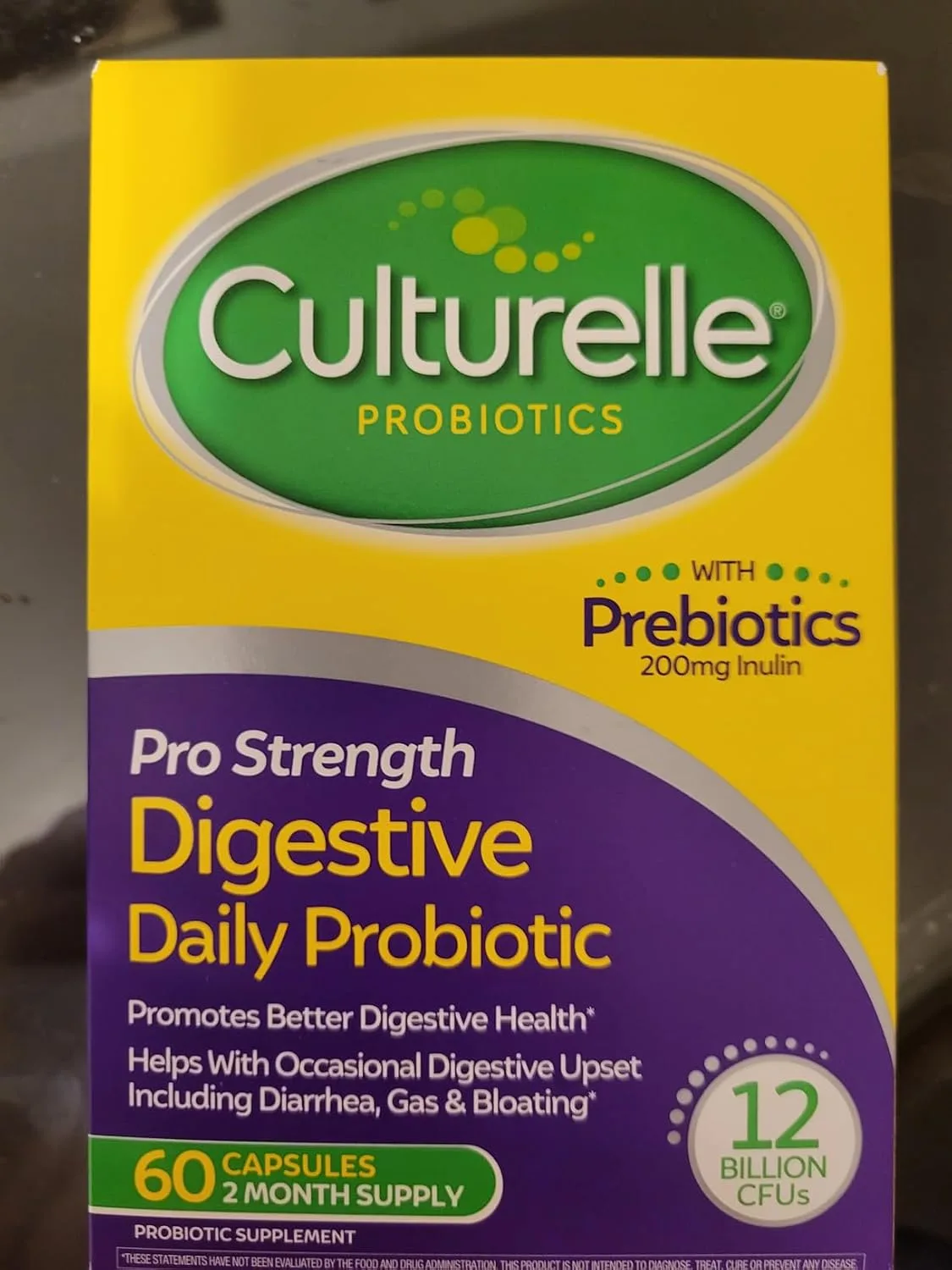
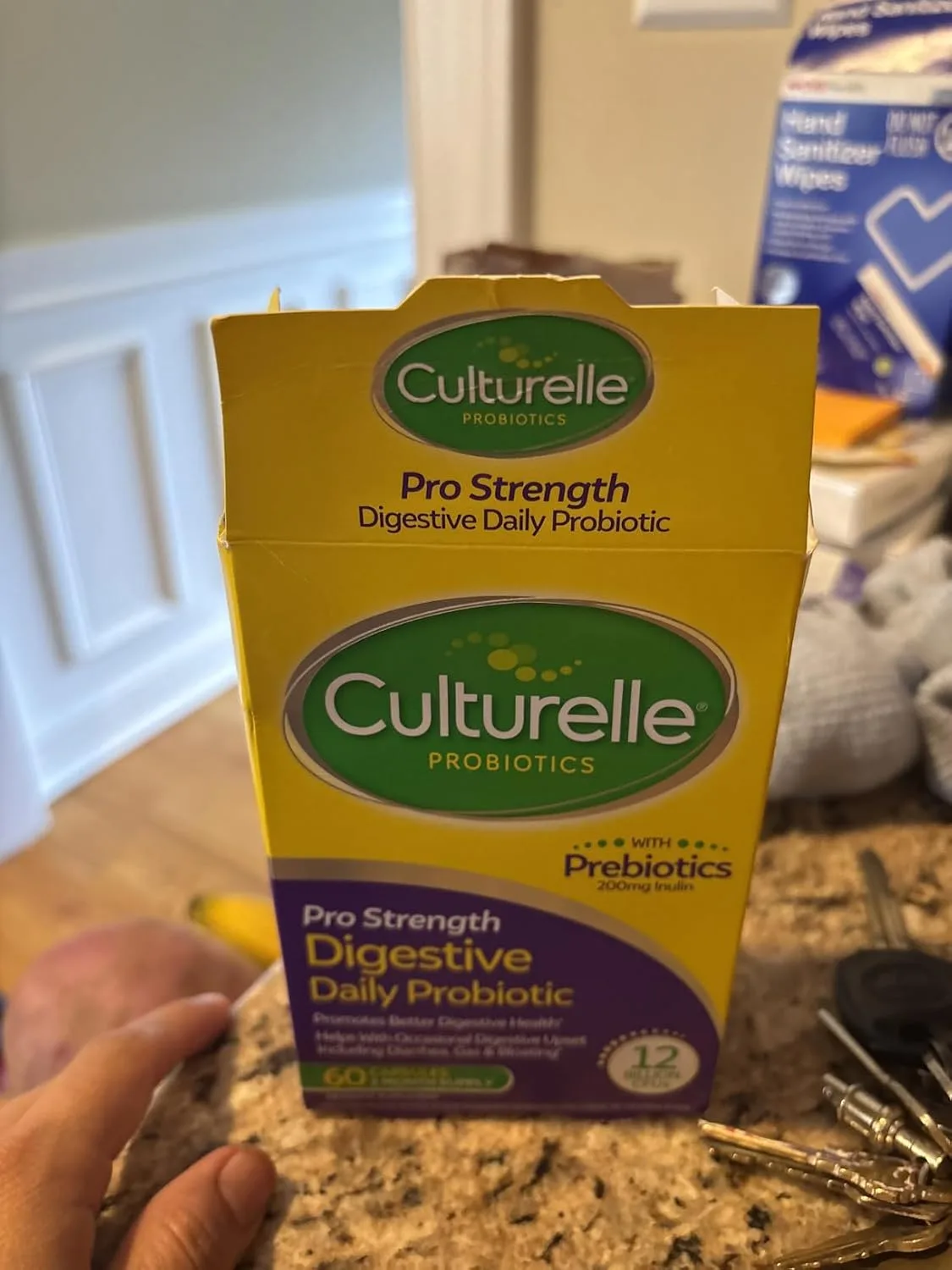
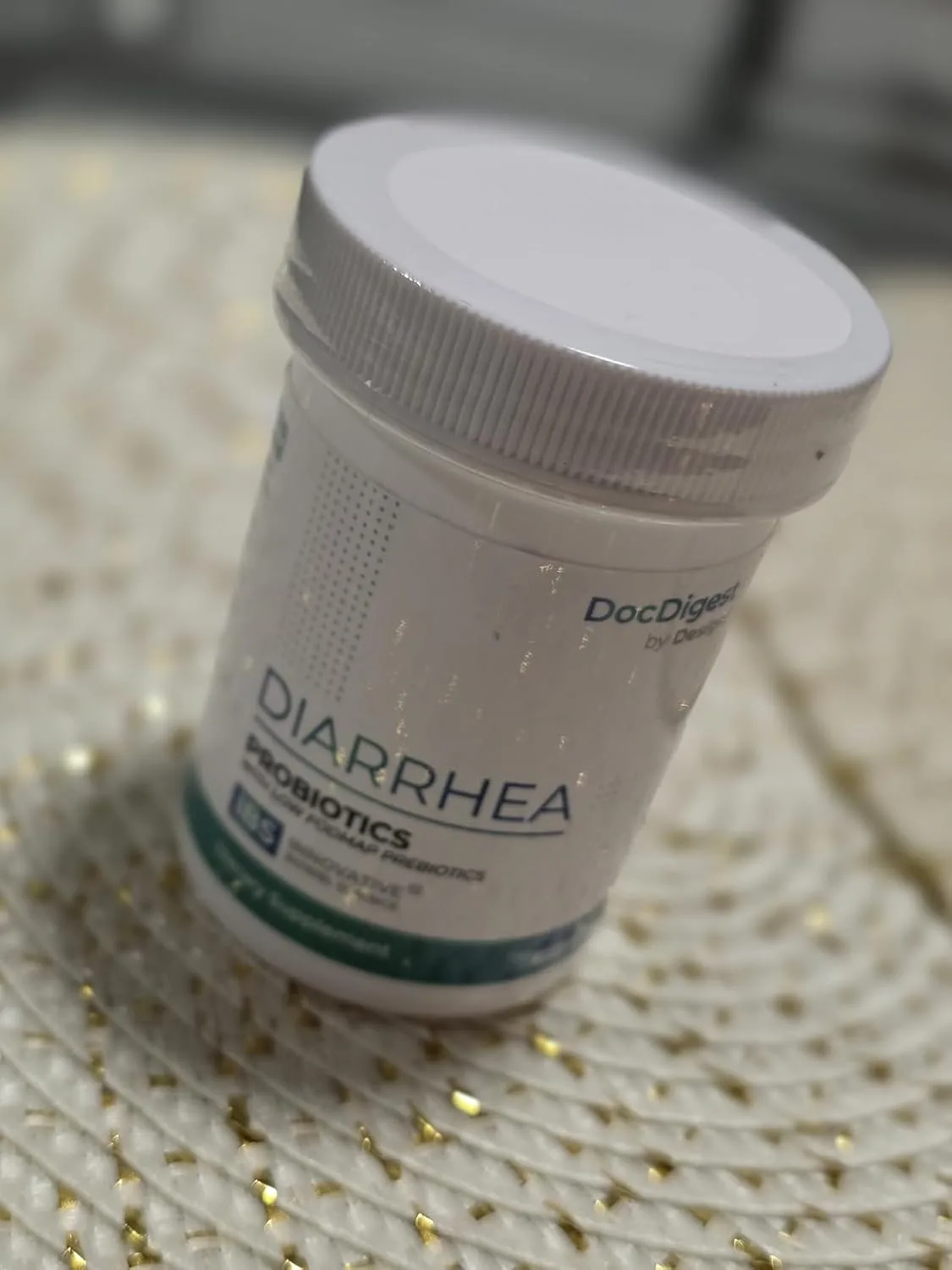
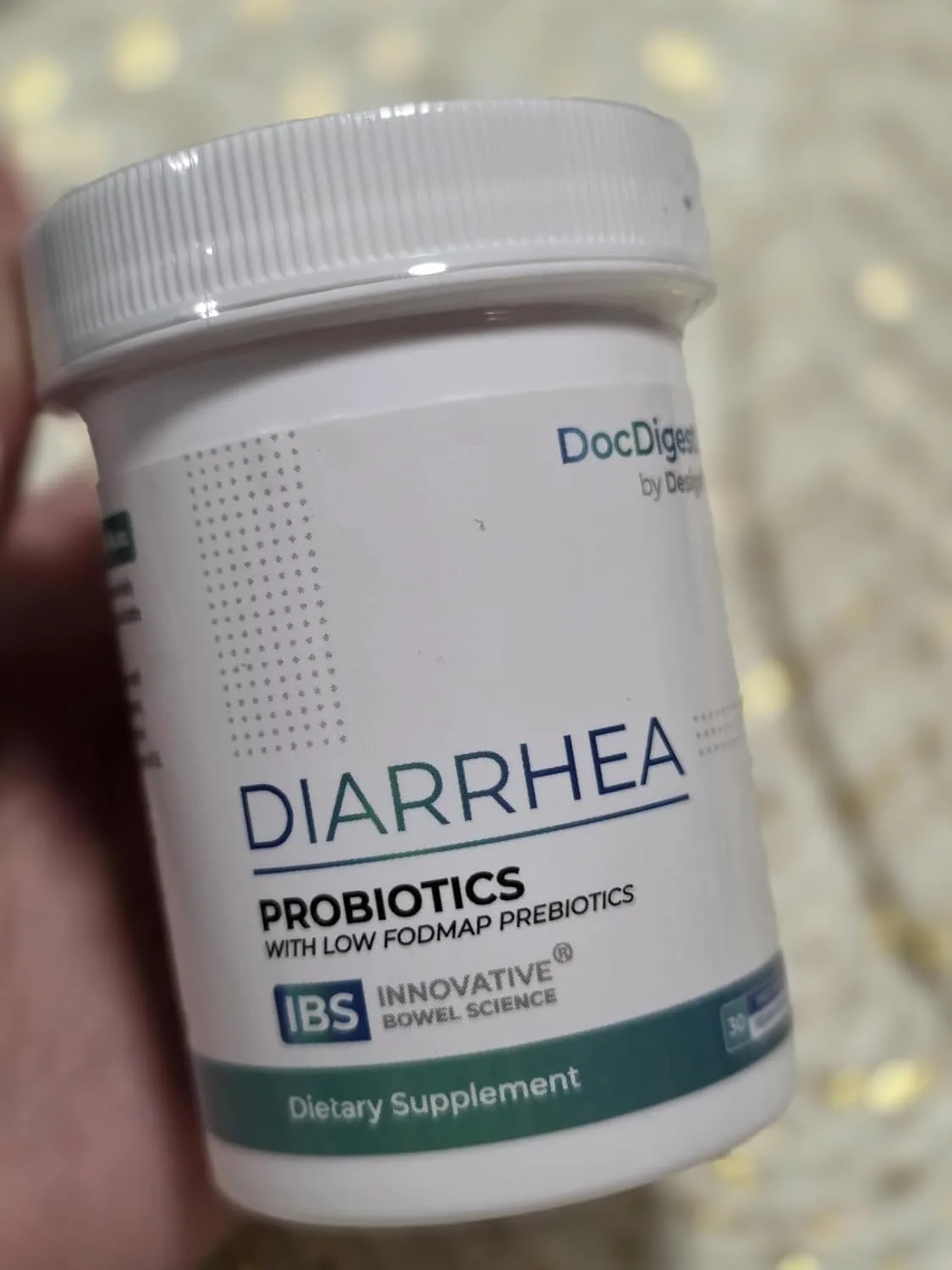
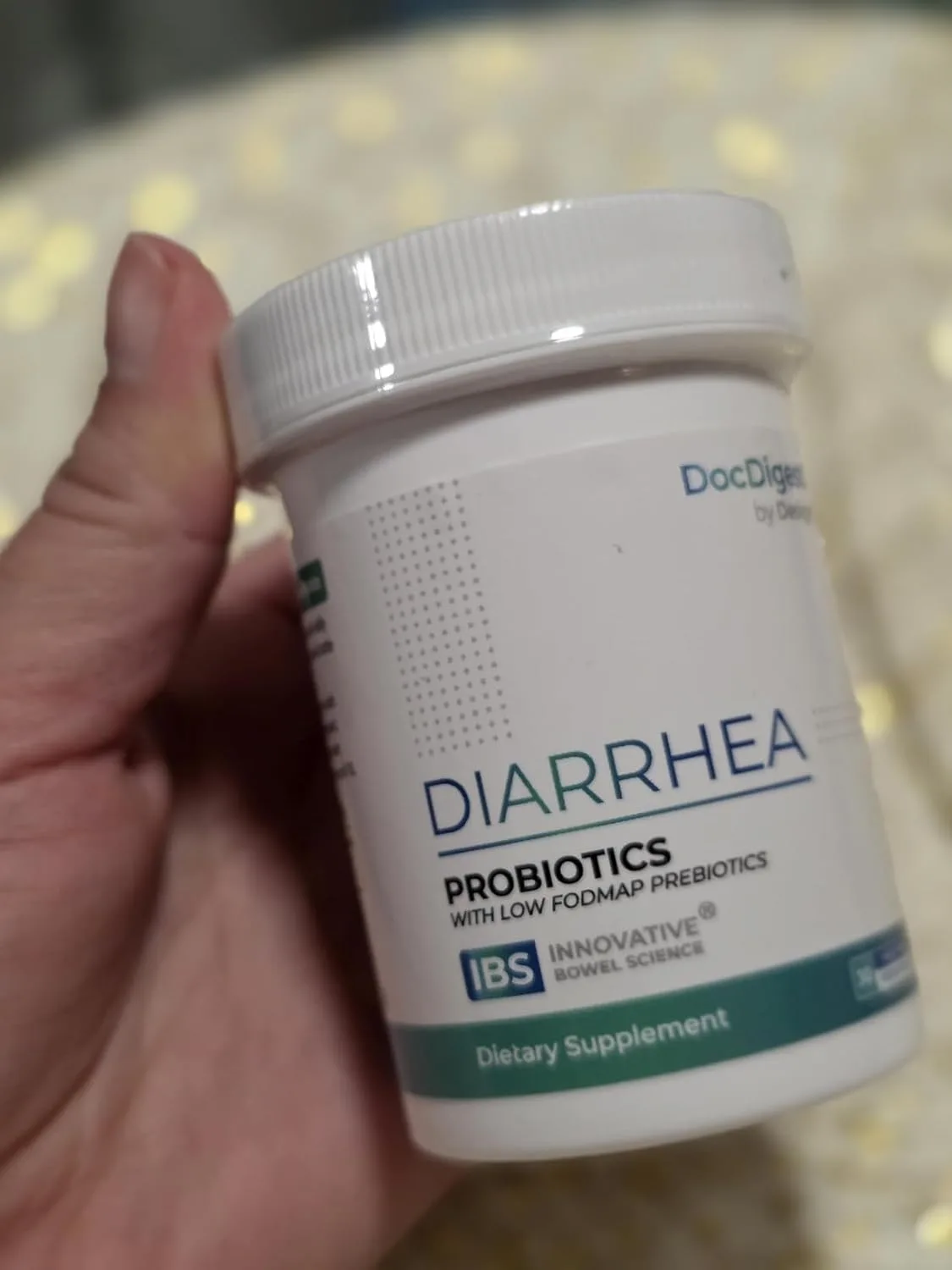
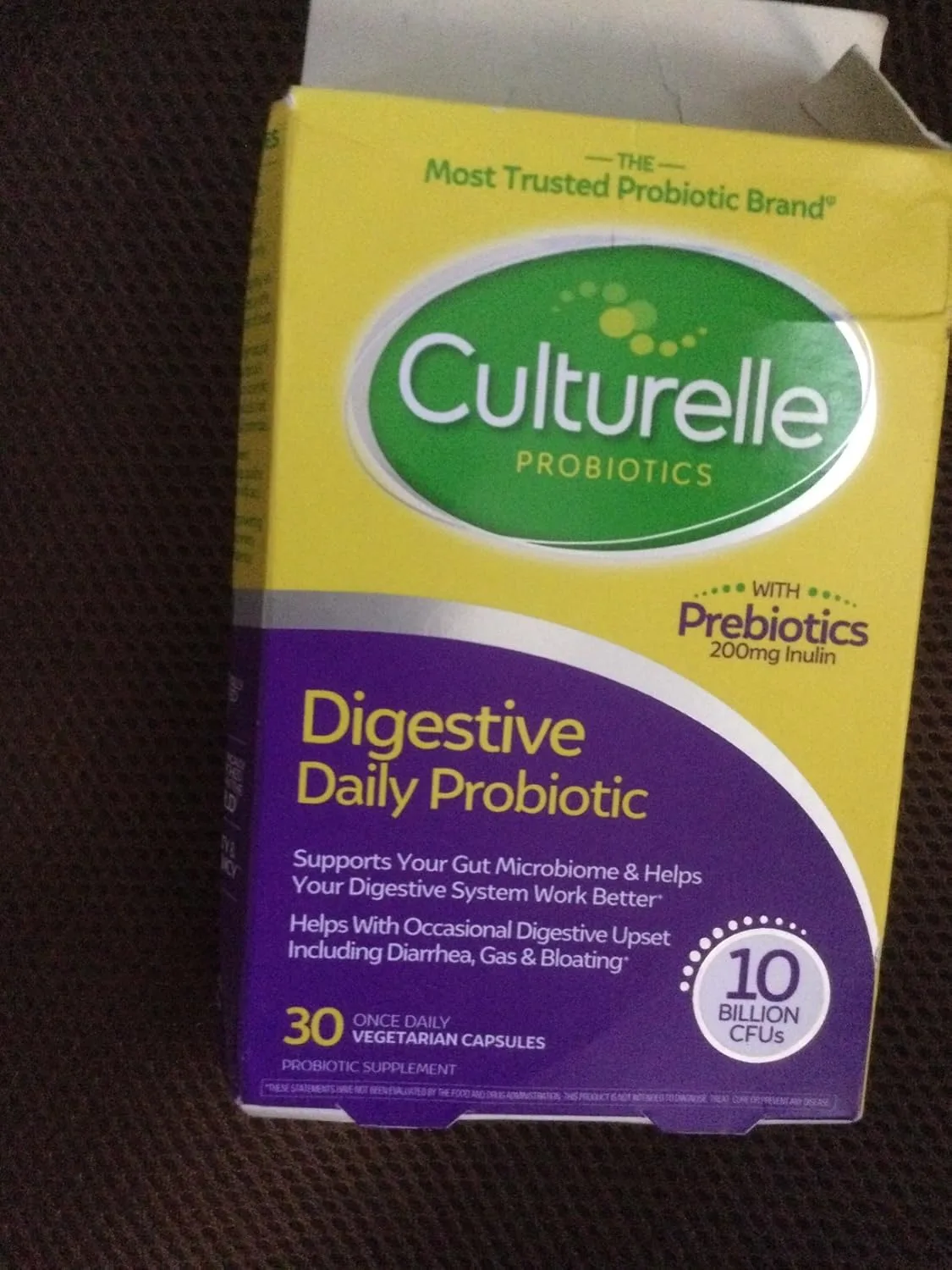
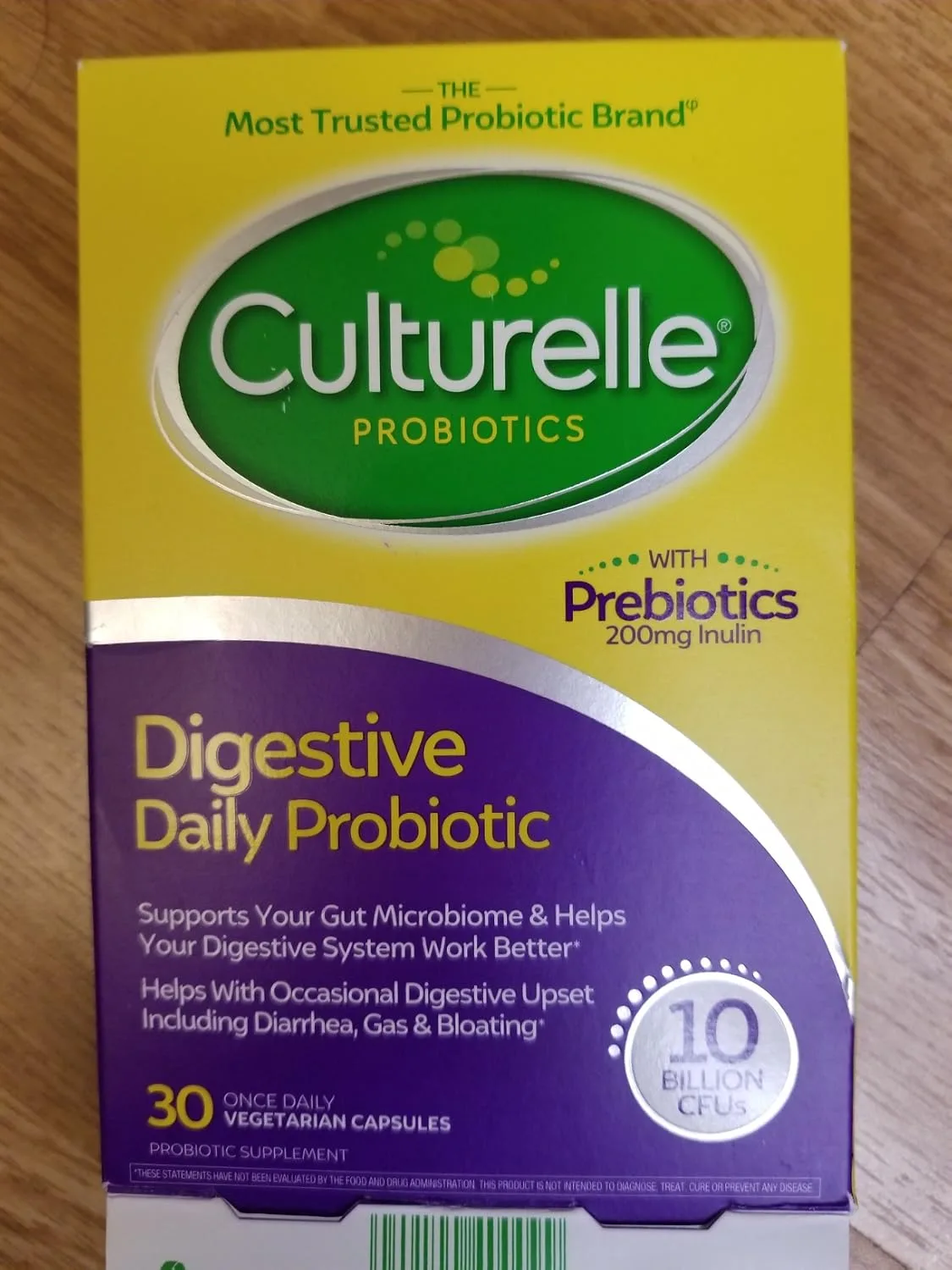
For probiotic support, I frequently recommend Culturelle Daily Probiotic Capsules, which contain Lactobacillus rhamnosus GG — the most clinically studied probiotic strain available, with documented benefits for both diarrhoea and gut health. For people who need a longer course of support, Culturelle Pro Strength Daily Probiotics with Prebiotics (60 Count) is a practical two-month option that also includes prebiotic support. Where IBS-D is part of the picture, I have also pointed people towards the IBS Anti Diarrhea Probiotic, which uses clinically studied strains specifically formulated for IBS-related diarrhoea.
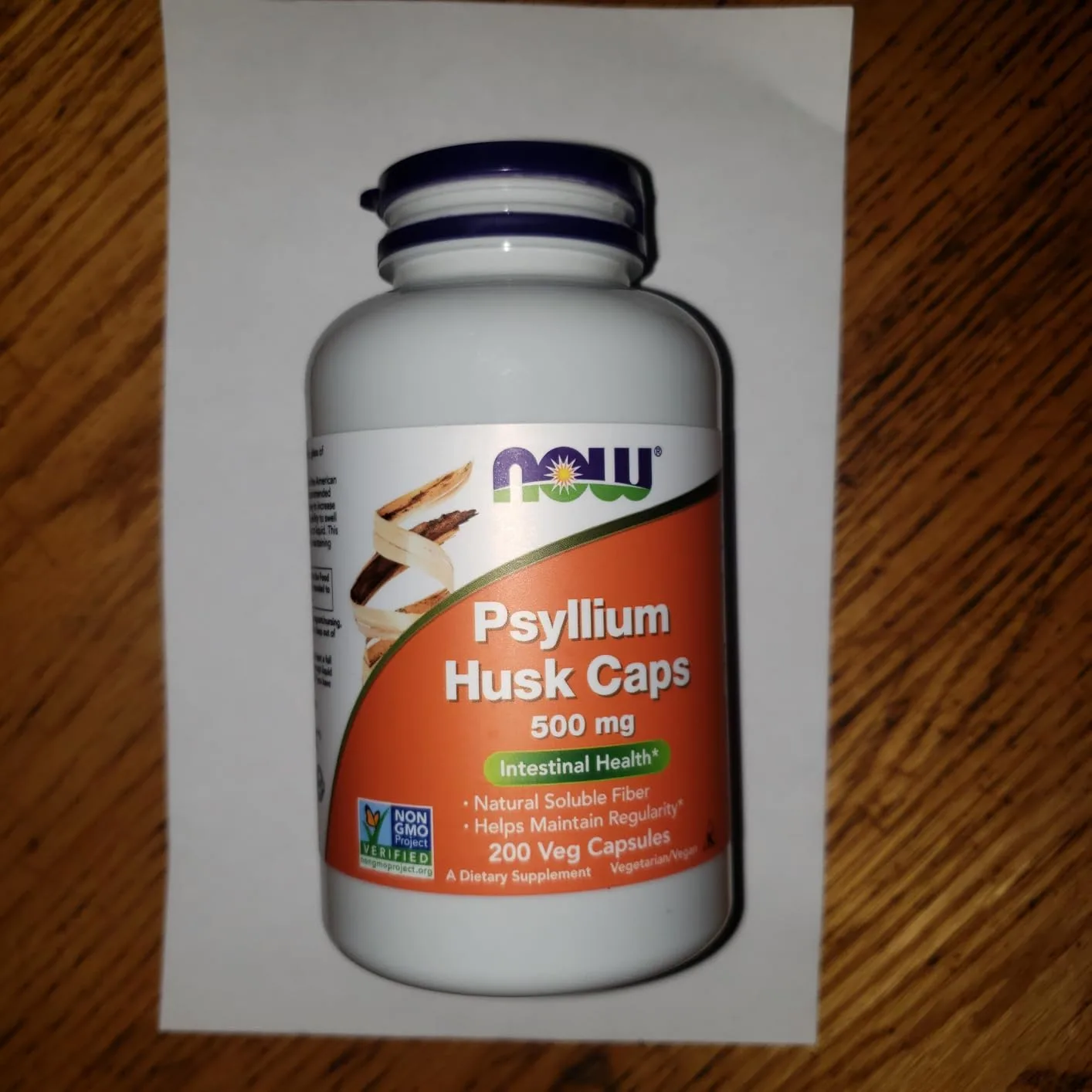
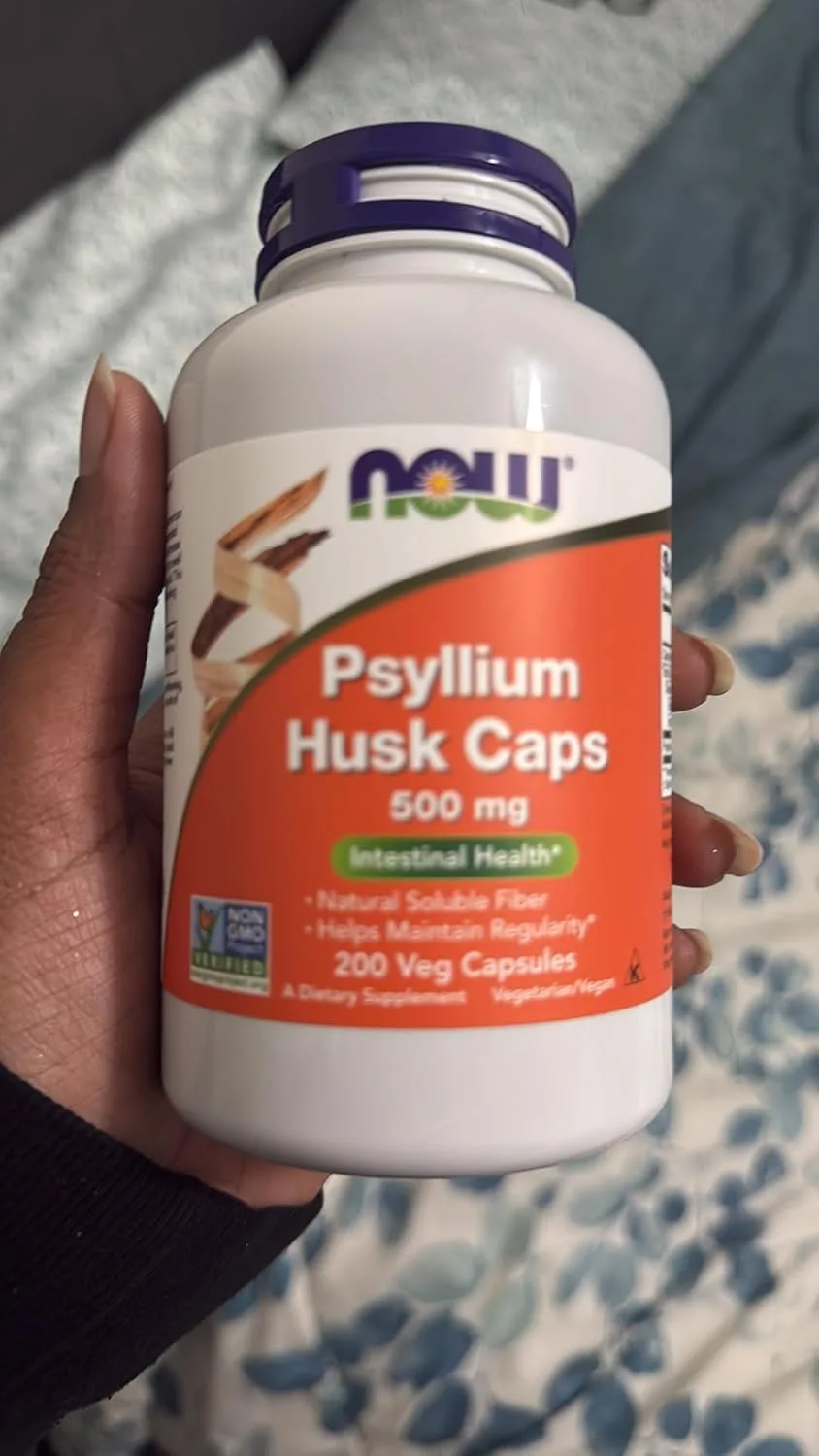
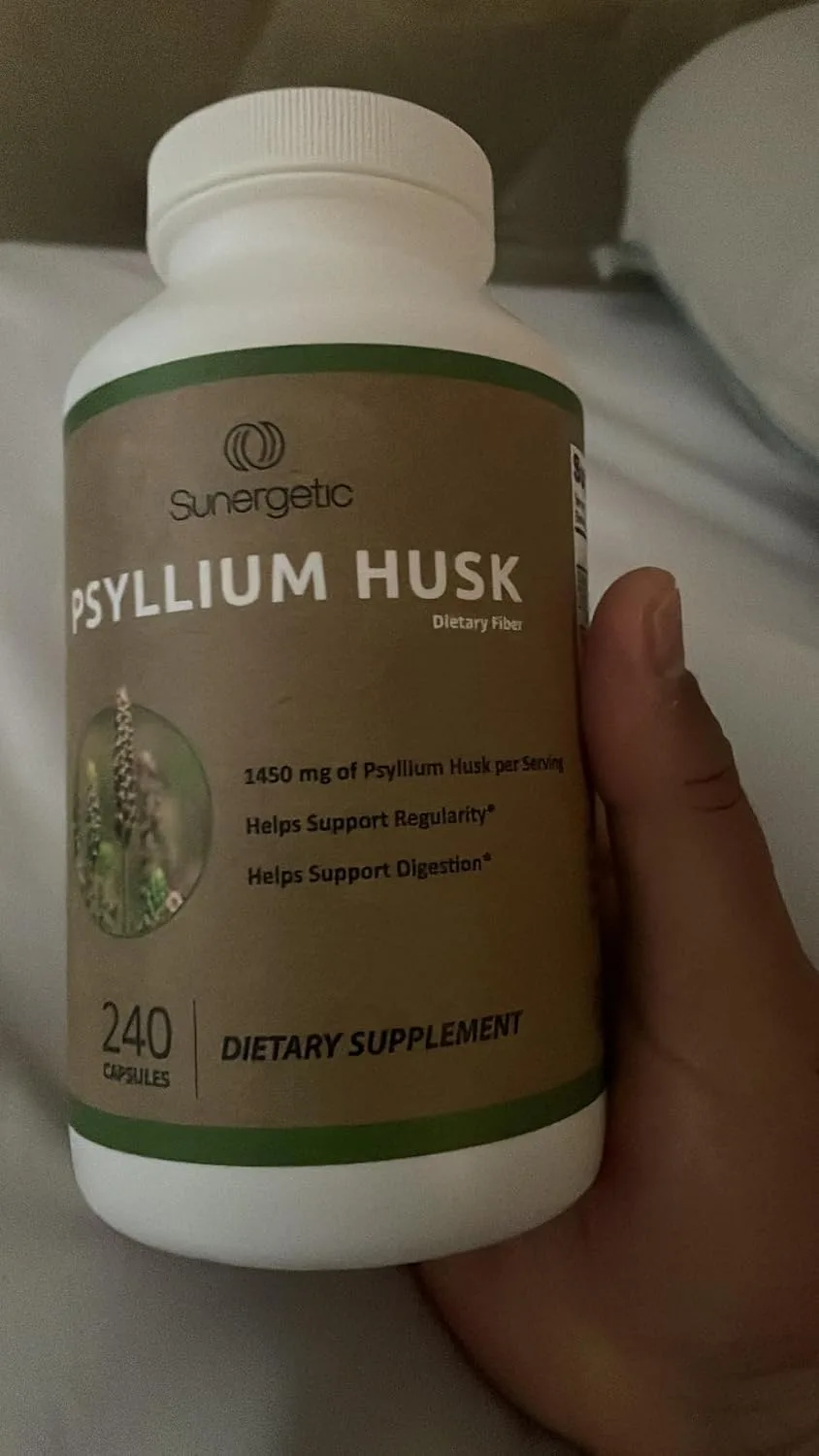
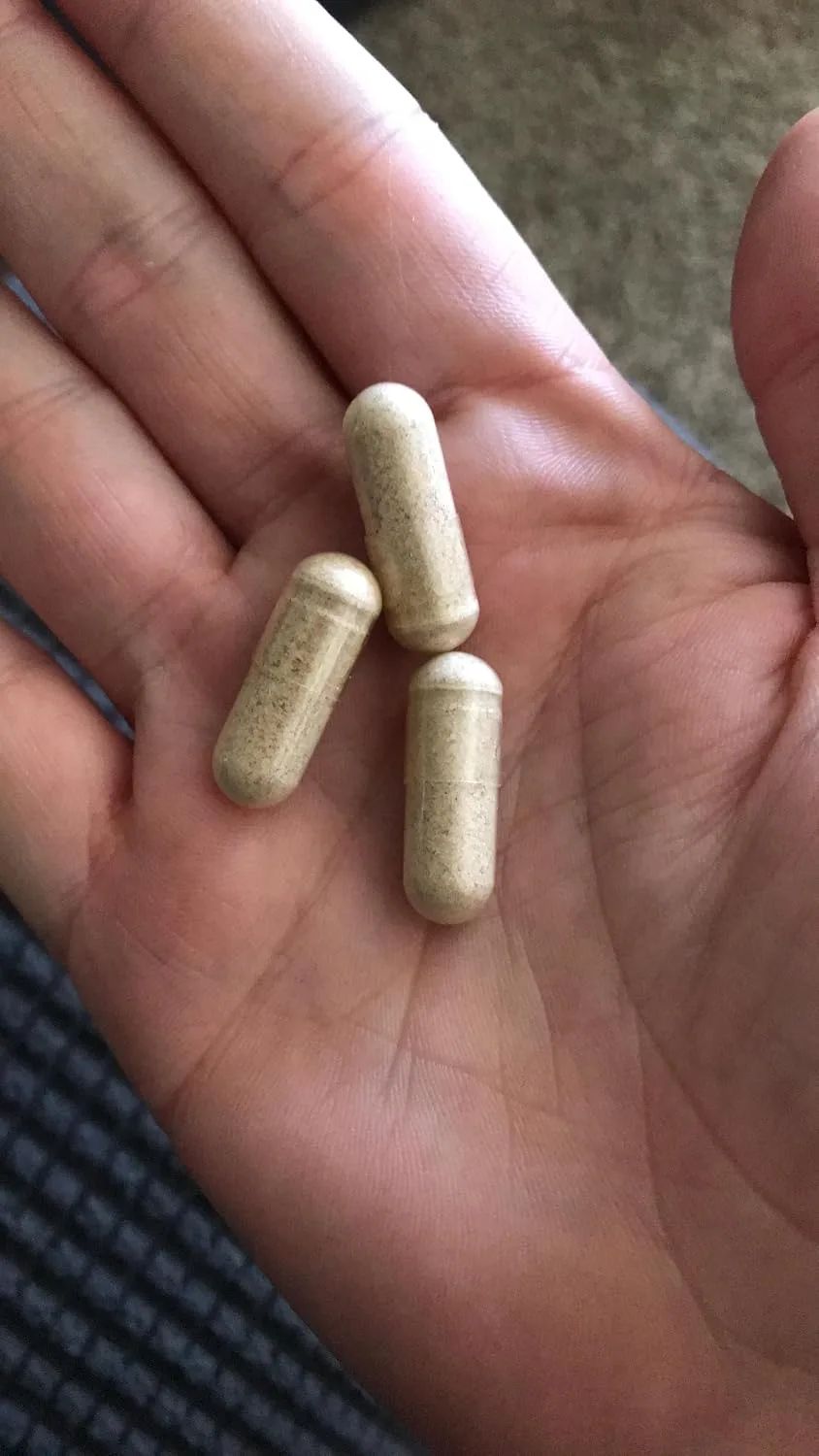
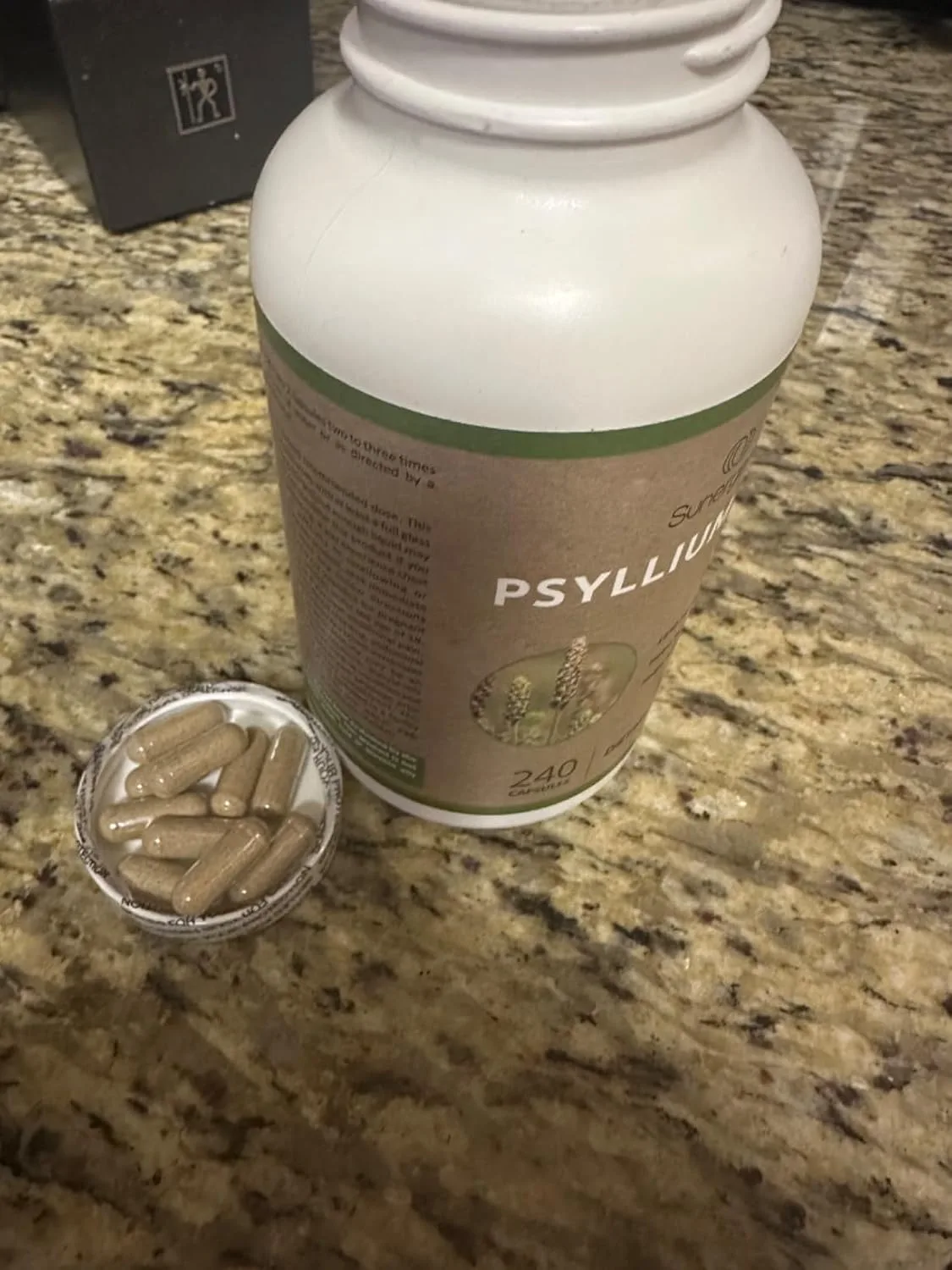
Soluble fibre is another tool I use regularly. It works by absorbing excess water in the bowel and adding bulk to loose stools, which actually helps normalise consistency rather than worsen diarrhoea — a fact that surprises many people. I recommend NOW Foods Psyllium Husk Caps 500mg as an accessible, well-formulated option, or the higher-strength Premium Psyllium Husk Fibre Supplement 1450mg for those who need a more concentrated dose. Both are non-GMO and well tolerated when introduced gradually with adequate water intake.
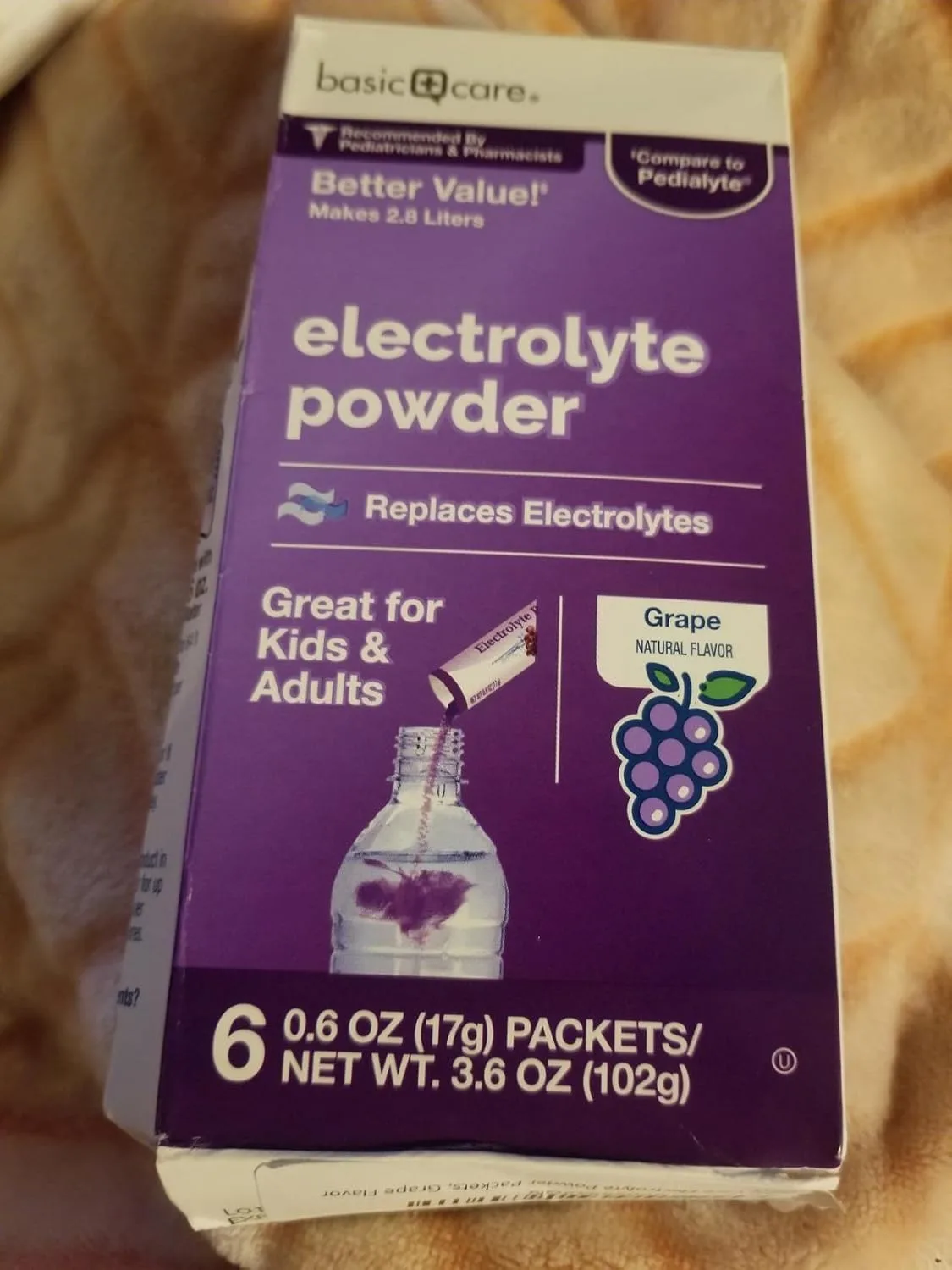
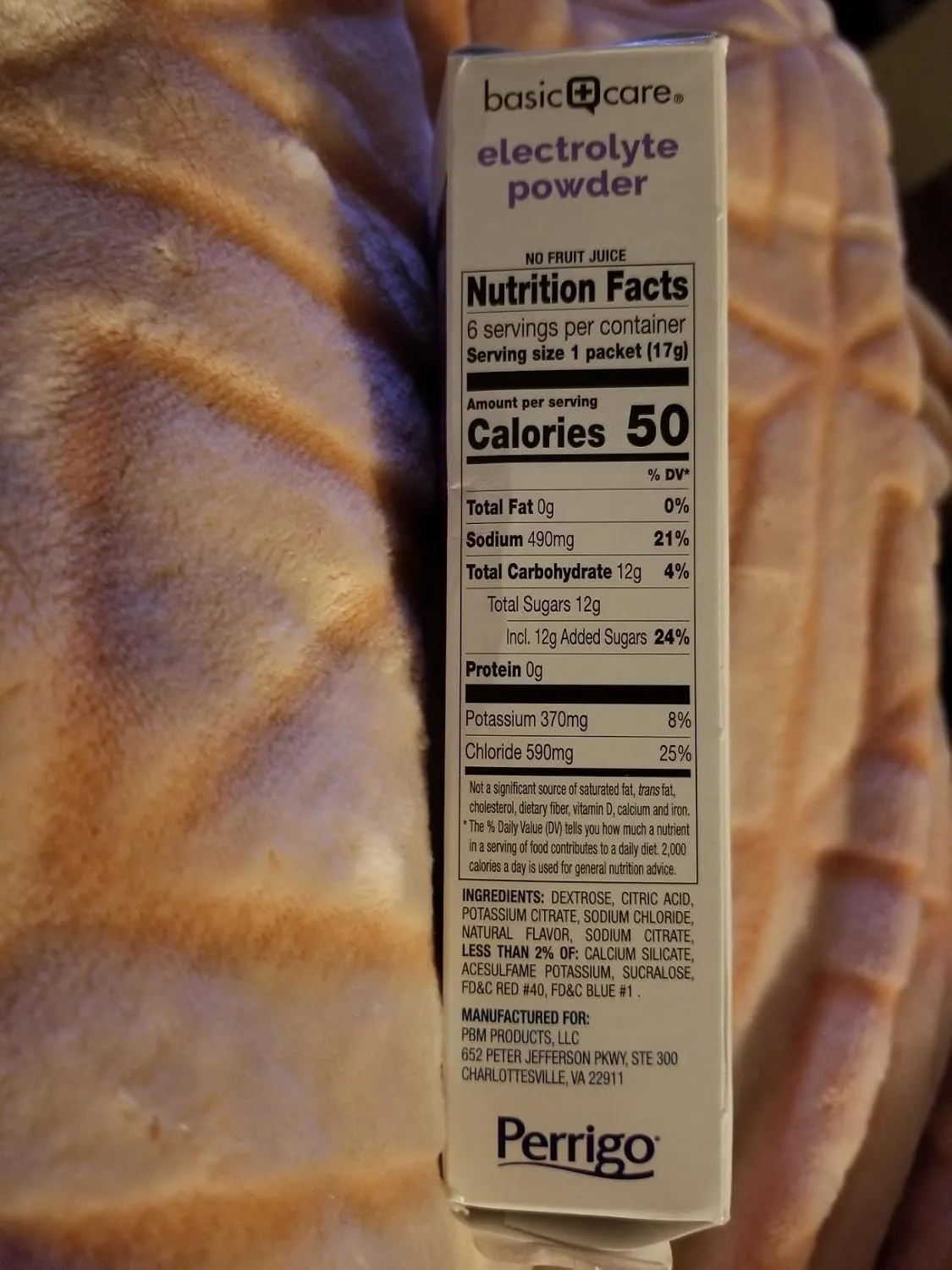
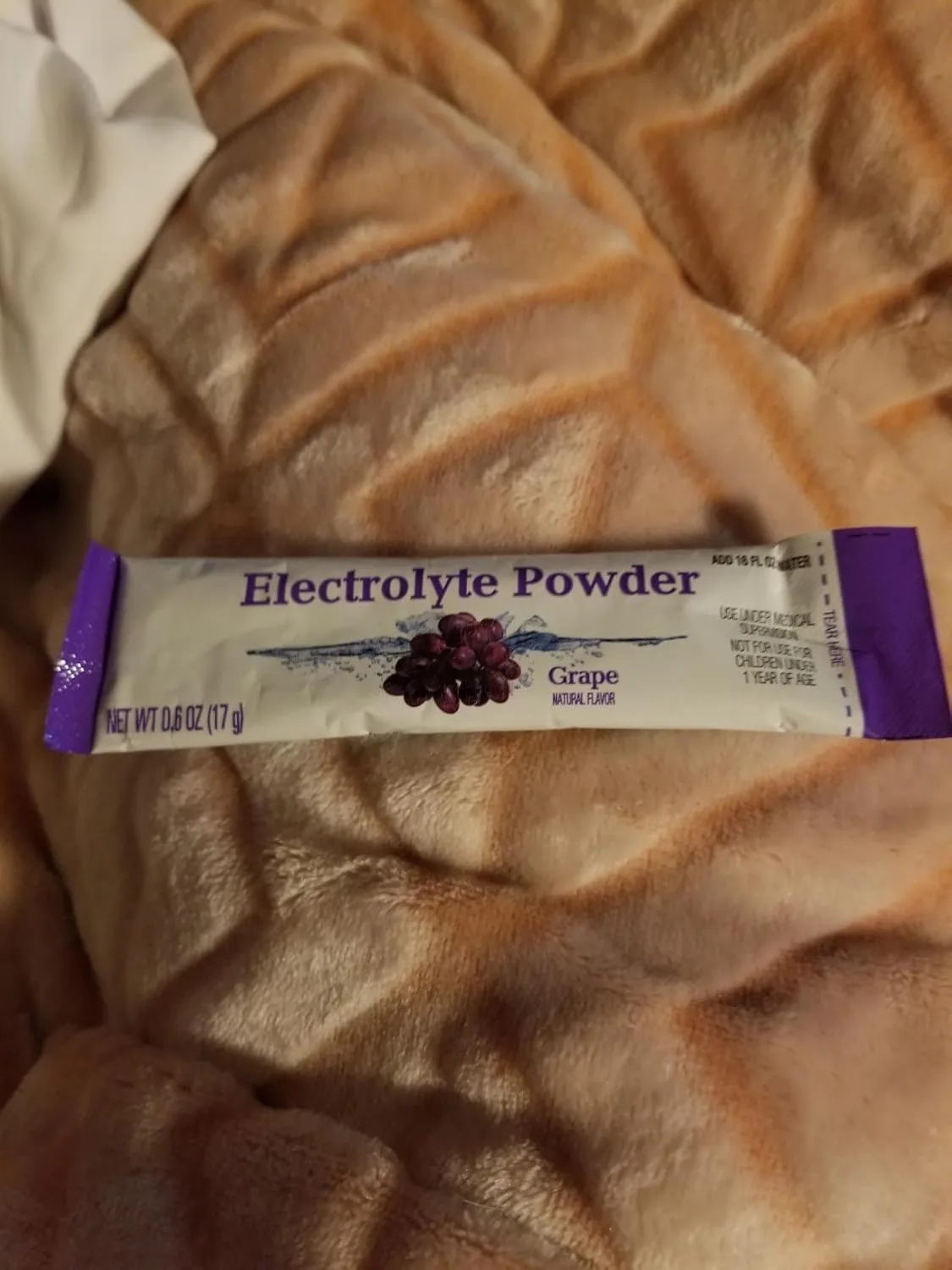
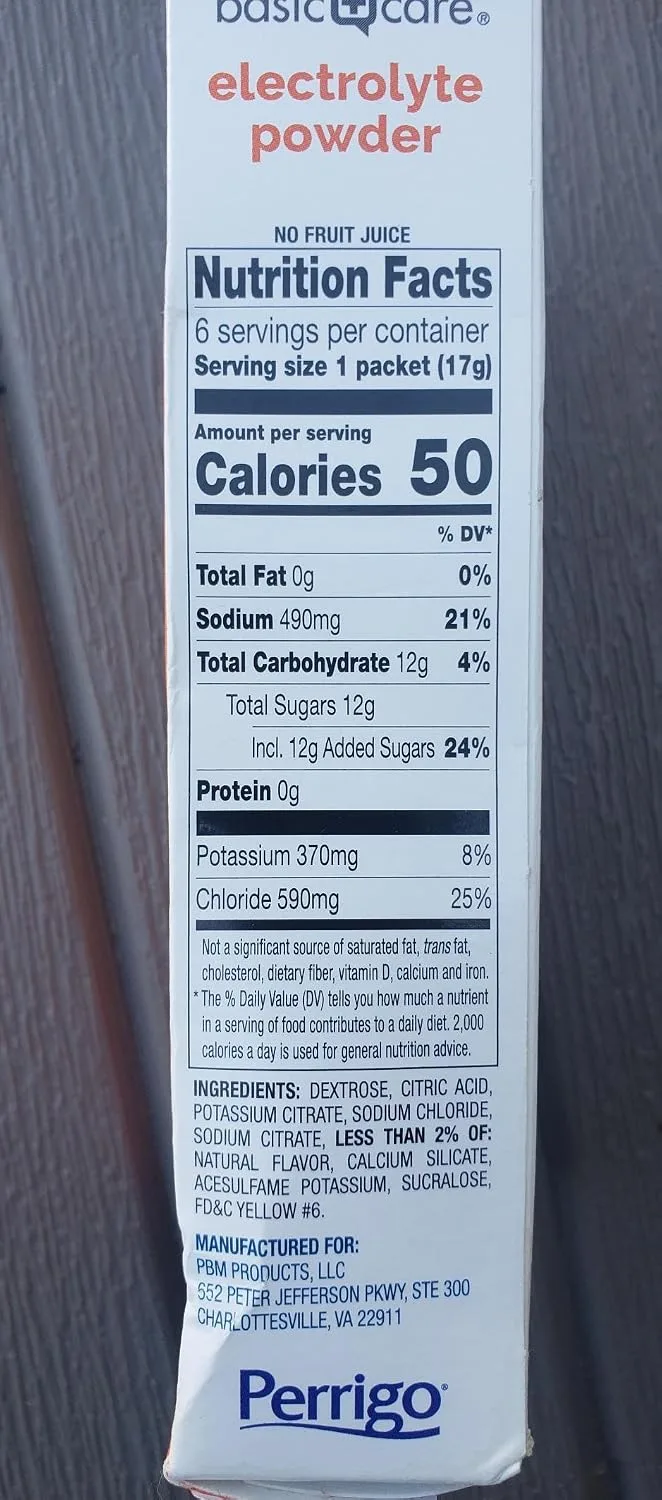
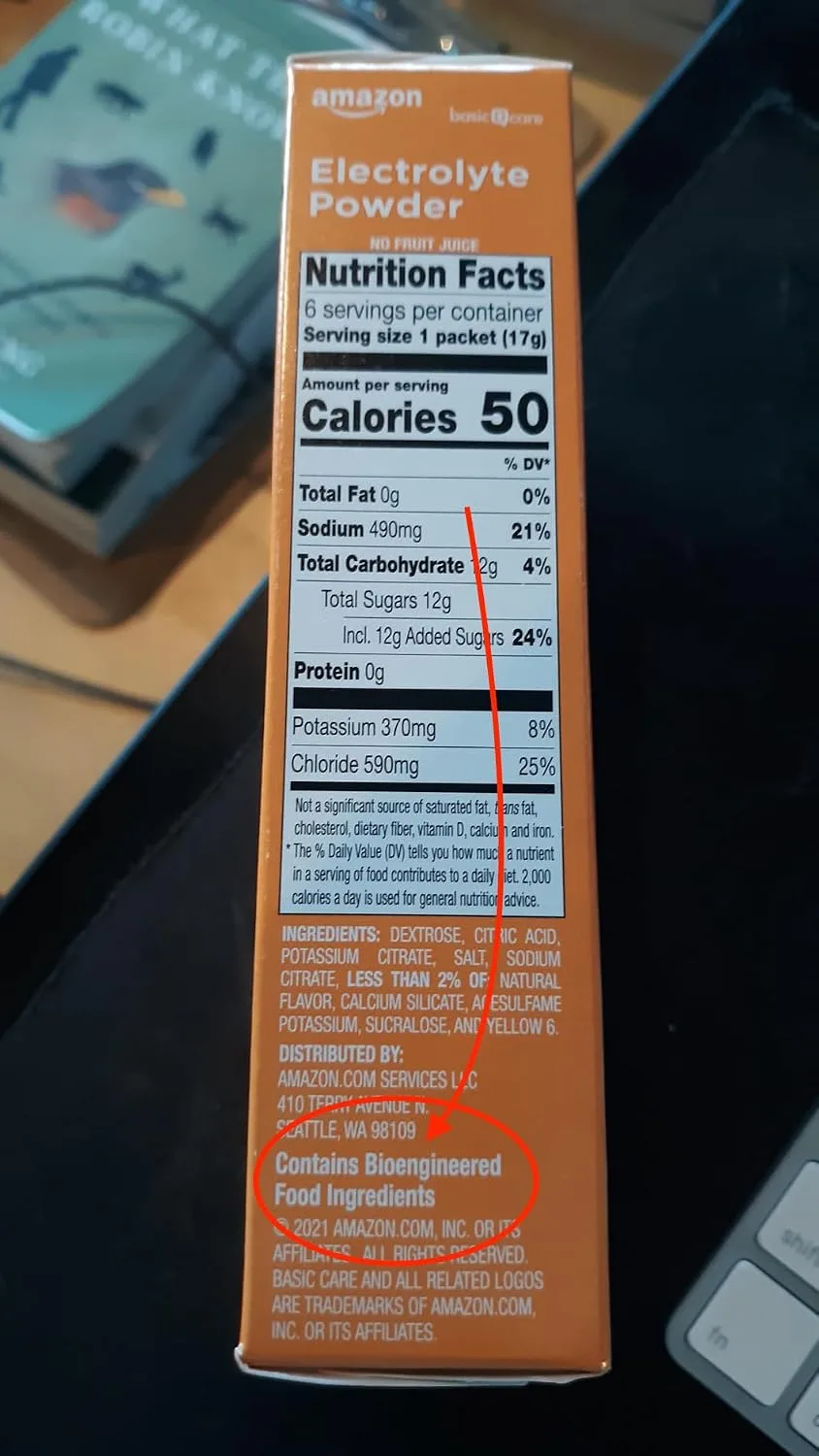
Rehydration is an aspect of management that is frequently overlooked. Chronic diarrhoea depletes electrolytes — particularly sodium, potassium, and magnesium — and this can cause fatigue, muscle cramps, and brain fog alongside the digestive symptoms. I recommend people keep electrolyte sachets to hand during flare-ups. The Amazon Basic Care Electrolyte Powder Packets in Grape Flavour and the Orange Flavour version are both affordable, practical options for everyday use. For a clinically studied formulation, the NormaLyte Pure Electrolyte Powder Packets are worth considering for those with more significant or prolonged symptoms.
Rebuilding Bacterial Balance After Trigger Foods Have Damaged Microbiota
After you’ve spotted and removed the problematic food, your microbial ecosystem typically requires a recovery window. A targeted probiotic supported by clinical data can facilitate rebuilding a more stable microbial landscape — particularly valuable when dysbiosis has been fuelling persistent loose stools.
What tends to work
- Lactobacillus rhamnosus GG (found in products like Culturelle) possesses the most robust clinical evidence for shortening diarrhoea episodes and strengthening intestinal barrier integrity — this isn’t promotional language, it’s what the research substantiates.
- In my experience, people typically notice improvements in stool firmness across 2–4 weeks when dysbiosis is the primary factor, though the speed of recovery depends on the extent of microbiome damage that’s occurred.
- Mono-strain products such as this one frequently outperform broad-spectrum blends when addressing diarrhoea-type presentations — you’re delivering an effective dose of the particular strain shown to help, rather than spreading the dose across many different organisms.
What frequently doesn’t
- When the problematic food remains part of the routine, probiotics cannot solve the underlying problem — it’s comparable to trying to repair a leak while the water source is still running. You must first eliminate the nutritional culprit.
- Certain presentations of severe dysbiosis, or situations where someone is taking specific medications, may call for a different strain choice or modified dosing schedule — this is precisely where professional guidance becomes essential, not self-directed trial and error.
This probiotic is a tool for supporting recovery, not a magic fix — if chronic diarrhoea persists despite removing nutritional triggers, you need a GP assessment to rule out underlying conditions like coeliac disease or IBD. Try Culturelle Daily Probiotic Capsules once you’ve identified and eliminated your trigger food.
About This Article

Written by Alex Mercer. Alex Mercer has lived with IBS since childhood and isn't a nutritionist or a doctor. After years of being told he was anxious or would grow out of it, he spent more than 12 years reading the research properly, and now shares what he has learned with the family, friends and support-group members who come to him with the same questions. He translates peer-reviewed research into practical, honest advice, and is always upfront about what the evidence does and does not show. More about this site.
Scope and limits. Alex is not a doctor, dietitian, or nutritionist, and nothing here is medical advice. Talk to a clinician before changing your diet, starting a supplement, or acting on symptoms — especially persistent or worsening ones.
Verify this against a primary source
Specifics change, and your situation may differ from the one described here. These are the authorities worth checking directly:
- NIDDK — digestive disease research and clinical guidance
- MedlinePlus — plain-language medical reference from the NIH
- Mayo Clinic — symptom and condition reference