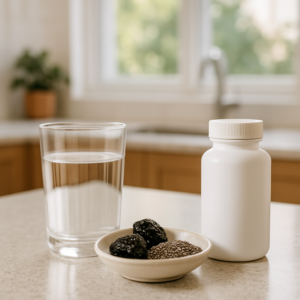
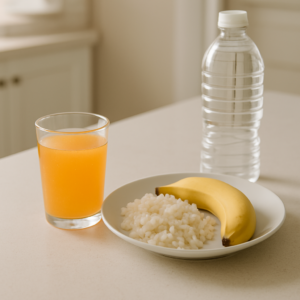
When GLP-1 receptor agonists first entered mainstream conversation, the digestive side effects were framed as collateral damage: nausea, constipation, bloating. But here’s what I tell my clients who are taking these medications — and what I wish more prescribers emphasized — the slowing of gastric emptying isn’t a side effect at all. It’s the mechanism. It’s how GLP-1s work. Every patient taking semaglutide, tirzepatide, or any other GLP-1 experiences some degree of delayed stomach emptying. The real question isn’t whether your digestion will slow; it’s whether that slowdown will remain manageable, or whether it will cross into something that resembles true gastroparesis.
In my practice, I’ve worked with dozens of clients navigating GLP-1 medications, and I’ve learned that understanding the line between expected digestive slowdown and problematic delayed emptying is crucial. The warning signs are specific. The solutions exist. And knowing the difference can prevent weeks of unnecessary suffering and confusion.

How GLP-1s Slow Gastric Emptying — and Why
GLP-1 receptor agonists mimic glucagon-like peptide-1, a hormone your body naturally produces in the intestines. One of GLP-1’s primary jobs is to tell your stomach: “Slow down. Don’t empty as fast.” This signal reduces appetite, stabilizes blood sugar, and helps with satiety — which is why these medications are so effective for their intended purposes.
The catch is that your stomach doesn’t receive a nuanced message. It doesn’t know the difference between “slow down a healthy amount” and “slow down a lot.” Everyone on a GLP-1 experiences some delay in gastric emptying. In clinical trials, studies have shown that gastric emptying can slow by 20 to 30 percent in patients taking these drugs. For most people, this manifests as mild to moderate fullness, early satiety, and occasional nausea — especially in the first few weeks, or when eating larger meals.
This is not gastroparesis. This is the intended pharmacological effect. And for most patients, the body adapts over time.
The Line Between Expected Slowdown and GLP-1 Gastroparesis
True gastroparesis — delayed gastric emptying severe enough to cause symptoms and functional impairment — is rare in GLP-1 users. The FDA has not classified gastroparesis as a common side effect. However, case reports and observational data suggest that a small percentage of patients experience exaggerated delays that do meet gastroparesis criteria.
So where’s the line? When a client presents with concerning symptoms, I listen for these specific markers:
- Persistent nausea lasting several hours after eating, not just during the first few meals on the medication
- Vomiting, especially vomiting of undigested food hours after eating
- Bloating and abdominal discomfort that doesn’t resolve with smaller portions
- Weight loss beyond the expected loss from reduced intake
- Difficulty tolerating any solid foods, even soft or well-cooked options
- Symptoms that persist or worsen after the first 4–6 weeks of treatment
The timing matters. Mild nausea in the first two weeks? Expected. Persistent vomiting after two months? That’s a flag worth discussing with your prescriber.
Why Some People Are More Vulnerable
Not every patient on a GLP-1 has the same risk. In my practice, I’ve noticed certain factors that seem to increase the likelihood of more severe gastric slowdown:
- Dose and escalation speed. Starting at a high dose or escalating too quickly can overwhelm the stomach’s adaptive capacity. A slower titration — starting low, going slow — gives your gut time to adjust.
- Pre-existing digestive sensitivity. If you have a history of IBS, functional dyspepsia, or slow digestion, your stomach may be more susceptible to GLP-1’s effects.
- Concurrent medications. Certain drugs that also affect gastric motility — like some diabetes medications or anticholinergics — can compound the slowdown.
- Eating patterns. Patients who continue eating large, fatty, or fibrous meals while on GLP-1s experience more severe symptoms because their slower stomach can’t process these foods efficiently.
What to Do If You Suspect GLP-1-Related Gastroparesis
First: contact your prescriber immediately. Don’t adjust the dose or stop the medication on your own. Your doctor needs to know what you’re experiencing and can help you determine whether this is expected adaptation or something that warrants investigation.
In the meantime, nutritional strategies can help manage severe gastric slowdown:
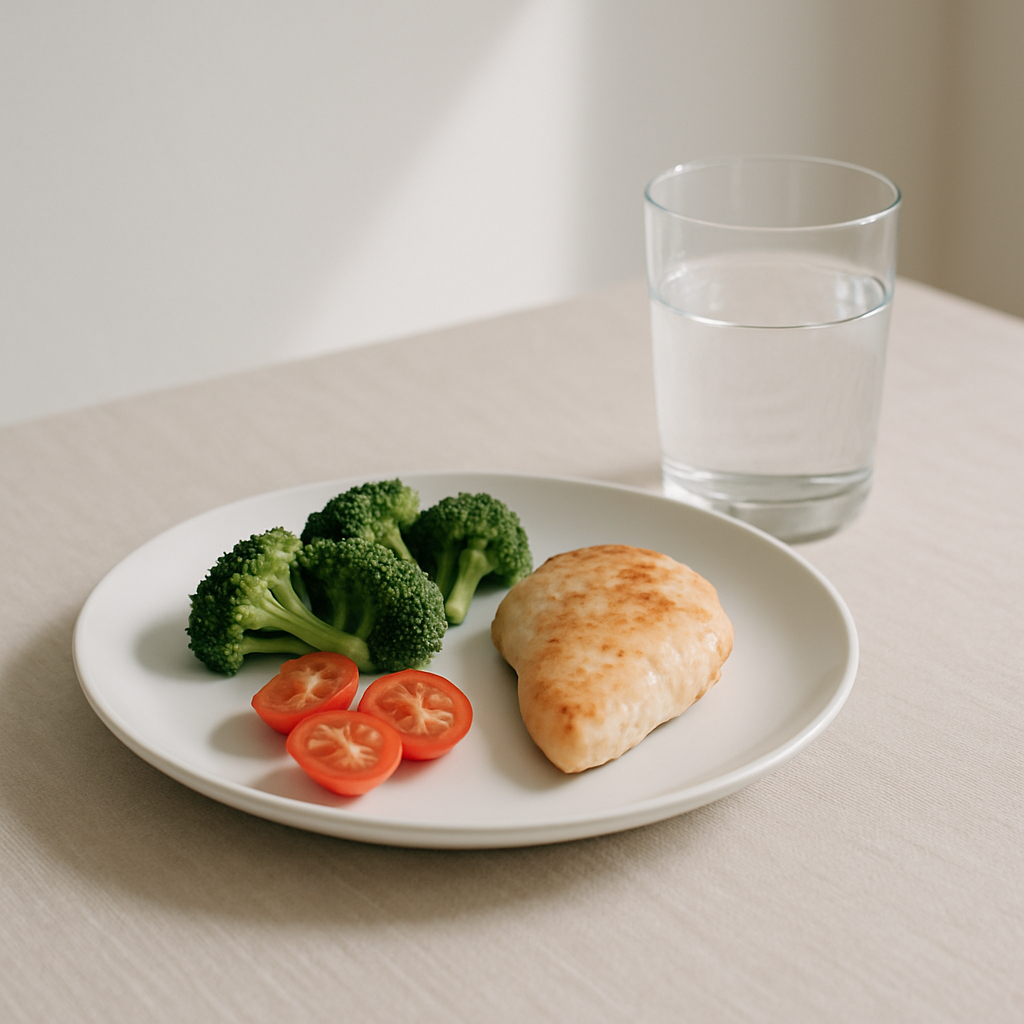
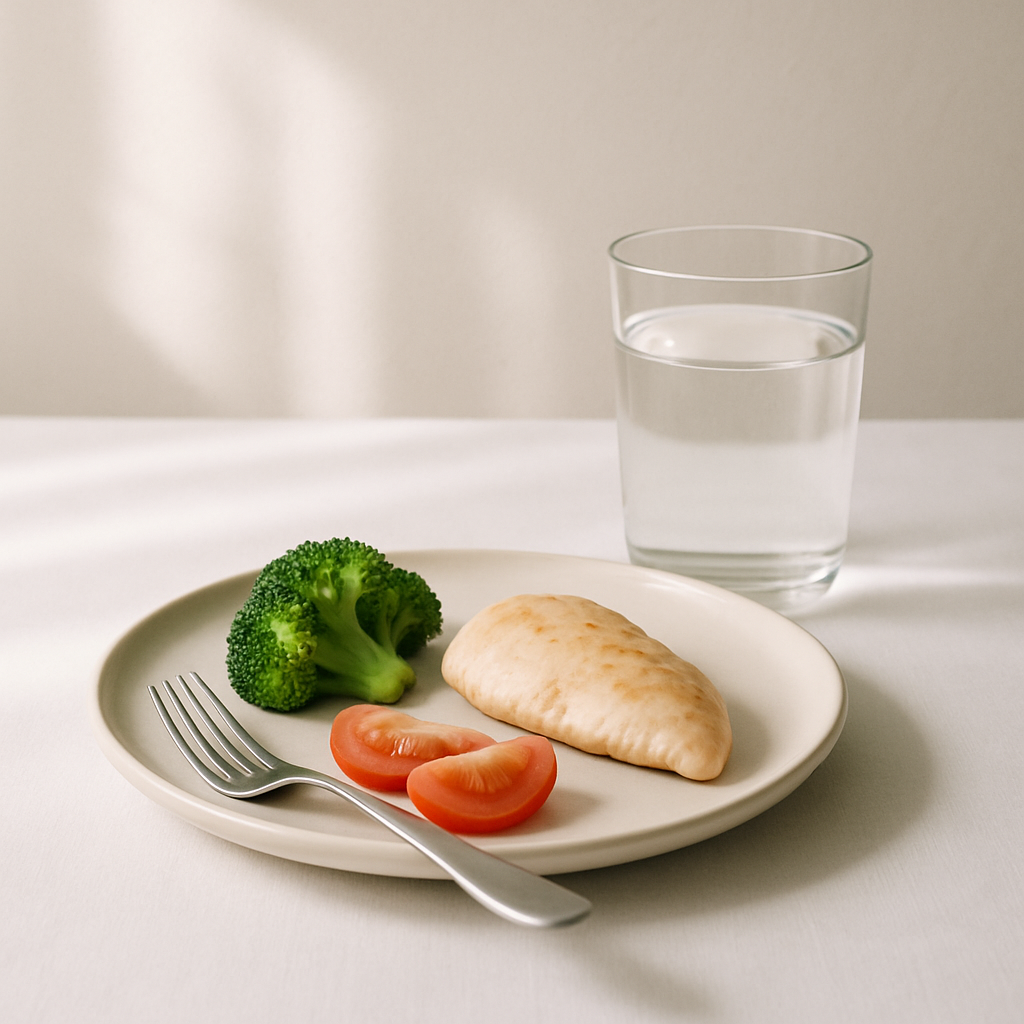
- Eat smaller, more frequent meals. Instead of three meals, aim for five to six smaller portions throughout the day. This reduces the volume your stomach must process at once.
- Choose gentle, nutrient-dense foods. Well-cooked vegetables, lean proteins, bone broth, smoothies, and soups are easier to digest than raw, fibrous, or fatty foods. I often recommend my clients prepare foods that are already “predigested” by cooking.
- Eat slowly and chew thoroughly. This isn’t just an old wives’ tale — mechanical breakdown in the mouth reduces the work your stomach has to do.
- Stay hydrated between meals. Large volumes of liquid with food can worsen fullness and nausea. Drink water and herbal tea 30 minutes before or after eating.
- Limit fat and fiber temporarily. Both slow gastric emptying further. During a period of severe symptoms, reduce these temporarily — and do so under your doctor’s or a qualified nutritionist’s guidance.
If symptoms persist despite dietary adjustments, your doctor may recommend a gastric emptying study to confirm delayed emptying, or they may adjust your GLP-1 dose, switch medications, or temporarily pause treatment while your stomach recovers.

The Bottom Line: Know Your Body, Communicate With Your Team
GLP-1 medications are powerful tools. They’ve helped countless patients improve their metabolic health, and that benefit is real. But they work by altering your digestive physiology, and that alteration deserves respect and attention.
Most people taking GLP-1s experience mild, manageable digestive slowdown that either improves with time or can be managed with simple dietary tweaks. The small percentage who develop GLP-1 gastroparesis — with persistent vomiting, severe nausea, or inability to maintain nutrition — need prompt medical attention. The key is knowing the difference.
If you’re currently on a GLP-1 and experiencing concerning digestive symptoms, or if you’re considering starting one and want to understand your personal risk: schedule a conversation with your prescribing doctor or pharmacist before making any changes. If you’d like support in adapting your diet to work with (not against) your medication, I’m here to help. Your digestive health is too important to navigate alone.
This post is for informational purposes only and is not medical advice. GLP-1 medications require a prescription — always talk to your prescribing doctor or pharmacist before starting, stopping, or changing how you manage side effects.