When I talk to clients about GLP-1 medications like Ozempic, semaglutide, or tirzepatide, the conversation almost always circles back to nausea. It’s the side effect everyone mentions first. But in my practice, I’ve noticed something that deserves far more attention: ozempic diarrhea is genuinely common, especially during dose escalation phases. Many clients are genuinely surprised when I explain that the same medication can trigger constipation one week and diarrhea the next. Once we understand what’s actually happening inside the gut — how these drugs affect motility and bile acid handling — that apparent contradiction starts to make complete sense.
If you’re experiencing diarrhea while taking a GLP-1 medication, you’re not imagining it, and you’re definitely not alone. Let’s talk about why it happens, what to expect, and how to manage it nutritionally.
Why GLP-1 Medications Cause Ozempic Diarrhea
GLP-1 (glucagon-like peptide-1) receptor agonists work by slowing gastric emptying — the rate at which food moves from your stomach into your small intestine. This slowdown is intentional and helpful for appetite control. But it also changes how your entire digestive tract coordinates its movements, a process called motility.
Here’s where diarrhea enters the picture: when stomach emptying slows, food reaches your colon at different times and in different compositions than usual. More importantly, GLP-1 drugs affect the secretion and reabsorption of bile acids in your intestines. Bile acids are crucial for fat digestion, but when they aren’t reabsorbed properly in the terminal ileum, they reach your colon in higher concentrations. Once there, they act as osmotic agents — essentially drawing water into the intestinal lumen — which increases stool frequency and loosens consistency.
Research published in gastroenterology journals has documented that GLP-1 agonists increase colonic fluid secretion through this exact mechanism. It’s not a sign that something’s wrong with you; it’s a direct pharmacological effect of how the medication interacts with your gut biology.
How Long Does Ozempic Diarrhea Last?
The timeline for GLP-1-related diarrhea varies significantly between individuals, but there are some patterns I see consistently in my practice.
Most clients experience diarrhea in the first few weeks after starting the medication, or — more commonly — during dose escalation weeks. The onset is usually acute and directly coincides with the injection. For some people, it resolves within 3–7 days as the gut adapts to the new medication presence. For others, it persists for several weeks.
What I find particularly helpful to explain to clients is that diarrhea doesn’t necessarily mean the dose is wrong or that you should stop the medication. It often reflects an adjustment period. That said, some people do experience diarrhea that continues throughout their treatment. Notably, one clinical trial found that roughly 20–30% of participants reported loose stools or diarrhea at some point, though only a small percentage reported it as severe enough to discontinue the drug.
The diarrhea can also fluctuate — you might have several days of normal stools, then experience looseness again. That unpredictability is partly why planning ahead nutritionally is so valuable.
How to Manage Ozempic Diarrhea: A Nutritionist’s Approach
While I always recommend discussing ongoing diarrhea with your prescribing doctor — because duration and severity matter in deciding whether to adjust dosing timing or investigate other causes — there’s a lot you can do nutritionally to support your gut during this phase.
Focus on Hydration and Electrolytes
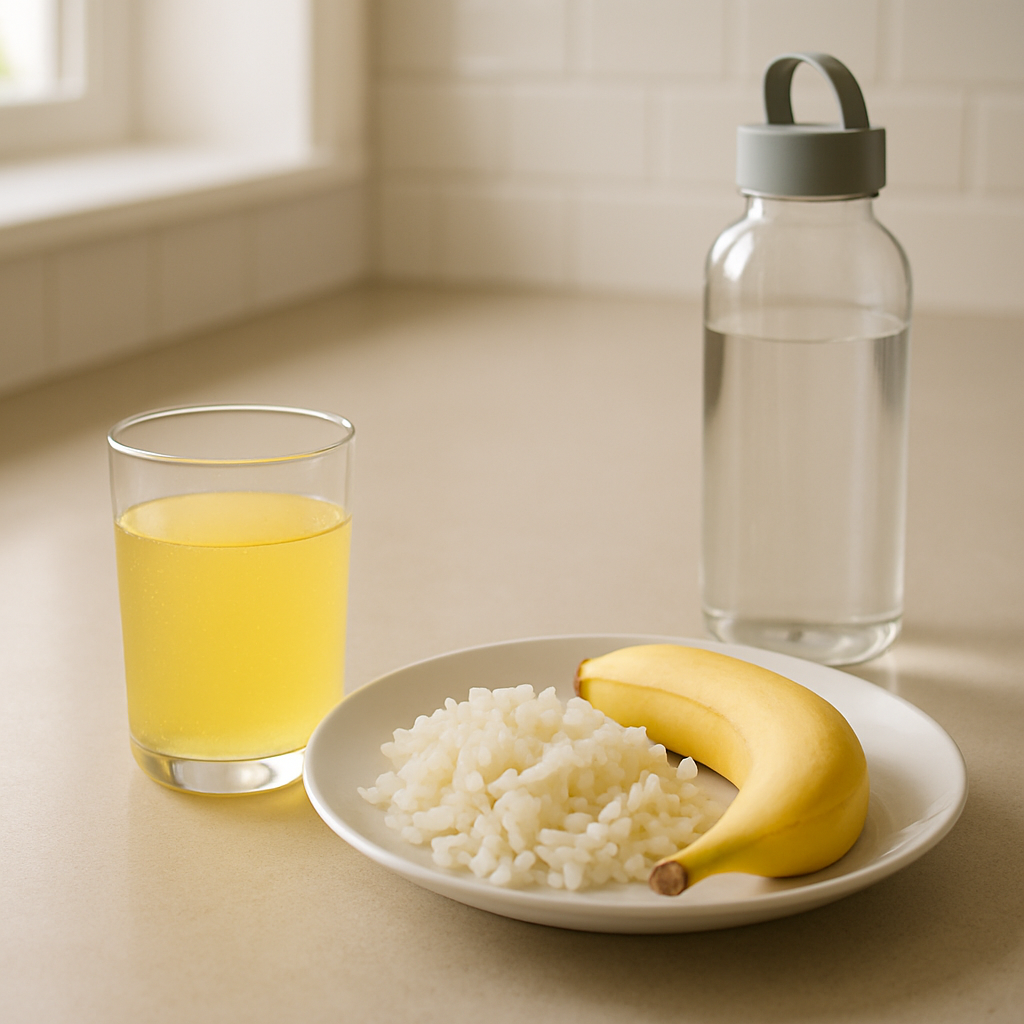
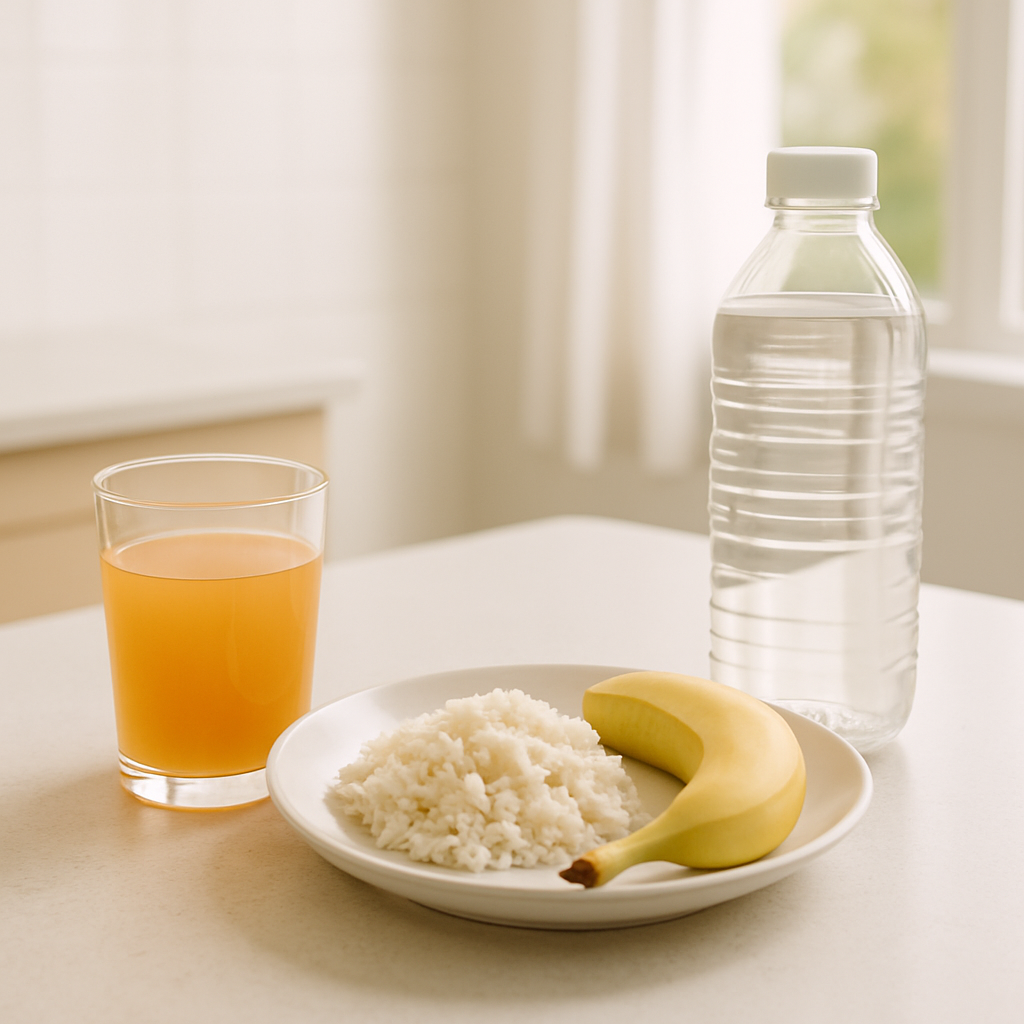
Diarrhea accelerates water and mineral loss. When clients come to me with ozempic diarrhea, my first recommendation is always to increase water intake — not dramatically, but consistently throughout the day. Pair this with electrolyte support through foods (bone broth, coconut water, leafy greens, eggs) or a simple electrolyte solution if diarrhea is frequent.
Many clients find that sodium intake actually helps with fluid retention during bouts of diarrhea. This is counterintuitive if you’ve been told sodium is always “bad,” but in this specific context, adequate sodium helps your intestines reabsorb water.
Choose Soluble Fiber Strategically
This might seem backward, but soluble fiber — the kind in oats, barley, psyllium, and cooked vegetables — can help firm stools without stopping transit altogether. The key is gradual introduction and timing. I typically suggest clients take soluble fiber sources a couple of hours after their GLP-1 injection, not immediately before.
Avoid insoluble fiber (raw bran, whole grains, raw vegetables) during active diarrhea episodes. It speeds transit and can worsen looseness.
Adapt Your Fat Intake Temporarily
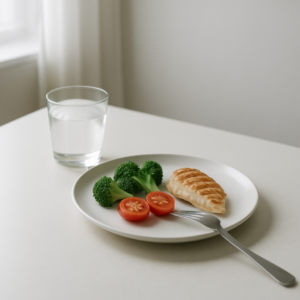
Because GLP-1 medications interfere with normal bile acid handling, high-fat meals can exacerbate diarrhea. When a client presents with persistent ozempic diarrhea, I usually recommend a temporary shift to smaller, lower-fat meals. This doesn’t mean eliminating fat — just being more intentional about portion sizes and choosing easier-to-digest fats (olive oil, avocado) over heavier ones (heavy creams, fried foods).
Consider Gut-Supportive Foods
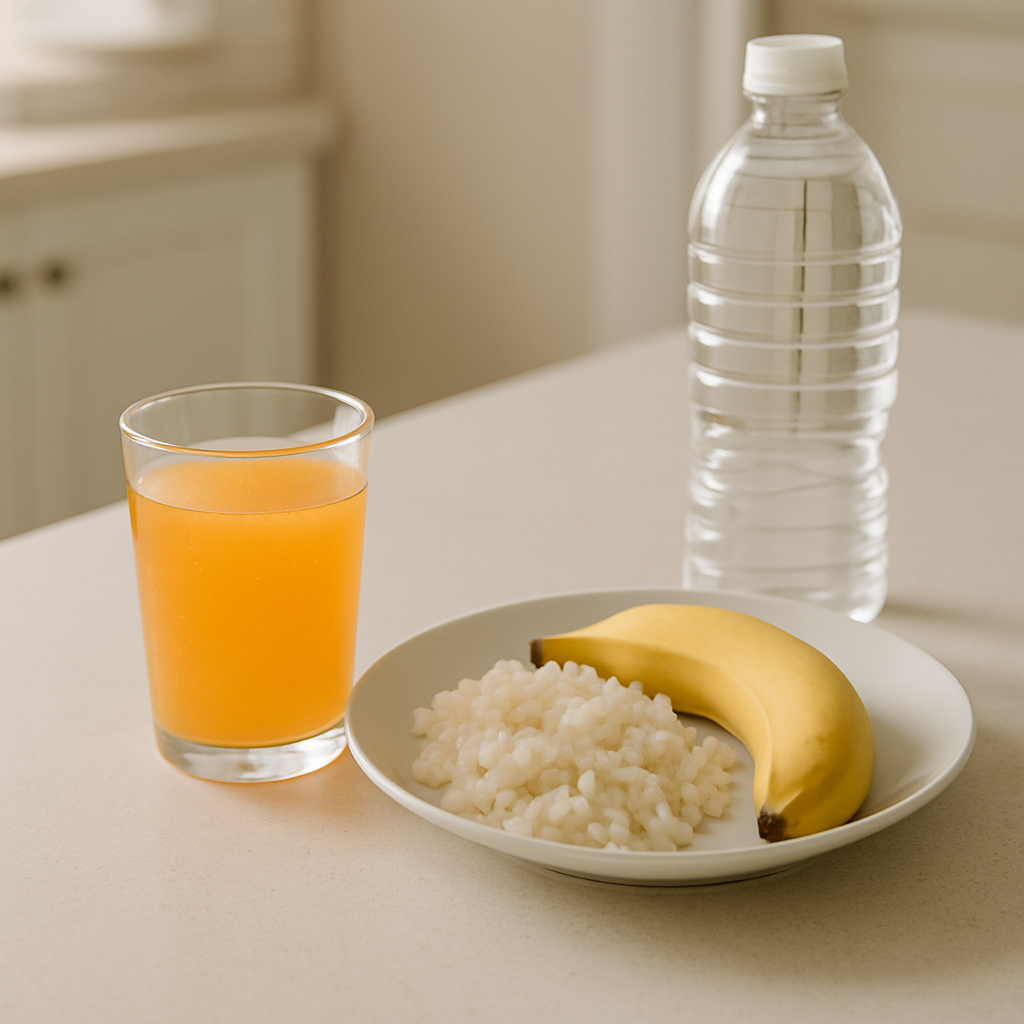
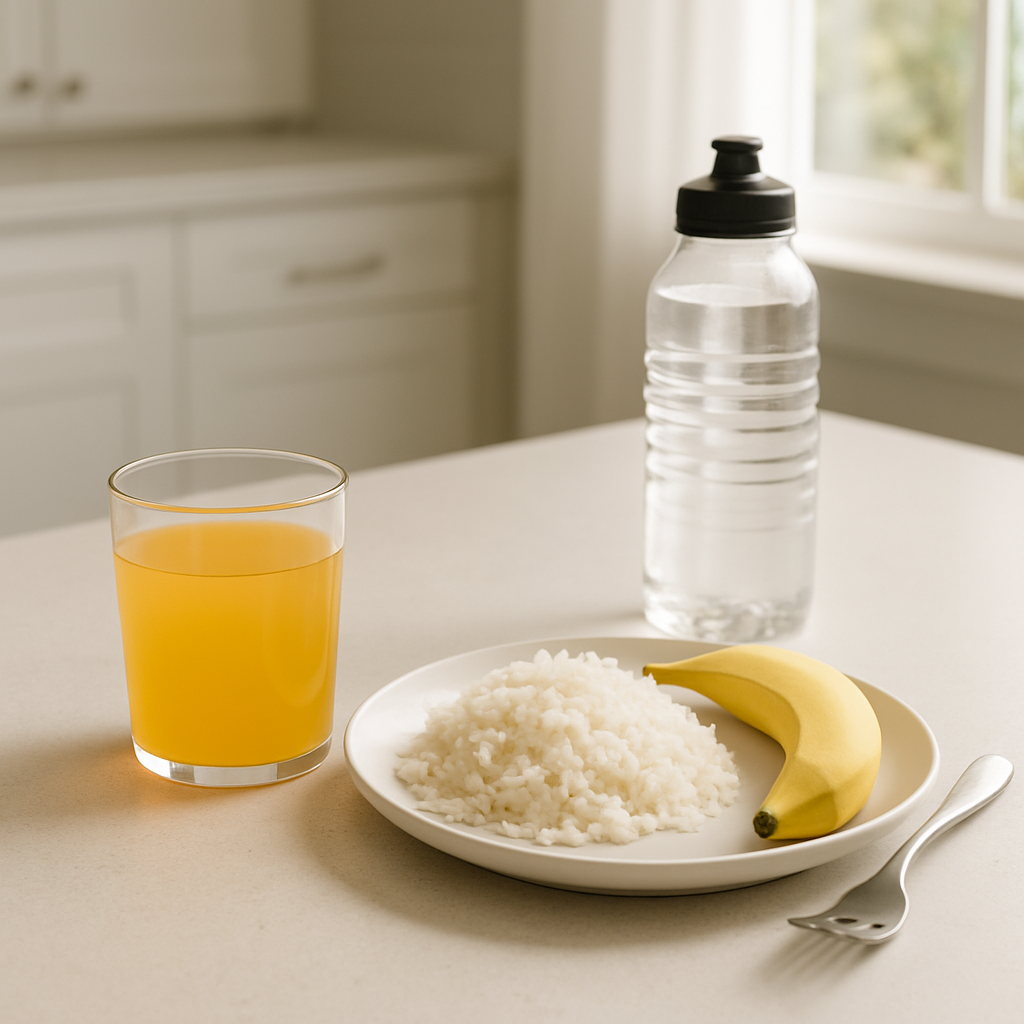
Bone broth, ginger, turmeric, and fermented foods like kefir or sauerkraut may help support intestinal healing and inflammation management. These aren’t magic fixes, but they’re gentle, evidence-informed additions to your diet during the adjustment period. Some clients also benefit from cooked, soft foods — think congee, risotto, soft-cooked vegetables — which are easier on a sensitized gut.
Timing Matters
Many clients report that diarrhea episodes cluster around their injection day or shortly after. If that’s your pattern, you can plan lighter meals or more cautious food choices for the 24–48 hours following your injection.
When to Contact Your Doctor
Nutritional strategies can genuinely ease ozempic diarrhea, but certain situations warrant medical attention. Contact your prescribing doctor if:
- Diarrhea persists beyond 2–3 weeks without improvement
- You’re experiencing signs of dehydration (extreme thirst, dark urine, dizziness)
- Diarrhea is accompanied by severe abdominal pain or blood in stool
- You’re losing weight unintentionally beyond what you’d expect from the medication’s appetite-suppressing effect
- You’re unable to meet your nutritional needs due to digestive symptoms
Your doctor may adjust your injection timing, recommend an over-the-counter antidiarrheal agent, or in some cases, modify your dosing schedule. These are legitimate medical decisions that should be made with your healthcare provider, not managed through diet alone.
The Takeaway on Ozempic Diarrhea
Ozempic diarrhea is real, it’s common, and it’s manageable. Understanding that it stems from changes in gut motility and bile acid handling — not from something you’re eating wrong — can actually be reassuring. Most clients find that a combination of hydration, strategic fiber, temporary fat adjustment, and patience carries them through the adjustment phase.
That said, I always emphasize to clients that GLP-1 medication management isn’t something to navigate alone through trial and error. Your prescribing doctor or pharmacist needs to be part of the conversation about side effects, especially if diarrhea is affecting your quality of life or nutritional status. A registered dietitian with experience in GLP-1 management can also be invaluable for personalizing your approach.
If you’re currently dealing with ozempic diarrhea, reach out to your prescriber and consider working with a qualified nutritionist to build a dietary strategy tailored to your specific situation. You don’t have to white-knuckle your way through this adjustment — thoughtful nutrition can make a real difference.
Have you experienced diarrhea on a GLP-1 medication? Before making any dietary changes or adding supplements, check in with your doctor or pharmacist. They can confirm that diarrhea is a medication side effect and not something else requiring investigation, and help you decide on the best management approach for your individual case.
This post is for informational purposes only and is not medical advice. GLP-1 medications require a prescription — always talk to your prescribing doctor or pharmacist before starting, stopping, or changing how you manage side effects.