Constipation is consistently one of the top reasons clients on GLP-1 medications reach out to me between appointments. When someone calls saying they haven’t had a proper bowel movement in five days, or that their digestion has completely stalled, I know exactly what’s happening at the physiological level — and more importantly, I know there’s a structured way to address it.
The irony of GLP-1 constipation is built into the mechanism that makes these medications effective for weight management. Slower gastric emptying and reduced intestinal motility are the whole point — they help you feel fuller longer and reduce hunger signals. But that same slowdown in gut movement is what backs up your colon and leaves you feeling blocked, bloated, and uncomfortable.
The good news? GLP-1 constipation responds very well to a structured nutritional and lifestyle approach. It just requires more intention than the standard advice of “eat more fiber,” because on a slowed gut, too much fiber too fast can actually make bloating and discomfort worse. Let me walk you through what I recommend in my practice.
Why GLP-1 Medications Cause Constipation
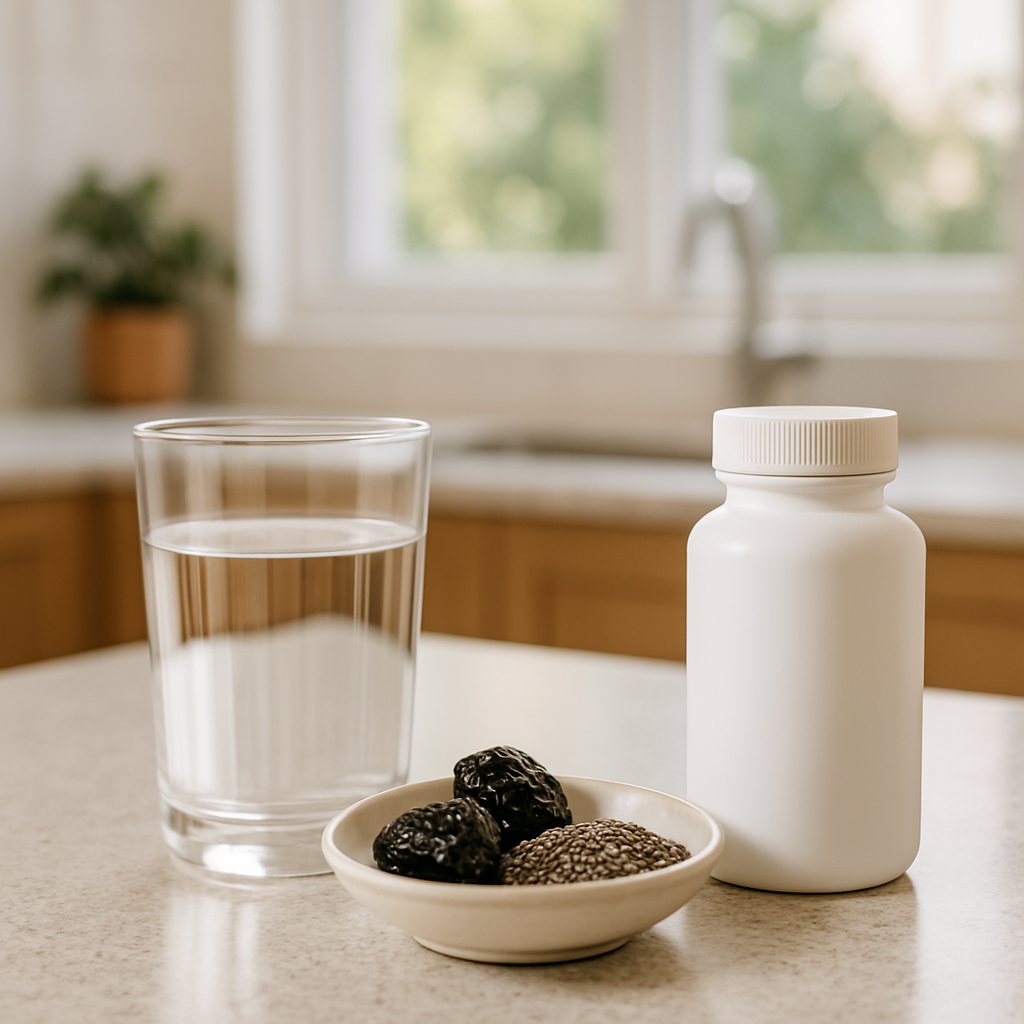
To address GLP-1 constipation effectively, it helps to understand the mechanism. GLP-1 receptor agonists (medications like semaglutide, tirzepatide, and others) slow gastric emptying — the rate at which food moves from your stomach into your small intestine. They also reduce overall intestinal motility, the coordinated muscle contractions that push food through your digestive tract.
This slowdown is therapeutic for appetite suppression, but it’s also a direct cause of constipation. When food and waste move through your colon more slowly, more water is reabsorbed, making stools harder and more difficult to pass. Research on GLP-1 medications reports constipation in roughly 20–30% of users, making it one of the most common gastrointestinal side effects alongside nausea.
What I tell my clients is this: your gut hasn’t stopped working — it’s just working at a different pace. The solution isn’t to force it back to normal speed, but to work within its new rhythm while gently supporting motility.
The Fiber Mistake: Why More Isn’t Always Better on GLP-1
Here’s where I see most people go wrong when they’re struggling with GLP-1 constipation. They read that fiber helps constipation, so they dramatically increase their intake — jumping from 15 grams to 40 grams daily, adding psyllium husk, switching to high-fiber cereals, loading up on raw vegetables.
On a normally-paced gut, that’s reasonable. On a GLP-1-slowed gut, it’s often counterproductive. When fiber reaches a sluggish colon faster than it can be processed, it ferments in place, creating bloating, gas, cramping, and sometimes paradoxical constipation — the very thing you’re trying to fix.
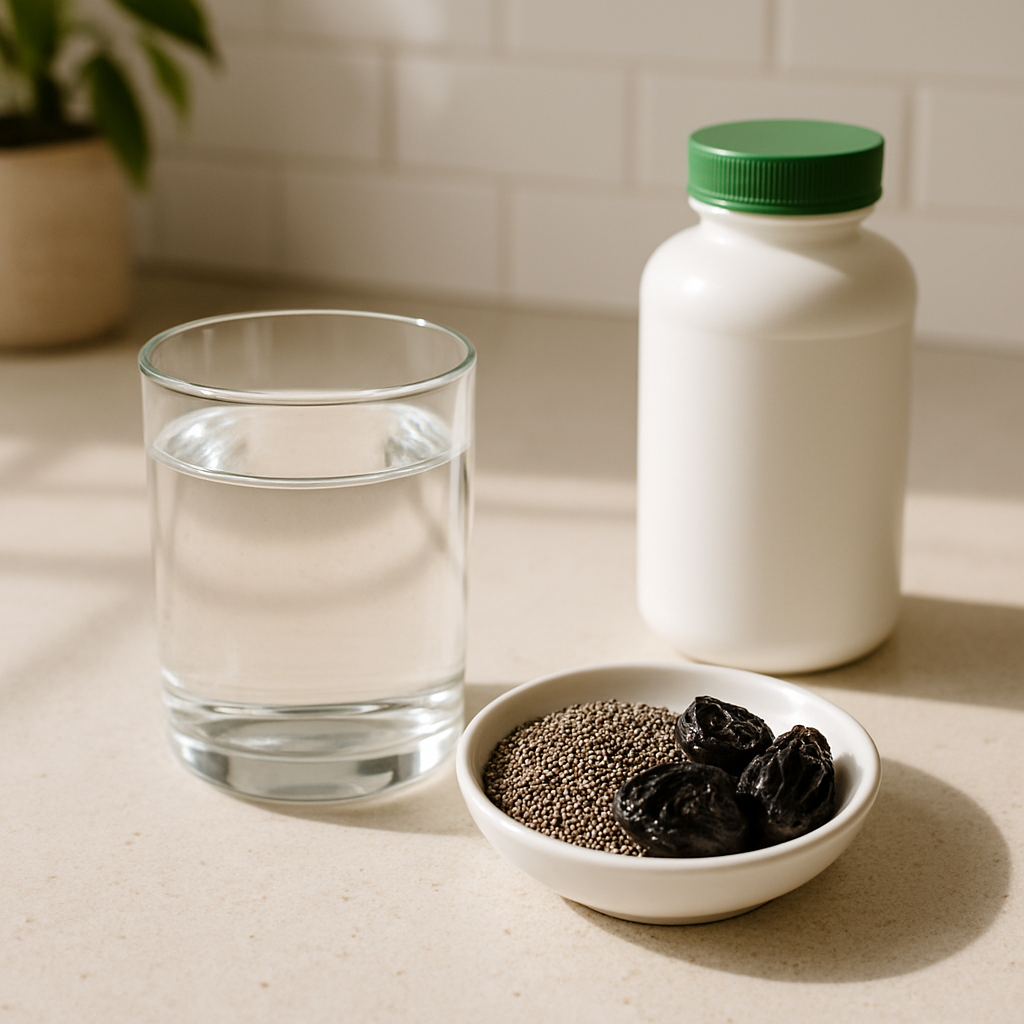
In my practice, I take a different approach with GLP-1 constipation: increase fiber gradually, prioritize soluble over insoluble initially, and pair it with adequate hydration and gentle motility support. Soluble fibers (oats, barley, legumes in small amounts, ground flaxseed) dissolve and form a gel-like substance that moves more easily through a slower gut. Insoluble fiber (wheat bran, raw vegetables, whole grains) is coarser and can bulk up stool, which can worsen constipation when motility is already reduced.
My Four-Pillar Approach to GLP-1 Constipation
When a client presents with GLP-1 constipation, I address it through four interconnected areas. None of these alone is a magic fix, but together they address the root problem — a slower-moving digestive system that needs support, not force.
1. Hydration and Electrolyte Balance
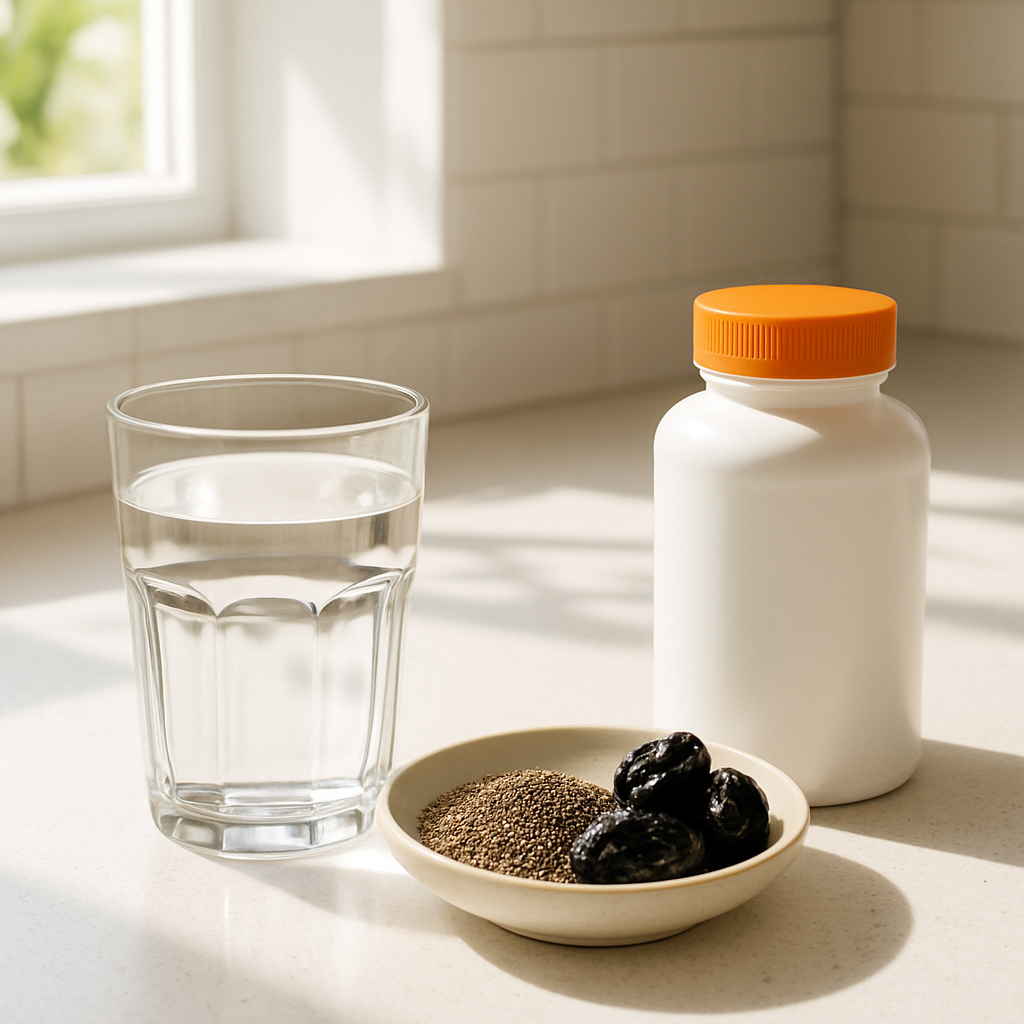
This is non-negotiable. Without adequate fluid, stools become hard and impacted, making constipation worse. I recommend my clients on GLP-1 medications aim for at least 2.5–3 liters of water daily, distributed throughout the day. More if you exercise or live in a dry climate.
I also watch for electrolyte balance. GLP-1 medications can sometimes reduce sodium intake (because you’re eating less), and proper electrolyte balance supports muscle contractions in the colon. Sipping bone broth, eating small amounts of naturally-salted foods, or discussing electrolyte supplementation with your doctor can help if hydration alone isn’t moving things.
2. Gradual, Deliberate Fiber Increase
Rather than jumping fiber intake suddenly, I recommend adding 2–3 grams per week, focusing on soluble sources first. This might look like:
- A quarter-cup of oats at breakfast
- A tablespoon of ground flaxseed or chia seed mixed into yogurt or smoothies
- Small servings of cooked lentils or split pea soup
- Stewed apple or pear (cooked fiber is easier on a slowed gut)
As motility improves and constipation eases, you can gradually introduce more insoluble fiber — raw vegetables, whole grains, the rougher sources. The timeline varies by person; some of my clients see improvement within two weeks, others need 4–6 weeks of consistent approach.
3. Movement and Physical Activity
Gentle movement directly stimulates intestinal contractions. This doesn’t mean intense exercise — in fact, if you’re feeling bloated and constipated, a 30-minute walk is often better than high-intensity training. I also recommend abdominal massage in a clockwise direction (following the path of your colon) for 2–3 minutes daily, or gentle yoga poses that create mild abdominal compression.
In my experience, clients who commit to daily walking see measurable improvement in GLP-1 constipation within 7–10 days.
4. Meal Timing and Composition
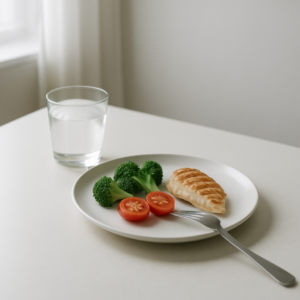
Eating smaller, more frequent meals (rather than three large ones) can help a slower gut process food more effectively. I also emphasize balanced meals with protein, healthy fat, and those soluble fibers we discussed — the combination helps stool formation without overwhelming a slowed system.
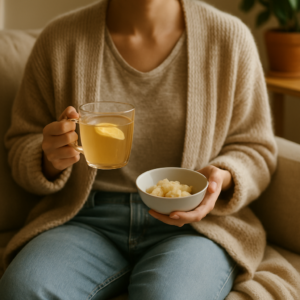
Avoid high-fat, processed foods when constipated; they slow motility further. Warm beverages, especially herbal teas like ginger or peppermint, can gently stimulate digestive movement.
When to Consider Additional Support
If you’ve implemented these four pillars for 2–3 weeks with minimal improvement, it’s worth discussing gentle options with your prescribing doctor. Osmotic laxatives (like polyethylene glycol) work differently than stimulant laxatives and are often appropriate for GLP-1 constipation, as they increase water in the stool without forcing peristalsis. Some clients benefit from these temporarily while their gut adjusts to the medication.
Stimulant laxatives (like senna or bisacodyl) can create dependency and may be less ideal as a long-term strategy, though they can provide relief if you’re severely backed up. Your doctor or pharmacist can advise on what’s appropriate for your individual situation.
The Bottom Line on GLP-1 Constipation
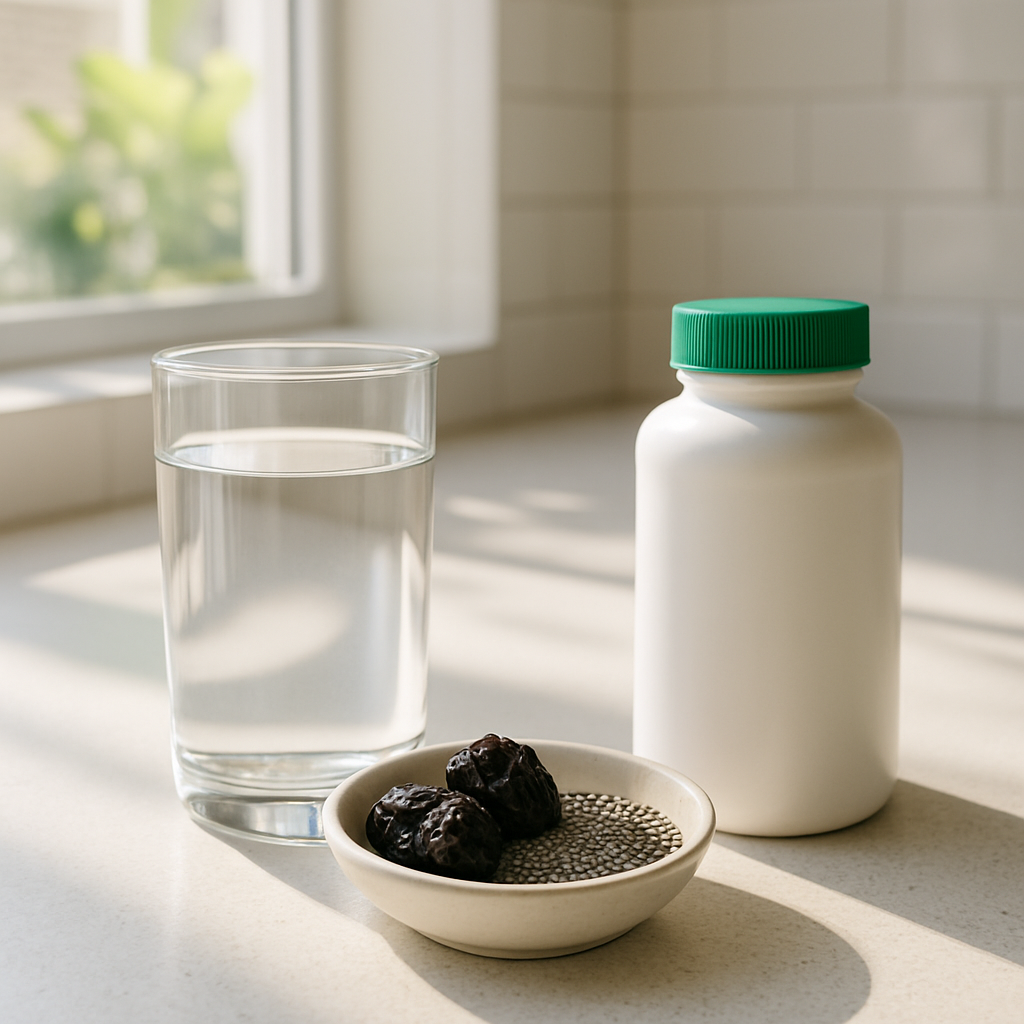
GLP-1 constipation is real, common, and very manageable — but it requires a more thoughtful approach than standard constipation advice. The key is working with your slowed digestive system, not against it. Gradual fiber increases, consistent hydration, daily movement, and balanced meals create the conditions for your colon to function well at its new pace.
I’ve seen clients go from feeling blocked and uncomfortable to having regular, healthy bowel movements within 3–4 weeks of implementing these strategies. The investment in intention pays off quickly.
My recommendation: Start with hydration and movement today, add soluble fiber gradually next week, and reassess in two weeks. If you’re not seeing improvement, or if constipation is severe, reach out to your prescribing doctor or pharmacist before making further changes. They can rule out other causes and discuss whether your GLP-1 dose or timing needs adjustment, or whether temporary pharmaceutical support is appropriate for you.
You don’t have to live with uncomfortable constipation while on GLP-1 medications. Let’s get your digestion moving again — intentionally and sustainably.
This post is for informational purposes only and is not medical advice. GLP-1 medications require a prescription — always talk to your prescribing doctor or pharmacist before starting, stopping, or changing how you manage side effects.