I am a qualified nutritionist, not a gastroenterologist. The experiences shared here are personal and clinical observations. Always consult your doctor before starting any new supplement or significantly changing your diet, especially if you take medication or manage a diagnosed condition.
The Low-GI Snack That Actually Keeps Blood Sugar Stable Until Dinner
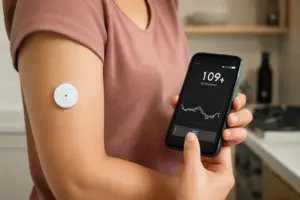
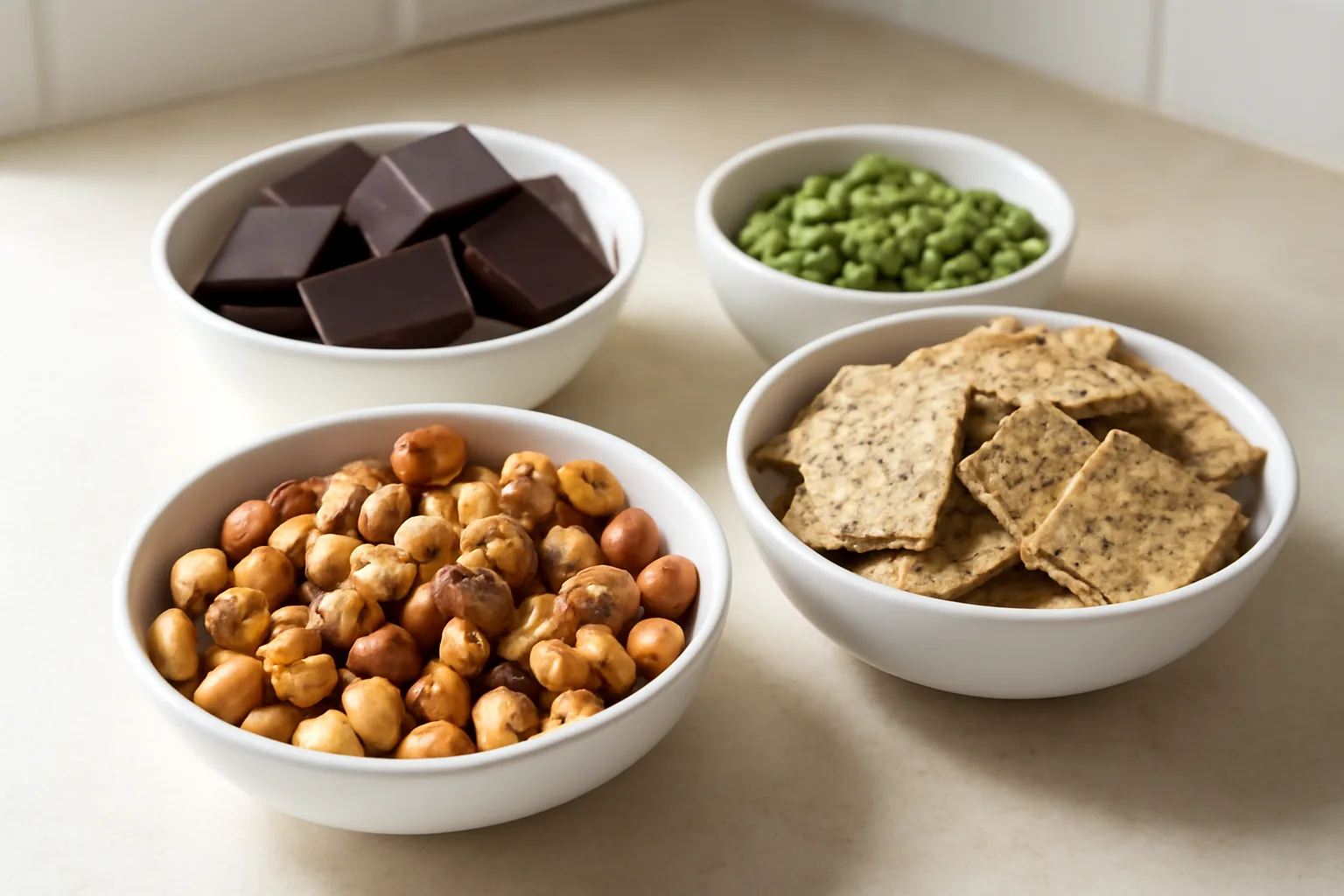
If you’ve been reaching for protein bars or nuts at 3pm only to crash an hour later, the problem might be that your snack lacks both sustained carbohydrate release and enough fibre to slow digestion. A properly formulated low-GI snack—one with soluble fibre and complex carbs—can genuinely extend satiety and prevent the blood sugar spike-and-dip cycle that leaves you exhausted by mid-afternoon.
I spent years recommending generic “healthy snacks” to clients without truly solving their energy crashes. The turning point came when I started paying closer attention to the glycemic index and load of snacks, rather than just their calorie or protein content. The glycemic index measures how quickly a food raises blood sugar, while glycemic load accounts for portion size. A snack might be high-protein but still trigger a rapid glucose spike if it’s paired with refined carbohydrates—and that spike is inevitably followed by a crash.
Understanding the Afternoon Energy Crash
Your body’s energy levels are directly tied to blood glucose stability. When you eat a high-GI snack—white bread, most commercial protein bars, dried fruit, or even some “healthy” granola—your pancreas releases insulin rapidly to manage the glucose surge. Within 45 minutes to an hour, your blood sugar drops below baseline, triggering fatigue, brain fog, and cravings for more sugar. This cycle repeats throughout the afternoon, leaving you exhausted by dinner time.
Low-GI snacks work differently. They release glucose slowly and steadily, which keeps insulin levels moderate and your blood sugar curve relatively flat. This steady state means no dramatic dips—just sustained energy through to your evening meal.
What Works
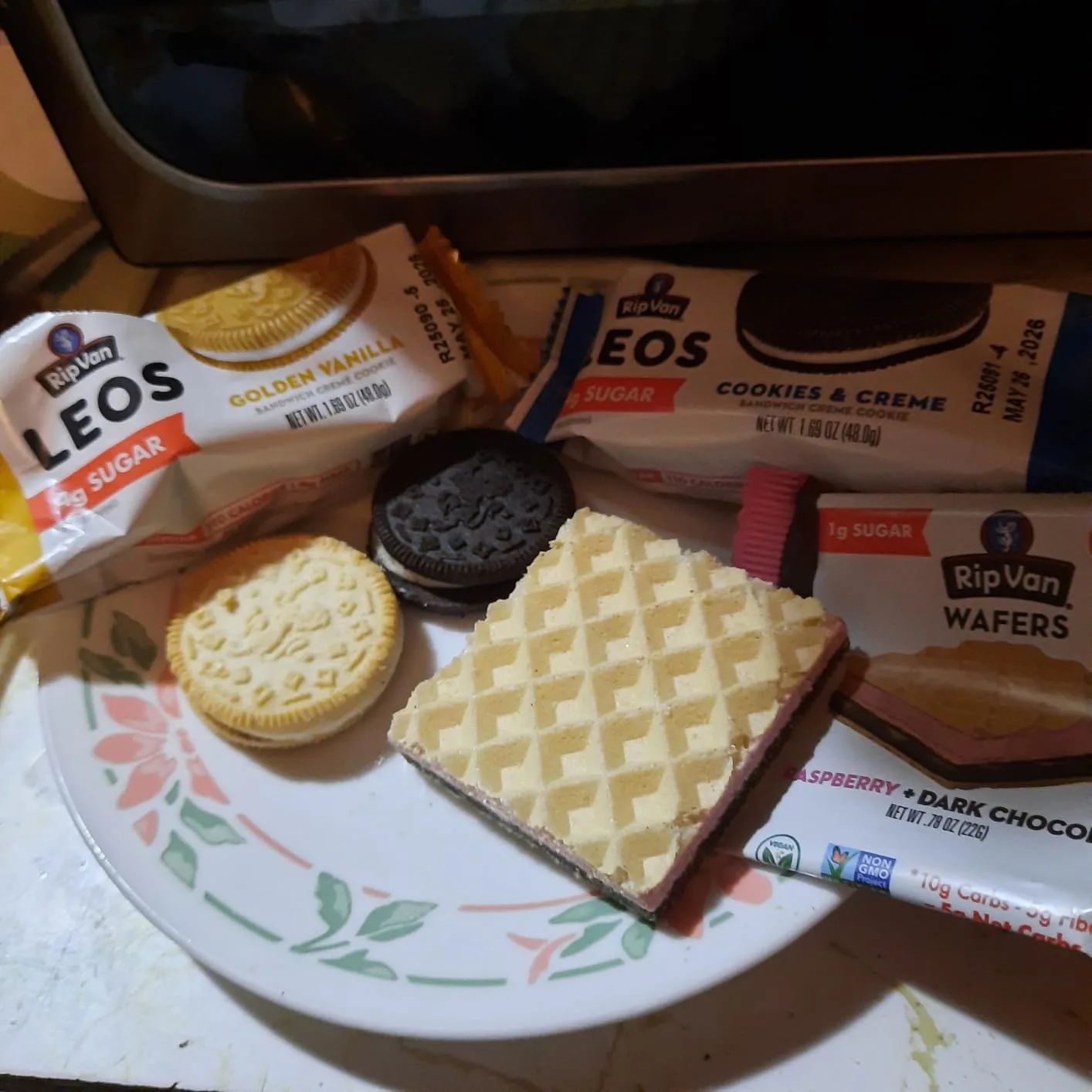
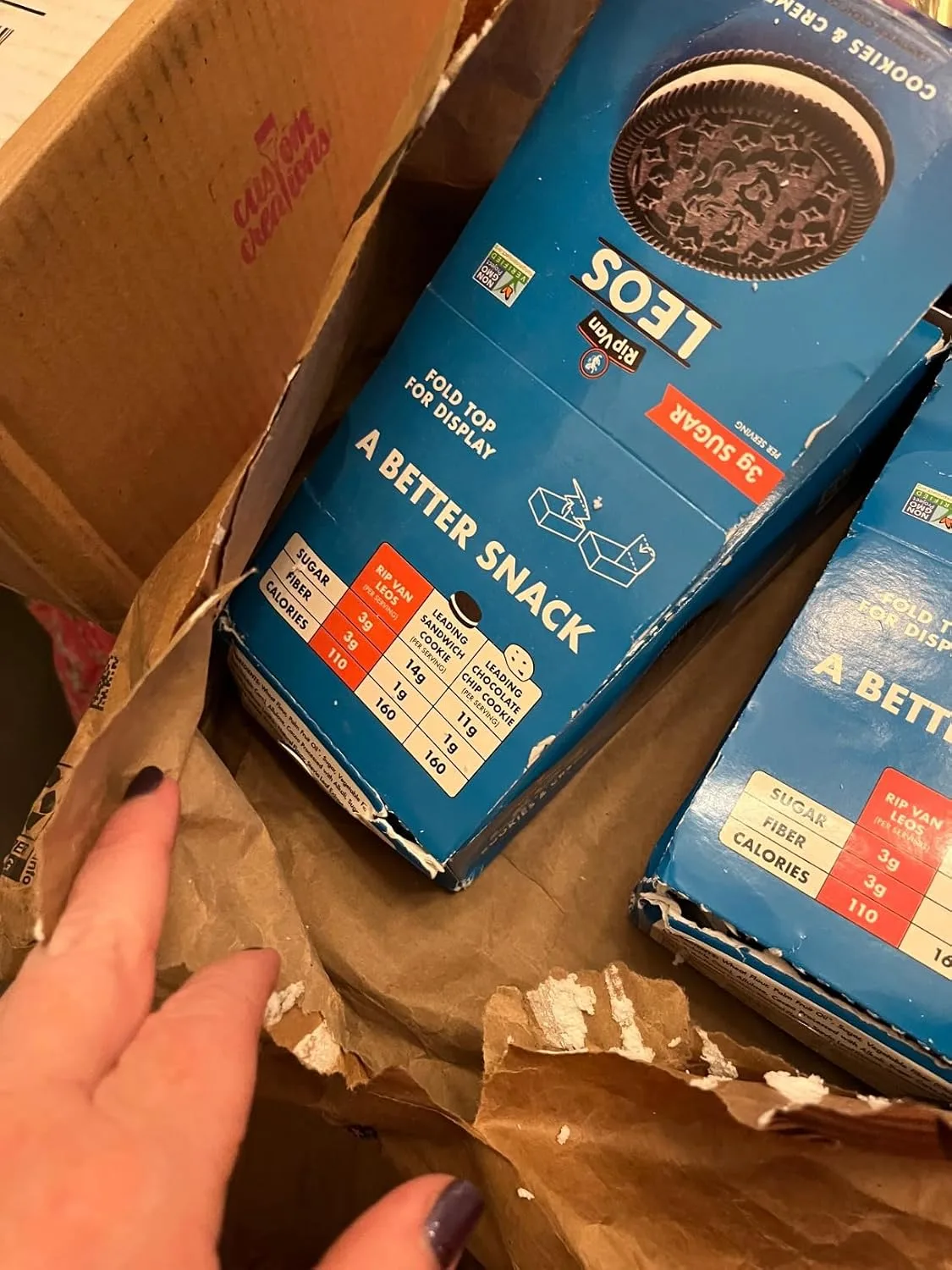
- The combination of oats and chicory root fibre in these cookies creates a slower glucose release, which most clients report keeps them satisfied for 2–3 hours rather than the sharp 45-minute dip typical of refined snacks.
- The fibre content supports stable insulin response, which means no energy cliff—just a gradual, natural decline toward dinner time.
- They’re portion-controlled and shelf-stable, which removes the friction of having to prepare or think about your snack choice when willpower is already low in the afternoon.
- Unlike whole nuts or homemade options, a pre-packaged low-GI snack eliminates decision fatigue and ensures consistency in carbohydrate and fibre intake.
What Doesn’t
- If your 3pm crash is driven by dehydration, skipped meals earlier in the day, or sleep debt rather than actual blood sugar instability, a low-GI snack alone won’t fix it—you’ll need to address the root cause first.
- Chicory root fibre can trigger bloating or loose stools in people with IBS or FODMAP sensitivity; if you fall into this group, introduce one cookie and observe before adding it to your daily routine.
- A snack is not a substitute for adequate breakfast and lunch. If you’re undereating earlier in the day, no afternoon snack will fully restore your energy reserves.
How to Build Your Low-GI Snacking Routine
Simply swapping your usual snack for a low-GI option is a start, but consistency matters. Eat your low-GI snack at the same time each day—typically mid-afternoon, around 3–4pm—to help regulate your circadian rhythm and prevent the crash before it happens. Pair it with a glass of water or herbal tea; sometimes what feels like a blood sugar crash is actually mild dehydration amplifying normal fatigue.
Track how you feel for at least one week. Do you notice a difference in your 4pm energy? Are you less ravenous at dinner? Are you sleeping better because you’re not riding blood sugar rollercoasters all day? These are the real markers of success.
Also consider the timing of your main meals. A balanced breakfast with protein and complex carbs, followed by a lunch rich in vegetables and healthy fats, sets the stage for a snack to work effectively. If your earlier meals are skipping protein or relying on simple carbs, even the best low-GI snack won’t fully stabilize your afternoon.
The Bigger Picture
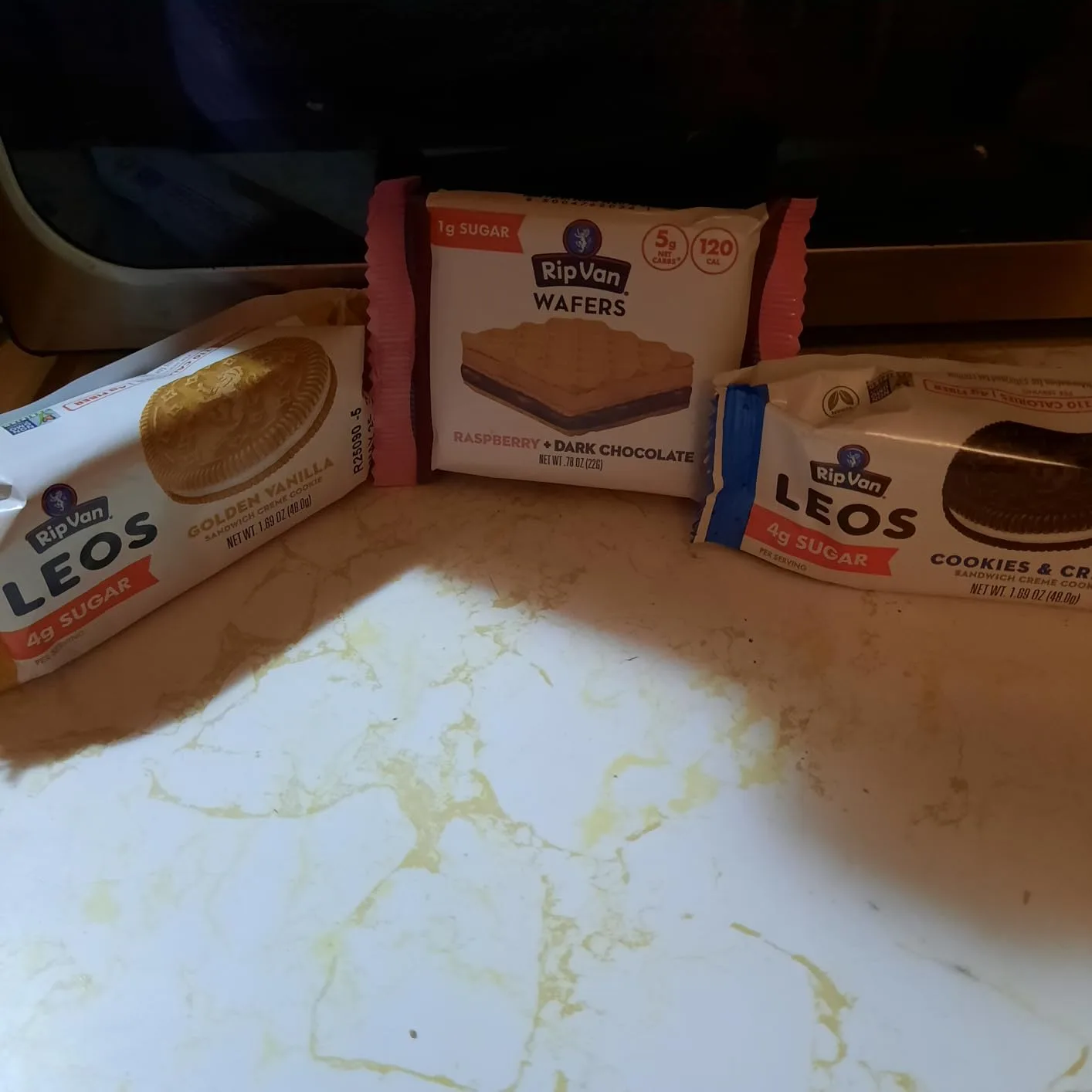
A snack is a band-aid, not a solution. If afternoon energy crashes persist despite eating regular, balanced meals and staying hydrated, consider discussing adrenal fatigue or thyroid function with your GP. For those whose crashes are genuinely blood-sugar-driven, try Rip Van LEOs – Golden Vanilla Sandwich Cookies.
This post contains affiliate links. As an Amazon Associate, I earn from qualifying purchases at no extra cost to you.