Health disclaimer: I am a qualified nutritionist, not a gastroenterologist. The experiences shared here are personal and clinical observations. Always consult your doctor before starting any new supplement or significantly changing your diet, especially if you take medication or have a diagnosed condition.
Finding a reliable gluten free flour blend coeliac baking solution that actually works — one that produces food you genuinely want to eat — is harder than most people realise. I have spent over 15 years working as a nutritionist specialising in gut health and digestive disorders. Coeliac disease is one of the conditions I see most frequently in my clinic. Time and again, clients arrive frustrated and disheartened, telling me they have resigned themselves to dense, gummy baked goods that taste more like a science experiment than a Victoria sponge. I deeply understood that frustration. After my own coeliac diagnosis four years ago, I went through exactly the same miserable baking journey myself.
The Flour Blend That Stops Coeliac Baking From Tasting Like Cardboard
Most gluten-free flour blends are built around starches and gums that produce a dense, slightly bitter crumb and a texture that feels off no matter how carefully you measure. King Arthur’s formulation is different because it’s designed to mimic the structure and flavour of wheat flour, not just avoid gluten—and that matters enormously when you’re baking something you actually want to eat, not just tolerate.
What works
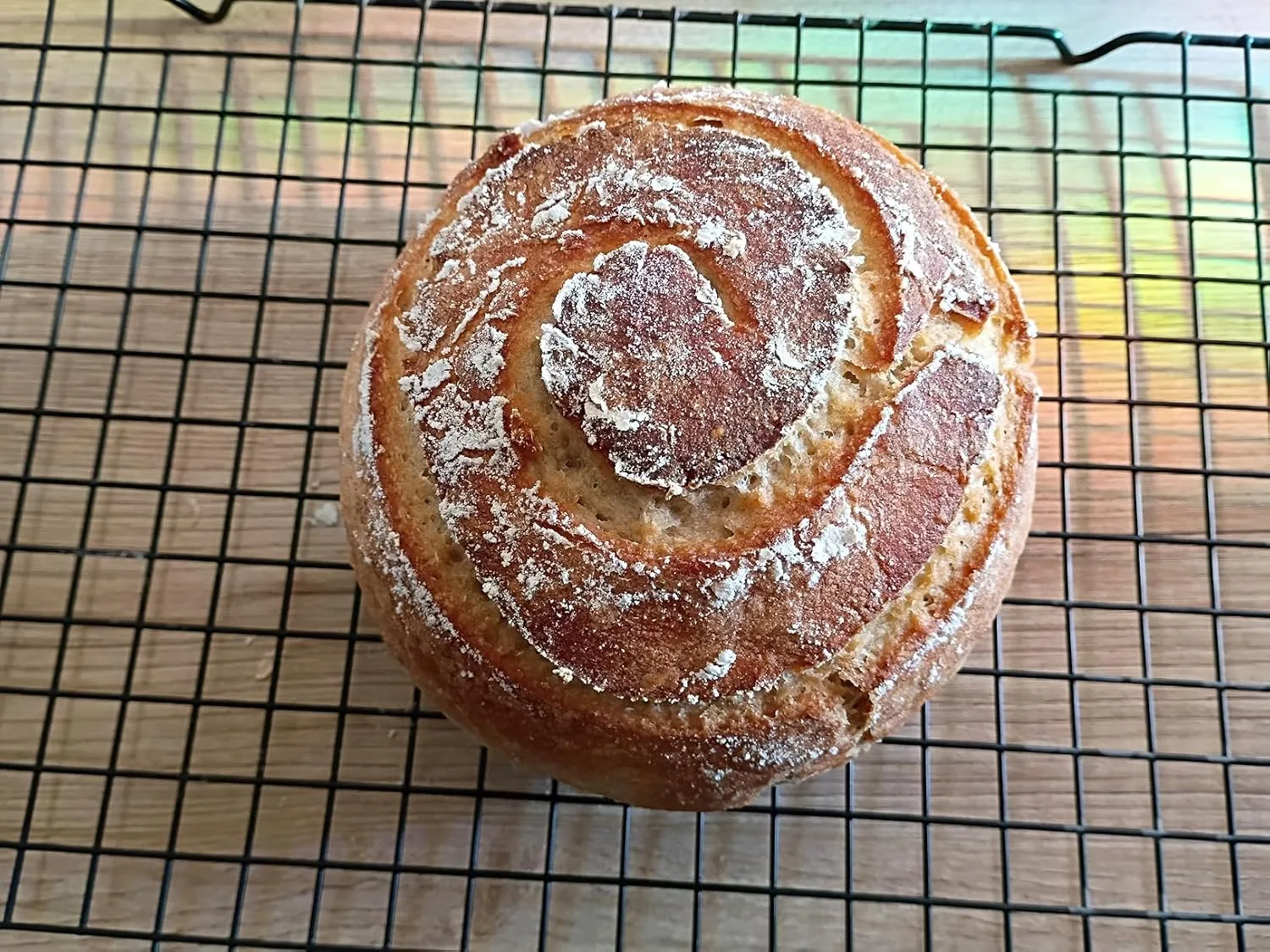
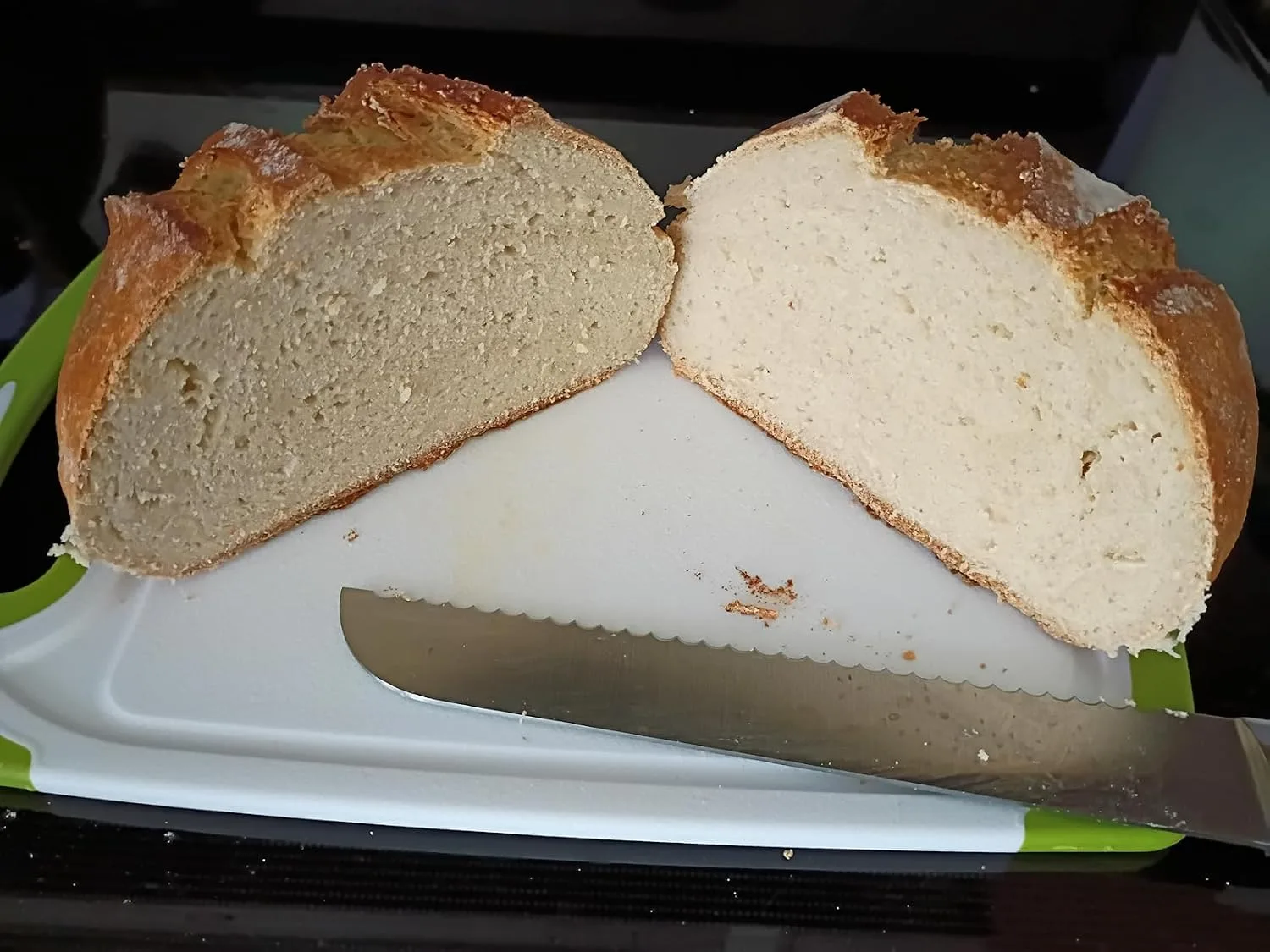
- The blend includes enough protein and fibre to produce tender crumb without the heavy, gummy texture that turns people away from gluten-free baking entirely—clients report cookies, cakes, and quick breads that are genuinely indistinguishable from their wheat versions.
- It performs consistently across different recipe types (cookies, cakes, bread, pastry) without requiring separate blends for different applications, which simplifies the already steep learning curve of coeliac baking.
- The absence of a noticeable aftertaste or grittiness means people with coeliac disease are more likely to actually bake and eat at home rather than defaulting to ultra-processed gluten-free products or simply avoiding baked goods altogether.
What doesn’t
- It costs significantly more than all-purpose wheat flour and roughly double the price of cheaper gluten-free blends, so it’s not realistic as an everyday staple for everyone—it’s an investment for recipes where texture genuinely matters to you.
- It won’t fix a recipe that was written for wheat flour without any adaptation; you still need to understand hydration ratios and mixing techniques, so this is a tool for people willing to learn, not a one-to-one substitute that works on autopilot.
This flour makes better baking possible, but it’s not a substitute for proper coeliac cross-contamination protocols in your kitchen—always check your other ingredients and keep dedicated equipment. If you’re ready to invest in baking that tastes genuinely good, King Arthur Measure for Measure Gluten-Free Flour is worth the cost.
This post contains affiliate links. As an Amazon Associate, I earn from qualifying purchases at no extra cost to you.