Health disclaimer: I am a qualified nutritionist, not a gastroenterologist. The experiences shared here are personal and clinical observations. Always consult your doctor before starting any new supplement or dietary change, especially if you take medication or have a diagnosed digestive condition.
If you’ve spent any time managing IBS or a sensitive gut, you already know the snack bar aisle is a minefield. For years, I watched clients grab “healthy” protein bars — only to spend the next two hours doubled over with bloating. The connection between low FODMAP protein bar bloating and poorly formulated snacks is something I’ve seen play out in my clinic more times than I can count. Chicory root, high-fructose corn syrup, inulin, honey — these ingredients are everywhere in mainstream bars, and every single one is a high-FODMAP trigger waiting to happen.
The Low-FODMAP Protein Bar That Actually Delivers Without the Bloat
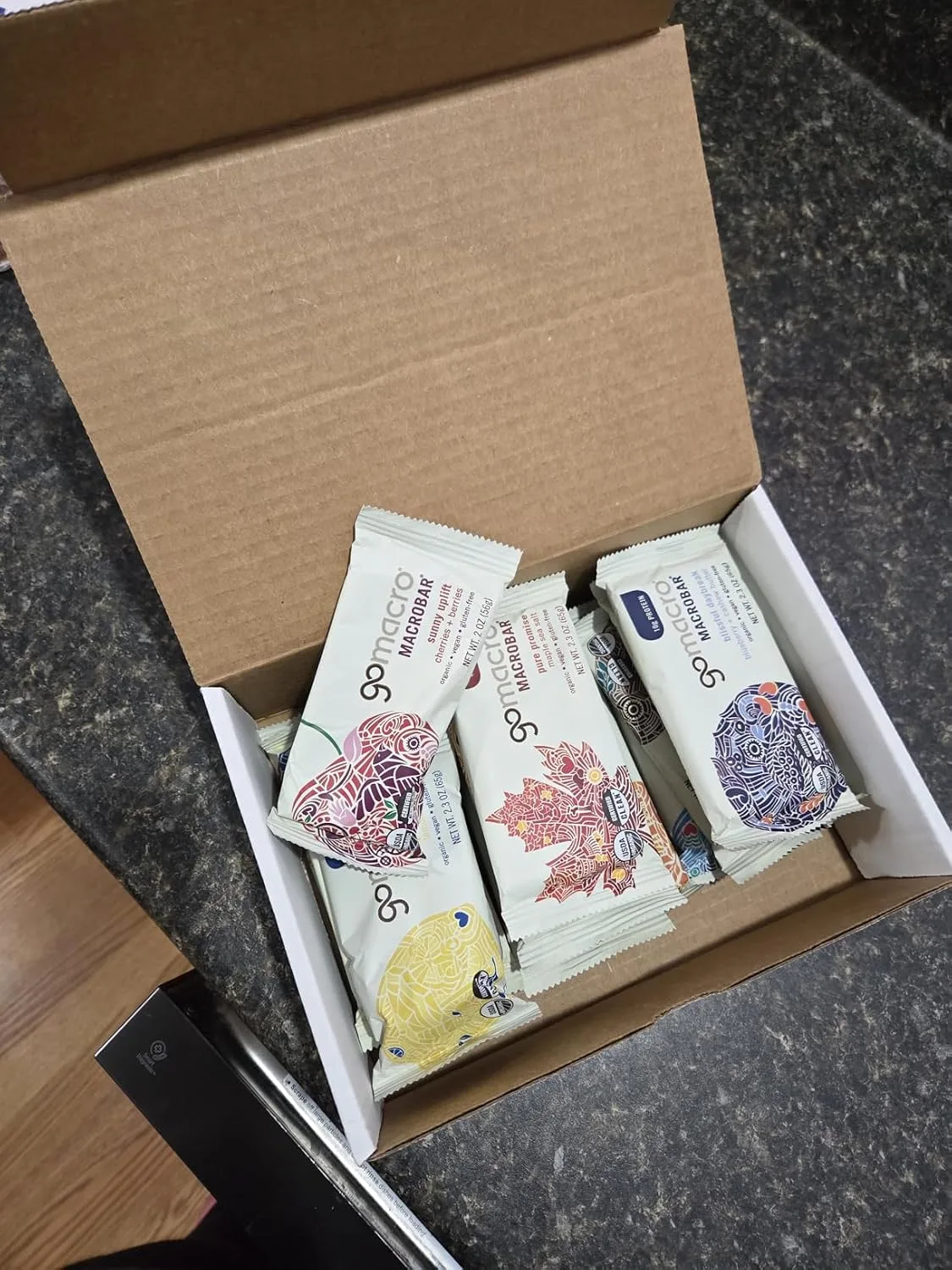
Most protein bars are loaded with high-FODMAP sweeteners, wheat, or excessive fibre — all of which can trigger that familiar post-snack bloat in sensitive guts. GoMacro’s formulation sidesteps these landmines by using low-FODMAP ingredients and a protein blend that sits easier than the whey-and-sugar-alcohol combination you’ll find in mainstream brands.
What works
- Low-FODMAP sweetener profile means no sorbitol or excess fructose — the ingredients most likely to ferment and cause bloating within 30 minutes of eating.
- Plant-based protein (pea and sprouted grains) tends to be gentler on irritated guts than whey concentrates, and clients report less heaviness or digestive sluggishness.
- The fibre content is moderate and well-tolerated — high enough to support satiety without triggering the “emergency bathroom trip” that aggressive fibre bars provoke in IBS clients.
What doesn’t
- This bar is not a meal replacement — it’s a snack bridge. If you’re relying on bars for most of your protein intake, you’re missing micronutrients whole foods provide, and your digestion won’t improve long-term.
- Individual tolerance varies widely; some clients with severe IBS or active Crohn’s flares still react to the fibre or plant proteins, so start with half a bar and observe your own response before committing to a box.
This is a practical tool for afternoons when you need protein without triggering symptoms — not a cure for underlying digestive dysfunction, and not a substitute for working with your GP if bloating is severe or paired with other symptoms like weight loss or blood in stool. If you’re ready to try a bar that won’t sabotage your afternoon, grab a GoMacro MacroBar Organic Vegan Protein Bars – FODMAP Friendly Variety Pack.
This post contains affiliate links. As an Amazon Associate, I earn from qualifying purchases at no extra cost to you.