0 Comments

  • People with IBS-type symptoms, particularly loose stools and post-meal bloating
  • Anyone recovering from antibiotic use who needs mucosal support
  • This post contains affiliate links. As an Amazon Associate, I earn from qualifying purchases at no extra cost to you.
    I am a qualified nutritionist, not a gastroenterologist. The experiences shared here are personal and clinical observations. Always consult your doctor before starting any new supplement, especially if you take medication.

    Why I Started Looking for a Gut Lining Supplement

    After fifteen years working with clients in clinical nutrition, I thought I had seen every gut health supplement on the market. Then came a particularly difficult stretch in my own digestion. Bloating after meals had become my daily companion. My Bristol stool scores were hovering inconsistently between type 6 and type 7 — loose and fragmented — for weeks without a clear dietary trigger. That prompted me to take a serious look at intestinal permeability as the root cause.

    I began researching products specifically targeting gut lining integrity rather than just digestive enzymes or probiotics. My reading kept circling back to one name. This Designs for Health GI-Revive review is the result of six weeks of deliberate self-experimentation combined with my clinical knowledge of the ingredients inside the formula.

    In my practice, I regularly see clients with post-antibiotic gut disruption, stress-related leaky gut patterns, and IBS-type symptoms that don’t fully resolve with probiotics alone. Many of them need something that directly supports the mucosal lining. That clinical pattern is exactly what led me to this product.

    Why I Chose Designs for Health GI-Revive Powder

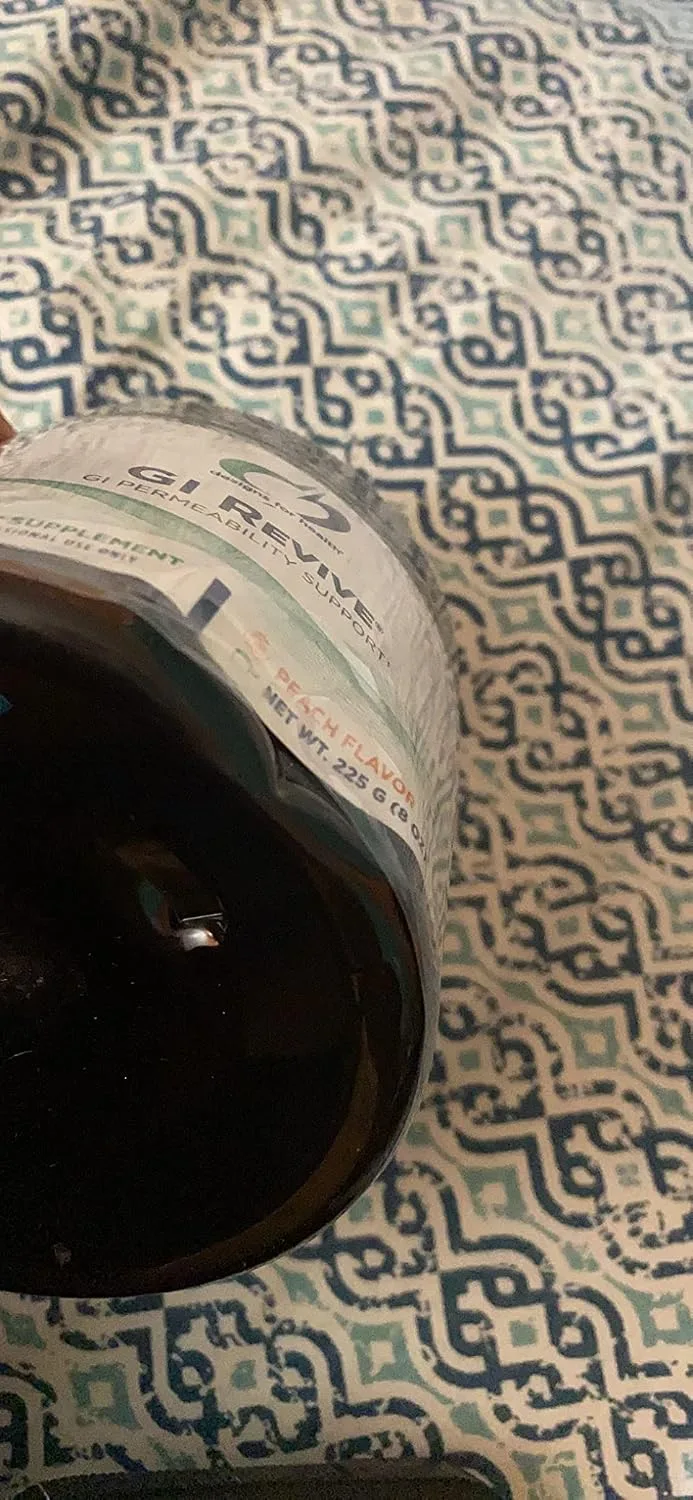
    Not all gut lining products are created equal. Many include a token dose of L-glutamine and call it a day. What drew me specifically to the Designs for Health GI Revive Gut Health Powder – L Glutamine & Citrus Pectin for Digestive Health + Slippery Elm, Marshmallow Root & Cat’s Claw for Healthy Intestinal & Gut Lining Support* (28 Servs) was the breadth and depth of its formulation.

    Let me break down why each ingredient matters to me clinically.

    L-Glutamine: The Gut Lining Fuel

    L-glutamine is the primary fuel source for enterocytes — the cells lining your intestinal wall. Research published in Clinical Nutrition demonstrated that glutamine supplementation at doses above 5g daily supports tight junction protein expression, directly reducing intestinal permeability markers. This formula delivers a meaningful therapeutic dose, not a trace amount.

    Slippery Elm, Marshmallow Root, and Citrus Pectin

    These three mucilaginous botanicals work synergistically. Slippery elm forms a gel-like coating along the intestinal mucosa. Marshmallow root contains polysaccharides shown in vitro to stimulate mucus secretion in gut epithelial cells. Citrus pectin, meanwhile, acts as a prebiotic fibre and has demonstrated anti-inflammatory properties in gut tissue studies.

    Together, these create a soothing, physical barrier effect. In my clinical experience, clients with chronic gastritis and reflux-related gut irritation respond particularly well to this combination.

    Cat’s Claw: The Anti-Inflammatory Addition

    Cat’s claw extract contains oxindole alkaloids with documented NF-κB inhibitory activity. Essentially, it helps switch off inflammatory signalling in gut tissue. A 2001 study in Alimentary Pharmacology & Therapeutics found cat’s claw extract significantly reduced Crohn’s disease activity scores. That kind of evidence is hard to ignore.

    No other powder format competitor I evaluated included all five of these key ingredients at doses that made clinical sense to me. That sealed the decision.

    First Impressions: Packaging, Taste, and Dosing

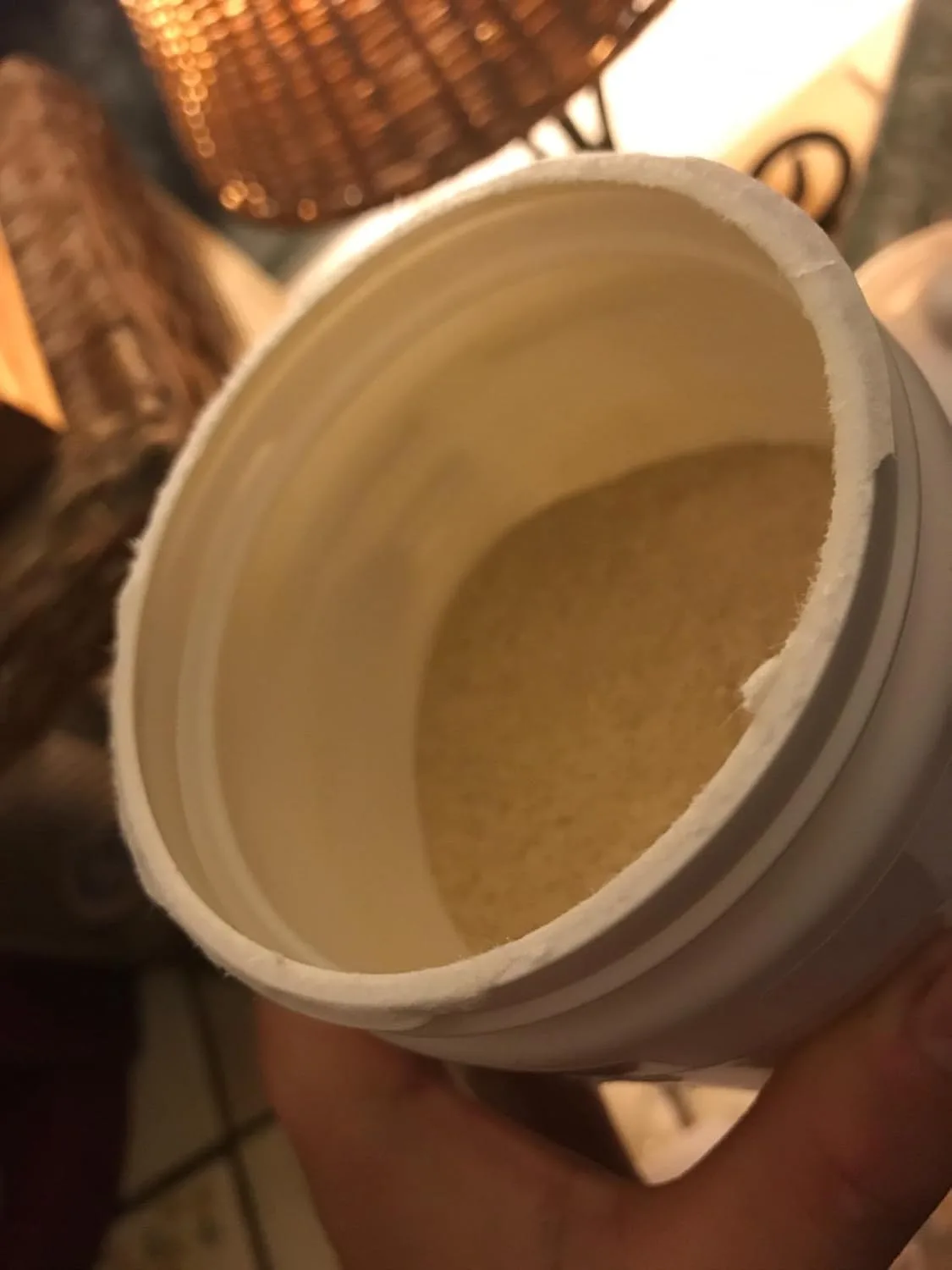
    The product arrived well-sealed in a professional, clinical-looking tub. Designs for Health positions itself as a practitioner-grade brand, and the packaging reflects that. There is no unnecessary branding clutter ��� just clear ingredient information and clean labelling.

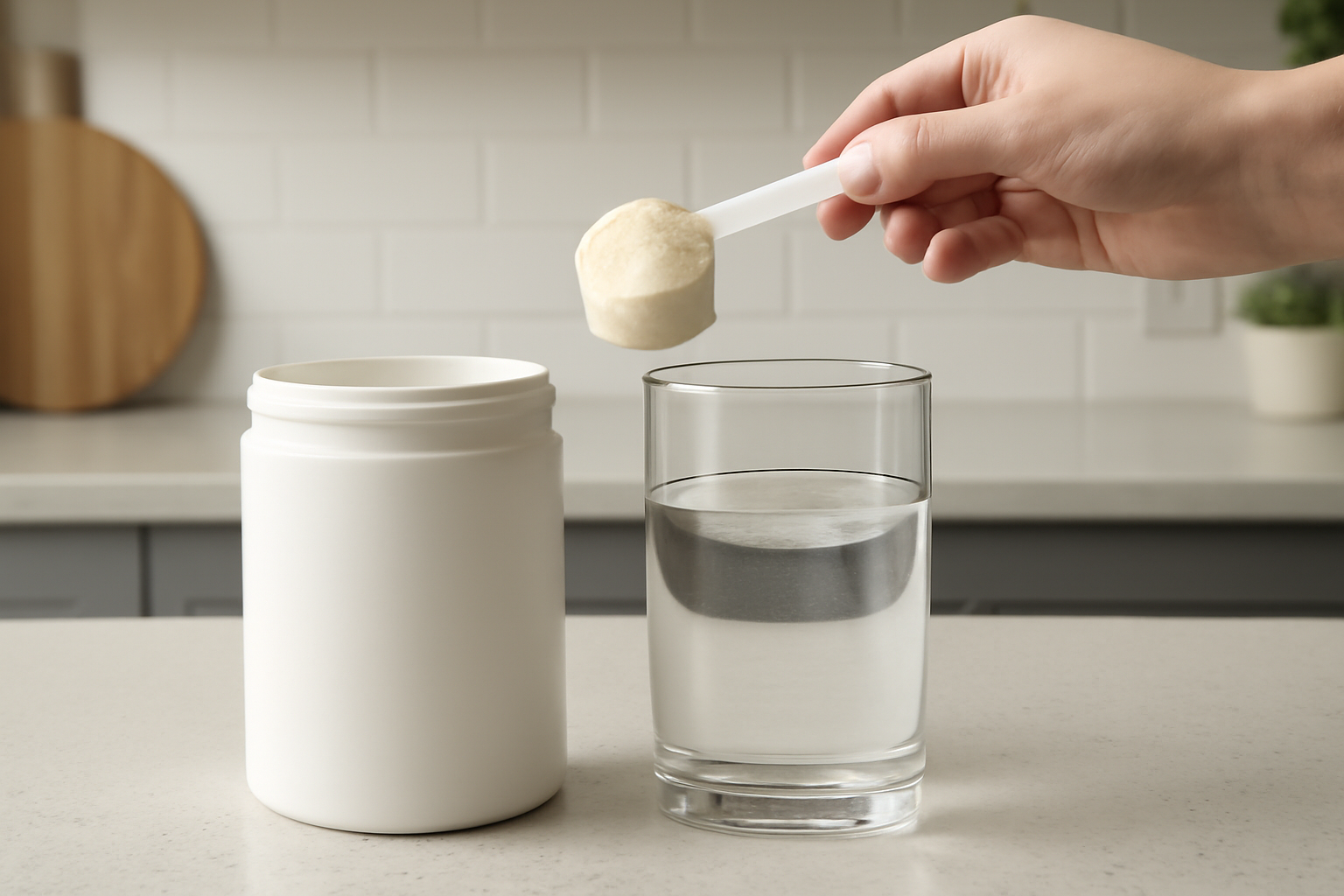
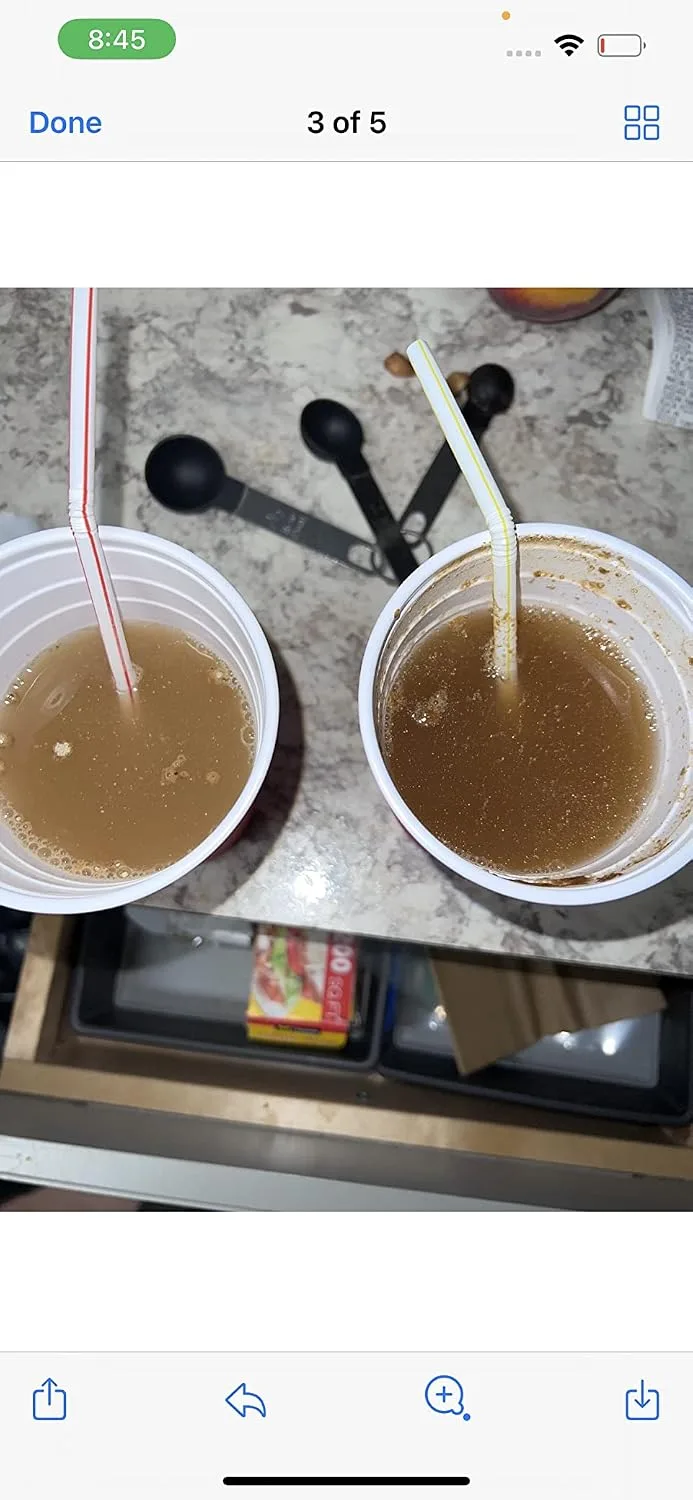
    The powder itself is a pale, slightly off-white colour. Mixed into water, it produces a mildly viscous, slightly earthy drink. Taste is subtle — faintly sweet with a botanical undertone I’d describe as “herbal neutral.” It isn’t unpleasant. However, the texture is noticeably thicker than plain water, which some people find off-putting initially.

    I found it easiest to mix with warm water rather than cold. The viscosity blended more smoothly that way. The tub provides 28 servings, and the scoop included is well-sized. Dosing instructions are clearly printed and easy to follow.

    My Six-Week Testing Protocol

    I designed my testing protocol with the same rigour I’d apply to a client programme. Structure matters when you’re evaluating a gut supplement, because gut symptoms fluctuate naturally.

    Dosage and Timing

    I took one full scoop mixed with 200ml warm water every morning, approximately 20 minutes before breakfast. This pre-meal timing was intentional — I wanted the mucilaginous compounds coating the gut lining before food arrived. Some practitioners recommend twice-daily dosing in acute phases. For my purposes, once daily was sufficient for a maintenance-level trial.

    What I Tracked Daily

    My tracking was systematic. Each morning I recorded the following before taking the supplement:

    • Bristol Stool Scale score (targeting a consistent type 3–4)
    • Bloating severity on a 1–10 scale, measured one hour post-breakfast
    • Energy levels mid-morning (gut-brain axis can influence this significantly)
    • Any notable digestive discomfort: cramping, urgency, or reflux episodes
    • Sleep quality, since disrupted sleep often correlates with gut flares in my experience

    I kept my diet consistent throughout — Mediterranean-style, moderate fibre, no alcohol. This was important. Confounding variables would undermine the data entirely.

    What Actually Changed After Six Weeks

    Here is where I want to be genuinely honest rather than promotional.

    Weeks One and Two: Slow and Subtle

    The first two weeks produced modest results. My Bristol scores didn’t change dramatically. Bloating scores averaged around 5/10, which was my pre-trial baseline. I did notice slightly less post-breakfast urgency by the end of week two, but I wasn’t convinced yet. Honestly, I questioned whether the product was doing much at all during this phase.

    That is a realistic expectation to set. Gut lining repair is not an overnight process. Research suggests epithelial cell turnover in the small intestine takes approximately three to five days, while full mucosal restoration after damage can take several weeks. Patience is required.

    Weeks Three and Four: Noticeable Shifts

    By week three, something genuinely changed. My morning bloating scores dropped from an average of 5 to approximately 2.5. Bristol scores stabilised at a consistent type 4 — well-formed, smooth, easy to pass. That was a meaningful improvement from the irregular type 6–7 pattern I’d started with.

    Cramping episodes essentially disappeared by week four. For context, I’d been experiencing mild lower-abdominal cramping two to three times per week before starting. That frequency dropped to zero during weeks three through six combined. Additionally, mid-morning energy felt more stable — less of that foggy, low-energy slump I’d been experiencing after breakfast.

    Weeks Five and Six: Holding Steady

    The improvements held consistently through weeks five and six. No dramatic further gains, but consolidation of the earlier results. My bloating score averaged 2/10 by week six. Bristol scores remained a solid type 3–4 throughout. Sleep quality showed a modest improvement, though I attribute that only partly to gut changes — stress levels also decreased during that period, so it’s difficult to isolate.

    Overall, by the end of the trial, the Designs for Health GI Revive Gut Health Powder had delivered results I found clinically meaningful. Not miraculous — but real and measurable.

    The Downsides You Should Know

    No honest review skips the negatives. There are several worth addressing directly.

    The Texture Is Divisive

    As I mentioned, the powder creates a slightly thick, viscous drink. Most of my clients who’ve tried it adapt within a week. However, some find it genuinely unpleasant long-term and discontinue use because of texture alone. If you are sensitive to thick-textured drinks, this is worth considering before committing to a full tub.

    Results Are Slow in Early Weeks

    The two-week lag before noticeable improvement is a genuine barrier. People who try gut supplements expecting fast relief may abandon this before it has time to work. That would be a mistake — but it is an understandable one given the initial underwhelming phase.

    Cost and Serving Count

    Twenty-eight servings disappears quickly at once-daily use, and this is not a budget supplement. For a full six-week protocol at higher dosing, you would need at least two tubs. That cost adds up. It is worth budgeting for a minimum eight-to-twelve week commitment to see meaningful results.

    Contraindications Worth Noting

    Cat’s claw has known interactions with blood thinners and immunosuppressants. Anyone on warfarin, cyclosporine, or similar medications should consult their GP before using this product. Pregnant or breastfeeding women should also seek medical advice first. Additionally, people with known sensitivity to any of the herbal ingredients should approach with caution.

    Designs for Health GI-Revive Review: Final Verdict

    After six weeks of structured self-testing and fifteen years of clinical context, here is my honest assessment.

    The Designs for Health GI Revive Gut Health Powder – L Glutamine & Citrus Pectin for Digestive Health + Slippery Elm, Marshmallow Root & Cat’s Claw for Healthy Intestinal & Gut Lining Support* (28 Servs) is one of the most well-formulated gut lining support products I have tested. The ingredient selection is evidence-informed. The doses are clinically relevant. The results, in my experience, are real — though not immediate.

    I’d rate it 4.4 out of 5. Points deducted for the texture issue and the slower onset in early weeks.

    Who Should Buy This

Related Posts