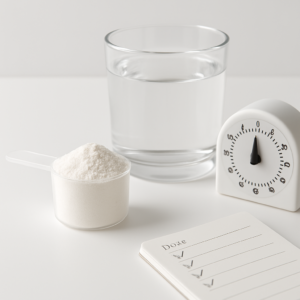
A single serving of L-glutamine powder mixed into my morning broth produced a noticeable reduction in post-meal bloating within two weeks—the kind of shift that made me start asking deeper questions about what was happening at my gut lining. Increased intestinal permeability, commonly referred to as leaky gut, is precisely the sort of condition that can silently drain your wellbeing for extended periods before anyone considers investigating it seriously. If you’re contemplating whether a leaky gut assessment could shed light on a collection of seemingly disconnected physical signals, this post is designed for that exact moment. The hard reality is that standard medical testing doesn’t typically detect increased intestinal permeability, and many doctor’s office visits conclude without resolution. Yet the condition generates a distinctly recognisable constellation of symptoms that extends far beyond digestion alone.
Throughout my years supporting people navigating digestive concerns, I regularly encounter individuals who’ve received reassuring test results—”everything looks normal”—while simultaneously battling exhaustion, inflammatory skin, foggy thinking, and a steadily lengthening roster of foods their bodies seem to reject. When that specific combination emerges, the integrity of the gut barrier becomes one of my first investigative targets. This assessment tool cannot substitute for a medical diagnosis—no internet tool can accomplish that—but it will help you determine whether your particular symptoms align with a meaningful pattern that warrants serious attention.
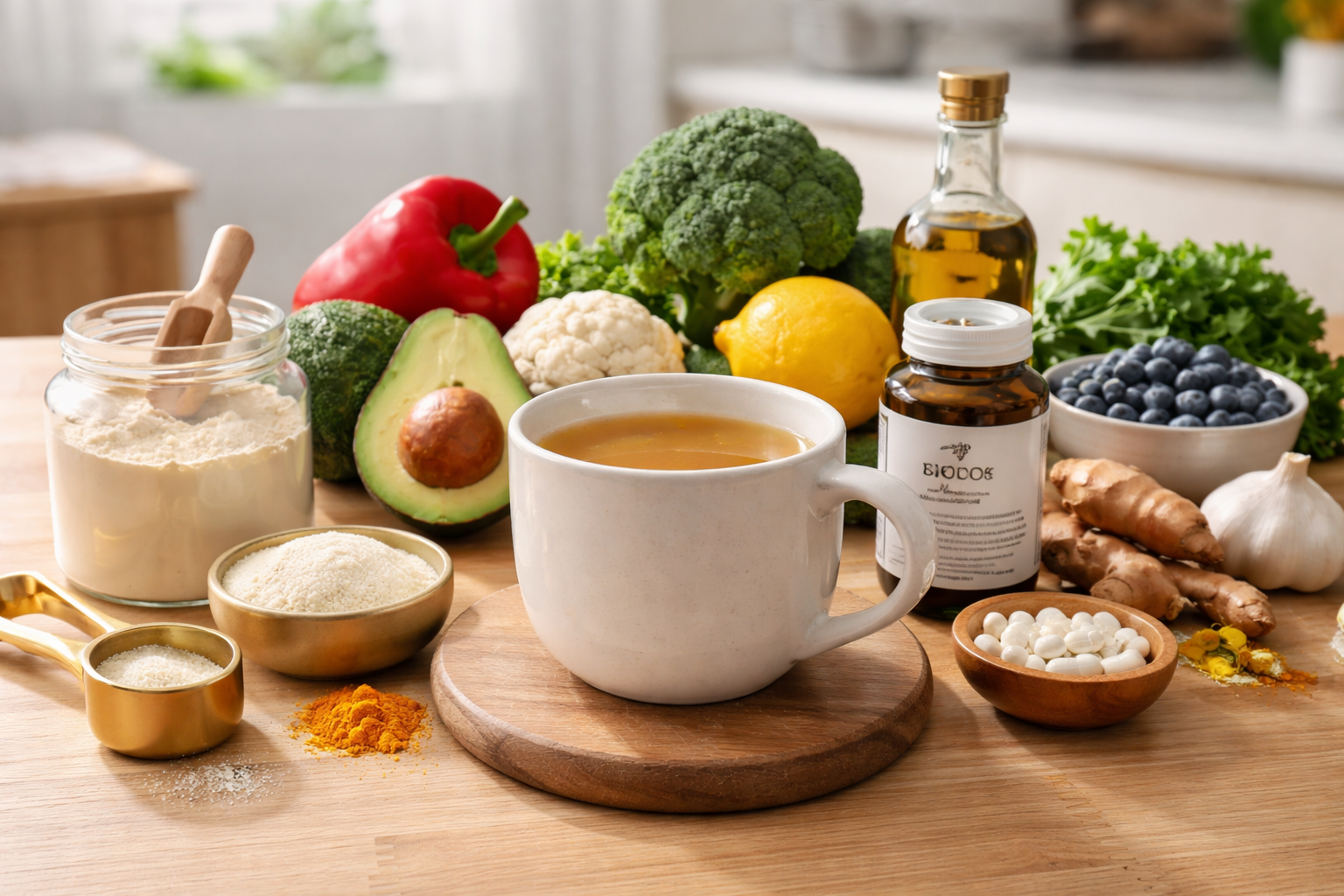
The Leaky Gut (Intestinal Permeability) Symptom Checklist
Answer each of the ten items below with honesty, focusing on your experience during the last several months rather than just your current week.
- Are you noticing food reactions or sensitivities that appear to multiply as time passes?
- Do you contend with persistent bloating, intestinal gas, or digestive pain that’s difficult to attribute to a specific cause?
- Does your mental clarity suffer, or do you battle difficulty concentrating or cognitive sluggishness?
- Are you managing skin conditions—eczema, acne, psoriasis, or itchy patches—without clear explanation?
- Do you carry an autoimmune diagnosis, or does your family history include one?
- Have antibiotics been prescribed to you several times or for extended periods throughout your life?
- Do you experience muscular or joint aching plus swelling that isn’t connected to a particular incident?
- Is your energy persistently depleted in ways that your sleep patterns or activity don’t adequately explain?
- Does your typical eating pattern lean heavily toward convenience items, simple carbohydrates, or spirits?
- Do headaches recur frequently, or do you notice signs of low-level inflammatory activity?
Mark down 1 point for each affirmative response, then refer to the interpretation key that follows.
Interpreting Your Results
0–3: Compromised intestinal permeability appears unlikely as your primary issue, though maintaining digestive wellness through thoughtful food choices continues to be worthwhile. Sustained attention to your gut’s foundational health remains valuable for your complete wellbeing, and remaining alert to symptoms that might surface or intensify later is sensible practice.
4–6: Your symptom pattern suggests a moderate degree of concern regarding increased intestinal permeability. Reassessing your nutritional habits, managing your stress response, and incorporating gut-nourishing compounds deserve priority. What I consistently communicate to individuals landing in this scoring zone is that this result doesn’t point to serious underlying damage—rather, it signals that your intestinal barrier is signalling a need for greater care and targeted support. Thoughtful shifts in what you eat and how you eat it often produce substantial results at this level.
7–10: Your symptom profile strongly indicates the possibility of a compromised intestinal barrier. Connecting with a practitioner experienced in gut restoration—whether through a nutrition-focused lens or an integrative medical approach—would be a logical next step. In my work, people who land in this range frequently describe relief upon realising their disparate, difficult-to-categorise symptoms may originate from a single underlying source. Use this score not as self-diagnosis, but rather as the impetus to connect with trained professional guidance.

What These Signals Really Indicate
Your intestinal barrier is an extraordinary biological feature—paper-thin in certain locations, yet tasked with the monumental job of filtering what enters your circulatory system and what remains outside. Under normal circumstances, this shield permits beneficial nutrients inward while preventing dangerous organisms, chemical irritants, and incompletely digested molecules from crossing over. Should these cellular connections loosen—from persistent mental strain, inadequate nutrition, antibiotic exposure, or prior microbial infection—particles that shouldn’t traverse the wall can slip through. The body’s immune machinery, confronted with unfamiliar invaders, launches an inflammatory assault. This defensive reaction doesn’t stay localised within your digestive tract.
This explains the bewildering diversity of leaky gut presentations. Body-wide inflammation can emerge as joint soreness, skin inflammation episodes, or relentless tiredness. When inflammatory signals breach the protective barrier surrounding the brain—a phenomenon increasingly documented through gut-brain axis research—you may experience muddled thinking, emotional shifts, or mood changes. Your immune system’s heightened state of alert can simultaneously activate reactions to previously benign foods, which clarifies why individuals in my experience frequently witness their food tolerance shrinking progressively rather than staying consistent.
The bacterial landscape of your intestines matters significantly in this dynamic. When microbial balance becomes disrupted—via antibiotic courses, insufficient fibre consumption, or relentless pressure—the generation of microbial metabolites like butyrate falls sharply; these compounds are critical nourishment for the epithelial structures maintaining barrier health. This establishes a feedback loop where microbial derangement accelerates barrier deterioration, which simultaneously perpetuates additional microbial dysfunction. The encouraging element: this vicious spiral is reversible—and strategic nutrition represents one of the most effective methods for breaking free from it.
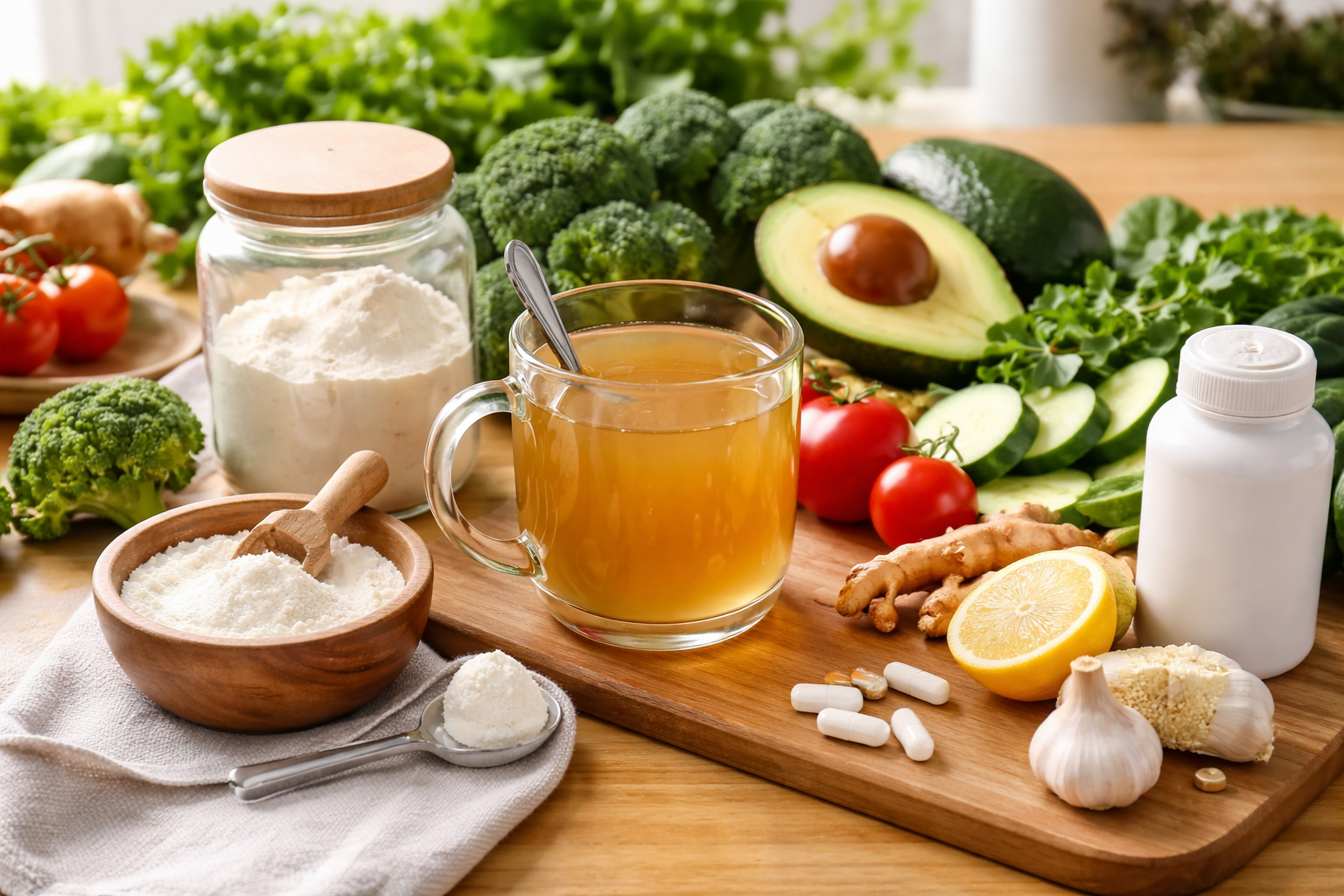
Additional Structured Assessment: Validated Intestinal Permeability Tool
The assessment you just completed provides a solid foundation, yet consulting additional evaluations developed by specialists in digestive health strengthens your understanding. The resource below presents a methodical evaluation process that can deepen your perspective and prepare you to engage more thoughtfully with a knowledgeable care provider.
The Nourish Gut Health Self-Assessment functions as a comprehensive “Do I Have a Healthy Gut?” evaluation instrument examining intestinal wall integrity in combination with other critical indicators of digestive wellness. This tool is thoughtfully constructed and serves as a meaningful supplement to the symptom review you’ve completed here.
L-Glutamine: Restoring Barrier Integrity When Permeability Becomes Problematic
L-glutamine functions as the primary energy substrate for epithelial cells composing your gut barrier. When permeability elevation is the underlying condition, this particular amino acid targets the problem directly: it facilitates restoration of the cellular junctions that may have weakened or separated.
Where it succeeds
- Scientific investigation consistently validates L-glutamine’s role in intestinal restoration—controlled research demonstrates its capacity to lower inflammatory signalling and enhance barrier integrity, particularly among individuals experiencing active inflammation or post-infection microbiome disruption.
- From my experience, people who maintain steady L-glutamine consumption across 4–8 weeks or longer frequently describe diminished abdominal distension, contracted reaction profiles to previously problematic foods, and normalised digestive output—most prominently in those whose barrier compromise stems from antibiotic use, acute gastrointestinal illness, or prolonged tension states.
- The plain powder formulation delivers purity and seamless blendability into plain water, nutrient-dense beverages, or mineral-rich bone preparations—without supplementary components or artificial sweetening agents that might further stress a compromised system.
Where it falls short
- L-glutamine cannot independently reverse leaky gut if dietary offenders remain in rotation, your nervous system stays in overdrive, or pharmaceutical agents continue impairing barrier function—it addresses one element of the puzzle, not the complete picture.
- Should you be navigating advanced inflammatory bowel conditions—severe Crohn’s disease manifestations or acute ulcerative colitis—consultation with your gastroenterology team is essential before supplementation begins; emerging data hints that elevated glutamine doses might potentially amplify inflammatory states in certain scenarios, though scientific consensus on this remains unsettled.
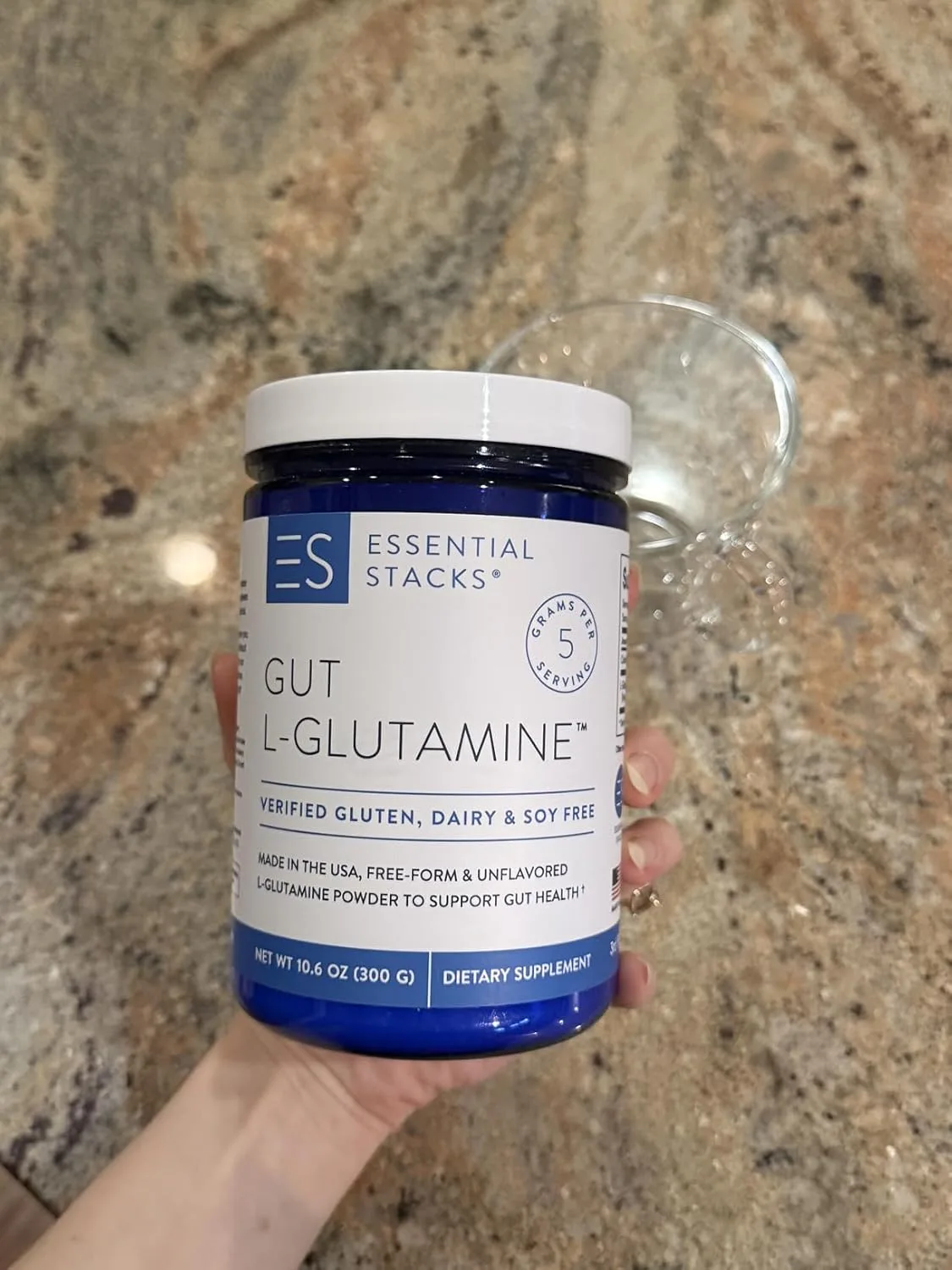
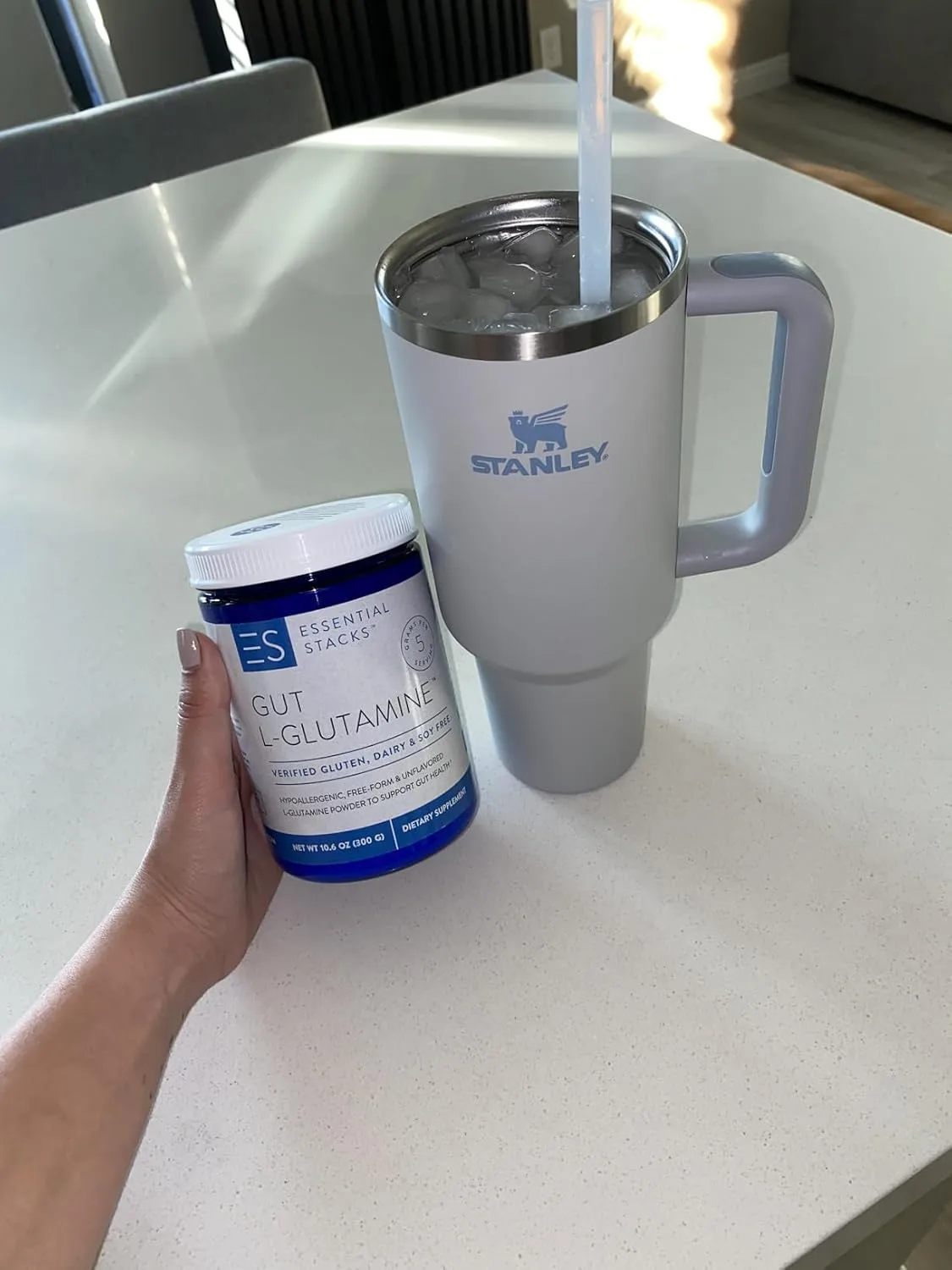
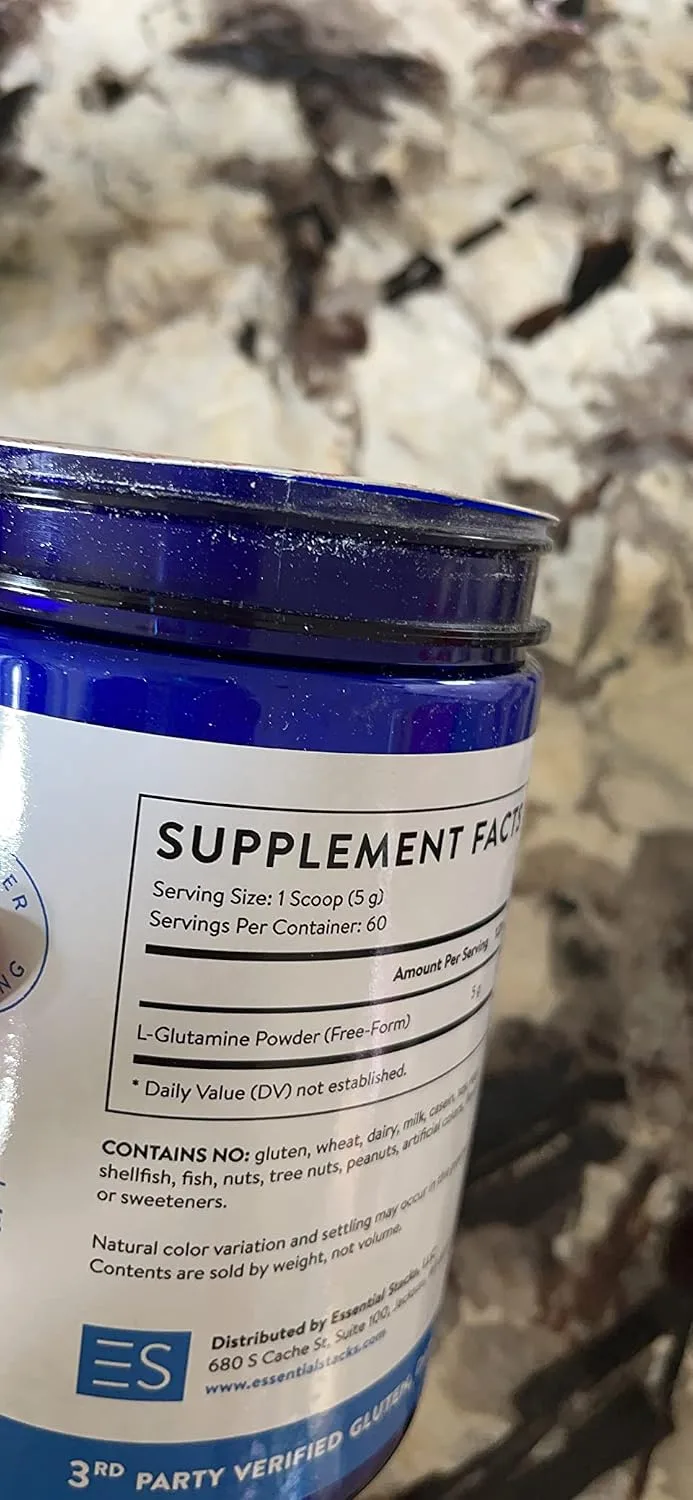
Glutamine is a supporting player, not a magic fix — you’ll still need to identify and remove your actual triggers for the gut lining to truly heal. That said, if your quiz suggests increased permeability and you’re ready to dial in your diet and stress, this is the supplement I reach for first. Essential Stacks Gut L-Glutamine Powder (60 Servings, Unflavored)
About This Article

Written by Alex Mercer. Alex Mercer has lived with IBS since childhood and isn't a nutritionist or a doctor. After years of being told he was anxious or would grow out of it, he spent more than 12 years reading the research properly, and now shares what he has learned with the family, friends and support-group members who come to him with the same questions. He translates peer-reviewed research into practical, honest advice, and is always upfront about what the evidence does and does not show. More about this site.
Scope and limits. Alex is not a doctor, dietitian, or nutritionist, and nothing here is medical advice. Talk to a clinician before changing your diet, starting a supplement, or acting on symptoms — especially persistent or worsening ones.
Verify this against a primary source
Specifics change, and your situation may differ from the one described here. These are the authorities worth checking directly:
- NIDDK — digestive disease research and clinical guidance
- MedlinePlus — plain-language medical reference from the NIH
- Mayo Clinic — symptom and condition reference