
My work centers on digestive wellness guidance drawing from over a decade of helping other people through food-based approaches and practical strategies. What I share here reflects personal experience and observations from my experience—not clinical diagnosis or medical treatment. Before introducing any new food protocol or supplement into your routine, especially if you’re currently taking medications or managing a diagnosed condition, consult with your own doctor.
The Equipment That Made Daily Bone Broth Prep Actually Sustainable
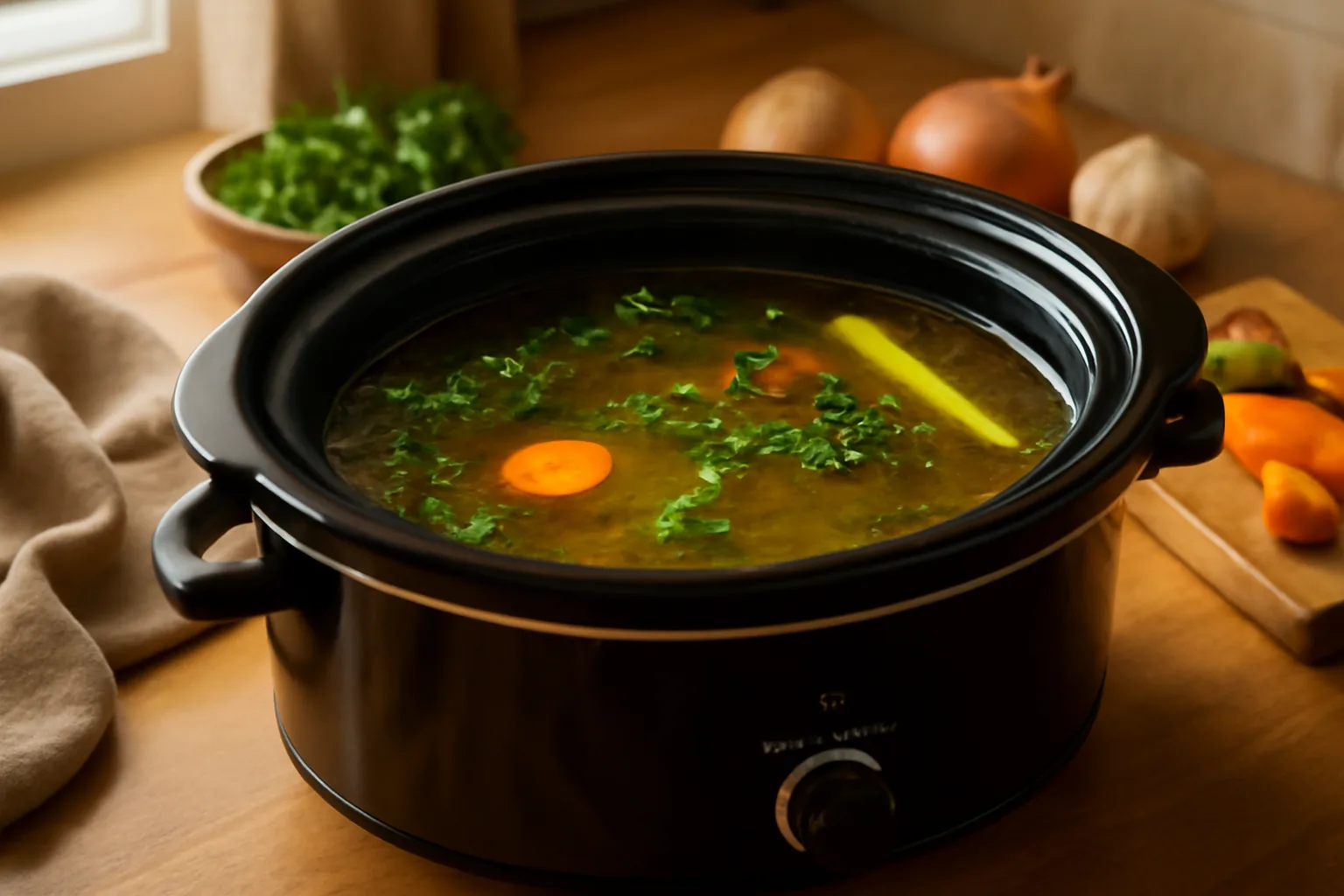
Weekly bone broth production formed the backbone of my digestive-support strategy, yet the reality of standing over a stovetop for hours simply wasn’t feasible—particularly when managing active digestive symptoms. A dual-function cooker capable of both slow-cooking and high-pressure cooking eliminated the uncertainty and constant monitoring that had always sabotaged my earlier attempts.
Why I Started Making Bone Broth Weekly
Three months back, I was contending with stubborn bloating, unpredictable digestion, and a persistent fatigue that wouldn’t lift. My strategy centered on rebuilding my intestinal lining through nutrient-rich whole foods, with bone broth becoming an essential anchor in that plan. Broths simmered from quality bones—beef, poultry, or fish varieties—deliver collagen, gelatin, amino acids including glycine and proline, plus an array of minerals that evidence points to as potentially beneficial for gut-barrier function and digestive ease.
The real barrier wasn’t understanding the science; it was making it happen consistently. Conventional pot-simmering requires extended stretches of active attention, extended cooling periods, fat removal, and careful handling during storage. I’d launch into a project on Sunday morning with great intentions, then watch the whole thing fizzle out before Wednesday rolled around. Everything shifted once I brought home a combination pressure cooker and slow cooker unit, which transformed bone broth from an exhausting weekend undertaking into something I could genuinely sustain long-term.
What Works
- High-pressure cooking pulls out collagen and gelatin far more rapidly than traditional low-heat simmering, compressing cook time from 24 hours or more down to just 2–3 hours while preserving the full nutrient content.
- The slow-cooking setting gives you a true set-it-and-forget-it experience—zero stirring, zero timer stress, and the ability to prepare broth while you sleep or navigate a difficult symptom day without being tethered to the kitchen.
- Many people who prepare multiple batches on a single weekend find it dramatically simpler to incorporate homemade broth into their daily pattern when it’s pre-portioned and shelf-ready, which drives better adherence and measurable outcomes.
- The sealed cooking chamber safeguards against air exposure and nutrient breakdown, which meant the broth I made in the opening week held the same nourishing quality as what came out of the pot in month three.
My Weekly Routine
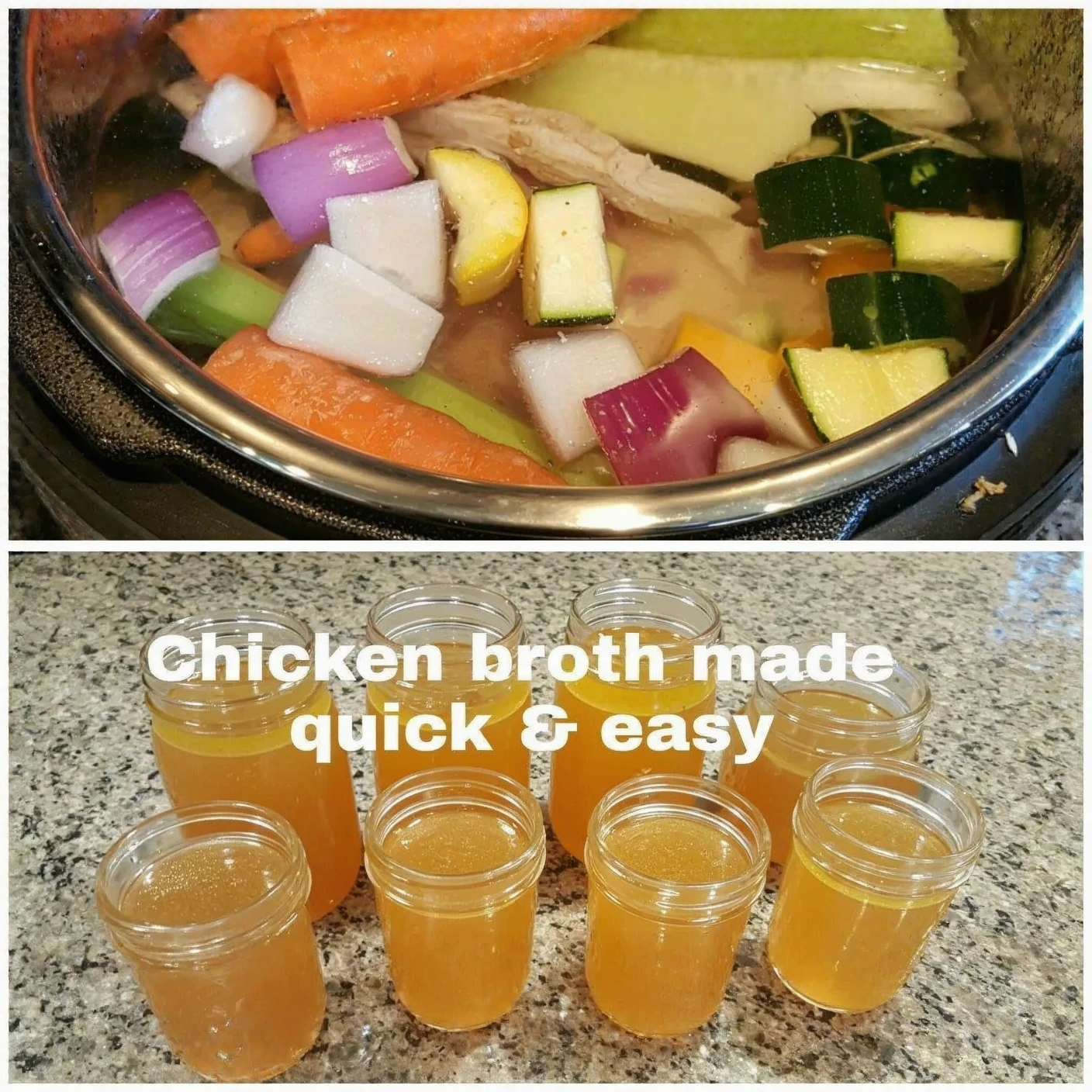
I settled into a straightforward pattern: each Sunday after dinner, I’d combine 2–3 pounds of bones (typically pastured chicken or grass-fed beef), 2 tablespoons of raw apple cider vinegar, filtered water to reach capacity, plus vegetable scraps such as onion ends or celery leaves. Running the pressure-cook cycle for 120 minutes, then allowing 30 minutes for natural depressurization, meant that by first light Monday I could strain everything off, let it cool, divvy it into glass vessels, and either chill or freeze for later.
During periods when exhaustion was high or I was managing a digestive setback, I’d switch to the slow-cooker setting instead: running it for 18–20 hours on a low setting overnight delivered finished broth by morning without any active involvement from me. The final texture came out somewhat less gel-like—but the vitamin and mineral content stayed robust, and the simplicity of the method guaranteed I never let a single batch slide.
My standard intake was 8–12 ounces each morning, sometimes gently warmed and seasoned with mineral salt, or sometimes taken chilled alongside a meal. Other mornings I’d use it as a foundation for quick vegetable soups. The real value came from showing up regularly—the volume mattered far less than the reliability.
What Changed in My Digestion
Around day twenty, the persistent puffiness started backing off noticeably. At the six-week mark, my wakefulness returned and my bowel patterns stabilized. By the end of the twelve-week experiment, I noticed a dramatic reduction in how many foods triggered the cramping and discomfort that used to plague me. Was the broth entirely responsible? Almost certainly not—I was also paying closer attention to stress levels, getting sounder sleep, and removing pro-inflammatory foods from my plate. Yet the broth served as a tangible, touchstone ritual that communicated care to my body and almost certainly factored into the whole transformation.
The collagen and gelatin content are believed to strengthen the protective mucus lining that coats your small intestine, and the mineral load in homemade bone broth (particularly calcium, magnesium, and zinc from dissolved bone) is exceptionally rich. I can’t point to bloodwork or biopsies as proof of causation, but the timeline and the pattern of my improvements lined up closely with when I began my consistent broth protocol.
What Doesn’t
- Think of this as part of a larger picture, not a standalone fix—bone broth cannot single-handedly resolve bacterial imbalance, food reactions, or ongoing tissue damage; it functions best alongside actual medical evaluation and a full dietary strategy.
- For anyone dealing with histamine intolerance or mast cell issues, extended or heavily-simmered broth can cause problems; speak to your physician or a specialist trained in FODMAP protocols before making broth a regular feature of what you eat.
- The source of your bones carries real weight: broth derived from industrially-farmed, antibiotic-laden bones can introduce unwanted residues into your final product. I made it a priority to obtain bones from animals raised on pasture or certified organic, though this choice did impact my grocery budget.
Bone broth is a nourishing addition to a healing diet, but it’s not a substitute for medical investigation if you have persistent bloating, erratic bowel movements, or undiagnosed symptoms. Instant Pot Duo 7-in-1 Electric Pressure Cooker, Slow Cooker, Rice, Steamer, Sauté, Yogurt Maker, Warmer & Sterilizer
The Bottom Line
Twelve weeks of preparing bone broth each week using a multi-function cooker became among the most effortless, friction-light strategies in my personal digestive-wellness arsenal. The right equipment eliminated the obstacles that had derailed me repeatedly in the past. Should you decide to explore this path, pick a cooker that genuinely matches how you actually live—because the equipment you’ll genuinely stick with is always the one that works best.

About This Article

Written by Alex Mercer. Alex Mercer has lived with IBS since childhood and isn't a nutritionist or a doctor. After years of being told he was anxious or would grow out of it, he spent more than 12 years reading the research properly, and now shares what he has learned with the family, friends and support-group members who come to him with the same questions. He translates peer-reviewed research into practical, honest advice, and is always upfront about what the evidence does and does not show. More about this site.
Scope and limits. Alex is not a doctor, dietitian, or nutritionist, and nothing here is medical advice. Talk to a clinician before changing your diet, starting a supplement, or acting on symptoms — especially persistent or worsening ones.
Verify this against a primary source
Specifics change, and your situation may differ from the one described here. These are the authorities worth checking directly:
- NIDDK — digestive disease research and clinical guidance
- MedlinePlus — plain-language medical reference from the NIH
- Mayo Clinic — symptom and condition reference