I am a qualified nutritionist, not a gastroenterologist. The experiences shared here are personal and clinical observations. Always consult your doctor before starting any new supplement, especially if you take medication.
The Soluble Fibre That Softens Stool Without Triggering IBS Bloat
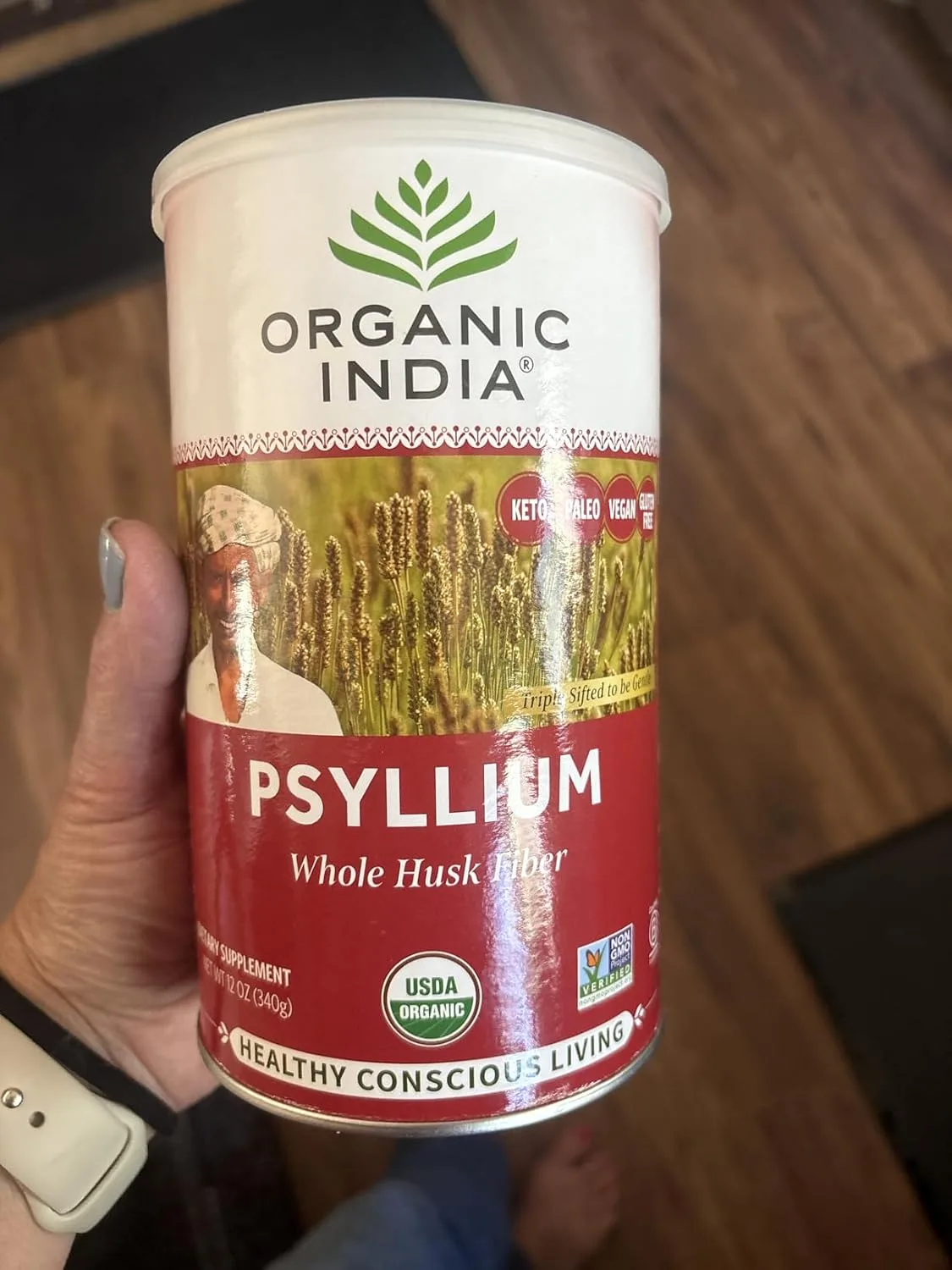
Psyllium husk works by absorbing water in the digestive tract, which bulks stool and makes it easier to pass—but the key is choosing a form that dissolves fully and doesn’t ferment heavily in a sensitive gut. ORGANIC INDIA’s whole psyllium husk is finely milled enough to hydrate properly without the residue or additives that trigger cramping or gas in IBS-C clients.
Why I Chose This Product for Constipation Relief
When I started working with clients struggling with constipation, I quickly learned that not all fiber supplements are created equal. Many over-the-counter options contain gums, artificial sweeteners, or heavily processed ingredients that can upset a sensitive digestive system rather than support it. I was searching for something genuinely clean—organic, minimally processed, and backed by transparent sourcing—that would deliver real results without the side effects my clients were reporting from other brands.
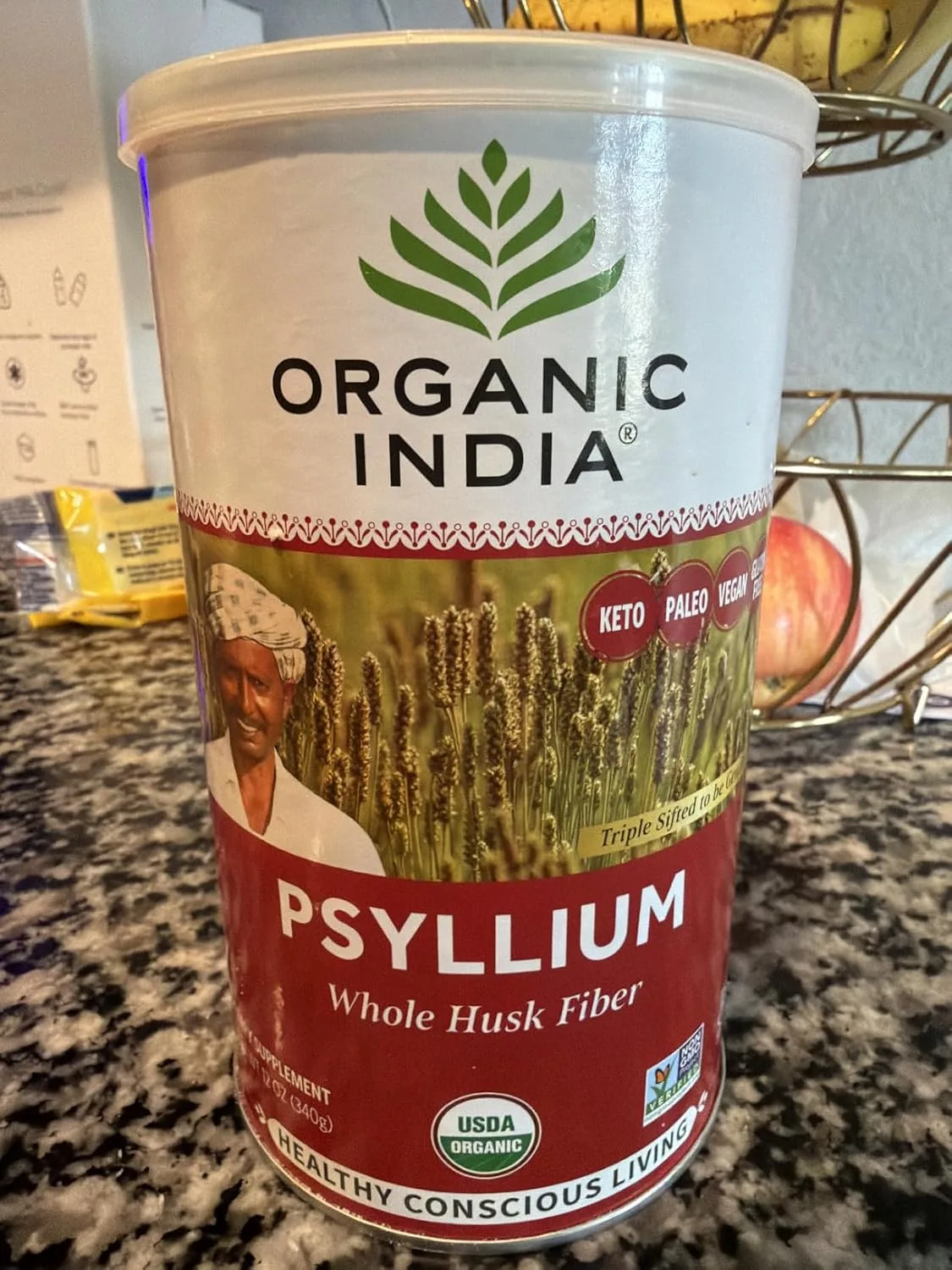
ORGANIC INDIA Whole Psyllium Husk Powder Organic stood out because it ticked every box: certified organic, non-GMO, gluten-free, and free from additives, binders, or flow agents. For someone managing IBS-C or chronic constipation without wanting to become dependent on stimulant laxatives, this felt like the right foundation to rebuild natural bowel function.
How Psyllium Husk Actually Works in Your Gut
Psyllium is a soluble fiber derived from the seeds of the Plantago ovata plant. When mixed with water, it absorbs liquid and becomes a gel-like substance that moves through your digestive tract. This does two important things: it increases stool bulk (making your colon more efficient at moving waste) and softens the stool itself, reducing the straining and discomfort that comes with hard, dry bowel movements.
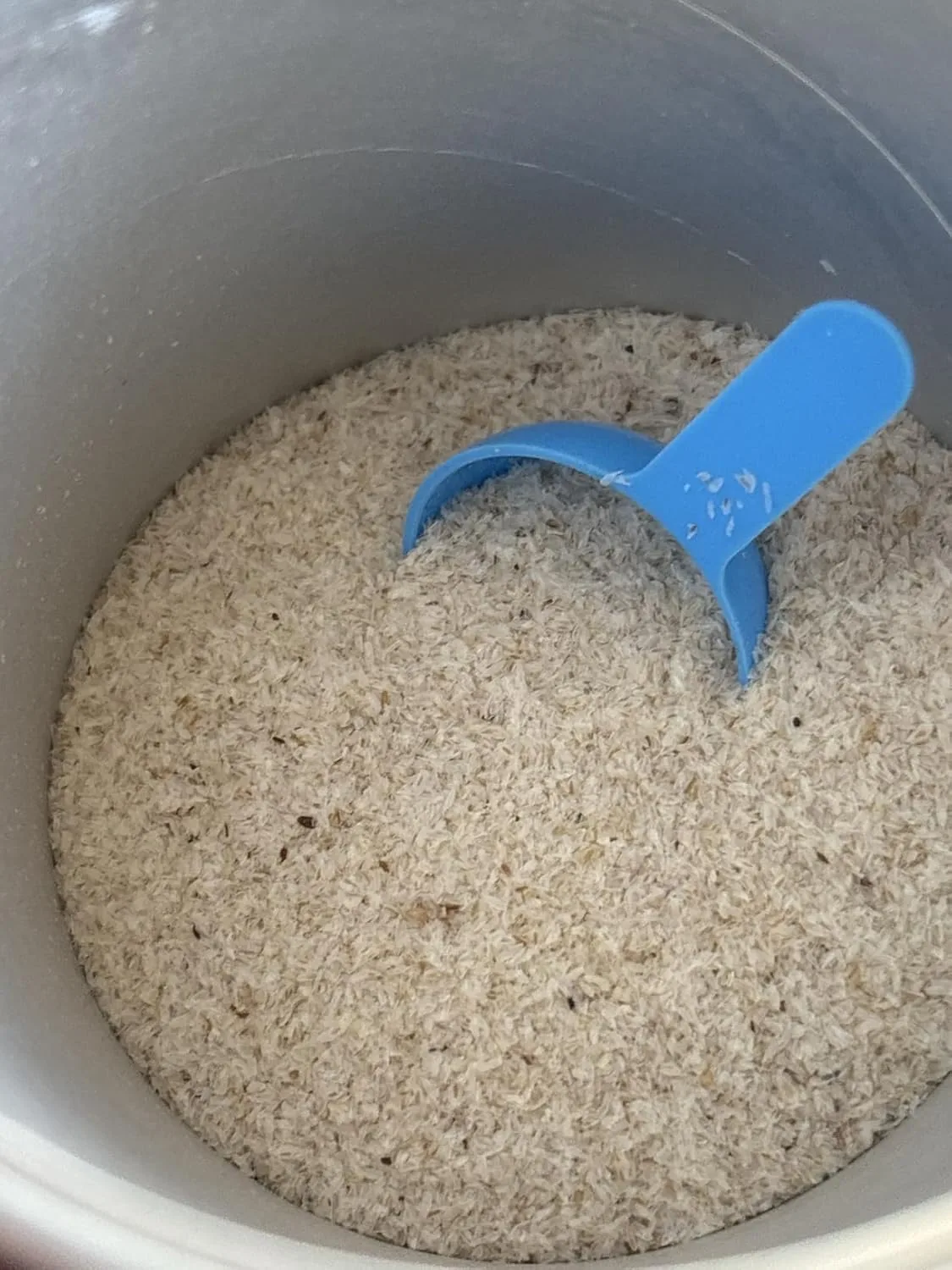
What makes ORGANIC INDIA’s formulation different is the fineness of the milling. Coarser psyllium powders can leave grainy residue that doesn’t fully hydrate, leading to that sandy, uncomfortable feeling. The fine milling here ensures the powder dissolves more completely, which means better water absorption and less likelihood of the bloating or cramping that can occur when fiber sits partially unabsorbed.
What Works Well
- Results within a reasonable timeframe: Most clients notice softer, easier-to-pass stools within 3–7 days when taken consistently with adequate water. The standard dose appears to be 8–12g daily, often split into two doses—one in the morning and one in the evening. The key is consistency; fiber works best as a daily habit, not a sporadic remedy.
- Clean ingredient profile: Organic, non-GMO certification and zero additives mean fewer mystery triggers. For people whose IBS flares unpredictably around thickeners, gums, or artificial ingredients, this simplicity is reassuring. You’re getting psyllium husk and essentially nothing else.
- No laxative dependency: Unlike stimulant laxatives that can weaken your colon’s natural contractions over time, psyllium works with your body’s physiology to restore normal motility. This makes it suitable for long-term use without the “rebound constipation” many people experience when they stop taking harsh laxatives.
- Gluten-free and naturally derived: This matters for people with coeliac disease, non-coeliac gluten sensitivity, or mixed-type IBS who need to avoid hidden gluten in supplements.
What Doesn’t Work (Or Won’t Work for Everyone)
- It’s not an acute fix: If you’re impacted or facing severe acute constipation, psyllium husk requires patience. This is a slow-acting, gut-restorative tool that builds benefit over 1–2 weeks. It’s designed for sustainable long-term support, not emergency relief.
- Not suitable for all IBS presentations: If you have IBS-D (diarrhea-predominant IBS), FODMAP sensitivity, or suspected small intestinal bacterial overgrowth (SIBO), adding psyllium can worsen bloating, gas, or urgency. The fermentation of soluble fiber in dysbiotic or sensitive guts can be counterproductive. Always discuss with your GP or dietitian before starting.
- Requires adequate hydration: Psyllium without water can actually worsen constipation. You must commit to drinking enough fluid—typically 8+ glasses daily—for the fiber to work as intended.
How to Use It Properly
Start low and go slow. Begin with a half teaspoon (around 2.5g) mixed into 8 ounces of water, juice, or smoothie once daily. Gradually increase to the full 1–2 teaspoon doses over a week or two as your gut adapts. Taking too much too quickly is the most common reason people experience bloating or cramping.
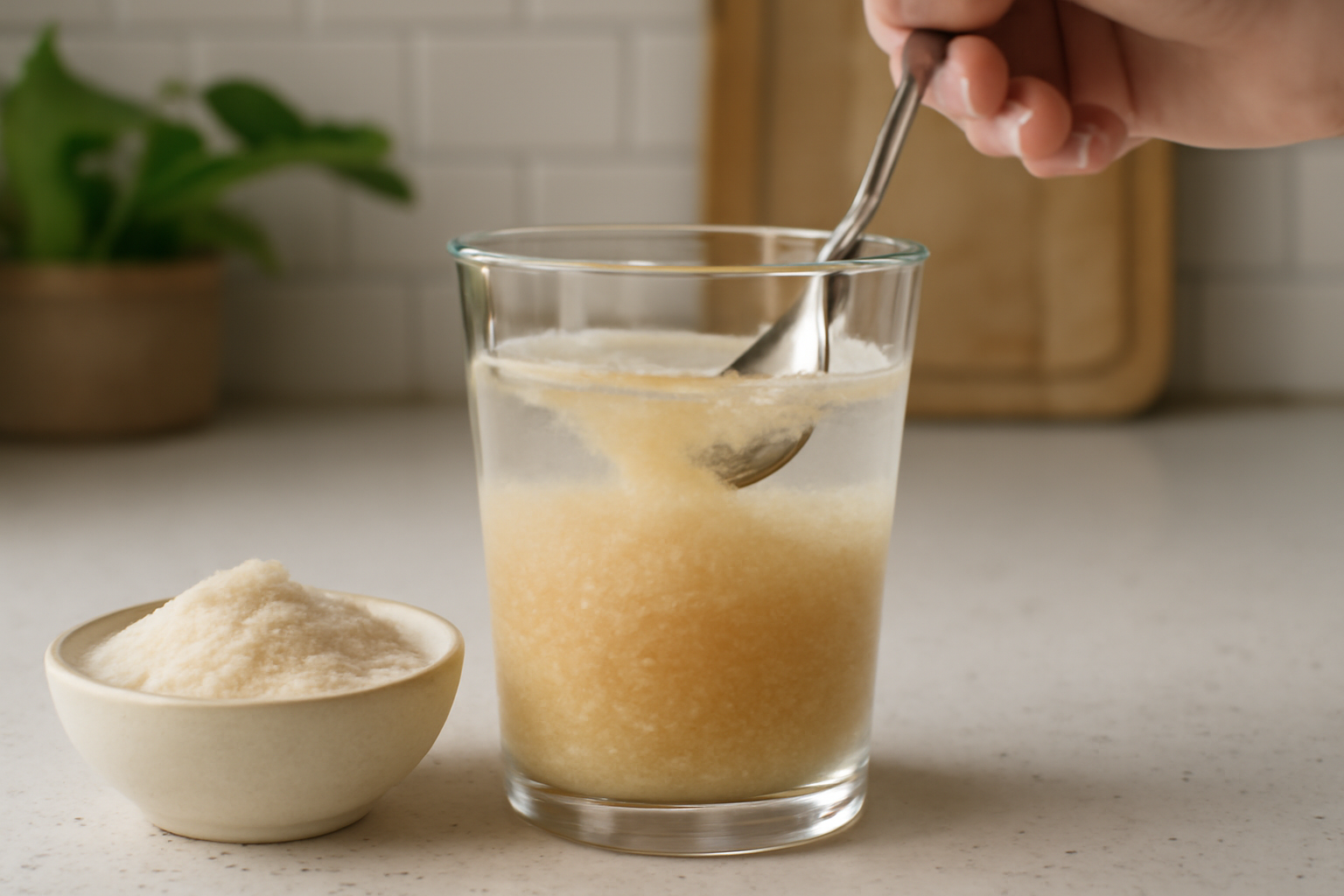
Mix the powder thoroughly with liquid—it won’t dissolve perfectly like sugar, but it should create a smooth suspension without gritty lumps. Drink it immediately; don’t let it sit, as it will thicken quickly. Some people prefer stirring it into yogurt, applesauce, or a thick smoothie rather than water if the taste is off-putting.
When to Seek Medical Advice First
If you’re experiencing severe straining, blood in stool, unexplained weight loss, or constipation that’s a new change from your baseline, this supplement is not a substitute for a proper medical assessment. See your GP to rule out underlying conditions like bowel obstruction, colorectal polyps, or thyroid issues. Once you’ve been cleared by a healthcare provider, psyllium becomes a safe, sensible next step in restoring digestive function.
The Bottom Line
ORGANIC INDIA Whole Psyllium Husk Powder Organic is one of the cleanest, most reliable fiber sources I recommend to clients building long-term digestive resilience. It’s not a quick fix, but for anyone committed to addressing constipation naturally without additives or dependency issues, it’s a genuinely solid choice.
This post contains affiliate links. As an Amazon Associate, I earn from qualifying purchases at no extra cost to you.