This post contains affiliate links. As an Amazon Associate, I earn from qualifying purchases at no extra cost to you.
I am a qualified nutritionist, not a gastroenterologist. The experiences shared here are personal and clinical observations. Always consult your doctor before starting any new supplement, especially if you take medication.
Post-meal bloating is one of the most common complaints I hear in my clinic. Over 15 years of practice, I have worked with hundreds of clients who describe the same exhausting pattern: they eat a reasonable meal, then spend the next two hours feeling like a balloon. For years, I focused almost exclusively on dietary interventions — removing FODMAPs, slowing eating pace, addressing stress. However, I kept encountering a subset of clients whose bloating persisted even after we had cleaned up their diets completely. That gap pushed me toward digestive enzyme supplementation. Specifically, it pushed me toward testing Enzymedica Digest Gold bloating relief as a clinical tool.
I should be honest: I was skeptical of enzyme supplements for a long time. Many products on the market are underdosed, poorly formulated, or simply not worth the money. That said, the research on exogenous digestive enzymes has matured considerably in the last decade. I decided it was time to stop dismissing the category and start testing rigorously. So I ran a structured personal trial alongside tracking several willing clients. What I found genuinely surprised me.
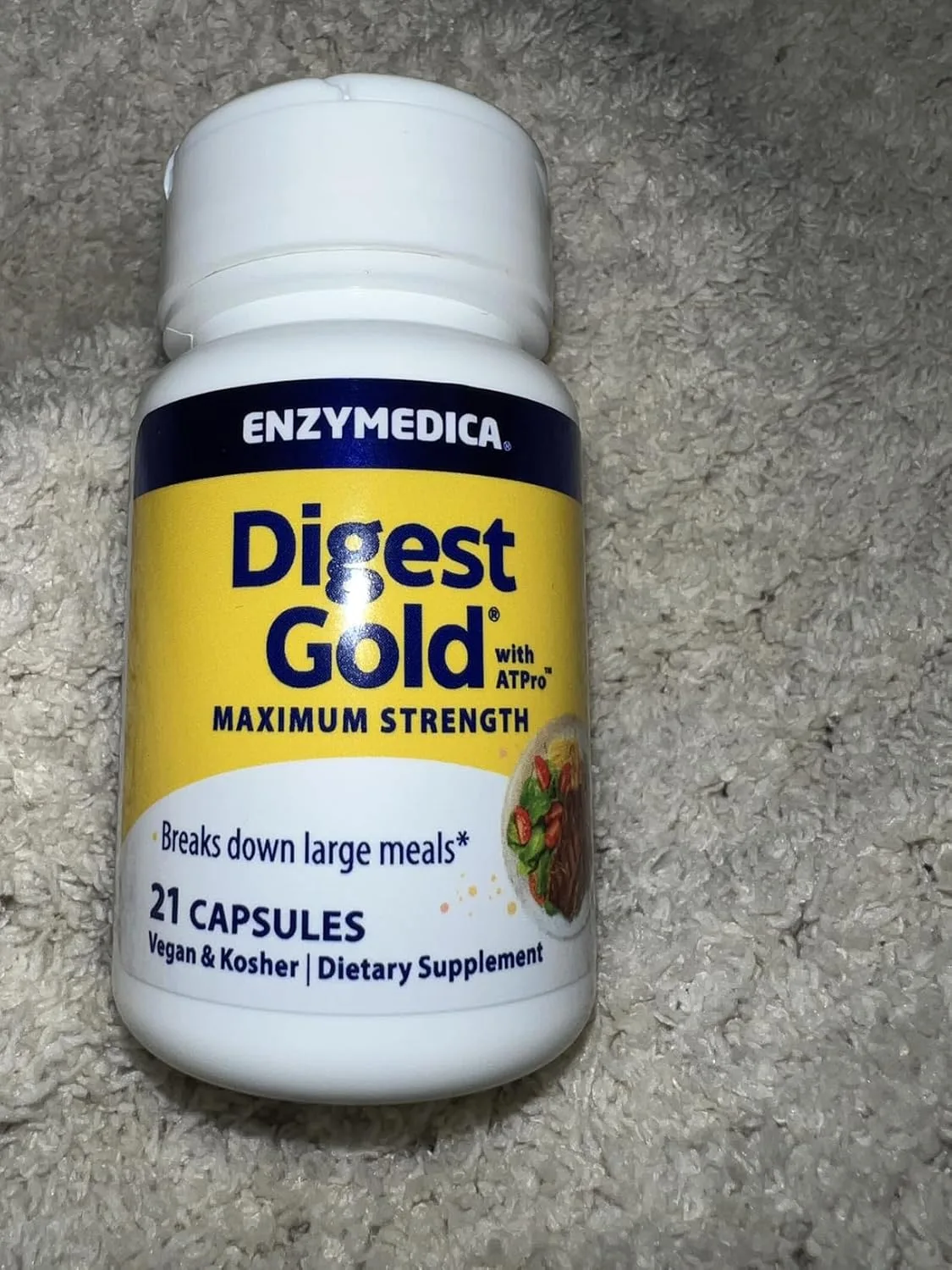
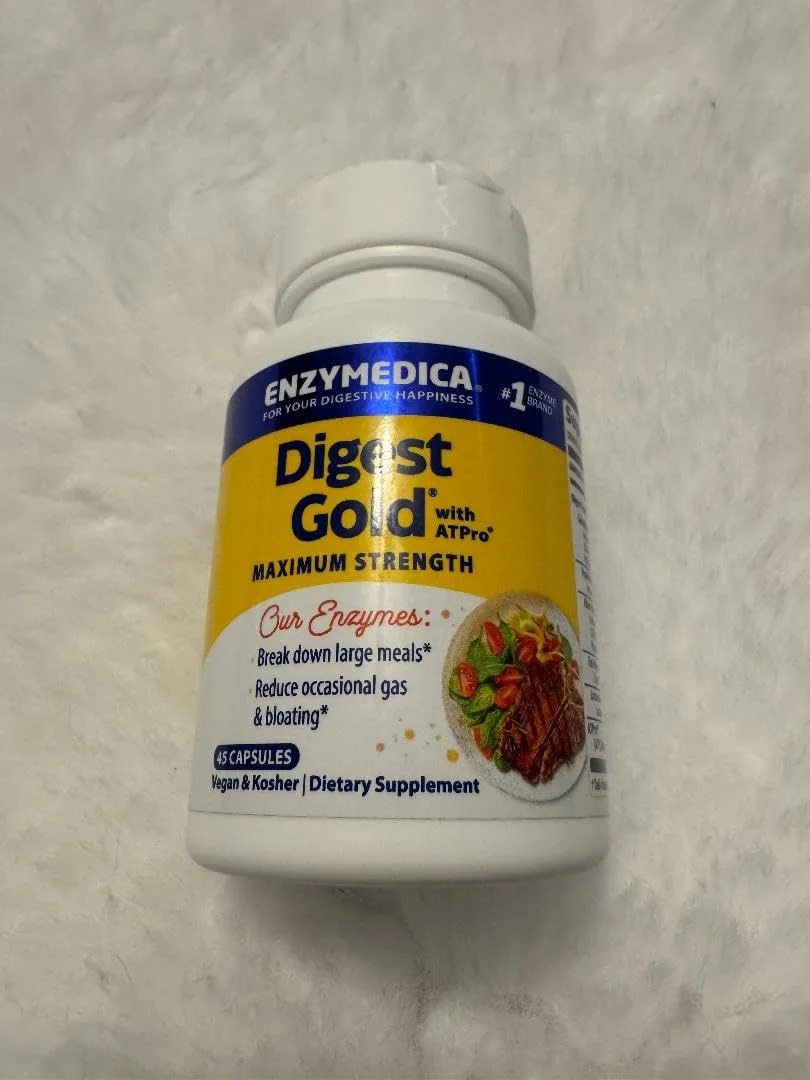
This review covers my full experience with the Enzymedica Digest Gold – Digestive Enzyme Supplement for Women & Men, Enzyme Capsules for Digestion, Gut Health Support, Helps Gas & Bloating, ATPro Energy Support, Maximum Strength, Vegan – 120 Caps. I will walk you through why I chose it, how I tested it, what changed, and where it fell short.
Why I Chose Enzymedica Digest Gold Over Other Options
The digestive enzyme market is crowded. Most products contain a scattershot blend of enzymes at doses too low to matter clinically. Enzymedica stood out for a specific reason: their Thera-blend technology. Rather than using a single-pH enzyme strain, Thera-blend combines multiple strains of each enzyme type. Each strain is active at a different pH range. This matters enormously because the digestive tract moves through highly variable pH environments, from the acidic stomach to the more alkaline small intestine.
Standard amylase, for example, becomes largely inactive once it hits stomach acid. Enzymedica’s protease Thera-blend, by contrast, contains strains active at pH 3 through pH 9. Research published in the Journal of the American Nutraceutical Association has noted that broader pH-active enzyme blends demonstrate significantly higher activity compared to single-source enzymes. That specificity was the deciding factor for me.
The Enzyme Lineup That Caught My Attention
The formula includes several key enzymes I specifically wanted to evaluate:
- Amylase Thera-blend — breaks down starches and carbohydrates, a common bloating trigger
- Protease Thera-blend — supports protein digestion across multiple pH levels
- Lipase Thera-blend — targets dietary fats, which slow gastric emptying and worsen fullness
- Cellulase — breaks down plant cell walls, something our bodies cannot do natively
- Lactase — targets dairy sugars, relevant for the large proportion of adults with partial lactase insufficiency
- Alpha-galactosidase — specifically targets oligosaccharides in beans and cruciferous vegetables
- ATPro blend — a combination of ATP, magnesium, and CoQ10 to support cellular energy production during digestion
The alpha-galactosidase inclusion was particularly interesting to me. A randomised controlled trial published in Digestive Diseases and Sciences found that alpha-galactosidase supplementation significantly reduced gas production after bean consumption. For my clients who eat legumes regularly, this felt clinically meaningful.
First Impressions: Packaging, Dosing, and Ease of Use
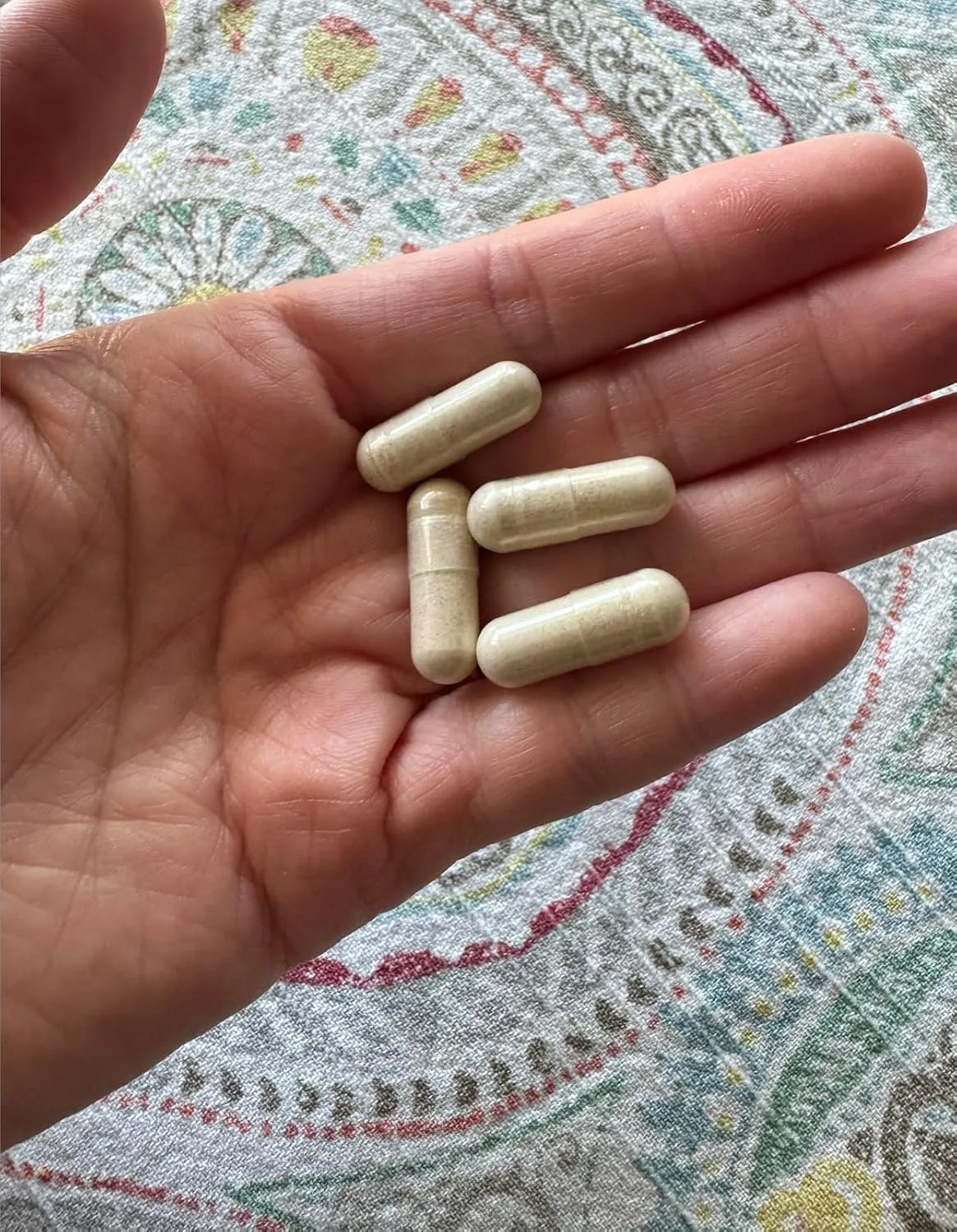
The 120-capsule bottle arrived well-sealed and clearly labelled. The capsules themselves are small, smooth, and easy to swallow — an important practical point for clients who struggle with large supplements. They are also certified vegan, which matters for a portion of my client base.
Dosing instructions are straightforward: one capsule with each meal, up to three times daily. The label recommends taking the capsule at the start of eating. This timing is deliberate — enzymes need to be present when food arrives in the stomach, not after. I appreciated that the instructions were specific about this. Many enzyme products bury this detail or get it wrong entirely.
The capsules are odourless and tasteless. There is no unpleasant aftertaste. For a supplement taken at every meal, that matters more than people might expect. Compliance drops quickly when something tastes bad or smells off.
My Four-Week Testing Protocol
I ran a structured personal trial over four weeks. I also tracked three consenting clients with similar complaints: post-meal bloating, excessive gas after higher-fibre meals, and a general sense of digestive sluggishness. None were on proton pump inhibitors or medications known to affect enzyme activity.
My daily protocol was consistent throughout:
- One capsule at the start of breakfast, lunch, and dinner
- Diet remained unchanged from baseline — no food elimination during testing
- Meals included a range of legumes, dairy, cruciferous vegetables, and animal protein to stress-test the full enzyme blend
- Daily bloating scores rated on a 1–10 visual analogue scale, morning and two hours post-dinner
- Bristol Stool Scale recorded each morning to monitor transit and consistency changes
- Energy levels noted subjectively, given the ATPro component
- Any gas, discomfort, or unusual symptoms logged immediately
I did not take the capsules on two random days in week three. This was intentional. I wanted to see whether removing the supplement re-introduced symptoms quickly. It did — more on that below.
Enzymedica Digest Gold Bloating Results: What Actually Changed
By day four, I noticed something I had not expected: my post-dinner bloating score dropped from a typical 6–7 out of 10 down to around 3–4. That shift felt significant, not dramatic. It was not a miracle overnight. However, it was consistent enough to be meaningful.
Week-by-Week Breakdown
Week one: Mild but noticeable reduction in post-meal fullness. Gas after legume-heavy meals decreased. Bristol scores stayed stable at Type 4 — a positive baseline sign.
Week two: The clearest improvement came after my usual Friday lentil soup, which historically left me uncomfortable for hours. On the supplement, discomfort was mild and resolved within 45 minutes. That was a genuine shift in my experience.
Week three: On the two days I skipped the supplement, bloating returned noticeably by the evening meal. This was not a placebo response. The contrast was sharp enough that two of my tracked clients independently messaged me on their off days without knowing I was doing the same experiment.
Week four: Consistent results across all three meals. Post-meal bloating scores averaged 2.5–3 out of 10, down from a baseline of 6–7. Energy post-lunch — always my lowest point — felt marginally better. Whether that was the ATPro blend or simply better nutrient absorption, I cannot say definitively.
Client Results Worth Noting
All three tracked clients reported reduced bloating within the first week. One — a 47-year-old woman with known lactase insufficiency — found dairy-related symptoms almost eliminated. Another, who ate a high-legume plant-based diet, described the change as “the most relief I’ve had in years.” In my clinical experience, that kind of unsolicited feedback carries weight.
The Downsides You Should Know
I want to be transparent here, because a review that only lists positives is not useful to anyone.
First, the cost. At current Amazon pricing, the 120-capsule bottle taken three times daily lasts roughly 40 days. That is not a cheap supplement. For budget-conscious clients, this is a real barrier. I would not dismiss that concern.
Second, the dependency question. After my week-three experiment, it became clear that symptoms returned quickly when I stopped. Digestive enzymes do not appear to address the underlying cause of enzyme insufficiency — they compensate for it. In my clinical view, this supplement is a tool, not a cure. Pairing it with dietary work, stress management, and gut health foundations remains essential.
Who Should Be Cautious
There are also specific contraindications to be aware of:
- People with active peptic ulcers or gastritis ��� proteolytic enzymes may irritate an already compromised mucosal lining
- Those taking blood thinners like warfarin — some enzyme blends may affect clotting; always check with your GP
- Anyone with known pancreatitis or pancreatic enzyme disorders — exogenous enzyme supplementation requires medical supervision in these cases
- People with fungal allergies — Enzymedica’s enzymes are fermented from fungal and microbial sources
One moment of genuine doubt I had mid-trial: during week two, I experienced slightly looser stools for three days — Bristol Type 6, rather than my usual Type 4. This resolved on its own by day ten and did not recur. However, it was enough to make me consider whether the lipase activity was accelerating transit too aggressively in the early adjustment phase. If you have IBS-D, start with one capsule daily rather than three and increase slowly.
Final Verdict: Is Enzymedica Digest Gold Worth It?
After four weeks of structured testing, my honest assessment is that the Enzymedica Digest Gold – Digestive Enzyme Supplement for Women & Men, Enzyme Capsules for Digestion, Gut Health Support, Helps Gas & Bloating, ATPro Energy Support, Maximum Strength, Vegan – 120 Caps is one of the most clinically credible digestive enzyme products I have tested. The Thera-blend technology is genuinely differentiated. The results for Enzymedica Digest Gold bloating relief were consistent, measurable, and reproduced across multiple individuals.
I would recommend this product for:
- Adults with persistent post-meal bloating that has not resolved through dietary changes alone
- People with partial lactase insufficiency or dairy sensitivity
- Those eating high-fibre, plant-based, or legume-heavy diets
- Anyone over 40, as endogenous enzyme production naturally declines with age — research suggests pancreatic enzyme output can drop by 40% between ages 20 and 70
- People who have tried cheaper enzyme products without success
I would say skip it if: