I am a qualified nutritionist, not a gastroenterologist. The experiences shared here are personal and clinical observations. Always consult your doctor before starting any new supplement, especially if you take medication.
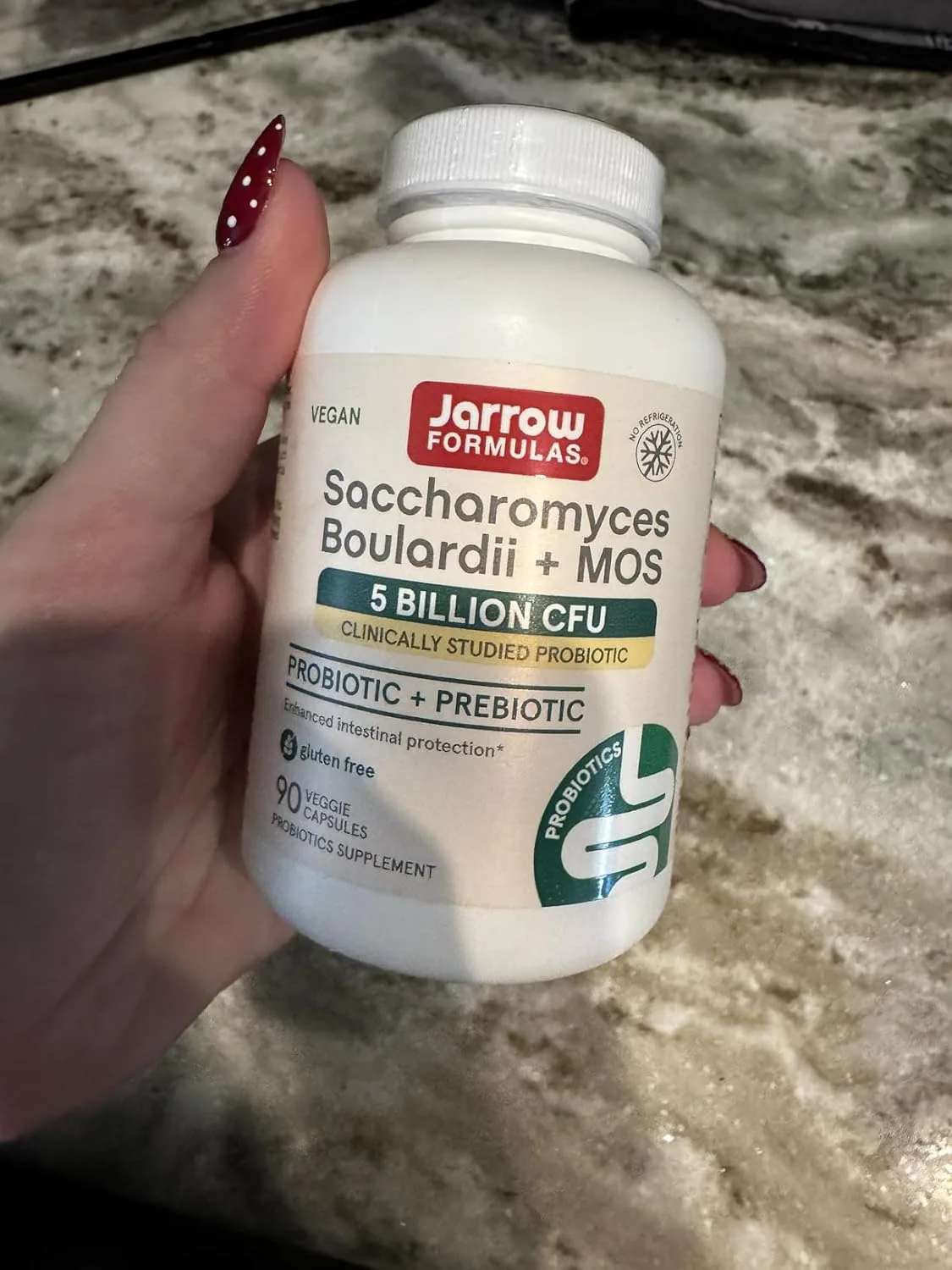
Last spring, I finished a ten-day course of broad-spectrum antibiotics for a stubborn sinus infection. Within 48 hours, my gut was a mess. Loose stools, cramping, that hollow, unsettled feeling — I knew exactly what was happening. My microbiome had taken a serious hit. As someone who has spent over 15 years advising clients on digestive health, I was almost embarrassed by how quickly my own gut buckled. That experience became the most personally motivated test I have run in years. Specifically, it pushed me to properly trial using Jarrow S. Boulardii after antibiotics as a targeted recovery protocol, rather than just recommending it theoretically to clients.
I had recommended Saccharomyces boulardii to hundreds of clients post-antibiotic. However, I had never tracked my own recovery this rigorously. I decided to document everything — stool consistency using the Bristol Stool Scale, bloating scores, energy levels, and bowel frequency. This post shares everything I found, honestly, including a moment where I almost abandoned the trial entirely.
The Probiotic Strain That Actually Works After Antibiotics
Saccharomyces boulardii is a non-pathogenic yeast—not a bacteria—which means it can survive the antibiotic onslaught that decimates your resident gut flora. It’s specifically studied for antibiotic-associated diarrhoea and works by crowding out opportunistic pathogens and stabilising the intestinal barrier while your good bacteria rebuild.
What works
- S. boulardii has solid randomised controlled trial evidence for reducing antibiotic-associated diarrhoea—it’s one of the few probiotics that actually has mechanism-specific research behind it.
- Because it’s a yeast, not a bacterium, it doesn’t get killed by the remaining antibiotic in your system—you can start it during the course or immediately after without losing efficacy.
- The Jarrow formulation includes MOS (mannanoligosaccharides), a prebiotic fibre that feeds your recovering good bacteria, so you’re not just plugging a gap—you’re supporting regrowth from day one.
What doesn’t
- It won’t fix diarrhoea caused by something other than antibiotics—if your loose stools are from food poisoning, inflammatory bowel disease, or C. difficile infection, you need a GP assessment first, not a probiotic.
- Results take 3–7 days, not hours; if you’re expecting immediate relief, you’ll be disappointed. And for immunocompromised or critically ill patients, S. boulardii carries a small theoretical infection risk, so talk to your doctor before using it.
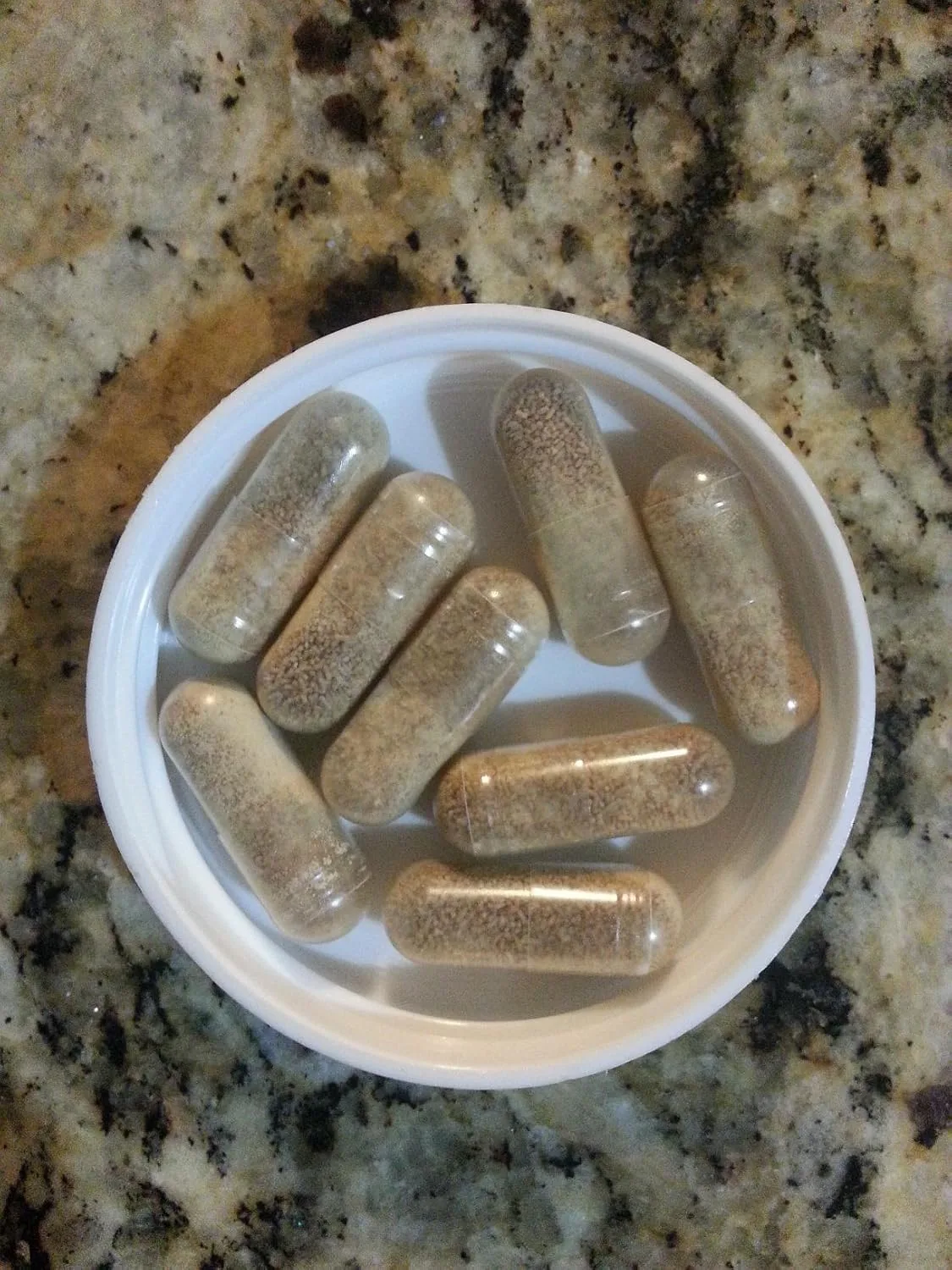
S. boulardii is a helpful tool for post-antibiotic recovery, but it’s not a substitute for reintroducing fibre, fermented foods, and time once your acute symptoms settle—your microbiome needs all three to truly rebuild. Jarrow Formulas Saccharomyces Boulardii + MOS Probiotics for Digestive Health and Intestinal Tract Support
This post contains affiliate links. As an Amazon Associate, I earn from qualifying purchases at no extra cost to you.