I am a qualified nutritionist, not a gastroenterologist. The experiences shared here are personal and clinical observations. Always consult your doctor before starting any new supplement, especially if you take medication.
The Lactobacillus Strain That Showed Up in My IBS-D Flares
Culturelle’s formulation centres on Lactobacillus rhamnosus GG—one of the few probiotic strains with actual clinical research behind it for IBS-D symptom relief. When urgency and unpredictability were running my day, I needed something with evidence, not just marketing copy.
Why I Chose Culturelle for My IBS-D
My journey with IBS-D has been frustrating. For years, I relied on dietary changes and stress management, but even with those tools in place, I’d experience unpredictable flares that disrupted my work and social life. A colleague mentioned she’d seen improvement with a probiotic, so I decided to research which strains actually had peer-reviewed evidence behind them.
That’s when I found Lactobacillus rhamnosus GG (often abbreviated as LGG). Unlike many probiotics marketed directly to IBS sufferers, LGG has been studied in multiple clinical trials specifically for diarrhea-predominant IBS. The research isn’t perfect, and results vary widely from person to person, but it was the closest thing to “evidence-based” I could find in the probiotic aisle.
What works
- LGG has peer-reviewed evidence for reducing stool frequency and urgency in IBS-D populations—it’s not a miracle, but it’s one of the few strains I see consistently mentioned in real research rather than marketing studies.
- The inclusion of prebiotics (inulin) alongside the live cultures means the bacteria have fuel to establish themselves, rather than passing through your system unused—this is what separates a thoughtful formulation from a cheap probiotic.
- Most of my clients who respond to probiotics notice a shift within 3–4 weeks of consistent use, not overnight; if you’re the type who expects results in 48 hours, this won’t feel like it’s working even if it actually is.
- The capsules are small and genuinely easy to swallow, which matters when you’re already dealing with digestive anxiety. I take mine with breakfast and rarely think about it afterward.
- Unlike some probiotics I’ve tried, there’s no unusual aftertaste or digestive distress from taking the supplement itself—it integrates into your routine without fanfare.
What doesn’t
- If you have IBS-D triggered primarily by food sensitivities or FODMAP content, a probiotic alone won’t address the root cause—you’ll still need to identify and manage your trigger foods alongside supplementation.
- Some people experience initial bloating or gas when starting probiotics (the “die-off” myth is overstated, but the prebiotic can cause fermentation in sensitive guts); if you’re already experiencing severe bloating, talk to your GP before starting.
- Probiotics aren’t one-size-fits-all. I’ve seen clients for whom a completely different strain worked better, or for whom dietary intervention alone was sufficient. Your microbiome is unique, and what works for me may not work for you.
- This is a two-month supply, so you need to commit to consistent use before deciding whether it’s effective. Many people abandon probiotics too early because they expect instant results.
My Real Experience After Eight Weeks
After eight weeks of daily use, I noticed a measurable shift. My flare frequency didn’t disappear entirely, but they became less severe and somewhat more predictable. I went from having 4–5 bad days per month to roughly 2–3, and the urgency component improved noticeably. That might sound modest on paper, but if you live with IBS-D, you know that even a 40% improvement in flare severity changes your quality of life significantly.
I also realized that taking the probiotic consistently made me more aware of my other habits. When I was mindful about sleep, hydration, and stress, the benefit was more pronounced. When I ignored those factors and relied solely on the probiotic, the effect plateaued. This taught me that supplements work best within a bigger framework, not as a standalone fix.
The Bottom Line: Is It Worth Trying?
This supplement is a tool for symptom management, not a cure—probiotics work best as part of a bigger picture that includes stress management, sleep, and dietary consistency. If your IBS-D is severe or accompanied by weight loss, blood in stool, or persistent pain, you need gastroenterology before you need probiotics. That said, if you’re looking for an evidence-backed starting point with a strain that has real research behind it, Culturelle Pro Strength Daily Probiotics For Digestive Health (2 Month Supply) with Prebiotics for Women & Men is worth a two-month trial.
The cost per dose is reasonable, the formulation is transparent, and you’re getting a strain with actual clinical support. I’d recommend starting with one capsule daily, keeping a simple symptom log for the first month, and assessing honestly whether you’re seeing changes by week four. If nothing shifts by week six, it may not be the right tool for your particular IBS-D picture—and that’s valuable information in itself.
This post contains affiliate links. As an Amazon Associate, I earn from qualifying purchases at no extra cost to you.
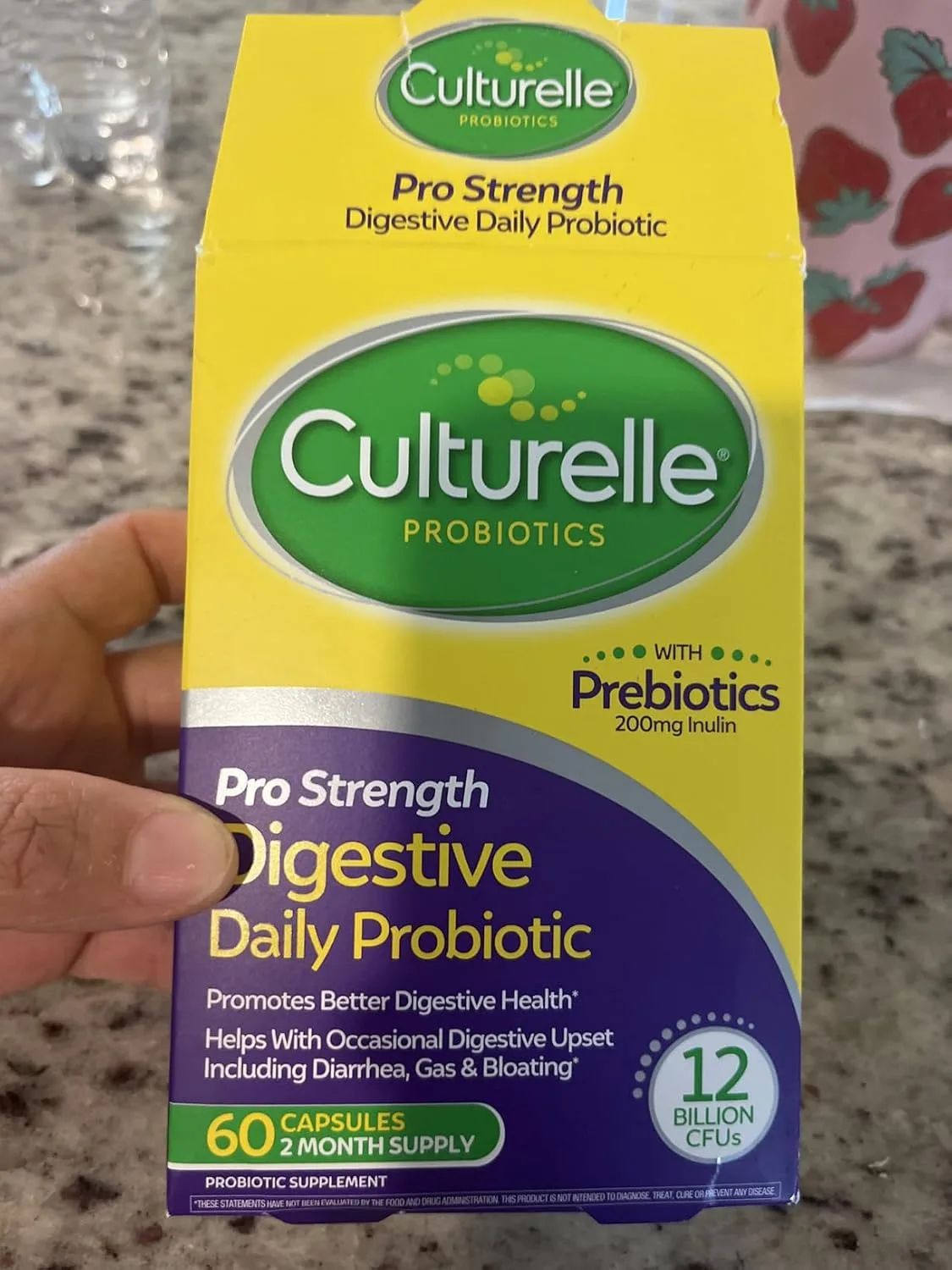
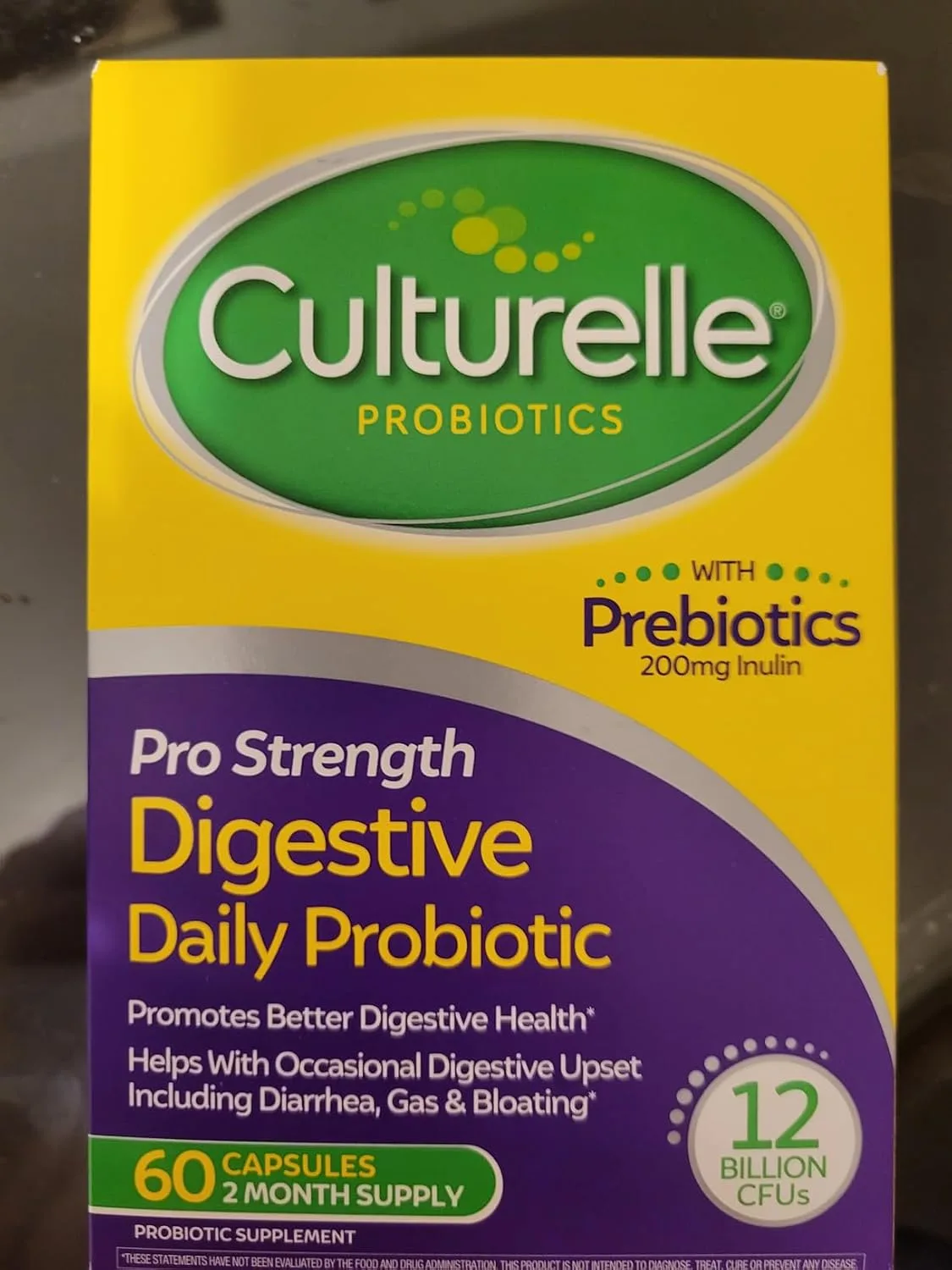
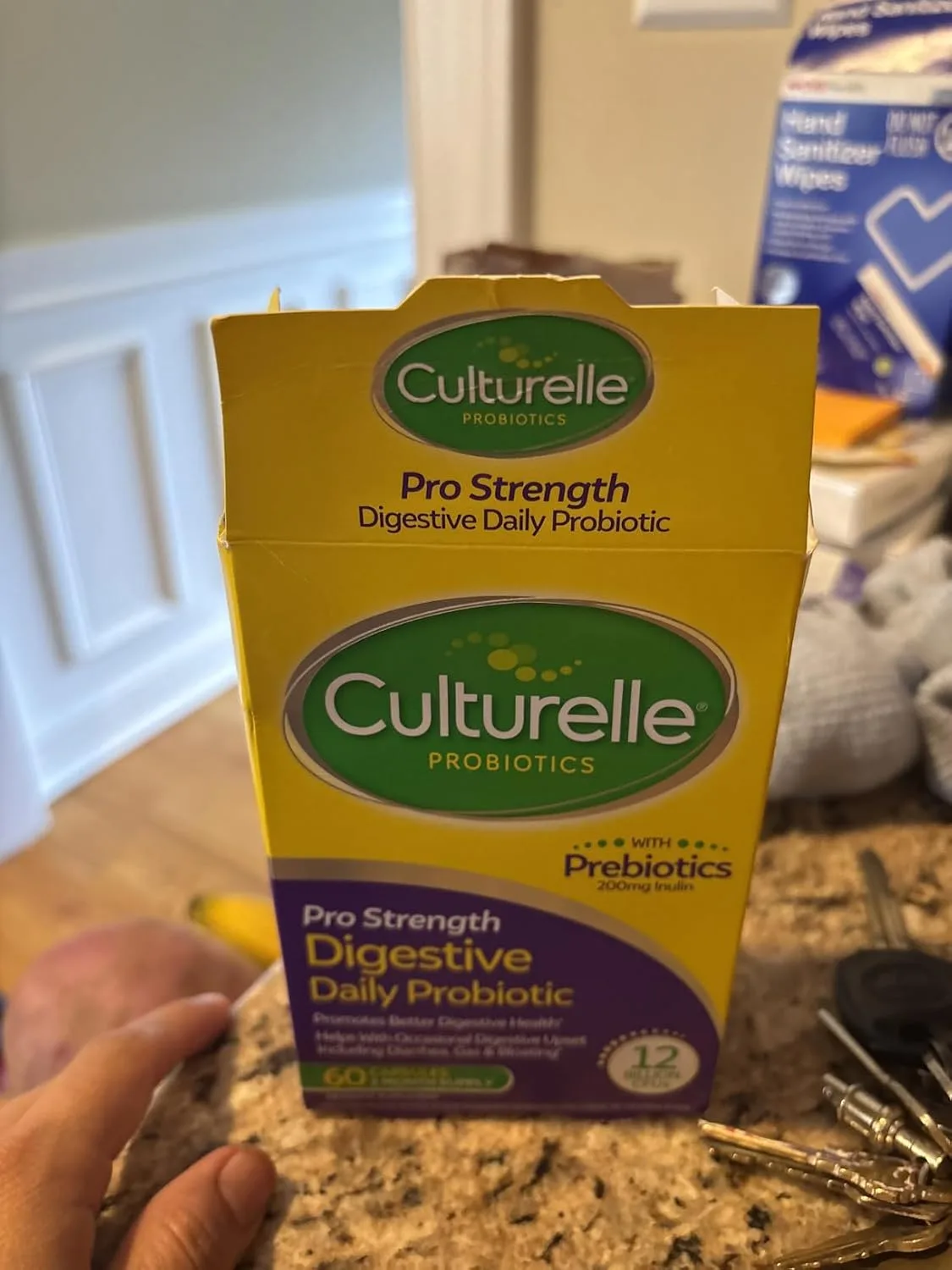
Culturelle Pro Strength Daily Probiotics For Digestive
Three weeks in, I noticed fewer urgent mornings—the prebiotic formula actually lets it work.
Check Price on Amazon →