The trillions of bacteria, fungi, and other microorganisms inhabiting your digestive tract — your microbiome — perform functions that extend far beyond the digestion of meals. In my years of comparing notes with other people, I’ve noticed a recurring pattern: people come to me describing symptoms they’ve never connected to gut health — persistent low mood, chronic tiredness, recurrent infections, disrupted sleep — and once we start examining their microbiome markers, the dots begin to connect. Few of us actually stop to evaluate how well our microbiome is truly being supported.
What I share with people early on is that your microbiome exists in a state of constant flux. It shifts in response to your eating patterns, your sleep quality, the stress load you’re carrying, and which medications enter your system. This responsiveness cuts both ways: the microbiome can decline under poor conditions, but it is equally capable of bouncing back when conditions improve. The missing piece for most people is baseline awareness. Before making changes, you need to know where things stand. The practical assessment below is built to give you exactly that — a clear snapshot of your current gut health status.
Keep in mind that this tool is not meant to diagnose anything. If you’re dealing with ongoing or worrying symptoms, partnering with a qualified health professional is always the right call. That said, this checklist points directly to the dietary and lifestyle elements that science has repeatedly shown to support microbiome richness and strength — helping you spot which areas might need work.

The Gut Microbiome Health Symptom Checklist
Work through the questions that follow with honest reflection. There’s no passing or failing here — just an accurate reflection of the foods you’re eating, how you’re living, and what signals your body is sending back.
- Do you eat at least 8 different plant foods weekly — drawn from vegetables, fruits, beans, and whole grains?
- Do you include fermented options in your eating pattern, such as kefir, yogurt, sauerkraut, or kimchi?
- Are your bowel movements regular and comfortable on most days?
- Are you currently taking antibiotics, or have you taken them repeatedly in recent years?
- Do you deal with substantial gas, bloating, or digestive discomfort on a daily basis?
- Does your life involve high stress and insufficient sleep?
- Does your diet lean heavily on processed items, added sugars, or synthetic sweetening agents?
- Do you find yourself catching colds, developing infections, or experiencing weak immune response regularly?
- Do you struggle with depressed mood, mental cloudiness, or sudden energy dips without clear explanation?
- Is your alcohol consumption more than the 2–3 drinks-per-week threshold?
Count 1 point for each “Yes” response, and then find your range below.
What Your Score Means
0–3 points: Your microbiome is receiving solid support right now. The lifestyle choices and foods you’ve built into your routine align with what research shows about a rich, resilient microbiome. The pattern you’re maintaining is something most people I encounter haven’t yet achieved — especially if you’re already rotating plant varieties and making room for fermented foods regularly. This foundation you’ve established is among the highest-impact investments you can make in your future wellness.
4–6 points: You’re facing a medium level of disruption to your microbiome right now. This is extremely typical, and the encouraging part is that it’s entirely workable. In my experience, the biggest wins tend to come from expanding the range of plants you eat and cutting back on heavily processed items. You don’t need to transform your entire life in one go — incremental progress builds into real results surprisingly fast.
7–10 points: Your microbiome is likely under substantial stress from multiple lifestyle or dietary sources. I’m saying this to be truthful with you — but here’s the vital part: your microbiome responds remarkably well to deliberate change. Working with a registered nutritionist or functional medicine doctor on a targeted gut restoration plan could shift how you feel in meaningful ways. This score is information, not judgment.

Understanding What These Symptoms Mean
Someone will describe describing bloating alongside brain fog and exhaustion — a trio of complaints that most people wouldn’t expect the gut to influence. Yet this particular combination actually signals something specific: shrinking microbial diversity, where beneficial species diminish and less desirable organisms find room to expand. The healthy microbiome produces molecules called short-chain fatty acids, especially butyrate, which seal and maintain the gut barrier. Once that barrier weakens — a shift sometimes called increased intestinal permeability — inflammatory messengers can escape into circulation, triggering reactions throughout the body: rashes, joint aches, mood disruption, all stemming from what started in the gut.
I’ve become particularly interested in the gut-brain axis through both my reading and personal observation within my own family. Your gut manufactures roughly 90% of your body’s serotonin supply, and the vagus nerve functions as a biological communication line linking your gut’s nervous system directly to your brain. Peer-reviewed research in Nature Microbiology and Cell continues documenting connections between reduced microbial diversity and elevated anxiety, depressive symptoms, and concentration problems. This is precisely why mood and cognitive questions appear on this assessment — they represent real windows into your microbiome, not random health complaints.
The relationship between your immune defenses and your gut is equally important. The gut houses approximately 70% of your body’s immune machinery, and the microbiome actively teaches your immune cells the difference between threats and harmless materials. When someone reports getting sick frequently, recovering slowly, or having an overactive immune system, I take this as a serious microbiome indicator. The upside: expanding plant diversity in your diet — particularly fiber-rich foods — is one of the fastest, most evidence-supported levers for rebuilding bacterial abundance and function.

Take a Validated Gut Microbiome Health Quiz
If the assessment above has sparked your interest in going deeper on your microbiome status, the following two resources offer research-backed tools that go well beyond surface-level screening. Both draw from reputable organizations and deliver truly actionable personalized results.
- Dr. Emeran Mayer Gut Health Quiz — A neurogastroenterologist at UCLA and a recognized global voice on gut-brain communication, Dr. Mayer’s assessment is grounded in current evidence, comprehensive in scope, and yields valuable insight into your gut-brain status.
- Tiny Health Microbiome Plan Quiz — This tool categorizes your microbiome profile and delivers specific recommendations suited to your responses. It’s straightforward and helpful if you’re looking for direction that fits your particular situation.
Testing Your Microbiome: Why a Stool Analysis Matters More Than a Quiz
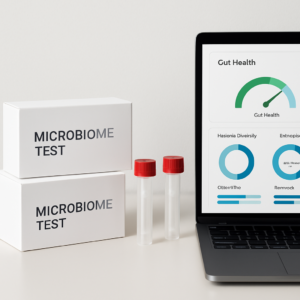
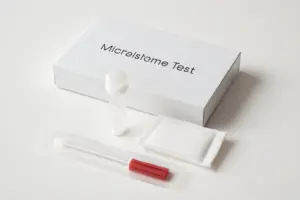
A self-assessment checklist helps you reflect on yourself, but it cannot reveal which organisms actually occupy your digestive space or tell you which helpful strains have gone missing. When you’re wrestling with symptoms that won’t budge — persistent bloating, unpredictable bowel patterns, tiredness that doesn’t match your sleep schedule, or ongoing susceptibility to infection — a microbiome stool test offers the concrete information you need to replace guesswork with precision targeting of your food and supplement choices.
What works
- Shows you exactly which bacterial groups are thriving and which ones are scarce — moving beyond the vague “is it healthy?” question to reveal precisely which functional niches are empty, clarifying why symptoms persist even when you’re trying to do the right things.
- Detects problematic organisms at play — such as yeast overgrowth or disease-causing bacteria — that symptom checklists simply cannot catch, putting you in position to address underlying drivers instead of only treating surface symptoms.
- Establishes a quantified starting point so you can evaluate whether your food shifts, probiotic choices, or treatment changes actually reshape your bacterial landscape — real proof of whether your strategy is working.
What doesn’t
- Numbers on a test report don’t automatically translate into health — you’ll need a practitioner (registered nutritionist, gastroenterologist, or registered dietitian) to make sense of the data and design a plan customized to your particular imbalances and presentation.
- The composition of your microbiome shifts constantly based on diet, medication, stress, and acute infections, meaning one test result is just a single moment; if your symptoms stem from recent medication use or an active infection, a single test won’t show the whole story without professional context.
A microbiome test is a diagnostic tool, not a treatment — if you’re experiencing severe symptoms like bloody stools, unintentional weight loss, or persistent fever, see your GP before ordering a test. Once you have results, Biomesight Gut Microbiome Test Kit offers straightforward reporting and actionable bacterial profiles that I’ve found useful to share with people during our sessions.
About This Article

Written by Alex Mercer. Alex Mercer has lived with IBS since childhood and isn't a nutritionist or a doctor. After years of being told he was anxious or would grow out of it, he spent more than 12 years reading the research properly, and now shares what he has learned with the family, friends and support-group members who come to him with the same questions. He translates peer-reviewed research into practical, honest advice, and is always upfront about what the evidence does and does not show. More about this site.
Scope and limits. Alex is not a doctor, dietitian, or nutritionist, and nothing here is medical advice. Talk to a clinician before changing your diet, starting a supplement, or acting on symptoms — especially persistent or worsening ones.
Verify this against a primary source
Specifics change, and your situation may differ from the one described here. These are the authorities worth checking directly:
- NIDDK — digestive disease research and clinical guidance
- MedlinePlus — plain-language medical reference from the NIH
- Mayo Clinic — symptom and condition reference