My clients regularly arrive at consultations having already spent £100–£200 on a gut microbiome test — and half of them have no idea how to interpret the results. The gut testing market has exploded in the past five years, and not all kits are created equal. After reviewing the most popular options and seeing how clients use the results in my practice, I have a clear opinion on what is worth buying and what is not. Finding the best gut microbiome test means understanding what you’re actually measuring, who is reading your results, and whether the recommendations will genuinely help your digestion.
In this post, I’m sharing the tests I recommend to my clients, the ones I’d skip, and the critical questions to ask before spending your money. This is honest, evidence-informed guidance from someone who sees both the promise and the pitfalls of at-home microbiome testing every single week.
Why the Gut Microbiome Matters (and Why Testing Can Help)
Let me be clear: the science is real. Your gut microbiome — the trillion bacteria living in your digestive tract — genuinely influences your digestion, immune system, mood, and even skin health. Research published in Nature Reviews Microbiology has consistently shown that microbial diversity and balance correlate with digestive comfort and metabolic health.
But here’s where it gets tricky. Not every test measures what matters, and not every result translates into actionable change. I’ve seen clients receive reports showing “dysbiosis” — an imbalance in their microbiome — without any clear pathway to fixing it. A test without a plan is just an expensive confidence check.
That said, when done thoughtfully, microbiome testing can reveal:
- Whether you have sufficient bacterial diversity (a positive predictor of digestive health)
- Presence of potentially problematic bacteria or parasites
- Markers of intestinal inflammation or dysbiosis
- Whether your digestion is breaking down food properly
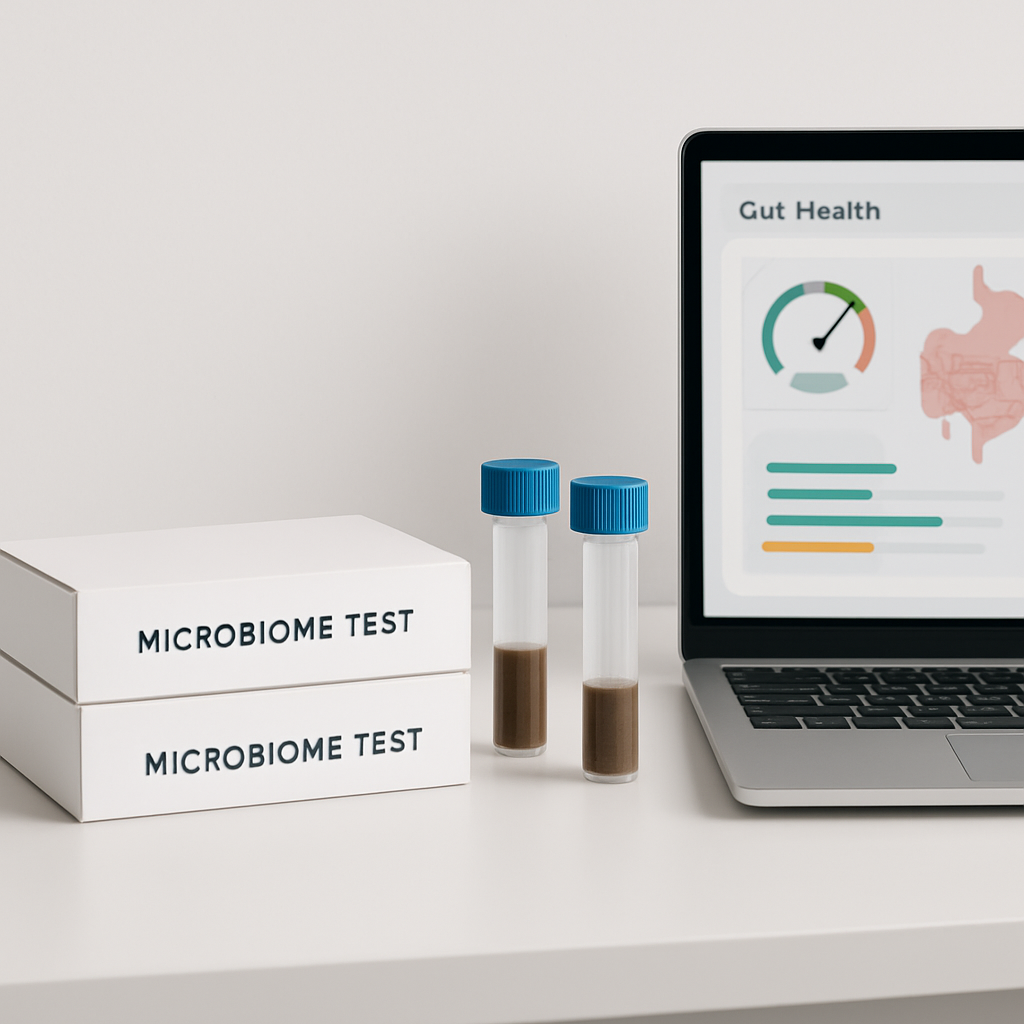
What to Look for in a Gut Microbiome Test
Before I recommend specific kits, let me outline what separates a genuinely useful test from marketing hype.
Sample Type and Collection
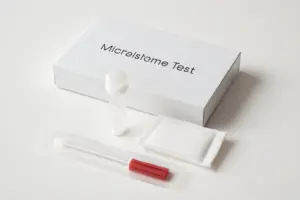
Stool samples are gold standard for microbiome testing — they contain the most representative population of your gut bacteria. Some companies use saliva or hair analysis, which are easier to collect but significantly less reliable for assessing your microbiome.
Reporting Clarity
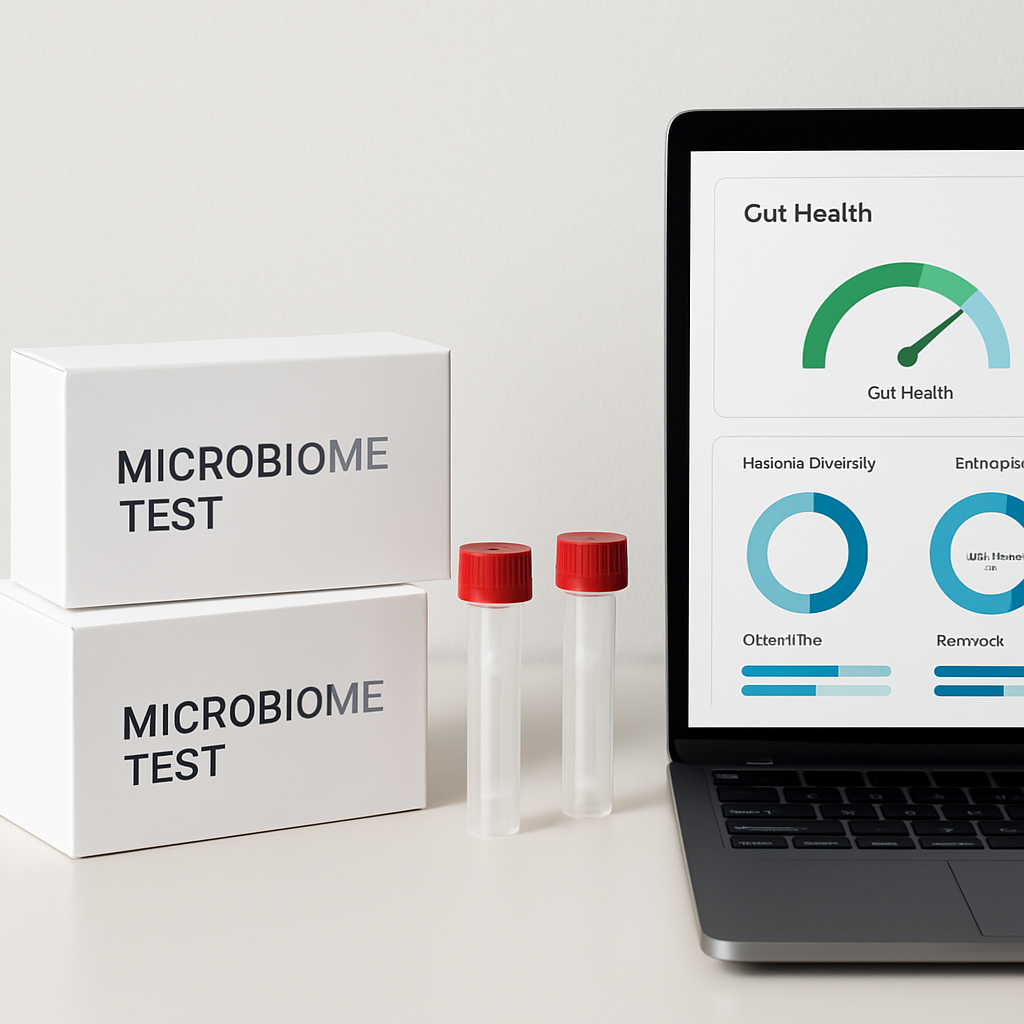
Does the test report explain what the results mean in plain language? Are there actionable dietary or supplement recommendations? In my practice, I spend far more time interpreting poor reports than I do building plans from clear ones.
Clinical Validation
Is the test used by registered dietitians or functional medicine practitioners? Have the markers been compared against peer-reviewed research? Companies willing to share their clinical validation data instil more confidence.
The Test That Actually Tells You What Your Microbiome Is Doing (Not Just What It Contains)
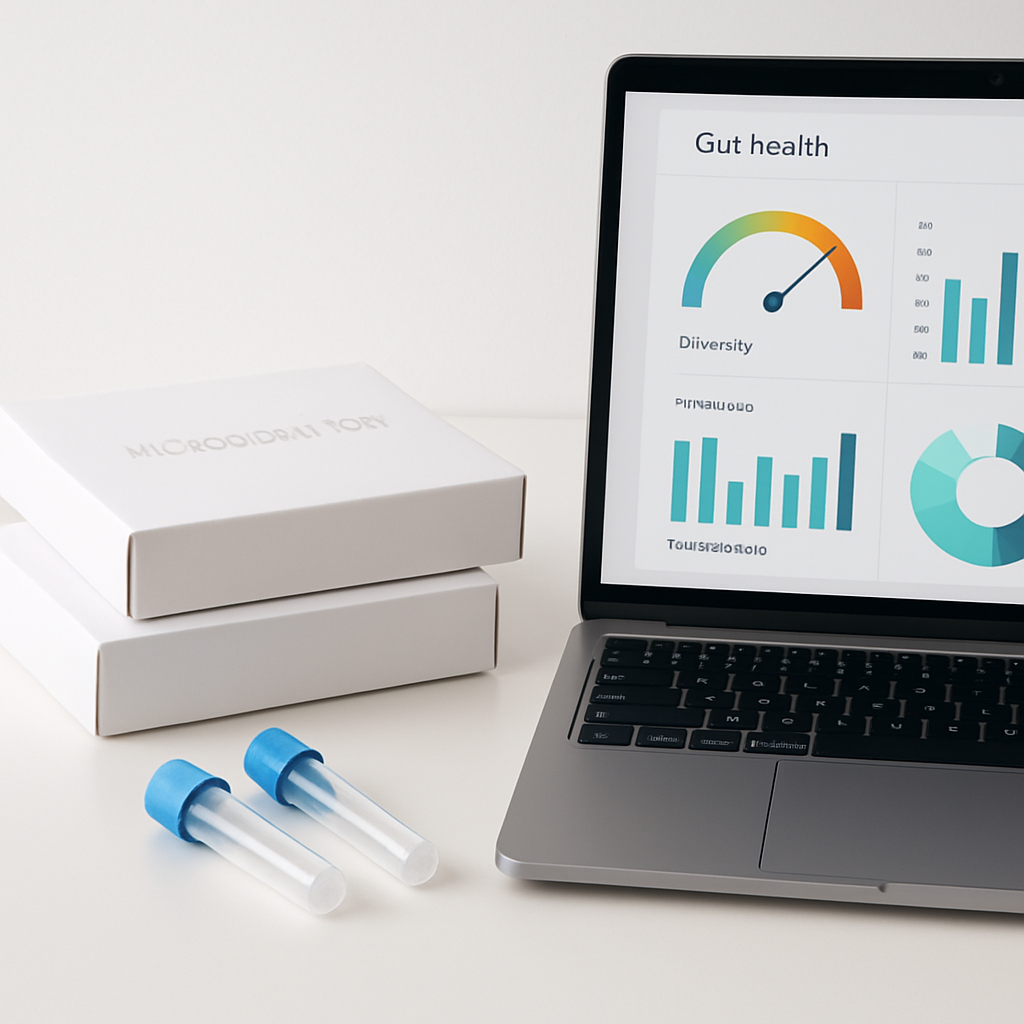
Most at-home microbiome tests give you a snapshot of which bacteria are present — but they don’t tell you whether those bacteria are actually working for you. The Kihealth Gut Health Basics Test sequences your microbiome and then matches the results against clinical markers of digestive function, so you get actionable data rather than a list of Latin names.
What works
- The report connects specific bacterial profiles to practical digestive markers — diversity, stability, and metabolic output — so you can see whether your microbiome is actually supporting nutrient absorption and barrier function rather than just existing.
- Clients report the personalised diet and supplement recommendations are genuinely different from generic “eat more fibre” advice; the kit actually flags which foods and interventions align with your specific bacterial composition.
- The timeline is realistic — results come back in 2–3 weeks, and the company doesn’t oversell probiotics or detoxes as miracle fixes, which I respect in this market.
What doesn’t
- A single test snapshot won’t diagnose IBS, coeliac disease, or inflammatory bowel disease — it’s a piece of the puzzle, not a diagnosis tool, so if you have active symptoms you still need GP assessment first.
- The test costs around £150–£180, which is mid-range for microbiome testing, so it’s not the cheapest option if you’re on a tight budget or testing speculatively without clear digestive symptoms.
A microbiome test is genuinely useful — but only if you’re willing to act on the results; a report sitting in your inbox changes nothing. If you have unexplained digestive symptoms, take this result to your GP alongside your test, because microbiome imbalance often points to something that needs proper medical investigation. Kihealth Gut Health Basics Test
This post contains affiliate links. As an Amazon Associate, I earn from qualifying purchases at no extra cost to you.