I am a qualified nutritionist, not a gastroenterologist. The experiences shared here are personal and clinical observations. Always consult your doctor before starting any new supplement or health test, especially if you have existing medical conditions or take medication.
Over the past fifteen years working in gut health nutrition, I have seen one pattern repeat itself constantly. Clients arrive convinced their digestive symptoms are purely diet-related. They cut gluten, go low-FODMAP, add probiotics — and still feel off. What they have often never done is one simple thing: an at home stool test for gut health. That gap between symptom management and actual biological insight is enormous. It is also, frankly, a clinical blind spot I have been guilty of not addressing quickly enough myself.
Late last year, I decided to close that gap personally. I had been experiencing intermittent fatigue and occasional changes in bowel consistency — nothing alarming on the surface, but niggling enough that I wanted data. I am in my mid-forties, and I know the statistics. The American Gastroenterological Association recommends colorectal screening beginning at age 45 for average-risk individuals. I had been advising clients to prioritise this for years. It was time I practised what I preached.
The At-Home Screening Test That Rules Out What You’re Actually Worried About
When clients come to me with persistent digestive symptoms — blood in the stool, unexplained changes in bowel habits, or chronic abdominal discomfort — the anxiety often outweighs the actual pathology. A simple FIT (faecal immunochemical test) can quickly rule out colorectal bleeding and give you the peace of mind (or the data) you need to move forward with the right intervention.
What works
- FIT tests detect microscopic blood in stool with reasonable sensitivity — far better than visual inspection alone, and often enough to rule out serious pathology without a colonoscopy referral.
- The psychological relief of a negative result is real and clinically significant; I’ve seen clients shift from catastrophic thinking to constructive problem-solving once they have objective data.
- At-home collection removes the barrier of awkwardness or scheduling delays, making it more likely you’ll actually test when you need to rather than stewing in worry.
What doesn’t
- A negative FIT does not rule out inflammatory bowel disease, coeliac disease, IBS, or any condition that doesn’t cause active bleeding — it’s a screening tool for colorectal bleeding specifically, not a comprehensive gut diagnostic.
- If you have visible blood, symptoms suggestive of malignancy, or a family history of colorectal cancer, you still need to see your GP or gastroenterologist for proper assessment; this test should not delay professional evaluation.
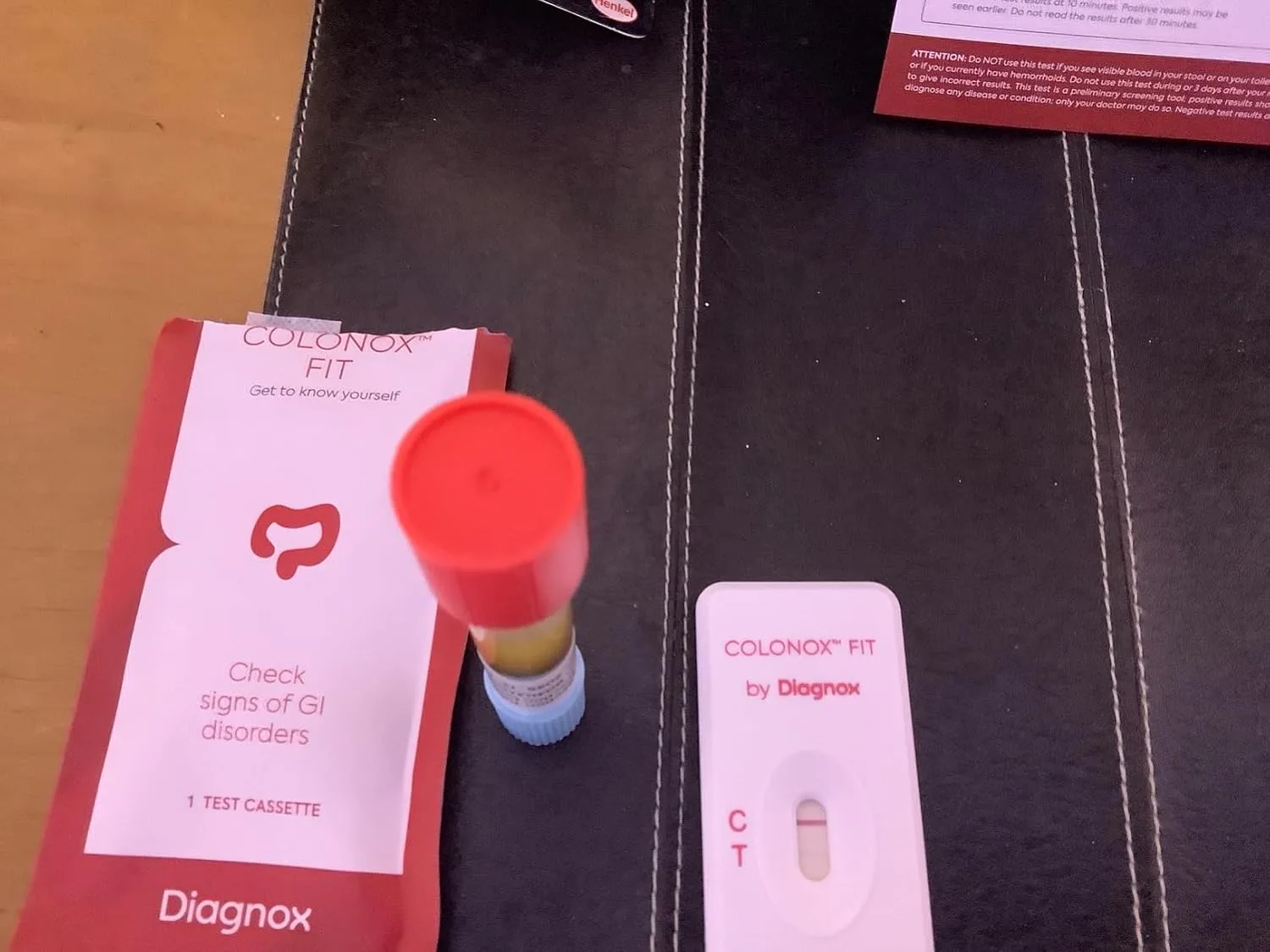
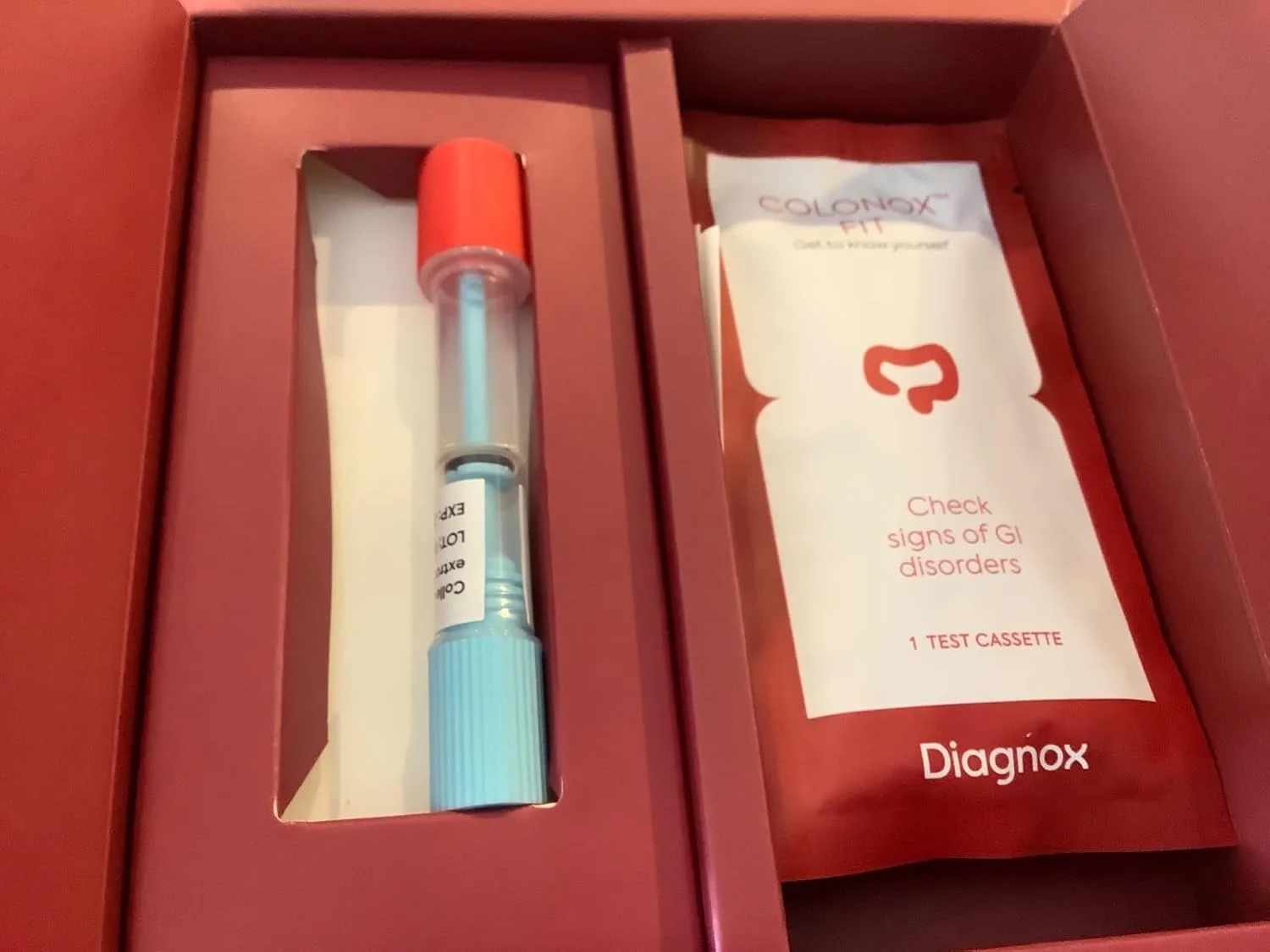
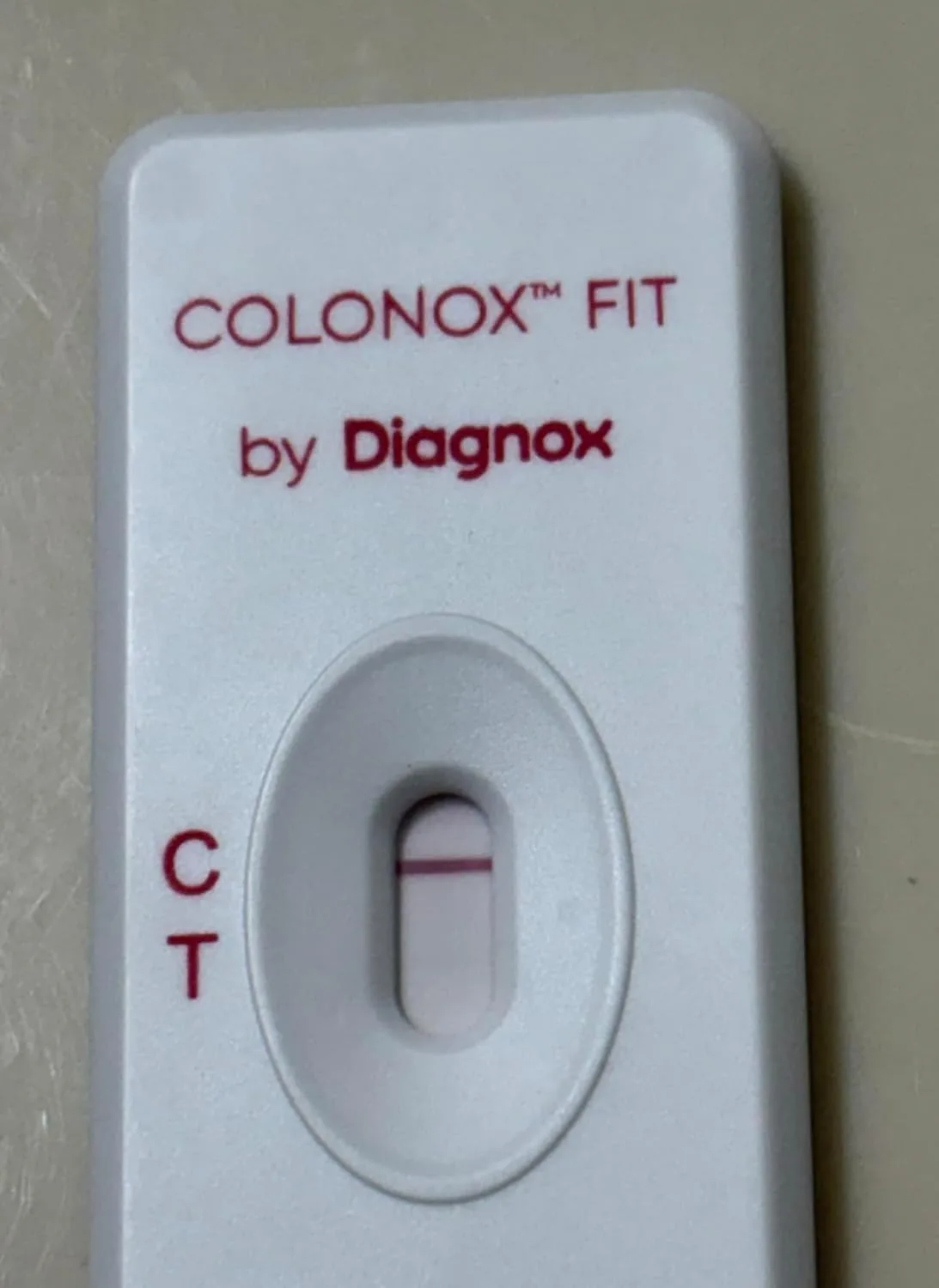
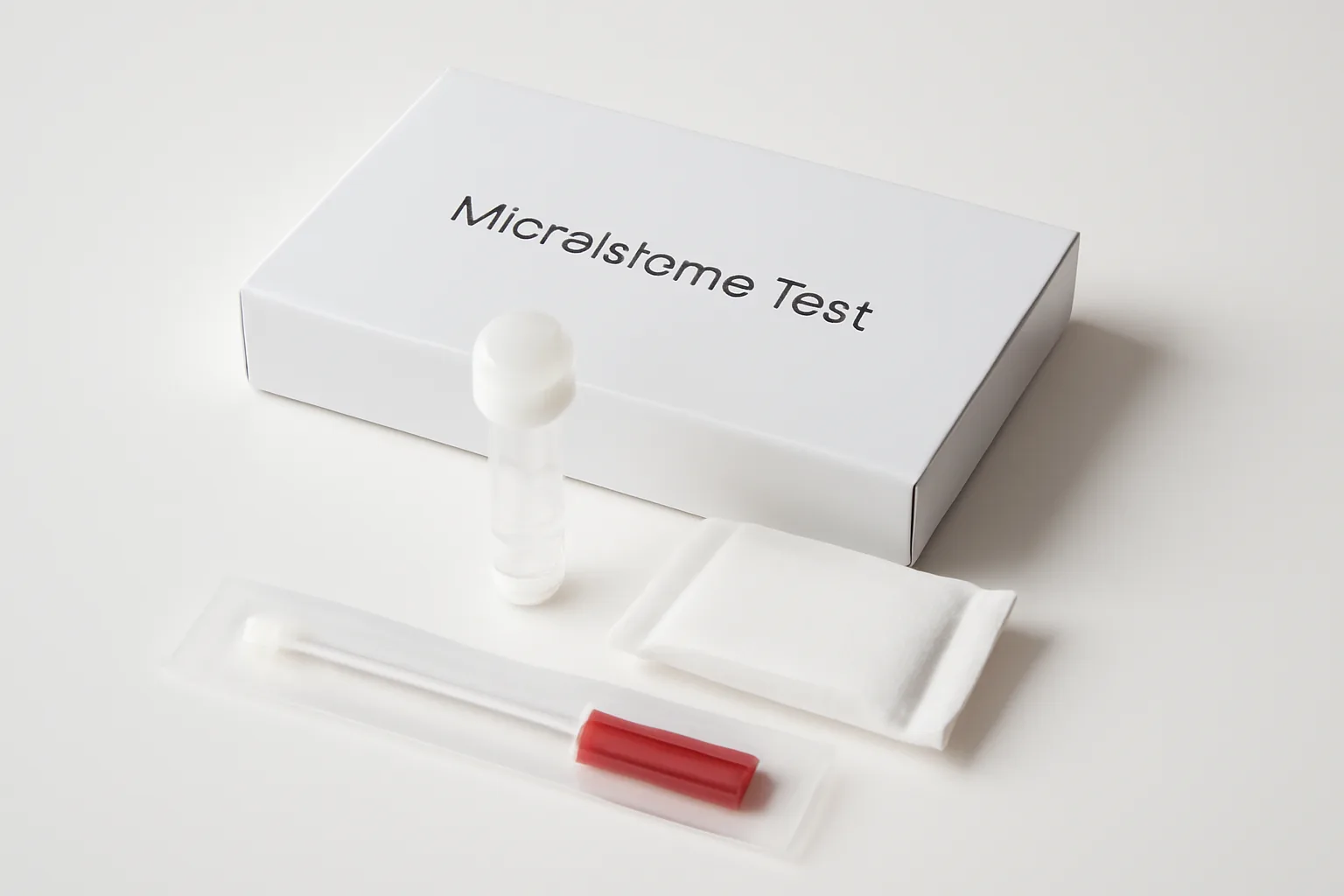
This test is a useful checkpoint for ruling out occult bleeding, not a replacement for proper medical assessment — if your symptoms are concerning or persistent, your GP is still your first port of call. If you want to gather baseline data before your appointment or simply need reassurance, the COLONOX At-Home Colon Screening Test Kit – Easy to Use Fecal Occult Blood (FIT or FOB) Colon Test for Early Detection (1 Test) is straightforward and worth considering.
This post contains affiliate links. As an Amazon Associate, I earn from qualifying purchases at no extra cost to you.