
I am a qualified nutritionist, not a gastroenterologist. The experiences shared here are personal and clinical observations. Always consult your doctor before starting any new supplement, especially if you take medication.
How I Discovered the Gut-Brain Connection Was More Than Theory
For years, I managed my IBS symptoms with the standard advice: eat smaller meals, avoid trigger foods, and try to reduce stress. But my flares kept happening—sometimes at the worst possible moments. It wasn’t until I started working with clients on both their nervous system and their eating patterns simultaneously that I realized something crucial: meditation and dietary awareness weren’t separate solutions. They worked together.
The turning point came when I started using a structured meditation app alongside my own elimination protocol. Within weeks, I noticed something remarkable: not only were my anxiety levels lower, but my actual flares decreased too. My digestion seemed calmer, more predictable. I realized that my nervous system had been amplifying my gut’s reactivity all along.
The Structured Framework I Give Clients Ready to Address Root Causes
Meditation is powerful for the nervous system, but it doesn’t address what you’re actually eating or how your gut is responding to it. This is where a systematic reset plan becomes the practical anchor—giving you the food choices, timing, and reintroduction logic that meditation alone can’t provide.
I now recommend both to my clients: daily meditation to calm the vagal tone and reduce visceral sensitivity, paired with a structured elimination-reintroduction process to identify genuine food triggers. The meditation helps you stay calm and observant during the reset; the reset gives you concrete data about your body’s actual needs.
Why Gut-Brain Work Matters More Than You Think
Your enteric nervous system—often called your “second brain”—contains over 500 million neurons. It communicates constantly with your central nervous system through the vagus nerve. When you’re stressed, anxious, or in a chronic state of low-grade worry, your gut receives signals that literally change how it processes food and manages inflammation. This is why two people can eat the same meal and have completely different outcomes.
Meditation, especially targeted vagal toning practices, helps interrupt this cycle. By practicing daily breathing and body awareness, you’re essentially teaching your nervous system to downregulate before your digestive system has a chance to react defensively. I noticed my own symptom patterns shifted when I committed to 10–15 minutes of daily practice, but the real magic happened when I combined it with the disciplined food awareness from a structured reset plan.
What works
- Combines gut-brain principles with a real elimination and reintroduction protocol, so you’re not just managing stress—you’re identifying actual food triggers.
- The 21-day structure gives clients a realistic timeline and clear milestones, which reduces decision fatigue and builds confidence in what their body actually tolerates.
- Clients report fewer flares in the weeks after completing it because they finally have personalized data instead of generic “IBS advice.”
- Daily meditation sessions (even 10 minutes) create a measurable calming effect; many people notice reduced bloating and less spontaneous cramping within the first week.
What doesn’t
- If you have severe Crohn’s, coeliac disease, or are in an active flare, this isn’t a substitute for medical supervision—talk to your gastroenterologist first.
- Results depend entirely on honest food logging and patience; people looking for a quick fix without behaviour change often don’t finish it or misread their own patterns.
- Meditation alone won’t fix poor food choices. You still need to do the dietary work; the meditation just makes you more resilient while you do it.
Practical Steps I Recommend Starting Today
If you’re ready to try this approach, here’s how I structure it for clients:
- Week 1: Start your meditation practice (even 5–10 minutes daily) while documenting your baseline symptoms. Don’t change your diet yet. This gives you a clear picture of where you’re starting from.
- Week 2–3: Begin the elimination phase while maintaining daily meditation. Focus on the foods most commonly problematic for IBS: gluten, dairy, high-FODMAP ingredients, and processed foods. Keep detailed notes on how you feel physically and emotionally.
- Week 4 onwards: Reintroduce foods systematically, one at a time, over 3–4 days each. Meditation becomes even more important here because reintroduction can trigger anxiety—you need to stay calm and objective.
The meditation app I’ve found most useful for this process is one that focuses on body awareness and the gut-brain connection specifically. The guided sessions help you tune into physical sensations without judgment, which is crucial when you’re learning to distinguish between anxiety-driven symptoms and genuine food reactions.
The Real Outcome: Knowledge You Can Trust
After completing this combined approach, you won’t just feel calmer—you’ll have a personalized map of your gut’s actual needs. You’ll know which foods genuinely trigger symptoms and which ones you can tolerate. You’ll also have a nervous system that’s more resilient, which means occasional stress won’t derail your digestion anymore.
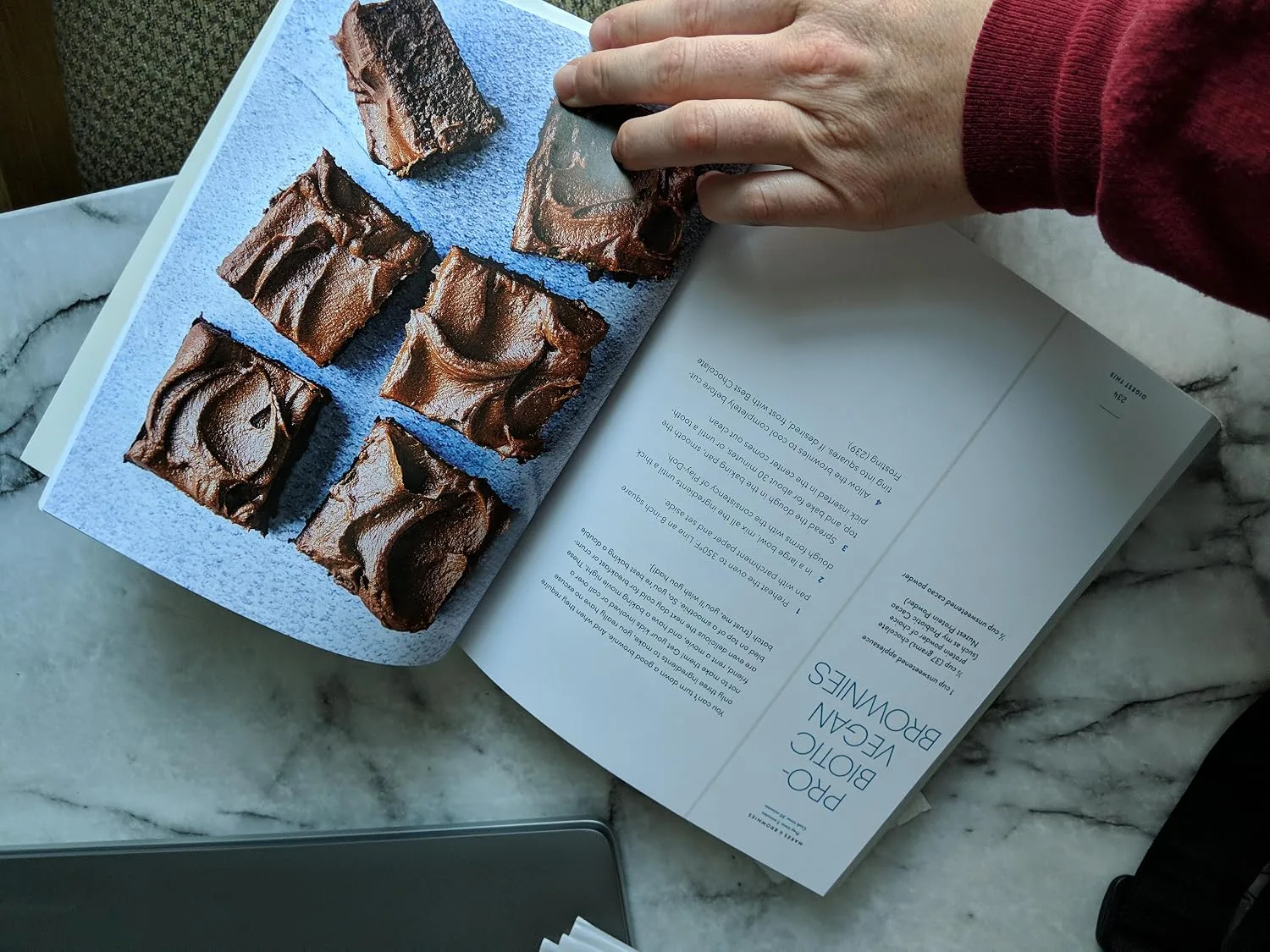
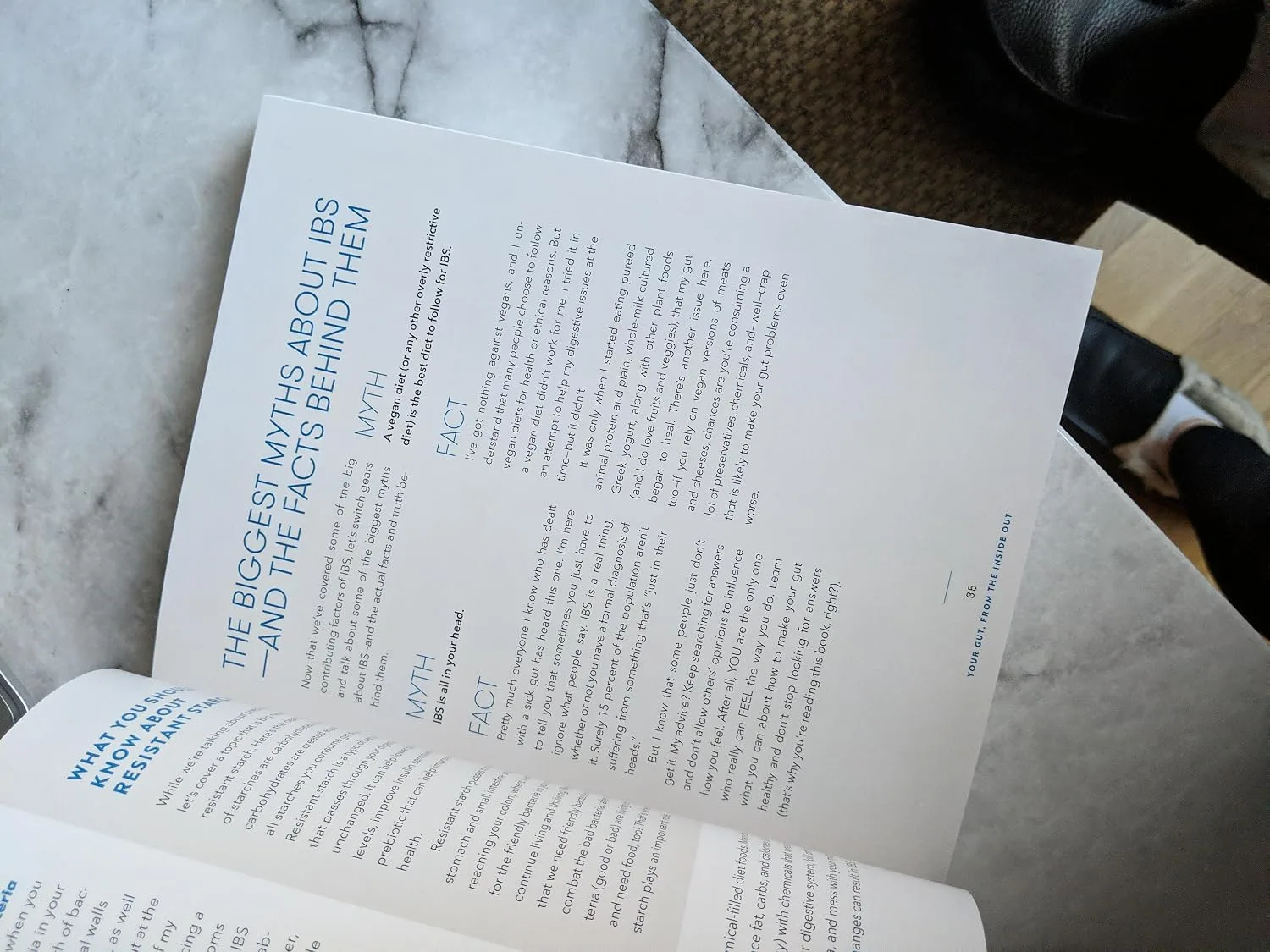
This plan works best alongside professional support, not instead of it—if your symptoms are severe or you’re on medication that affects nutrient absorption, have your GP review your approach first. If you’re ready to map your triggers with real structure, Digest This: The 21-Day Gut Reset Plan to Conquer Your IBS gives you the framework to do it methodically.
This post contains affiliate links. As an Amazon Associate, I earn from qualifying purchases at no extra cost to you.

This post contains affiliate links. As an Amazon Associate, I earn from qualifying purchases at no extra cost to you.