Have you ever popped an antacid after a meal, felt relief for an hour or two, and then found yourself right back where you started — bloated, burning, and miserable? I used to think heartburn meant my stomach was producing too much acid. Turns out, I had it completely backwards. If you’ve been researching low stomach acid symptoms and wondering whether they might be at the root of your digestive struggles, you’re in the right place — and you might be surprised by what the research actually says.
This post contains affiliate links. As an Amazon Associate, I earn from qualifying purchases. This means I may earn a small commission if you click through and make a purchase, at no extra cost to you. I only recommend products I genuinely believe may support digestive wellness.
Why Low Stomach Acid Gets Mistaken for High Stomach Acid
Here’s the frustrating irony: low stomach acid and high stomach acid can feel almost identical. The burning sensation, the reflux creeping up your throat, the uncomfortable fullness after eating — these experiences don’t reliably tell you which direction your stomach acid is actually going. That’s a big reason why so many people end up on proton pump inhibitors (PPIs) or antacids for years without ever truly resolving the underlying issue.
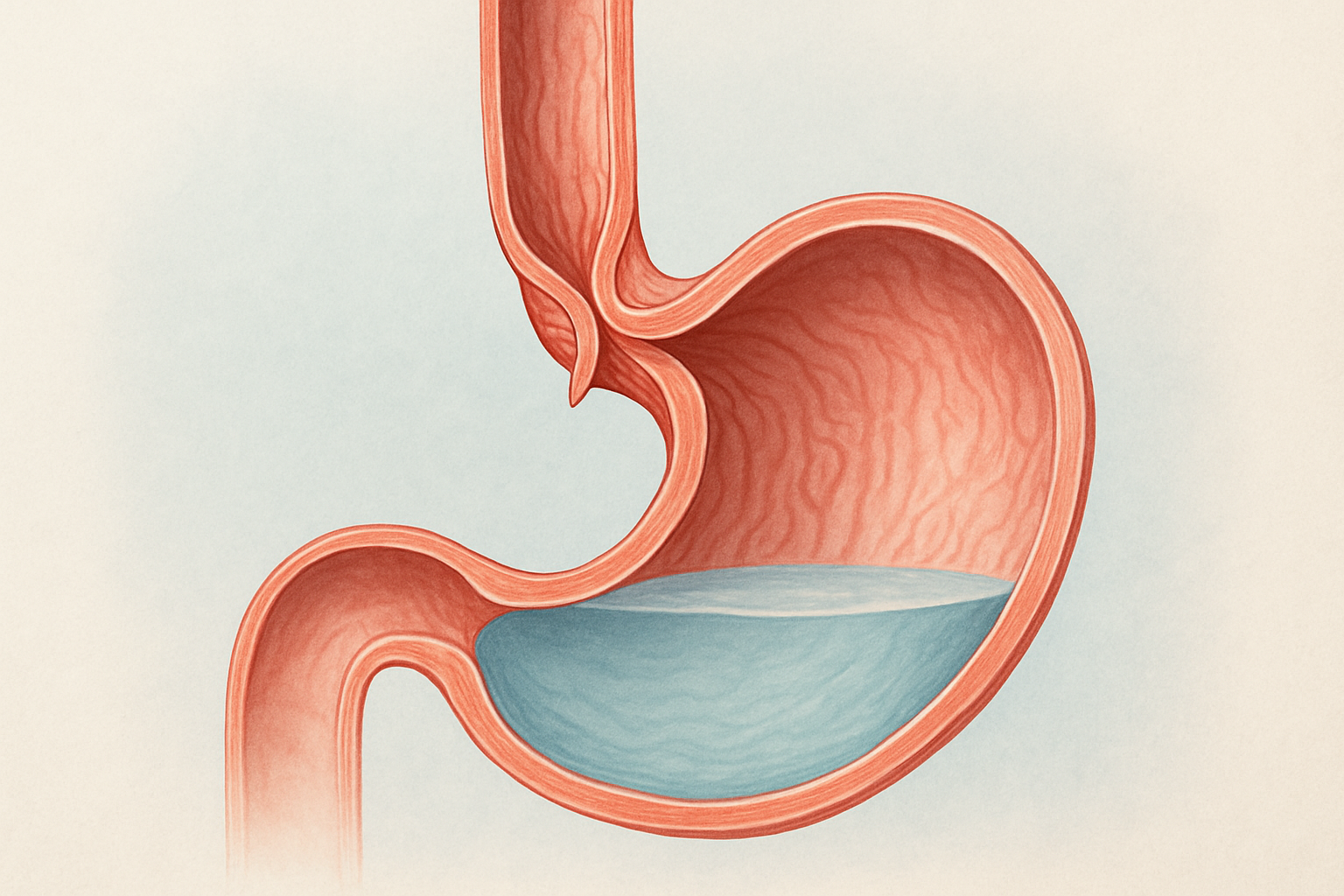
When stomach acid is too low — a condition called hypochlorhydria — food doesn’t get broken down properly. Proteins sit and ferment in your gut rather than being efficiently digested. That fermentation produces gas, which creates upward pressure on the lower esophageal sphincter (LES). When that pressure builds enough, stomach contents (even if they’re not highly acidic) can push upward and irritate the esophagus. The burning you feel? It may not be from too much acid at all. Research published in journals like Digestive Diseases and Sciences has pointed to hypochlorhydria as an underappreciated contributor to reflux-like symptoms in certain populations.
Common Low Stomach Acid Symptoms You Might Be Overlooking
One of the reasons low stomach acid gets missed is that its symptoms look a lot like a dozen other digestive conditions. Many people find that when they start paying attention, they recognize several of these signs at once. Here’s what to watch for:
- Heartburn or reflux shortly after eating — especially if antacids only help temporarily
- Feeling uncomfortably full after small meals — that heavy, sluggish sensation that lingers
- Bloating and gas, particularly after protein-rich meals
- Undigested food in stool — a sign that digestion isn’t completing efficiently
- Nutrient deficiencies — low B12, iron, magnesium, and zinc are commonly associated with poor stomach acid production, since these nutrients require adequate acid for absorption
- Frequent nausea, especially in the morning
- Chronic bad breath that doesn’t resolve with good oral hygiene
- Hair loss or brittle nails — often linked to poor protein digestion and mineral absorption
None of these symptoms alone confirms hypochlorhydria, and a proper evaluation by a healthcare provider is always the right first step. But if you’re nodding along to several of these, it may be worth having a deeper conversation with your doctor about stomach acid levels rather than automatically assuming excess acid is the culprit.
What Actually Causes Low Stomach Acid?
Several factors can contribute to reduced stomach acid production over time, and some of them are surprisingly common. Chronic stress is a big one — when your nervous system is stuck in fight-or-flight mode, digestive function takes a back seat. Long-term use of antacids or PPIs can also suppress acid production further, which is part of why stopping them can be so difficult. Age plays a role too; research suggests that stomach acid production naturally declines as we get older. Other contributors may include H. pylori infection, zinc deficiency (since zinc is needed to produce stomach acid), thyroid dysfunction, and a diet low in whole foods and high in processed carbohydrates.
A Simple At-Home Exploration (Not a Diagnosis)
Some functional medicine practitioners suggest informal self-tests to get a general sense of stomach acid levels. One popular approach involves monitoring your response to betaine HCl supplements, which I’ll talk more about below. Another exploratory tool many people use is tracking urinary or salivary pH trends over time using basic pH strips. While pH strips aren’t a clinical diagnostic tool, some people find them a useful way to gather general biofeedback as part of a broader health tracking routine. If you’re curious about that kind of self-monitoring, these pH Test Strips (0–14, 150-count) are an affordable, easy-to-use option to have on hand.
What I Recommend: Products Worth Trying
If you and your healthcare provider have explored the possibility of low stomach acid and you’re curious about supplemental support, betaine HCl with pepsin is the most widely researched option in this space. Betaine HCl is a supplemental form of hydrochloric acid, and pepsin is a digestive enzyme that helps break down proteins — exactly what a struggling stomach needs support with. Here are three quality options that many people find helpful:
1. Nutricost Betaine HCl + Pepsin 790mg
If you’re looking for a straightforward, high-value option, Nutricost Betaine HCl + Pepsin 790mg (240 capsules) delivers a solid dose in a vegetarian, GMO-free formula. At 240 capsules per bottle, it’s also a great choice if you’re planning to do a longer trial under practitioner guidance. Many people appreciate the no-frills approach — clean label, effective dose, accessible price point.
2. Pure Encapsulations Betaine HCl Pepsin
For those who prefer a practitioner-trusted brand with rigorous quality standards, Pure Encapsulations Betaine HCl Pepsin (250 capsules) is a top-tier option. Pure Encapsulations is well-regarded in integrative medicine circles for their hypoallergenic formulations and third-party testing. If you have sensitivities or simply want a brand that many functional medicine doctors reach for, this one deserves a close look.
3. Doctor’s Best Betaine HCl Pepsin & Gentian Bitters
This one has an interesting bonus ingredient: gentian bitters. Bitters have been used for centuries as a digestive aid, and research suggests they may help stimulate stomach acid and digestive enzyme production naturally. Tags: acid refluxbetaine HCl hypochlorhydria low stomach acid stomach acid production