You know that familiar burn that creeps up your chest right after a big pasta dinner or a late-night slice of pizza? Maybe you’ve woken up at 2 a.m. with that sour, fiery feeling climbing your throat and immediately started rummaging through the medicine cabinet for antacids. I’ve been there too — and so have millions of other people. If you’re tired of relying on chalky tablets every time your stomach acts up, you’re in the right place. Today I’m sharing some of the best natural heartburn remedies that work — ones backed by real research and loved by real people who were just as frustrated as you might be right now.
Why You Might Want to Rethink the Antacid Habit
Antacids aren’t harmful when used occasionally, but reaching for them every single day is worth pausing on. Research suggests that long-term use of certain acid-suppressing medications may affect magnesium absorption, gut microbiome balance, and even your body’s ability to properly digest protein. That’s not meant to scare you — it’s just a good reminder that managing heartburn naturally, when possible, might be a smarter long-term strategy for your digestive health.
Heartburn happens when stomach acid flows back up into the esophagus — a process called acid reflux. It can be triggered by certain foods, eating habits, stress, or even how you position your body after a meal. The good news? A lot of those triggers are within your control, and there are some wonderfully effective natural approaches that many people find genuinely helpful.
Natural Heartburn Remedies That Work: What the Research Says
Apple Cider Vinegar
I know — it sounds counterintuitive to add more acid when you’re already dealing with acid reflux. But here’s the interesting thing: some researchers and holistic health practitioners believe that heartburn is sometimes caused by too little stomach acid, not too much. When your stomach doesn’t produce enough acid, it may not close the lower esophageal sphincter properly, allowing what little acid there is to splash upward. Apple cider vinegar (ACV) may help by providing a small amount of acidic support to improve digestion and signal proper sphincter closure.
Many people find that taking ACV before meals helps reduce their symptoms noticeably. If the taste of liquid ACV is a dealbreaker for you (totally understandable — it’s pretty intense), capsules are a great alternative that are easy to work into a daily routine.
Slippery Elm
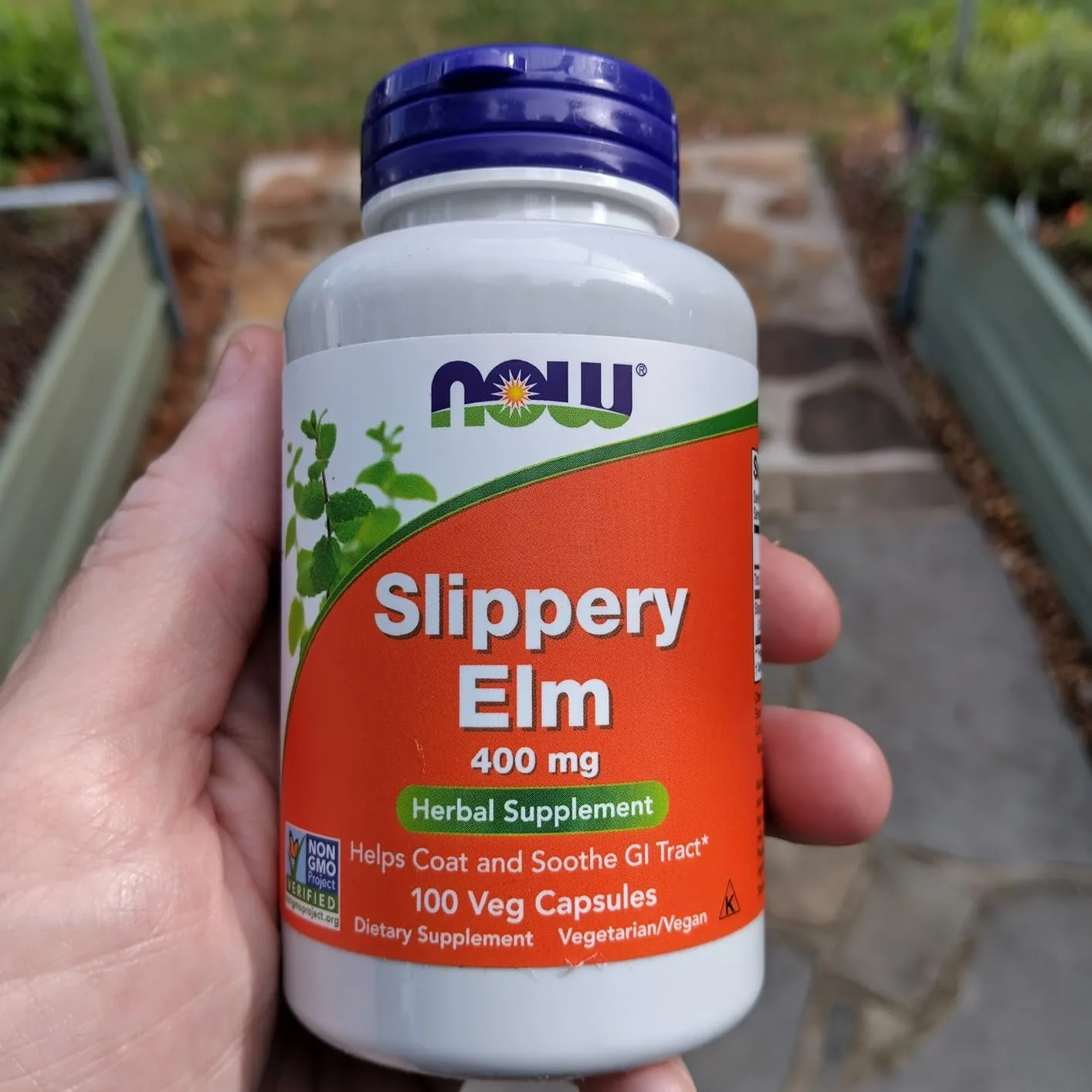
Slippery elm is one of those old-fashioned herbal remedies that’s been around for centuries — and for good reason. The inner bark of the slippery elm tree contains a substance called mucilage, which becomes a thick, gel-like coating when mixed with water. Research suggests this mucilage may coat and soothe the lining of the esophagus and stomach, potentially reducing irritation from acid exposure. Many people dealing with chronic heartburn or GERD symptoms find slippery elm to be one of the most comforting natural options available.
Lifestyle Shifts That Make a Surprisingly Big Difference
Before we get to specific products, I want to talk about the basics — because honestly, these changes alone can dramatically reduce heartburn for many people:
- Eat smaller meals more frequently. A packed stomach puts more pressure on the lower esophageal sphincter, making it easier for acid to escape upward.
- Don’t lie down right after eating. Try to stay upright for at least two to three hours after a meal. Gravity is your friend here.
- Elevate the head of your bed. Even a 6–8 inch incline can significantly reduce nighttime reflux.
- Identify your trigger foods. Common culprits include citrus, tomatoes, chocolate, coffee, spicy foods, fried foods, and alcohol.
- Slow down when you eat. Eating too quickly means swallowing more air and putting more pressure on your digestive system before it’s ready.
- Manage stress actively. Stress has a well-documented impact on gut function and may worsen reflux symptoms for many people.
Products Worth Trying
If you’re ready to experiment with some of these natural approaches, here are the specific products I’d point a friend toward. These are all easy to find, reasonably priced, and come from reputable brands.
Slippery Elm: The Soothing Coating That Calms Inflamed Tissue
When heartburn is driven by inflammation or acid damage to your oesophageal lining, you need something that actually coats and protects—not just neutralizes pH. Slippery elm contains mucilage, a compound that forms a protective barrier over irritated tissue and is particularly useful when you’re dealing with repeated acid exposure or reflux that’s left your throat feeling raw.
What works
- The mucilage genuinely coats inflamed tissue, which means many clients report relief that lasts longer than a quick antacid—you’re soothing, not just neutralizing.
- It’s gentle enough for sensitive oesophageal tissue and works particularly well for people whose heartburn is tied to reflux or acid damage rather than simple overproduction of stomach acid.
- Unlike some natural remedies, slippery elm has a solid track record in herbal medicine and integrative gastroenterology—it’s been used for centuries and appears in clinical practice alongside conventional care.
What doesn’t
- If your heartburn is caused by a mechanical issue (weak lower oesophageal sphincter, hiatal hernia, or severe reflux disease), slippery elm alone won’t address the root problem—it’s supportive, not curative.
- It can interact with medications if taken at the same time, so you need to space it at least 1–2 hours away from any oral medications, and it’s not suitable if you’re pregnant or breastfeeding without talking to your midwife first.
Slippery elm is genuinely soothing, but it’s a band-aid rather than a cure—if you’re having heartburn more than twice a week or it’s waking you at night, that’s a conversation to have with your GP to rule out reflux disease or other structural issues. Try NOW Supplements Slippery Elm 400mg Veg Capsules (100 Count) as part of a broader approach.
This post contains affiliate links. As an Amazon Associate, I earn from qualifying purchases at no extra cost to you.
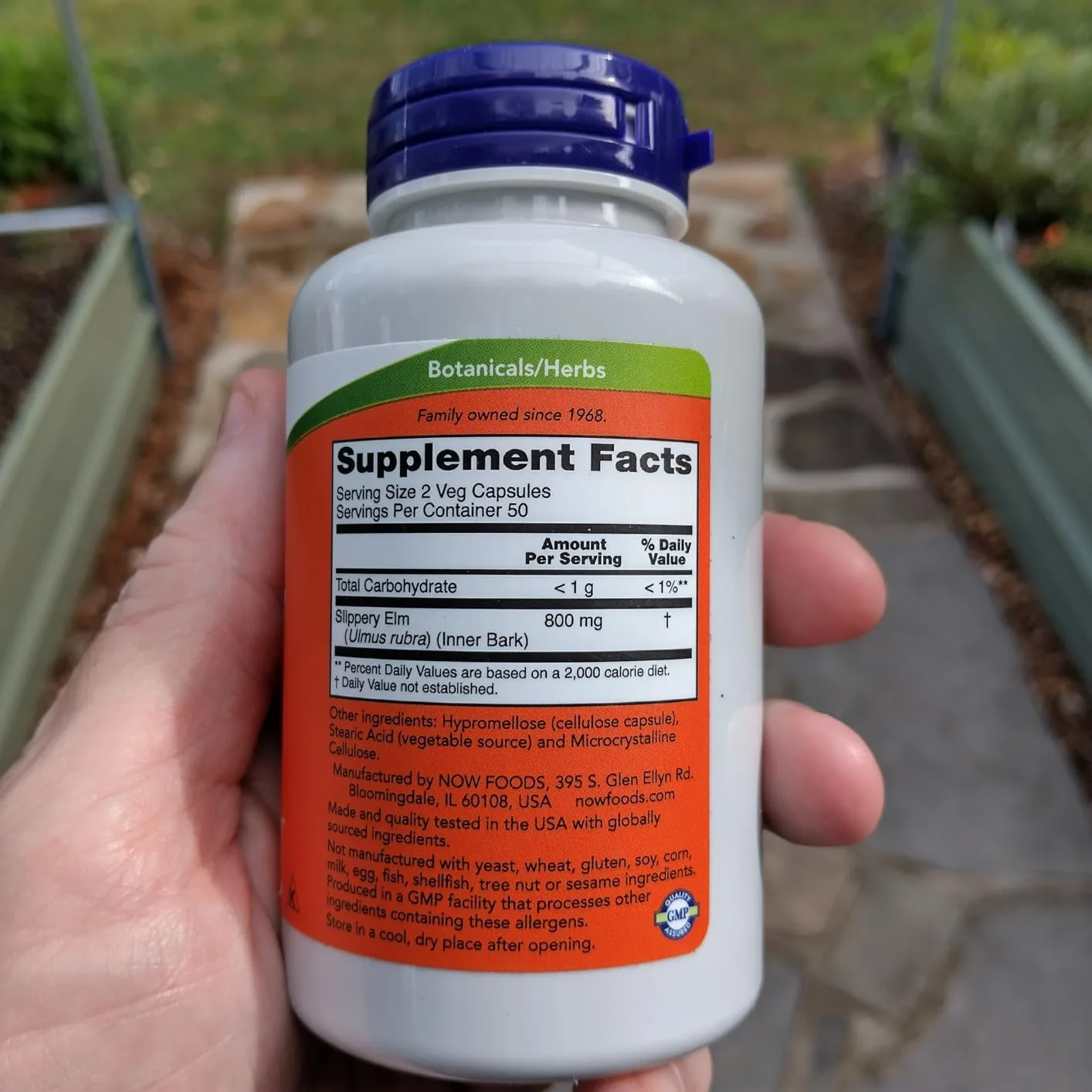
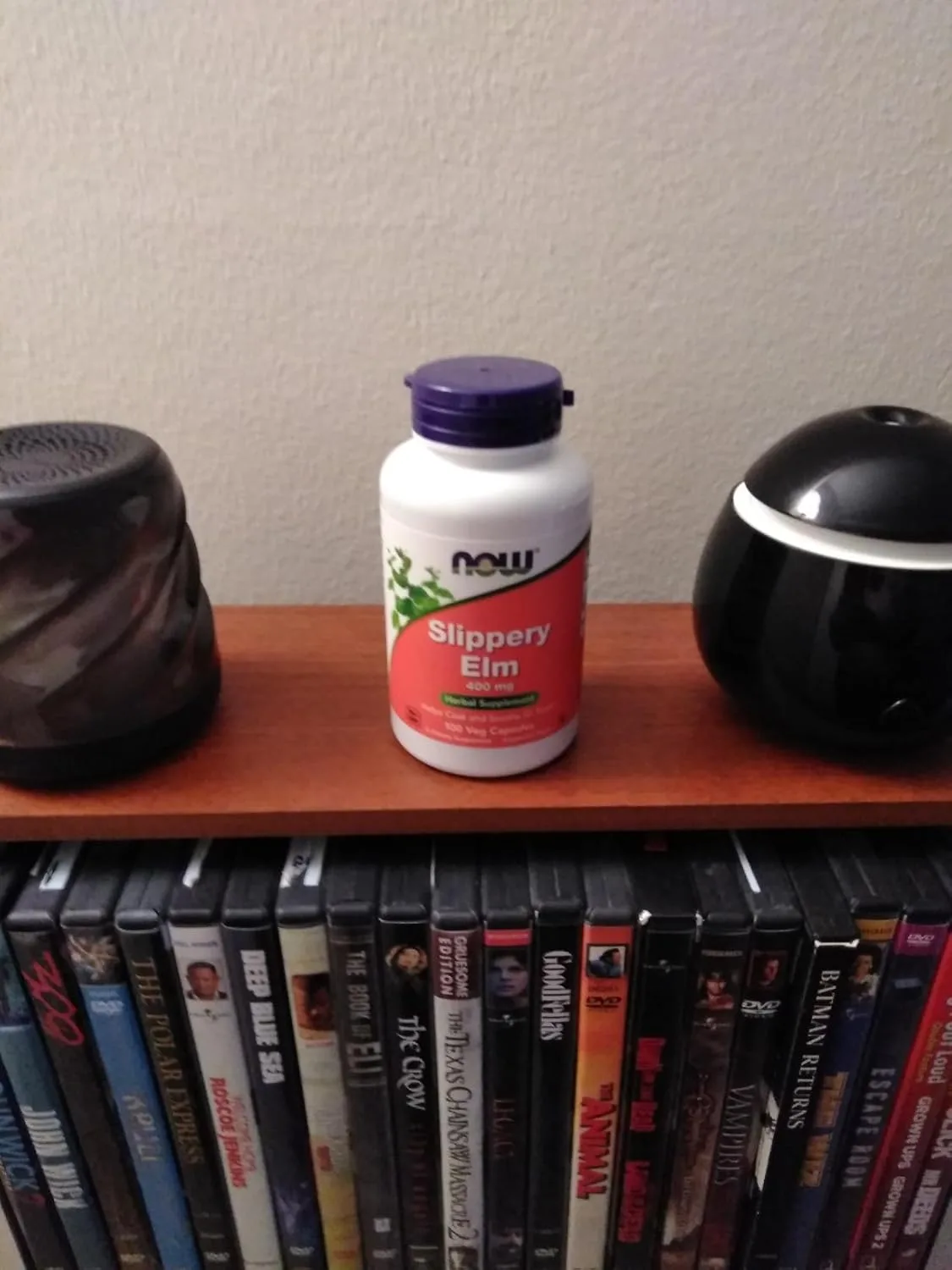
This post contains affiliate links. As an Amazon Associate, I earn from qualifying purchases. This means if you click a link and make a purchase, I may earn a small commission at no extra cost to you. I only recommend products I genuinely believe are worth your time and money.