This post contains affiliate links. As an Amazon Associate I earn from qualifying purchases at no extra cost to you.
In my practice, I work with many newly diagnosed coeliac clients who arrive convinced they have already mastered the gluten-free diet. They have cleared out their bread bin, switched to gluten-free pasta, and stopped eating at their favourite pizza restaurant. And yet they are still bloated, still fatigued, still experiencing the gut symptoms that prompted their diagnosis in the first place. When I begin to dig into their food diary, the reason almost always comes down to hidden gluten sources coeliac clients rarely think to question. These are not obvious slip-ups. They are the kinds of everyday items that carry no wheat warning on the front of the pack — but quietly deliver enough gluten to keep the gut inflamed and the villi damaged.
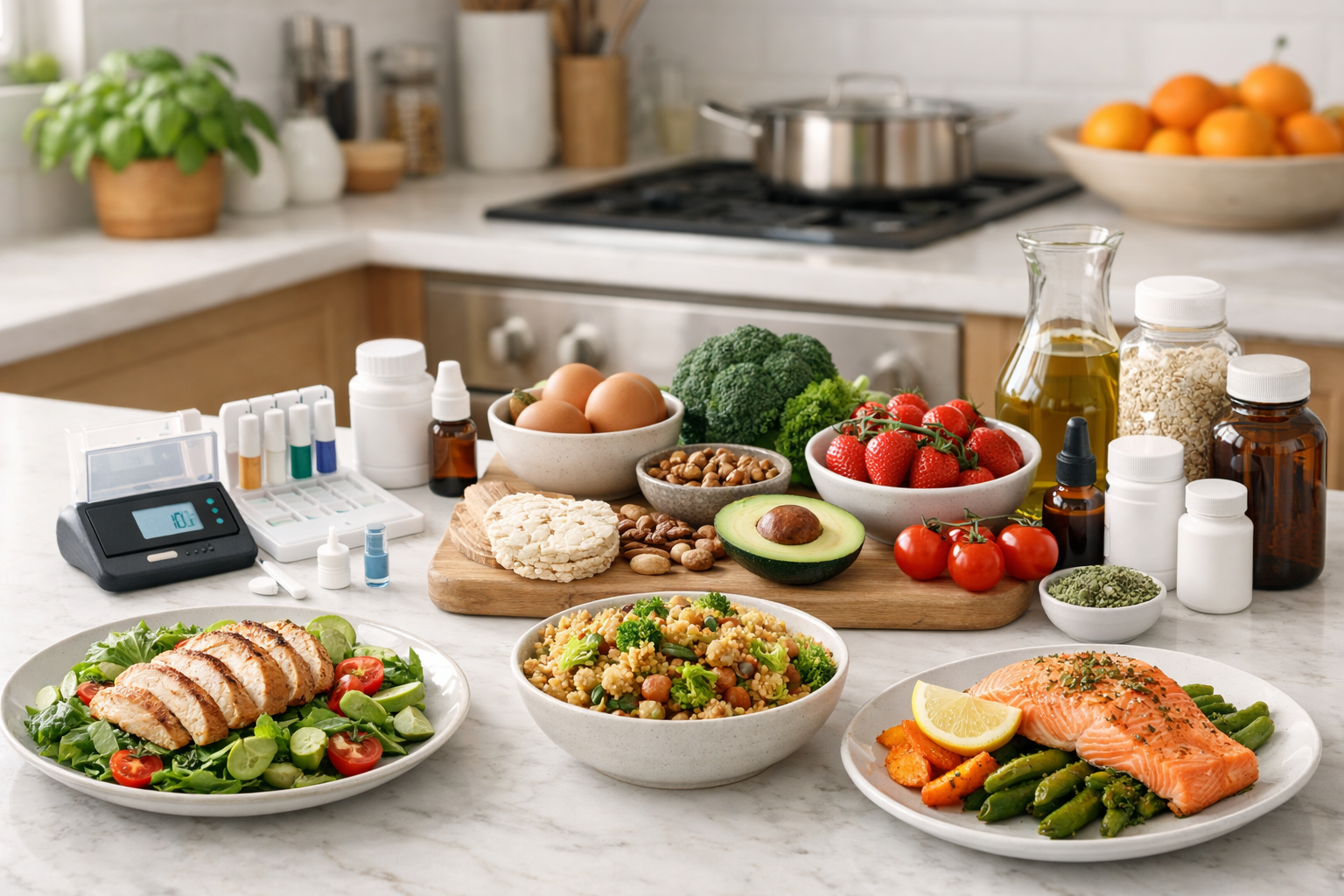
Why Hidden Gluten Is Such a Problem for People with Coeliac Disease
Coeliac disease is an autoimmune condition, not a food preference. Even tiny amounts of gluten — research suggests exposure to as little as 10mg per day can trigger intestinal damage in sensitive individuals — are enough to provoke an immune response that damages the small intestinal lining. This is very different from a general gluten sensitivity, where the threshold for symptoms might be much higher. For my coeliac clients, there is no such thing as “just a little bit.” That is why I take hidden sources so seriously, and why I dedicate a full session to systematically reviewing every product category in a new client’s diet.
The frustrating reality is that gluten hides in places that feel entirely safe. It travels under ingredient names that mean nothing to most people, hides in manufacturing facilities, and lurks in products marketed as healthy or natural. Below, I am going to walk you through the categories I check first — because in my experience, one of these is almost always the culprit.
The Everyday Products That Frequently Contain Hidden Gluten
Sauces, Condiments, and Seasonings
This is the category that catches nearly every new client. Soy sauce is perhaps the most notorious offender — traditional soy sauce is brewed with wheat, making it completely off-limits for coeliac clients. But I also see problems with Worcestershire sauce, stock cubes, gravy granules, malt vinegar, salad dressings, and pre-made spice blends. Even some mustards and ketchups carry a risk if manufactured on shared equipment. When a client presents with persistent symptoms and tells me their diet is “completely clean,” I ask them to bring in every bottle and packet from their kitchen cupboard. More often than not, we find the problem within the first ten minutes.
Medications and Supplements
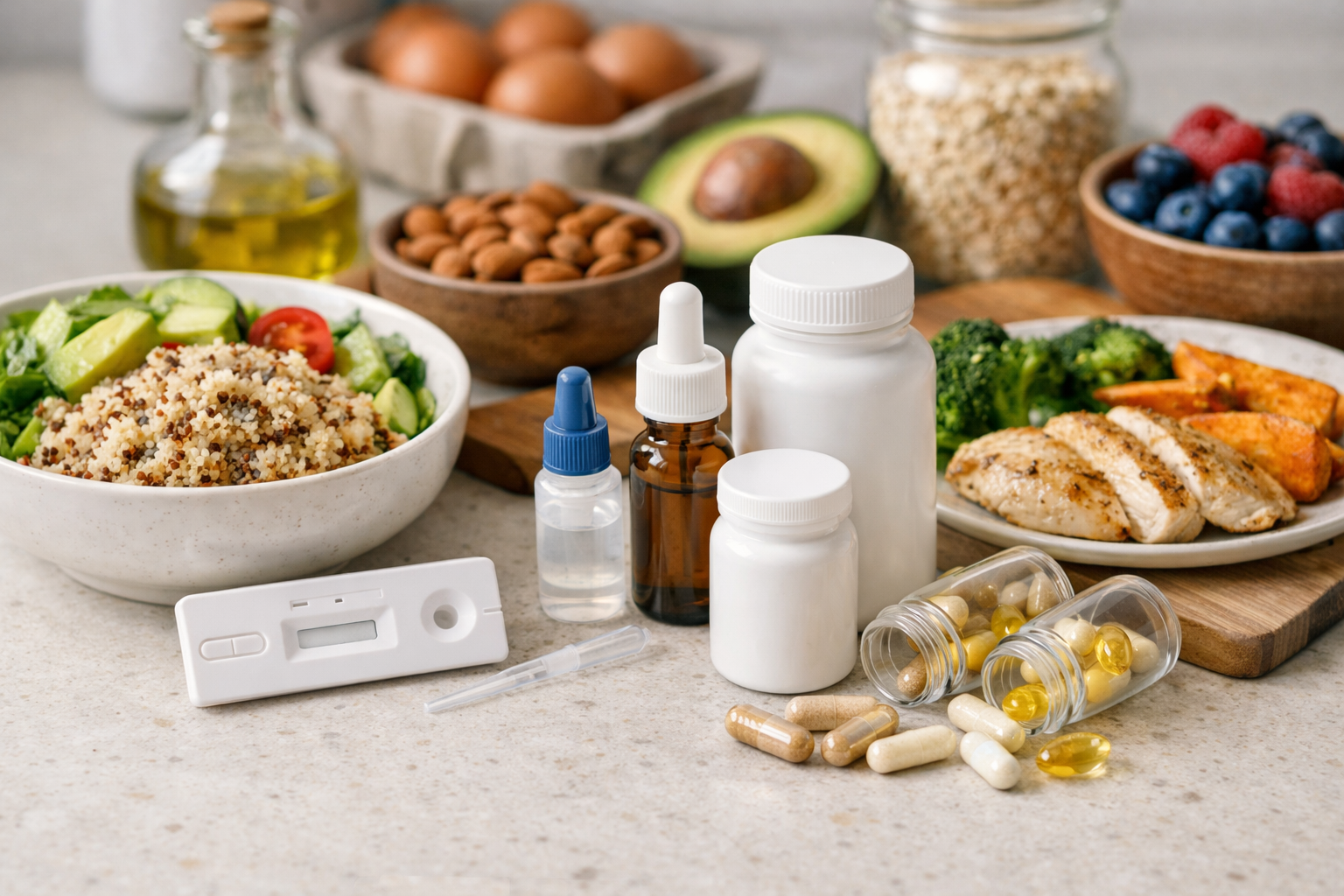
This one surprises people every time. Many pharmaceutical tablets and capsules use wheat starch as a binding agent or filler. Supplements, including multivitamins, iron tablets, and protein powders, can also contain gluten or be manufactured in facilities that handle wheat. I always advise my coeliac clients to check with their pharmacist before starting any new medication or supplement, and to look specifically for a “gluten-free” declaration on any supplement they purchase.
Iron deficiency is extremely common in coeliac disease due to malabsorption in the damaged small intestine, so I frequently recommend iron supplementation — but it has to be the right product. I like to point clients towards Doctor’s Recipes Iron Supplement for Women Men, a gentle iron bisglycinate formula with added Vitamin C, B6, Folate, and B12, all in a stomach-friendly vegan capsule. For higher-dose needs, the Iron Supplement for Women and Men with Vitamins C, B6, B12 and Folate is another well-formulated, non-GMO, gluten-free option I recommend regularly in clinic.
Oats
Oats deserve their own mention because the situation is nuanced. Standard oats are not inherently a gluten-containing grain, but they are almost always contaminated with wheat, barley, or rye during growing, harvesting, or processing. Many coeliac clients assume that oats are fine because they have seen them on “naturally gluten-free” food lists. They are not safe unless they are certified gluten-free and purity protocol oats. Even then, a subset of coeliac patients react to avenin, the protein in oats, which can trigger a similar immune response to gluten. I always recommend introducing oats cautiously and under dietetic supervision.
Cross-Contamination in the Kitchen
Even in households where the entire family has not gone gluten-free, cross-contamination is a serious and often overlooked risk. Shared toasters, wooden chopping boards, wooden spoons, colanders, and even shared butter or jam jars (where a knife has touched bread and then been dipped back in) can all transfer enough gluten to cause a reaction. I have had clients spend months troubleshooting their diet only to discover that the shared toaster was the source of their ongoing symptoms the entire time. I always recommend a dedicated gluten-free toaster, separate utensils, and individual condiment jars as non-negotiable steps for any coeliac household.

Sneaky Ingredient Names to Know
One of the most useful things I do with new clients is run through the full list of ingredient names that signal the presence of gluten. Many people know to look for “wheat” but miss several others. Here are the terms I tell every coeliac client to treat as a red flag on any ingredient label:
- Barley, barley malt, malt extract, malt flavouring
- Rye
- Spelt, kamut, emmer, einkorn, farro
- Triticale
- Wheat starch, wheat dextrin, wheat germ
- Hydrolysed wheat protein
- Semolina, durum, bulgur
- “May contain wheat” or “produced in a facility that handles wheat”
That last category — advisory labelling — is one I take very seriously for coeliac clients. Unlike food allergy sufferers who might tolerate minimal exposure, a person with coeliac disease cannot rely on “may contain” products as safe. I encourage clients to contact manufacturers directly when in doubt, as many will confirm whether their production lines are segregated.
Gluten-Free Baking: Getting It Right at Home
A huge part of managing coeliac disease well — particularly for clients who love cooking — is learning to bake confidently at home. Home baking gives you complete control over ingredients and removes the risk of restaurant or bakery cross-contamination entirely. The key is choosing your flour blends carefully, because not all gluten-free flours behave the same way or are manufactured with the same level of care.
For everyday baking — cookies, muffins, cakes, and pancakes — I consistently point clients towards King Arthur Measure for Measure Gluten-Free Flour. It is a true 1:1 substitute for wheat flour, Non-GMO, and Kosher certified, which means it meets a high standard of production integrity. Clients who have struggled to find a reliable all-purpose flour almost always come back to me pleased with this one. For those who also enjoy bread-making, the King Arthur Gluten-Free Bread Flour is formulated specifically for yeasted recipes — think artisan boules, bagels, and cinnamon rolls — and produces a texture that comes genuinely close to traditional wheat bread. If you prefer a pack format that offers great value and consistency, Bob’s Red Mill Gluten Free 1 to 1 Baking Flour is a trusted staple I recommend regularly, particularly for clients who bake in larger quantities.

Testing for Ongoing Gluten Exposure: Tools Worth Knowing About
When a client is doing everything right but still experiencing symptoms, I sometimes suggest using a home testing tool to identify whether gluten exposure is genuinely occurring. These are particularly useful when travelling, eating away from home regularly, or when investigating a specific product. The Rapid and Accurate Gluten Sensitivity Test Kit for Coeliac Disease offers a quick at-home detection option that can add useful data to a clinical picture. For stool-based testing, which some research suggests may detect gluten exposure more reliably than blood or urine in certain contexts, the Gluten Detect Kit (2 Tests) is a home option worth considering. And for clients who want a broader view of their food reactions beyond gluten alone, the 5Strands Food Intolerance Test — a hair analysis kit testing 658 items — can sometimes help identify whether additional food sensitivities are complicating the picture. I always use these tools to inform, not replace, a full clinical assessment and GP follow-up.
Understanding the full landscape of hidden gluten sources coeliac clients encounter is genuinely one of the most important parts of my work. A diagnosis is only the beginning — the real work is in the systematic, careful unpicking of a diet that looks gluten-free on the surface but may not be in practice.
My Recommendation: Start With a Full Audit Before Changing Anything Else
If you have a coeliac diagnosis and you are still experiencing symptoms despite your best efforts, please do not assume you are doing something dramatically wrong — or that your body simply will not heal. In my clinical experience, the answer is almost always a hidden source that has not yet been identified. Before you overhaul your entire diet or begin cutting out additional food groups, I would encourage you to do two things first.
The first is a thorough ingredient audit of every product in your kitchen, using the label checklist above. The second is to book a one-to-one session with a qualified nutritionist or dietitian who specialises in coeliac disease — because the detail matters, and a fresh pair of expert eyes can often find what you have missed.
If you found this post useful, I would love you to share it with someone who has recently been diagnosed or who is still struggling with symptoms on a gluten-free diet. And if you have a question about anything I have covered here, leave it in the comments below — I read every one.
Related Posts

Gluten-Free Baking That Actually Works: The Flour Blends I Recommend After Years of Testing
This post contains affiliate links. As an Amazon Associate I…
Nutritional Deficiencies After a Coeliac Diagnosis: Why a Gluten-Free Diet Alone Is Not Enough
This post contains affiliate links. As an Amazon Associate I…
Newly Diagnosed with Coeliac Disease: The First 10 Things I Tell Every New Client
This post contains affiliate links. As an Amazon Associate I…