One of the most common misconceptions I encounter in my practice is the belief that a coeliac diagnosis, followed by a strict gluten-free diet, is the end of the story. In reality, for many of my clients, it is only the beginning. Nutritional deficiencies in coeliac disease are extraordinarily common — and they do not simply resolve the moment gluten is removed from the plate. Years of undiagnosed coeliac disease cause cumulative, sometimes severe damage to the small intestine, impairing the absorption of essential vitamins and minerals long before most people ever receive their diagnosis. The gluten-free diet stops the ongoing harm. But it does not automatically repay the nutritional debt that has quietly been building. That is precisely where my real work as a nutritionist begins.
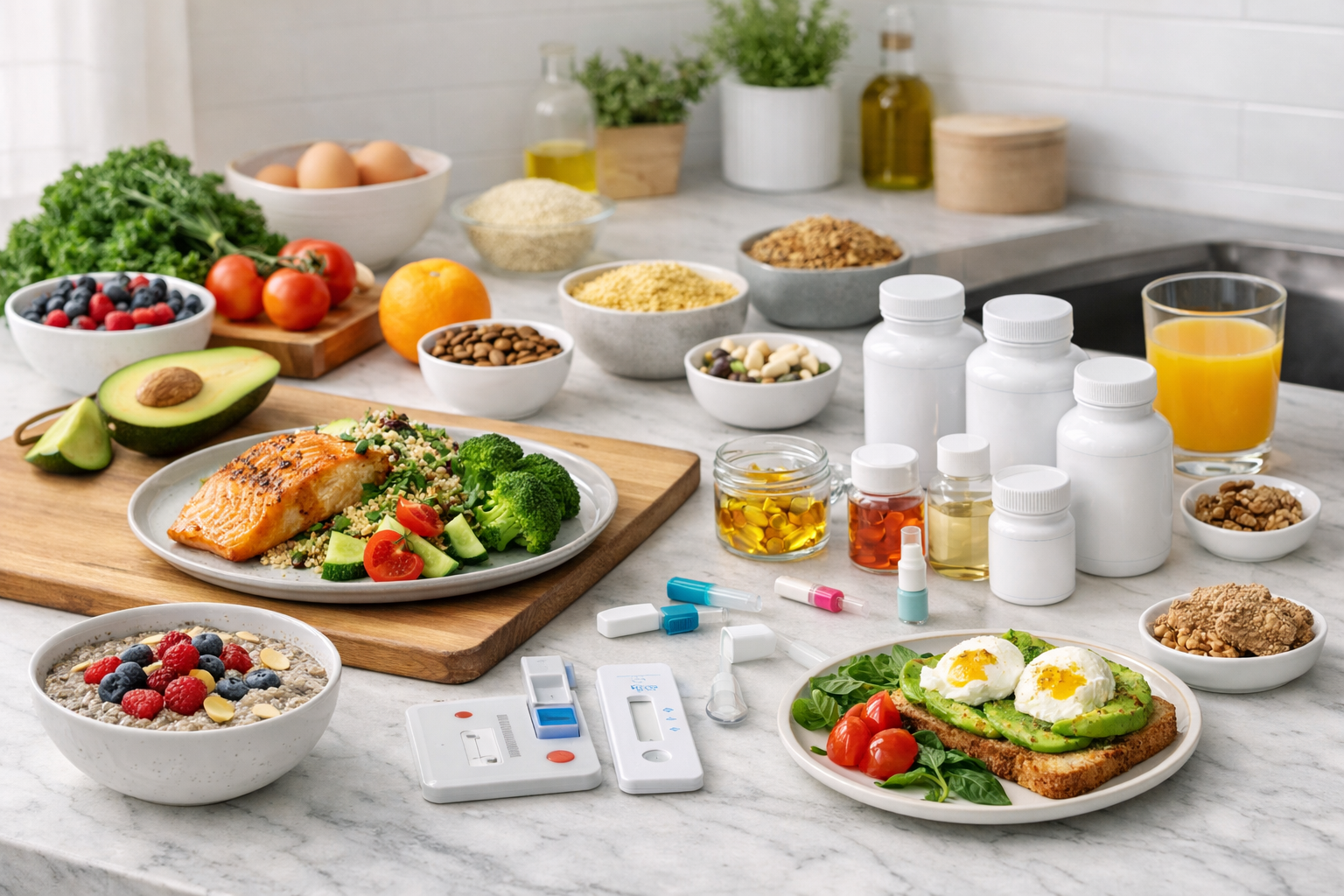
Iron Supplementation: Addressing the Most Common Coeliac Deficiency
Iron deficiency is present in roughly 30–40% of newly diagnosed coeliac patients, even after they’ve committed to a strict gluten-free diet. Because the small intestine damage from undiagnosed coeliac disease preferentially affects iron absorption, a supplement with supportive cofactors like vitamin C, B6, B12, and folate can make a real difference in repletion speed and tolerability.
What works
- The inclusion of vitamin C significantly enhances non-heme iron absorption, which is particularly important if your intestinal lining is still healing and stomach acid regulation hasn’t fully normalized.
- B vitamins (B6, B12, folate) address the overlapping deficiencies common in coeliac disease, reducing the need for multiple bottles and improving compliance in clients who are already overwhelmed by dietary restriction.
- Most clients report fewer GI side effects (nausea, constipation) compared to high-dose iron monoproducts, likely because the formula is gentler and the additional B vitamins support overall digestive tolerance.
What doesn’t
- Iron repletion takes time — expect 8–12 weeks minimum before ferritin stores meaningfully recover, so this is not a quick fix and requires patience and repeat blood work to confirm adequacy.
- If you’re on certain medications (particularly PPIs, antibiotics, or thyroid medication), iron can interfere with absorption; discuss timing and interactions with your GP before starting, and do not assume a supplement replaces professional iron monitoring.
Iron supplementation is only one piece of the coeliac recovery puzzle — you still need baseline blood work and periodic follow-up to confirm your levels are rising and to rule out ongoing malabsorption. Iron Supplement for Women & Men with Vitamins C, B6, B12 & Folate
This post contains affiliate links. As an Amazon Associate, I earn from qualifying purchases at no extra cost to you.
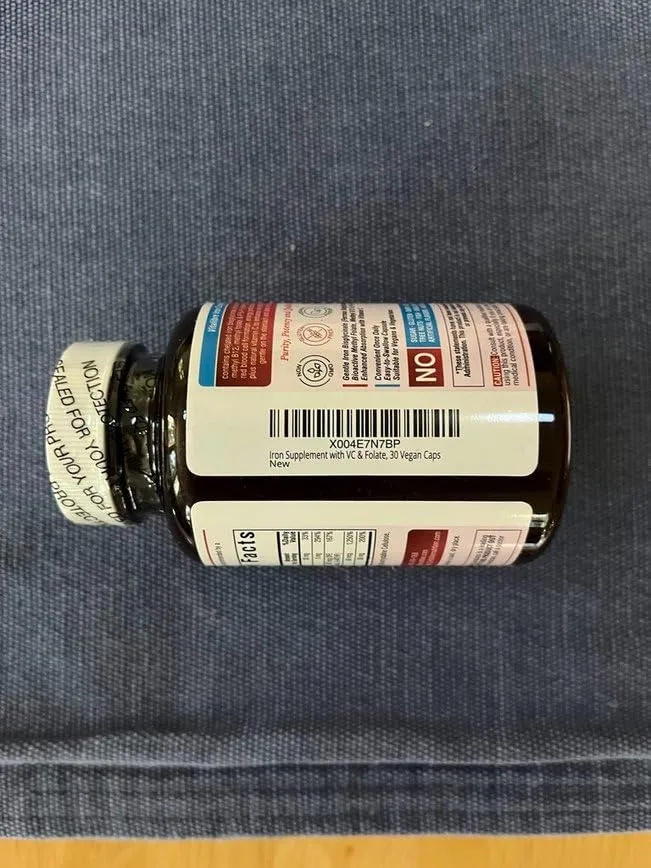
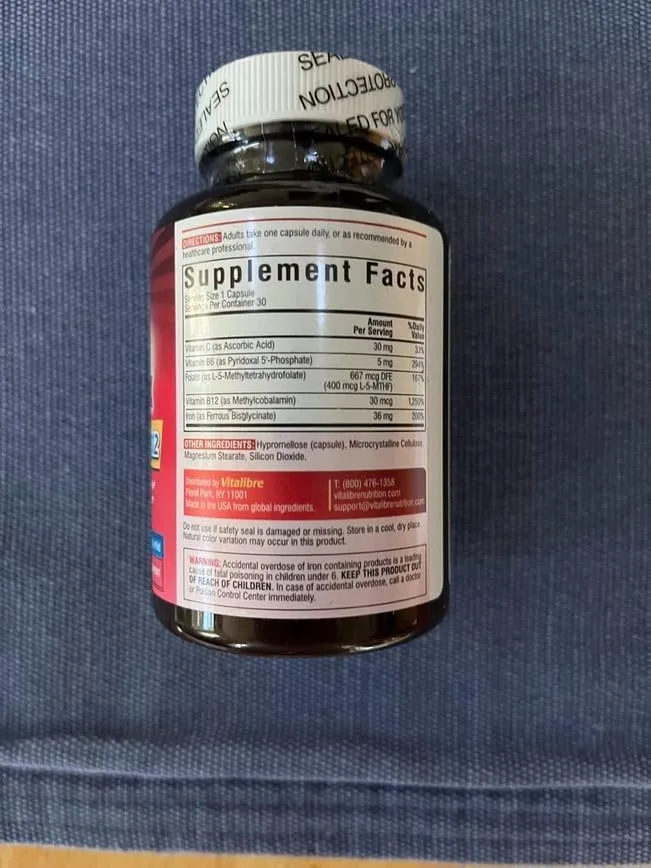
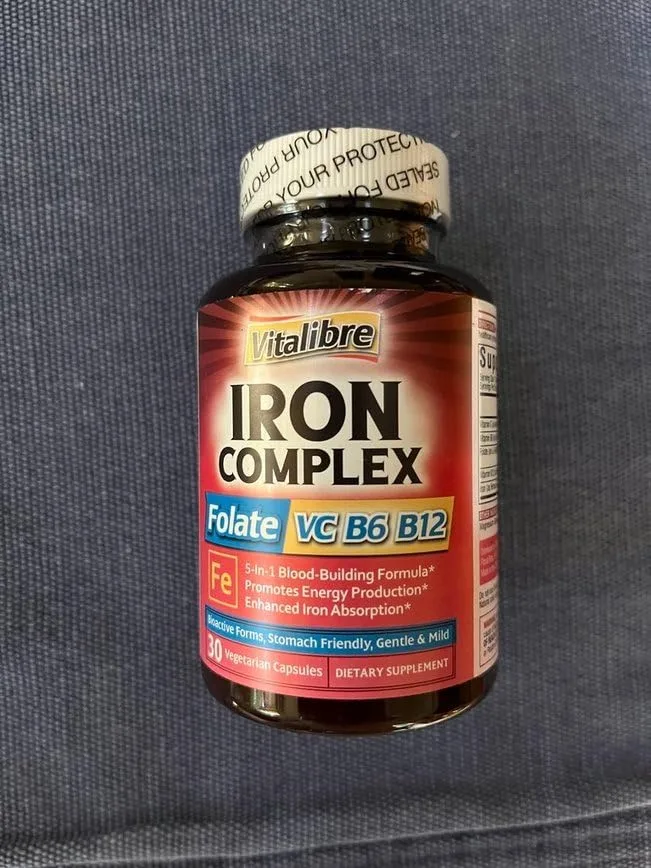
Iron Supplement for Women & Men with Vitamins C, B6
I take this instead of separate iron and B-vitamin bottles, and my stomach handles it without nausea.
Check Price on Amazon →