- Days 1 to 5: Follow a strict low-residue diet. Use one of the recipe books recommended above to plan your meals in advance and remove the guesswork.
- Day 6 (the day before): Transition to clear liquids only
This post contains affiliate links. As an Amazon Associate I earn from qualifying purchases at no extra cost to you.
If you have a colonoscopy coming up, you have probably been handed a single sheet of instructions and sent on your way. In my practice, I see this constantly — clients who are anxious, confused, and genuinely unsure what they are allowed to eat in the days leading up to their procedure. Understanding the colonoscopy prep diet — what to eat, what to avoid, and exactly when to make each transition — is not just about comfort. It directly affects the quality of your bowel prep, which in turn affects whether your gastroenterologist can see what they need to see. A poorly prepared colon can mean a repeated procedure. Let me walk you through exactly what I recommend to my own clients, day by day.
Why Your Pre-Colonoscopy Diet Matters More Than You Think
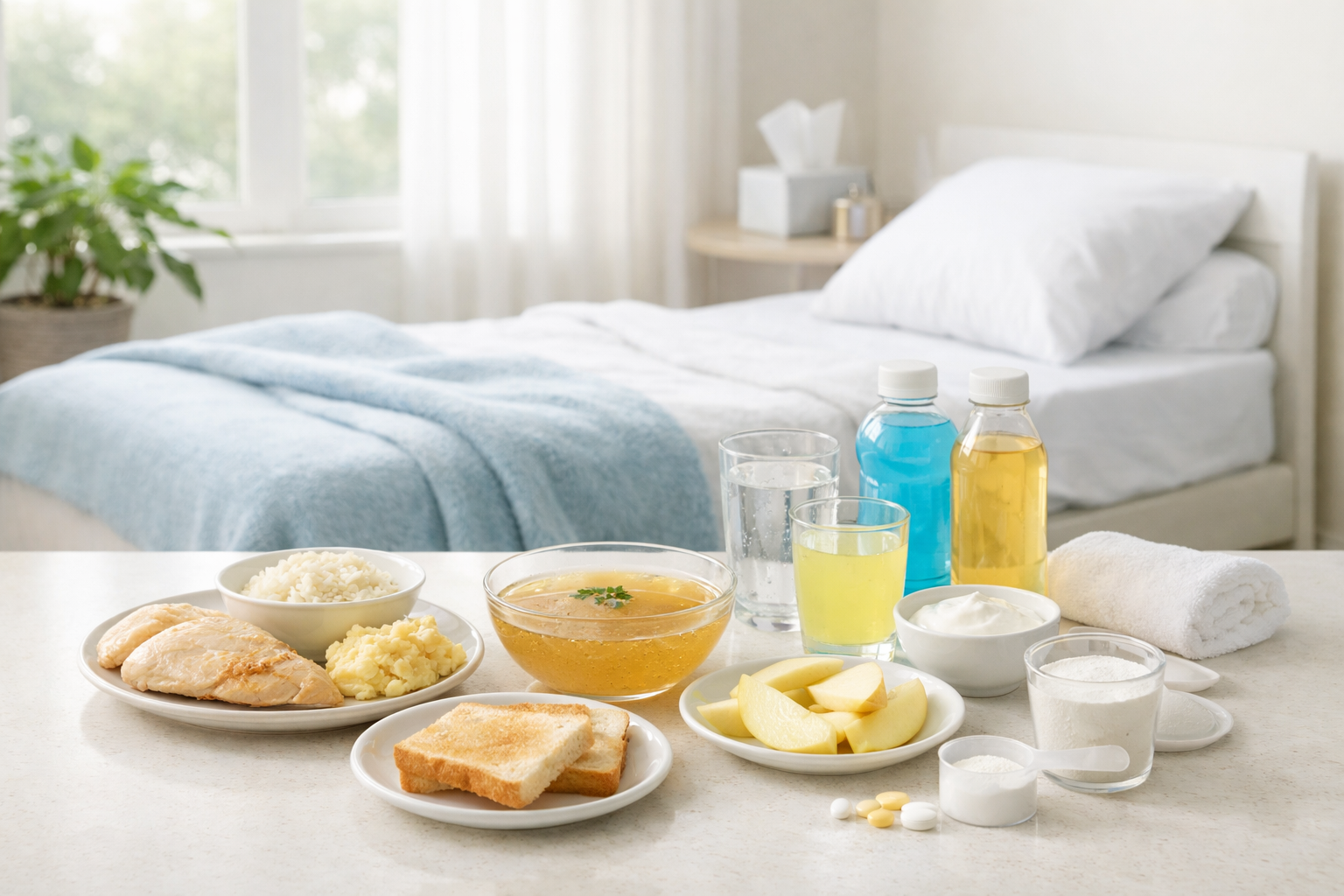
The goal of dietary preparation is straightforward: reduce the amount of residue in your colon so that the laxative solution you take the night before (or morning of) your procedure can do its job efficiently. Research published in gastrointestinal endoscopy literature consistently shows that patients who follow a low-residue diet in the days before their colonoscopy achieve significantly better bowel preparation scores than those who skip directly to a clear liquid diet at the last minute. In plain terms — what you eat in the five to seven days before your procedure matters enormously.
The two phases of dietary preparation are a low-residue or low-fibre diet (typically days one through five or six) followed by a clear liquid diet (the day immediately before and, in some protocols, the morning of your procedure). I will cover both in detail below.
Days 1 to 5: The Low-Residue Diet Phase
A low-residue diet limits foods that leave significant bulk in the colon — primarily high-fibre fruits, vegetables, wholegrains, legumes, and seeds. I always reassure clients that this phase is more manageable than it sounds. You are not fasting. You are simply shifting temporarily toward easily digestible, low-bulk foods.
Foods You Can Eat During the Low-Residue Phase
- White bread, white rice, plain white pasta, and crackers made without seeds or wholegrains
- Well-cooked eggs — scrambled, poached, or boiled
- Lean proteins such as chicken breast, turkey, white fish, and tofu
- Canned or well-cooked vegetables without skins or seeds — think peeled zucchini, green beans, and carrots
- Peeled, ripe fruit in small quantities — banana, melon, and tinned peaches in juice are generally well tolerated
- Low-fat dairy such as plain yoghurt, mild cheese, and regular milk (if you tolerate dairy)
- Clear broths, weak herbal teas, and plenty of water
Foods to Avoid Completely During This Phase
- Wholegrain breads, cereals, and pasta
- Raw vegetables of any kind
- Legumes — beans, lentils, chickpeas, and peas
- Nuts and seeds, including those hidden in bread, granola, or condiments
- High-fibre fruits — apples, pears, berries, dried fruit, and anything with edible skin
- Red meat and processed meats
- Fried or heavily spiced foods
- Alcohol and fizzy drinks
I often find that clients struggle most with meal ideas during this phase — not because the rules are complicated, but because we are so accustomed to fibre-rich, plant-forward eating. For practical, tested recipes designed specifically for this window, I highly recommend Colon Procedure Recipes: Low Fiber-Low Residue Meals, which has been a go-to resource in my practice for years. Similarly, The Bowel Prep Cookbook: Colonoscopy preparation guide and low-residue recipes offers clear guidance and accessible recipes that make this transition genuinely manageable. If you want a broader collection to dip into, The Complete Low Residue Diet Cookbook for Beginners covers breakfast through dessert and is excellent for those who like variety even within restricted eating.
Day Before Your Colonoscopy: The Clear Liquid Diet
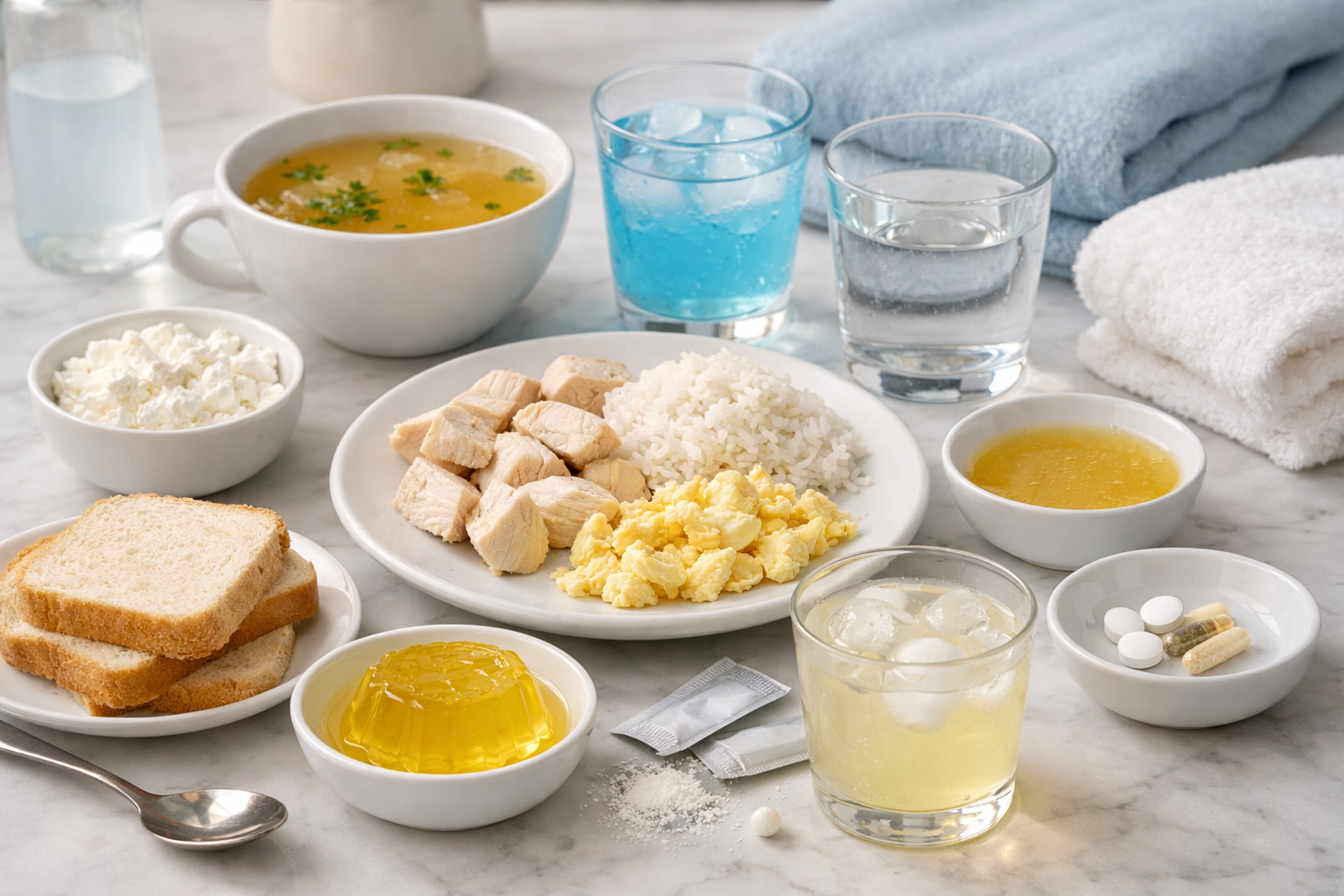
The day before your procedure, you transition entirely to clear liquids. This is the phase most people dread, and I understand why. Going a full day without solid food is uncomfortable, particularly if you have a physical job or feel the cold easily. However, it is non-negotiable — and with the right approach, it is very manageable.
Clear liquids are defined as anything you can see through at room temperature. This includes:
- Water (still and sparkling)
- Clear broths — chicken, vegetable, or beef stock without solids or cream
- Plain gelatin or jelly — avoid red or purple varieties as they can mimic blood on the colon wall
- Clear fruit juices without pulp — apple juice and white grape juice are ideal
- Black coffee or plain tea without milk
- Electrolyte drinks that are clear and free from red or purple dye
- Plain ice lollies without cream or fruit pieces
What you must avoid on this day includes anything milky or opaque, all solid food, and all red or purple-coloured drinks or gelatins. This includes sports drinks such as Gatorade in certain flavours — always check the colour before purchasing.
Staying Hydrated: The Most Overlooked Priority
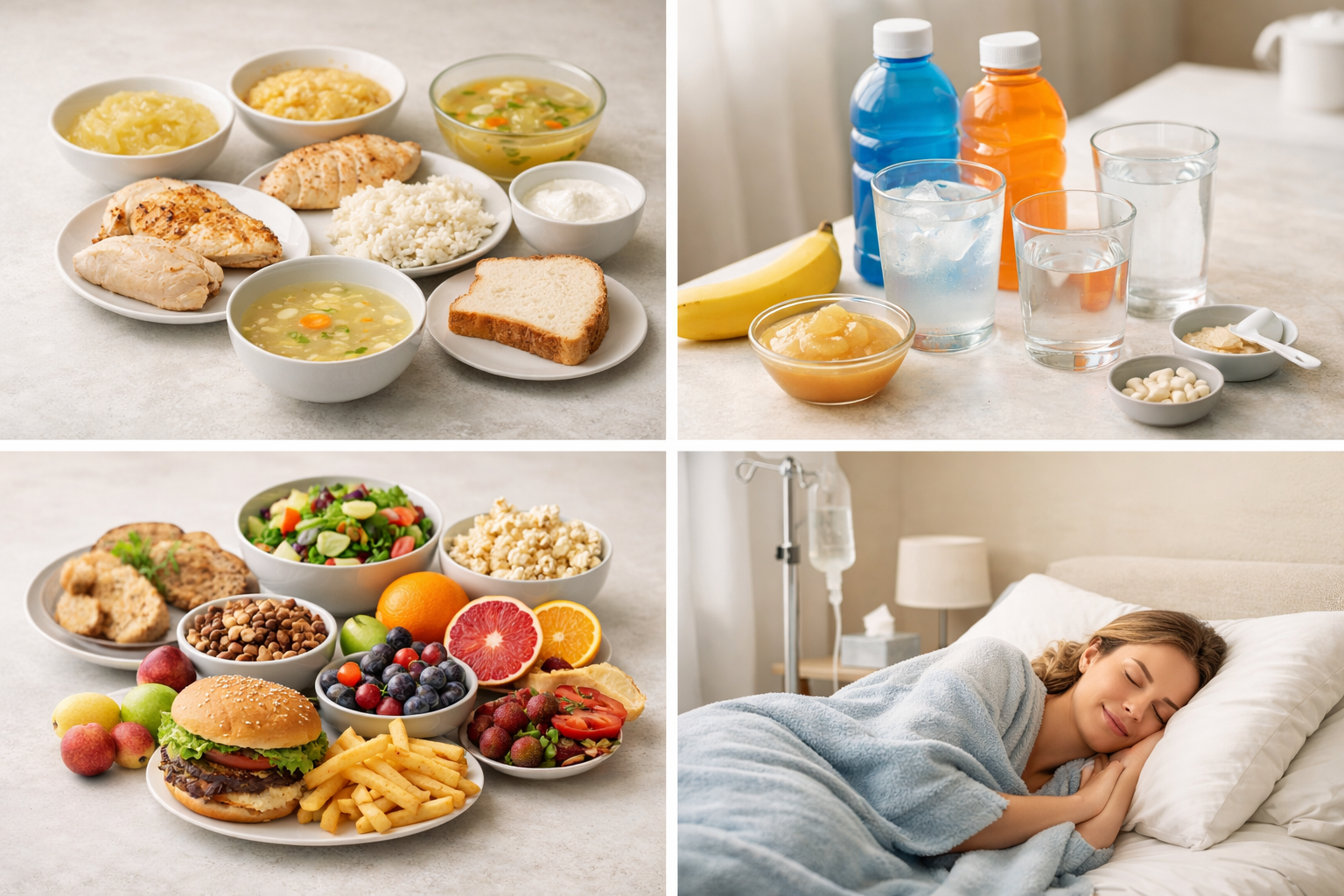
One of the most consistent mistakes I observe during colonoscopy prep is inadequate hydration. The laxative solution you take before your procedure is designed to flush the bowel — and it takes a significant amount of fluid from your body to do so. Dehydration can cause headaches, fatigue, dizziness, and in vulnerable individuals, more serious electrolyte imbalances.
I strongly encourage my clients to begin increasing their fluid intake two to three days before the clear liquid day, and to prioritise electrolyte-rich drinks on prep day itself. Plain water is important, but electrolytes help your body retain and use that fluid effectively.
Three products I regularly recommend for this purpose are:
- Nectar Hydration Packets — Electrolytes Powder Packets (Variety 30 Pack): sugar-free, zero calorie, and made with organic fruit. These are easy to carry and dissolve quickly in water, making them ideal for the prep day when you need frequent, pleasant-tasting hydration.
- VIRENTIS Electrolytes Powder Packets: an excellent option if you want variety across eight flavours, with eight electrolytes and six vitamins, zero calories, and no sugar. Well tolerated and genuinely helpful on a clear liquid day.
- Recharge Element Liquid Electrolyte Hydration Boost Formula: keto-friendly, sugar-free, and designed for rapid rehydration. The green grape flavour is light and refreshing without being overpowering.
Always check that any electrolyte product you use is free from red or purple colouring before taking it on your prep day. Most of the above are safe, but confirm the colour of the flavour you choose.
Supporting Your Gut After the Procedure
While this post focuses on preparation, I want to briefly address what happens after. The laxative bowel prep process is quite aggressive on your gut microbiome. When a client presents post-colonoscopy with bloating, irregular bowel movements, or general digestive discomfort, my first recommendation is always a high-quality probiotic to support microbial recovery. Two I trust are Ancient Nutrition Regenerative Organic Certified Probiotics for Gut Recovery, which delivers 50 billion CFUs per serving, and the Hyperbiotics Vital Nutrients Leaky Gut Repair Supplement Probiotic, which is specifically formulated to support the intestinal barrier following digestive stress. Introduce these gently from the day after your procedure.
My Nutritionist Recommendation: A Colonoscopy Prep Diet Plan You Can Actually Follow
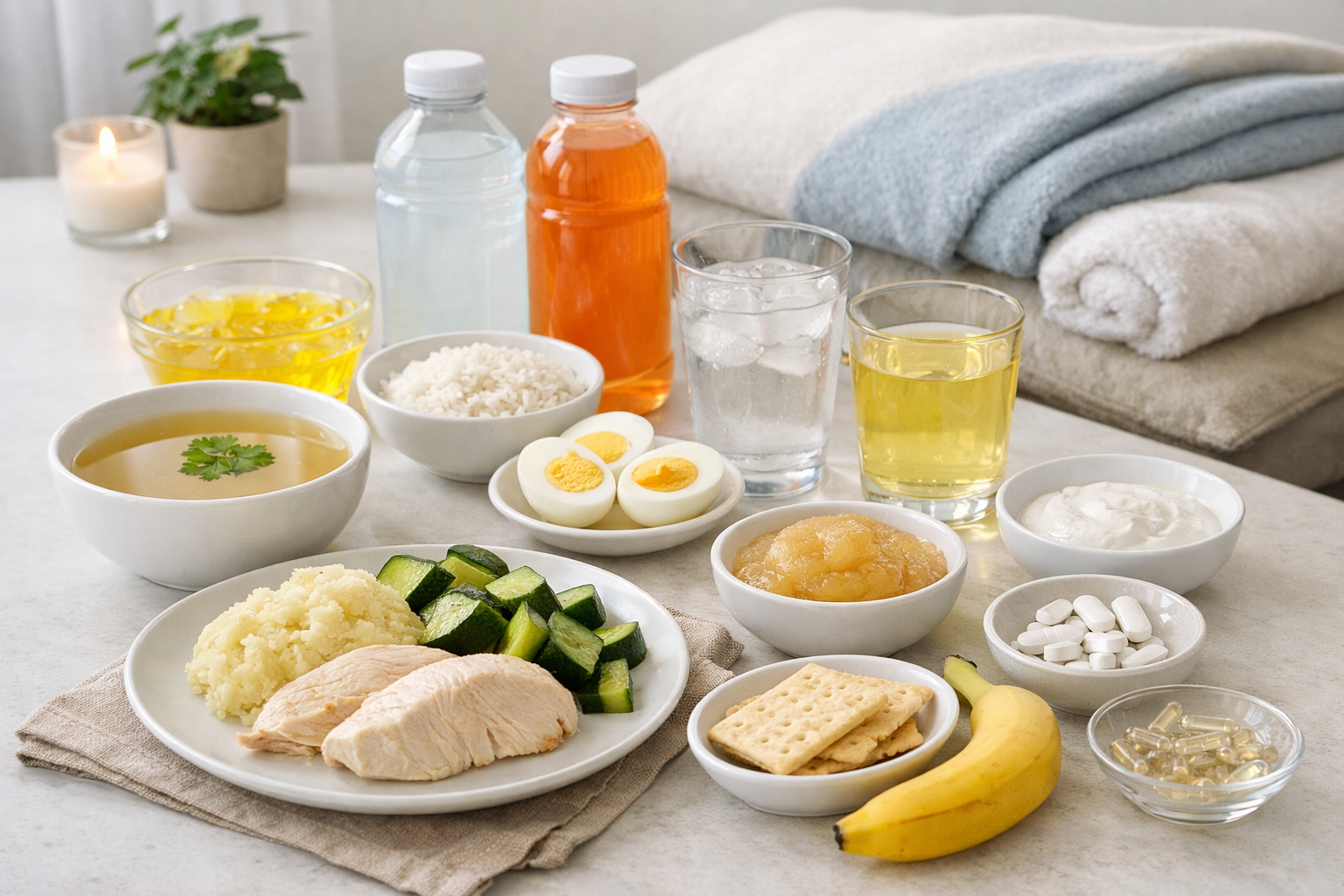
When it comes to the colonoscopy prep diet — what to eat and when — clarity and preparation are everything. In my experience, clients who take the time to plan their meals for the low-residue phase, stock their kitchen appropriately, and invest in quality hydration support have a significantly more comfortable experience and arrive at their procedure better prepared. This is not a minor inconvenience to push through at the last minute. It is a meaningful medical preparation that deserves genuine attention.
Here is my practical summary for the week ahead:
- Days 1 to 5: Follow a strict low-residue diet. Use one of the recipe books recommended above to plan your meals in advance and remove the guesswork.
- Day 6 (the day before): Transition to clear liquids only Tags: colonoscopy diet week beforecolonoscopy prep food colonoscopy preparation food low residue colonoscopy what to eat before colonoscopyCategory: Colonoscopy & Gut Screening
Related Posts
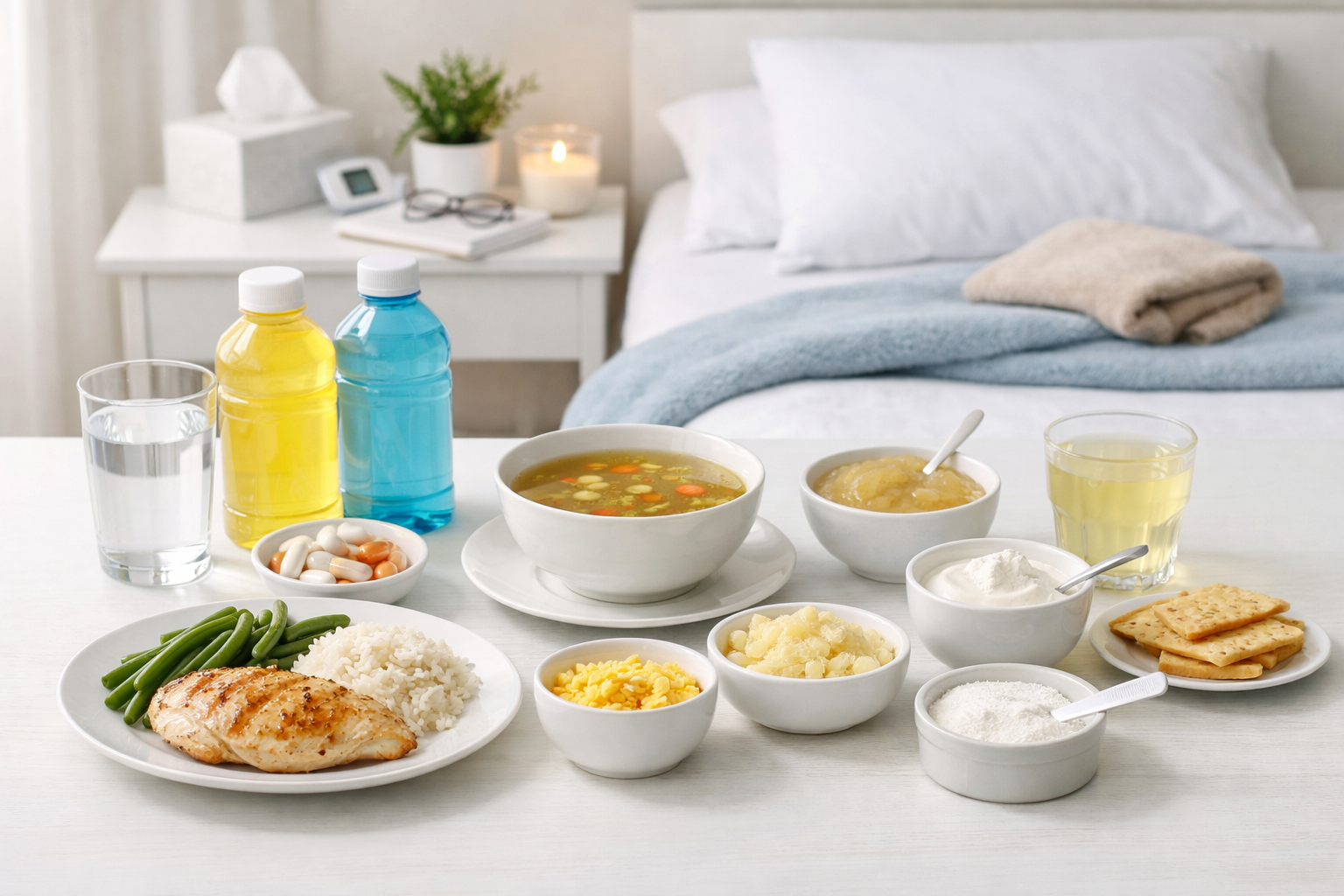
The Complete Low-Residue Diet for Colonoscopy Prep: A Nutritionist’s Meal Plan
This post contains affiliate links. As an Amazon Associate I…
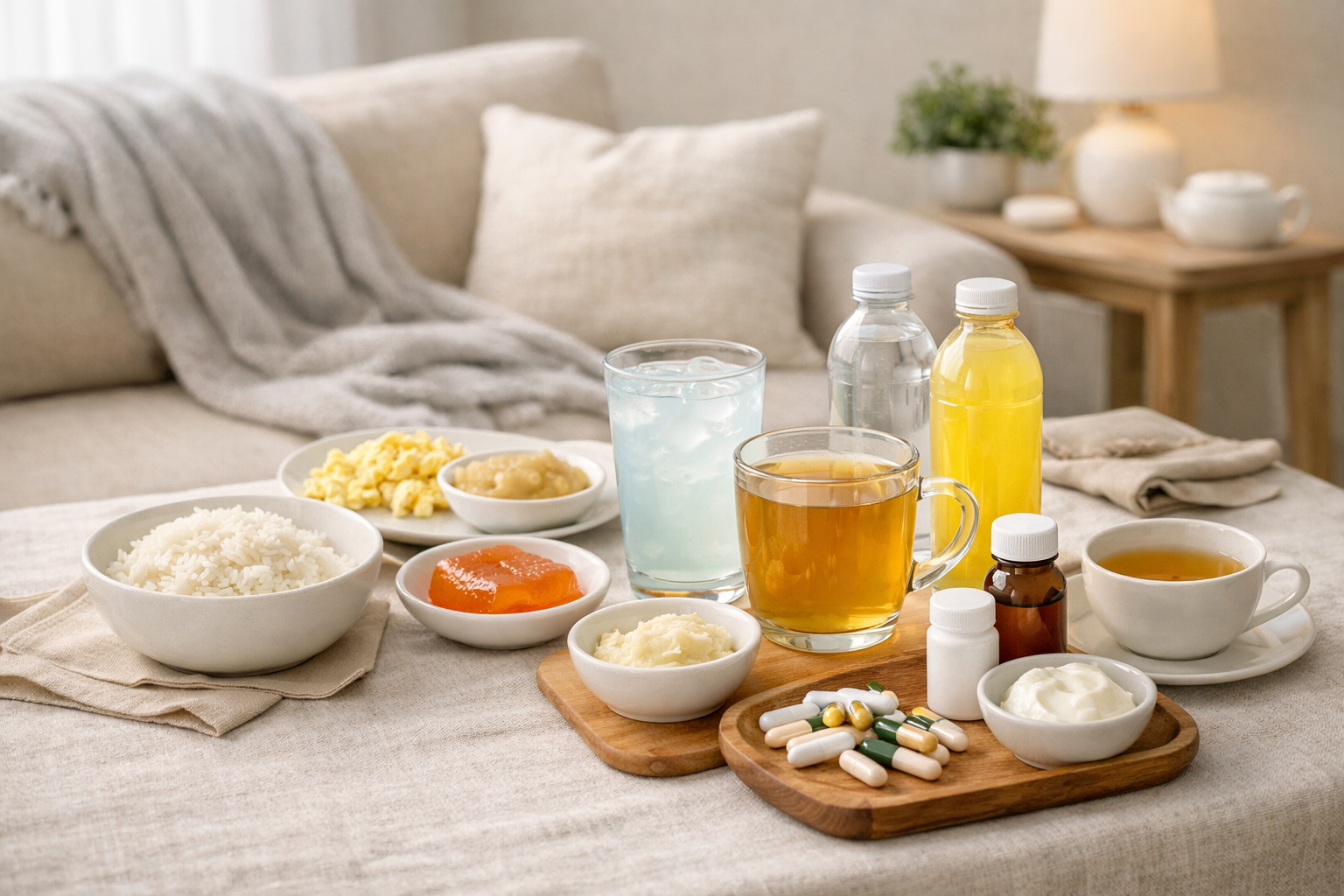
What to Eat After a Colonoscopy: My 3-Day Gut Recovery Reintroduction Plan
This post contains affiliate links. As an Amazon Associate I…
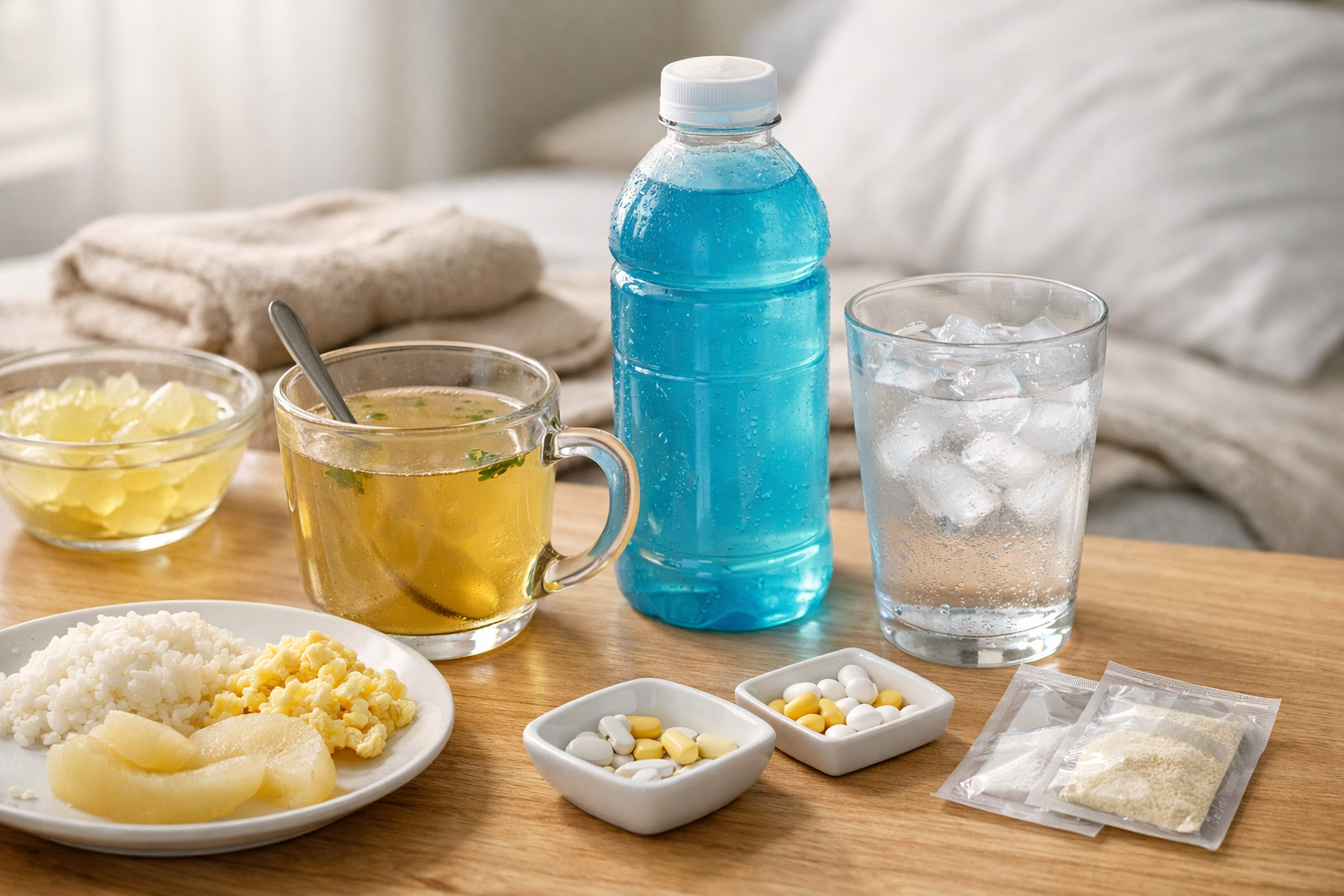
Staying Hydrated During Colonoscopy Prep: Why This Is Harder Than It Sounds and How I Help Clients Through It
This post contains affiliate links. As an Amazon Associate I…