This post contains affiliate links. As an Amazon Associate I earn from qualifying purchases at no extra cost to you.
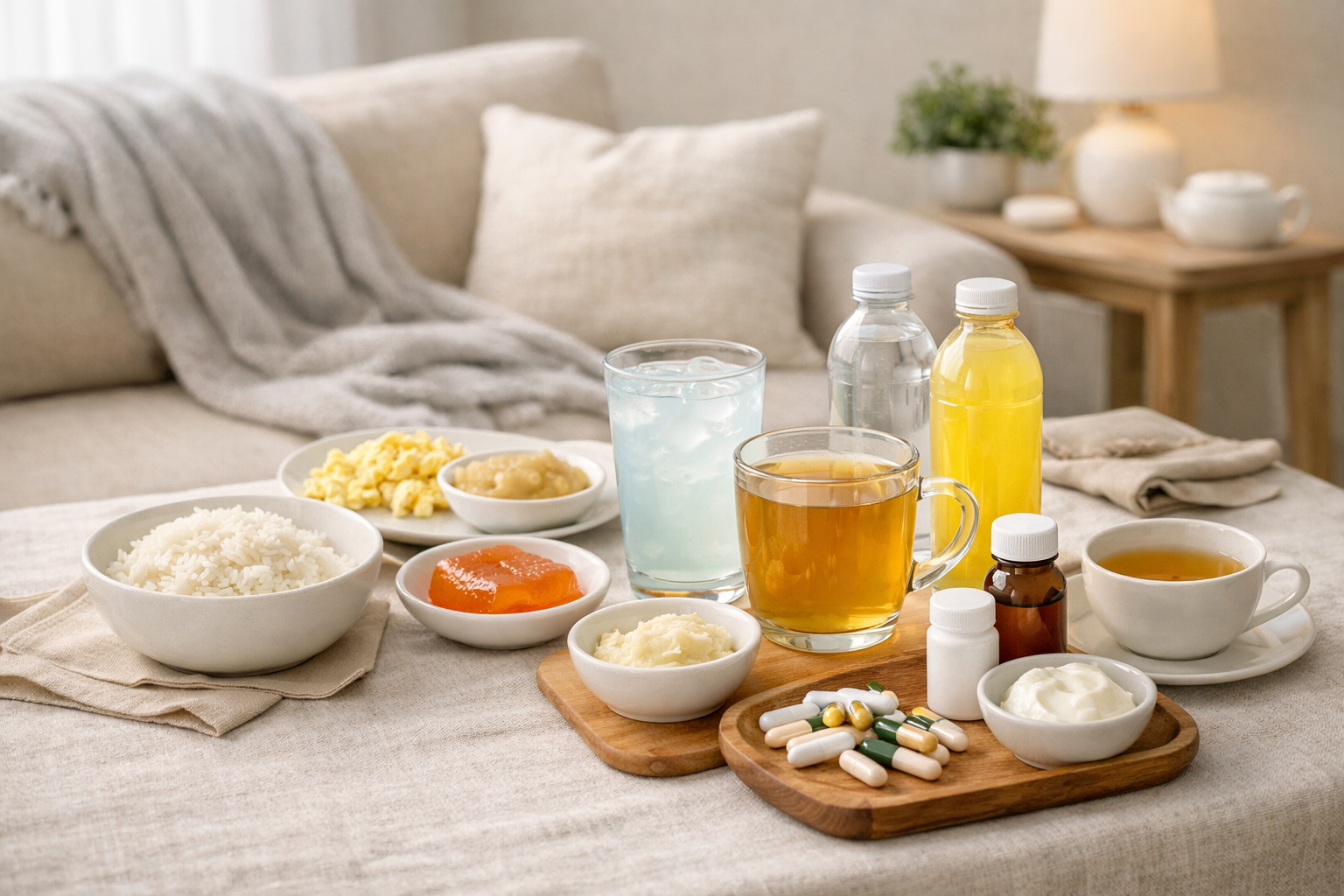
If you’ve just had a colonoscopy and you’re wondering what to eat after colonoscopy recovery begins, you’re not alone — and you’re asking exactly the right question. In my practice, I’m consistently surprised by how little post-procedure dietary guidance clients receive. Most are told something along the lines of “eat lightly today and return to normal tomorrow.” That advice, while well-intentioned, misses a genuine opportunity to support gut healing, restore the microbiome, and prevent the bloating, cramping, and irregularity that so many people experience in the days that follow. This three-day reintroduction plan changes that.
Why Post-Colonoscopy Nutrition Actually Matters
A colonoscopy isn’t just a passive examination. The procedure is preceded by a bowel prep that thoroughly clears the entire gastrointestinal tract — and that process is genuinely disruptive to the gut environment. Research published in journals covering gastrointestinal microbiology has shown that the standard polyethylene glycol prep significantly reduces microbial diversity, with some studies noting it can take weeks for the microbiome to fully recover without intentional support. Add to that the mechanical stretching of the colon during the procedure, residual gas from the air used to inflate the colon, and the mild mucosal irritation that can occur, and you have a digestive system that deserves a thoughtful, graduated return to normal eating.
I often see clients who jump straight back into their regular diet — salads, high-fibre grains, raw vegetables, even a celebratory meal out — and then wonder why they feel bloated, crampy, or off for days afterward. The gut hasn’t been given the chance to re-establish its bacterial balance or settle its motility. My three-day plan addresses exactly this gap.
Day 1: Gentle, Low-Residue Foods and Hydration First
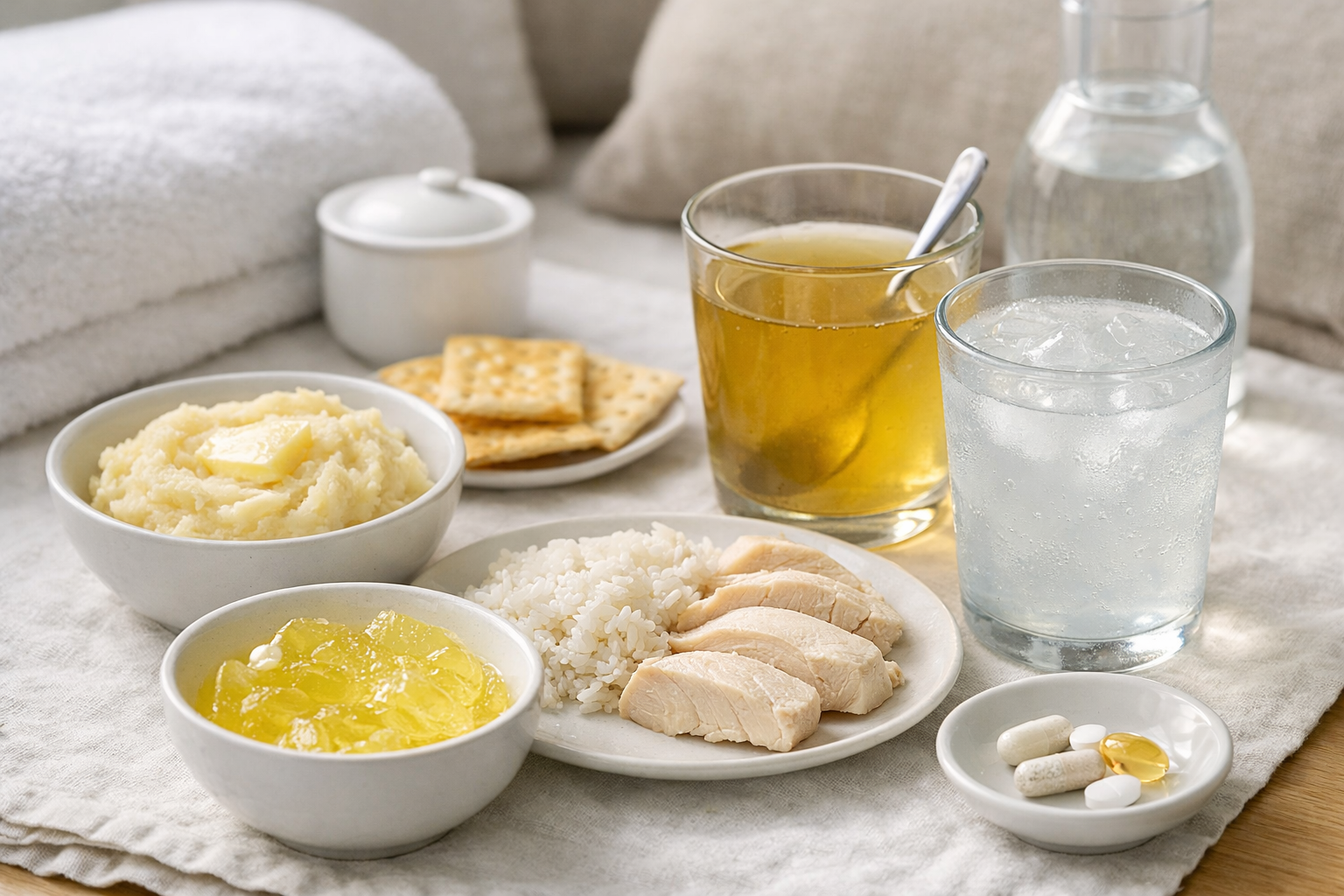
On the day of your procedure and the evening that follows, your priority is hydration and very gentle nourishment. Your gut lining has been through a lot, and the last thing it needs is hard-to-digest fibre or rich, fatty foods competing for digestive resources.
What to Eat on Day 1
- Clear broths — chicken or vegetable, ideally homemade or low-sodium
- Plain white rice or well-cooked white pasta (small portions)
- Scrambled eggs or a soft-boiled egg
- Smooth nut butters on white toast — no seeds, no wholegrains yet
- Banana and tinned peaches in juice (not syrup)
- Plain crackers such as water biscuits
Hydration is equally critical on Day 1. The prep will have left you depleted of electrolytes, and plain water alone won’t fully restore your fluid balance. I recommend using a quality electrolyte powder to support rehydration efficiently. I particularly like the Nectar Hydration Packets — they’re sugar-free, organic-fruit-based, and come in a helpful variety pack of 30 servings, making it easy to sip throughout the day. Alternatively, the VIRENTIS Electrolytes Powder Packets are an excellent option, delivering eight electrolytes and six vitamins in a zero-calorie, sugar-free formula — ideal for post-procedure recovery when your system is still sensitive.
If you’d like structured recipe ideas for this low-residue phase, I genuinely recommend picking up a copy of Colon Procedure Recipes: Low Fiber-Low Residue Meals. It was written specifically to support people navigating both the prep and recovery phases, and my clients have found it enormously practical when they feel uncertain about what they can safely prepare.
Day 2: Building Back with Soft, Easy-to-Digest Nutrition
By Day 2, most people are feeling a little more themselves. Appetite starts to return, energy improves, and the residual gas from the procedure usually begins to settle. This is the moment to introduce slightly more nourishing foods while still keeping fibre low and avoiding anything raw, spicy, or heavily processed.
What to Eat on Day 2
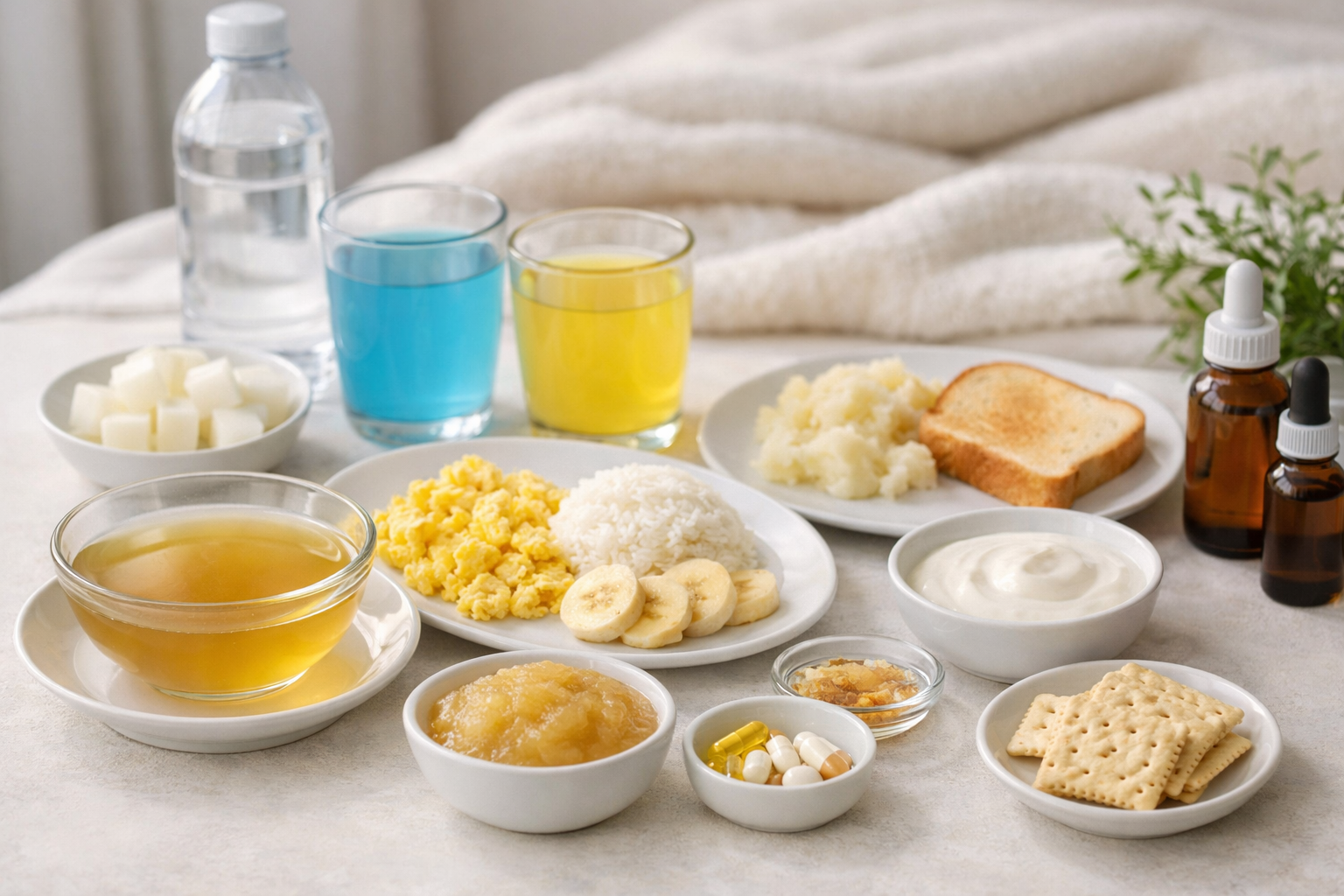
- Smooth porridge made with water or low-fat milk, topped with a little honey
- Well-cooked, skinless chicken or white fish with white rice
- Soft-cooked carrots, courgette, or peeled potato — steamed or boiled
- Plain yoghurt — ideally a live-culture variety to begin reintroducing beneficial bacteria
- Smooth soups such as butternut squash or leek and potato, blended
- White bread with butter or a scraping of marmite for B vitamins
Day 2 is also when I start clients on a targeted probiotic. The research supporting probiotic use after bowel prep is growing, with several studies suggesting that specific strains can accelerate microbiome restoration and reduce post-colonoscopy symptoms like bloating and irregular bowel movements. I recommend the Ancient Nutrition Regenerative Organic Certified Probiotics for Gut Recovery, which delivers 50 billion CFUs per serving and is specifically formulated to support post-disruption gut restoration. It’s one of the cleaner, higher-quality options available without a prescription.
Continue with electrolyte support on Day 2, particularly if your appetite is still reduced. The Recharge Element Liquid Electrolyte Hydration Boost Formula is a keto-friendly, sugar-free option that’s easy on the stomach and particularly useful if you’re still not eating full meals and need to maintain fluid and mineral balance without overwhelming your system.
For additional recipe inspiration at this stage, The Bowel Prep Cookbook is a wonderfully practical resource that covers both preparation and recovery phases, with approachable, low-residue meal ideas that don’t make you feel like you’re eating hospital food.
Day 3: Reintroducing Fibre Gradually and Supporting the Microbiome
By Day 3, your gut is typically ready to begin the transition back toward your normal diet — but the key word here is gradual. This is not the day to have a large mixed salad, a high-fibre smoothie, and a lentil curry. Instead, think of Day 3 as a bridge: you’re introducing slightly more complexity while still protecting the gut lining and continuing to rebuild your bacterial ecosystem.
What to Eat on Day 3
- Eggs prepared any way — scrambled, poached, or as an omelette with soft fillings
- Lightly cooked vegetables: green beans, spinach, peeled cucumber, well-cooked broccoli florets
- A small portion of canned salmon or tuna with white pasta
- A gentle fibre source: a ripe pear (peeled), well-cooked oats, or a small portion of sweet potato
- Live yoghurt or kefir if you tolerate dairy — both deliver beneficial bacteria at a critical window
- A small portion of avocado for healthy fats and gentle prebiotic support
If you’ve had any history of digestive sensitivity, IBS, or previous gut issues, Day 3 is also when I’d consider adding an intestinal barrier support supplement. The Hyperbiotics Vital Nutrients Leaky Gut Repair Supplement Probiotic is a science-backed vegan formula that combines probiotic strains with ingredients specifically chosen to strengthen the intestinal barrier and reduce digestive discomfort — exactly what a post-colonoscopy gut can benefit from. When a client presents with a history of gut sensitivity alongside a recent colonoscopy, this is one of my go-to short-term support recommendations.
The Complete Low Residue Diet Cookbook for Beginners is an excellent companion for this phase — it covers breakfast, lunch, dinner, and even desserts designed around low-residue principles, so you have plenty of variety to work with as you move from Day 3 back toward your usual eating pattern over the following days.
My Final Nutritionist Recommendation: Don’t Rush This Process
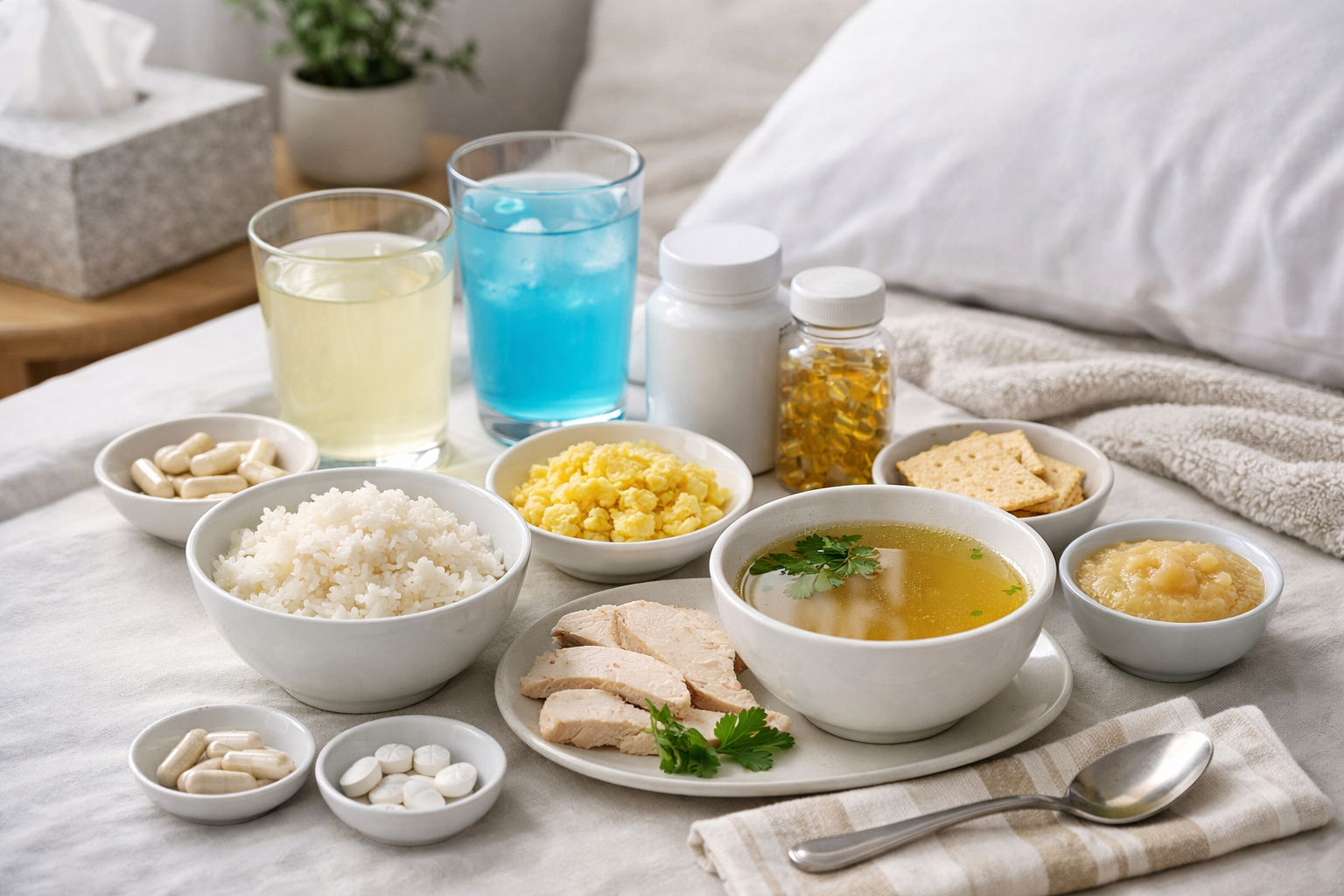
Understanding what to eat after colonoscopy recovery is genuinely one of the most undervalued aspects of the entire procedure. The bowel prep strips your gut of its microbial balance, and the procedure itself creates a level of physiological stress that your digestive system needs time and support to recover from. Rushing back to your normal diet — however healthy it might be — can prolong discomfort and delay true gut restoration.
My advice is simple: follow this three-day plan, prioritise hydration with a quality electrolyte supplement, start a targeted probiotic from Day 2, and give your gut the same compassion you’d give any other part of your body recovering from a medical procedure. Most people find that by Day 4 or Day 5, they feel genuinely well and ready to return to their full, varied diet — including wholegrains, legumes, and plenty of vegetables.
If you found this plan helpful, I’d encourage you to save it before your next colonoscopy and share it with someone who might be preparing for theirs. And if you have a history of digestive conditions or received specific dietary instructions from your gastroenterologist, always prioritise that clinical guidance alongside any general advice you find online. Your gut is unique — treat it that way.
Related Posts
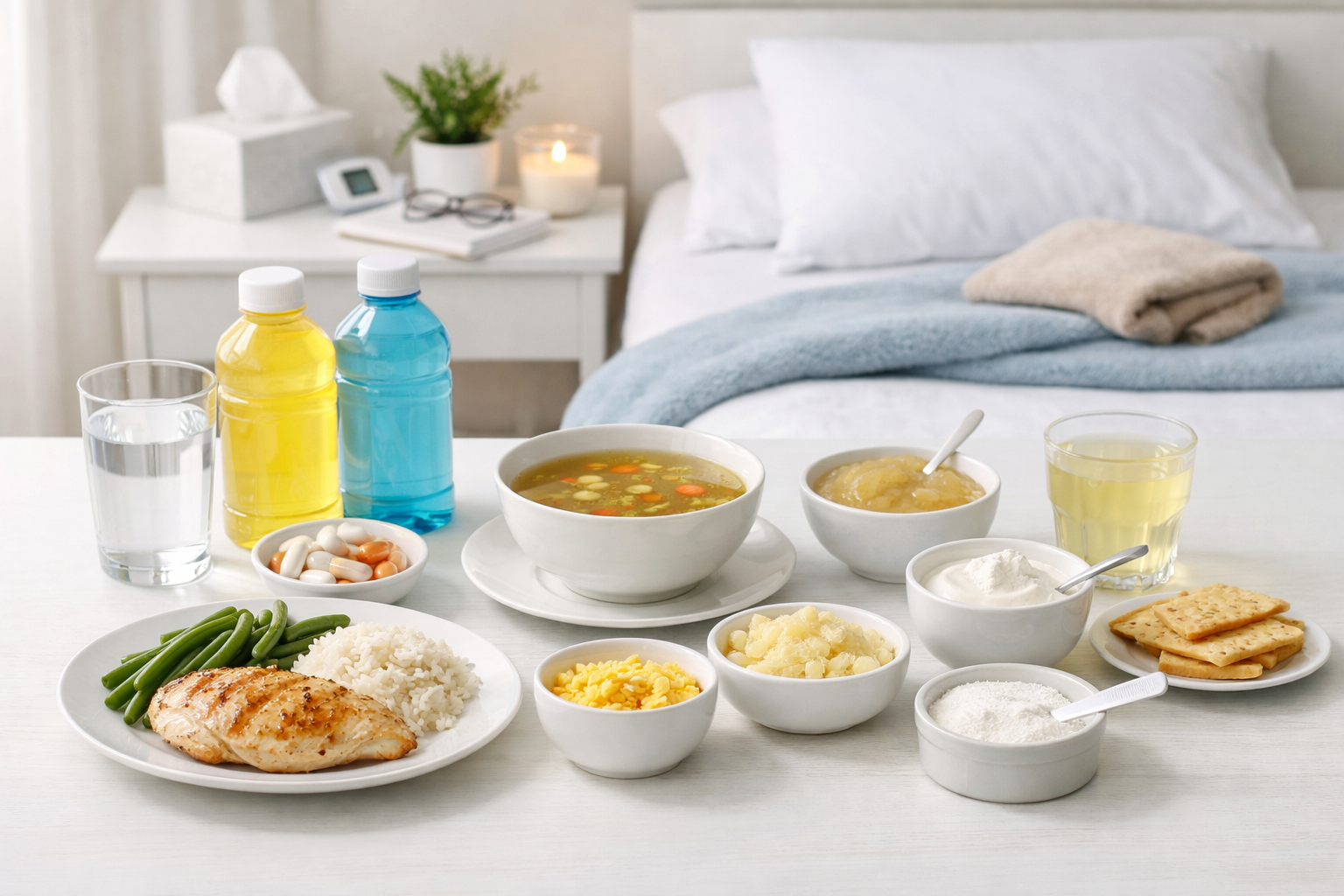
The Complete Low-Residue Diet for Colonoscopy Prep: A Nutritionist’s Meal Plan
This post contains affiliate links. As an Amazon Associate I…
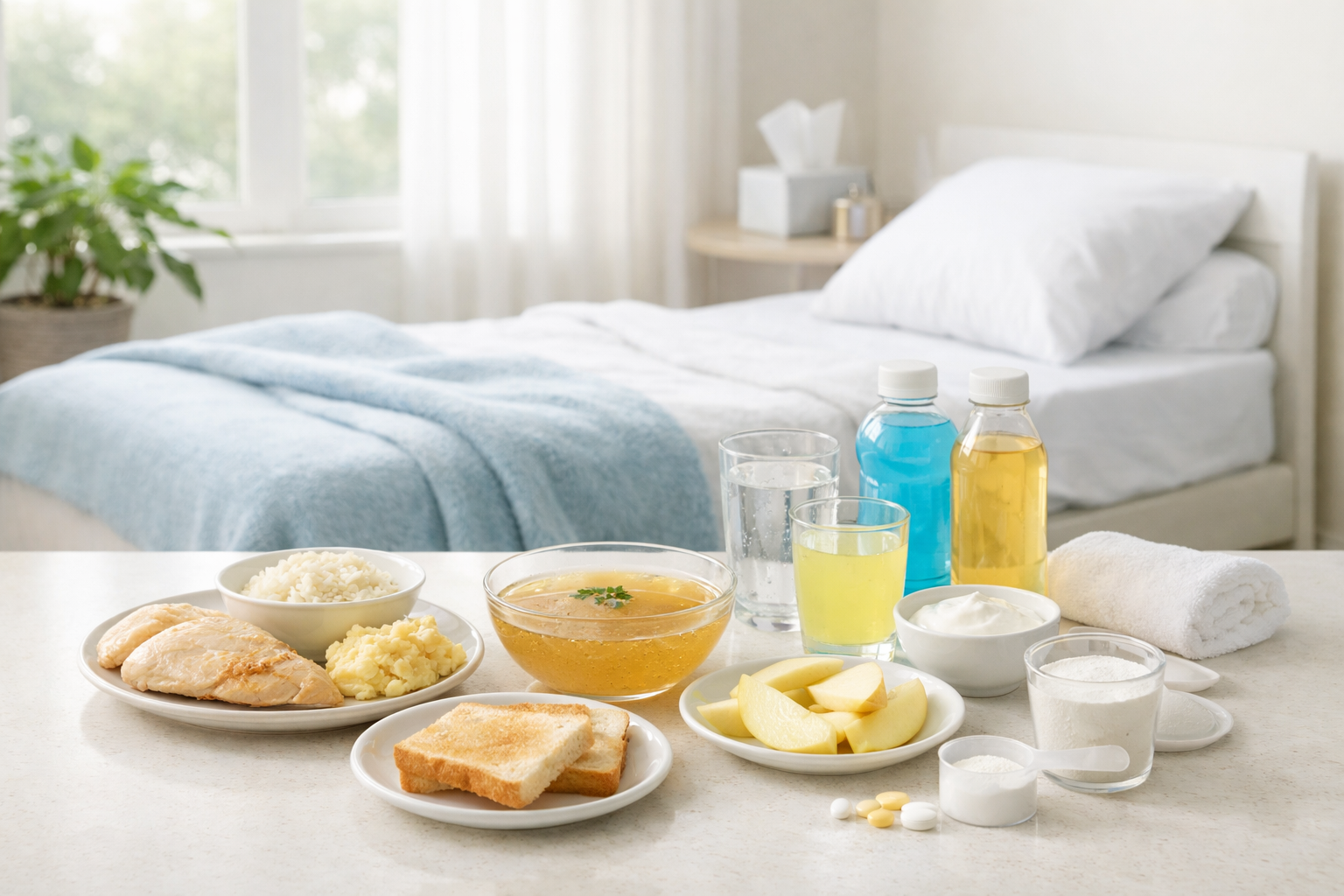
Colonoscopy Prep Diet: What to Eat and Avoid in the Week Before Your Procedure
This post contains affiliate links. As an Amazon Associate I…
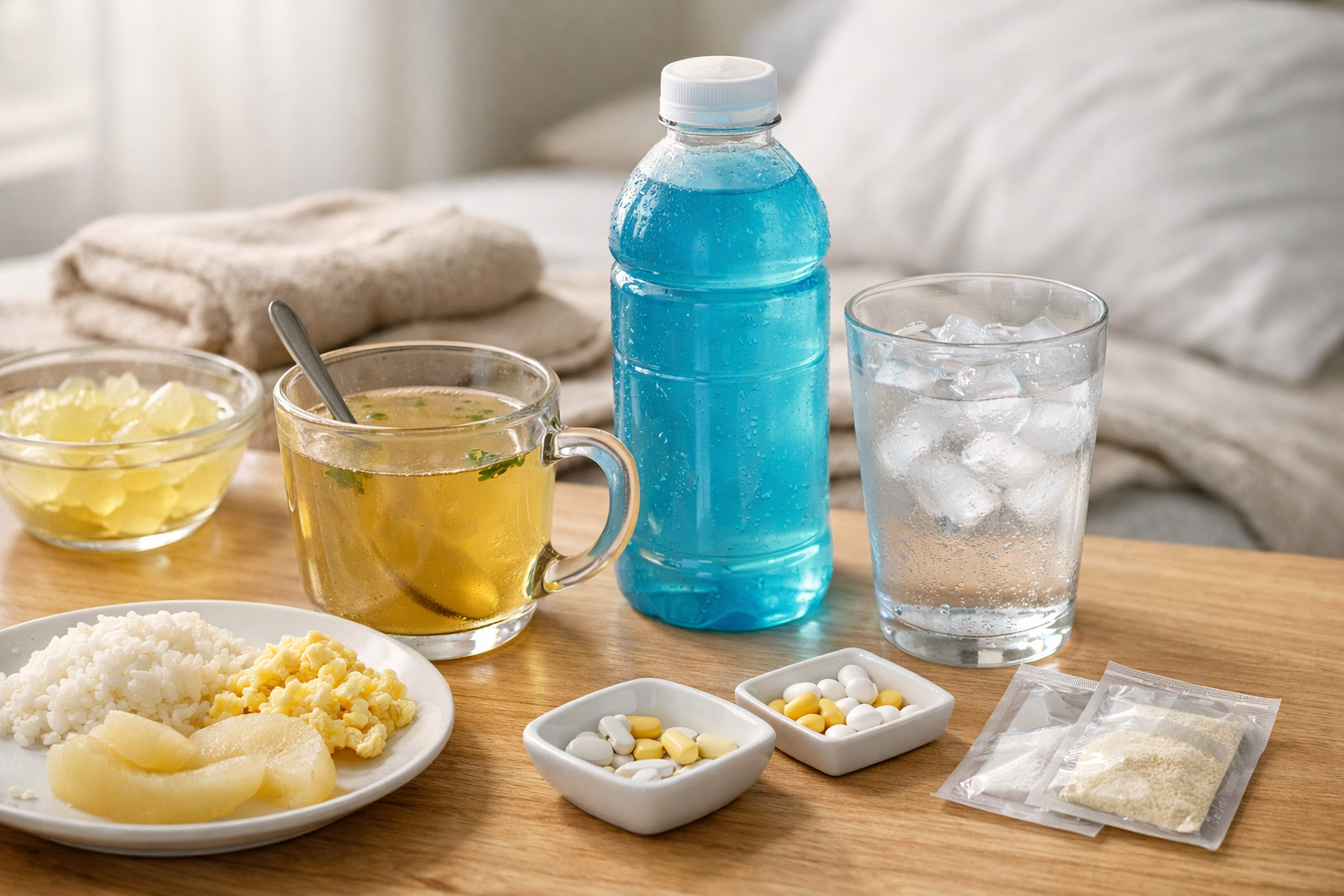
Staying Hydrated During Colonoscopy Prep: Why This Is Harder Than It Sounds and How I Help Clients Through It
This post contains affiliate links. As an Amazon Associate I…