This post contains affiliate links. As an Amazon Associate I earn from qualifying purchases at no extra cost to you.
As a nutritionist, I am not the person ordering colonoscopies — but I am often the first professional a client tells about the symptoms that should prompt one. Over the years, I have come to see understanding when to get a colonoscopy age guidelines as a genuine part of my duty of care. Clients share things with their nutritionist that they sometimes hesitate to bring to their GP — changes in bowel habits, unexplained fatigue, blood they noticed but dismissed. My job, in those moments, is to listen carefully and point them firmly in the right direction.
This post is not a substitute for medical advice. What it is, I hope, is a clear and trustworthy resource that helps you understand when screening is recommended, what symptoms should never be ignored, and how to prepare your gut as well as possible if a colonoscopy is on the horizon.

Understanding Colonoscopy Age Guidelines: What the Evidence Says
For many years, the standard recommendation for average-risk adults was to begin colorectal cancer screening at age 50. That guidance has shifted. The American Cancer Society updated its recommendation in 2018, lowering the starting age to 45 for people at average risk. This change was driven by a concerning rise in colorectal cancer diagnoses among younger adults — a trend that researchers continue to study and that I find genuinely alarming given how preventable this disease can be when caught early.
The US Preventive Services Task Force followed suit in 2021, also recommending screening from age 45. If your colonoscopy comes back clear, you will generally not need another for ten years, assuming no polyps were found and you remain at average risk. This is one of the things I remind clients about — the relative infrequency of the procedure makes it far less daunting when you zoom out.
Here is a simplified breakdown of general age-based guidance:
- Age 45 to 75: Routine screening recommended for average-risk adults
- Age 76 to 85: Screening decisions should be made individually in discussion with a doctor
- Over 85: Screening is generally not recommended
- Under 45 with risk factors: Earlier screening may be advised — discussed below
These are broad guidelines. Your individual circumstances matter enormously, and a conversation with your gastroenterologist or GP is always the right starting point.
Risk Factors That Mean You Should Not Wait Until 45
In my practice, I regularly work with clients who have risk factors that put them in a different category entirely. If any of the following apply to you, earlier and more frequent screening is typically recommended — and I would encourage you to raise this with your doctor sooner rather than later.
Family History of Colorectal Cancer or Polyps
If a first-degree relative — a parent, sibling, or child — was diagnosed with colorectal cancer or advanced polyps, your risk is meaningfully elevated. Guidelines generally suggest beginning screening at age 40, or ten years before the youngest age at which a relative was diagnosed, whichever comes first. I often see clients who were unaware this applied to them until we went through their family history together during a nutrition assessment.
Personal History of Inflammatory Bowel Disease
Clients living with Crohn’s disease or ulcerative colitis have a higher lifetime risk of colorectal cancer. Screening colonoscopies are typically recommended more frequently in this group — sometimes every one to two years — depending on the extent and duration of disease.
Inherited Genetic Conditions
Conditions such as Lynch syndrome and familial adenomatous polyposis (FAP) carry substantially elevated cancer risk. If you have a known or suspected hereditary syndrome, your gastroenterologist will usually have a tailored surveillance plan beginning much earlier than standard guidelines.
Previous Polyps
If polyps were found during a previous colonoscopy, your follow-up schedule will depend on the number, size, and type of polyps removed. This is not a one-size-fits-all situation, and your specialist will advise you accordingly.

Symptoms That Should Prompt a Conversation With Your Doctor Now
Regardless of age or family history, certain symptoms warrant a medical review without delay. When a client presents with any of the following in a nutrition consultation, I am direct with them: this needs to go beyond dietary support, and they should speak with their GP promptly.
- Blood in the stool or rectal bleeding, even if you suspect it is haemorrhoids
- A persistent change in bowel habits lasting more than a few weeks — including new diarrhoea, constipation, or a change in stool consistency
- Unexplained weight loss
- Abdominal pain or cramping that is new or worsening
- A feeling that the bowel does not empty completely
- Unexplained fatigue or iron deficiency anaemia
I want to be honest here: many of these symptoms have far more common and benign explanations — irritable bowel syndrome, dietary intolerances, stress. But it is never worth assuming. A colonoscopy that comes back normal is a reassuring result, not a wasted one.
How to Support Your Gut Before and After a Colonoscopy
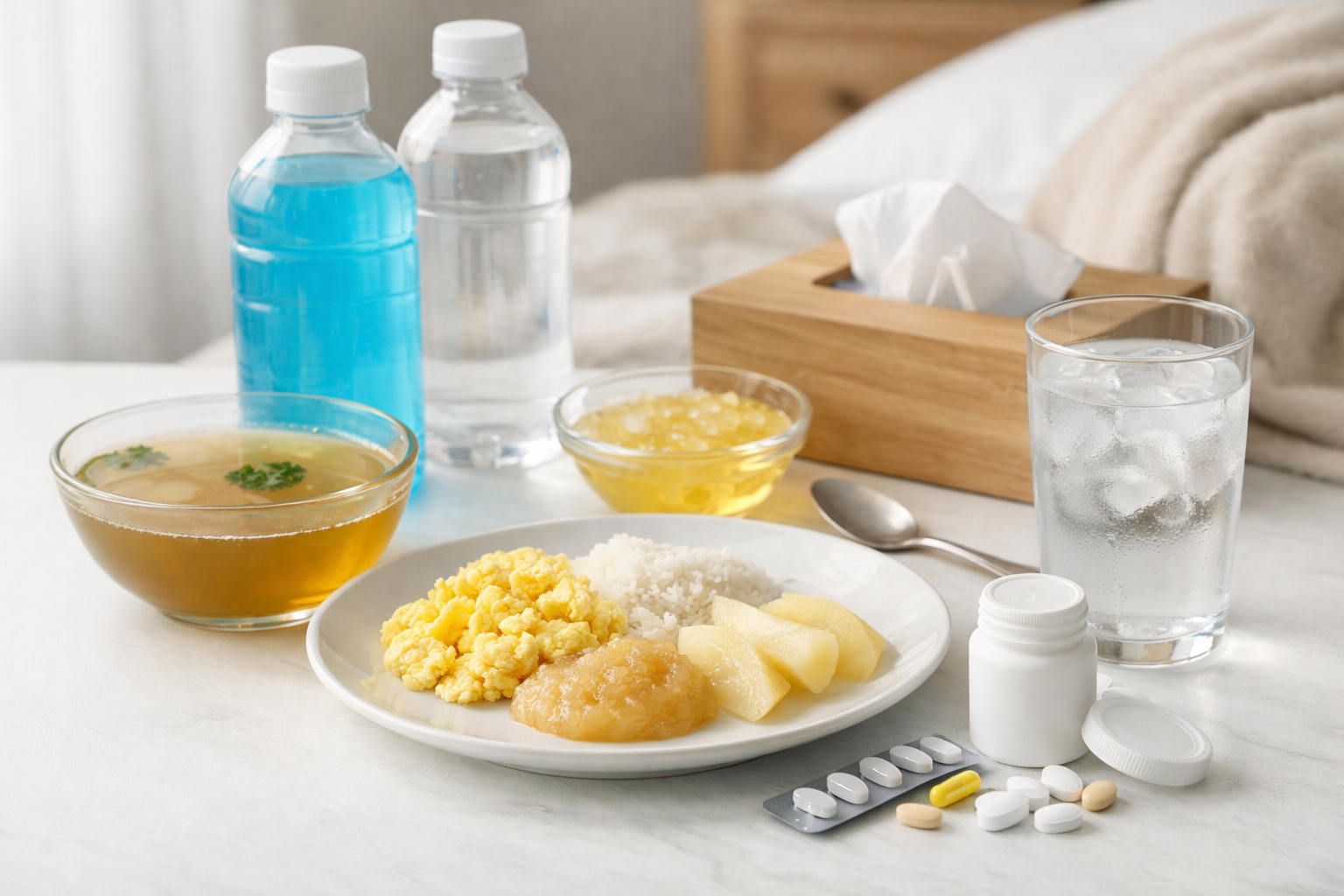
This is where my nutritionist hat comes firmly back on. Colonoscopy preparation requires a low-fibre, low-residue diet in the days leading up to the procedure, followed by a bowel prep solution that clears the colon completely. It is not the most pleasant process, but the right nutritional support makes it considerably more manageable.
Low-Residue Eating Before the Procedure
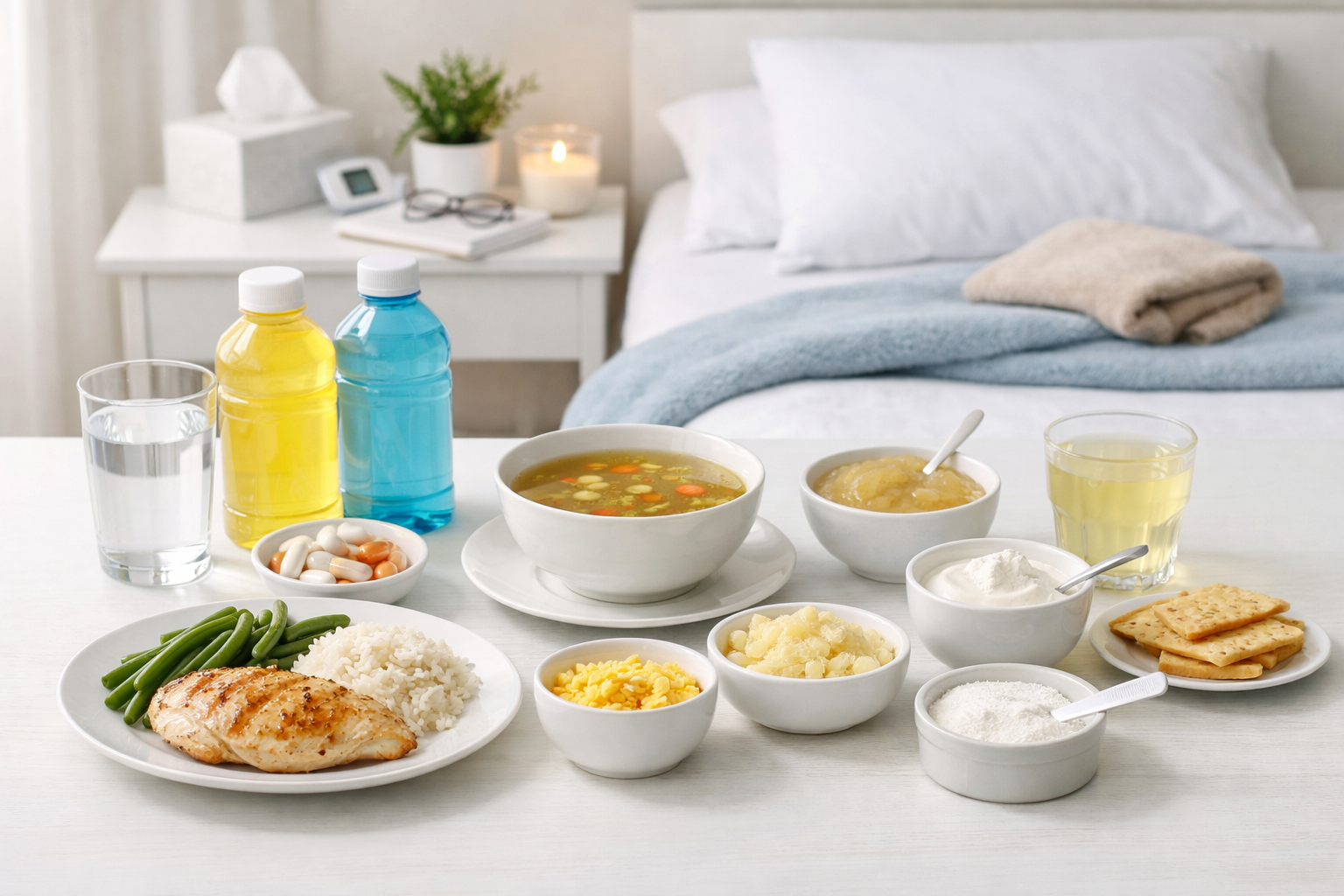
In the two to three days before your colonoscopy, you will typically be asked to reduce fibre significantly — avoiding wholegrains, raw vegetables, fruit with skin, nuts, and seeds. Knowing what you can actually eat during this period is genuinely helpful, and I recommend having a good recipe resource on hand. Two I often point clients towards are Colon Procedure Recipes: Low Fiber-Low Residue Meals and The Bowel Prep Cookbook: Colonoscopy Preparation Guide and Low-Residue Recipes. Both take the guesswork out of an otherwise stressful few days. You might also find The Complete Low Residue Diet Cookbook for Beginners useful — it covers a broader range of everyday meals that fit the low-residue framework beautifully.
Hydration and Electrolyte Support
The bowel prep process is dehydrating. Staying well-hydrated with clear fluids is essential, and I always suggest clients also support their electrolyte levels during this period. A sugar-free electrolyte powder is ideal here. I have recommended Nectar Hydration Packets to many clients — they are sugar-free, zero calorie, and come in a variety pack which makes the clear-fluid day considerably more bearable. VIRENTIS Electrolytes Powder Packets are another solid option, offering eight electrolytes and six vitamins in a low-sodium, zero-calorie format. For those who prefer a single-serve packet format, Recharge Element Liquid Electrolyte Hydration Boost Formula is keto-friendly and great for rapid rehydration during prep and recovery.
Rebuilding Gut Health Afterwards
After the procedure, your gut microbiome will have taken a significant hit — the bowel prep effectively clears out beneficial bacteria alongside everything else. I always advise clients to prioritise gut recovery in the days that follow. Ancient Nutrition Regenerative Organic Certified Probiotics for Gut Recovery is one I trust, providing 50 billion CFUs per serving with a focus on healthy digestion and immune support. For anyone with a more sensitive gut or signs of intestinal permeability, Hyperbiotics Vital Nutrients Leaky Gut Repair Supplement Probiotic is specifically formulated to strengthen the intestinal barrier — something I consider important during the recovery window post-colonoscopy.

My Recommendation: Do Not Wait for Perfect Timing
Understanding when to get a colonoscopy age guidelines is genuinely useful knowledge — but the more important message I want to leave you with is this: do not let uncertainty, mild discomfort, or the assumption that you are too young become reasons to delay a conversation with your doctor.
Colorectal cancer is one of the most preventable cancers we have good screening tools for. The colonoscopy itself is not a pleasant procedure, but it is well tolerated by the vast majority of people, and the peace of mind — or the early detection — that comes from it is immeasurable. I have had clients who put off raising symptoms for over a year, and I understand why. It can feel frightening to open that door. But earlier is almost always better.
If you are 45 or older and have not yet had a colonoscopy, please speak to your GP about scheduling one. If you have a family history, symptoms, or a known risk factor, please do not wait for age 45 — raise it now. And if a colonoscopy has been recommended and you are preparing for it, give your gut the best possible support before and after with the right nutrition and hydration.
Your digestive health is worth advocating for — and sometimes the most important thing I can do as a nutritionist is simply remind you of that.
Related Posts

Staying Hydrated During Colonoscopy Prep: Why This Is Harder Than It Sounds and How I Help Clients Through It
This post contains affiliate links. As an Amazon Associate I…
The Complete Low-Residue Diet for Colonoscopy Prep: A Nutritionist’s Meal Plan
This post contains affiliate links. As an Amazon Associate I…

What to Eat After a Colonoscopy: My 3-Day Gut Recovery Reintroduction Plan
This post contains affiliate links. As an Amazon Associate I…