Someone sat across from me last month and asked, almost apologetically, “isn’t a probiotic just a probiotic?” It’s a fair question, and one I hear constantly in some form — which probiotic actually works for diarrhoea? My honest answer is always the same: it depends. Not every bout of loose stools shares the same root cause, and picking the right strain genuinely matters. After years helping other people through antibiotic courses, overseas travel, and chronic IBS flares, I’ve learned that a targeted approach almost always beats a generic one. Here’s exactly what I recommend, and why.
Why the Cause of Your Diarrhoea Changes Everything
Before recommending any supplement, I want to understand the context behind it. Diarrhoea triggered by a course of antibiotics involves a very different disruption to the gut microbiome than diarrhoea from a stomach bug picked up abroad, or the unpredictable urgency many IBS-D people live with day to day. Antibiotics wipe out a broad spectrum of bacteria — helpful and harmful alike — leaving the gut open to overgrowth by opportunistic organisms. Travel-related diarrhoea usually comes from exposure to unfamiliar pathogens in food or water. IBS-driven diarrhoea, meanwhile, often involves motility issues, visceral hypersensitivity, and microbiome imbalances that build up over months or years. The strains that address each mechanism aren’t identical, which is exactly why I never give a one-size-fits-all answer.
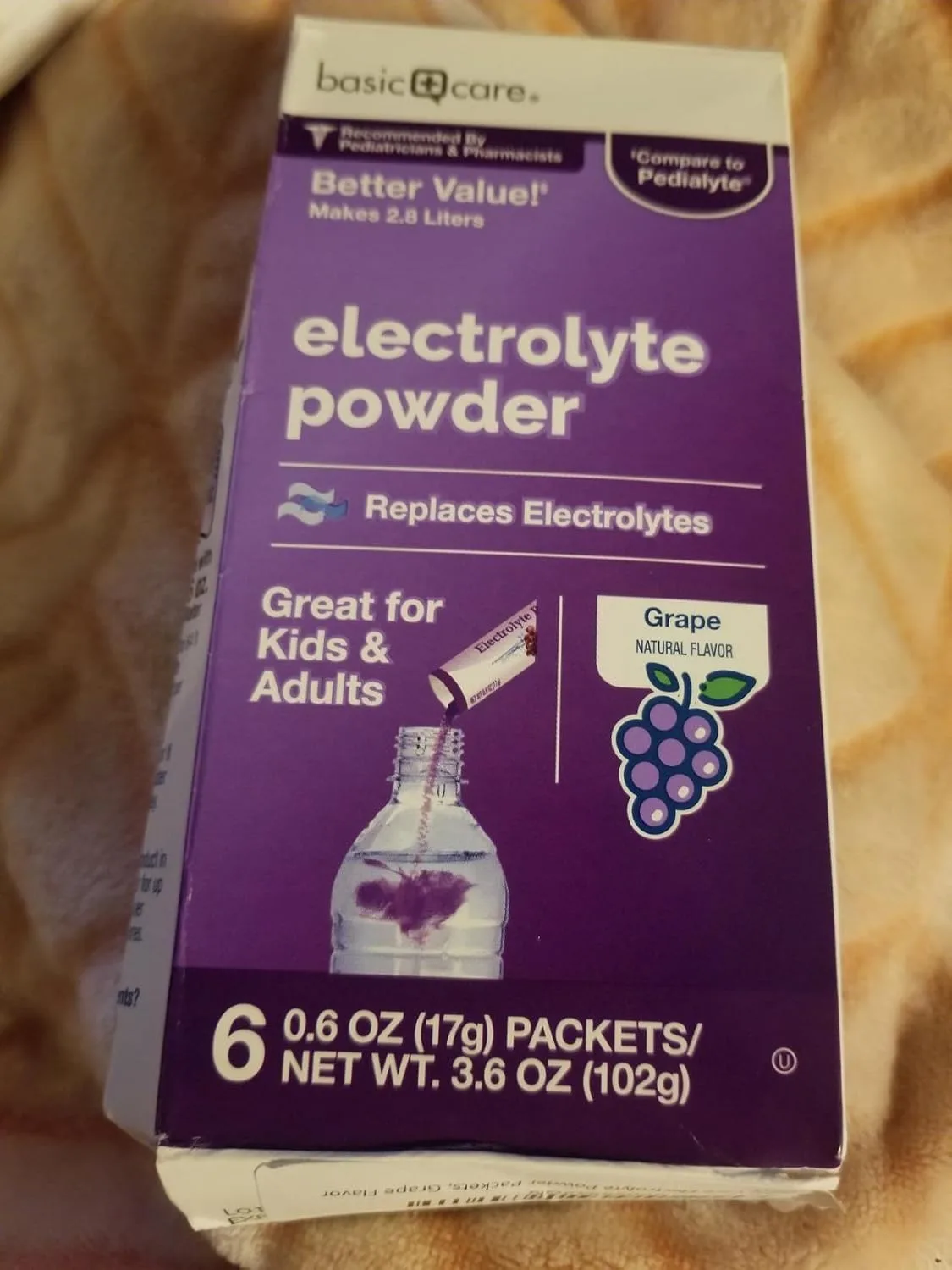
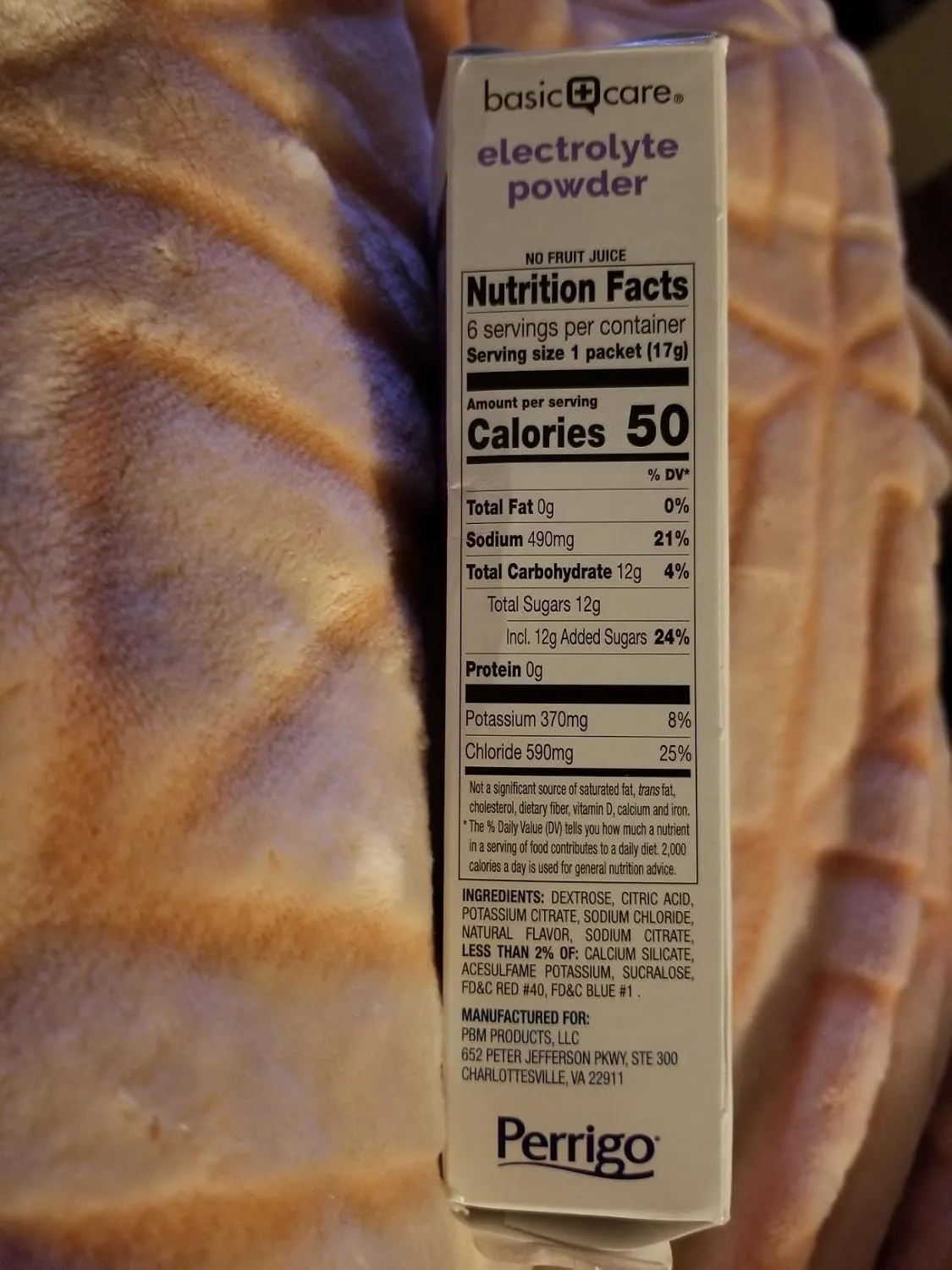
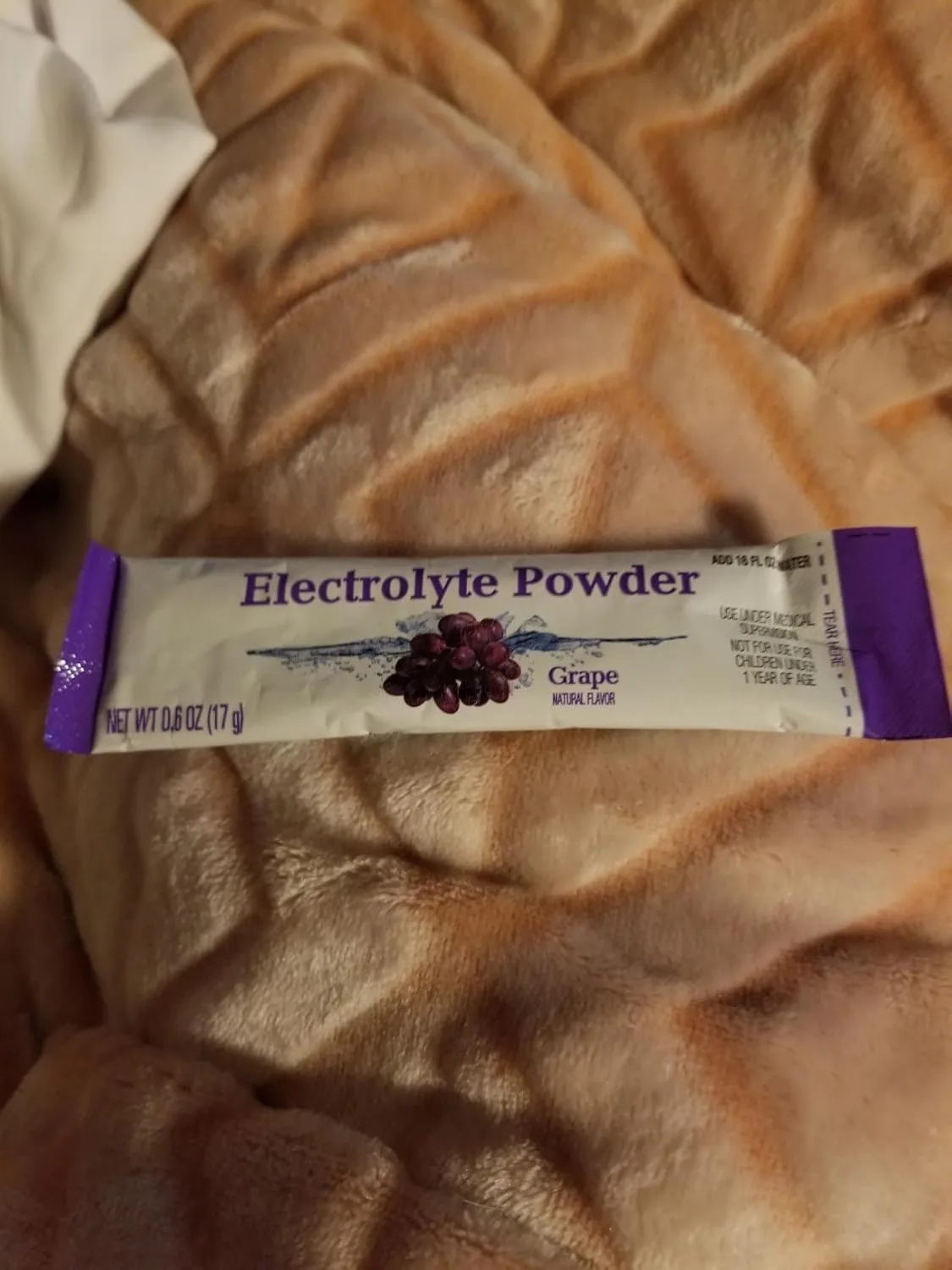
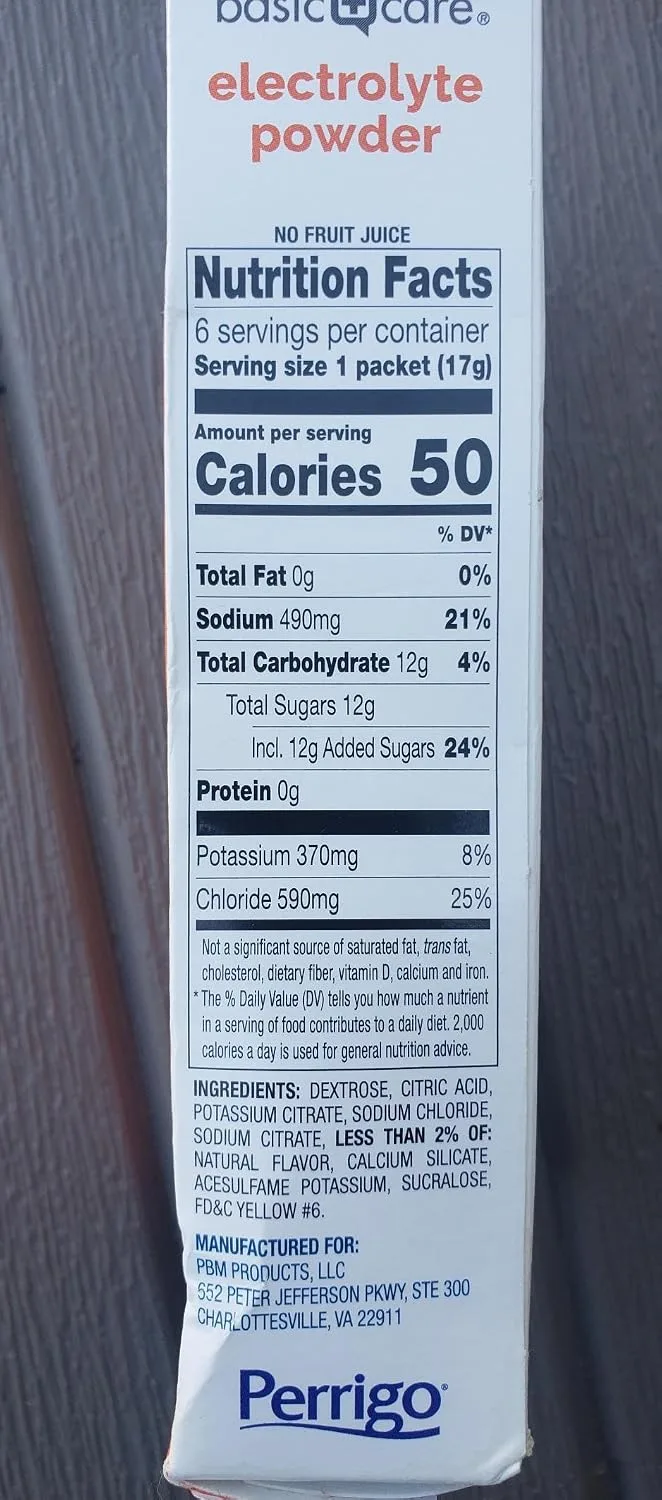
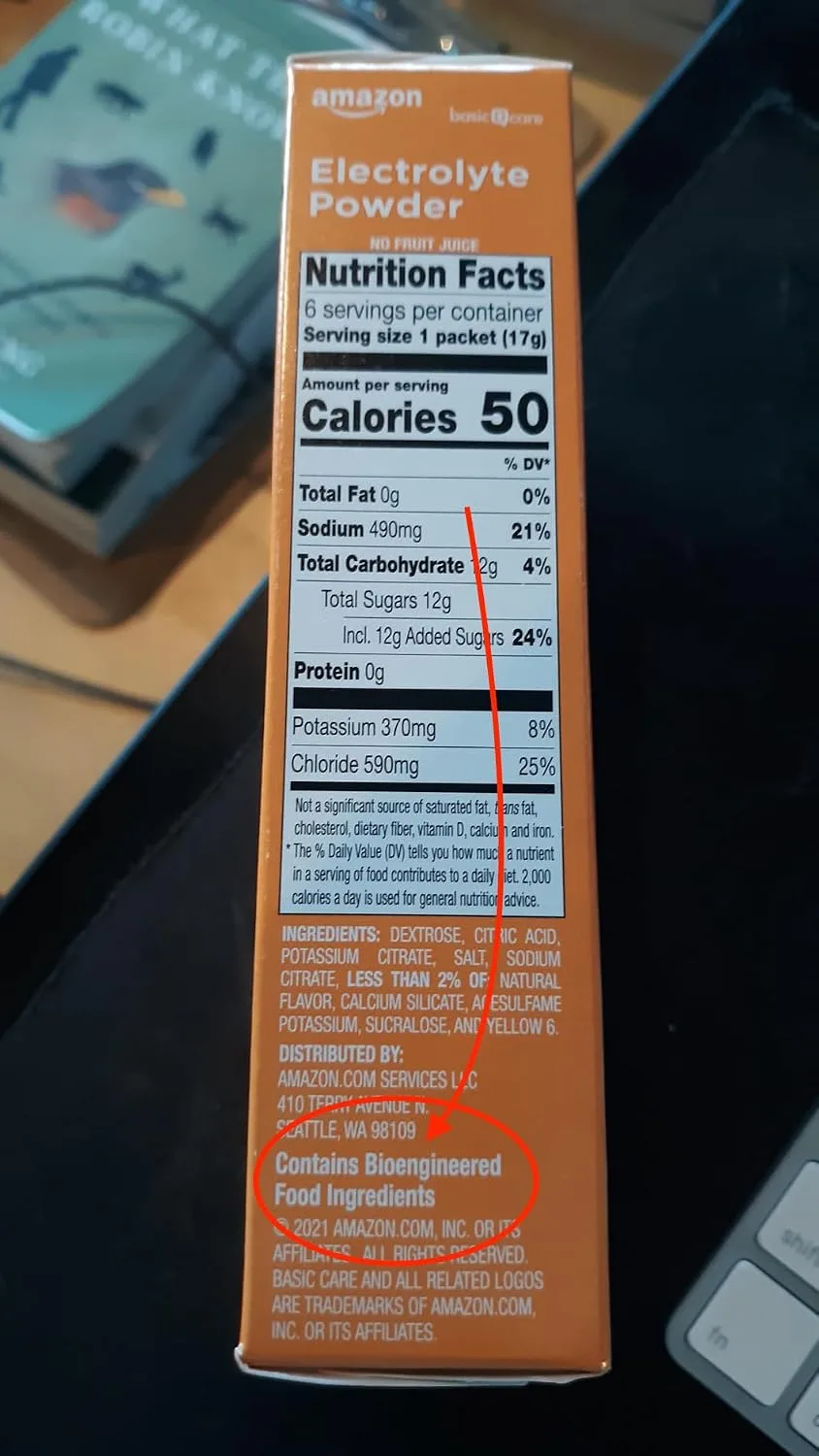
I also want to flag something that is easy to overlook: during any episode of diarrhoea, hydration and electrolyte replacement are non-negotiable. Fluid losses can become significant quickly, particularly in children and older adults. I regularly recommend keeping something like Amazon Basic Care Electrolyte Powder Packets in Grape Flavour or the Orange Flavour version to hand at home, especially if you are prone to recurring episodes. For a more clinically focused option, NormaLyte Pure Electrolyte Powder Packets are another solid choice that I often suggest to people who need effective, no-fuss rehydration support alongside their probiotic protocol.
Best Probiotics After Antibiotics
Antibiotic-associated diarrhoea affects a substantial share of people who take a course of antibiotics — estimates range anywhere from 5 to 35 percent depending on the antibiotic involved. I hear about it often, and people are understandably frustrated: they needed the antibiotic to clear an infection, only to be left dealing with gut disruption afterward. The research here is genuinely encouraging. Lactobacillus rhamnosus GG (LGG) has more clinical evidence behind it for antibiotic-associated diarrhoea than almost any other strain on the market, with multiple meta-analyses showing it reduces both the risk and duration of symptoms in adults and children alike.
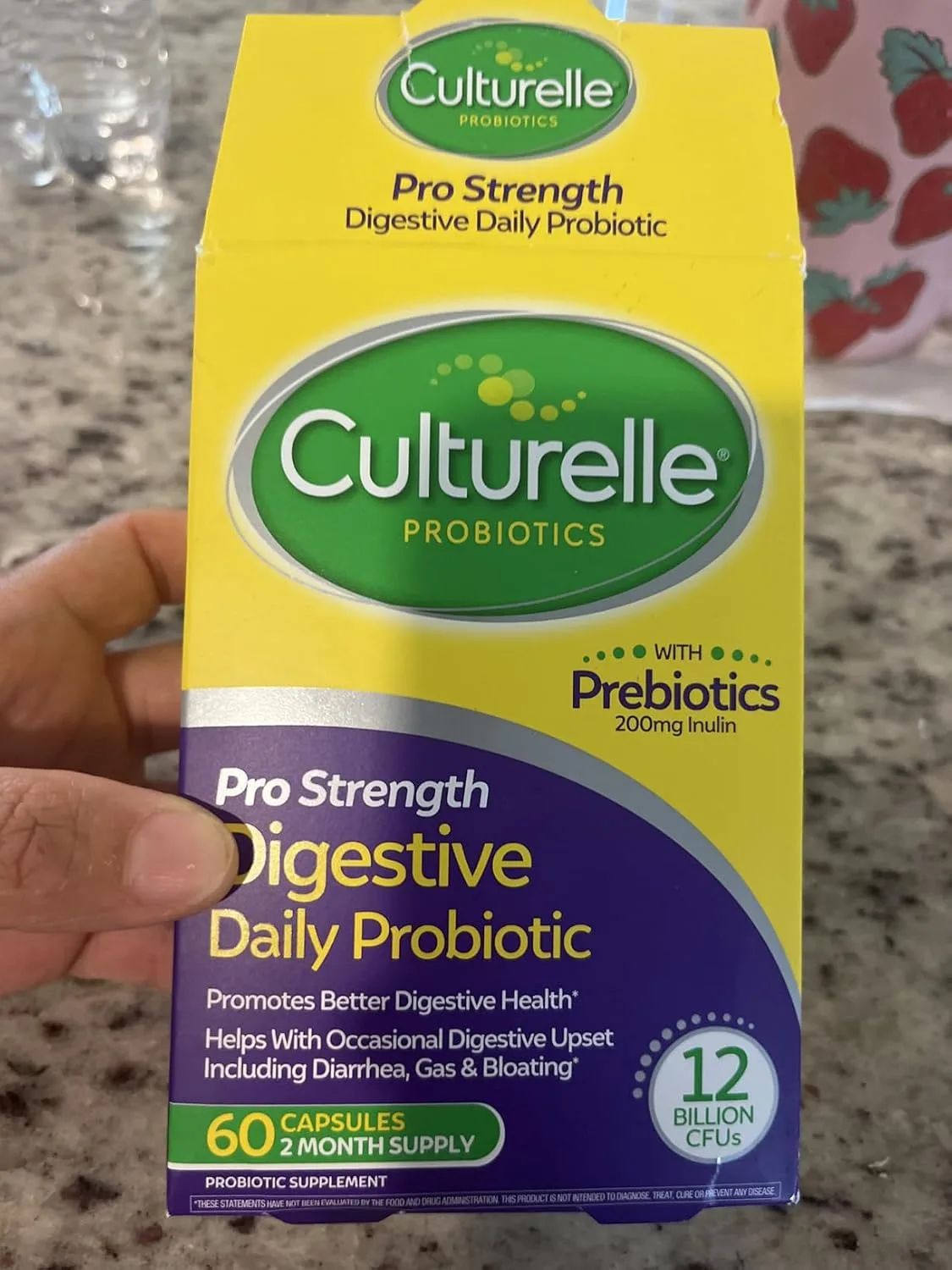
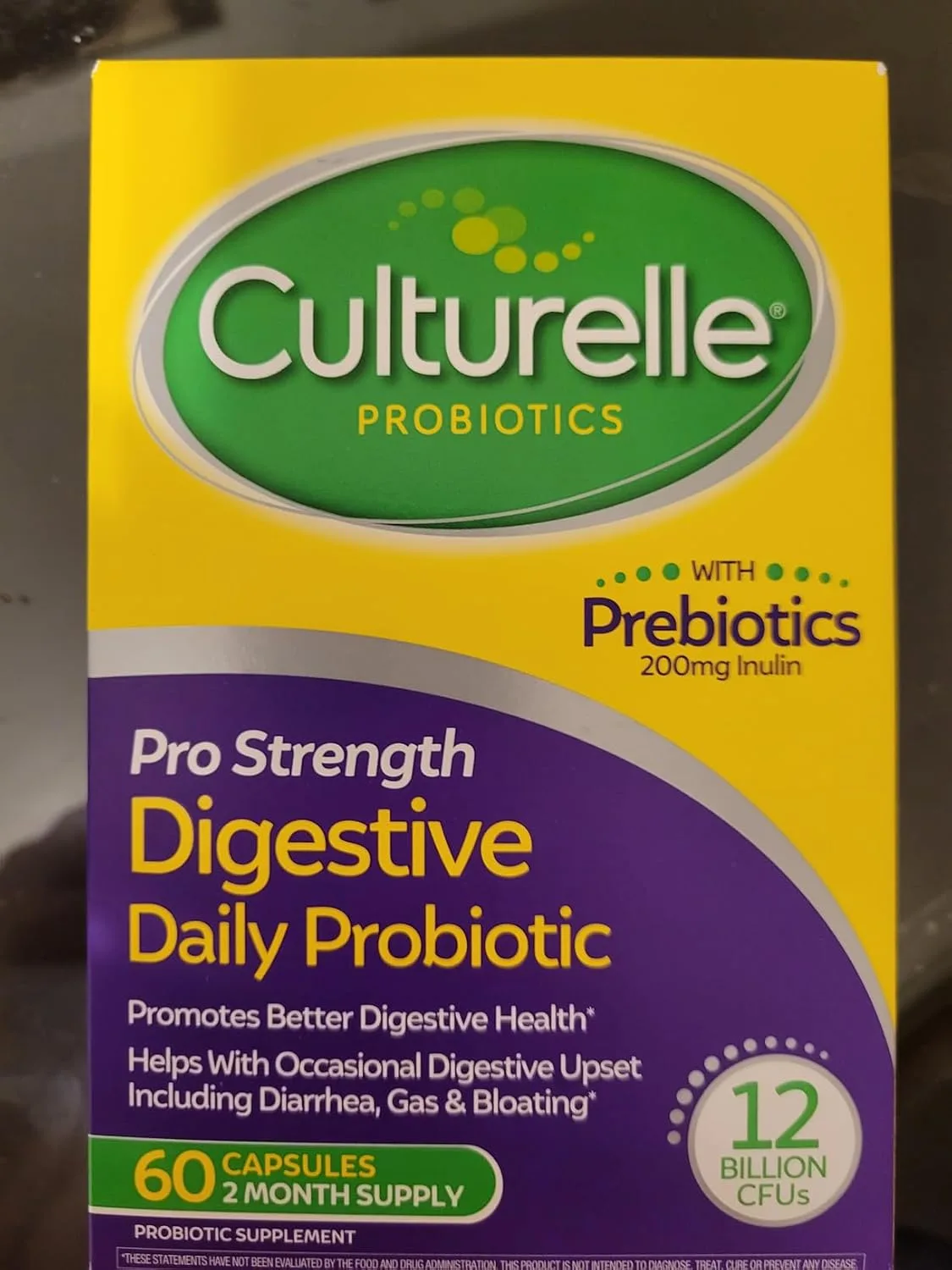
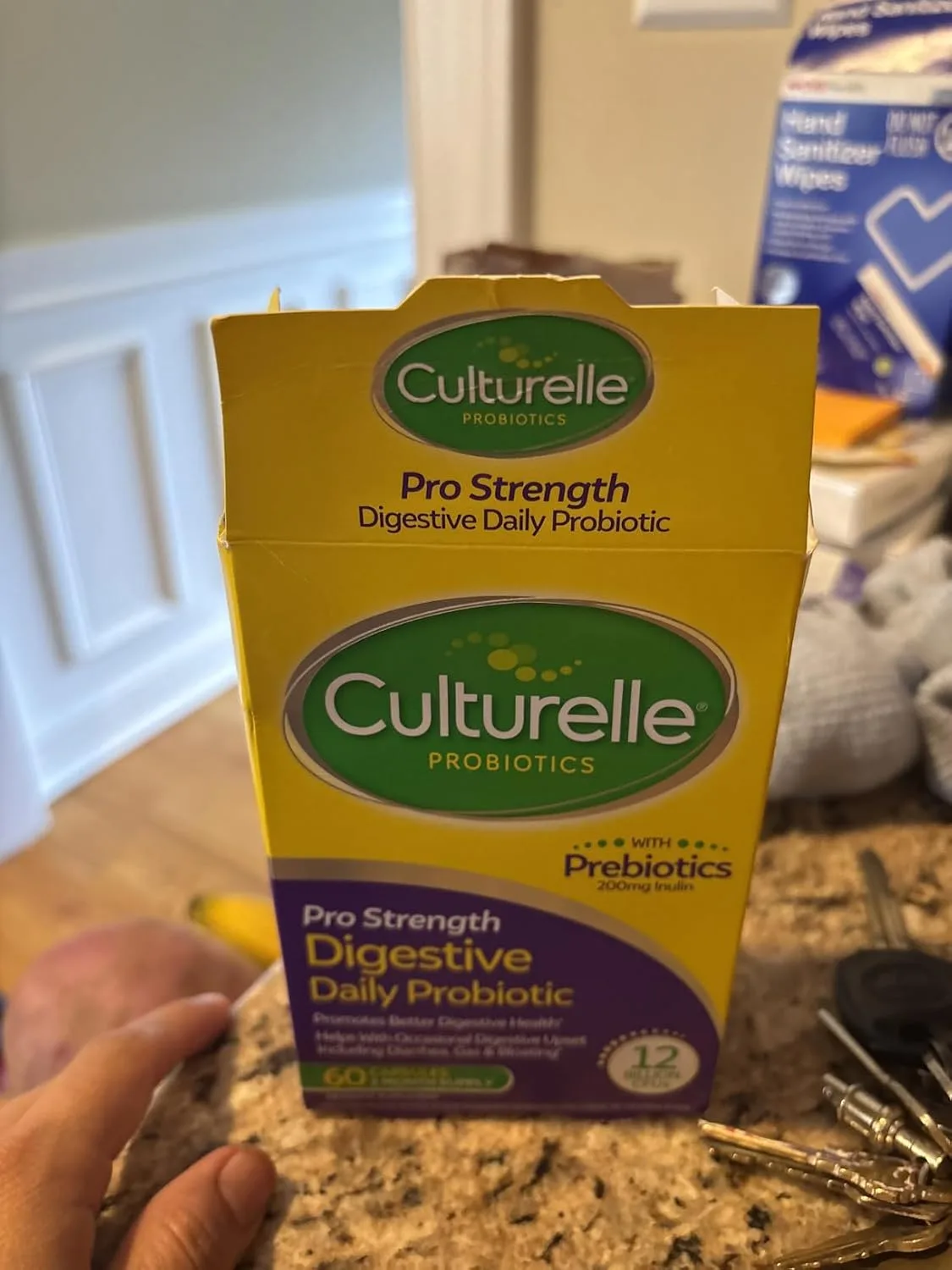
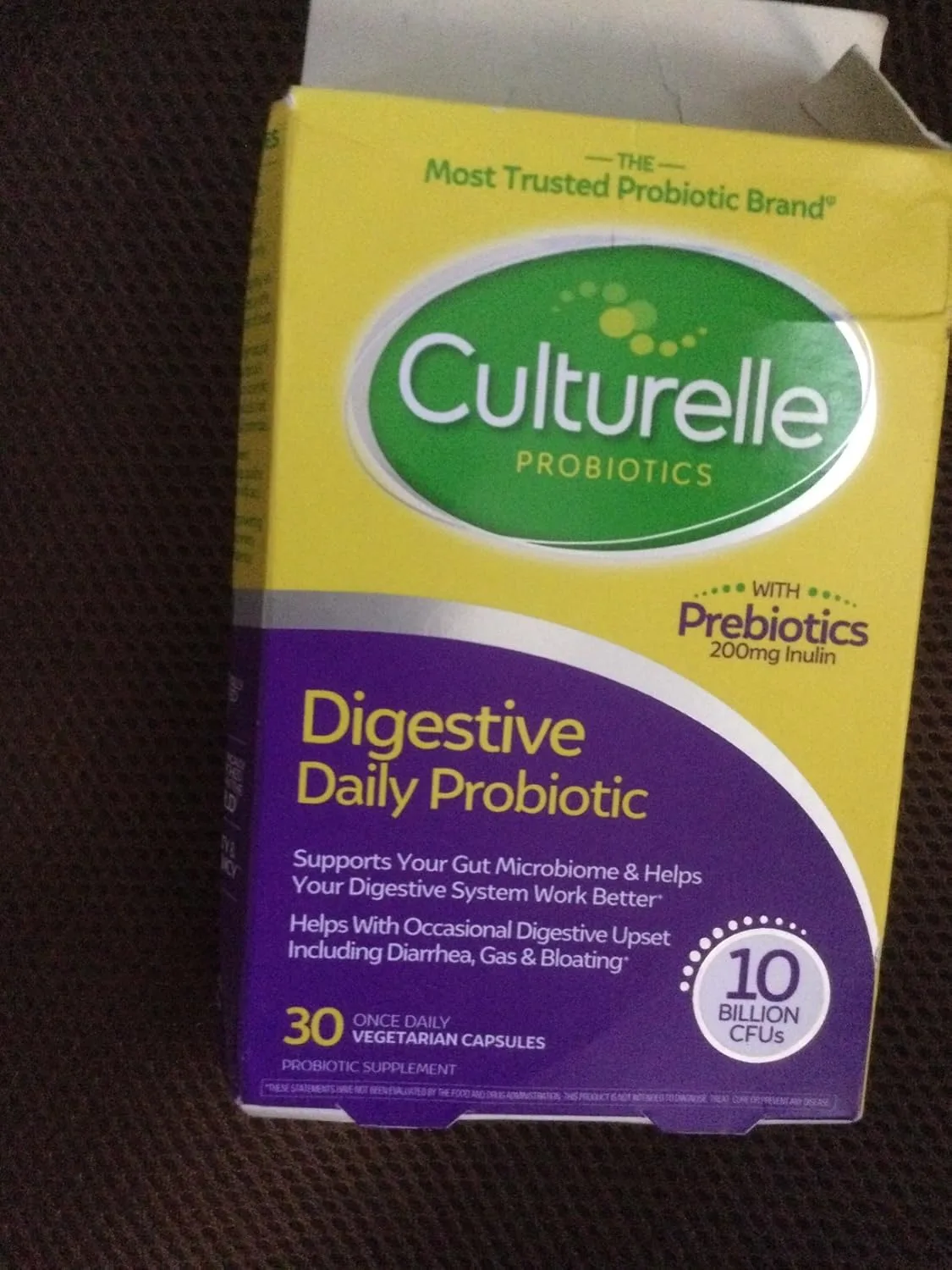
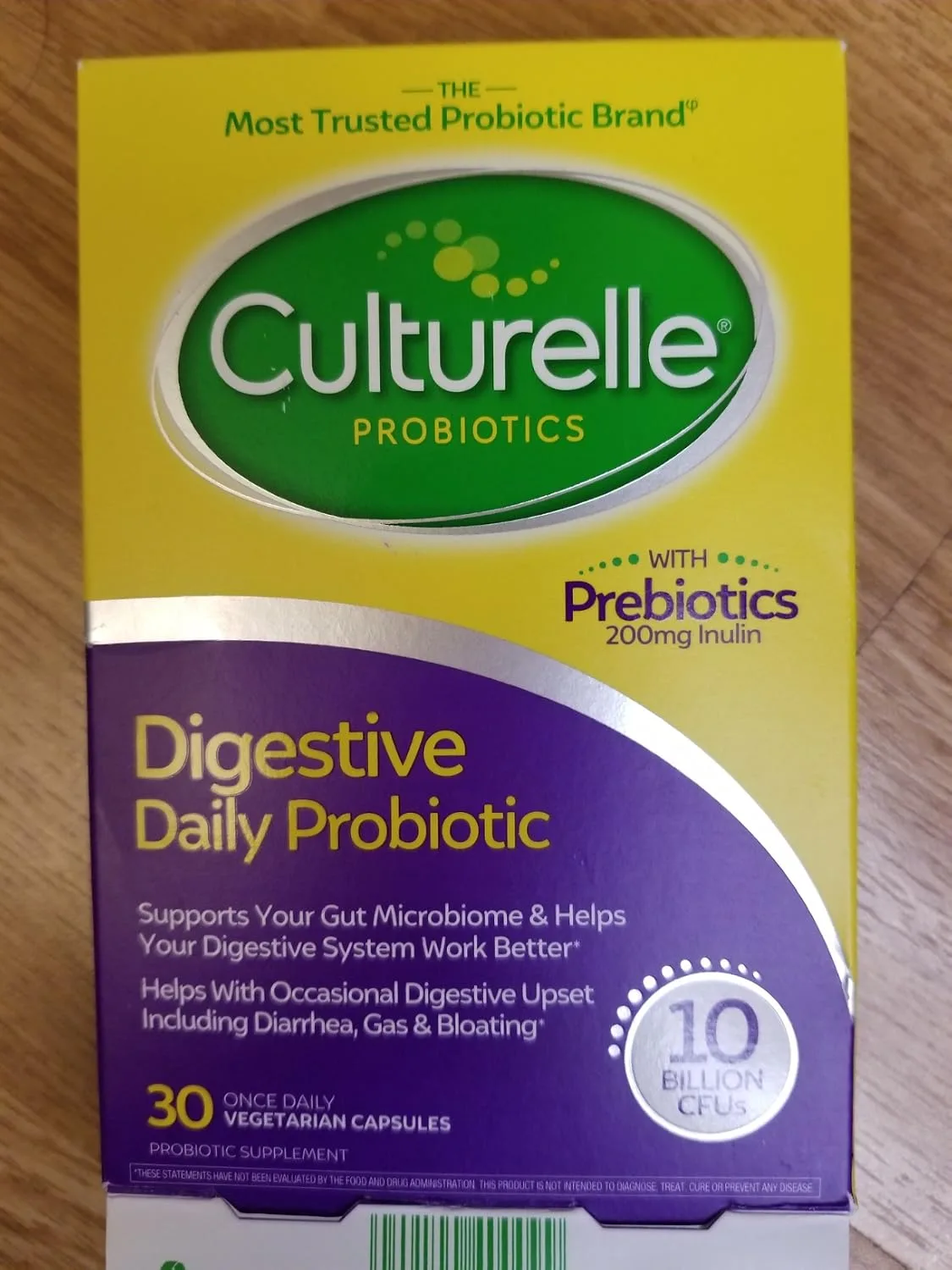
This is exactly why my first-line recommendation for people finishing or currently taking antibiotics is Culturelle Daily Probiotic Capsules. Culturelle is built around the LGG strain, which is the most clinically studied probiotic strain available, and it specifically supports against occasional diarrhoea, gas, and bloating — the classic post-antibiotic trio. I recommend starting it at the same time as the antibiotic course if possible, taking it a couple of hours apart from the antibiotic dose, and continuing for at least two to four weeks after finishing the prescription. For people who want a longer run of support, the Culturelle Pro Strength Daily Probiotics (60 Count, two-month supply) offers a higher-strength formula with added prebiotics, which I find particularly useful for people whose gut health was already compromised before the antibiotic course began.
Probiotics for Travel Diarrhoea
Traveller’s diarrhoea, under whatever regional nickname it goes by, is remarkably common. I’ve had people return from dream holidays in Southeast Asia, Mexico, or North Africa feeling utterly miserable, and others who travel constantly for work and dread every trip for exactly this reason. The encouraging part: starting a probiotic before departure and continuing through the trip can meaningfully lower your risk.
LGG-based probiotics like Culturelle show benefit here too, with several studies indicating Lactobacillus rhamnosus GG reduces the incidence of traveller’s diarrhoea when taken prophylactically. I advise people to start at least five to seven days before departure, giving the beneficial bacteria time to establish before exposure to unfamiliar pathogens. Alongside the probiotic, sticking to bottled water, being cautious with raw foods, and packing electrolyte sachets in hand luggage are steps I include in every pre-travel briefing.
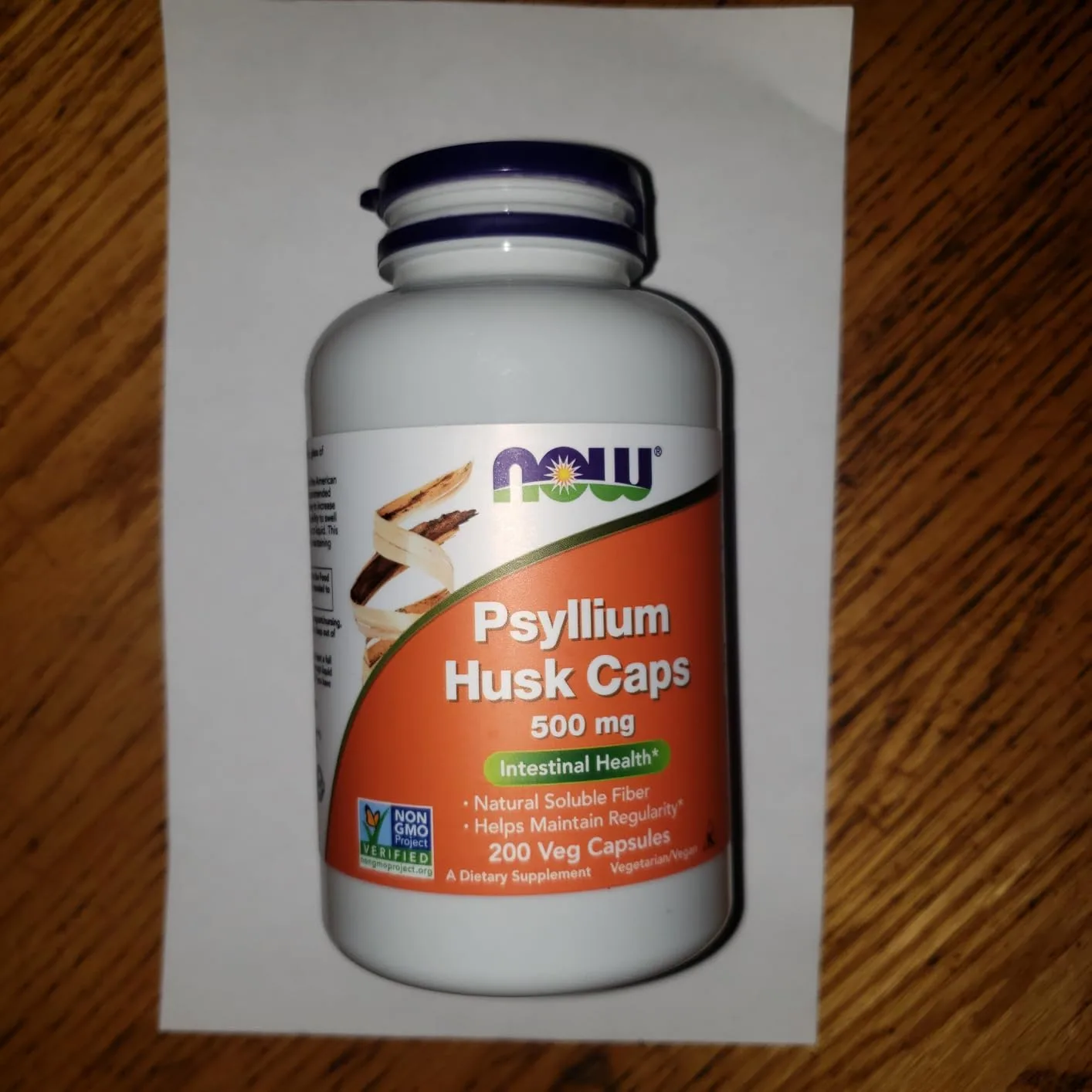
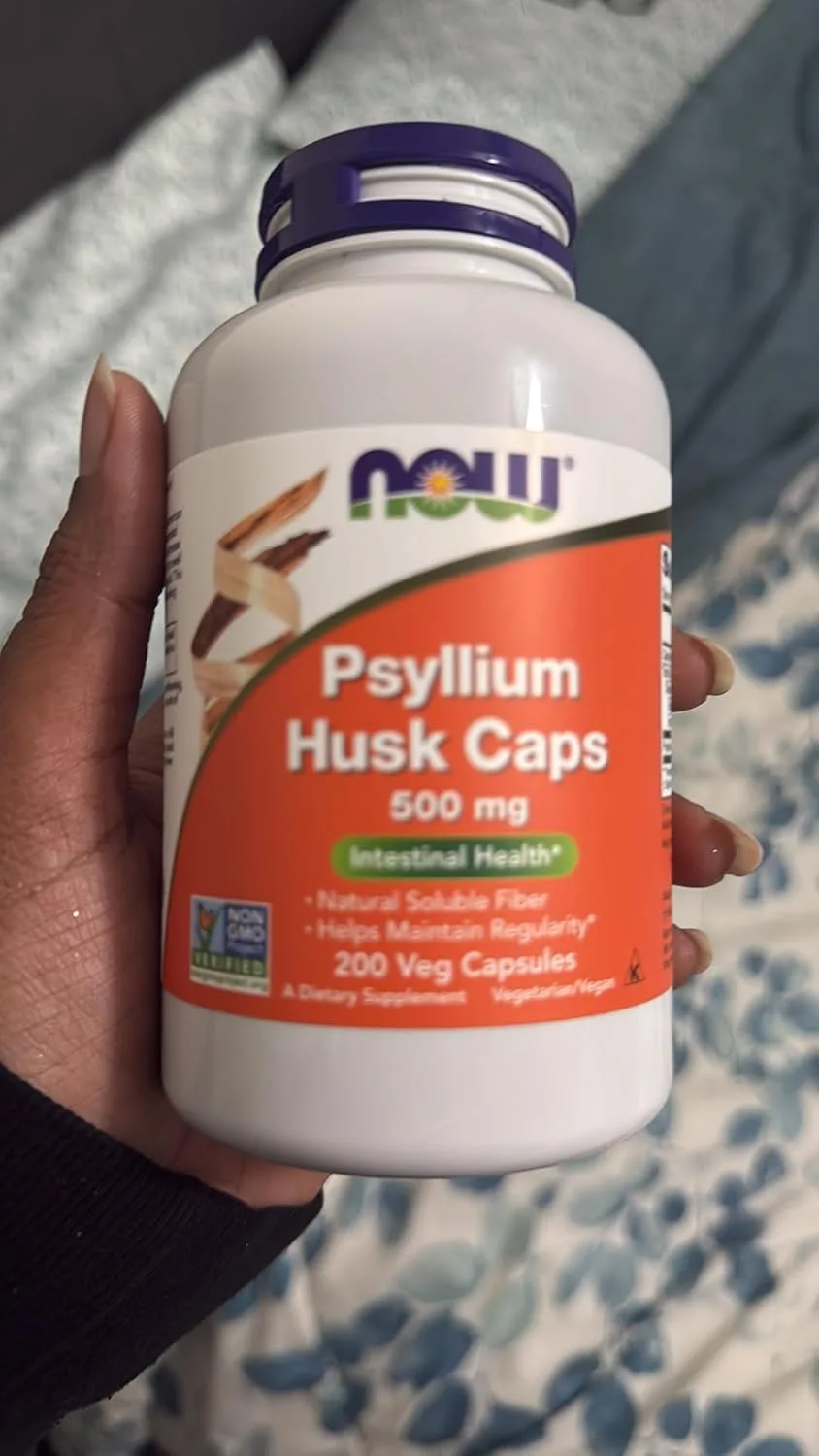
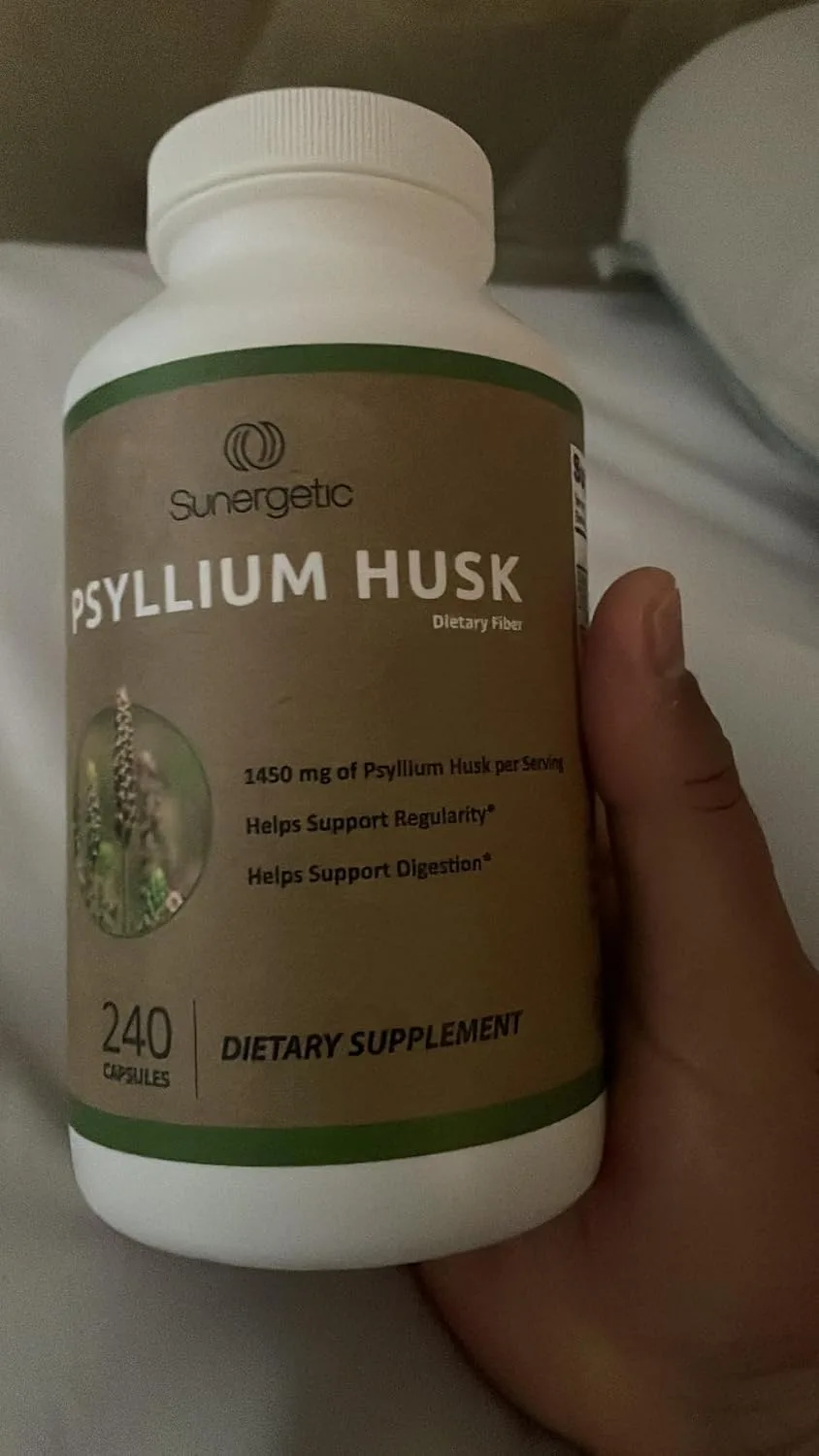
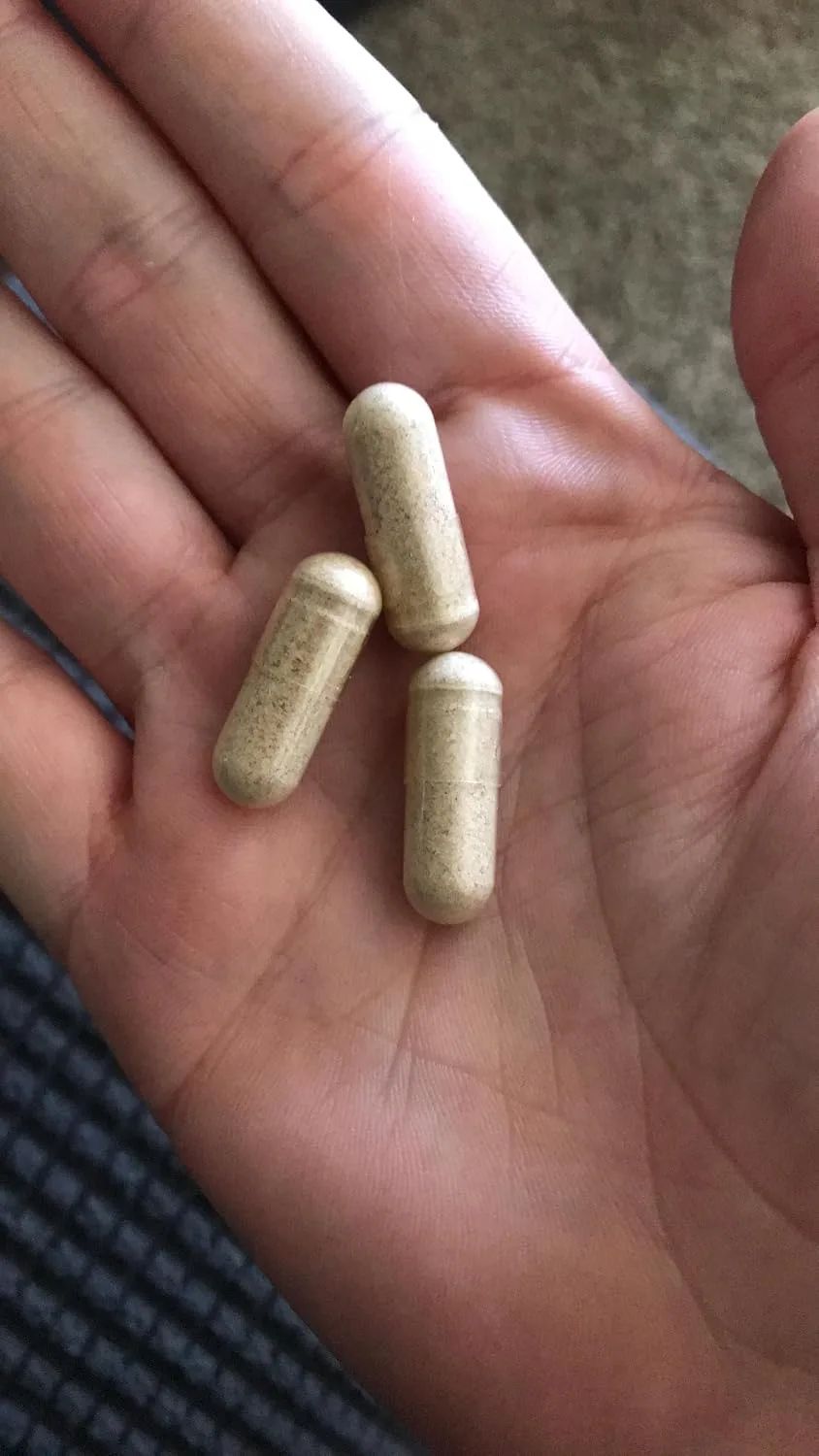
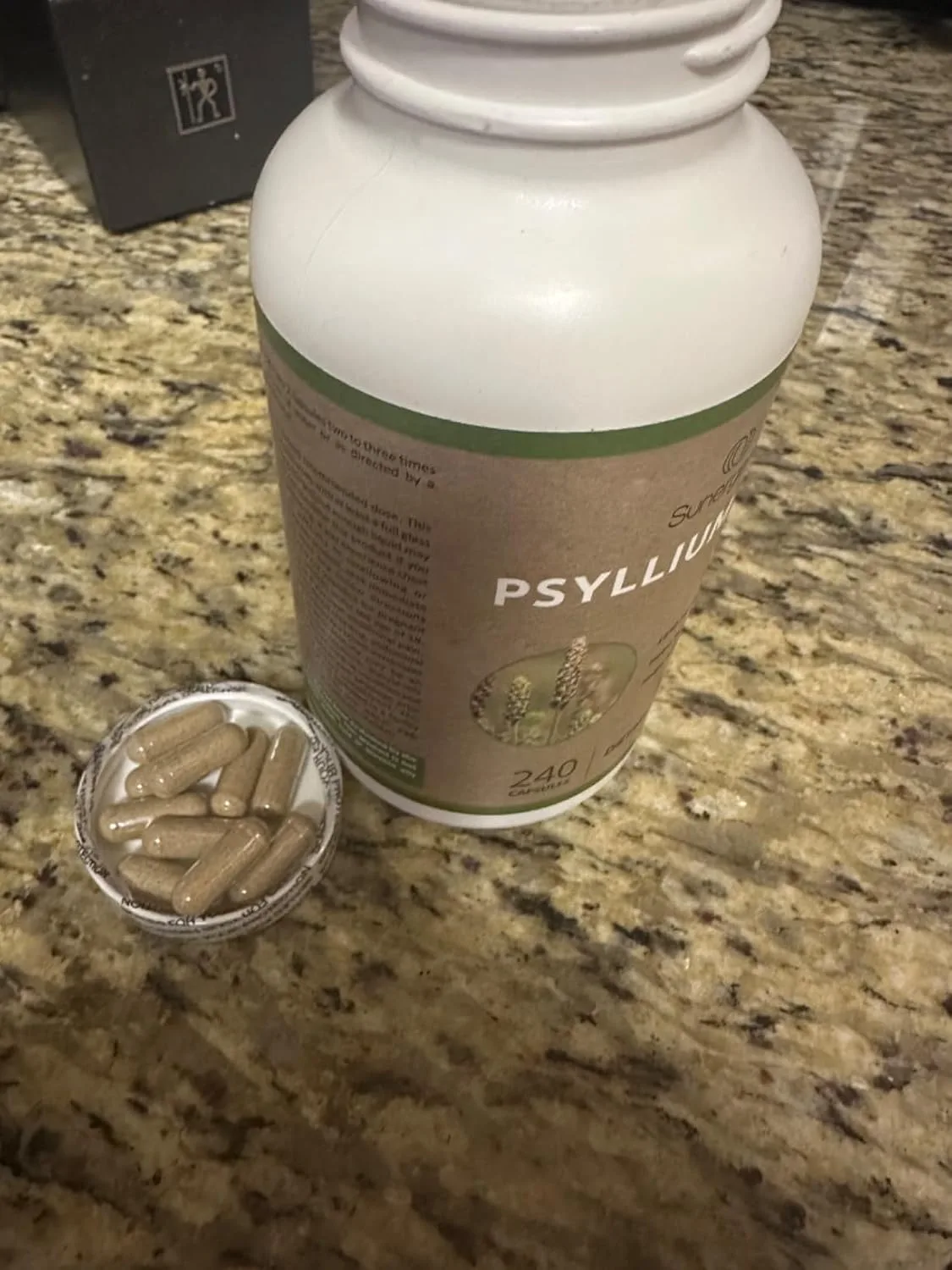
It is also worth thinking about fibre support during travel. Disrupted eating patterns, unfamiliar foods, and dehydration from long-haul flights can all destabilise bowel habits. Soluble fibre, particularly psyllium husk, helps regulate stool consistency by absorbing excess fluid in the gut. NOW Foods Psyllium Husk Caps 500mg are a convenient travel-friendly option, or if you prefer a higher-dose supplement, the Premium Psyllium Husk Fibre Supplement at 1450mg per serving (240 capsules) is excellent value and easy to pack. I use psyllium alongside probiotics rather than as a replacement — they work through different mechanisms and complement each other well.
The Probiotic Strain with the Strongest Evidence for Post-Antibiotic Diarrhoea
Culturelle delivers Lactobacillus rhamnosus GG — one of the few strains with solid clinical data behind preventing and shortening antibiotic-associated diarrhoea. Finishing a round of antibiotics, or dealing with diarrhoea that started right after treatment? This is the strain I turn to first.
What works
- LGG has been studied specifically for antibiotic-related loose stools, showing a meaningful drop in severity and duration when started during or right after treatment.
- Most people who start this within 48 hours of antibiotic-triggered diarrhoea notice improvement within 3–5 days, though results vary depending on the antibiotic used and individual gut chemistry.
- It’s shelf-stable at room temperature and relatively affordable next to multi-strain formulas that don’t carry the same research backing.
What doesn’t
- If C. difficile infection, food poisoning, or inflammatory bowel disease is behind your diarrhoea, probiotics alone won’t fix it — medical assessment comes first, before any supplement.
- It won’t help while you’re still taking the antibiotic causing the problem; timing matters, and you may need to discuss alternatives with your prescriber if symptoms are severe.
This probiotic is genuinely useful after antibiotics, but it’s not a cure-all for every type of diarrhoea — if you’re also running a fever, have bloody stools, or your symptoms persist beyond a week, you need to see your GP rather than rely on supplementation alone. Culturelle Daily Probiotic Capsules is my standard choice for post-antibiotic gut recovery.
About This Article

Written by Alex Mercer. Alex Mercer has lived with IBS since childhood and isn't a nutritionist or a doctor. After years of being told he was anxious or would grow out of it, he spent more than 12 years reading the research properly, and now shares what he has learned with the family, friends and support-group members who come to him with the same questions. He translates peer-reviewed research into practical, honest advice, and is always upfront about what the evidence does and does not show. More about this site.
Scope and limits. Alex is not a doctor, dietitian, or nutritionist, and nothing here is medical advice. Talk to a clinician before changing your diet, starting a supplement, or acting on symptoms — especially persistent or worsening ones.
Verify this against a primary source
Specifics change, and your situation may differ from the one described here. These are the authorities worth checking directly:
- NIDDK — digestive disease research and clinical guidance
- MedlinePlus — plain-language medical reference from the NIH
- Mayo Clinic — symptom and condition reference