This post contains affiliate links. As an Amazon Associate I earn from qualifying purchases at no extra cost to you.
Gluten-free baking has a reputation for producing dry, crumbly results — and honestly, for a long time, that reputation was well earned. I have spent years testing flour blends in my own kitchen and working through options with coeliac clients in my practice, and I can tell you with confidence: finding the best gluten free flour blend baking results require is genuinely possible. Some blends on the market are excellent. Others are an expensive disappointment. After years of testing, I want to share what actually works, why it works, and what to look for so you stop wasting time and money on products that let you down.
Why Gluten-Free Baking Is Chemically Different (And Why It Matters)
Before I get into specific recommendations, it helps to understand what gluten actually does in baking. Gluten is a protein network formed when wheat flour is hydrated and worked. It gives dough its elasticity, traps gas from yeast or chemical leaveners, and provides the chewy, springy structure we associate with good bread and cakes. When you remove it, you lose all of that in one go.
This is why single-ingredient gluten-free flours — pure rice flour, pure buckwheat, pure tapioca — tend to produce disappointing results on their own. They each contribute something useful (lightness, flavour, binding) but none of them replicate the full functional role of gluten alone. A well-formulated blend combines several flours and starches to mimic that structure, and the best ones also include a binding agent such as xanthan gum or psyllium husk to hold everything together.
In my practice, I often see newly diagnosed coeliac clients who have tried one or two gluten-free baking products, found them unpleasant, and concluded they simply cannot enjoy baked goods anymore. That is rarely true. The problem is almost always the flour blend, not the recipe or the baker.

The Flour Blends I Genuinely Recommend
For Everyday Baking: King Arthur Measure for Measure
If I could only recommend one all-purpose blend, this would be it. The King Arthur Measure for Measure Gluten-Free Flour is designed as a true 1:1 substitute for wheat flour in non-yeasted recipes — cakes, muffins, cookies, scones, and pancakes. It already contains xanthan gum, so you do not need to add your own. The blend uses a combination of rice flour, tapioca starch, potato starch, and whole grain brown rice flour, which gives a neutral flavour and a texture that is remarkably close to conventional baked goods.
I have tested this with clients who bake regularly and with those who are new to the kitchen, and the feedback is consistently positive. The margin for error is forgiving, which matters when someone is still adjusting to a new way of cooking. It is Non-GMO and Kosher certified, and the 3 lb bag is practical for regular bakers. This is the blend I reach for first.
For a Reliable Budget-Conscious Alternative: Bob’s Red Mill 1 to 1
Bob’s Red Mill has been a trusted name in the whole foods and free-from space for decades, and their Gluten Free 1 to 1 Baking Flour holds up well across a wide range of recipes. Like the King Arthur blend, it includes xanthan gum and works as a direct substitute in most baking applications. The texture can be very slightly denser in certain recipes — I find it benefits from a touch more liquid than some others — but the flavour is clean and it performs consistently.
Buying this in a pack of four is cost-effective if you bake regularly, and it stores well. It is also vegan and Kosher, which matters to a number of my clients. For cookies, quick breads, and muffins, this is an excellent performer.
For Yeasted Baking: King Arthur Gluten-Free Bread Flour
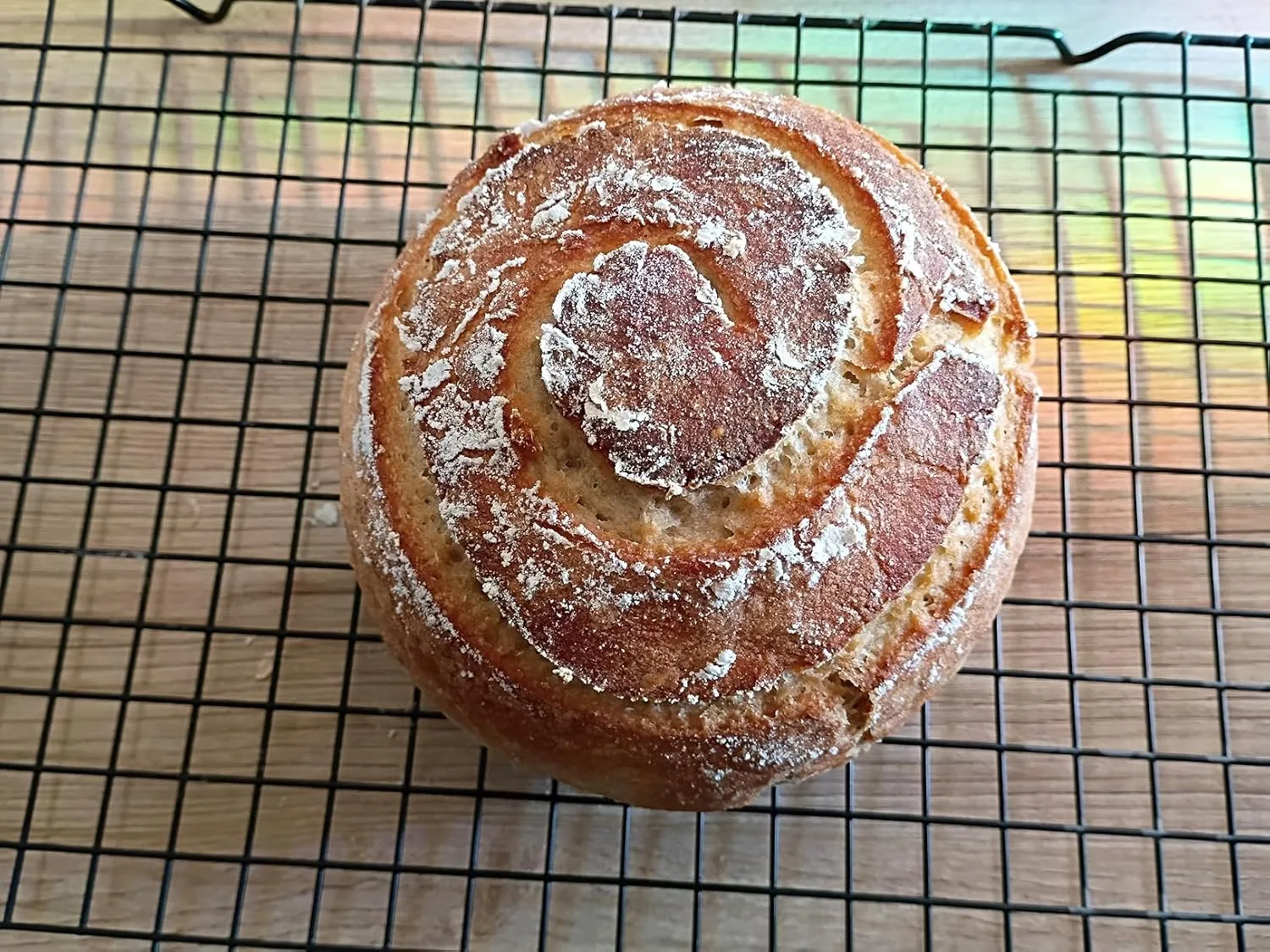
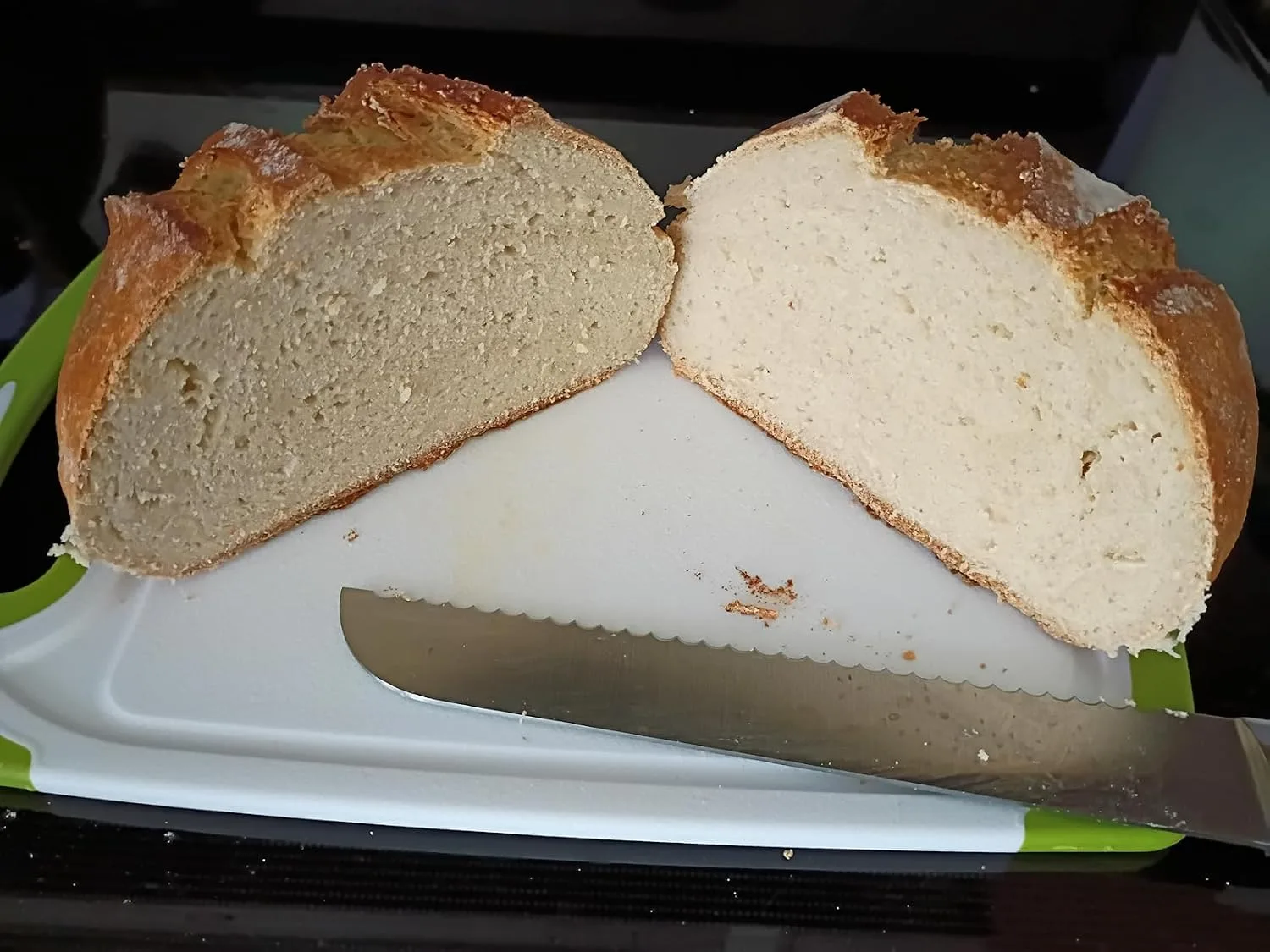
This is the recommendation I am most excited to share, because yeasted gluten-free baking is where most blends fall completely flat. Getting a good rise and a chewy crumb in a gluten-free loaf or bread roll is genuinely difficult. The King Arthur Gluten-Free Bread Flour is specifically formulated for yeasted recipes and includes sorghum and xanthan gum in a blend designed to support gas retention during fermentation — which is exactly what you need for artisan boules, bagels, cinnamon rolls, and burger buns.
Sorghum is worth highlighting here from a nutritional standpoint. Research published in peer-reviewed nutrition literature identifies sorghum as a good source of fibre, B vitamins, and antioxidants — making it a genuinely nutritious base for a bread flour rather than a purely functional filler. For my clients who miss bread most of all following a coeliac diagnosis, this blend has been something of a revelation.

What to Look for in Any Gluten-Free Flour Blend
Whether you are buying one of the blends above or exploring other options, here is what I look for as a nutritionist:
- A binding agent included: Xanthan gum or psyllium husk should be in the blend already, or you will need to add it separately. Without it, your bakes will fall apart.
- Multiple flour sources: A blend using only one or two ingredients is unlikely to perform well across different recipe types. Look for at least three or four components.
- Certified gluten free: For coeliac clients especially, this is non-negotiable. Cross-contamination in manufacturing is a real risk with unverified products.
- Nutritional value: Refined starches dominate many blends. Where possible, choose products that include whole grain flours such as brown rice or sorghum for better fibre and micronutrient content.
- No added sugars or excessive additives: Some commercial blends include sweeteners or flavour enhancers that you simply do not need in a baking flour.
A Note on Coeliac Disease, Gluten Sensitivity, and Monitoring Your Health
I want to take a moment here to address something I encounter regularly in practice. Many people adopt a gluten-free diet based on symptoms alone, without a formal diagnosis. I always encourage clients to seek proper testing before committing to long-term dietary change, because coeliac disease requires a different level of vigilance than non-coeliac gluten sensitivity, and the management approach differs meaningfully.
If you are uncertain whether gluten is a problem for you, the Rapid and Accurate Gluten Sensitivity Test Kit is a useful starting point for initial screening at home, though I always recommend following up with a GP and formal blood testing. For those already on a gluten-free diet who want to check for accidental exposure — which is a genuine concern for coeliac individuals eating out or travelling — the Gluten Detect Kit offers stool-based testing for dietary compliance. Some of my clients find this reassuring during the early months of adjusting to a strictly gluten-free lifestyle.
If you have had a confirmed coeliac diagnosis and have been unwell for some time, it is also worth checking your iron levels. Malabsorption of iron is extremely common in undiagnosed or poorly managed coeliac disease, and many clients present to me with low ferritin even after going gluten free. A stomach-friendly iron supplement such as the Doctor’s Recipes Iron Bisglycinate with Vitamin C, B6, Folate and B12 or this well-reviewed iron supplement with added B vitamins and Vitamin C can support recovery — bisglycinate forms are generally much gentler on the gut than ferrous sulphate, which matters enormously for people with a sensitive digestive system.
For broader food sensitivity investigations beyond gluten, the 5Strands Food Intolerance Test tests over 650 food items via hair analysis and can be a helpful tool for clients who are managing complex digestive symptoms and want to identify potential additional triggers. I use it as one piece of information within a wider clinical picture rather than a definitive diagnostic tool.

My Nutritionist Recommendation and Final Thoughts
If you have been disappointed by gluten-free baking in the past, I genuinely encourage you not to give up. The best gluten free flour blend baking results come from using the right product for the right application — and that distinction matters more than most people realise. Using a general-purpose blend for bread, or a bread-specific flour for delicate cakes, will always produce suboptimal results regardless of your skill in the kitchen.
My practical recommendation is this: start with the King Arthur Measure for Measure as your everyday all-purpose blend — it is the most forgiving and versatile option I have tested. If you bake bread regularly, invest in the King Arthur Gluten-Free Bread Flour specifically for yeasted recipes and you will notice a significant difference. And if you bake in larger quantities or want a cost-effective everyday option, Bob’s Red Mill 1 to 1 is a genuinely solid choice.
Good gluten-free baking is not about compromise — it is about using the right tools. If you are navigating coeliac disease or gluten sensitivity and want personalised support with your diet, please feel free to reach out or leave your questions in the comments below. I read every one.