When Your Gut Speaks, It’s Worth Listening
For months, I ignored the signals my body was sending. Bloating after meals felt like a minor inconvenience. I blamed rushed lunches, carbonated drinks, and deadline stress. However, the discomfort was actually a pattern — a consistent, nightly protest with a clear message.
The gut doesn’t malfunction overnight. Instead, it deteriorates gradually through small, repeated habits:
- Eating too quickly without chewing thoroughly
- Consuming highly processed foods regularly
- Chronic stress disrupting digestive enzyme production
- Poor sleep limiting gut repair cycles
What “Gut Health” Actually Means
Your digestive system is remarkably complex. It houses approximately 38 trillion microbial organisms — bacteria, fungi, and viruses collectively called the microbiome. These microorganisms influence everything from nutrient absorption to immune response.
Furthermore, research increasingly links gut health to mental wellness. Scientists now call the gut the “second brain” because it produces roughly 95% of your body’s serotonin.
The Microbiome Imbalance Nobody Warns You About
When beneficial bacteria decline, harmful bacteria multiply quickly. This imbalance is called dysbiosis, and it triggers recognizable symptoms:
- Persistent bloating or gas
- Irregular bowel movements
- Unexplained fatigue
- Brain fog and mood fluctuations
- Food sensitivities that seemingly appear suddenly
My grandmother always said digestion problems meant your body was “arguing with itself.” She was surprisingly close to the science.
Probiotics vs. Prebiotics — Understanding the Difference
These two terms are frequently confused. Therefore, clarifying them matters enormously.
Probiotics are live beneficial bacteria introduced into your system through:
- Fermented foods like yogurt, kefir, kimchi, and sauerkraut
- Quality supplements with documented bacterial strains
Prebiotics are specialized plant fibers that feed existing beneficial bacteria. Rich sources include garlic, onions, bananas, asparagus, and oats.
Think of probiotics as planting seeds. Prebiotics, consequently, are the fertilizer making those seeds thrive.
Building Digestive Health Intentionally
Restoring gut balance requires consistent, layered effort. Simply adding yogurt occasionally won’t reverse months of damage. Instead, consider these evidence-backed strategies:
- Diversify your diet — aim for 30 different plant foods weekly
- Slow down meals — chewing thoroughly reduces fermentation issues significantly
- Manage cortisol levels — chronic stress literally reshapes your microbiome composition
- Prioritize sleep — gut lining repairs itself primarily during deep sleep cycles
- Hydrate consistently — water supports mucosal lining integrity throughout digestion
Additionally, eliminating ultra-processed foods even temporarily often produces noticeable improvements within two weeks.
Why Routine Testing Matters More Than You Think
Many gut-related conditions develop silently. Consequently, standard checkups often miss early warning signs. Ask your doctor specifically about:
- Comprehensive stool analysis — identifies bacterial diversity levels
- Food sensitivity panels — reveals inflammatory triggers
- Inflammatory markers — CRP and calprotectin indicate gut inflammation
Early detection transforms manageable issues into preventable ones. That single doctor’s appointment changed my entire health trajectory — and it genuinely could change yours too.
What Lives Inside Your Gut?
Your gut hosts trillions of microorganisms — bacteria, fungi, and viruses — collectively called the microbiome. Source30778-7) These microorganisms aren’t passive passengers. They actively influence digestion, immune function, mood, and even metabolism.
Think of your gut like a dense, living ecosystem. When the balance tips toward harmful bacteria, problems follow quickly. However, when beneficial bacteria thrive, your body runs more efficiently. Understanding this balance is the first step toward better health.

Probiotics: The Beneficial Bacteria Your Gut Craves
Probiotics are live microorganisms that deliver direct health benefits when consumed in adequate amounts. Source They replenish and diversify the microbial community in your digestive tract.
Common probiotic strains include Lactobacillus and Bifidobacterium species. Additionally, Saccharomyces boulardii, a beneficial yeast, supports gut health — especially after antibiotic use. Each strain behaves differently, targeting specific digestive concerns.
Best Food Sources of Probiotics
Fermented foods naturally deliver probiotics in impressive quantities. Consider adding these to your regular rotation:
A flourishing gut microbiome is fundamental to overall health. It profoundly influences digestion, immunity, and even mood. Consequently, incorporating probiotic-rich foods into your diet is a powerful strategy. These fermented items introduce beneficial bacteria, helping to maintain a balanced internal ecosystem.
Dairy & Plant-Based Ferments
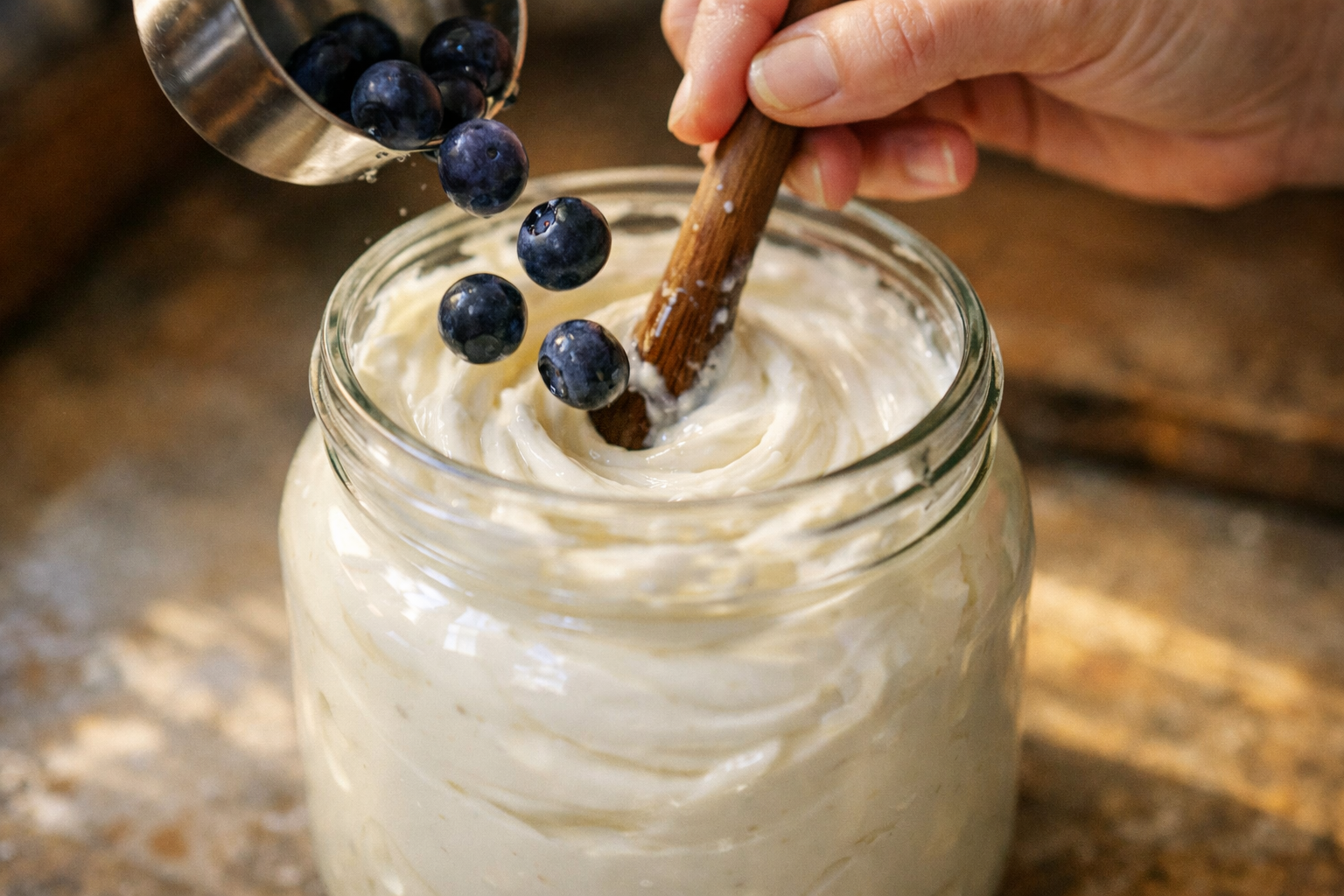
Many delicious options support digestive wellness. For instance, yogurt, specifically varieties with “live and active cultures,” delivers beneficial bacteria like Lactobacillus and Bifidobacterium. This aids lactose digestion and balances gut flora. Similarly, kefir, a tangy fermented milk drink, offers even greater probiotic diversity. Its unique yeast and bacteria strains further enhance gut health. Furthermore, some plant-based versions of both are now readily available.
Nutrient-Rich Vegetable Ferments
Beyond dairy, fermented vegetables offer distinct benefits. Sauerkraut, made from fermented cabbage, is rich in Lactobacillus strains. Crucially, choose unpasteurized versions to ensure live cultures. It also provides dietary fiber, aiding regularity. Kimchi, a vibrant Korean staple, combines fermented vegetables with spices. This spicy dish is packed with diverse probiotics and antioxidants. It actively supports a robust and varied gut microbiome. My grandmother always swore by a spoonful of kimchi with every meal. She believed it was her secret to vibrant energy and sharp wit, even into her nineties.
Soy-Based & Refreshing Ferments
Soy-based ferments significantly contribute to gut health. Miso, a savory soybean paste, introduces Aspergillus oryzae and other beneficial microbes. It enhances nutrient absorption and adds umami flavor to meals. Tempeh, a firm fermented soy product, is a fantastic protein source. Moreover, its fermentation process creates prebiotics, feeding existing good bacteria. Finally, kombucha, a bubbly fermented tea, offers an array of live cultures and organic acids. It provides a refreshing, health-promoting beverage.
Eating a variety of these foods matters more than loading up on just one. Diversity feeds diversity.
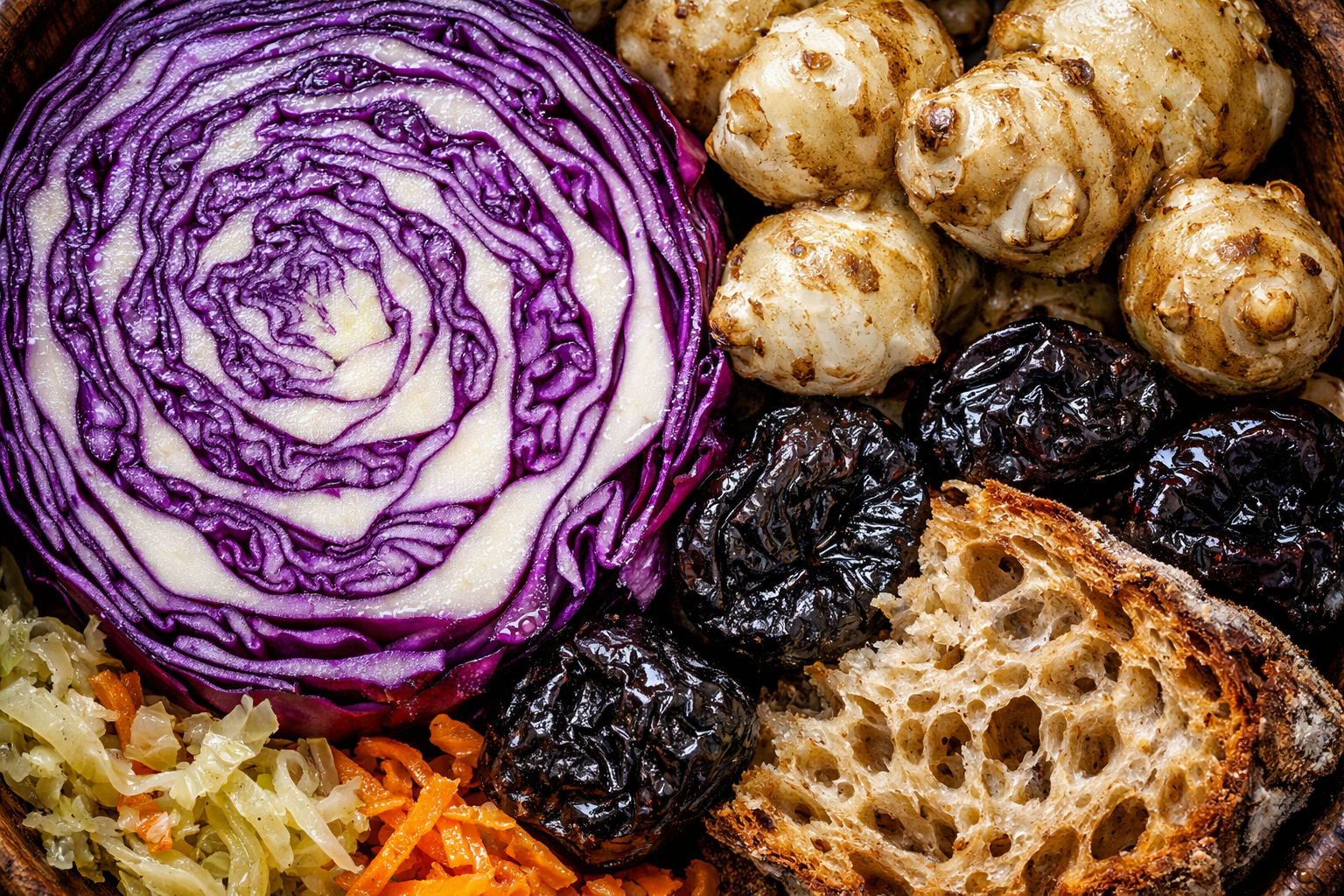
Prebiotics: The Fuel That Powers Beneficial Bacteria
Prebiotics are non-digestible dietary fibers that feed your beneficial gut bacteria. Source Without adequate prebiotics, even the healthiest probiotic populations struggle to survive long-term.
Think of probiotics as seeds and prebiotics as the soil. You can plant the best seeds available, but poor soil produces weak results. Therefore, both components deserve equal attention in your diet.
Top Prebiotic Food Sources
Fortunately, many everyday foods deliver powerful prebiotic benefits:
Prebiotic Powerhouses: Foods That Feed Your Gut
Allium Family: Garlic, Onions, and Leeks
Garlic is a remarkable prebiotic food. It contains inulin and fructooligosaccharides (FOS), which selectively fuel Bifidobacterium strains. These bacteria produce short-chain fatty acids, reducing gut inflammation. Even cooked garlic retains meaningful prebiotic activity.
Onions deliver similar FOS compounds alongside quercetin, a flavonoid with antioxidant properties. Together, these compounds support microbial diversity — a key marker of gut health. Yellow onions tend to have the highest quercetin concentration.
Leeks offer a gentler flavor but comparable prebiotic benefits. They’re easier to digest for people sensitive to raw onions, making them a practical alternative.
—
Root Vegetables and Stalks
Asparagus provides inulin plus vitamins K and folate, supporting both gut lining integrity and cellular health. Lightly steaming preserves its prebiotic fiber better than boiling.
Jerusalem artichokes are arguably the most concentrated inulin source available. However, introduce them gradually — their potency can cause bloating in sensitive individuals.
—
Grains, Fruits, and Seeds
- Unripe bananas contain resistant starch, which bypasses digestion and feeds beneficial bacteria directly in the colon.
- Ripe bananas still offer fiber but with less resistant starch — both stages have value.
- Oats provide beta-glucan, a prebiotic fiber also linked to reduced LDL cholesterol. A true multitasker.
- Flaxseeds combine prebiotic fiber with omega-3 fatty acids, addressing gut inflammation simultaneously.
My grandmother always added ground flaxseed to her morning porridge — turns out her instincts were scientifically sound.
Practical tip: Rotate these foods weekly to expose your microbiome to varied fiber types, encouraging broader bacterial diversity.
Incorporating even three or four of these consistently can meaningfully shift your gut composition over weeks.
How Probiotics and Prebiotics Work Together
The term “synbiotics” describes the combination of probiotics and prebiotics working in tandem. Source This pairing creates a self-sustaining environment where beneficial bacteria thrive and multiply.
For example, eating yogurt with sliced banana combines live cultures with resistant starch simultaneously. Similarly, adding garlic to a miso-based soup delivers both components in a single bowl. Small, intentional food pairings can produce compounding benefits over time.
However, introducing both too aggressively at once sometimes causes temporary bloating or gas. Start gradually. Your microbiome adapts, and discomfort typically resolves within one to two weeks.
The Gut-Immunity Connection
Approximately 70 percent of the immune system resides in the gut. Source This means your microbiome directly influences how effectively your body fights infection and inflammation.
Beneficial bacteria train immune cells to distinguish between harmful pathogens and harmless substances. When microbial diversity drops — a condition called dysbiosis — immune responses can become erratic. As a result, chronic inflammation, allergies, and autoimmune conditions become more likely.
Maintaining microbiome diversity isn’t just about digestion. It’s fundamentally about keeping your entire immune defense system calibrated and responsive.

The Gut-Brain Axis: Your Second Brain
Your gut and brain communicate constantly through the vagus nerve — a direct neural highway between the two organs. Source Gut bacteria actually produce neurotransmitters, including serotonin and dopamine.
In fact, roughly 90 percent of the body’s serotonin originates in the gut. Source This explains why gut disruptions frequently coincide with mood changes, anxiety, and brain fog.
Therefore, nurturing your microbiome isn’t only a digestive strategy. It’s a mental wellness strategy, too. Many researchers now investigate microbiome interventions as complementary approaches to managing anxiety and depression.
Should You Take Probiotic Supplements?
Supplements can fill gaps when dietary sources fall short. Source However, not all probiotic supplements deliver equal results. Quality varies dramatically across brands.
When choosing a supplement, look for these markers of quality:
When selecting a probiotic for optimal digestion and gut health, understanding key metrics is vital. The CFU count indicates the number of live, active microorganisms per dose. A minimum of 10 billion CFUs is often recommended. This higher concentration increases the likelihood that enough beneficial bacteria survive the digestive tract. Consequently, they can colonize the gut effectively. Different conditions might require varying CFU levels, so always consider your specific needs.
Beyond sheer numbers, strain specificity is paramount. Look for probiotics with named, clinically researched strains, such as Lactobacillus rhamnosus GG or Bifidobacterium lactis HN019. These specific strains offer documented benefits for particular gut issues. Vague “probiotic blend” labels provide little assurance of efficacy. The specific effects of unproven strains are simply unknown. Therefore, understanding the science behind individual strains guides effective supplementation for your microbiome.
Ensuring Probiotic Efficacy
The journey through the digestive system is harsh for probiotics. Survivability is key; stomach acid can destroy many beneficial bacteria. This happens before they even reach the intestines. Enteric-coated capsules offer crucial protection, ensuring bacteria release lower in the gut. Alternatively, some spore-forming probiotics are naturally robust. Thus, checking for protective mechanisms ensures maximum benefit for your gut microbiome health.
Furthermore, third-party testing provides essential validation for probiotic products. Independent laboratories verify the actual CFU count and confirm the presence of listed strains. They also check for contaminants, ensuring purity. This external verification confirms the product’s potency matches its label claims. Consequently, seeking brands with such certifications builds crucial trust. It guarantees product integrity for consistent digestive support.
Finally, proper storage requirements directly impact probiotic viability. Some delicate strains demand refrigeration to maintain their potency. Others are shelf-stable, designed for room temperature. Always follow the manufacturer’s instructions carefully. Ignoring these guidelines can significantly reduce live bacteria. Ultimately, this renders the supplement ineffective for your gut health goals. My grandmother always swore by fermented foods for a ‘happy belly,’ a simple wisdom I now understand better through probiotic science.
Additionally, consult a healthcare provider before starting supplements if you’re immunocompromised or managing a chronic condition. Probiotics are generally safe, but individual responses vary.
Lifestyle Factors That Shape Your Microbiome
Diet matters enormously, but it’s not the only factor influencing your gut health. Several lifestyle choices directly affect microbial diversity:
Sleep: Poor sleep disrupts gut bacteria composition within days. Source Prioritize seven to nine hours consistently.
Exercise: Regular physical activity increases microbial diversity independently of diet. Source Even moderate walking helps.
Stress: Chronic stress elevates cortisol, which disrupts the gut lining and reduces beneficial bacterial populations. Managing stress through mindfulness or movement directly protects your microbiome.
Antibiotics: These medications eliminate both harmful and beneficial bacteria indiscriminately. Always complete prescribed courses, but follow up with probiotic-rich foods and supplements to rebuild your microbial community afterward.
Building Your Gut Health Routine
Starting feels overwhelming for many people. However, small, consistent changes outperform dramatic overhauls every time. Begin with one fermented food daily — even a small serving of yogurt counts. Then add one prebiotic food to each main meal.
Gradually expand your plant variety. Source More plant diversity means more microbial diversity. Aim to try one new vegetable, legume, nut, or seed each week.
Track how you feel — not obsessively, but mindfully. Notice energy levels, digestion quality, sleep patterns, and mood. These signals reveal how your microbiome responds to your choices.
Conclusion: Your Gut Deserves Consistent Attention
Your gut microbiome shapes far more than digestion. It influences immunity, mental health, energy, and long-term disease risk in ways researchers are still actively uncovering. Fortunately, you don’t need a complete lifestyle overhaul to make meaningful progress.
Start with fermented foods. Add prebiotic fiber. Move your body regularly. Sleep consistently. Manage stress intentionally. These aren’t radical interventions — they’re foundational habits that compound powerfully over time.
Your microbiome responds to every choice you make. Therefore, every meal, every walk, and every good night’s sleep becomes an investment in the trillions of organisms working quietly on your behalf. Give them what they need, and they’ll return the favor in ways you’ll genuinely feel.
Rebuilding Your Microbiome: When Probiotics Make a Real Difference
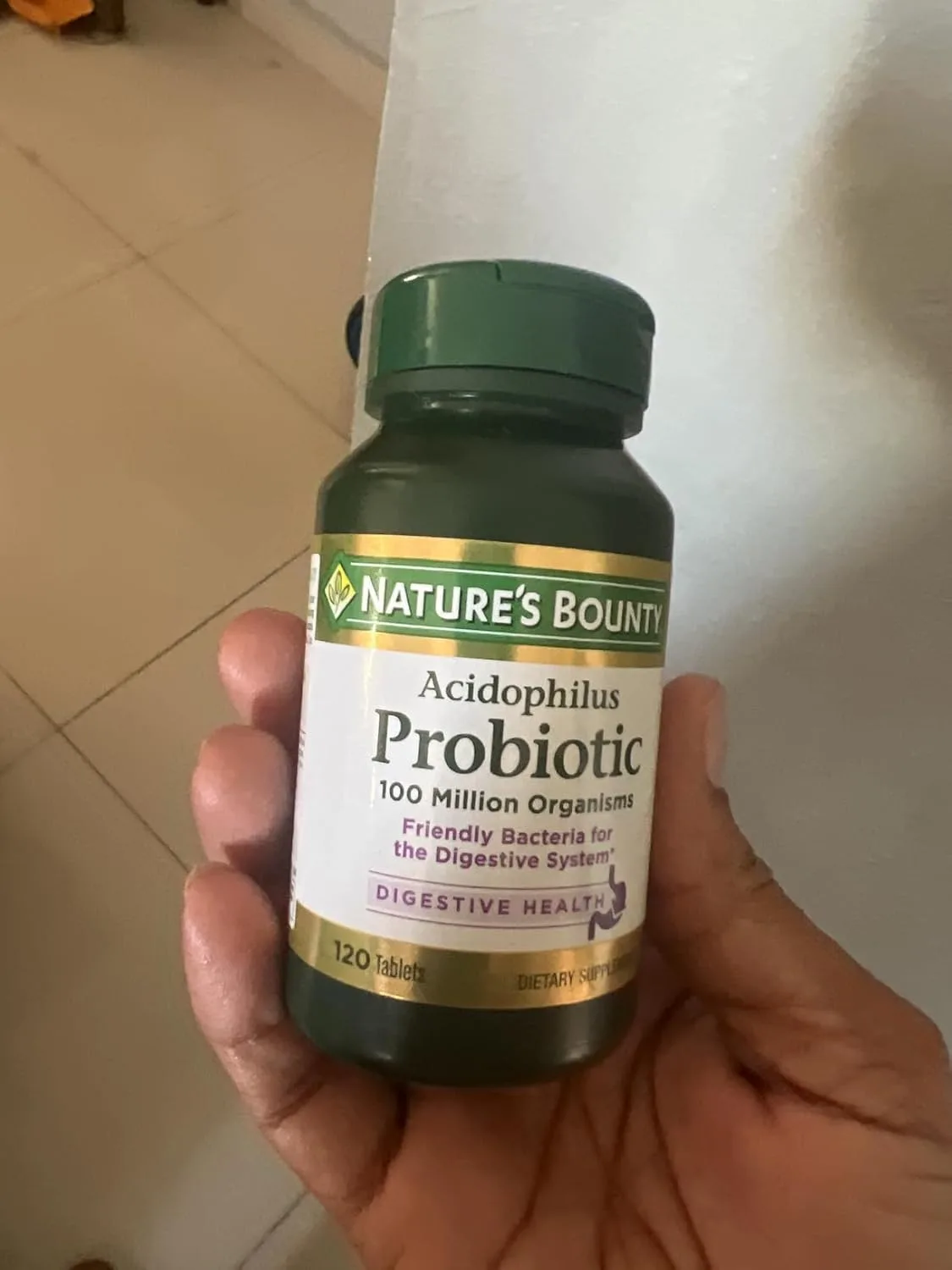
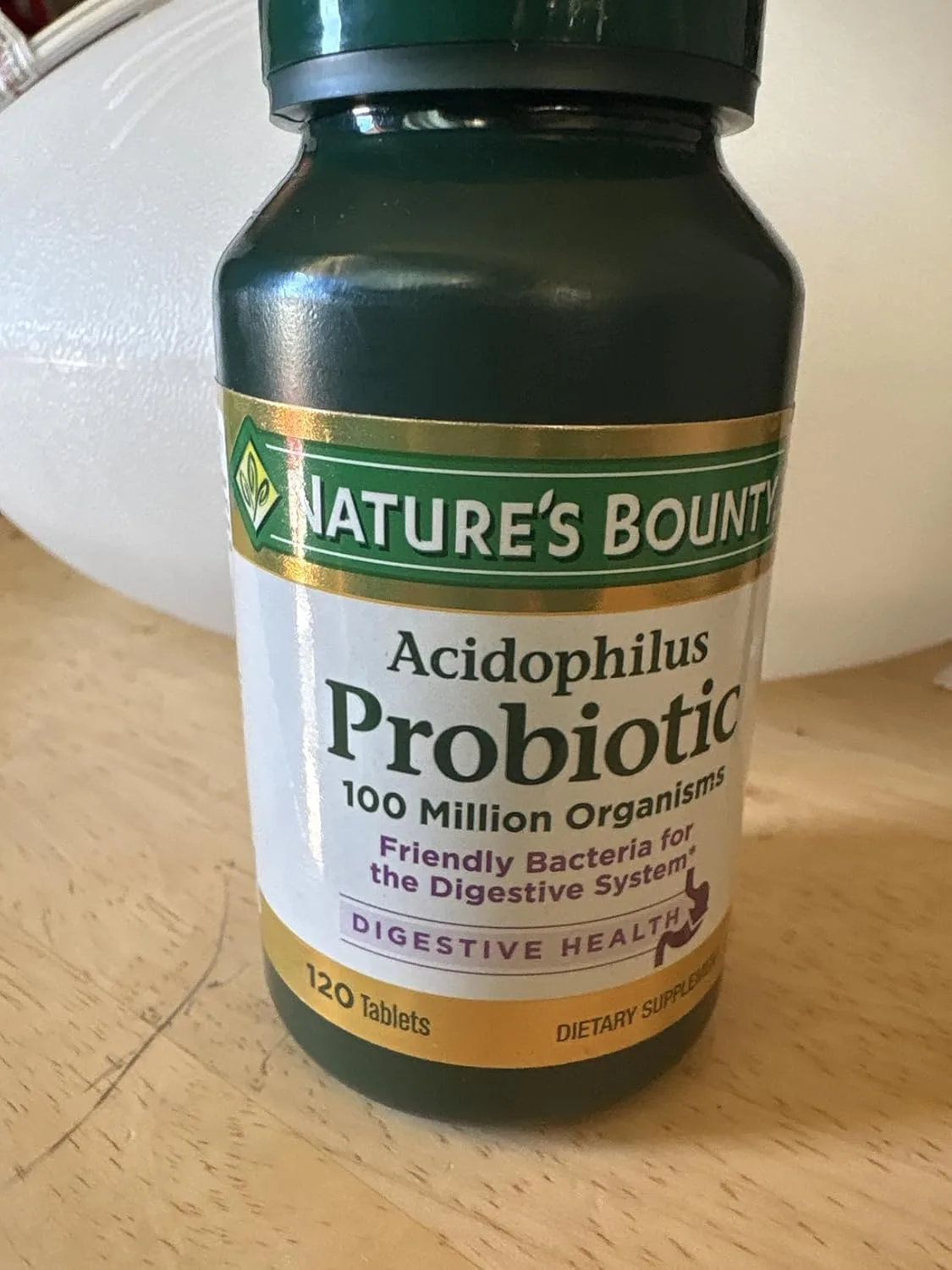
If you’ve been eating processed foods, taking antibiotics, or living under chronic stress, your microbial diversity has likely taken a hit—and that shows up as bloating, irregular transit, and poor nutrient absorption. A targeted probiotic can help restore bacterial balance, but only if you choose one with evidence behind the specific strains you’re taking.
What works
- Multi-strain formulas (especially Lactobacillus and Bifidobacterium species) show better outcomes than single-strain supplements in research on IBS and general digestive comfort—clients typically notice reduced bloating within 2–3 weeks of consistent use.
- CFU count matters, but more isn’t always better; 10–50 billion CFU daily is the sweet spot for most people, and higher doses don’t translate to faster results or better colonization.
- Shelf-stable capsules with proper enteric coating survive stomach acid better than powder forms, meaning more live bacteria actually reach your colon where they do the work.
What doesn’t
- Probiotics won’t fix an underlying food sensitivity or ongoing inflammatory trigger—if you’re still eating foods that upset your gut, a supplement alone won’t solve the problem, no matter the quality.
- If you have SIBO, severe dysbiosis, or a compromised immune system, probiotics can occasionally cause temporary worsening of bloating or gas; talk to your GP before starting if you fall into these categories.
Probiotics work best as part of a broader strategy that includes whole foods, stress management, and adequate sleep—they’re a tool, not a magic fix. If you’re ready to rebuild your microbiome foundation, explore probiotic supplements with transparent strain information and clinical research behind them.
This post contains affiliate links. As an Amazon Associate, I earn from qualifying purchases at no extra cost to you.
![Customer photo of [product description - e.g., supplement bottle/packaging shown next to breakfast]](https://digestionfaq.com/wp-content/uploads/2026/07/B0014CVXMW-1.webp)