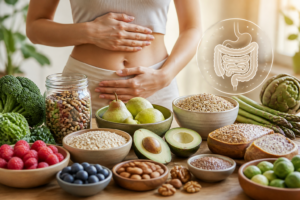
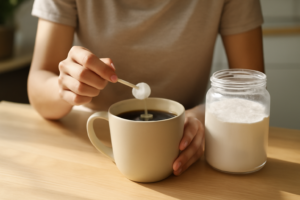
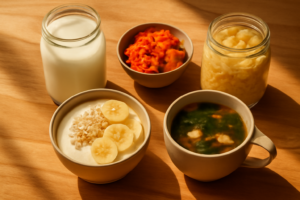
The colon is one of the most neglected organs in gut health conversations. When clients arrive at my practice, they’re typically focused on the stomach, the small intestine, or the microbiome. But the colon — that’s where so much of the final processing, water reabsorption, and microbial activity occurs. It deserves far more attention than it usually receives. After years of clinical practice, I have built a core supplement protocol I return to again and again for best supplements for colon health, one that has a meaningful evidence base behind it and real results in my clients’ lives.
In this guide, I’m sharing the supplements I recommend most often, the science behind why they work, and how to use them effectively for genuine colon support.
Why Colon Health Matters More Than You Think
The colon performs three critical functions that most people never consider. First, it absorbs water and electrolytes — roughly 1 to 2 litres daily. Second, it hosts an extraordinary ecosystem of bacteria that produce short-chain fatty acids, particularly butyrate, which feeds the colonocytes and supports immune function. Third, it’s your body’s final waste processing system before elimination.
When the colon isn’t functioning optimally, the consequences ripple throughout the body. Poor water absorption leads to either constipation or loose stools. A depleted microbial ecosystem produces less butyrate, weakening the intestinal barrier. And sluggish transit time allows bacterial overgrowth and the reabsorption of waste products that should be eliminated.
I often see clients with seemingly unrelated symptoms — fatigue, brain fog, skin issues, even joint pain — that trace back to compromised colon function. This is why targeted supplementation for colon health can be transformative.
The Fiber Strategy That Restores Colon Function Without Causing Bloating
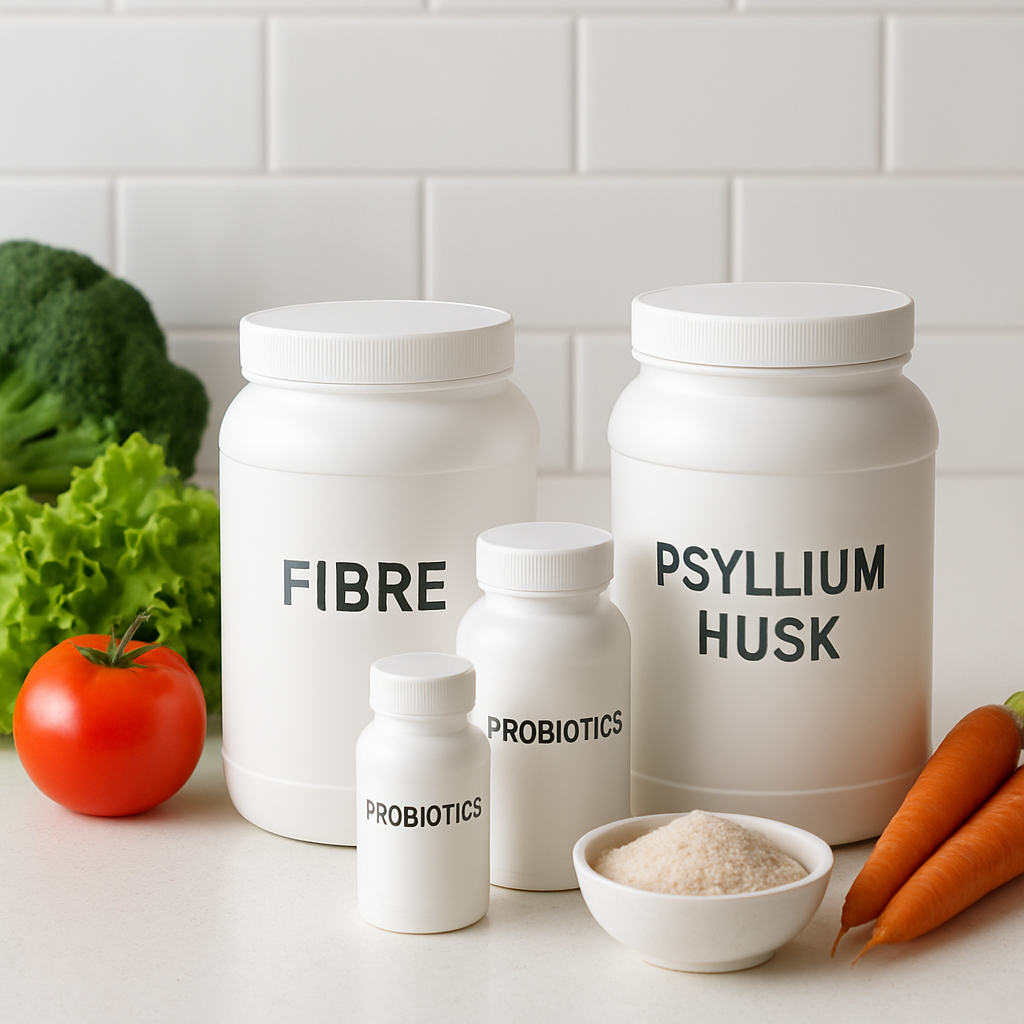
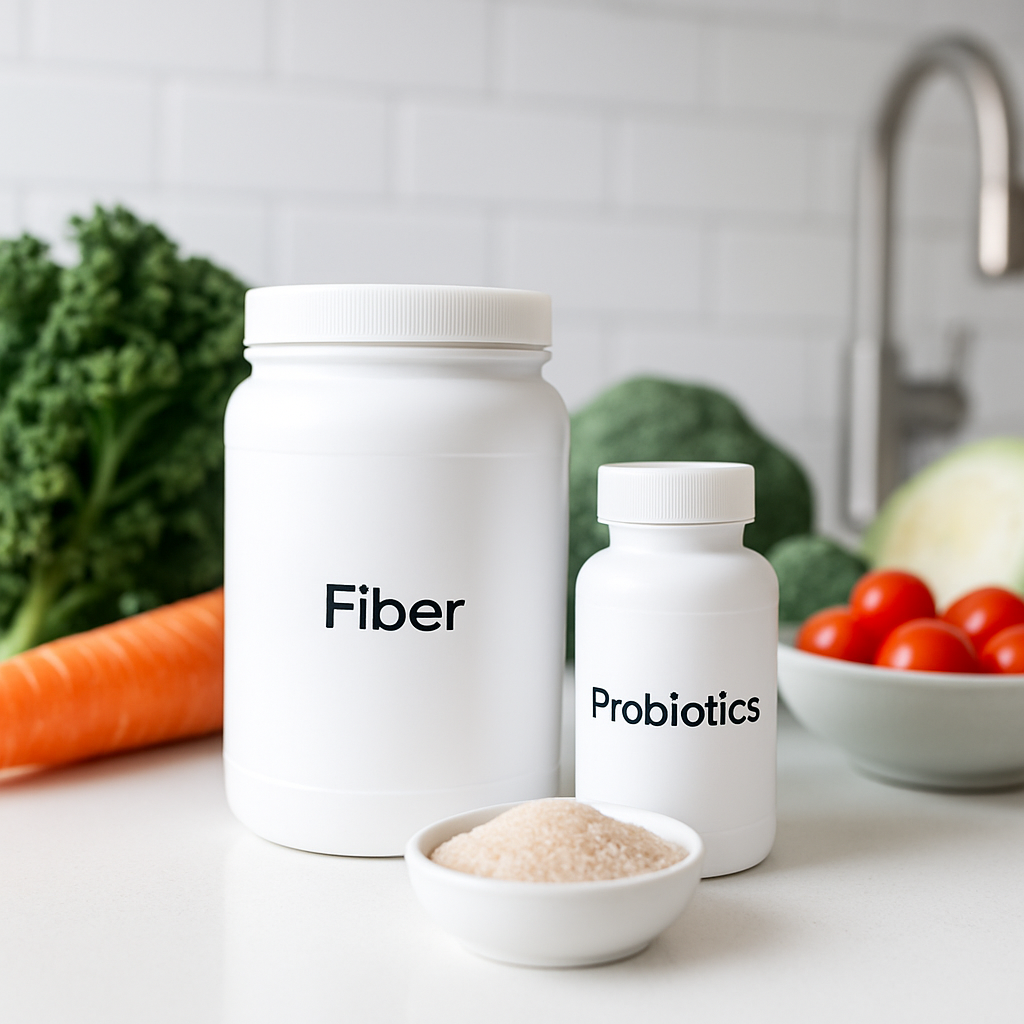
Psyllium husk is one of the few fiber supplements that actually moves research evidence in your favor—it’s soluble, it ferments slowly in the colon, and it doesn’t trigger the gas production that sends people running for antacids. If your colon has been struggling with irregular transit or you’re rebuilding after a flare, this is where I start.
What works
- Soluble fiber dissolves into a gel-like consistency, which softens stool and slows fermentation—meaning fewer of the cramps and bloating that insoluble fibers often trigger in sensitive colons.
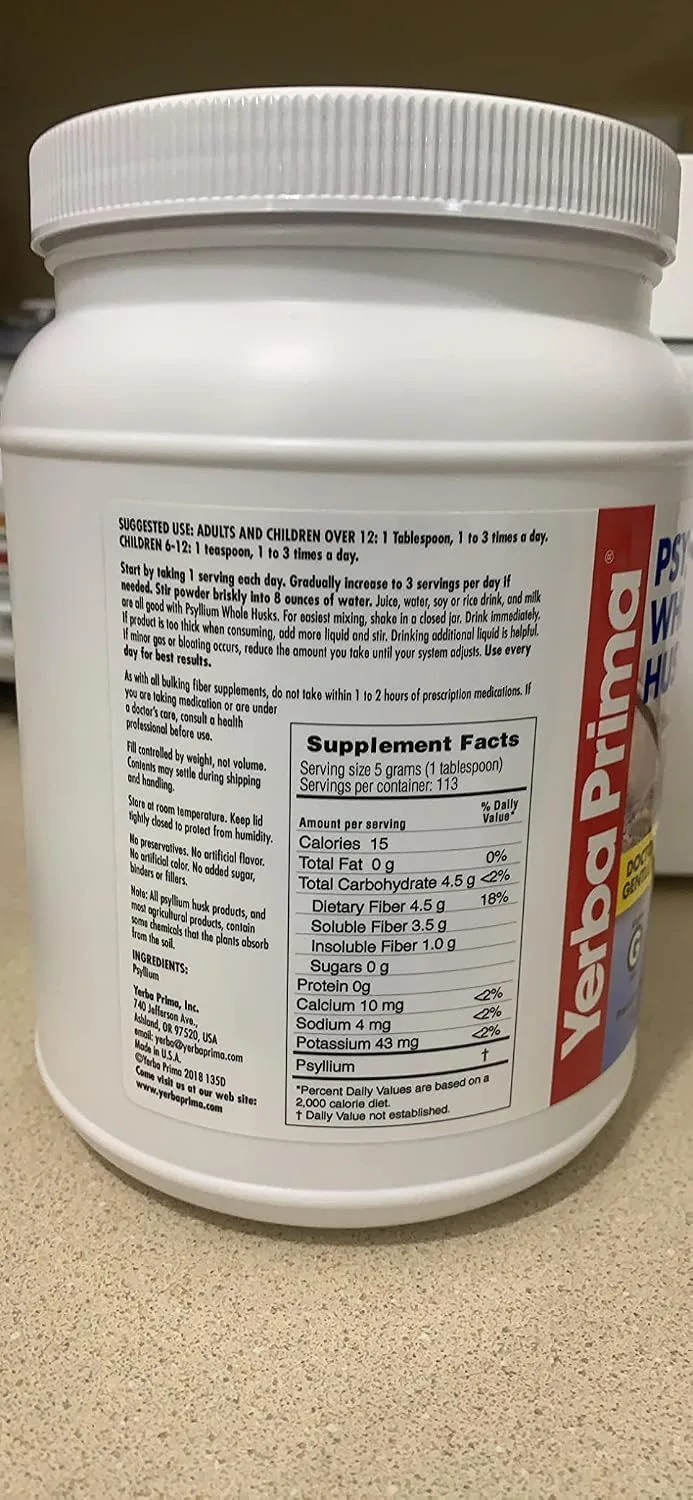
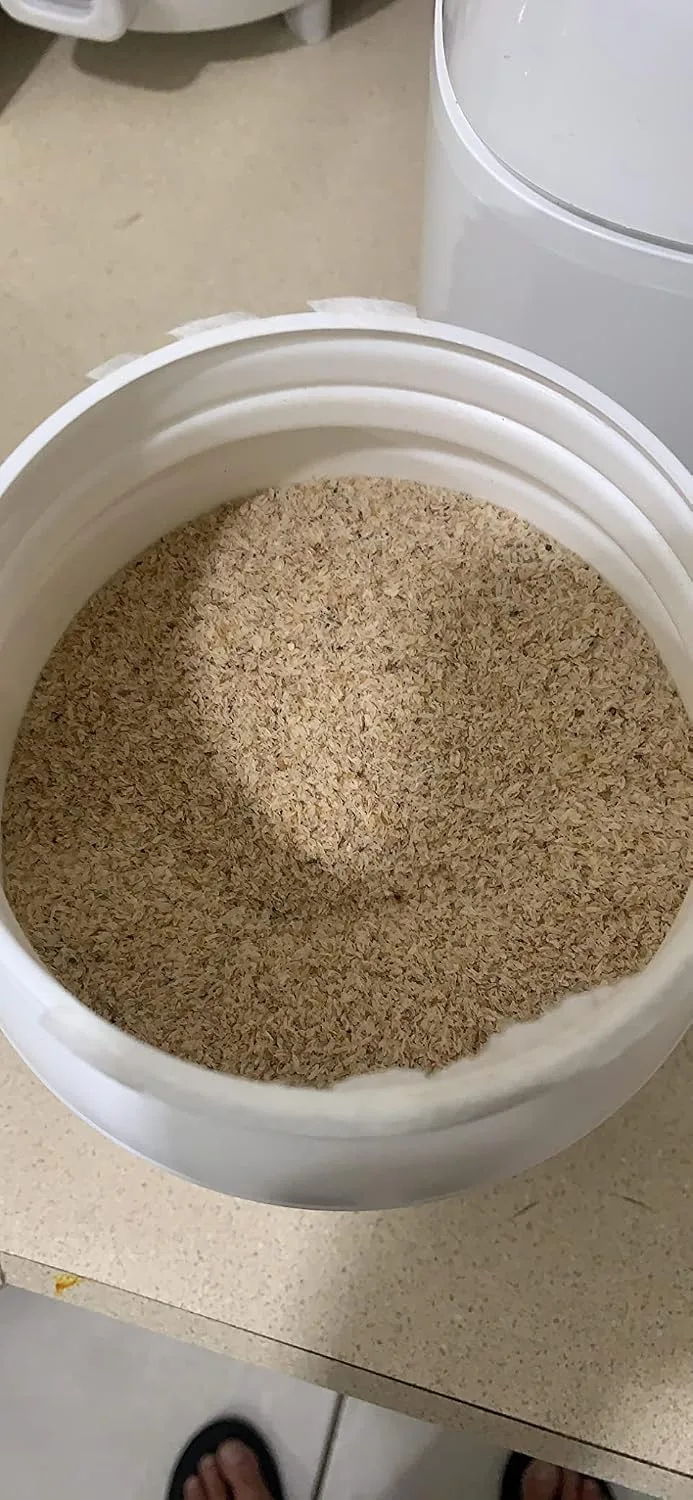
- The powder form lets you titrate the dose gradually; most of my clients start at a quarter teaspoon and work up over 2–3 weeks, which means their microbiome adapts without rebellion.
- It has the broadest evidence base of any fiber supplement for both IBS and inflammatory bowel conditions—multiple RCTs show improvement in stool consistency and frequency without worsening inflammation markers.
What doesn’t
- It is not a quick fix—you’ll need 2–4 weeks of consistent use before you see a meaningful shift in regularity or comfort, and you must drink adequate water or it can worsen constipation.
- If you have active inflammation, severe IBS-D, or you’re taking medications like antibiotics or iron supplements, talk to your GP first—timing matters, and psyllium can affect drug absorption.
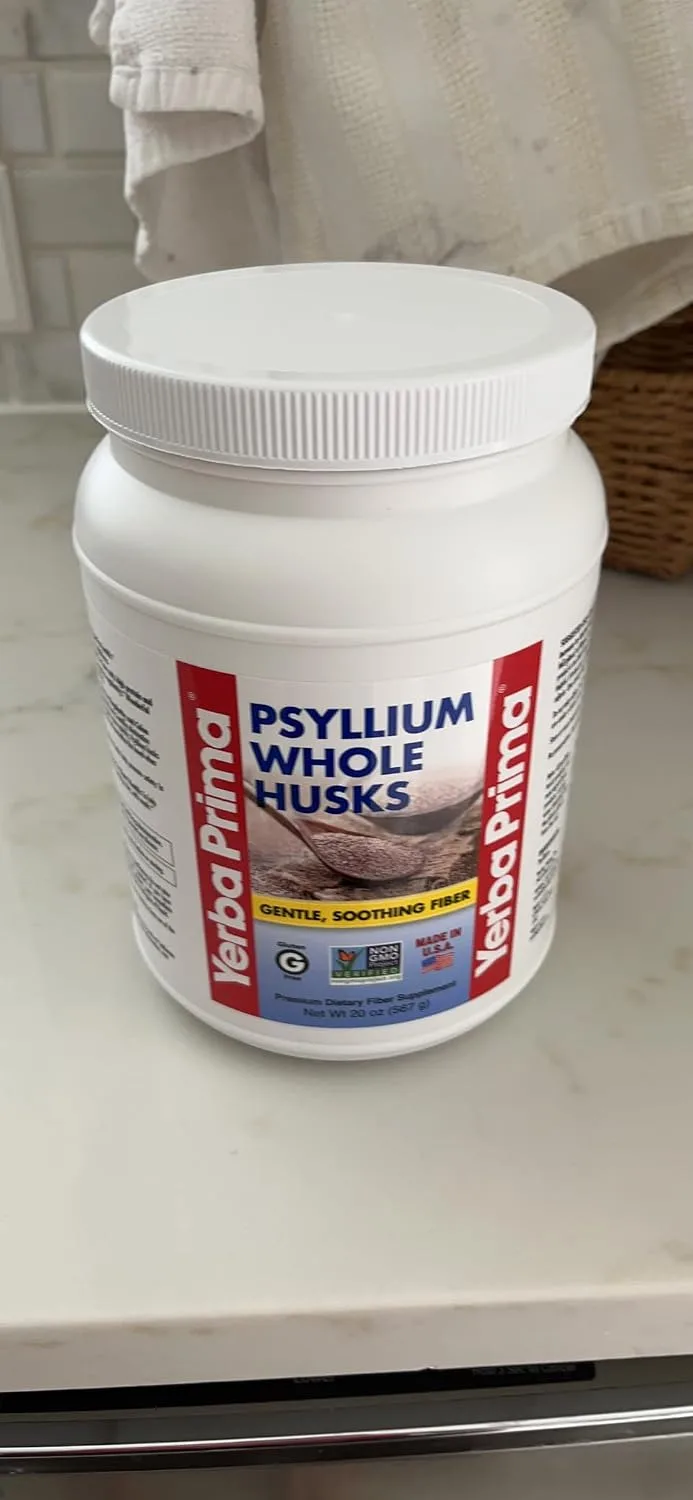
Fiber is a foundational tool, not a cure; if your colon symptoms are severe or accompanied by blood in stool, you need proper diagnosis before adding any supplement. That said, Yerba Prima Psyllium Whole Husks Fiber Supplement in powder form is the one I reach for first when a client is ready to rebuild.
This post contains affiliate links. As an Amazon Associate, I earn from qualifying purchases at no extra cost to you.
This post contains affiliate links. As an Amazon Associate I earn from qualifying purchases at no extra cost to you.