When Your Gut Is Quietly Stealing Your Energy
For nearly three years, I dragged myself through afternoons feeling hollow and unfocused. I blamed stress, screen time, poor sleep — everything except my digestive system. Most people do exactly the same thing. Brain fog and fatigue feel like mental problems, so we rarely think to look south of the stomach.
The gut-brain connection, however, is remarkably powerful and well-documented.
—
The Hidden Cost of a Sluggish Gut
Your digestive system does far more than process food. It also:
- Produces roughly 90% of your body’s serotonin
- Regulates immune function and inflammation levels
- Communicates directly with your brain via the vagus nerve
- Controls nutrient absorption that fuels every cell
Therefore, when digestion slows down or becomes imbalanced, the ripple effects travel everywhere. Energy crashes. Mental clarity suffers. Mood destabilizes.
—
Why Standard Blood Tests Miss This
Routine bloodwork typically checks thyroid markers, iron, and vitamin D. Those panels are genuinely useful. However, they rarely screen for gut permeability, microbiome diversity, or digestive enzyme efficiency.
Consequently, millions of people receive a clean bill of health while still feeling genuinely terrible. Normal lab results don’t automatically mean optimal function. There’s a meaningful difference between not sick and actually thriving.
My grandmother used to say her stomach “talked to her” before any illness arrived. She was instinctively right about the gut signaling trouble early.
—
Bloating Is Never Just Bloating
Chronic bloating is frequently dismissed as minor discomfort. In reality, it often signals:
- Bacterial overgrowth (SIBO)
- Insufficient stomach acid production
- Food intolerances causing low-grade inflammation
- Slow intestinal motility reducing energy absorption
Additionally, persistent bloating forces your body to redirect energy toward managing inflammation. That energy gets stolen directly from your brain and muscles. The afternoon fatigue you feel isn’t laziness — it’s your gut demanding resources it isn’t getting.
The Hidden World Inside Your Gut
Your Inner Ecosystem: The Living World Inside Your Gut
You carry trillions of microscopic organisms inside your digestive tract right now. Specifically, bacteria, fungi, viruses, and even archaea form a complex internal community. Scientists call this the human microbiome — a bustling, constantly active ecosystem.
Remarkably, this community contains over 38 trillion microbial cells, outnumbering your human cells. Furthermore, researchers now classify the microbiome as a functioning organ in its own right.
—
What Lives Inside You?
Your gut hosts an extraordinary variety of species, including:
- Lactobacillus — supports digestion and immunity
- Bifidobacterium — breaks down fiber and produces vitamins
- Bacteroides — helps process complex carbohydrates
- Candida — a fungal resident, balanced in healthy guts
Moreover, no two people share an identical microbiome. Therefore, your gut fingerprint is entirely unique.
—
How Your Microbiome Keeps You Alive
These tiny residents continuously communicate with your human cells. Consequently, they influence digestion, inflammation, and even mood regulation.
Key functions include:
- Synthesizing vitamins like B12 and K
- Training your immune system to recognize threats
- Protecting your gut lining from harmful pathogens
- Producing short-chain fatty acids that fuel colon cells
Additionally, disruptions to this balance — called dysbiosis — are linked to conditions like IBS, obesity, and depression.
—
Why Balance Matters Daily
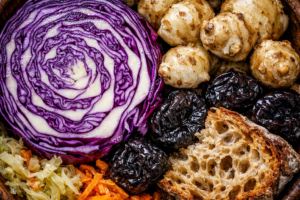
My grandmother always said fermented foods were “medicine for the belly.” She wasn’t wrong — science now confirms that foods like yogurt and kimchi actively feed beneficial bacteria.
Furthermore, lifestyle choices directly shape your microbiome. Poor sleep, stress, and antibiotics can significantly reduce microbial diversity. Therefore, consistently supporting your gut through fiber-rich foods, hydration, and probiotic sources helps maintain this vital internal balance.
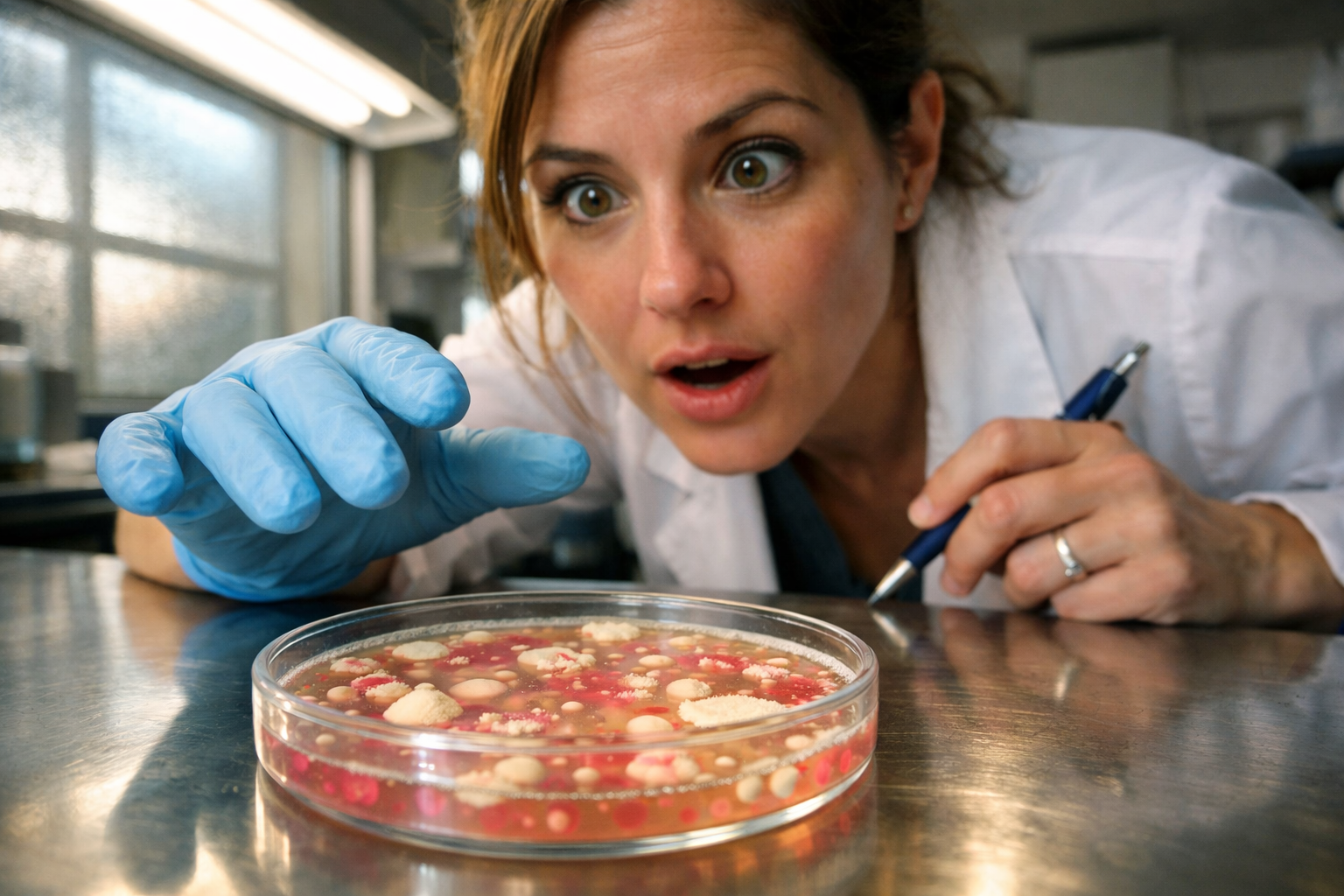
Many people mistakenly believe bacteria only cause dangerous diseases. In reality, most of these microbes act as essential defenders for your body. They actively shape your daily health in incredibly surprising ways. For example, they process complex carbohydrates that your stomach cannot break down alone. Therefore, a diverse microbial community directly leads to better physical resilience.
Fueling Your Body and Brain
Your digestive system orchestrates far more than simple food breakdown. It stands as a pivotal hub for overall health. Indeed, the trillions of microbes residing within your gut are active participants, not just passive residents. They diligently ferment complex dietary fibers. Our own bodies cannot digest these fibers. This microbial activity produces vital nutrients. For instance, they synthesize essential B vitamins like folate, biotin, and riboflavin. Additionally, they contribute to vitamin K production. These compounds are crucial for countless bodily functions.
Beyond vitamins, these microscopic workers generate powerful short-chain fatty acids (SCFAs). Key SCFAs include butyrate, acetate, and propionate. Butyrate specifically provides the primary energy source for your colon cells. This nourishment strengthens the intestinal barrier. Therefore, a well-fed gut lining remains robust and intact. Furthermore, SCFAs exert widespread systemic effects. They modulate immune responses and reduce inflammation. These compounds also influence metabolism, impacting blood sugar regulation. Consequently, supporting your gut microbiome directly benefits your entire body. My friend Sarah recently started adding more fiber-rich foods to her diet, and she quickly noticed a significant boost in her energy and overall well-being.
Beyond physical energy, your digestive system heavily influences your daily mental state. Source You might have heard people call the gut the human body’s second brain. This nickname exists because your gut continuously produces vital neurochemicals. In fact, your digestive system manufactures most of your body’s serotonin supply. . Therefore, a happy digestive tract often translates directly to a happier mood.
The Command Center for Immunity
Most people act completely surprised when they learn where their immune system lives. Source Surprisingly, your gut houses roughly seventy percent of your active immune cells. . This massive defense force shares incredibly tight quarters with your microbiome. As a result, the two complex systems communicate constantly throughout the day.
The diverse community within your gut microbiome actively shapes immune responses. These microscopic residents produce vital compounds, like short-chain fatty acids, that directly influence immune cell maturation. For instance, they guide the development of T-cells, teaching them crucial lessons. This education helps your body differentiate harmless food particles from actual threats, like invading viruses or harmful bacteria. Ultimately, this intricate communication prevents unnecessary inflammatory reactions to benign substances.
A robust gut microbiome offers powerful defense. These beneficial microbes compete vigorously for nutrients, effectively starving out opportunistic pathogens. Moreover, they produce antimicrobial substances, such as bacteriocins, which directly inhibit the growth of undesirable bacteria. Crucially, a healthy gut also reinforces the intestinal barrier. This strong lining, maintained by tight junctions, prevents toxins and pathogens from entering your bloodstream. Conversely, a compromised barrier, often termed “leaky gut,” significantly increases susceptibility to illness.
Bolstering Your Inner Defenses
When your microbial ecosystem is imbalanced, or dysbiotic, your immune system becomes overworked. This can lead to chronic low-grade inflammation throughout the body. Consequently, your overall resilience against various infections, not just common colds, diminishes significantly. For example, a weakened gut can prolong recovery from flu viruses. Therefore, nurturing your digestion through diet and lifestyle provides foundational support for your entire immune system. Ultimately, it builds a robust shield against numerous environmental challenges. My grandmother always swore by fermented foods, claiming they kept her “strong as an ox.” Now, I see the science behind her wisdom.
Dysbiosis: When the Balance Breaks
Sometimes, the delicate balance within your digestive system completely collapses. Medical professionals call this harmful internal disruption dysbiosis. Typically, this severe imbalance occurs when bad bacteria rapidly outnumber the good ones. Many modern lifestyle factors actively destroy your natural microbial diversity. For instance, chronic psychological stress alters your gut motility and shifts your bacterial composition.
Antibiotics represent another massive threat to your delicate internal ecosystem. While these lifesaving medications cure infections, they act like a bomb inside your gut. They indiscriminately wipe out both dangerous infections and crucial helper bacteria simultaneously. Consequently, recovering from a standard round of antibiotics requires intentional dietary rebuilding.
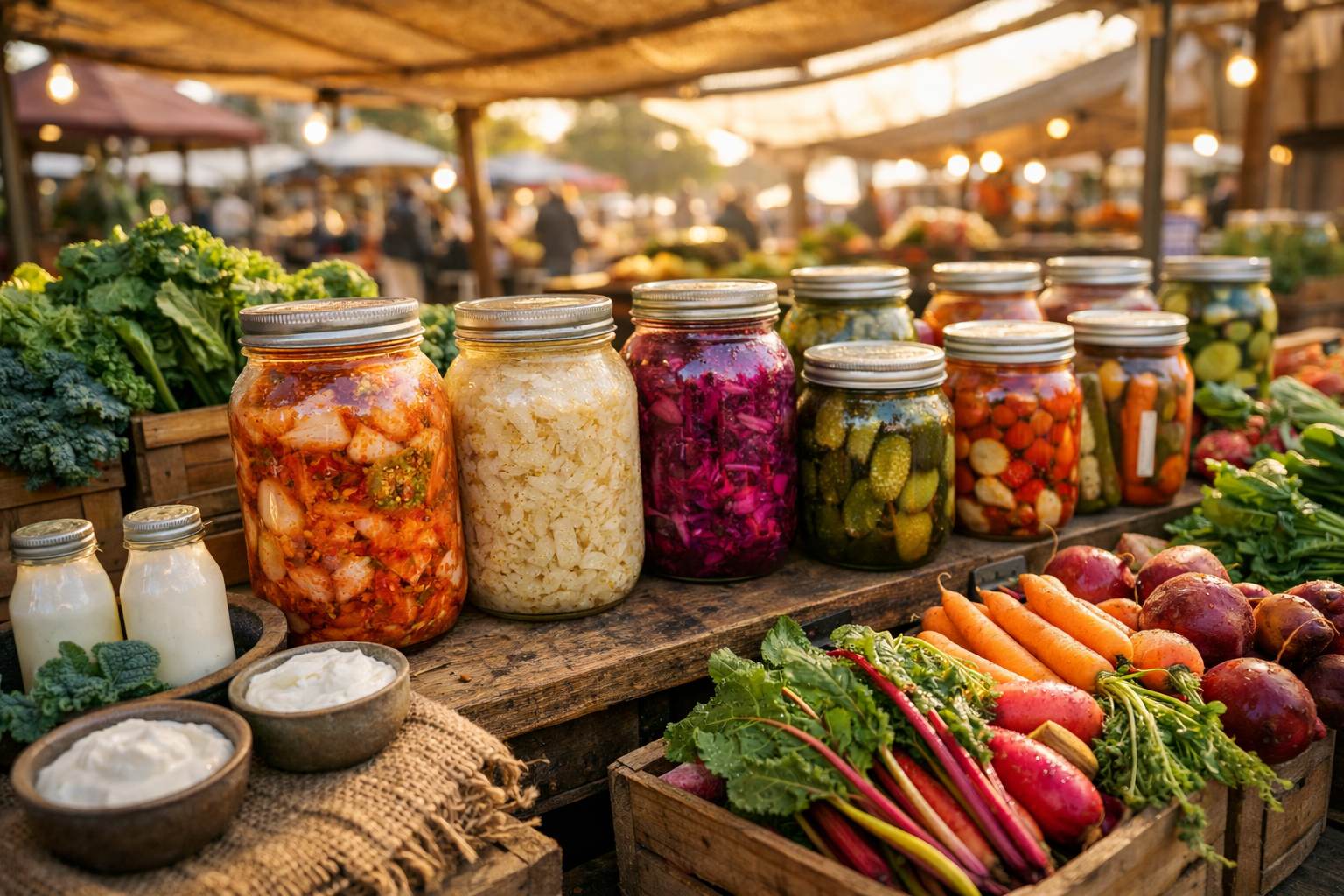
The standard Western diet also starves your beneficial microbes on a daily basis. Highly processed foods severely lack the complex fibers your gut bacteria desperately need. Furthermore, artificial sweeteners and excessive sugar actively feed harmful fungal overgrowths. As a result, poor dietary choices slowly silence your most helpful internal allies. Ultimately, this internal starvation triggers widespread chronic inflammation throughout your entire body.
Rebuilding Your Microbial Diversity
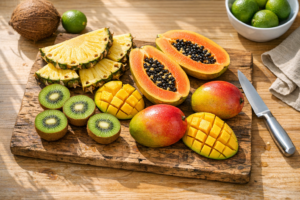
Fortunately, you possess the incredible power to reshape your internal ecosystem rapidly. Source Your microbiome constantly changes its composition based entirely on your daily food choices. Therefore, adding diverse plant fibers offers the absolute fastest route to robust gut health. You should aim to eat thirty different plant types every single week. .
Fermented foods also provide a massive influx of beneficial living microbes. Try adding a generous spoonful of raw sauerkraut to your daily lunch salad. Alternatively, sip on some bubbly, low-sugar kombucha instead of your usual afternoon soda. These traditional foods introduce powerful new bacterial strains directly to your digestive tract. Consequently, they help rebuild microbial communities that antibiotics or stress previously destroyed.

Lifestyle changes matter just as much as your daily dietary habits. Getting adequate nightly sleep allows your digestive system to repair its delicate lining. Additionally, daily physical movement helps keep your digestive tract functioning smoothly. Even a brisk twenty-minute evening walk significantly improves your overall gut motility. Ultimately, treating your physical body well directly nurtures your microscopic residents.
The Foundation of Lasting Health
Your digestive system serves as the absolute core foundation of your overall wellbeing. It dictates your daily energy levels, regulates your mood, and powers your immunity. Ignoring your gut health eventually compromises every other major system in your body. Conversely, nurturing your microbiome creates a powerful, unstoppable ripple effect of positive health.
Start paying much closer attention to what your digestion tells you daily. Notice exactly how different foods impact your energy, focus, and physical comfort. Then, make small, consistent adjustments to feed your beneficial bacteria properly. In summary, taking excellent care of your gut ensures your gut takes care of you.
Rebuilding Gut Bacteria When Fatigue and Brain Fog Won’t Lift
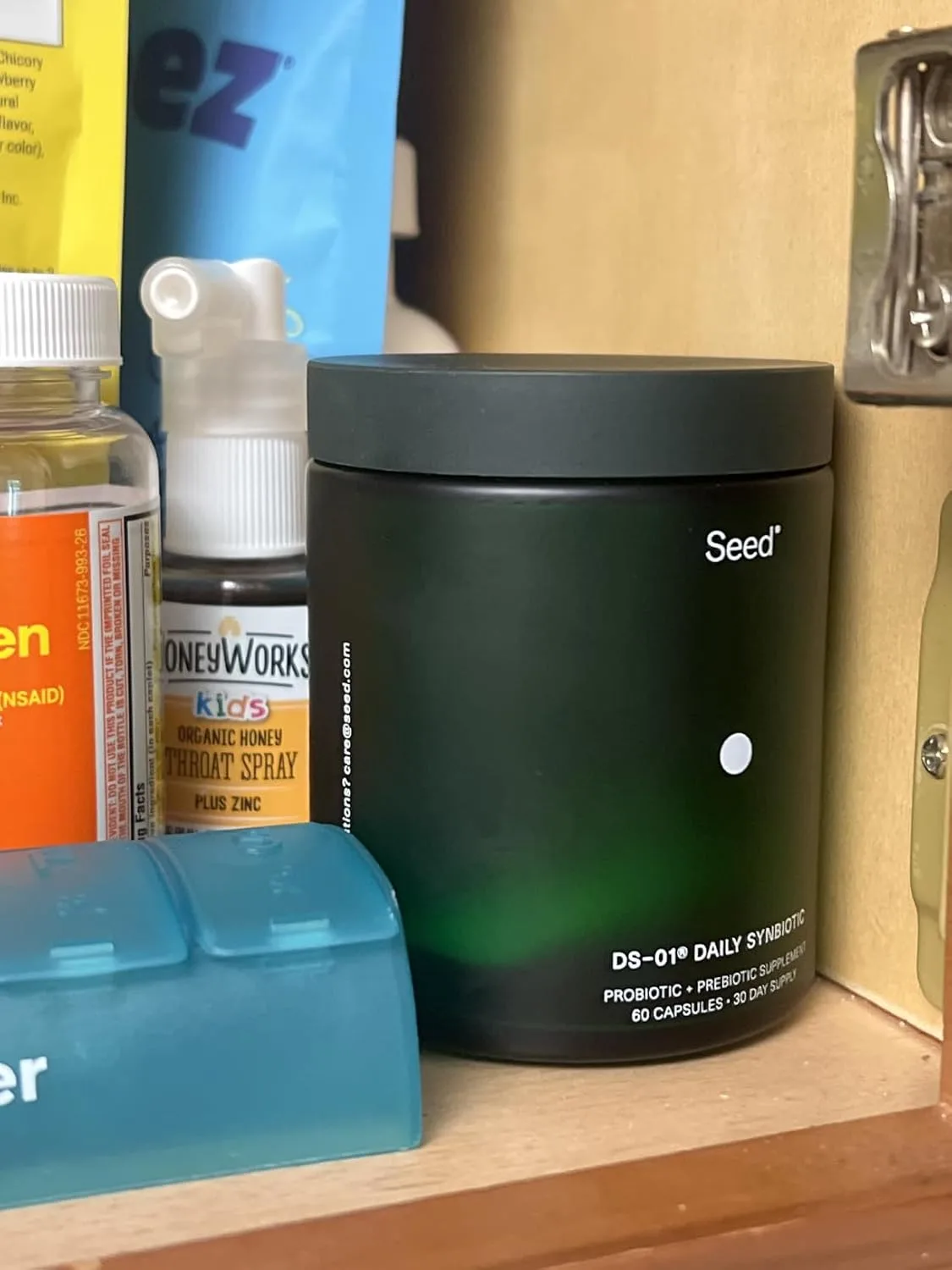
When your digestive system isn’t extracting nutrients properly or your microbiome is depleted — often from stress, antibiotics, or prolonged digestive complaints — a targeted probiotic can help restore the bacterial diversity that supports energy production, immune function, and mental clarity. This is where a well-formulated probiotic becomes a real tool rather than a marketing promise.
What works
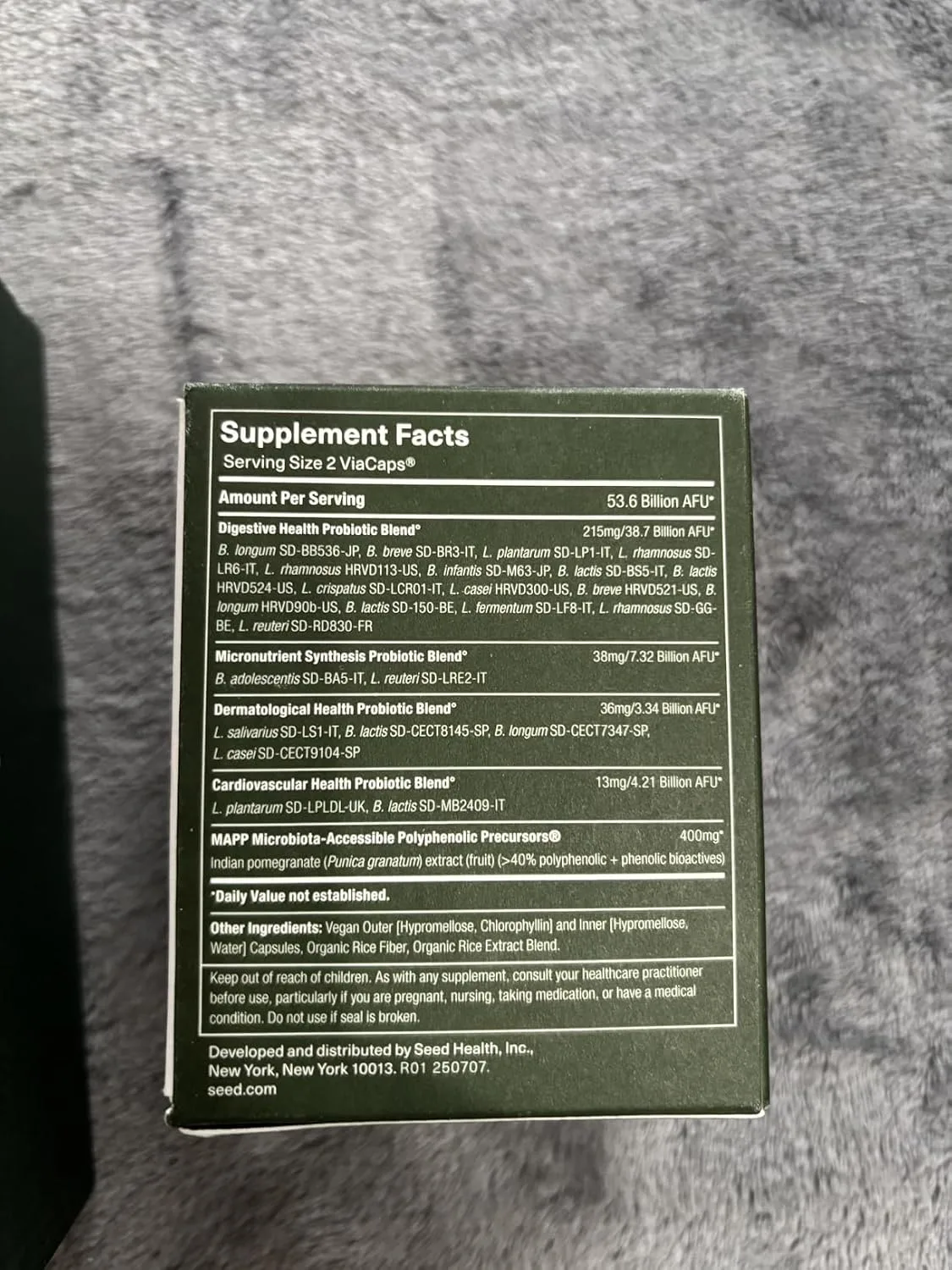
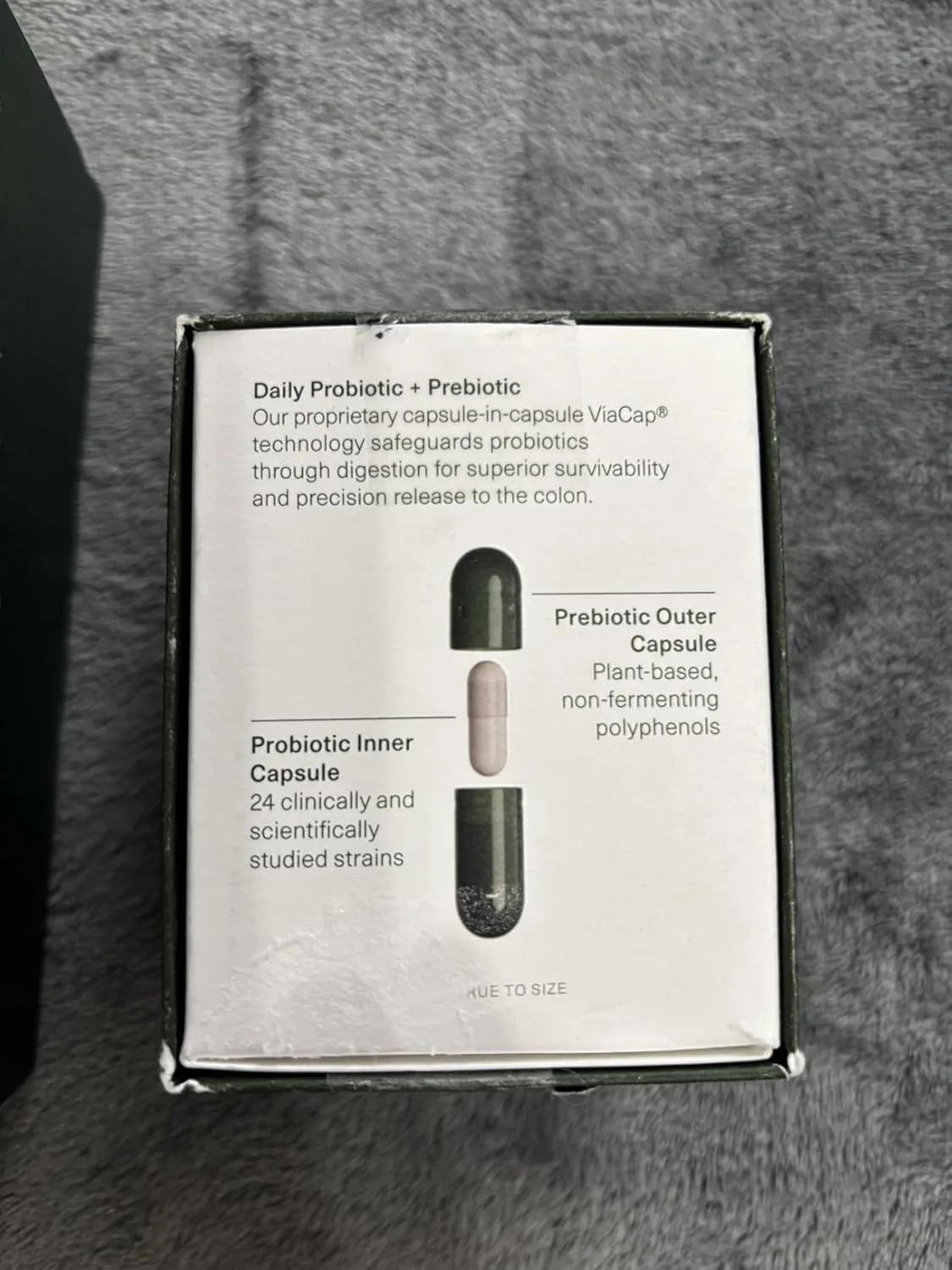
- Multi-strain formulas with clinically studied species (like Lactobacillus and Bifidobacterium) show measurable improvements in regularity, bloating, and nutrient absorption within 4–8 weeks in most clients.
- Clients with IBS and post-antibiotic digestive issues consistently report improved afternoon energy and reduced brain fog once their microbiome begins to stabilize — the gut-brain connection in action.
- Quality matters: CFU count, strain specificity, and shelf-stable formulation affect viability; cheaper single-strain probiotics often don’t survive digestion or colonize effectively.
What doesn’t
- Probiotics are not a substitute for identifying the root cause — if you have undiagnosed SIBO, coeliac disease, or chronic inflammation, probiotics alone won’t resolve the underlying problem and may even temporarily worsen symptoms.
- If you’re immunocompromised, have active C. difficile infection, or are on strong immunosuppressants, talk to your GP before starting; probiotics aren’t universally safe for all conditions.
A probiotic is a supporting player, not a miracle cure — it works best alongside real food, adequate water, reduced stress, and addressing any underlying digestive disorder. If symptoms persist beyond 8 weeks or you’re not seeing improvement in energy or focus, that’s a signal to dig deeper with testing rather than buy a second bottle. Try probiotic supplements that prioritize multi-strain formulations with transparent labeling.
This post contains affiliate links. As an Amazon Associate, I earn from qualifying purchases at no extra cost to you.