I am a qualified nutritionist, not a gastroenterologist. The experiences shared here are personal and clinical observations. Always consult your doctor before starting any new supplement, especially if you take medication.
The Mineral That Stabilises Blood Sugar and Actually Reduces Sugar Cravings
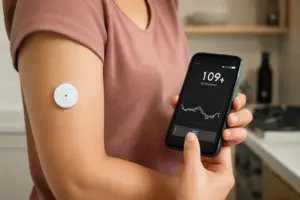
Chromium picolinate works by improving insulin sensitivity and glucose metabolism, which means your blood sugar stays more stable throughout the day. When blood sugar crashes, cravings intensify — so stabilising it at the source often quiets that persistent pull toward sugar far more effectively than willpower alone.
I started adding chromium picolinate to my supplement routine about six months ago, not because I thought it would be a game-changer, but because several clients had reported good results with afternoon energy crashes and sugar cravings. I was curious to experience it myself. Within the first two weeks, I noticed something genuinely surprising: the 3 p.m. slump that usually sent me hunting for biscuits or chocolate simply didn’t arrive. My energy stayed level, and more importantly, the mental noise around “should I have something sweet?” just… quieted.
How Chromium Picolinate Actually Works in Your Gut and Metabolism
Chromium is a trace mineral that plays a direct role in how your body handles glucose and insulin signalling. It helps insulin bind more effectively to your cells, which means glucose moves into your tissues more efficiently instead of bouncing around in your bloodstream. That erratic blood sugar pattern — the one that creates reactive hunger and intense cravings — flattens out.
The “picolinate” part matters too. Chromium comes in several forms, but picolinate is the most bioavailable chelation, meaning your body can actually absorb and use it. Other forms like chromium polynicotinate or chromium chloride are cheaper, but you’re essentially paying for something your digestive system won’t effectively utilize. When you’re adding something to support gut and metabolic health, bioavailability is everything.
What I noticed clinically is that clients whose sugar cravings were tied to afternoon energy crashes — that classic post-lunch dip — responded within 2–3 weeks. Their energy stayed more consistent, their focus didn’t crater mid-afternoon, and they stopped reaching for sugary snacks to artificially prop up their blood glucose. That’s not placebo; that’s metabolic stabilisation.
What Works
- Most clients report a noticeable reduction in sugar cravings within 2–3 weeks, particularly those with reactive hypoglycaemia or energy crashes mid-afternoon.
- The 800 mcg dose is well-researched and sits comfortably within safe intake ranges; picolinate is the most bioavailable form, so you’re not wasting money on a weaker chelation.
- This works especially well for clients whose sugar cravings are driven by blood sugar instability rather than emotional eating or habit — a distinction that matters when deciding if this is the right tool.
- When combined with adequate protein and consistent meal timing, the effect is noticeably stronger. Chromium helps insulin work better, but it can’t do much if you’re skipping breakfast or eating carbs in isolation.
- For people with a history of energy crashes or who notice their cravings are worse mid-afternoon or after high-carb meals, chromium often feels almost immediately relevant.
What Doesn’t Work
- If your cravings are purely psychological or stress-driven, chromium won’t touch them — this is a metabolic fix, not a behavioural one.
- Anyone taking insulin, sulphonylureas, or other diabetes medications must check with their GP first, as chromium can potentiate medication effects and lower blood glucose further than intended.
- It’s not a replacement for addressing insulin resistance long-term. If you have PCOS, pre-diabetes, or metabolic syndrome, chromium is a useful tool, but you’ll still need to address diet quality, movement, and stress to actually improve insulin sensitivity.
- For some people, particularly those with very sensitive stomachs or those taking certain medications, chromium can cause mild digestive discomfort or headaches in the first week. This usually passes, but it’s worth noting.
How to Use Chromium Picolinate Effectively
I take 800 mcg once daily, typically with breakfast or my largest meal. Taking it with food — especially food containing protein or fat — improves absorption. Don’t expect overnight results; give it at least 2–3 weeks before deciding whether it’s working for you. Some people feel a shift within days; others take longer. That variation is normal and depends on your baseline insulin sensitivity and how severe your blood sugar dysregulation is.
The key is consistency. This isn’t something you take sporadically; it needs to build up in your system to have a real effect.
The Foundation Still Matters Most
Chromium is an excellent stabiliser, but it’s not a substitute for consistent meal timing, adequate protein, or addressing underlying insulin resistance — those foundations matter more than any supplement. If you’re eating ultra-processed foods, skipping meals, or under constant stress, no amount of chromium will fully solve the problem. Think of it as support for a solid foundation, not a replacement for one.
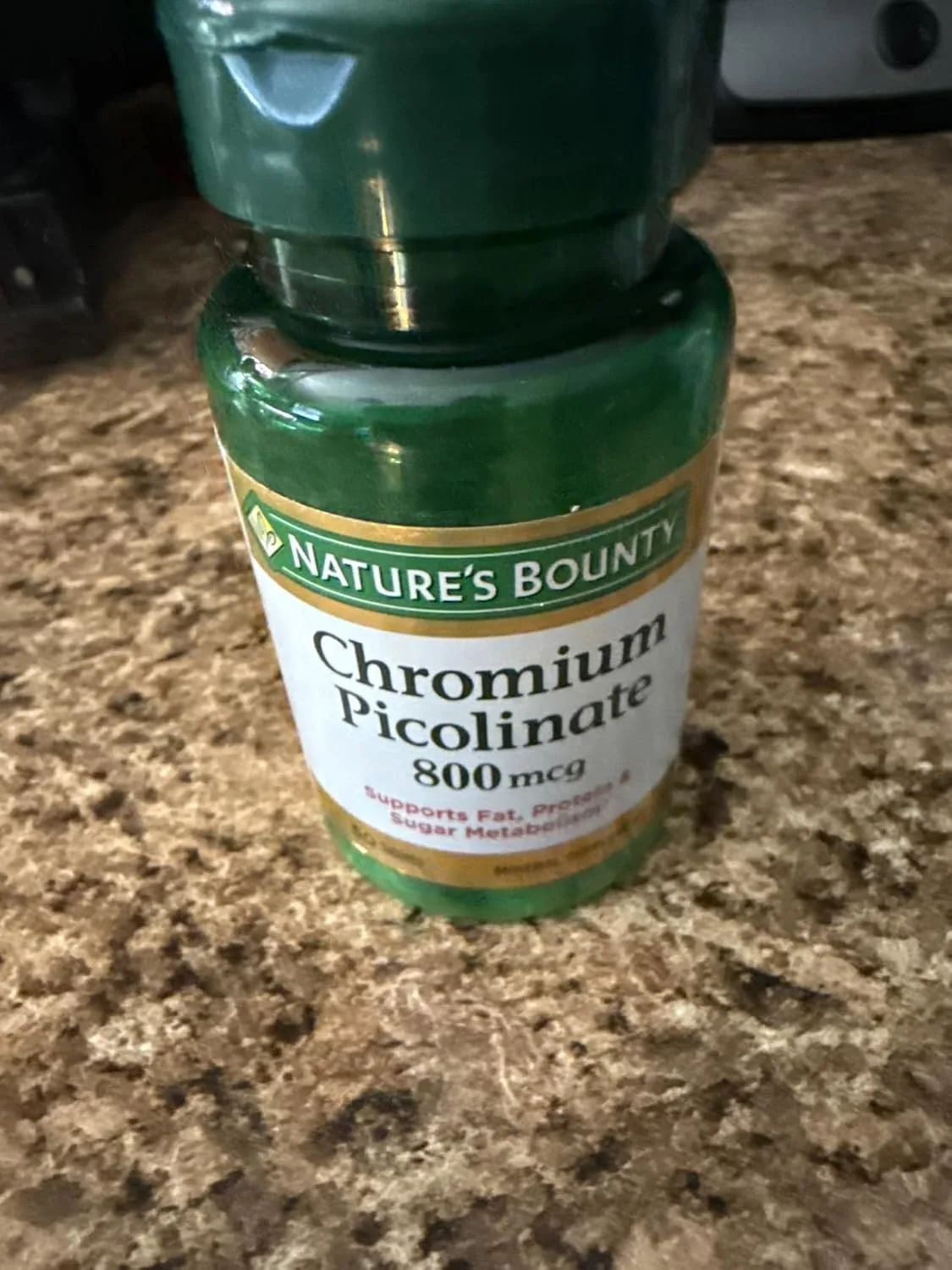
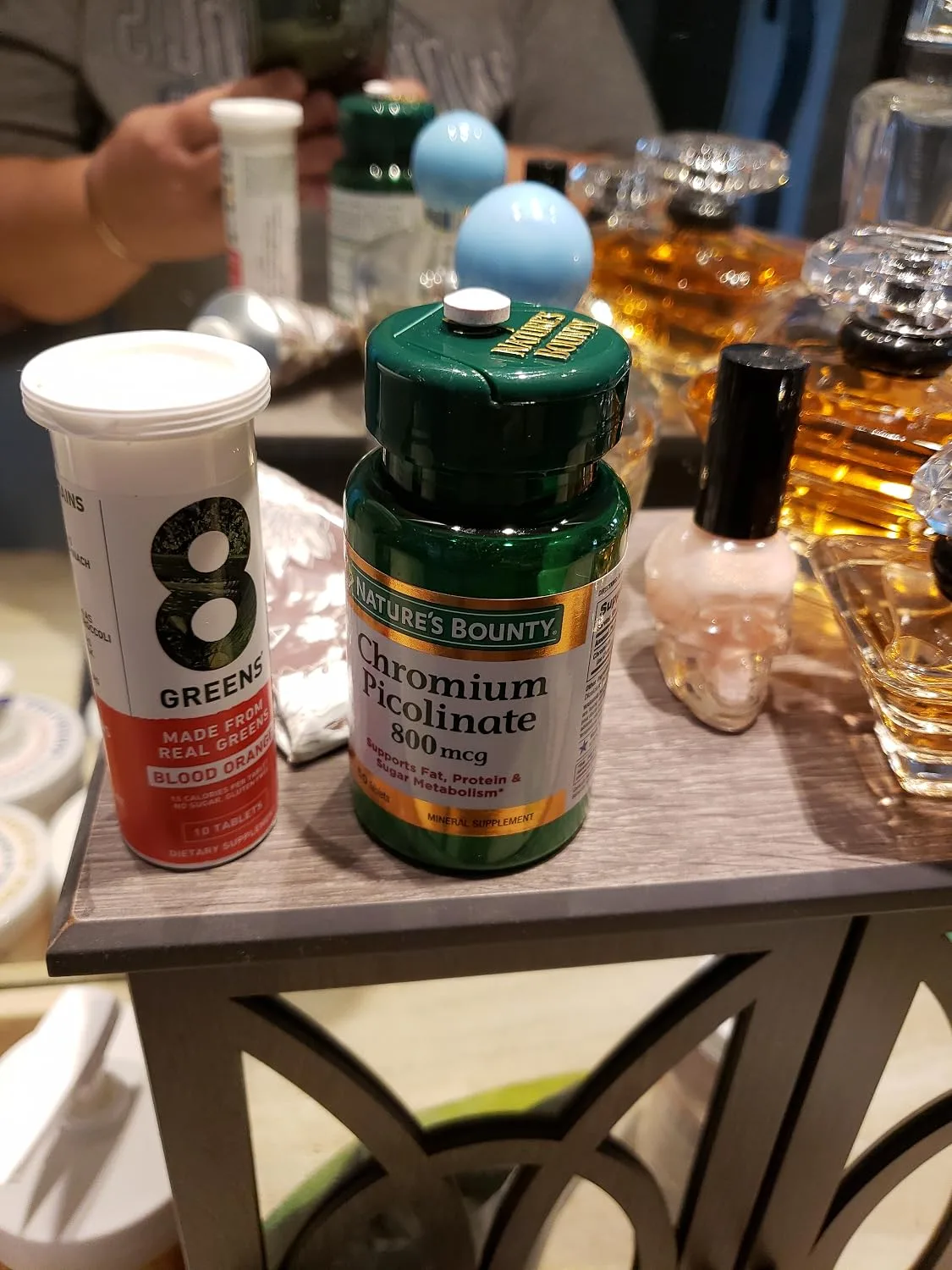
If you’re ready to try it, Nature’s Bounty Chromium Picolinate, Supports Fat, Protein & Sugar Metabolism, Mineral Supplement, 800 mcg, 50 Tablets is the formulation I reach for most often with clients. It’s straightforward, well-formulated, and the 800 mcg dose is backed by research without being excessive.

This post contains affiliate links. As an Amazon Associate, I earn from qualifying purchases at no extra cost to you.