
My background includes years of hands-on experience helping other people through digestive wellness challenges, but I’m not a doctor and don’t practice gastroenterology. What you’ll read here reflects observations from my work and my own practice—not clinical diagnosis or treatment advice. Please speak with your own healthcare provider before introducing any new food, supplement, or dietary pattern into your routine, particularly if you’re managing medication or have been diagnosed with a specific digestive condition.
The Sprouting Kit That Actually Delivers Live Enzymes Without Supplements or Powder
Early in comparing notes with other people, I recommended enzyme capsules as a straightforward way to ease bloating and sluggish digestion. The logic seemed sound, and many people did find temporary relief. It wasn’t until I started experimenting with sprouting kits in my own kitchen that I recognized what I’d overlooked: a fresh sprout delivers living, active enzymes alongside the full nutrient matrix the seed naturally contains—an entirely different mechanism from swallowing a powdered supplement. When sprouts become part of what you cook and eat, you’re not taking an isolated digestive aid; you’re shifting the foundation of your meals themselves.
Sprouting works by awakening enzymes that seeds keep dormant under normal conditions. Within days of soaking and rinsing, the seed’s internal biology shifts into growth mode, and amylase, protease, and lipase—the enzymes your body uses to break down starches, proteins, and fats—become metabolically active and abundant. The result is food your digestive system can process with noticeably less effort, which translates to less afternoon bloating and a meal-to-meal consistency that enzyme powders rarely sustain.
The Science Behind Enzyme Activation During Sprouting
Every seed arrives packaged with enzyme inhibitors—chemical safeguards that lock nutrients in place until the moment is right for the seed to germinate. Soak that seed, and you trigger the very cascade that nature designed: the inhibitors dissolve, stored nutrients mobilize, and dormant enzymes spring to life. This biological transformation is not something you can compress into a capsule. The enzymes multiply in their natural context, embedded within the seed’s evolving cellular structure.
The distinction matters profoundly. A supplement delivers isolated enzyme molecules into your digestive tract. A sprout delivers those same enzymes as part of a coordinated system—surrounded by fibre, minerals, vitamins, and phytonutrients that your body recognizes as food. This wholeness creates what I’d call a multiplier effect: the enzymes do their work more efficiently because they’re not working alone.
The Practical Advantages That Stand Out
- Living sprouts contain enzyme molecules that begin their breakdown work the moment they enter your mouth—people in my circle typically notice less bloating and post-meal heaviness within the first 2–3 weeks of eating sprouts daily.
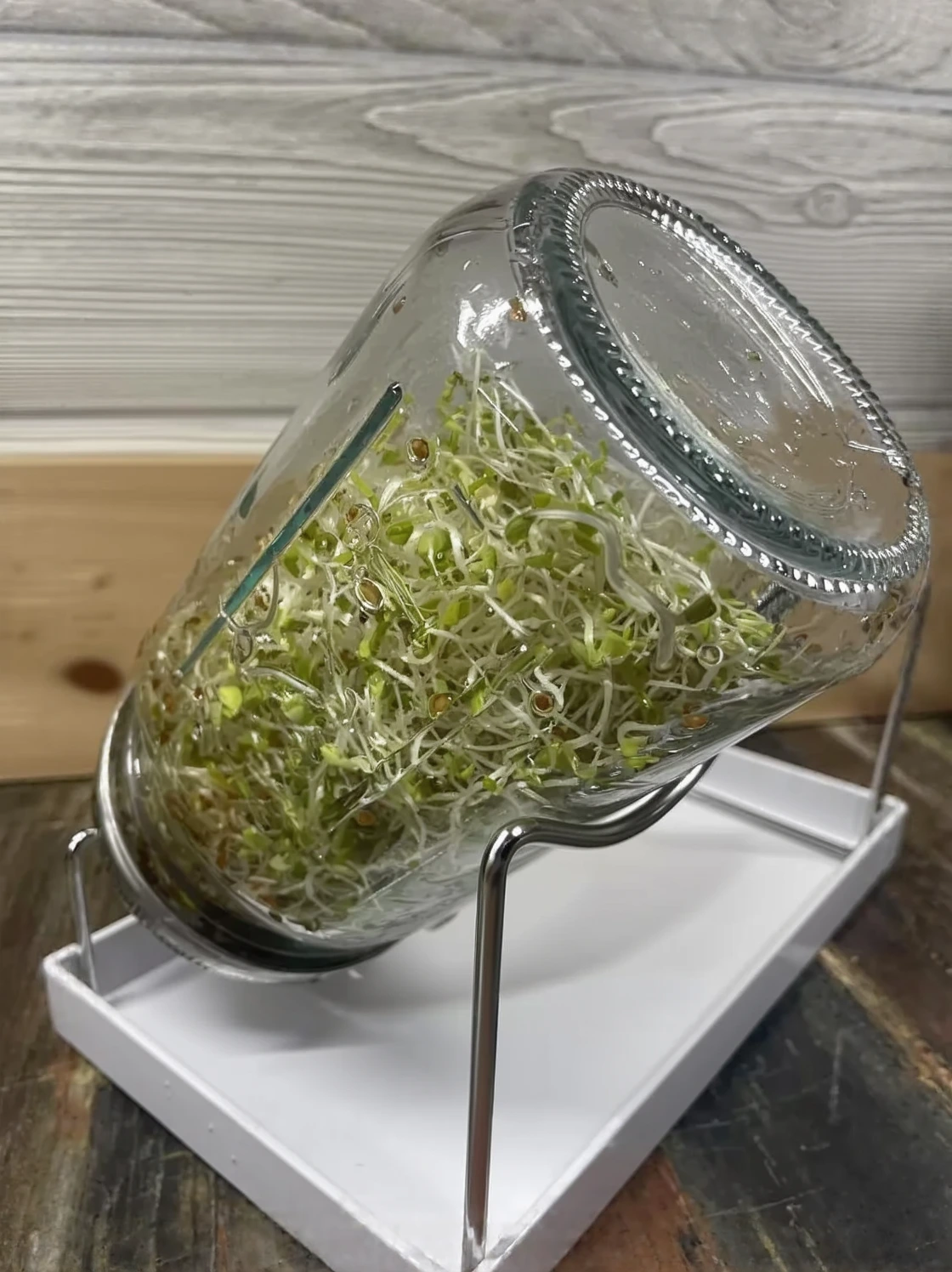
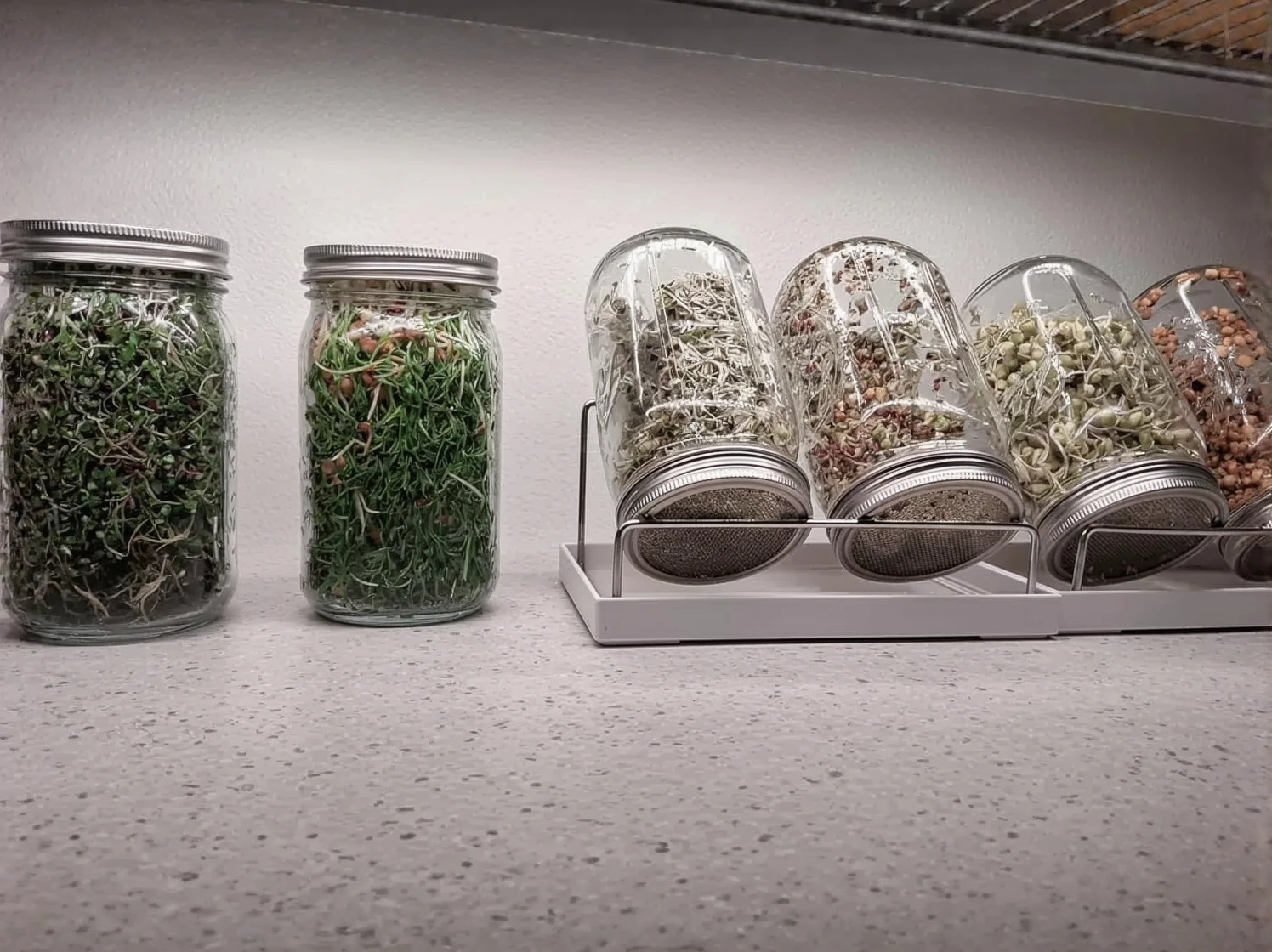
- The kit itself—with its wide-mouth jars, stainless-steel hardware, and darkening covers—removes friction from the daily routine; people report actually using the jars week after week, unlike capsule bottles that get lost in a cupboard.
- You’re not extracting and concentrating one nutrient; you’re harvesting a whole food at peak nutritional density—the vitamins, minerals, fibre, and enzymes arrive together, giving your body far more than a single-compound supplement provides.
- The visible jars on your counter create a natural cue; the simple daily rinse ritual becomes second nature in a way that remembering a pill schedule rarely achieves. Many people find the hands-on aspect genuinely satisfying.
Launching Your Sprouting Practice: The Essentials
Getting your kit operational requires attention to a few foundational details. Seed selection is your starting point—mung beans, alfalfa, broccoli, and radish seeds all deliver robust enzyme profiles and germinate reliably. Reach for freshly purchased seeds, not the packet that’s been sitting in your pantry for two years; viability is non-negotiable for successful sprouting.
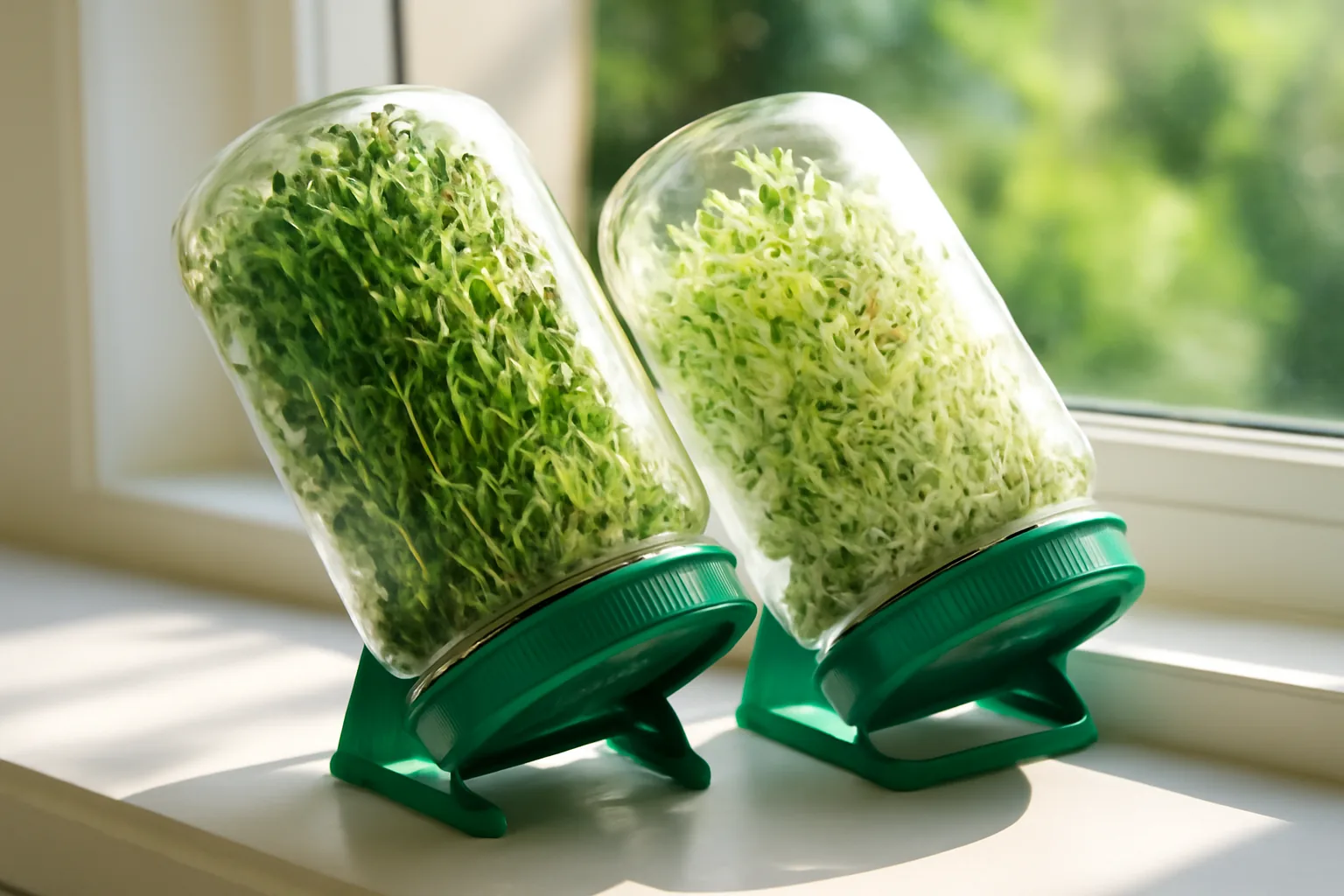
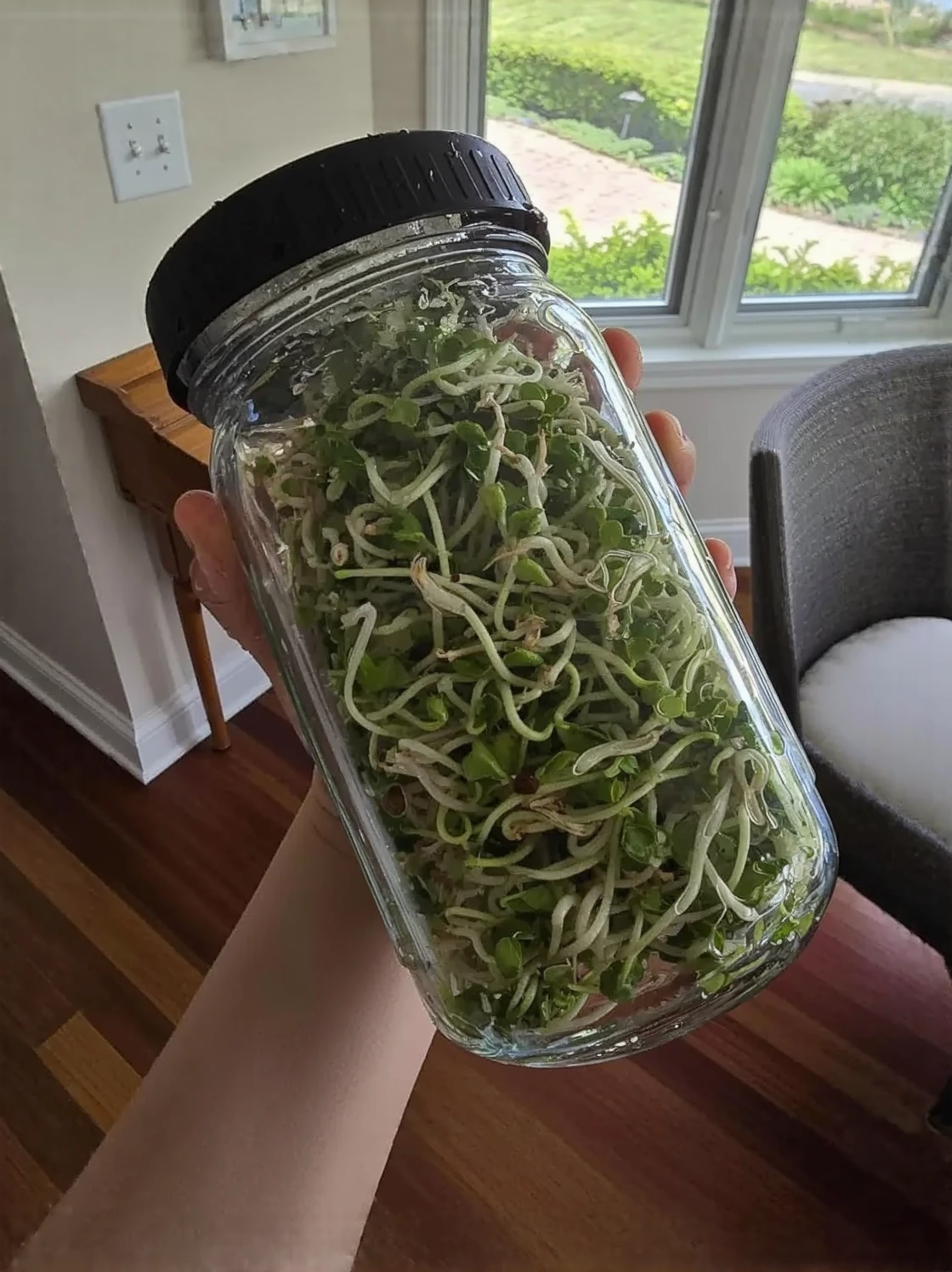
The process itself unfolds simply: submerge your seeds for 8–12 hours, then establish a rhythm of draining and rinsing twice per day. The blackout sleeves are there for a reason—most seeds germinate fastest in darkness—though exposing them to gentle light in the final stages coaxes out chlorophyll and boosts the nutritional profile. Depending on seed variety and room temperature, you’ll typically harvest sprouts between day three and day seven.
I suggest beginning with a single jar to build confidence and familiarity with your specific environment (kitchen temperature, humidity, light). Keep brief notes on seed type and harvest day. This small investment in tracking prevents the overwhelm that comes with juggling multiple jars, and it teaches you the rhythms your setup prefers.
Building Sprouts Into Your Daily Eating Patterns
Sprouts slip easily into nearly every meal format you already eat. Scatter them across salads, whisk them into smoothie blends, layer them onto sandwiches, or crown a grain bowl with them. I encourage thinking of sprouts as a vegetable staple—something with lunch and something with dinner—rather than a garnish you remember occasionally. This consistency delivers active enzymes at the precise moments when your stomach and small intestine are working hardest.
When digestion feels sluggish, pairing sprouts specifically with protein- or fat-forward meals seems to produce the most obvious benefit. The enzymatic activity directly supports the breakdown of these nutritionally dense but metabolically demanding foods.
Where Sprouting Reaches Its Limits
- Sprouting enhances your diet but does not diagnose or treat IBS, coeliac disease, inflammatory bowel conditions, or other medically diagnosed disorders—if persistent bloating or pain is present, that warrants investigation by your doctor, not reliance on enzyme-rich food alone.
- If your immune system is compromised or you’ve experienced serious food poisoning, check with your GP before sprouting at home; bacterial contamination in sprouted seeds, though uncommon, poses genuine risk for certain individuals and isn’t worth the gamble.
- Expect gradual accumulation of benefits, not immediate transformation; if you’re hoping to resolve bloating overnight, sprouting may feel slow. Digestive adaptation typically unfolds across weeks rather than days as your system adjusts to increased enzyme availability.
Pitfalls That Trip People Up
Drainage discipline matters considerably. Sprouts need consistent moisture but not standing water; over-wet jars invite mould, while jars that dry out stall germination. Mastering the rinse-and-drain rhythm prevents this most common failure point. Another trap is ambition—testing five seed varieties in your first week often leads to confusion about which worked and why. Narrow your focus to one type until the process becomes automatic, then expand your repertoire.
Taste varies dramatically by sprout type, too. Alfalfa carries a neutral, mild character; broccoli sprouts deliver a peppery punch and concentrate enzyme activity; mung beans offer subtle sweetness. Discovering which flavours you naturally reach for ensures the habit becomes woven into your actual eating life, not abandoned because you’re forcing down tastes you don’t enjoy.
Sprouting is a tool for optimizing digestion in a generally healthy gut, not a replacement for diagnosis or medical oversight when symptoms are severe or persistent. If you’re ready to start, Organic Seed Sprouting Jar Kit – 2 × 32 oz Wide-Mouth Mason Jars with Stainless-Steel Sprouter Lids & Stand, Blackout Sleeves, Drain Tray is the kit I’ve watched people stick with longest.
About This Article

Written by Alex Mercer. Alex Mercer has lived with IBS since childhood and isn't a nutritionist or a doctor. After years of being told he was anxious or would grow out of it, he spent more than 12 years reading the research properly, and now shares what he has learned with the family, friends and support-group members who come to him with the same questions. He translates peer-reviewed research into practical, honest advice, and is always upfront about what the evidence does and does not show. More about this site.
Scope and limits. Alex is not a doctor, dietitian, or nutritionist, and nothing here is medical advice. Talk to a clinician before changing your diet, starting a supplement, or acting on symptoms — especially persistent or worsening ones.
Verify this against a primary source
Specifics change, and your situation may differ from the one described here. These are the authorities worth checking directly:
- NIDDK — digestive disease research and clinical guidance
- MedlinePlus — plain-language medical reference from the NIH
- Mayo Clinic — symptom and condition reference