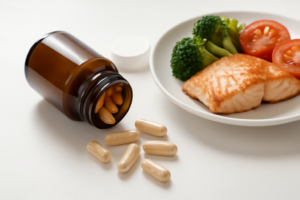
When clients come to me complaining of persistent bloating, heaviness after meals, or undigested food in their stools, one of the first things I explore is whether they are getting enough digestive enzyme support from their diet. Before I ever reach for a supplement recommendation, I want to know what natural digestive enzymes they are eating — because whole foods contain enzymes in forms that work synergistically with the body in ways supplements simply cannot replicate.
The reality is that digestive enzymes are proteins that break down the foods we eat into smaller molecules our bodies can actually absorb. Without adequate enzyme activity, you can eat the most nutrient-dense meal imaginable and still walk away malnourished. In my 15 years of nutritional practice, I’ve seen remarkable improvements in digestive comfort, energy levels, and nutrient absorption simply by helping clients identify and consistently consume enzyme-rich whole foods.
Today, I want to share the 12 best natural sources of digestive enzymes that I recommend to nearly every client experiencing digestive sluggishness.
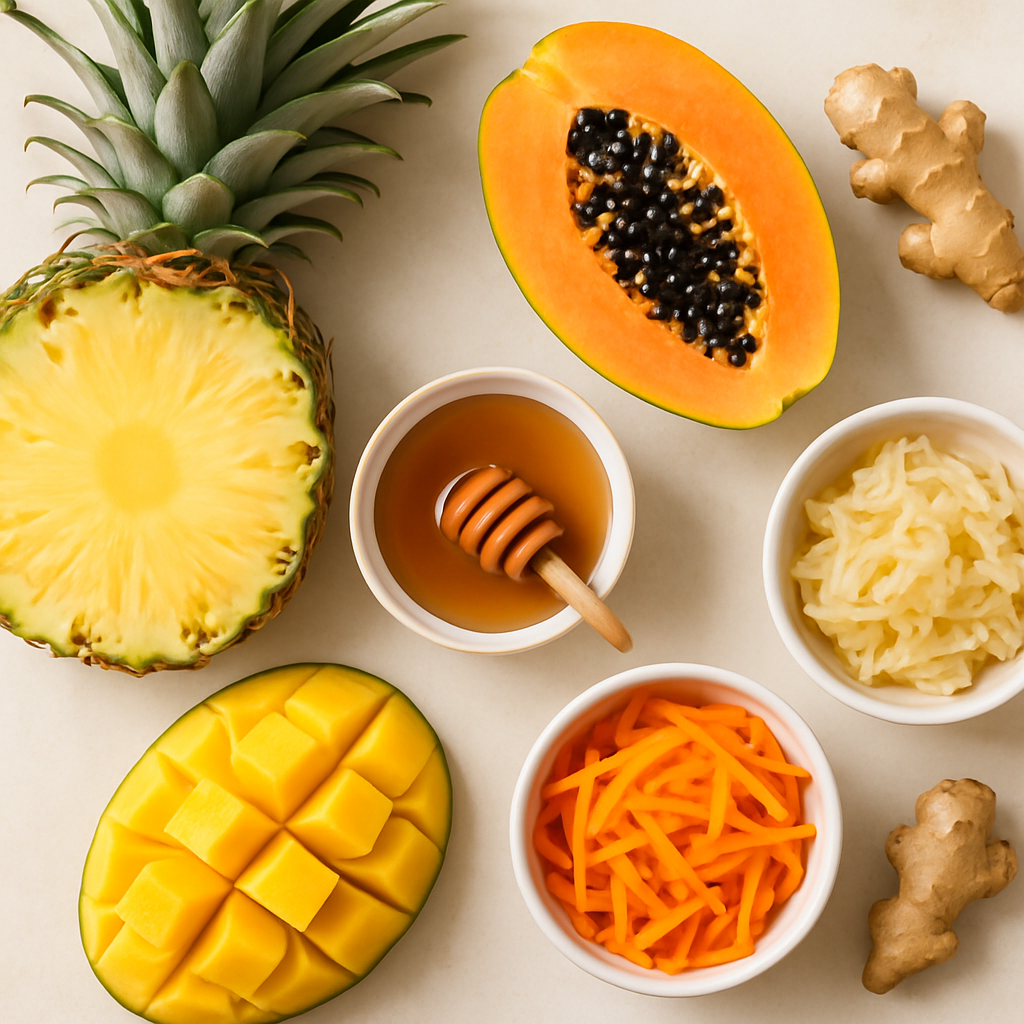
Understanding Natural Digestive Enzymes and Why They Matter
Digestive enzymes are produced naturally throughout your digestive tract — in your saliva, stomach, pancreas, and small intestine. However, enzyme production naturally declines with age, stress, and poor diet quality. Research published in the American Journal of Gastroenterology suggests that roughly 20% of adults over 60 experience clinically insufficient enzyme production, a condition that often goes undiagnosed.
This is where natural digestive enzymes from food become so valuable. Unlike synthetic supplements, food-based enzymes arrive alongside the nutritional matrix they evolved to work with — fiber, cofactors, and phytonutrients that enhance their effectiveness.
The three main categories of digestive enzymes you need to know about are:
- Proteases: Break down proteins into amino acids
- Lipases: Break down fats into fatty acids and glycerol
- Amylases: Break down carbohydrates into simple sugars
The Top 12 Natural Food Sources of Digestive Enzymes
1. Pineapple (Bromelain)
Fresh pineapple is my go-to recommendation when a client needs immediate protease support. The enzyme bromelain has been extensively studied — it’s a proteolytic enzyme that breaks down protein molecules and, according to research in Biotechnology Advances, may even support healthy inflammatory responses in the digestive tract.
One medium pineapple contains approximately 80–100 mg of active bromelain. Importantly, bromelain is destroyed by heat, so I always encourage clients to eat fresh pineapple or consume it in raw juice form. Canned pineapple will have negligible enzyme activity.
2. Papaya (Papain)
Papain, the primary protease found in raw papaya, is another enzyme I frequently recommend. In my practice, I’ve found that clients who incorporate papaya into their diet report improved digestion of heavier meals, particularly those rich in protein.
A medium papaya contains roughly 200–400 mg of papain enzyme activity. Like bromelain, papain is sensitive to heat, so eat papaya raw for maximum benefit. This tropical fruit is also rich in fiber and vitamin C, which support overall digestive health.
3. Kiwifruit (Actinidin)
Kiwi contains an enzyme called actinidin, a protease that I consider underrated in digestive health circles. Research from the journal Nutrients indicates that kiwifruit consumption may support protein digestion and improve digestive comfort in individuals with mild digestive dysfunction.
One medium kiwi fruit provides measurable levels of this enzyme. The added bonus: kiwis are available year-round and travel well, making them an easy addition to breakfast or snacks.
4. Ginger (Zingibain)
Fresh ginger contains zingibain, a protease that works alongside ginger’s other compounds to support digestive motility and enzyme secretion. When a client presents with slow digestion or food feeling “stuck,” I often recommend adding fresh ginger to meals.
Use 1—2 inches of fresh ginger root grated or sliced into tea, stir-fries, or smoothies. The enzyme activity is highest in fresh ginger; powdered ginger has reduced enzyme content.
5. Mango (Amylase)
Mango is rich in amylase enzymes, which break down carbohydrates. I recommend mango to clients who struggle specifically with grain digestion or who experience bloating after starchy meals.
Eat mango ripe and raw — the enzyme content peaks at full ripeness and diminishes once cooked.
6. Avocado (Lipase)
Avocado is one of the few whole foods rich in lipase enzymes, which are essential for fat digestion. This is particularly important because lipase deficiency often goes unrecognized, leading clients to unnecessarily avoid healthy fats.
One medium avocado provides significant lipase activity. Since avocados are naturally consumed raw, you get the full enzyme benefit.
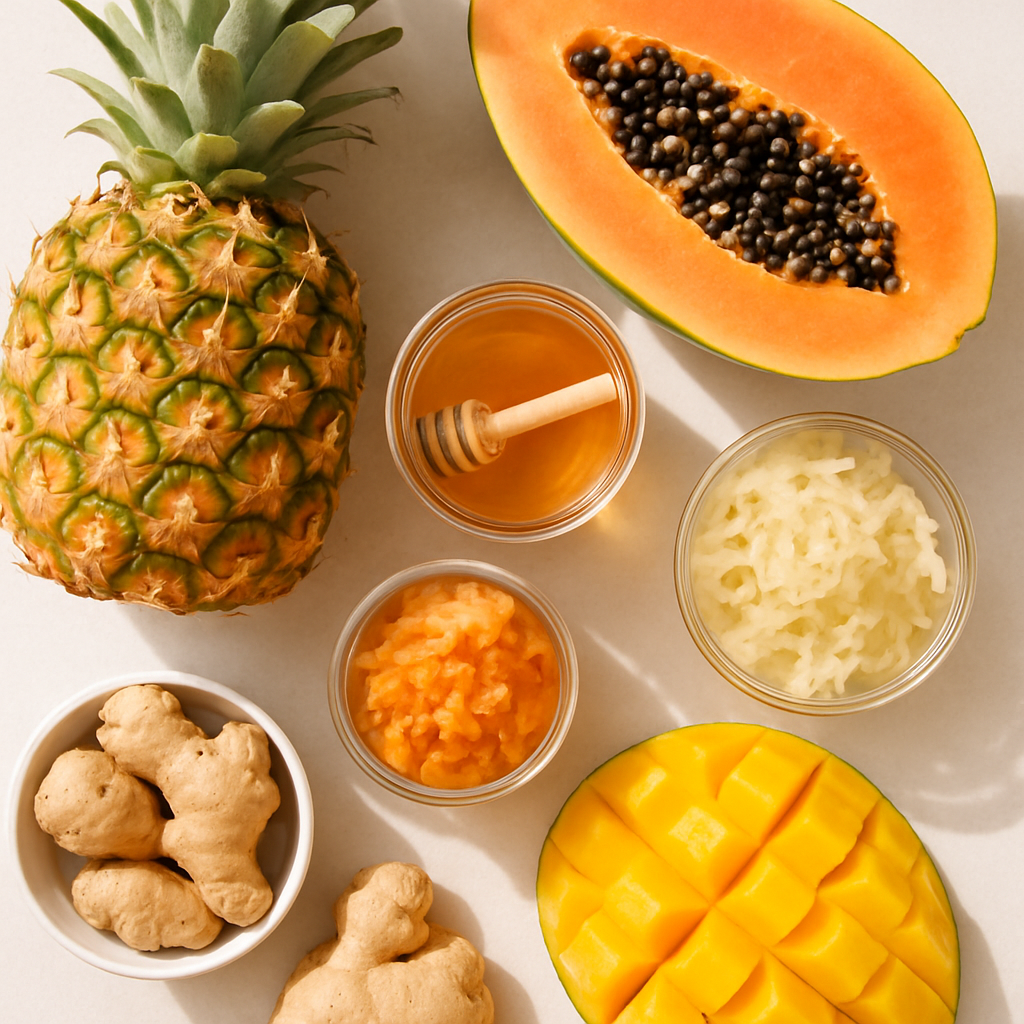
7. Bananas (Amylase)
Bananas contain amylase and other carbohydrate-digesting enzymes. Interestingly, the enzyme content varies with ripeness — slightly green bananas contain more resistant starch, while fully ripe bananas have higher amylase activity.
I recommend ripe bananas (with brown spots) to clients specifically working to improve carbohydrate digestion.
8. Raw Honey (Multiple Enzymes)
Raw, unpasteurized honey contains amylase, lipase, and protease enzymes. A 2015 study in the Journal of the Science of Food and Agriculture confirmed that raw honey retained significantly more enzyme activity than processed honey.
One to two teaspoons of raw honey daily provides enzyme support. Look for honey labeled “raw” — pasteurized honey has lost much of its enzyme activity.
9. Sauerkraut and Fermented Vegetables (Multiple Enzymes)
During fermentation, beneficial bacteria produce enzymes that support digestion. The longer vegetables are fermented, the greater the enzyme activity. When I recommend sauerkraut or kimchi, I specifically suggest unpasteurized versions to preserve these live enzymes.
A quarter-cup serving daily provides meaningful enzyme and probiotic support.
10. Raw Milk and Kefir (Lipase and Lactase)
Raw, unpasteurized dairy contains natural lipase and lactase enzymes. For clients who tolerate dairy, raw milk and kefir provide both digestive enzyme support and beneficial bacteria. Pasteurized dairy has these enzymes deactivated by heat.
If raw dairy isn’t available or suitable for your diet, full-fat yogurt and kefir still contain some enzyme activity and are more accessible options.
11. Sprouts and Sprouted Grains (Multiple Enzymes)
The sprouting process dramatically increases enzyme production. When seeds sprout, their enzyme content can increase 300% or more. Sprouted grains, legumes, and seeds are among the most enzyme-dense foods available.
I often recommend sprouted grain bread to clients rather than conventional whole grain bread for this reason.
12. Garlic and Onions (Alliinase)
These allium vegetables contain alliinase enzymes that are activated when the plant cells are broken down — through chopping, crushing, or chewing. Beyond enzyme support, garlic and onions support healthy gut bacteria and overall digestive function.
Use fresh, chopped or minced garlic and onions in your meals for maximum enzyme activation. Cooking them whole or intact reduces enzyme benefit.
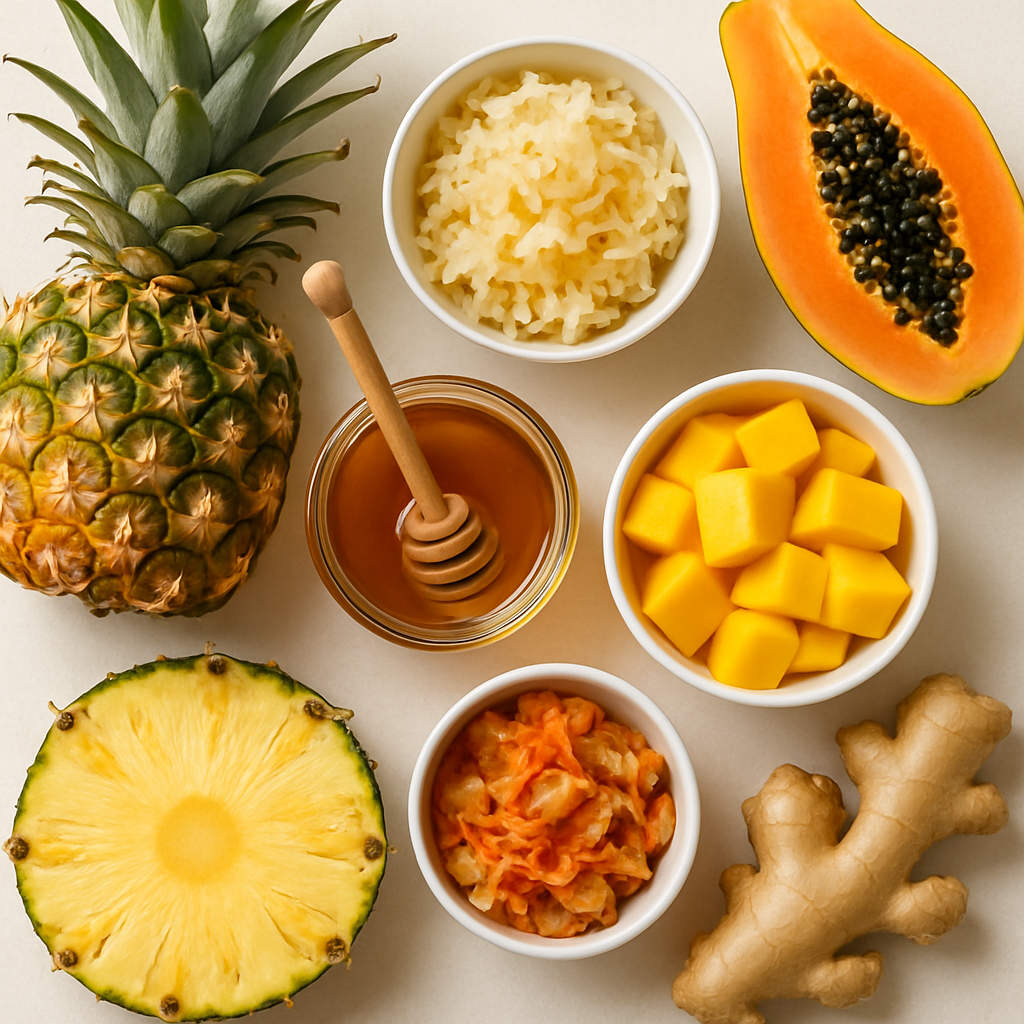
The Bromelain Supplement I Recommend When Protein Digestion Is the Culprit
If heaviness after meat, poultry, or protein-rich meals is your main complaint, bromelain—a proteolytic enzyme from pineapple—is often the first supplement I reach for because it directly targets protein breakdown and has the strongest research backing among food enzymes. It’s particularly useful for clients whose bloating and discomfort seem tied to undigested protein rather than overall digestive sluggishness.
What works
- Bromelain is absorbed intact in the small intestine and has been shown in clinical studies to improve protein digestibility and reduce post-meal bloating when taken consistently for 7–10 days, not just once.
- The GDU/g rating (Gelatin Digestion Units) on quality supplements like this one tells you the actual enzyme activity—this formulation at 2,400 GDU/g is potent enough to make a measurable difference without being oversold.
- Unlike some enzyme blends, a pure bromelain supplement won’t mask other digestive issues (like low stomach acid or FODMAP sensitivity), so if it doesn’t help, you have clearer information about what’s really going on.
What doesn’t
- Bromelain works best on protein; if your bloating comes after carbohydrates or fats, you’ll likely see no benefit, and this isn’t the right tool for that picture.
- If you’re on blood thinners (warfarin, aspirin, or anticoagulants), bromelain can potentiate their effect—talk to your GP or pharmacist before starting, as this isn’t a supplement you can experiment with safely in that context.
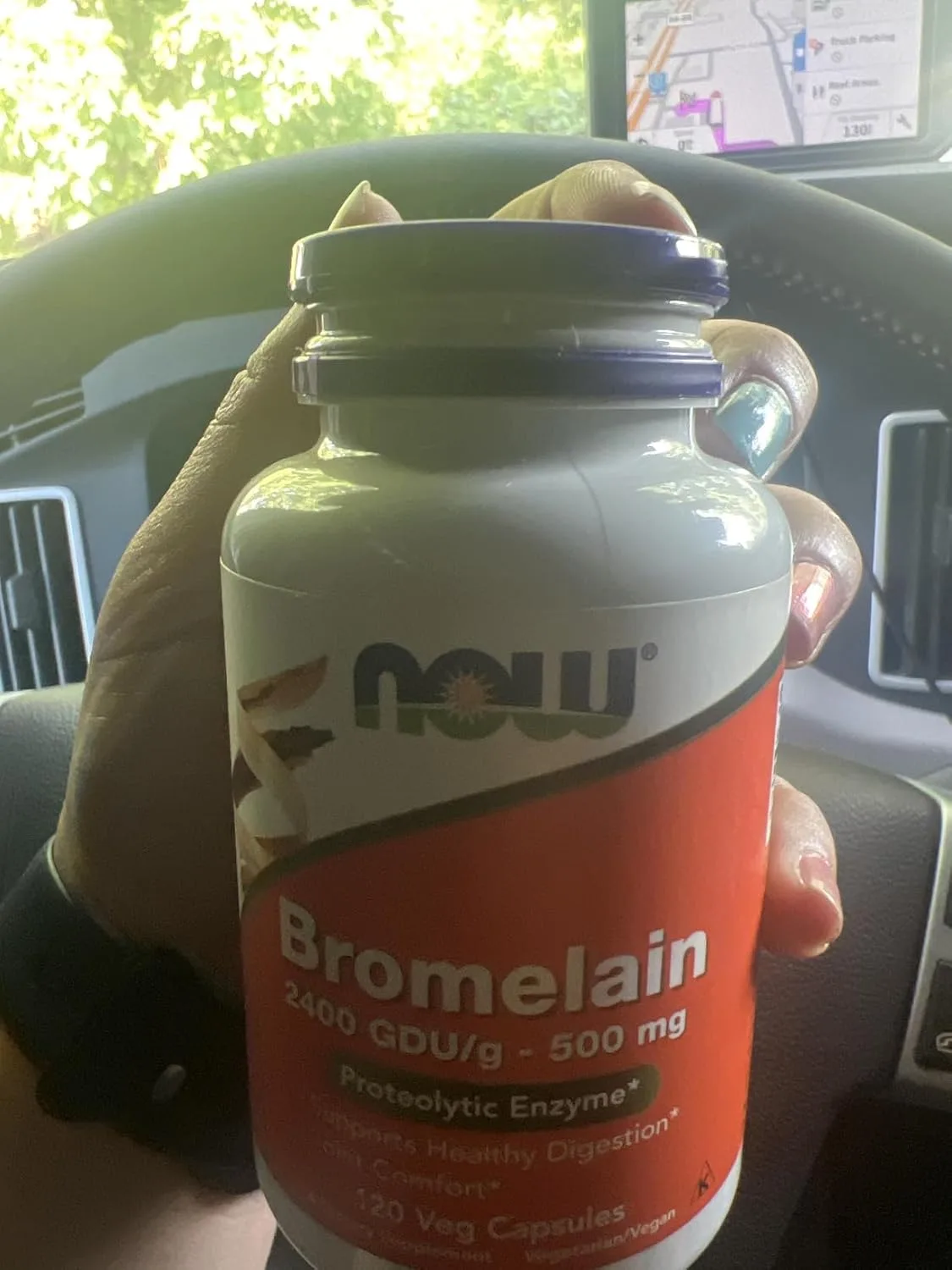
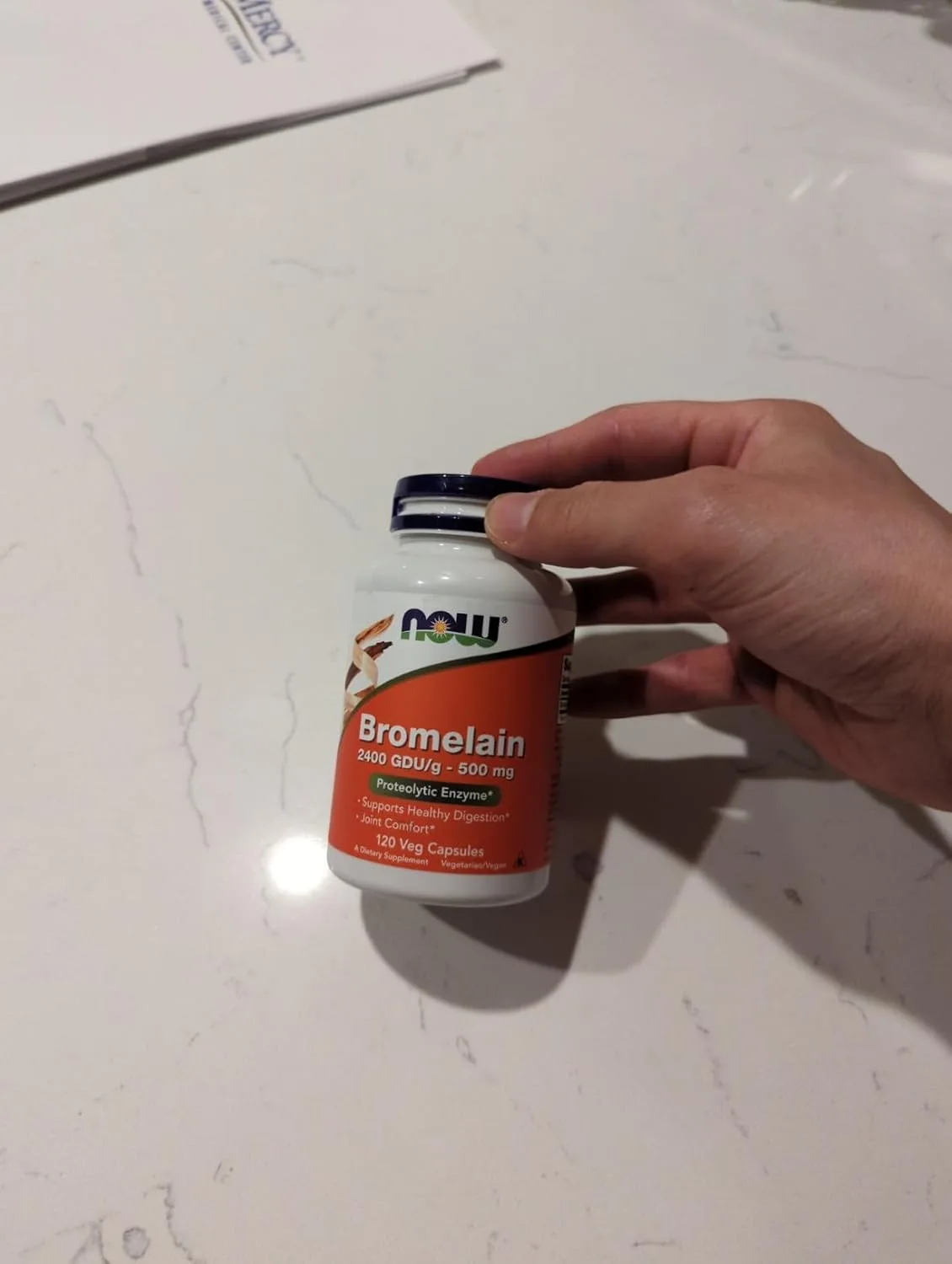
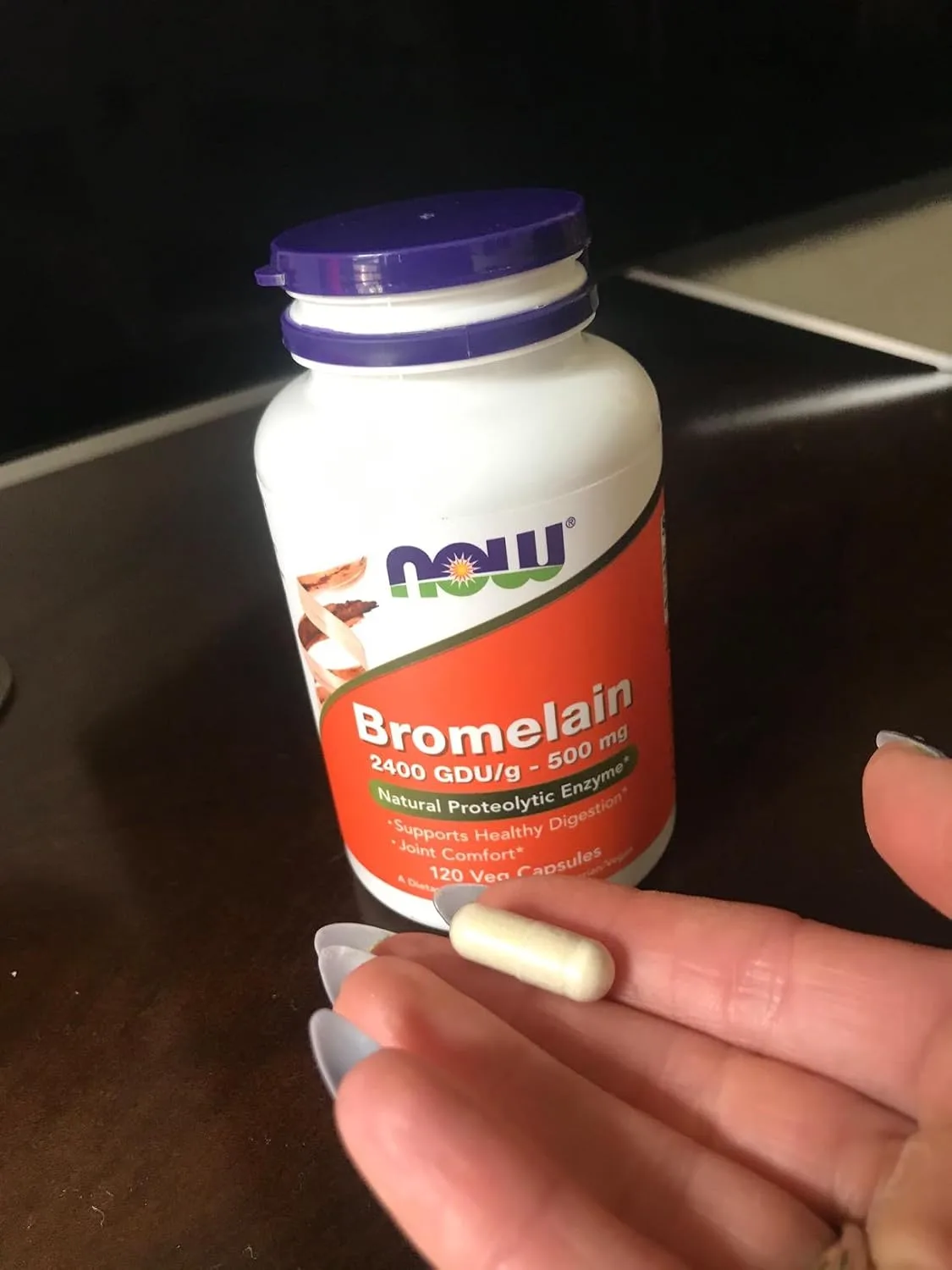
This supplement works best as part of a bigger picture: if your digestion is genuinely impaired, enzyme support can help, but if the real issue is food timing, stress, or an underlying condition like coeliac disease or IBS, no supplement will fix that alone. NOW Foods Supplements Bromelain 2,400 GDU/g 500 mg
This post contains affiliate links. As an Amazon Associate, I earn from qualifying purchases at no extra cost to you.
This post contains affiliate links. As an Amazon Associate I earn from qualifying purchases at no extra cost to you.