0 Comments

This post contains affiliate links. As an Amazon Associate, I earn from qualifying purchases at no extra cost to you.
I am a qualified nutritionist, not a gastroenterologist. The experiences shared here are personal and clinical observations. Always consult your doctor before starting any new supplement, especially if you take medication.

Over the past fifteen years, low stomach acid has been one of the most overlooked patterns I see in clinical practice. Clients arrive complaining of bloating after meals, undigested food in stools, and that relentless heavy feeling that sits in the chest long after eating. Many have been told their digestion is “fine.” In my experience, it rarely is. When a trusted colleague recommended I personally trial NOW Super Enzymes low stomach acid support in my own routine — during a period when I was experiencing post-meal fatigue and visible food remnants I wasn’t happy about — I decided to test it properly rather than simply recommend it blindly to clients.

Hypochlorhydria, or low stomach acid, affects a surprisingly large portion of adults, particularly those over forty and those under chronic stress. Research published in the Journal of the American Medical Association suggests that acid-suppressing medications, now among the most prescribed drugs globally, may compound this issue significantly. Without adequate stomach acid, protein digestion suffers, mineral absorption drops, and the digestive cascade downstream becomes compromised. That is the clinical backdrop against which I approached this test.

What followed was a focused six-week trial. I tracked my symptoms methodically, monitored stool quality using the Bristol Stool Scale, and paid close attention to energy levels and post-meal comfort. Here is exactly what I found.

Why I Chose NOW Super Enzymes for Low Stomach Acid

The digestive enzyme market is genuinely crowded. Many products lean heavily on a single enzyme, usually bromelain or protease, and call it done. That approach has never satisfied me clinically. Low stomach acid creates a multi-stage problem. You need support at the gastric level, at the small intestinal level, and for fat digestion specifically.

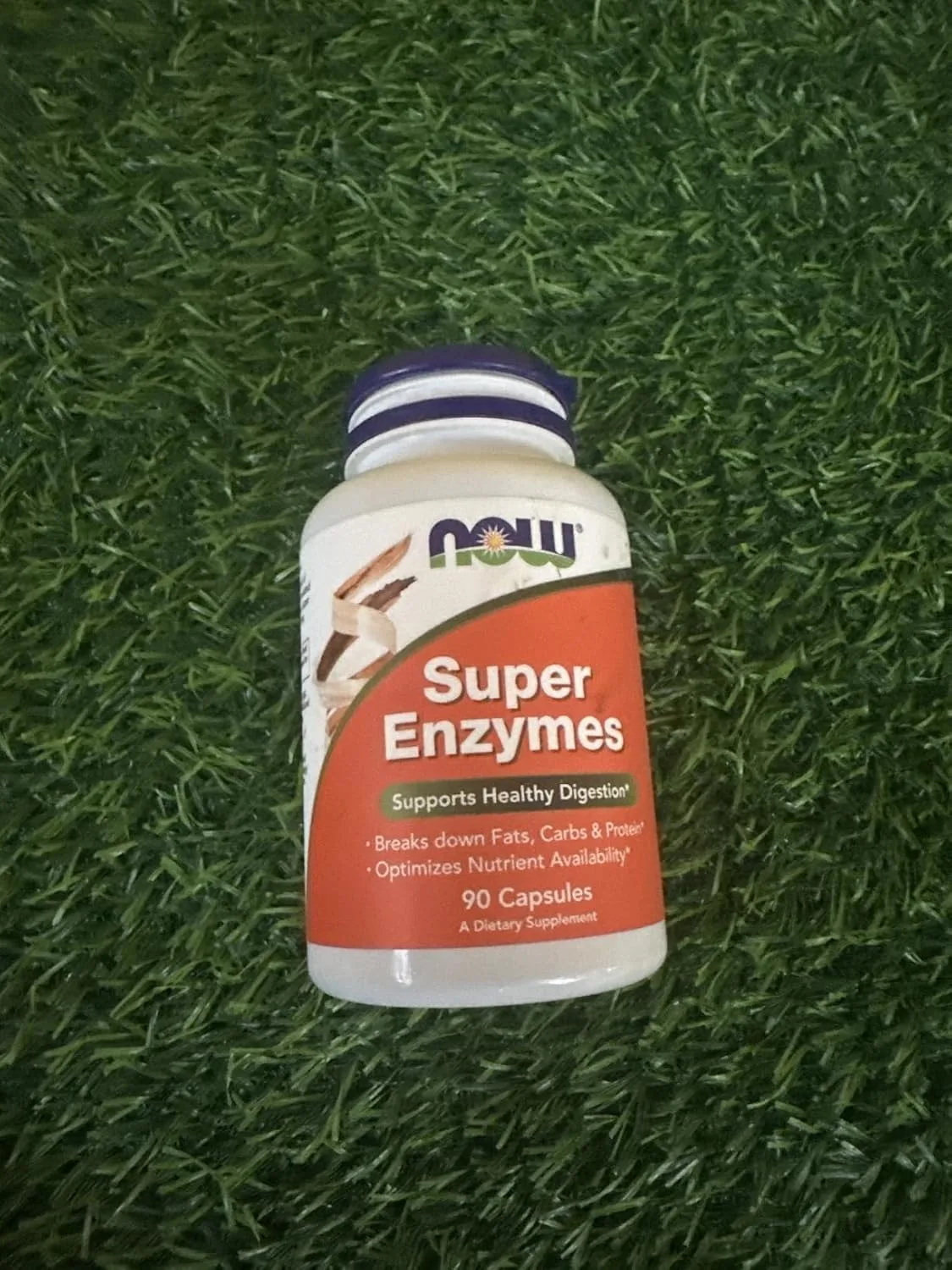
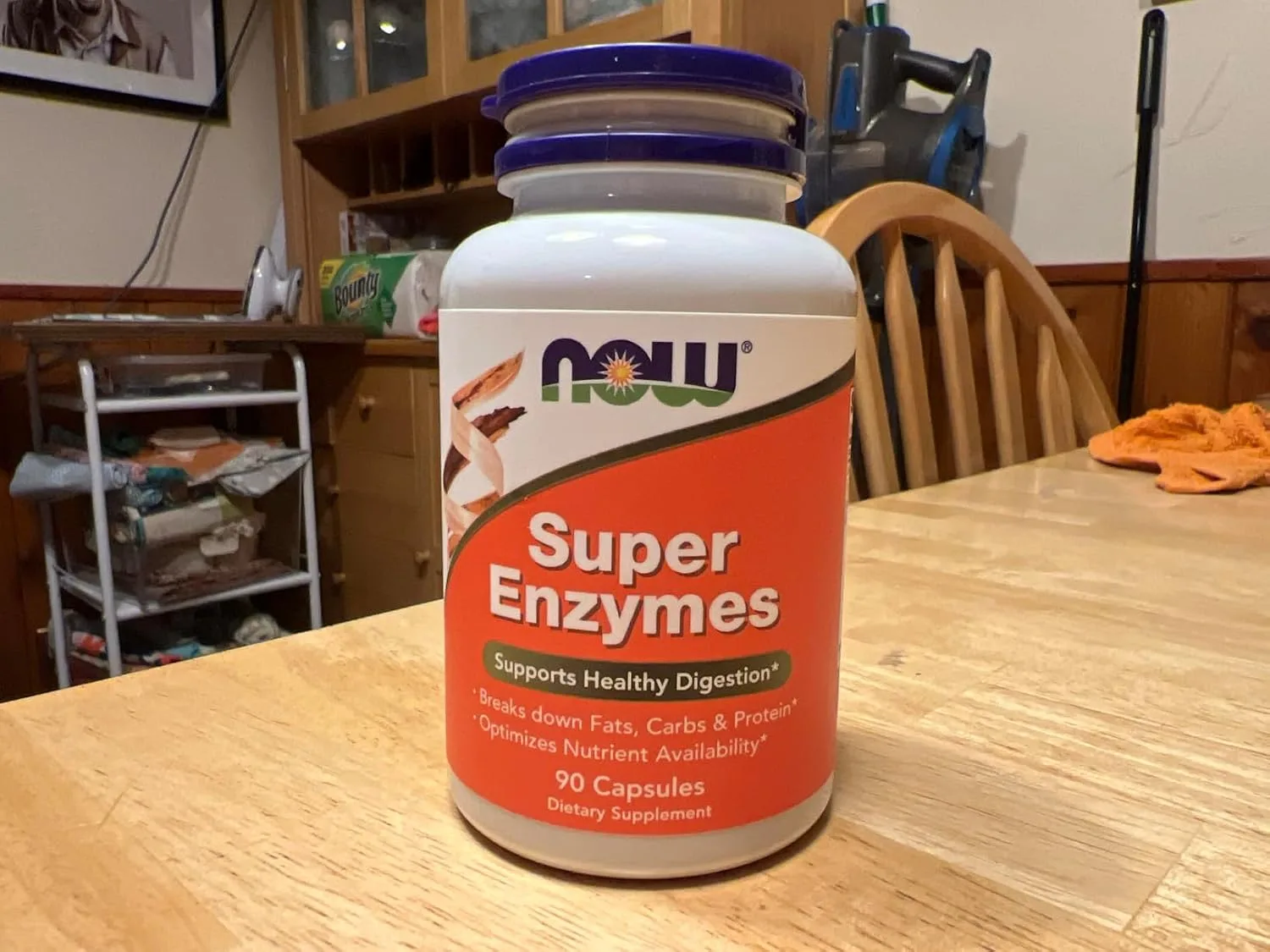
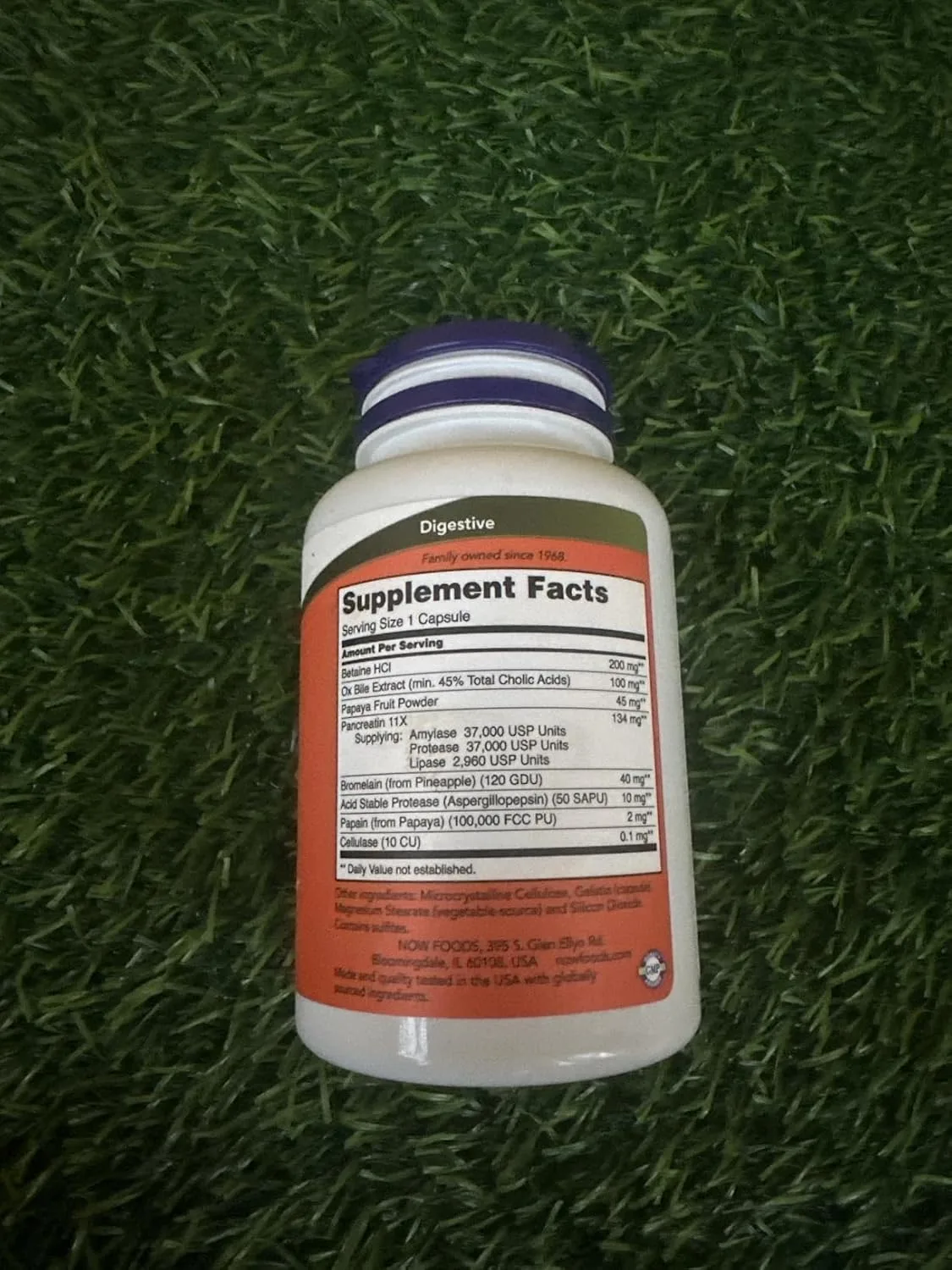
The NOW Foods Supplements, Super Enzymes, Formulated with Bromelain, Ox Bile, Pancreatin and Papain, 180 Capsules addresses each of those stages. That specificity is what drew me to it over single-enzyme competitors.

The Key Ingredients and Why They Matter

  • Pancreatin — A full-spectrum pancreatic extract delivering protease, lipase, and amylase. Research suggests pancreatin supplementation meaningfully improves fat absorption in individuals with compromised digestive output. It mimics what the pancreas releases in response to a well-acidified stomach signal.
  • Ox Bile Extract — This is the ingredient that genuinely differentiates this formula. Bile is essential for fat emulsification and fat-soluble vitamin absorption. Many enzyme blends skip it entirely. For clients with sluggish gallbladder function or those who’ve had cholecystectomies, ox bile can be transformative. A 2020 review in Nutrients confirmed that exogenous bile acid supplementation supports lipid digestion in compromised digestive environments.
  • Bromelain — A plant-derived protease from pineapple stem. It remains active across a wide pH range, which matters when stomach acid is low and gastric pH sits higher than ideal.
  • Papain — A papaya-derived protease that works synergistically with bromelain to break down dietary proteins more completely.

Together, these four components address protein digestion, fat digestion, carbohydrate digestion, and bile flow. In my clinical experience, that comprehensive approach is exactly what a low-acid digestive environment needs.

First Impressions: Packaging, Dosing, and Ease of Use

The 180-capsule bottle is solid and well-sealed. NOW Foods is a brand I’ve trusted for years. Their manufacturing standards are GMP-certified, and they publish third-party testing results. That matters to me when recommending supplements to clients who may be on medications or managing chronic conditions.

The capsules themselves are medium-sized. Most of my clients find them easy to swallow. There is no unpleasant taste unless you open the capsule, which I don’t recommend. The label recommends one to two capsules with each meal. Dosing instructions are clear and sensibly conservative.

One thing I appreciated immediately was the capsule format over tablets. Capsules typically dissolve more predictably in a compromised gastric environment. For someone with low stomach acid, a slow-dissolving tablet can pass through partially intact. That small detail signals thoughtful formulation.

The 180-capsule count also makes practical sense. At a starting dose of one capsule per meal across three meals, a bottle lasts sixty days. That is long enough to genuinely assess the product. Smaller bottles run out before you can properly evaluate results.

My Six-Week Testing Protocol

I kept my diet consistent throughout the trial. My meals were balanced — moderate protein, healthy fats, complex carbohydrates. I avoided introducing new supplements. I wanted to isolate the effect of this product specifically.

Dosage and Timing

I started with one capsule at the beginning of each main meal for the first two weeks. This is a conservative clinical approach. Introducing digestive enzymes too aggressively can occasionally cause loose stools, particularly when ox bile is involved. After two weeks without adverse effects, I increased to two capsules per main meal for the remaining four weeks.

Timing matters more than most people realise. Taking enzymes at the start of a meal — not halfway through, not after — allows them to integrate into the digestive process as food arrives in the stomach. I tracked this consistently throughout.

What I Tracked

  • Post-meal bloating (scored 1–10 daily)
  • Stool consistency using the Bristol Stool Scale (target: Type 3–4)
  • Presence of undigested food in stools
  • Post-meal energy levels (1–10 daily)
  • Upper digestive discomfort, including heaviness and early satiety
  • Any adverse reactions, including heartburn or loose stools

I kept a simple daily log in a notes app. Nothing elaborate. Consistency mattered more than complexity.

What Actually Changed: Honest Results With a Timeline

By the end of week one, the change that stood out most was reduced post-meal heaviness. That weighted, lethargic feeling after lunch — which I had normalised over months — was noticeably lighter. My bloating score dropped from a consistent seven to around a four.

Weeks One to Two: Early Shifts

Stool quality moved from predominantly Bristol Type 6 — loose and mushy — toward Type 4 by day ten. That shift is clinically significant. Type 6 stools often indicate that food is moving through too quickly and incompletely digested. The improvement suggested better upstream digestion.

Undigested food particles, which had been a consistent and frustrating observation, reduced noticeably by the end of week two. Not eliminated, but meaningfully reduced. That told me the pancreatin and plant protease combination was doing real work.

Weeks Three to Six: Building Results

After increasing to two capsules per meal, the improvements compounded. By week four, post-meal bloating averaged around two to three out of ten. For context, that number had rarely dropped below six before the trial. Post-meal energy improved substantially. Previously, I would feel sluggish for ninety minutes after lunch. That pattern largely resolved.

The ox bile component deserves specific credit here. In my clinical experience, fat digestion is frequently the most compromised element in low-acid presentations. Better fat digestion tends to mean better satiety, more stable energy, and improved absorption of fat-soluble vitamins A, D, E, and K. All of those downstream effects align with what I observed by weeks five and six.

I also noticed — and this is subjective — that my skin appeared clearer by week six. I wouldn’t attribute this definitively to the supplement. However, research does link poor fat-soluble vitamin absorption, particularly vitamin A, with skin integrity. It’s worth noting without overstating.

The Downsides You Should Know

Honesty matters here. This product is not without limitations.

First, the moment of doubt. Around day nineteen, I had two days of loose stools — Bristol Type 5 to 6 — following meals where I had eaten higher-fat foods. My working hypothesis is that ox bile triggered more vigorous fat digestion than my gut was immediately ready for. The effect resolved within forty-eight hours without any change to dosing. However, it was a reminder that bile-containing supplements can have a laxative effect, particularly when introduced into a system that has been under-producing bile.

Who Should Exercise Caution

  • People with active peptic ulcers or gastritis — Enzyme and bile supplements may aggravate these conditions. Please consult your GP before using this product.
  • Those on blood-thinning medications — Bromelain has demonstrated mild anticoagulant properties in research. If you take warfarin, clopidogrel, or similar drugs, check with your prescriber first.
  • Individuals who have had gallbladder removal — Interestingly, ox bile can be highly beneficial post-cholecystectomy, but the dose needs careful management. Start with one capsule and increase slowly.
  • Anyone with known pancreatic conditions — Exogenous pancreatin supplementation should be medically supervised in these cases.

Additionally, this product does not contain betaine HCl. For clients with very significant hypochlorhydria, adding a separate HCl supplement alongside this formula may produce better results. This product addresses the enzyme and bile side of digestion effectively. It does not directly raise stomach acid levels. That distinction is important.

The capsule contains gelatin, so it is not suitable for vegetarians or vegans. That is worth flagging for those with dietary restrictions.

Final Verdict: Who Should Buy NOW Super Enzymes for Low Stomach Acid

After six weeks of structured testing, I consider the NOW Foods Supplements, Super Enzymes, Formulated with Bromelain, Ox Bile, Pancreatin and Papain, 180 Capsules one of the most clinically well-designed over-the-counter enzyme formulas I have personally used. The combination of pancreatin, ox bile, bromelain, and papain addresses digestion comprehensively. For NOW Super Enzymes low stomach acid support specifically, the inclusion of ox bile is the differentiating factor that most competing products miss entirely.

This Product Is a Strong Fit For:

  • Adults experiencing post-meal bloating, heaviness, or fatigue
  • Anyone noticing undigested food in stools
  • Individuals over forty with declining digestive output
  • Those with sluggish gallbladder function or post-cholecystectomy (with medical guidance)
  • People coming off long-term proton pump inhibitor use (under GP supervision)

Related Posts