I am a qualified nutritionist, not a gastroenterologist. The experiences shared here are personal and clinical observations. Always consult your doctor before starting any new supplement or dietary change, especially if you take medication.
Over the past fifteen years working as a gut health nutritionist, I have recommended fermented foods to hundreds of clients. Sauerkraut consistently sits near the top of my list. The research behind it is compelling — naturally fermented cabbage delivers live Lactobacillus plantarum and Leuconostoc mesenteroides colonies, along with short-chain fatty acids that genuinely support colonic health. Yet finding a reliable fermentation crock sauerkraut setup that actually works at home? That took me far longer than I care to admit.
My own digestive history is relevant here. In my early forties, I developed classic dysbiosis symptoms — bloating after meals, irregular Bristol Scale readings (mostly type 2 and 3), and fatigue that my GP initially attributed to stress. I knew better, professionally speaking. After running a comprehensive stool analysis, I found low Lactobacillus diversity and elevated inflammatory markers. I decided to rebuild through food first, supplements second. Homemade sauerkraut became a cornerstone of that protocol.
The Equipment That Actually Keeps Fermentation Consistent (So You Get Live Cultures, Not Mould)
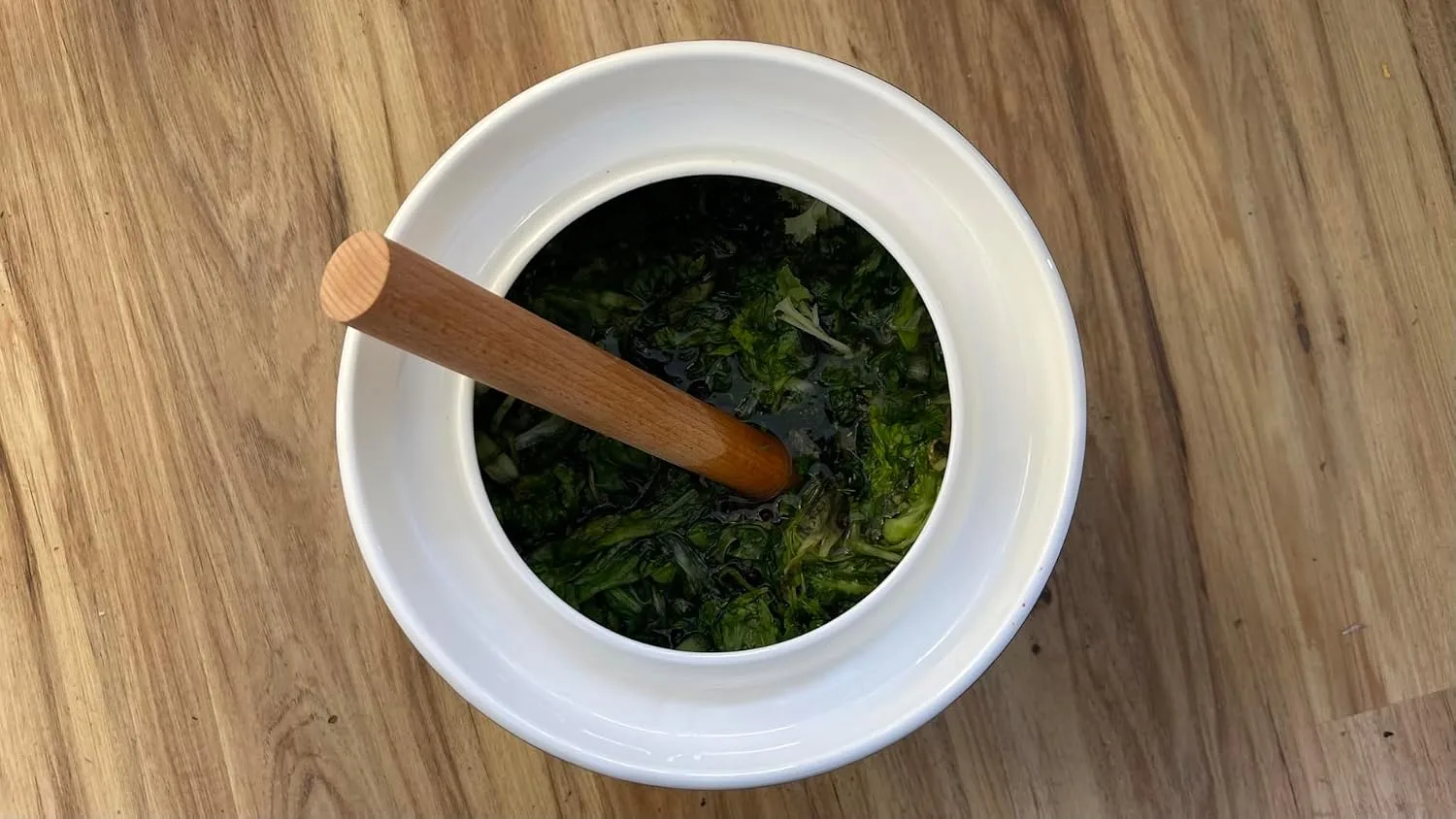
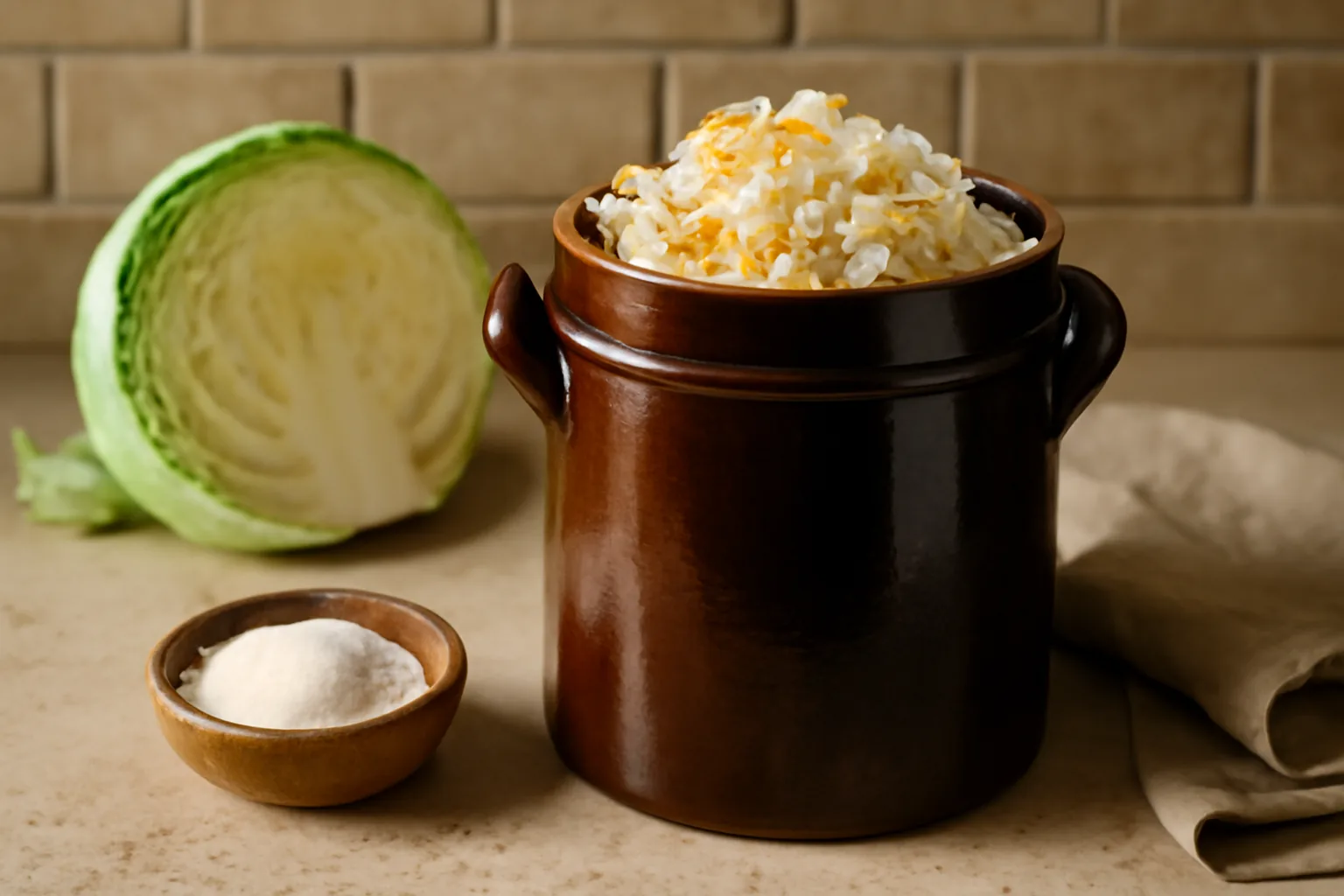
One of the most common reasons clients stop making sauerkraut at home is that their jars either go mouldy or produce an inconsistent product—which defeats the purpose if you’re relying on it for probiotic cultures. A proper fermentation crock with a weight system removes the guesswork and keeps vegetables submerged below the brine, which is non-negotiable for safe, reliable fermentation.
What works
- The ceramic design and airlock system allow CO₂ to escape without letting oxygen (and mould spores) back in—clients report significantly fewer failed batches once they switch from mason jars.
- The included weights keep vegetables fully submerged throughout fermentation, which is the single most important factor in preserving both safety and viable lactobacillus cultures.
- At 7 litres, it’s large enough to justify the effort (making small batches in jars often leads people to give up), but not so large that you’re overwhelmed if fermentation takes longer during colder months.
What doesn’t
- This crock won’t rescue a fermentation that’s already contaminated—if you notice fuzz or an acetone smell early on, the batch is compromised and should be discarded, regardless of equipment quality.
- If you live in a very cold kitchen (below 15°C), fermentation will slow dramatically and take 4–6 weeks instead of 3, which can test anyone’s patience; a warm cupboard or heating belt may be necessary.
A fermentation crock is a tool that supports consistency, not a magic solution—you still need good salt ratios and hygiene—but it removes the single biggest barrier most home fermenters face. TOMO Fermentation Crock with Weights – Ceramic Sauerkraut Pickling Crock – Stoneware Kombucha Brewing (7L)
This post contains affiliate links. As an Amazon Associate, I earn from qualifying purchases at no extra cost to you.