The kefir vs yogurt question comes up in almost every initial consultation I have with clients trying to improve their gut health through diet. Both are fermented dairy foods, both contain probiotics — but they are not interchangeable. The differences in probiotic diversity, CFU counts, and tolerability matter enormously depending on what your gut actually needs.
After nearly a decade in clinical nutrition practice, I’ve learned that the “best” fermented food isn’t one-size-fits-all. Some clients thrive on kefir within days; others tolerate yogurt far better. Understanding what sets these two apart will help you make an informed choice based on your individual digestive health goals.
Probiotic Content: Kefir Wins on Diversity, Yogurt on Simplicity
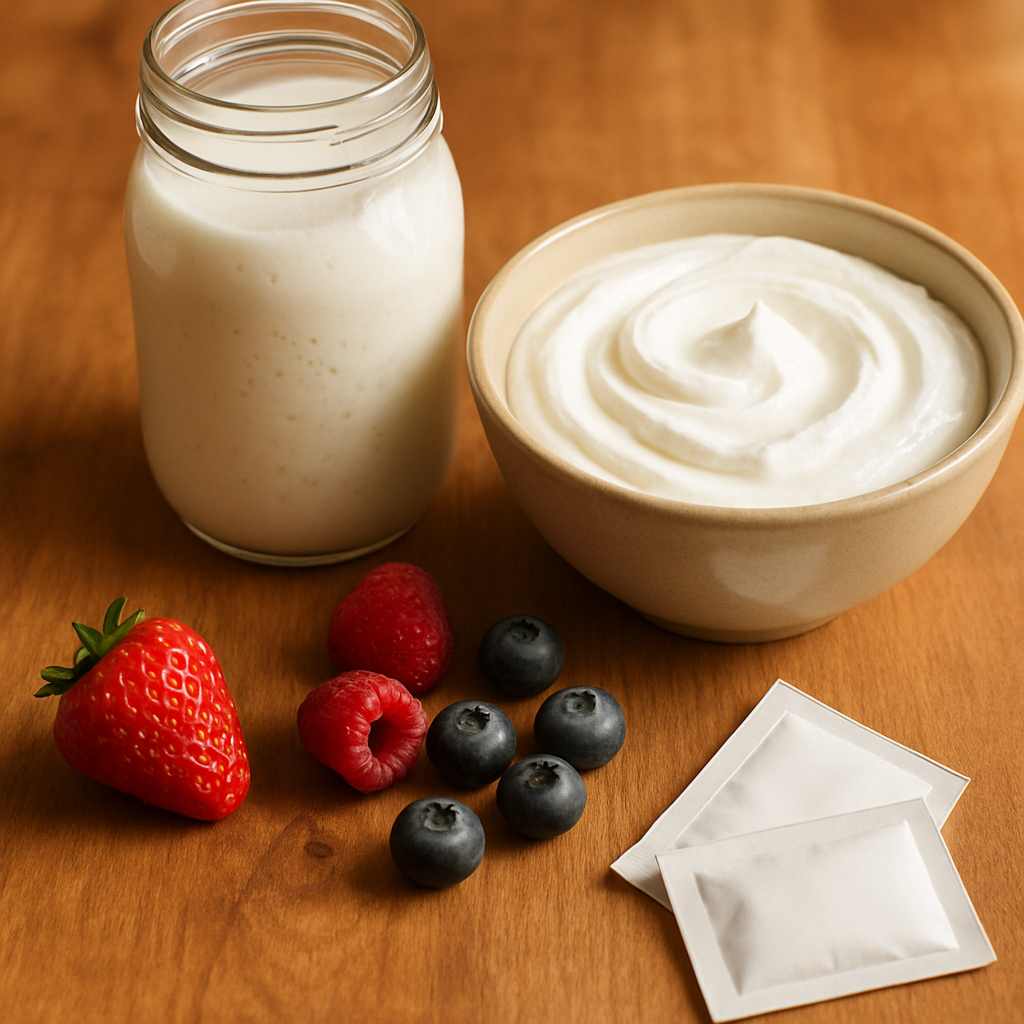
Let’s start with the headline difference: kefir contains significantly more probiotic species than yogurt. While a typical yogurt might contain 2 to 8 bacterial strains, kefir can contain 10 to 34 different probiotic species and yeasts — though exact numbers vary depending on how it’s made and fermented.
In my practice, I often see clients who have stalled progress with standard yogurt start responding once they switch to kefir. Why? That microbial diversity matters. Research published in the Journal of Dairy Science suggests that the broader range of microorganisms in kefir may support a more resilient and diverse gut microbiome — something I prioritise with every client seeking long-term digestive restoration.
That said, yogurt’s simplicity can be an advantage for people with compromised digestion or severe dysbiosis. When the gut is inflamed or fragile, a gentler introduction with fewer microbial strains is sometimes the wiser choice. I often recommend starting conservatively with plain yogurt and building tolerance before graduating to kefir.

CFU Counts: What the Numbers Tell Us
CFU stands for colony-forming units — essentially, the live bacterial count per serving. This is where comparisons become slippery, because commercial products vary wildly.
A typical commercial yogurt contains around 100 million to 1 billion CFUs per 6-ounce serving, though many mass-market brands sit on the lower end of that range. Kefir, particularly homemade versions or premium commercial products, can deliver 1 to 34 billion CFUs per serving — potentially 10 to 30 times more.
However — and this is crucial — higher CFU counts don’t automatically mean better outcomes. I’ve seen clients overwhelmed by too much too soon. The gut’s adaptation window matters. A sudden influx of billions of new microbes can trigger bloating, gas, and fatigue in people with sensitive systems. Gradual introduction is almost always superior to aggressive dosing.
Digestibility and Lactose Content
Here’s something many people don’t realise: both kefir and yogurt break down most of the lactose during fermentation, but kefir does it more thoroughly.
Yogurt typically retains 4 to 8 grams of lactose per 6-ounce serving, depending on the fermentation time. Kefir, fermented longer and with a more aggressive microbial population, leaves only trace amounts — often under 1 gram per serving. When a client presents with bloating after yogurt but tolerates kefir beautifully, lactose is frequently the culprit.
Additionally, kefir’s unique yeast content produces compounds that support faster gastric emptying and improved small intestinal function — something I’ve observed repeatedly in clients with sluggish digestion or IBS-C (constipation-dominant IBS).
Casein and Protein Profiles
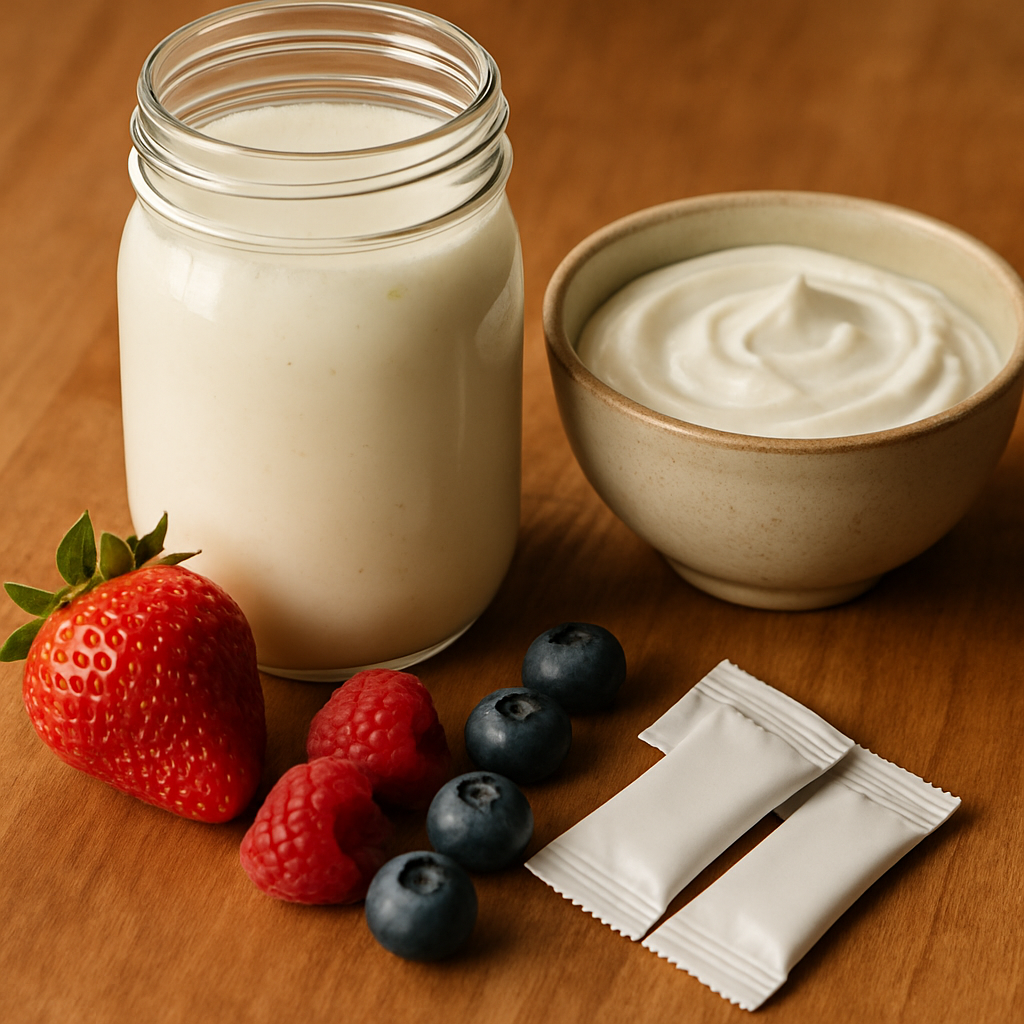
Both yogurt and kefir contain casein, a milk protein that can trigger sensitivity in some people. However, the fermentation process partially breaks down casein, making both more tolerable than milk itself.
Kefir undergoes a longer fermentation, resulting in greater casein hydrolysis. If you’ve struggled with milk protein sensitivity in the past, kefir — especially a 24-hour fermentation — may be easier to digest than even full-fat yogurt.
Protein-wise, both are comparable (around 8 to 10 grams per serving for yogurt; slightly less for kefir). The difference lies in the amino acid profile and how completely those proteins are pre-digested by the fermentation process.
If You’re Starting with Kefir: A Starter Culture That Actually Colonizes
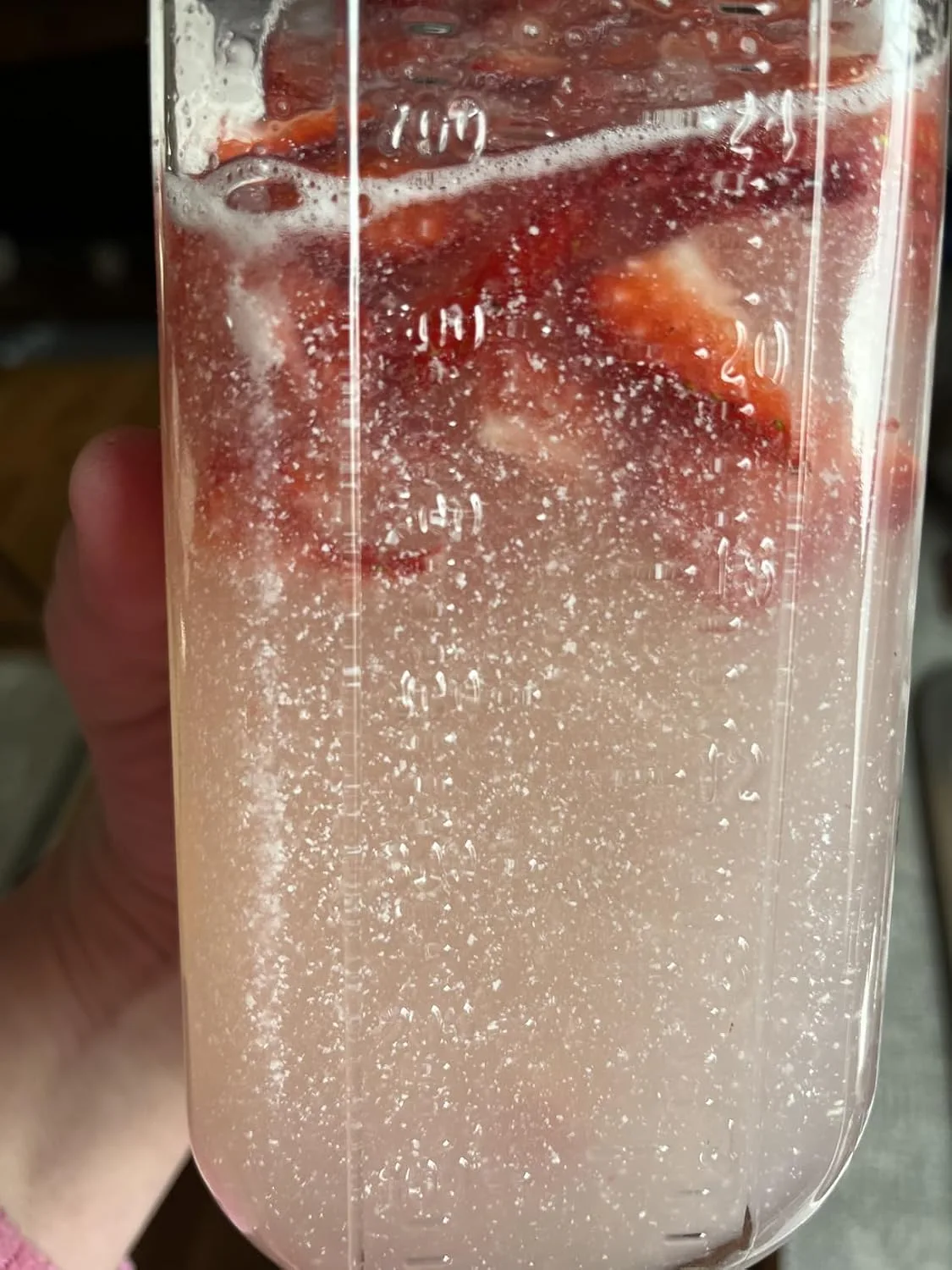
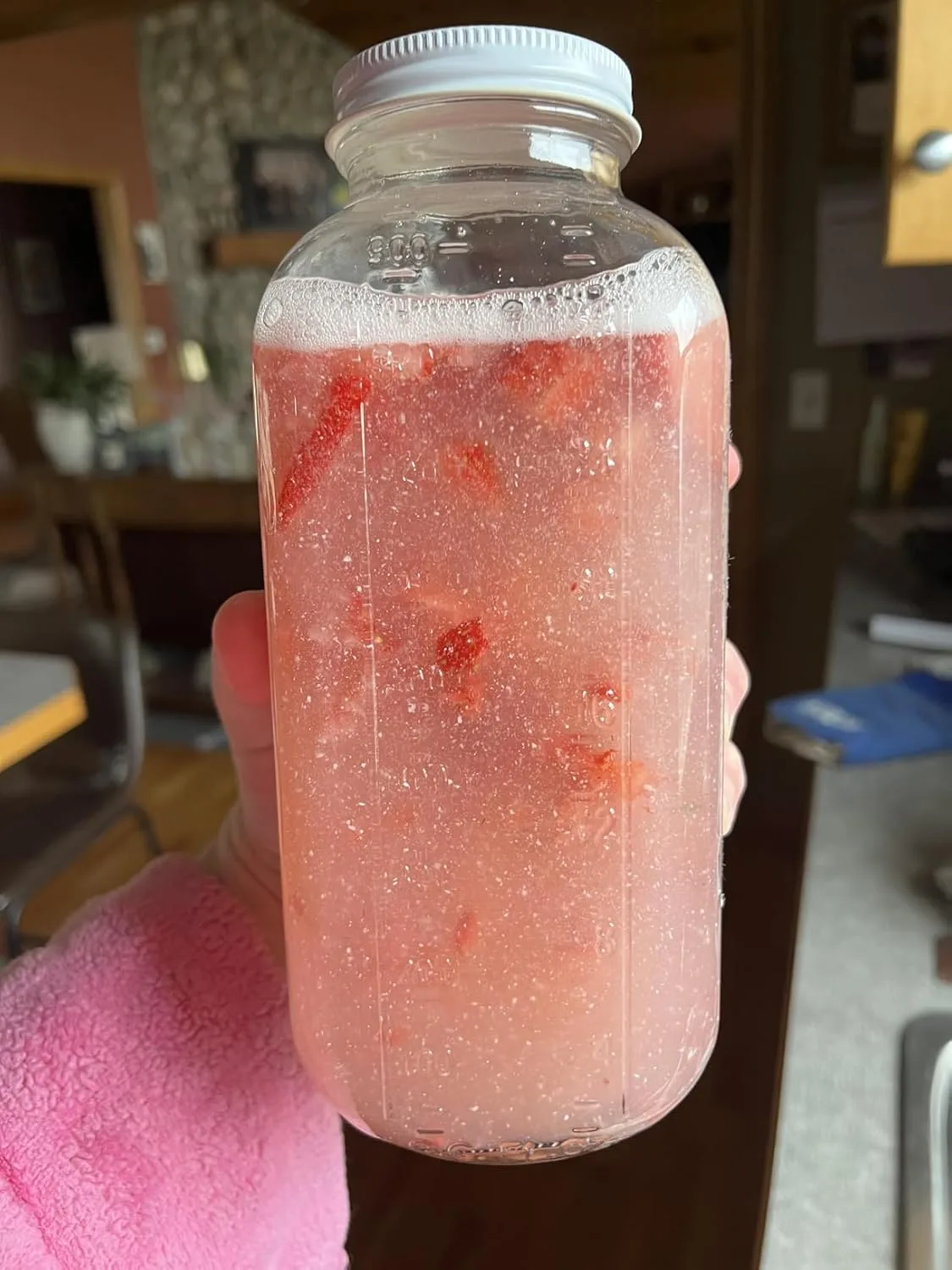
If kefir is the direction your gut is pointing you, a quality starter culture matters more than most people realize—especially if you’re dealing with dysbiosis or need wider microbial diversity. This freeze-dried formulation is designed to establish itself reliably in your gut rather than just pass through like many store-bought options.
What works
- The four-packet format allows you to rotate between strains, which clients with IBS often report helps reduce adaptation and keeps their symptom response stable over months of use.
- Freeze-dried cultures retain viability longer than wet grains and give you predictable CFU counts—important if you’re trying to track what’s actually working versus guessing based on store-bought inconsistency.
- Home-fermented kefir from a proper starter typically delivers 10–34 different bacterial and yeast species per batch, compared to 5–10 in most commercial yogurts, which matters if diversity is your goal.
What doesn’t
- If you have lactose malabsorption (as opposed to true dairy allergy), homemade kefir will still contain lactose—fermentation reduces it, but doesn’t eliminate it, so start with small amounts and don’t assume it’s automatically tolerable just because it’s fermented.
- This requires a 12–24-hour fermentation window and basic kitchen commitment; if you need a probiotic you can grab from the shelf, a quality yogurt or supplement capsule is more realistic and will work just fine.
Homemade kefir is a food, not a medicine, and shouldn’t replace medical care if you’re dealing with active inflammatory bowel disease or severe dysbiosis—work with your gastroenterologist or nutritionist to establish whether fermented dairy is even right for your situation first. If you’re ready to experiment, Cultures for Health Kefir Starter Culture (4 Packets Freeze Dried Starter Powder) is the one I recommend to clients who want to standardize their fermentation.
This post contains affiliate links. As an Amazon Associate, I earn from qualifying purchases at no extra cost to you.

This post contains affiliate links. As an Amazon Associate I earn from qualifying purchases at no extra cost to you.